perennialN. America Native
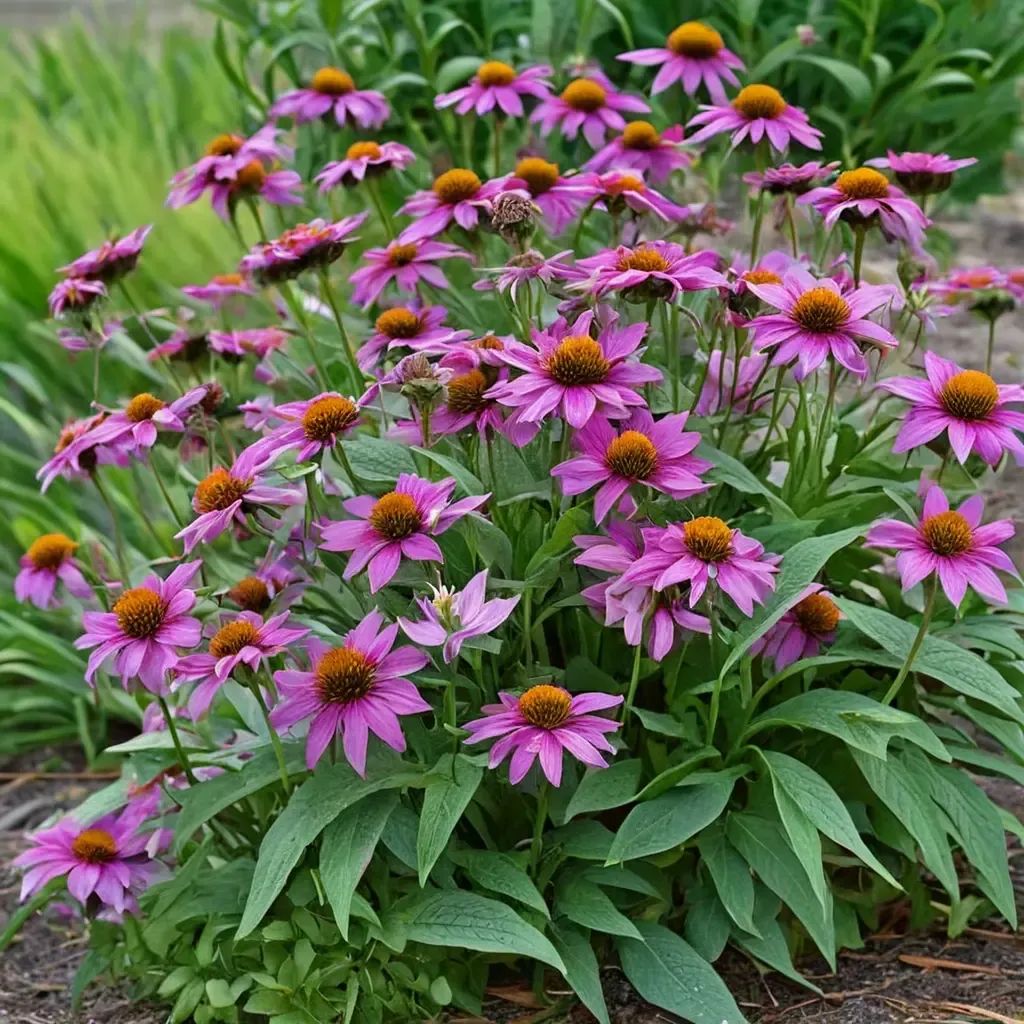
Pow Wow Wild Berry Purple Coneflower
Echinacea purpurea 'Pow Wow Wild Berry'
$12.95
Expertly Curated
Real-Time Pricing
Loved by Designers
Essentials
At a Glance
Plant Type
Perennial
Height
28 inches
Width
24 inches
Light
Full Sun, Partial Sun
Zones
4, 5, 6, 7, 8
Water
Moderate
Humidity
Average
Lifespan
Perennial
Native To
North America
Toxicity
Non-toxic to humans and pets
The Story
Plant Bio
Pow Wow Wild Berry is a compact coneflower with vibrant berry-colored blooms and sturdy stems. This cultivar is renowned for its exceptionally vibrant flowers and robustness, making it a favorite among gardeners.
Bloom Period:
J
F
M
A
M
J
J
A
S
O
N
D
EarlyLate
Uses & Benefits:
Echinacea purpurea Pow Wow Wild Berry provides vibrant color and attracts pollinators, enhancing garden aesthetics.
Its medicinal properties boost immune health and are used in herbal remedies.
Supports bees, butterflies, and other beneficial insects, promoting biodiversity.
Marketplace
Where to Buy
<1 Gal Pot
In Stock$12.95
Shipping costs Year-round shipping Free shipping
Planting
How to Grow
- Tuck seeds into moist soil in early spring for best germination.
- Mist cuttings regularly to maintain humidity and encourage root growth.
- Plant in well-drained soil with full sun exposure for optimal flowering.
- Divide clumps every 3-4 years in early spring to promote healthy growth.
- Mulch around plants to retain moisture and suppress weeds.
- Transplant seedlings or mature plants during early spring after last frost.
Pro Tip
Use organic compost to enrich soil and promote vibrant blooms.
Keep It Thriving
Care Guide
Do
- Water deeply once a week during dry spells 🌱
- Prune faded flowers to encourage reblooming
- Apply a balanced fertilizer in spring
Don't
- Avoid overwatering to prevent root rot ❌
- Don’t prune in late fall to protect winter interest
- Refrain from using heavy mulch that retains too much moisture
Seasonal Care Calendar
| Task | Jan | Feb | Mar | Apr | May | Jun | Jul | Aug | Sep | Oct | Nov | Dec |
|---|---|---|---|---|---|---|---|---|---|---|---|---|
| Deadhead | ||||||||||||
| Divide | ||||||||||||
| Fertilize | ||||||||||||
| Spring Cleanup |
Watch Out For
Pests & Diseases
Common Pests
Common Diseases
In the Garden
Landscape Uses & Companions
Landscape Uses
Bright perennial borderWildflower meadowButterfly-friendly garden
Companion Plants
Black-eyed Susan Liatris Coreopsis Salvia Yarrow
Multiply
Propagation Methods
Good to Know