
The Story
Plant Bio
Epimedium × cantabrigiense, Cambridge bishop's hat, is an evergreen to semi-evergreen perennial for shade, with leathery leaves divided into heart-shaped leaflets and new growth flushed rusty bronze. In spring, loosely branched stems up to about 18 inches carry sprays of small, coppery pink flowers with yellow centers.
This natural hybrid of Epimedium alpinum and Epimedium pubigerum is named for Cambridge, England, where it was found, and it takes its deeply veined leaves from alpinum and its tall, airy flower sprays from pubigerum. It spreads only slowly, so it makes a well-behaved clump in shade rather than running through a bed.
Uses & Benefits:
Essentials
At a Glance
Plant Type
Perennial
Height
18"
Width
24"
Light
Partial Sun, Shade
Zones
4, 5, 6, 7, 8
Water
Moderate
Humidity
Prefers moist, humid environments
Lifespan
Perennial
Native To
Europe and Asia
Toxicity
Non-toxic to humans and pets
Bloom period
Early spring – Mid-spring
In flower about 2 months of the year
Planting
How to Grow
- Tuck seeds into soil in early spring for best germination.
- Mist cuttings regularly to maintain humidity and root in 4 weeks.
- Plant in shaded areas with rich, well-drained soil.
- Water regularly during first growing season to establish roots.
- Divide clumps every 3-4 years in early spring or fall.
- Apply mulch to retain soil moisture and suppress weeds.
Pro Tip
Provide shaded, protected spots with rich soil for optimal growth.
Keep It Thriving
Care Guide
Do
- Water consistently during dry periods 🌱
- Mulch to keep roots cool and moist
- Prune after flowering to maintain shape
Don't
- Avoid full sun exposure ❌
- Do not let soil dry out completely
- Refrain from heavy fertilization in late fall
Seasonal Care Calendar
| Task | Jan | Feb | Mar | Apr | May | Jun | Jul | Aug | Sep | Oct | Nov | Dec |
|---|---|---|---|---|---|---|---|---|---|---|---|---|
| Divide | ||||||||||||
| Mulch | ||||||||||||
| Spring Cleanup |
Watch Out For
Pests & Diseases
Common Pests
Common Diseases
In the Garden
Landscape Uses & Companions
Landscape Uses
Multiply
Propagation Methods
Good to Know
Common Questions
Cambridge Bishop's Hat questions
What zones can Cambridge Bishop's Hat grow in?
Cambridge Bishop's Hat is hardy in USDA Zones 4–8: in that range it survives winter in the ground. Warmer than Zone 8, winter isn't the problem: it prefers colder winters, and summer heat can shorten its life.
Is Cambridge Bishop's Hat deer resistant?
Yes — Cambridge Bishop's Hat is rated deer-resistant. Deer typically pass it over, though extreme hunger can override any plant's defenses.
When does Cambridge Bishop's Hat bloom?
Cambridge Bishop's Hat typically blooms in early to mid-spring. Exact timing shifts a week or two with your zone — Sow's bloom calendar maps it to your garden.
Does Cambridge Bishop's Hat need full sun?
Cambridge Bishop's Hat does best in part shade.
More Epimedium to compare
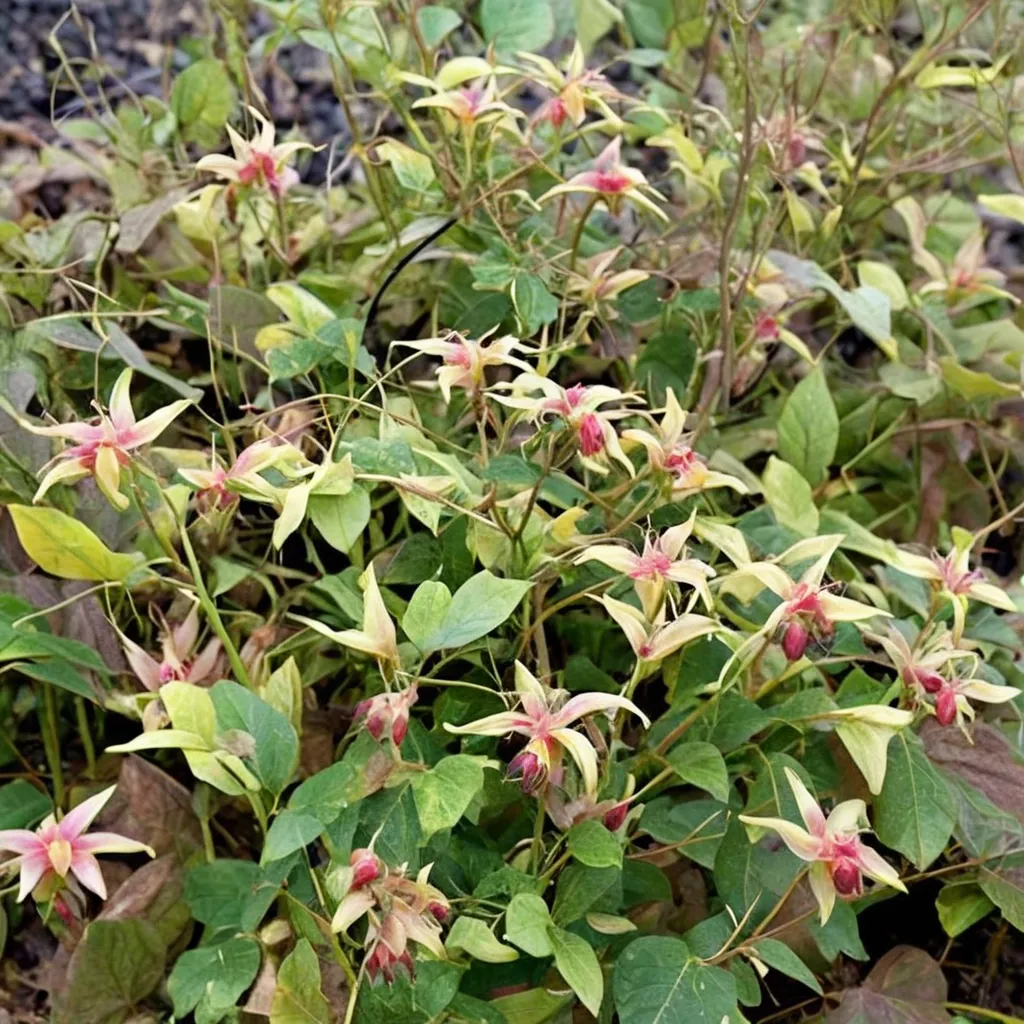
Epimedium Songbirds
Epimedium x hybrida 'Songbirds'
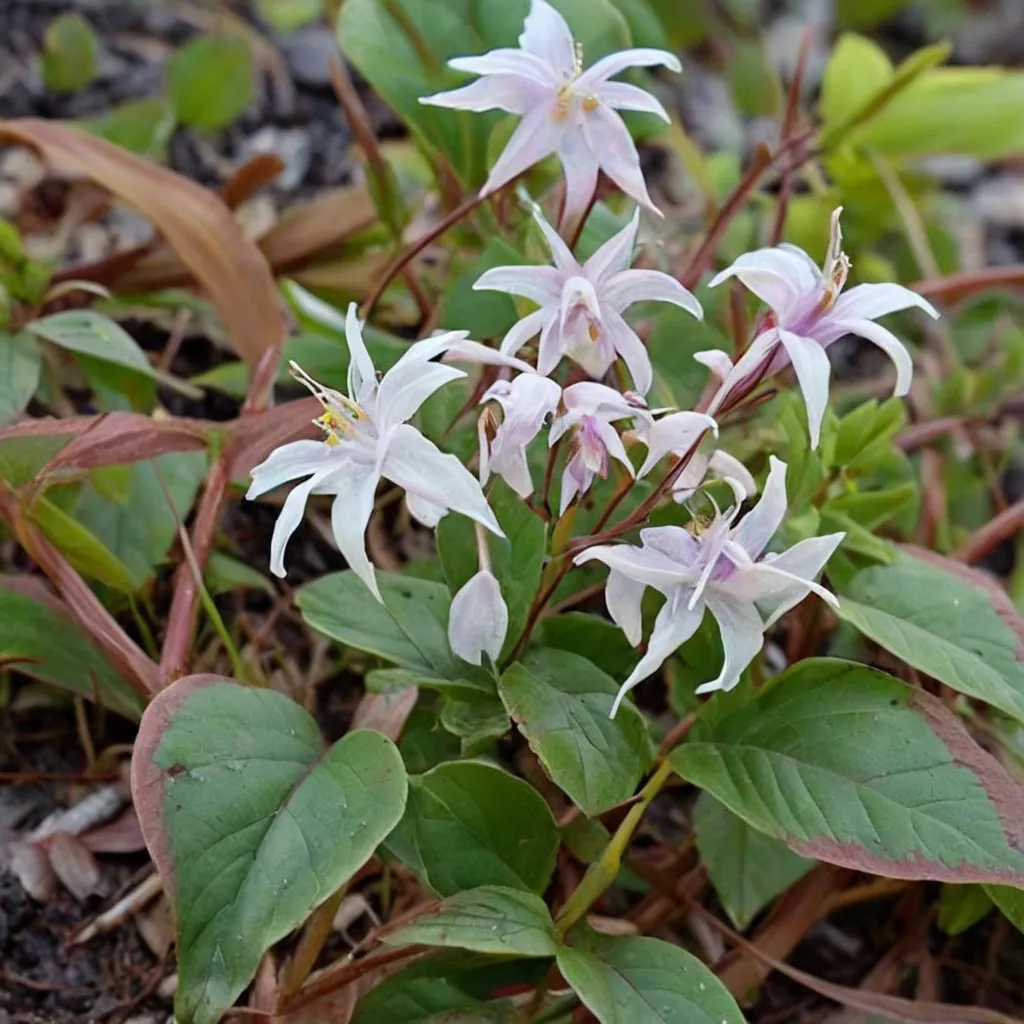
Barrenwort
Epimedium sempervirens
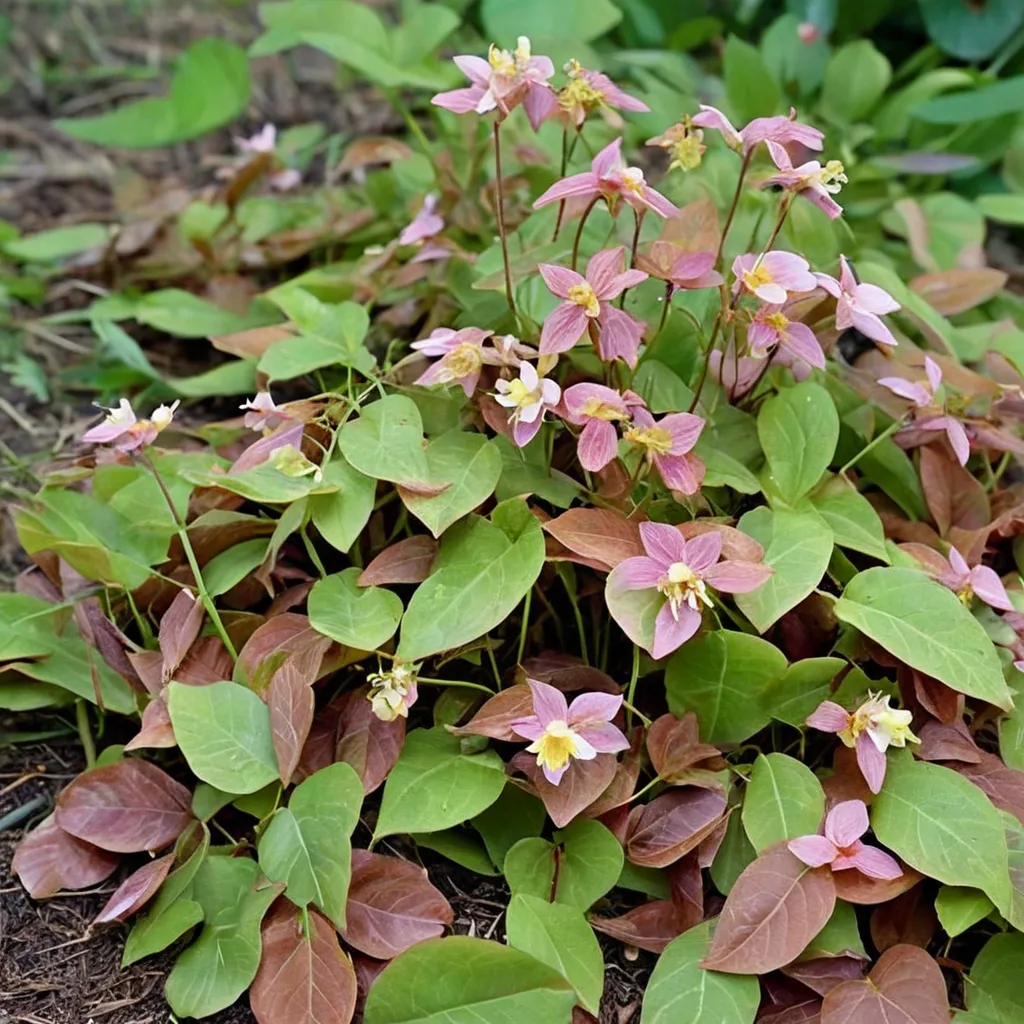
Versicolor Bicolor Barrenwort
Epimedium versicolor 'Versicolor'
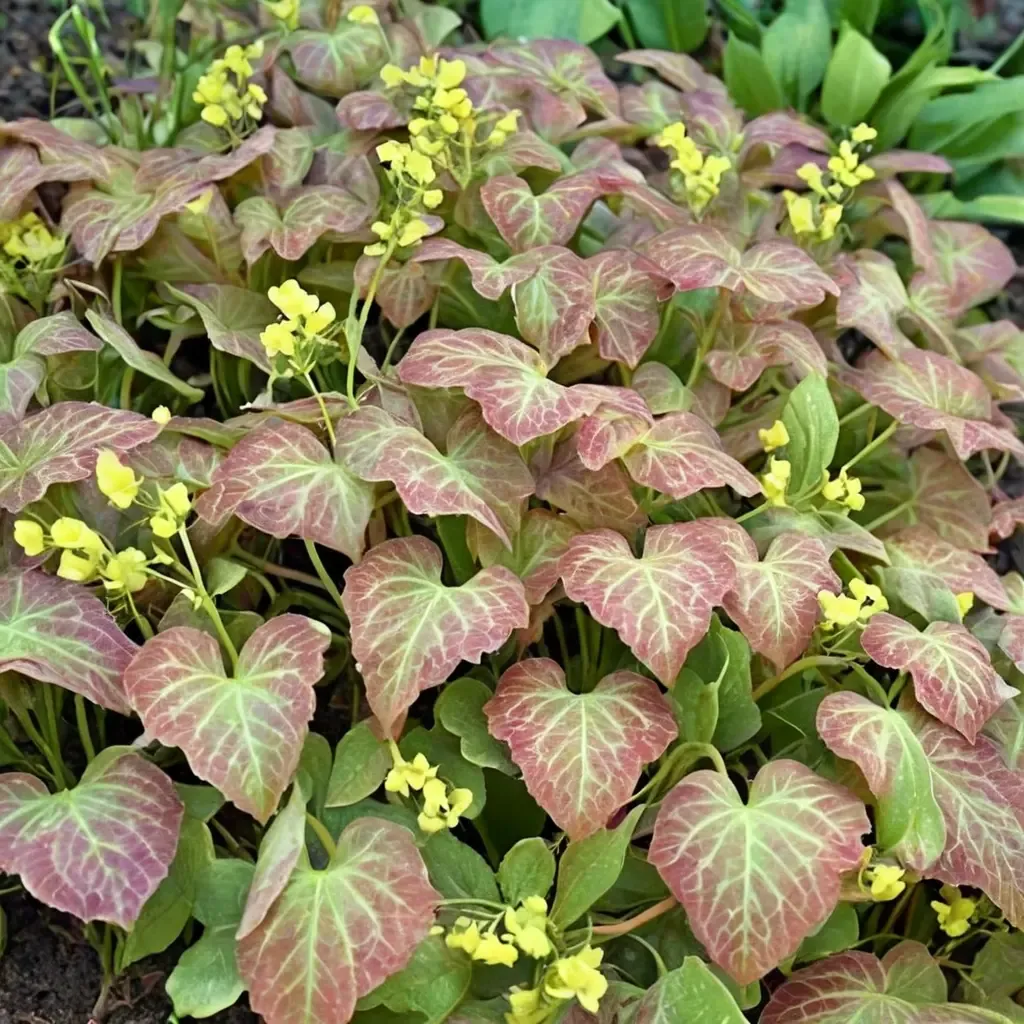
Frohnleiten Barrenwort
Epimedium x perralchicum 'Frohnleiten'
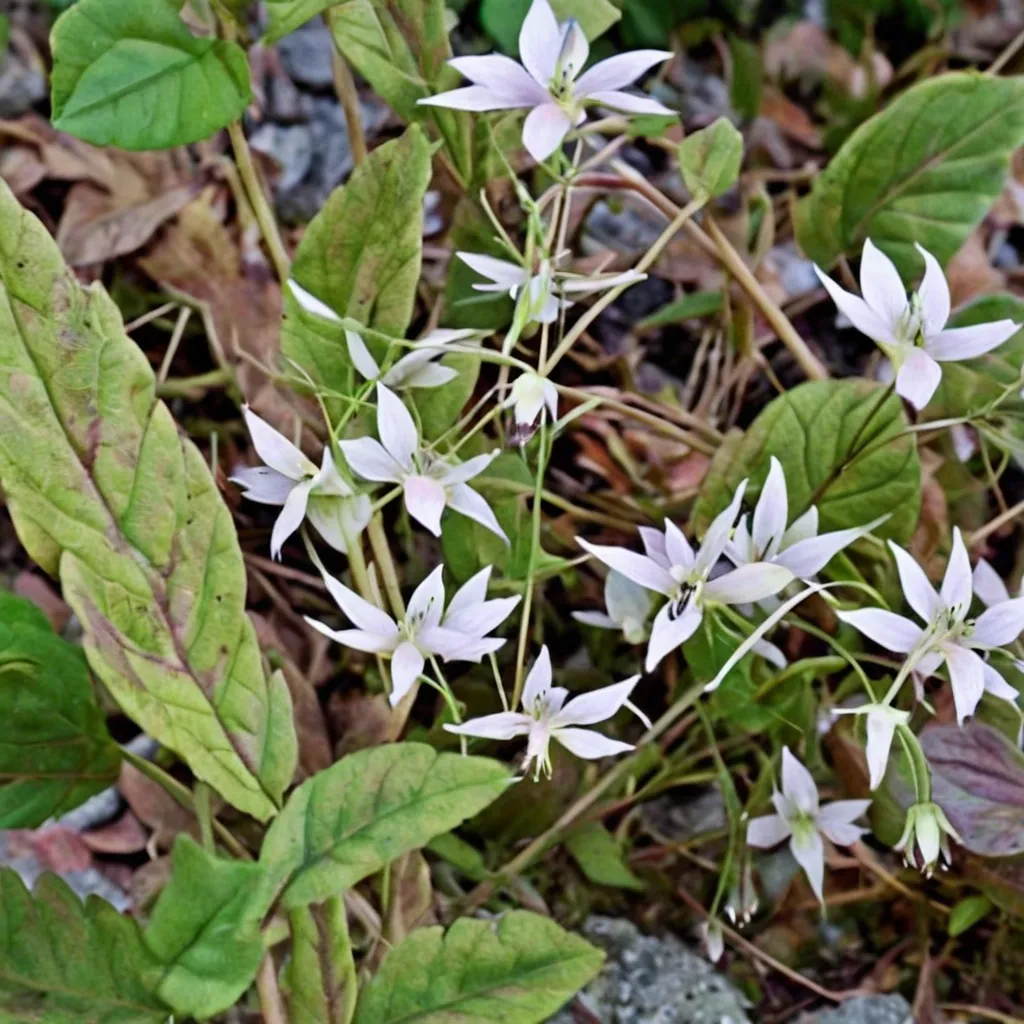
Sichuan Spider Barrenwort
Epimedium chlorandrum 'Sichuan Spider'
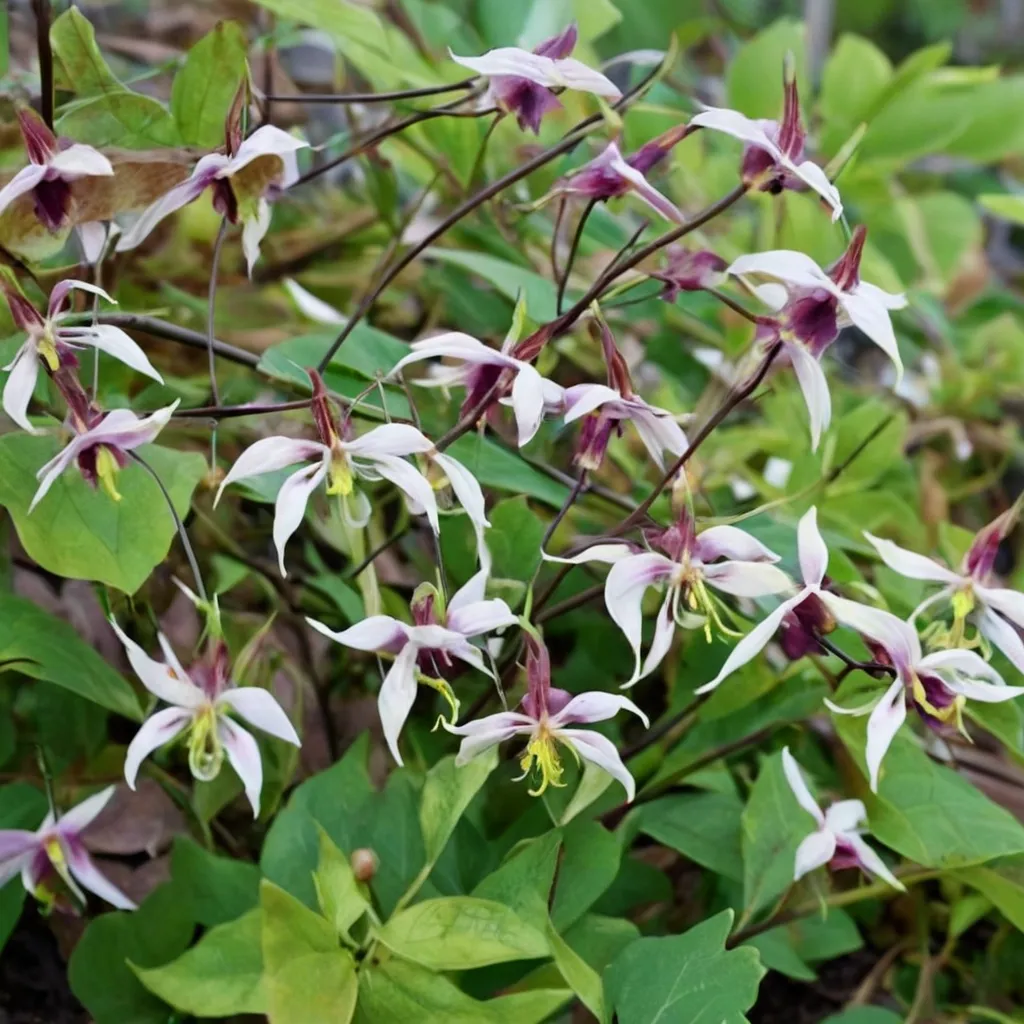
Razzleberry Barrenwort
Epimedium x omeiense 'Razzleberry'
Keep exploring
Explore the genus
Hardy in your zone?
Grow Cambridge Bishop's Hat with confidence
See it in a design of your actual yard, get zone-matched care reminders, and track it season by season in your garden journal.