Also known as Maple · 3.4k saves
Acer
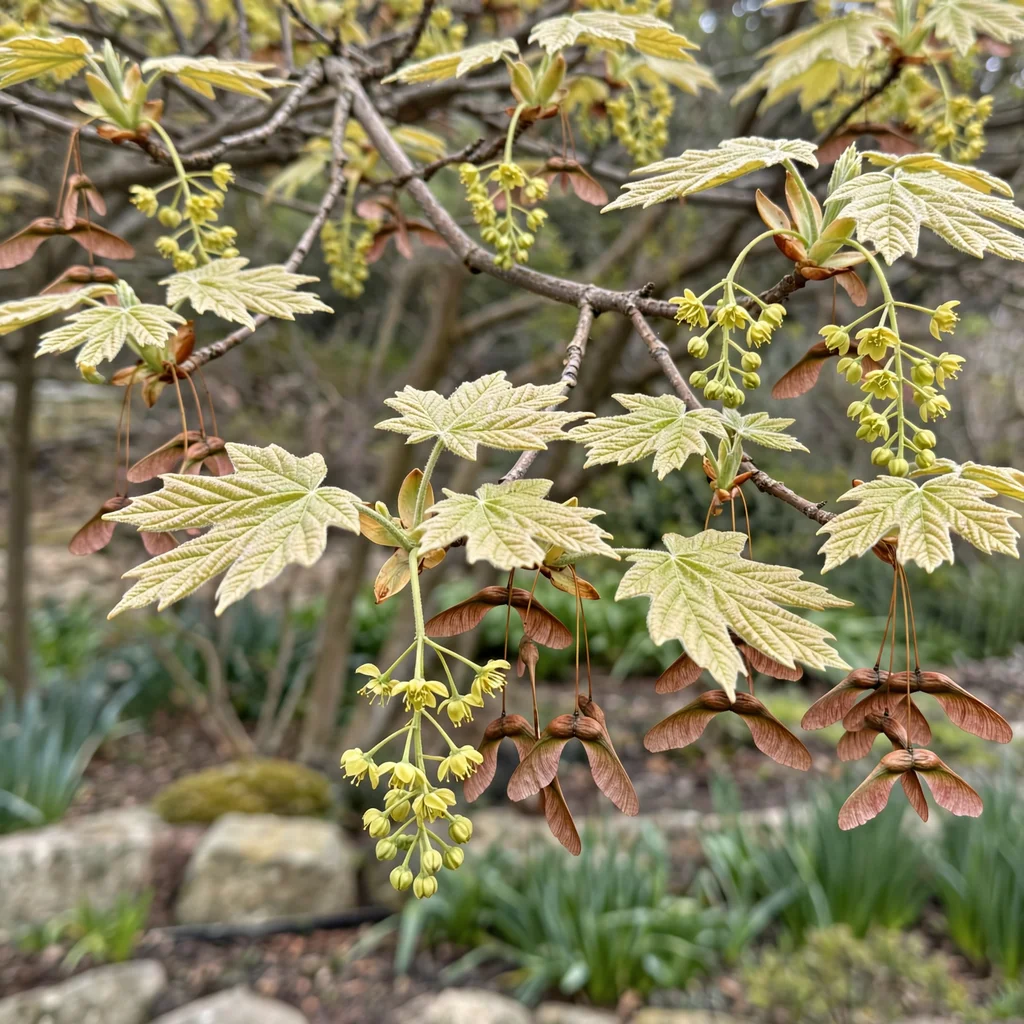
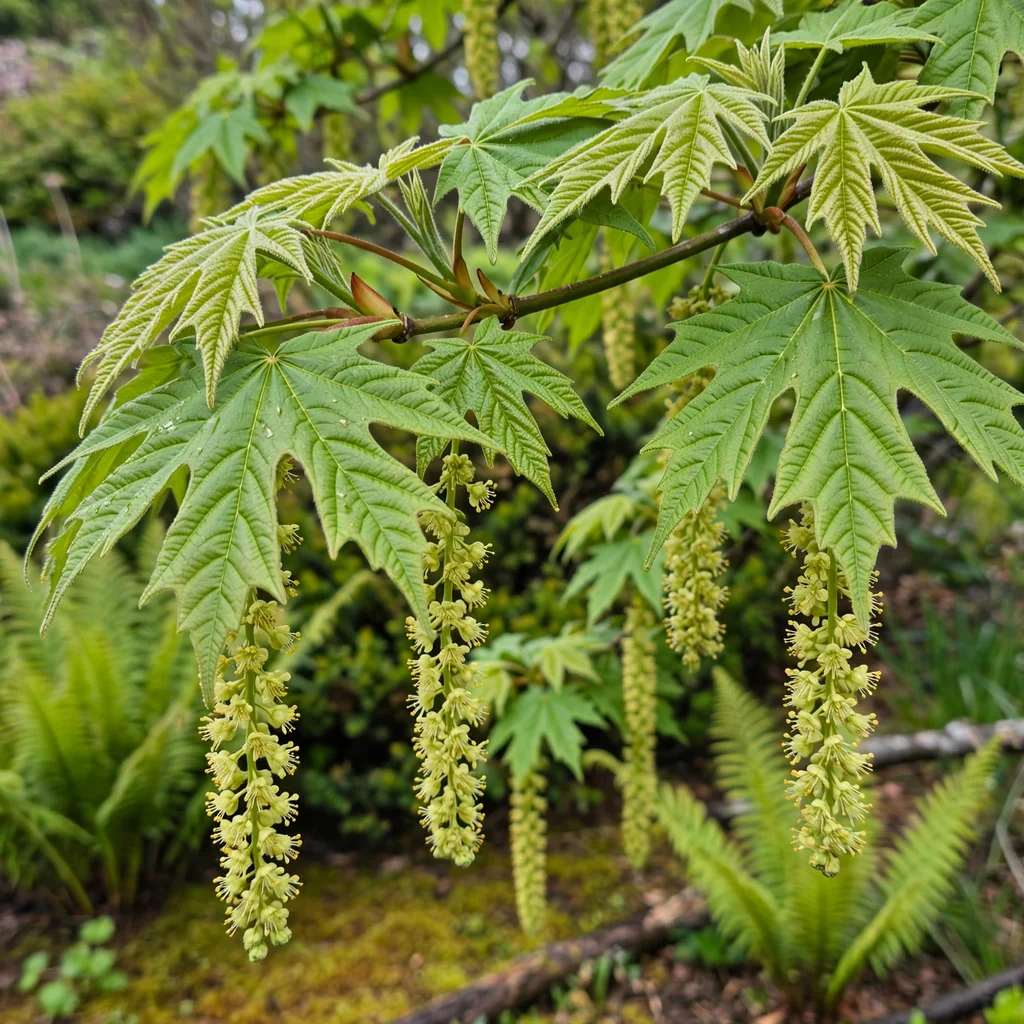
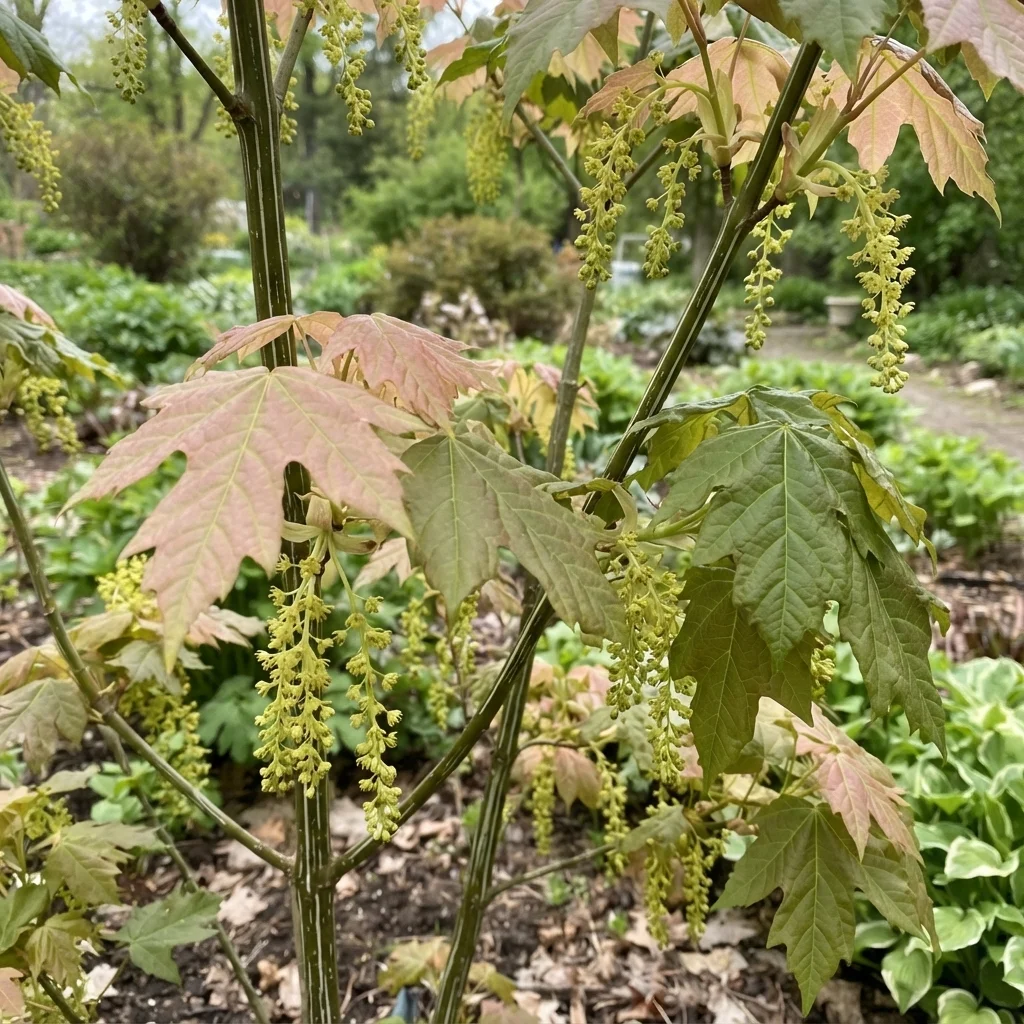
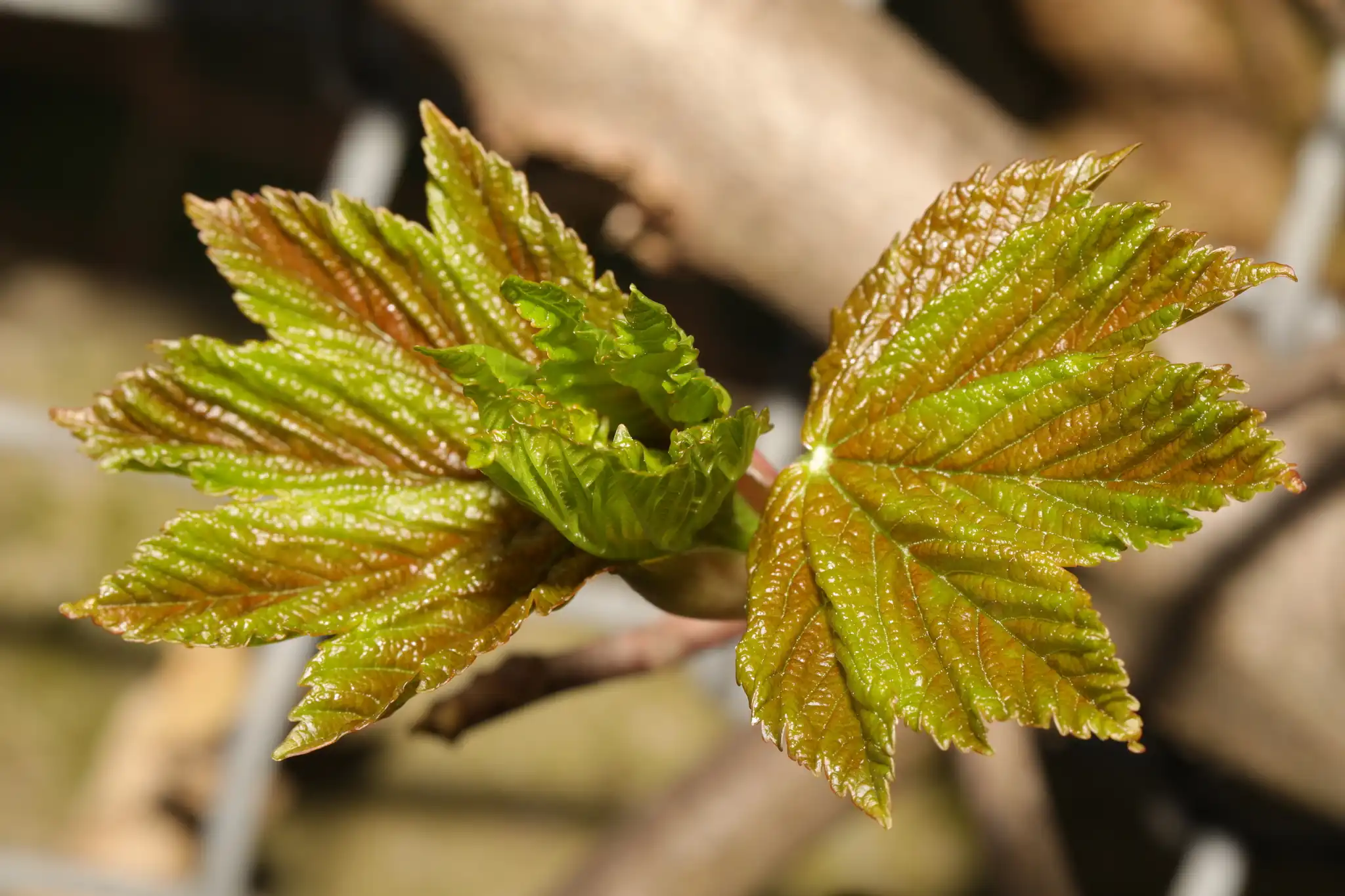
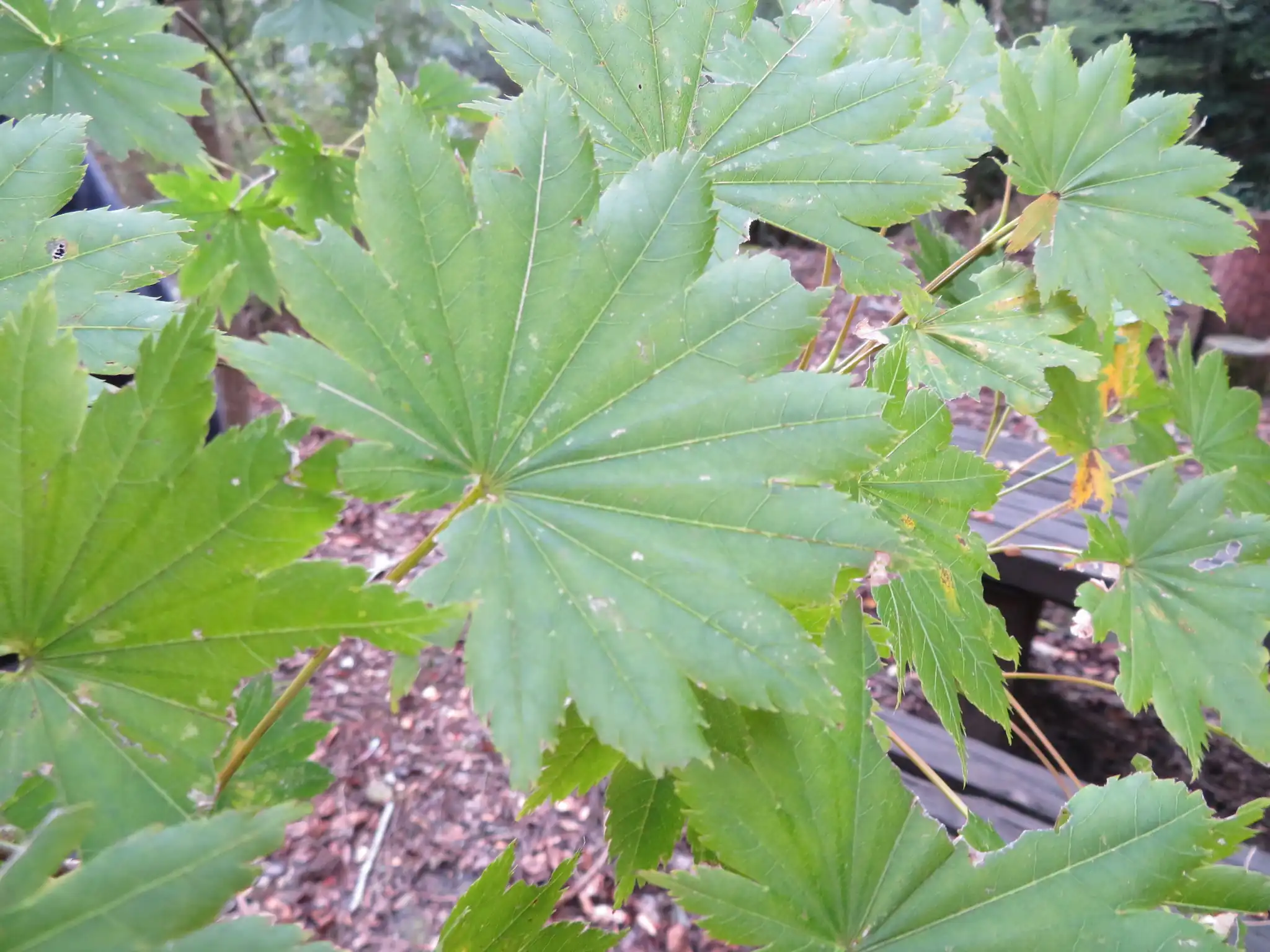
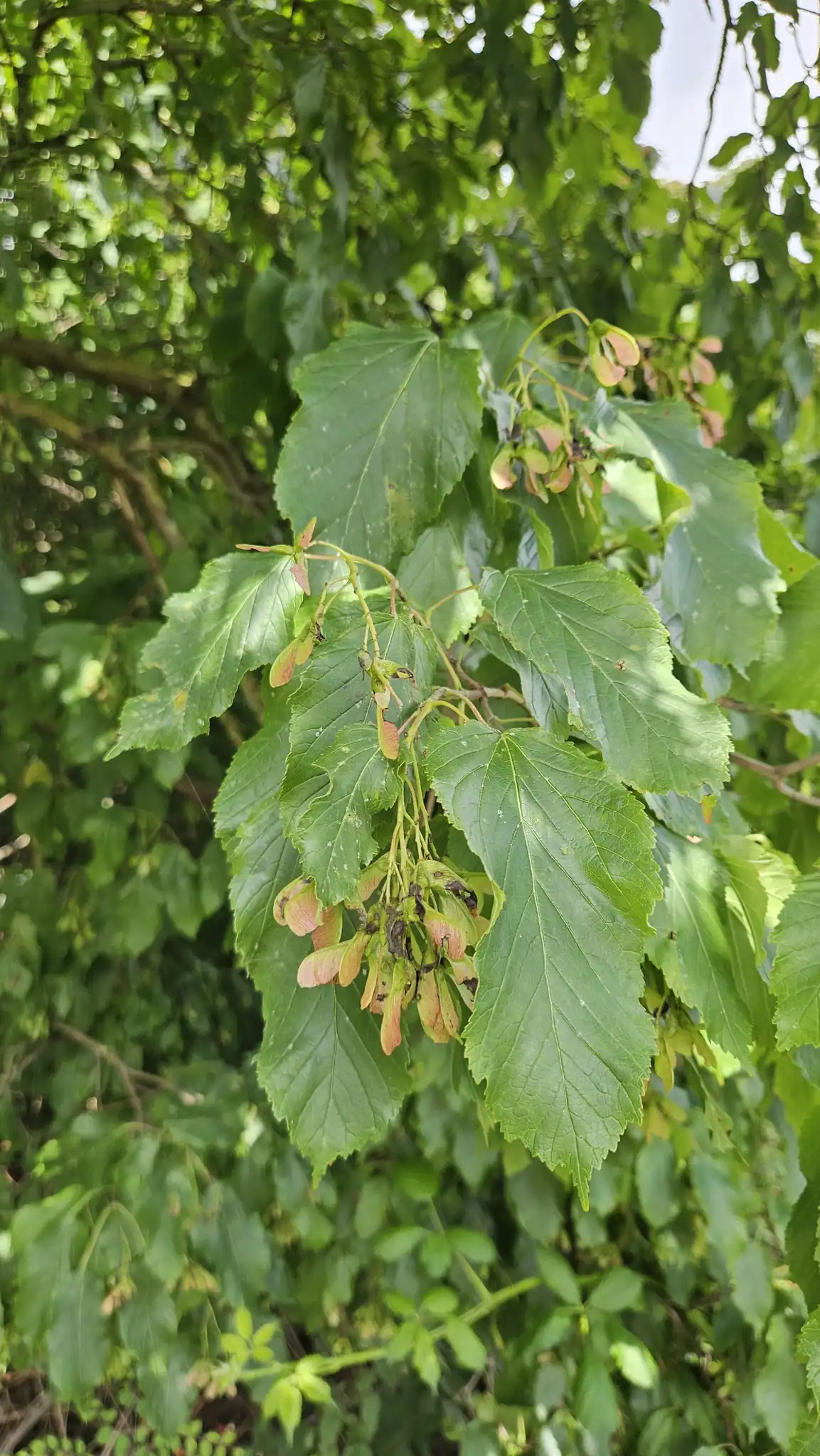
Acer, the genus most gardeners know as maple. We track 107 varieties; the ones most used by real gardeners.
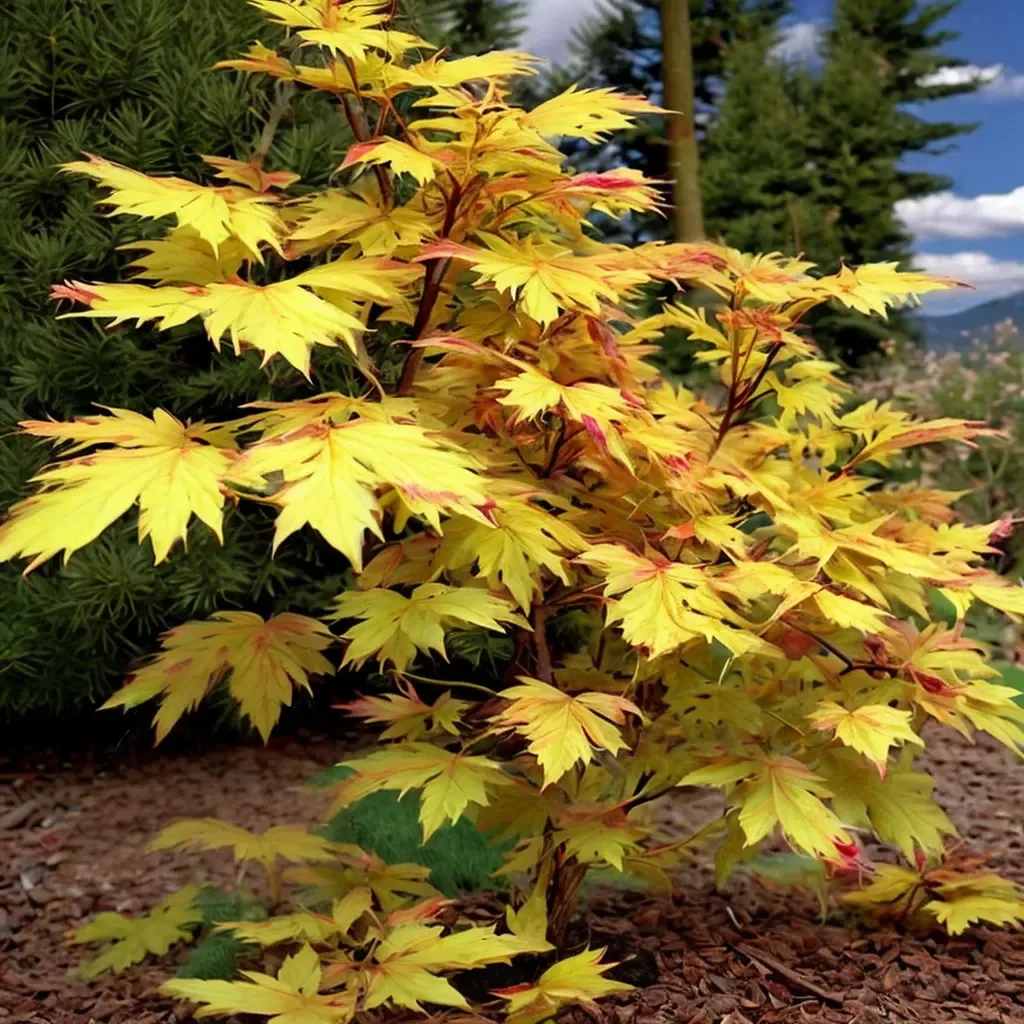
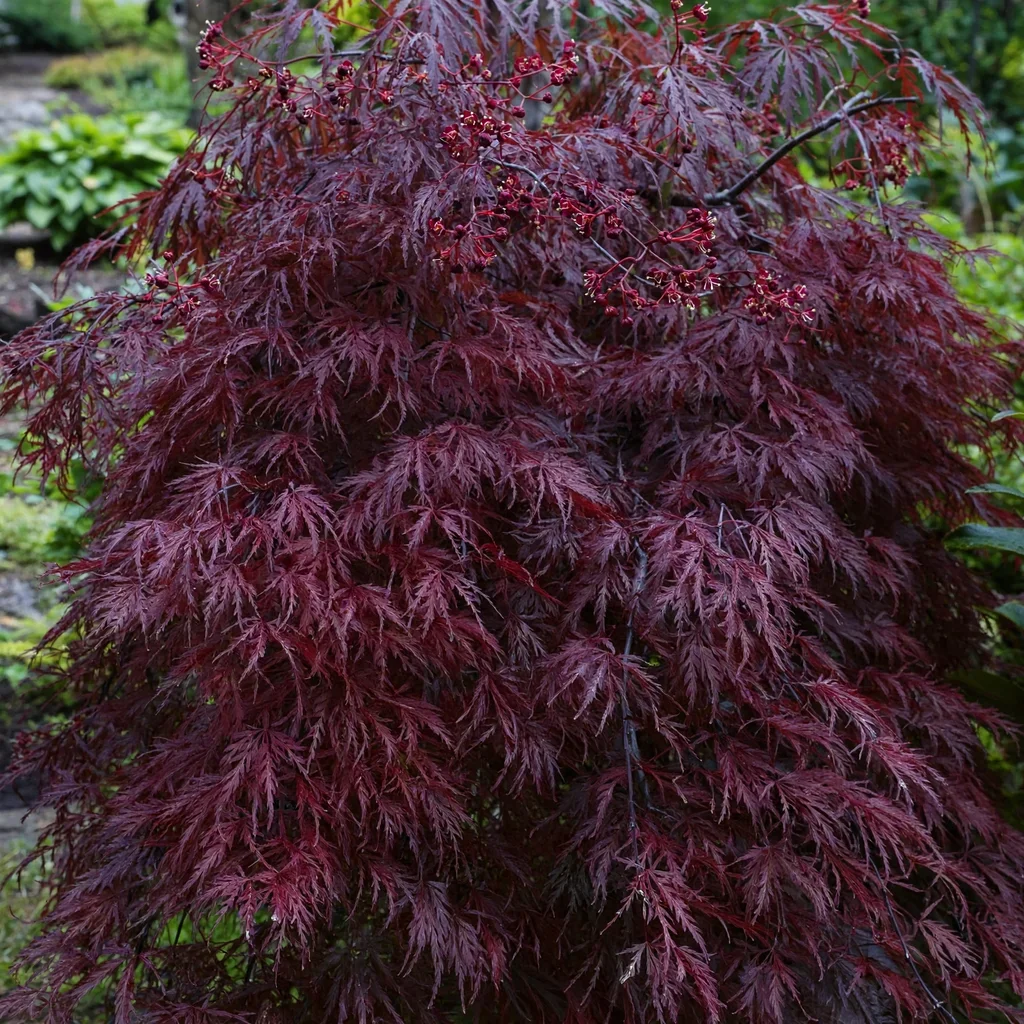
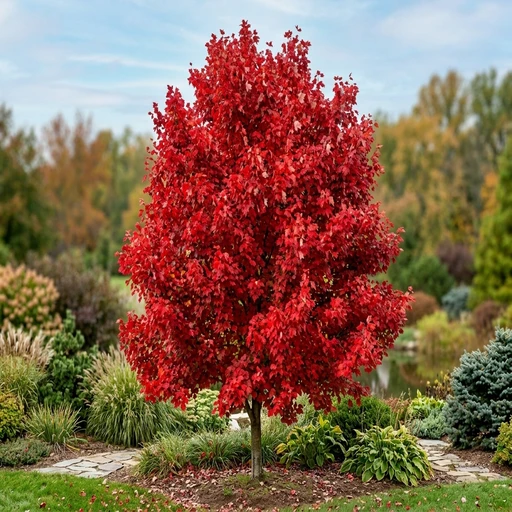
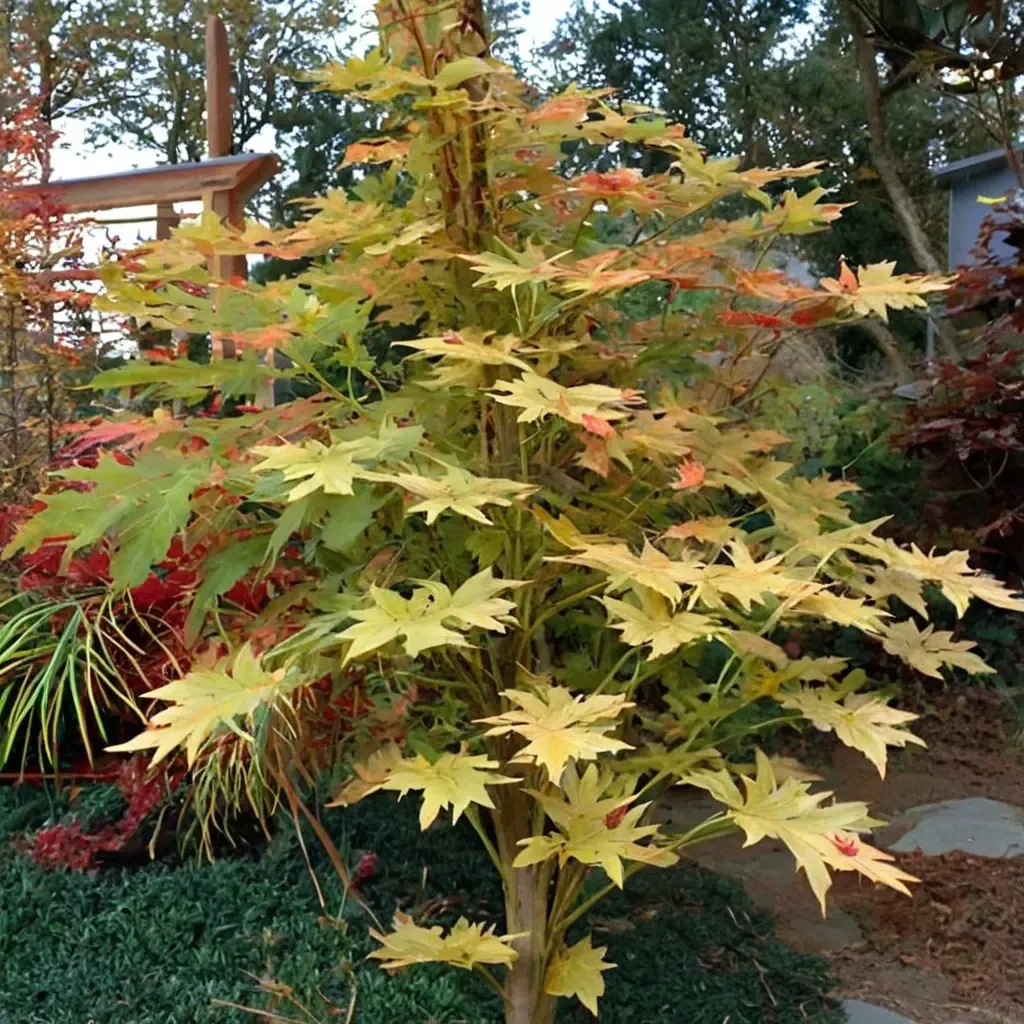
The 24 most-saved Acer varieties

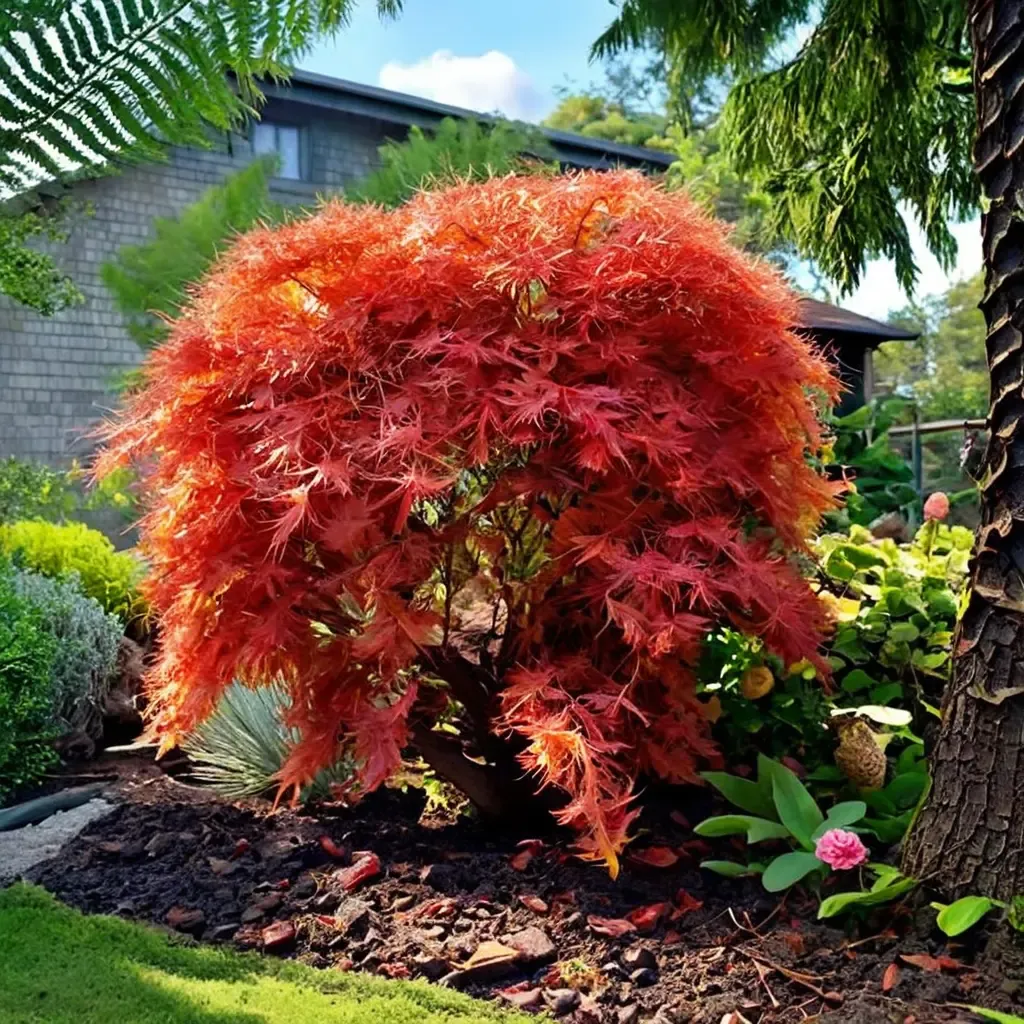
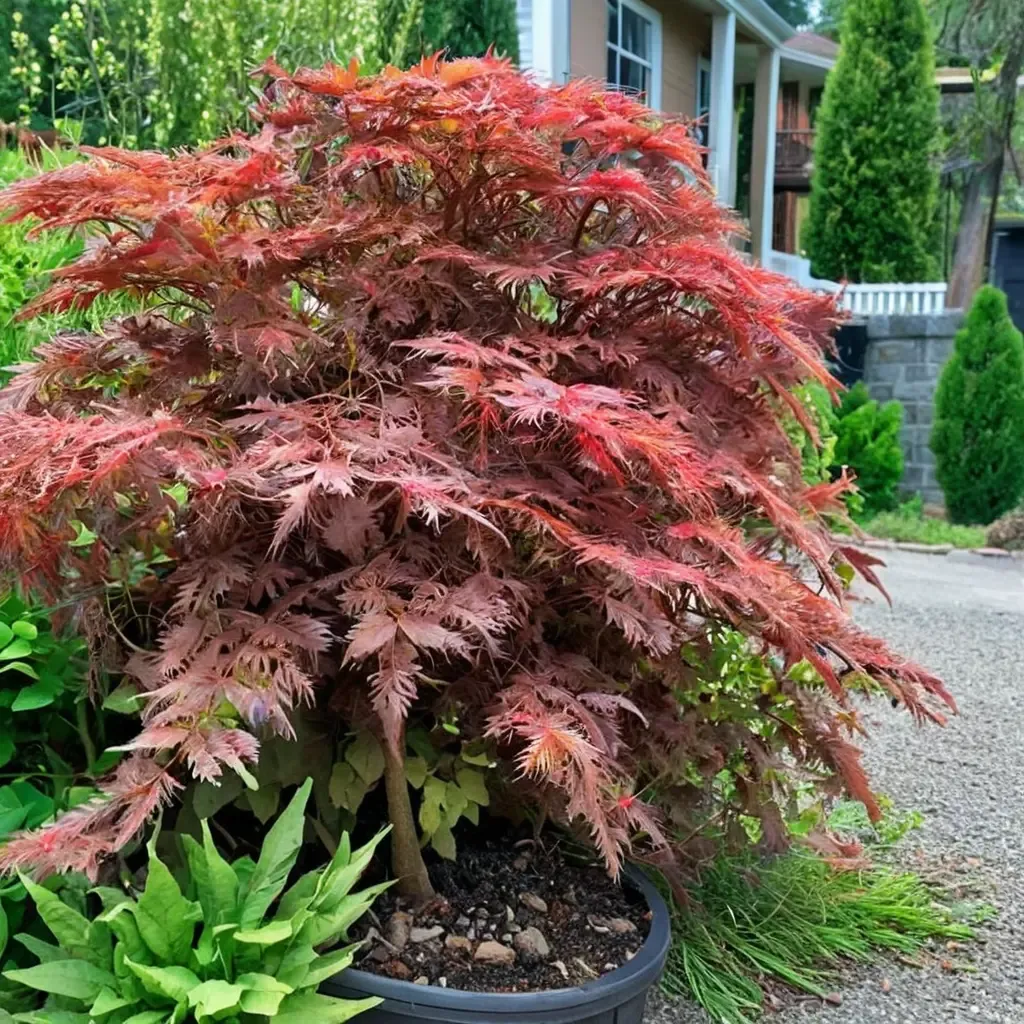

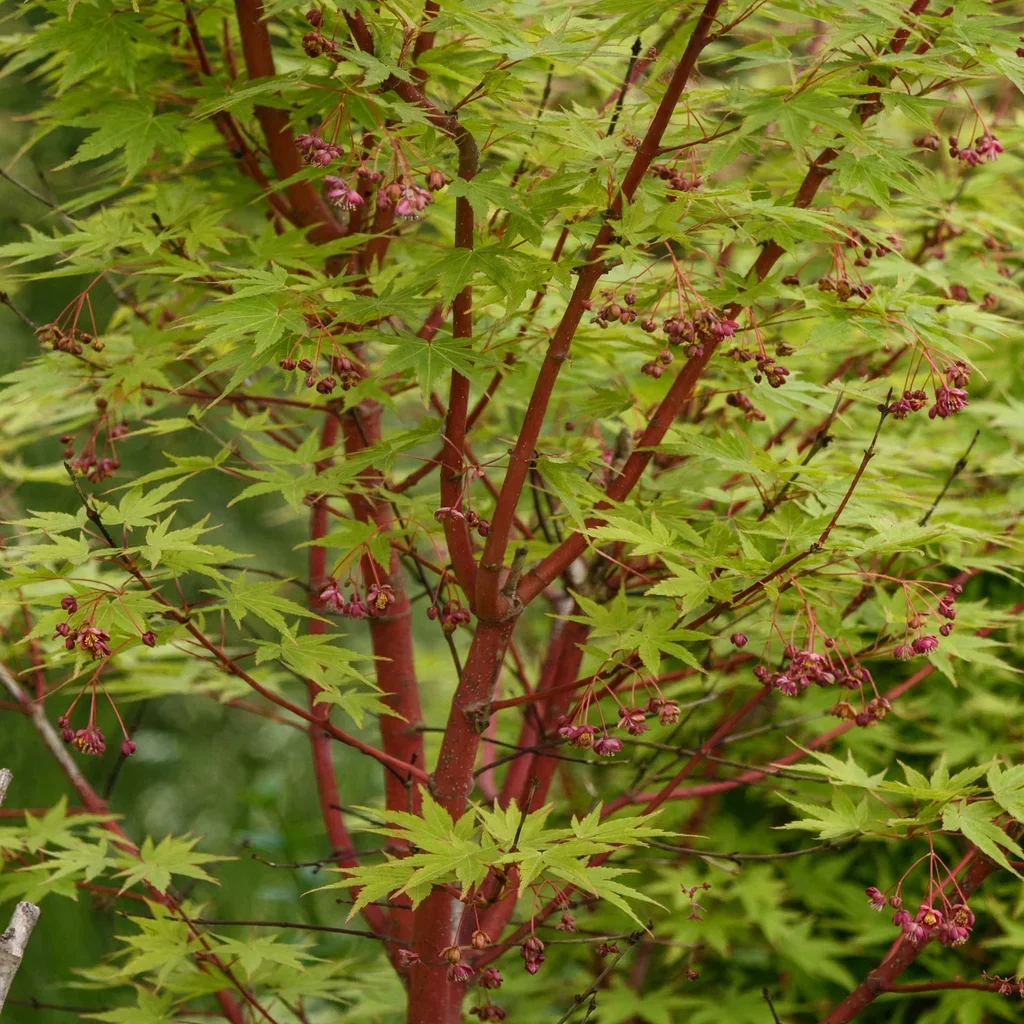
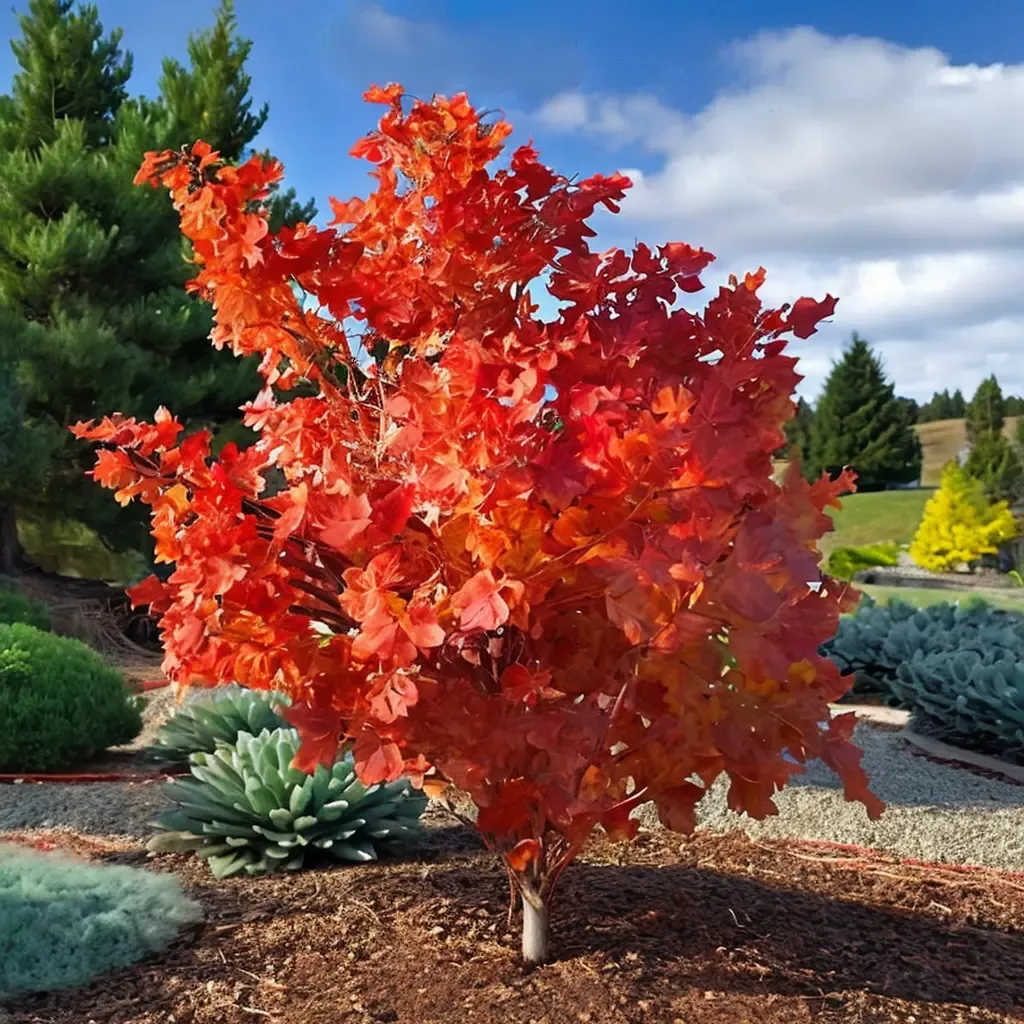
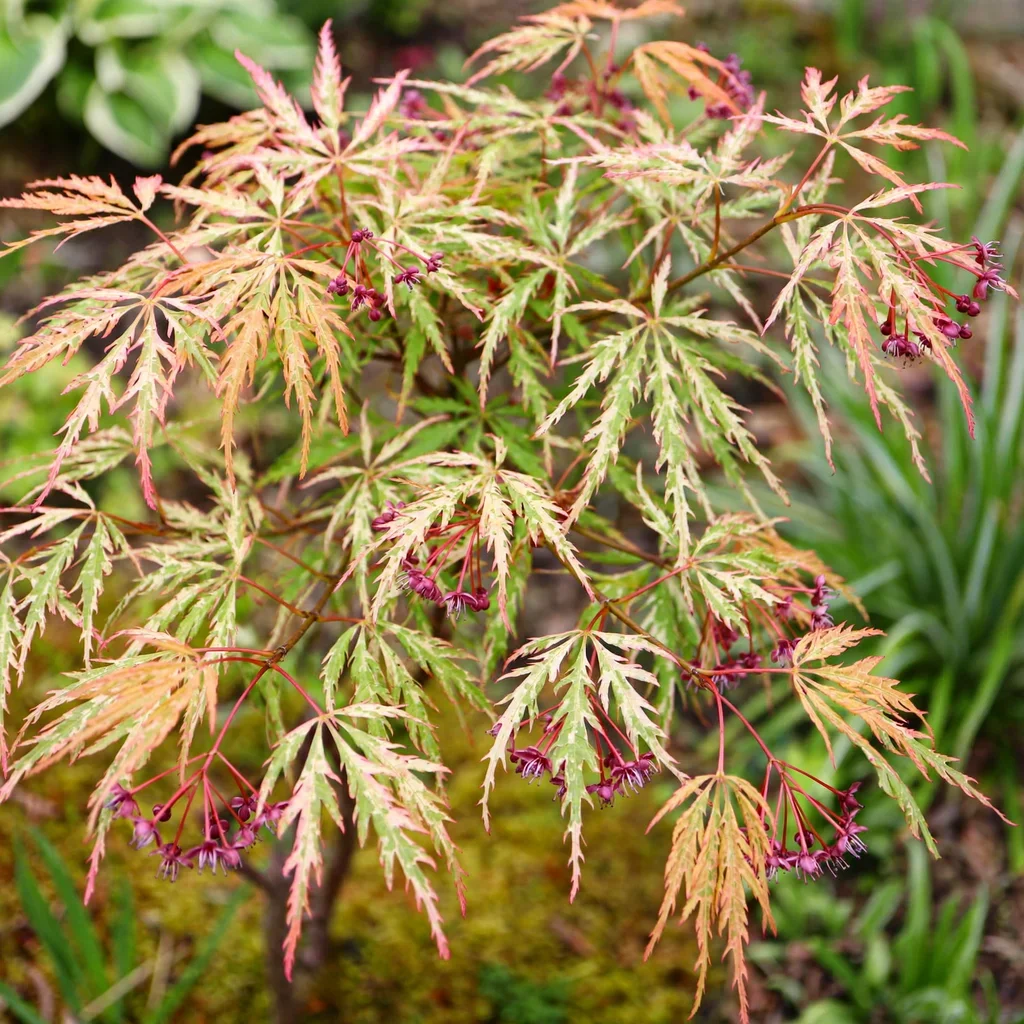
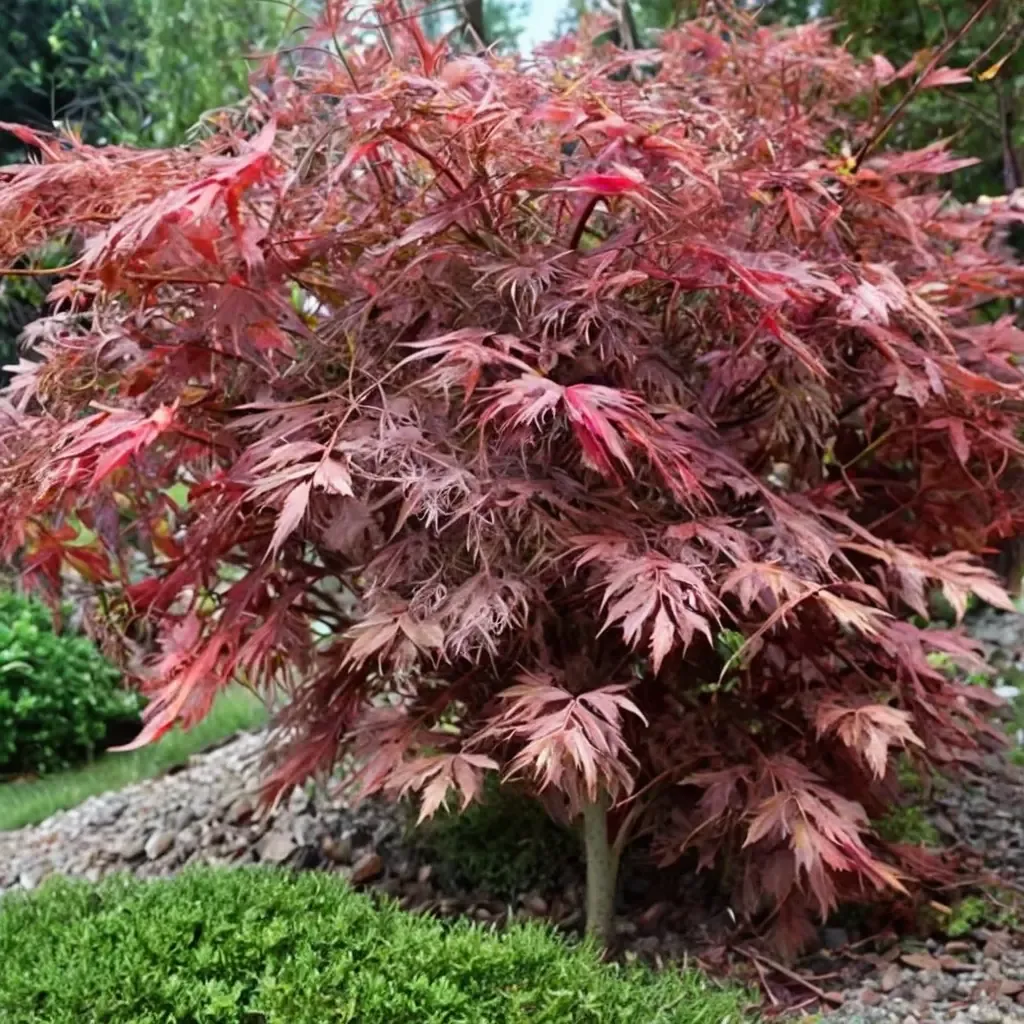
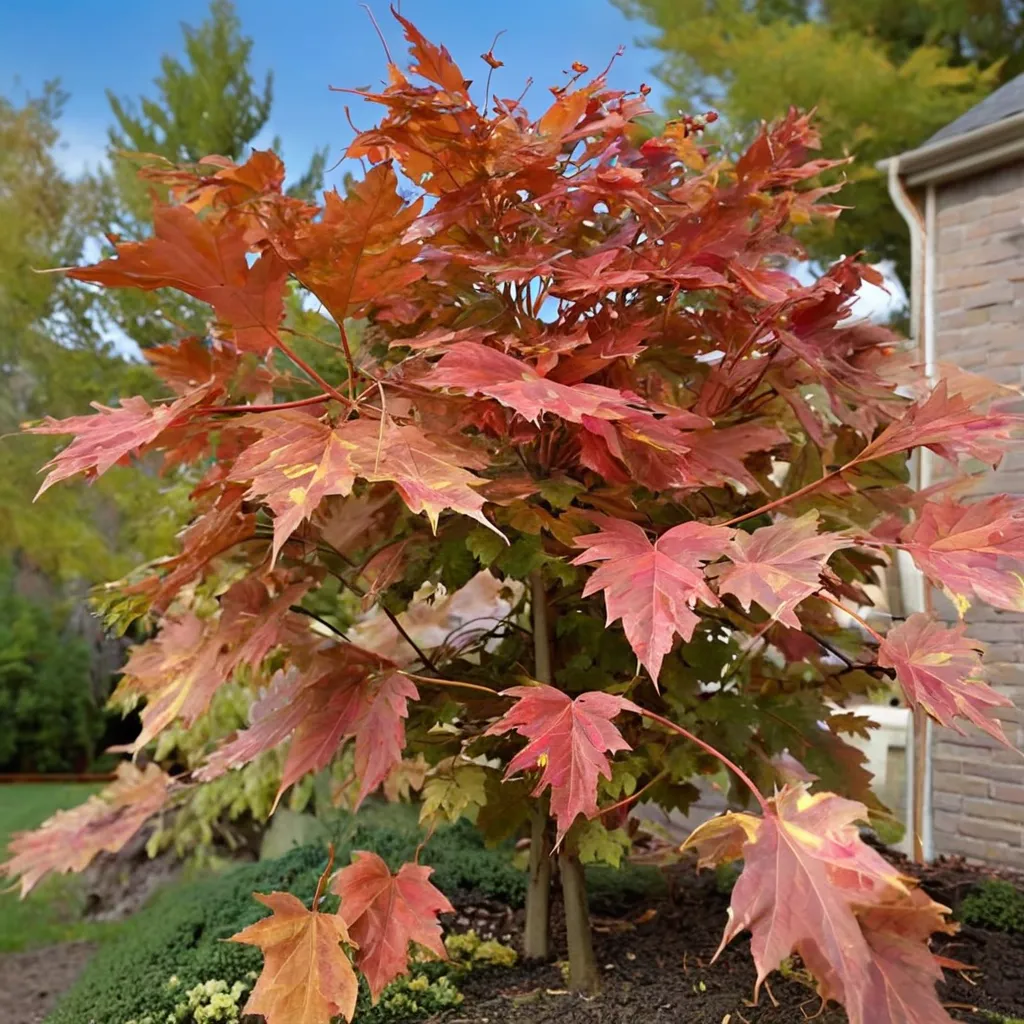
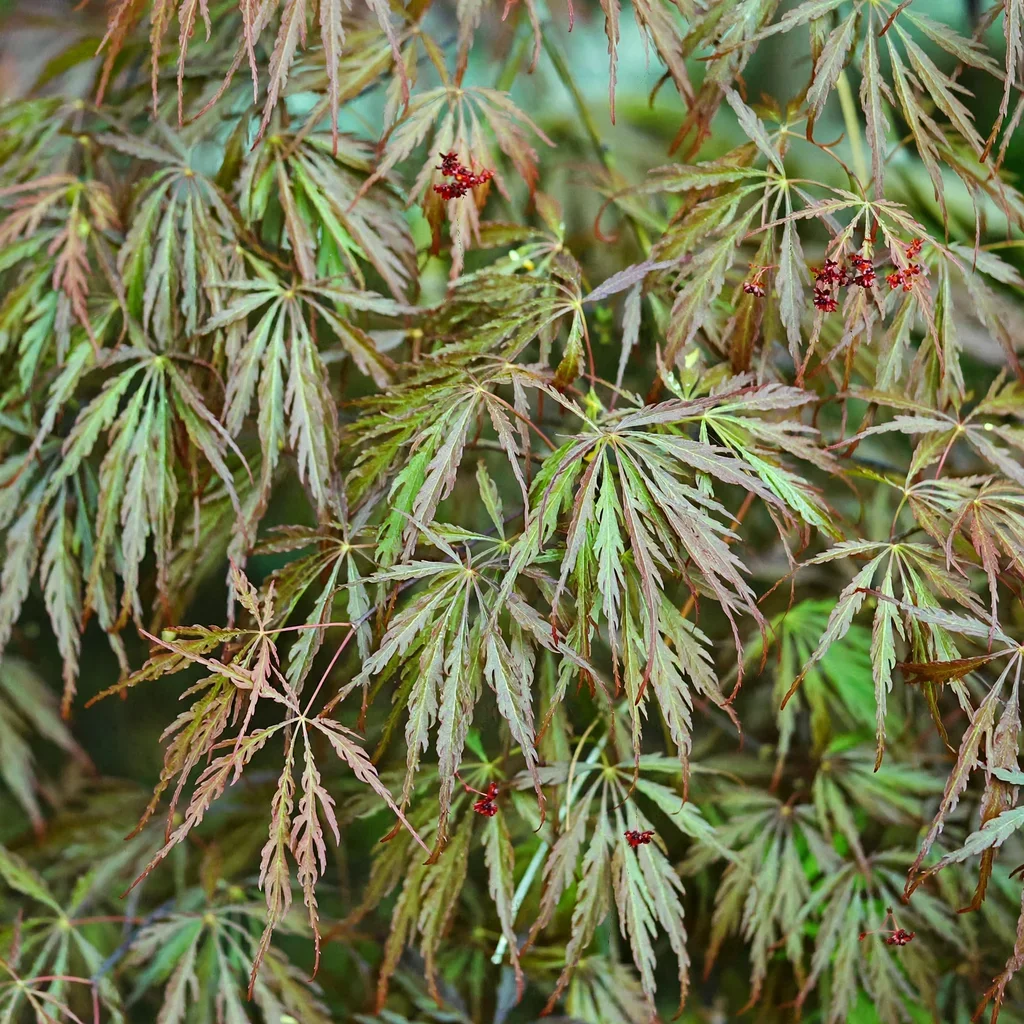
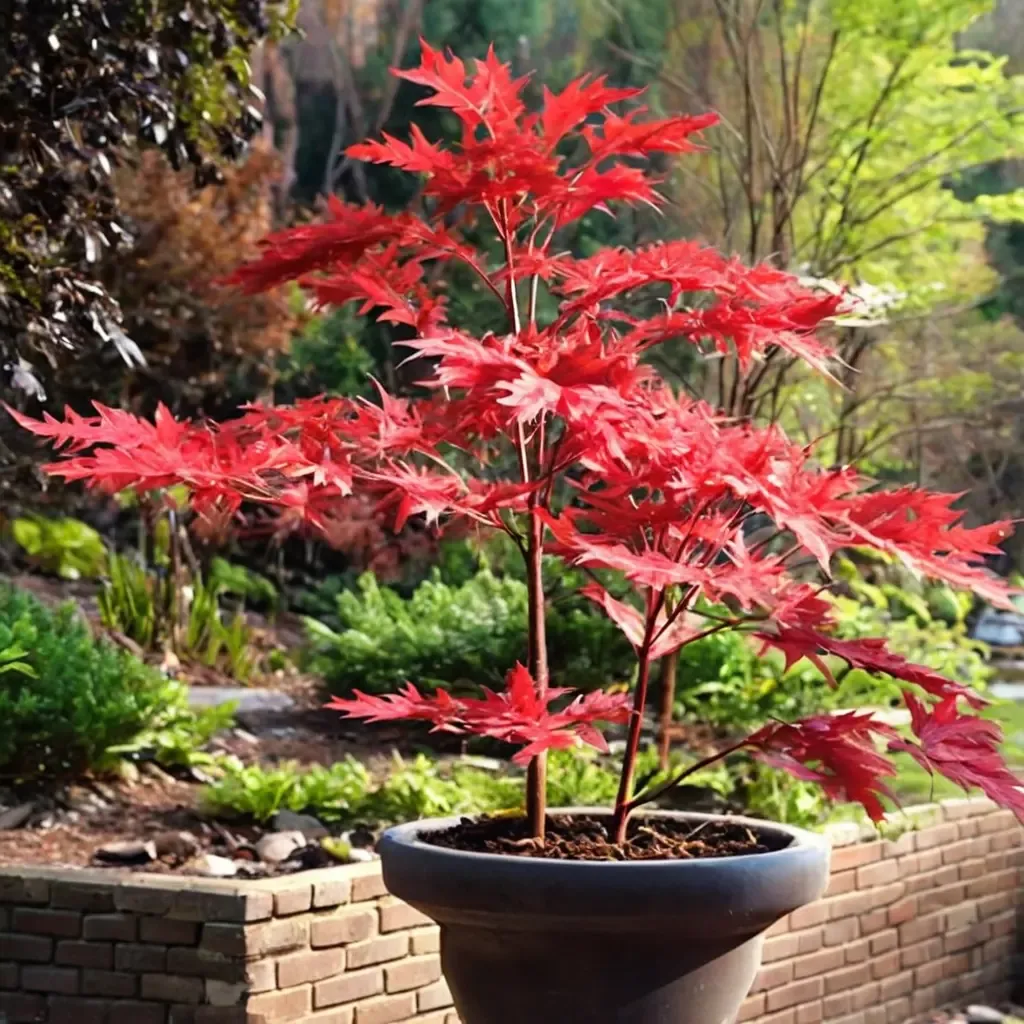
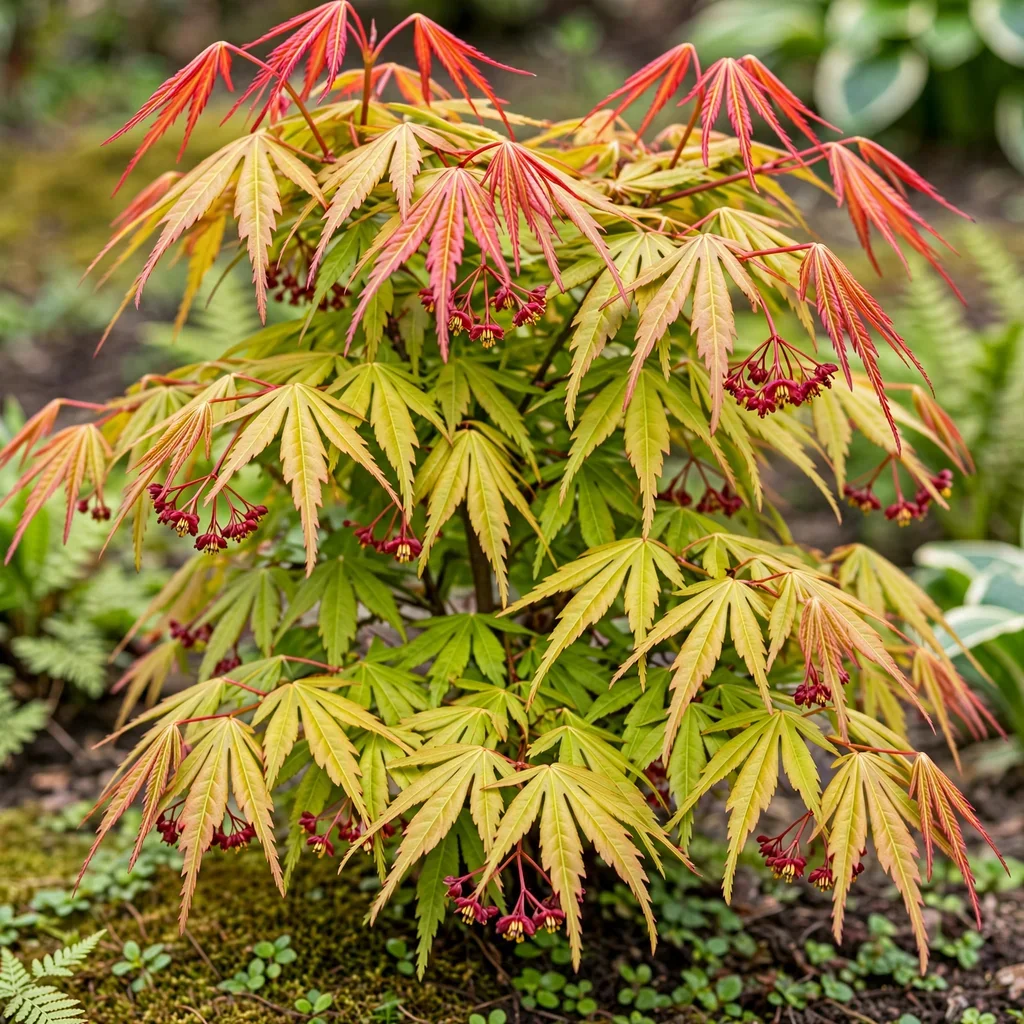
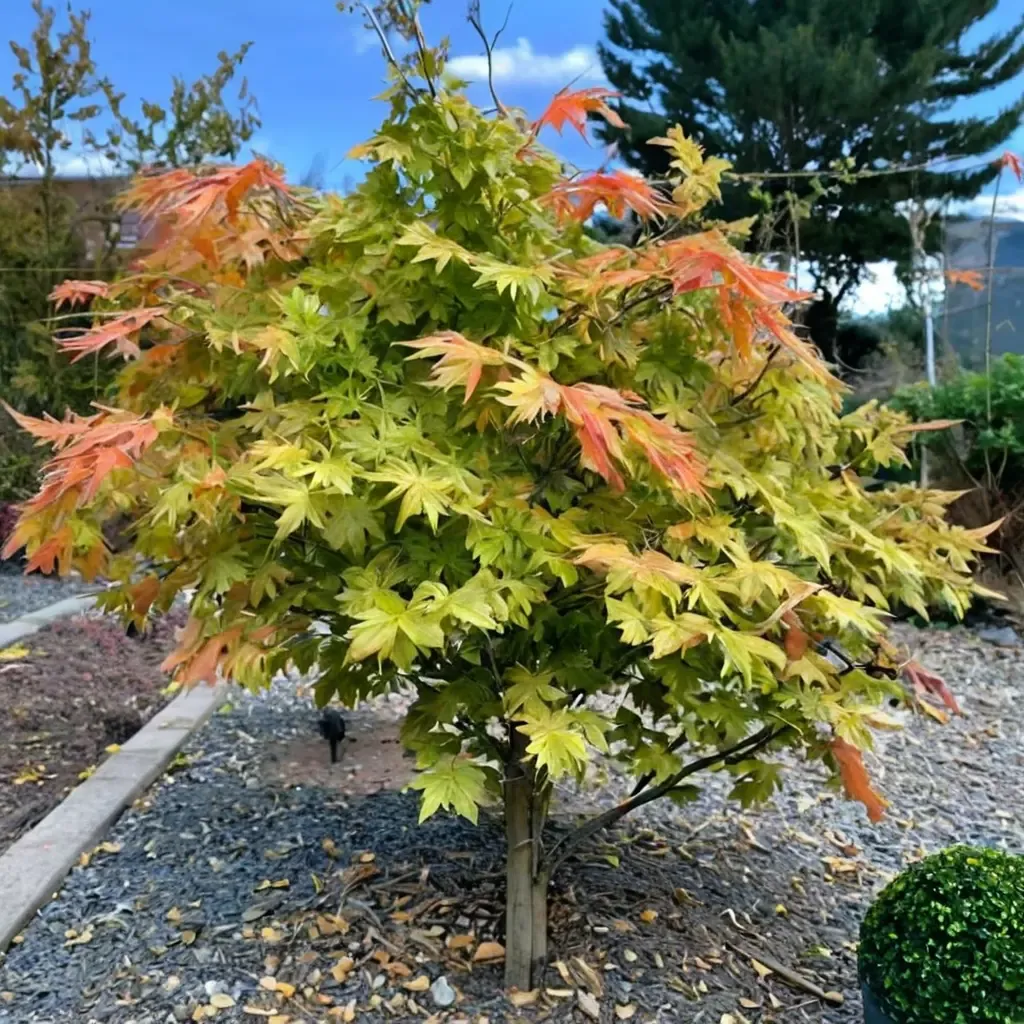
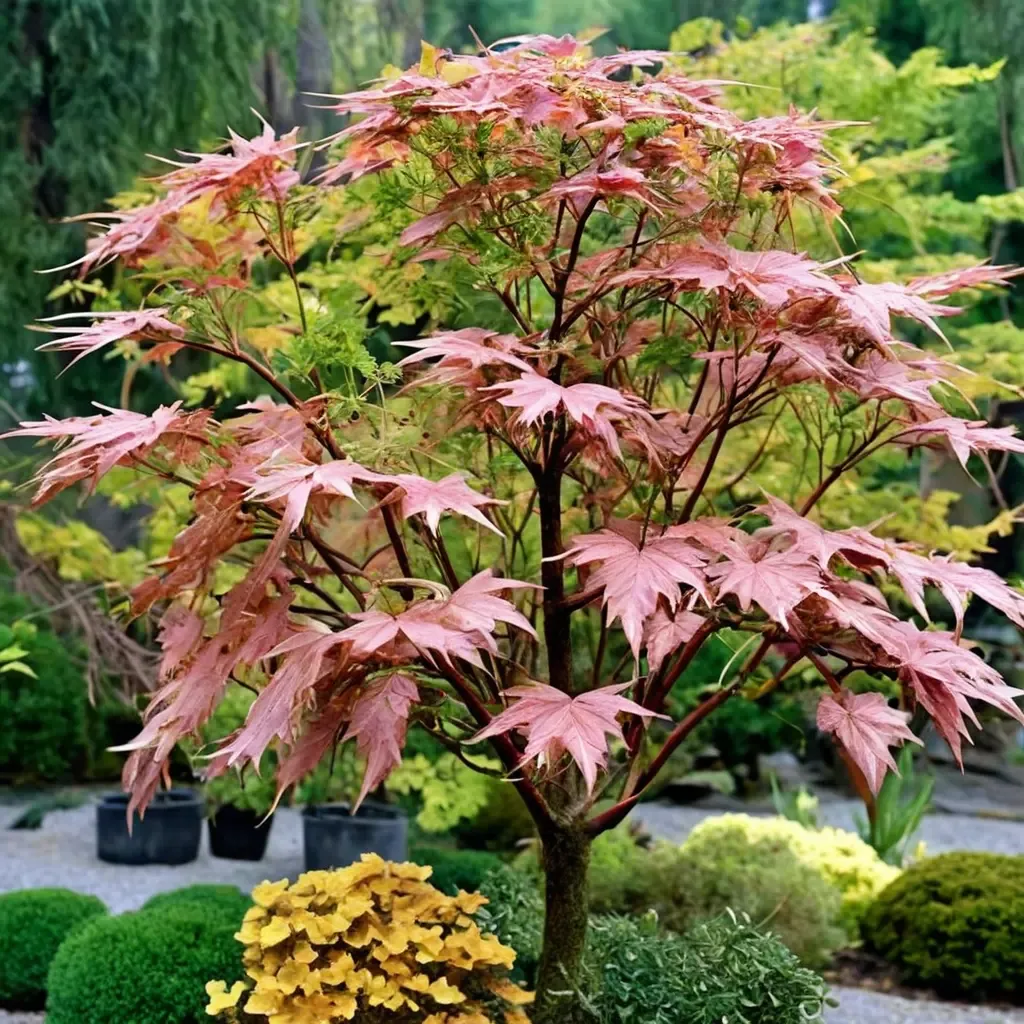
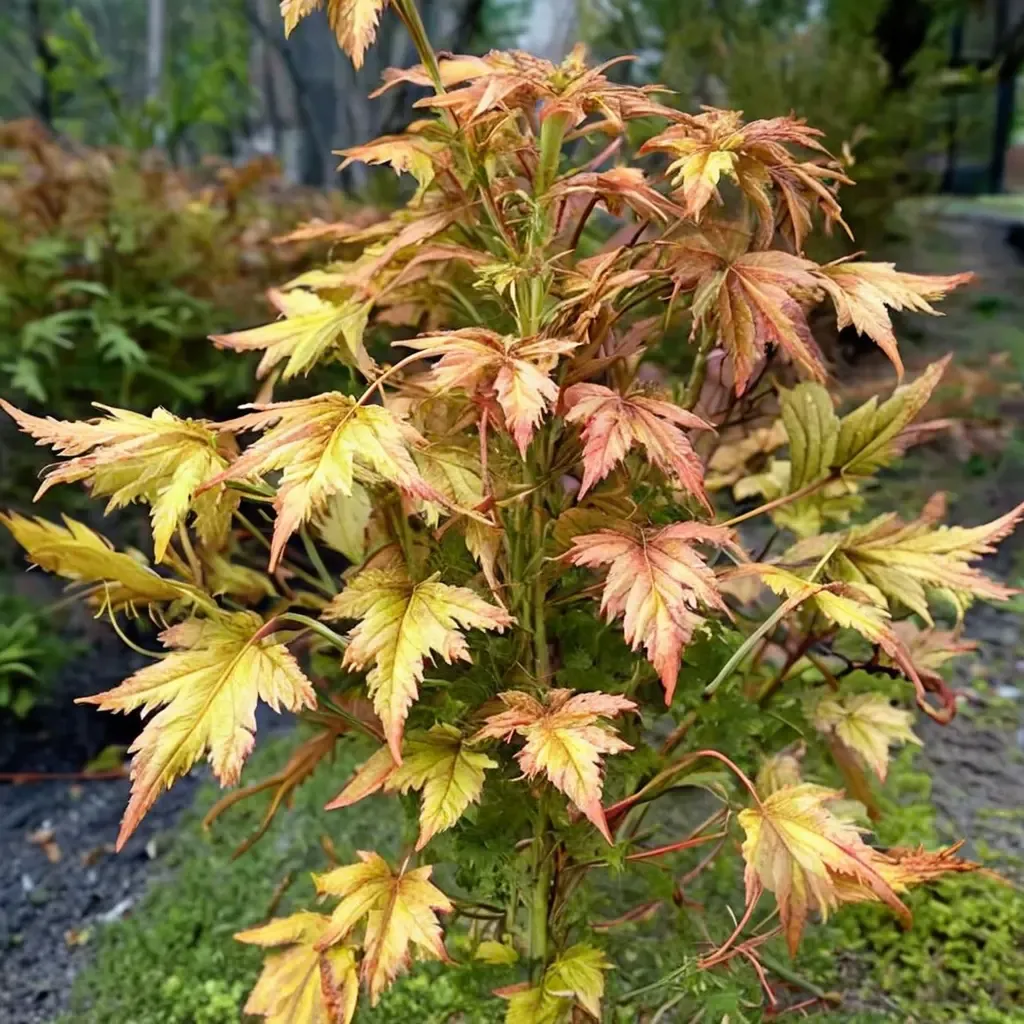
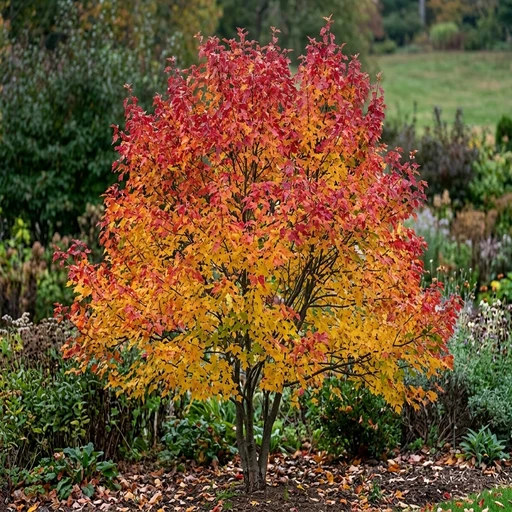
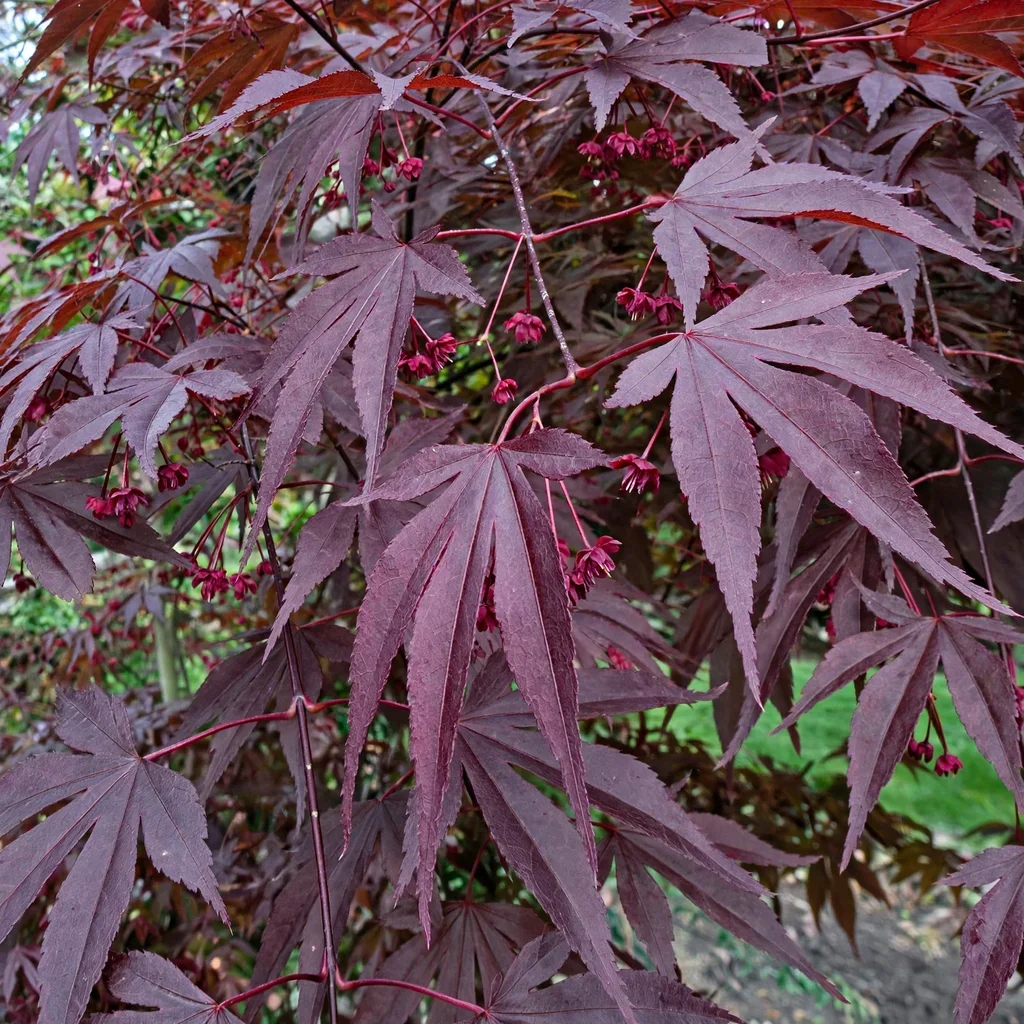
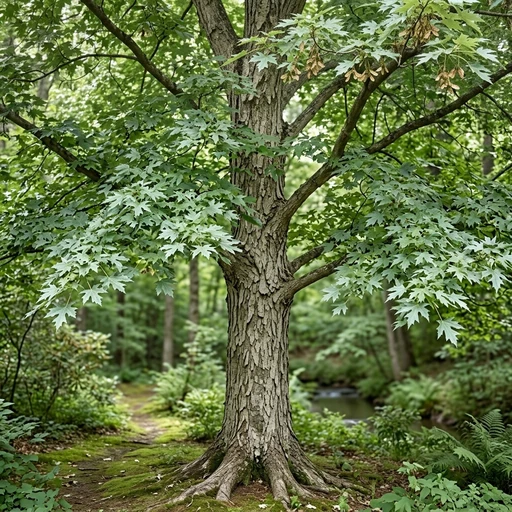
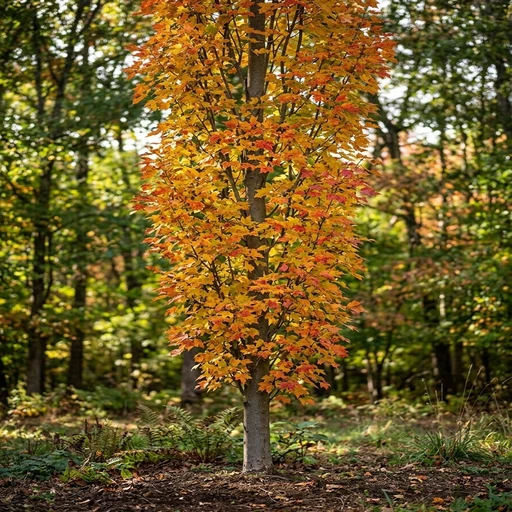
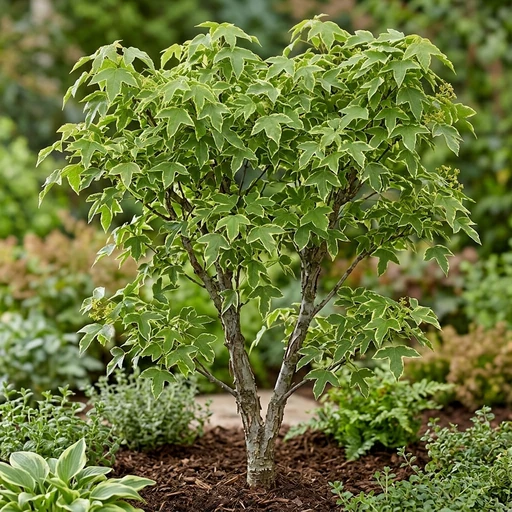
See all 107 Acer varieties →Search this genus →
14 species of Acer
Each one is a parent of the varieties above.
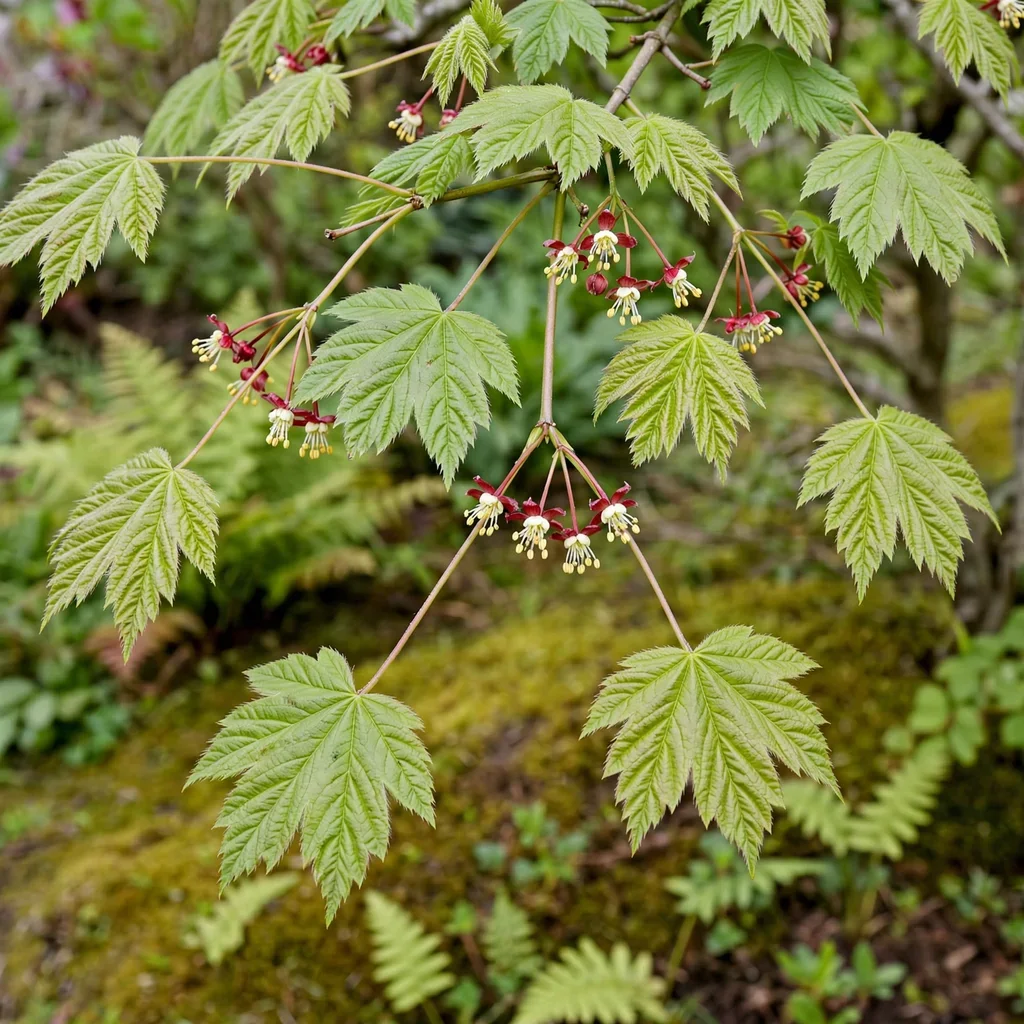
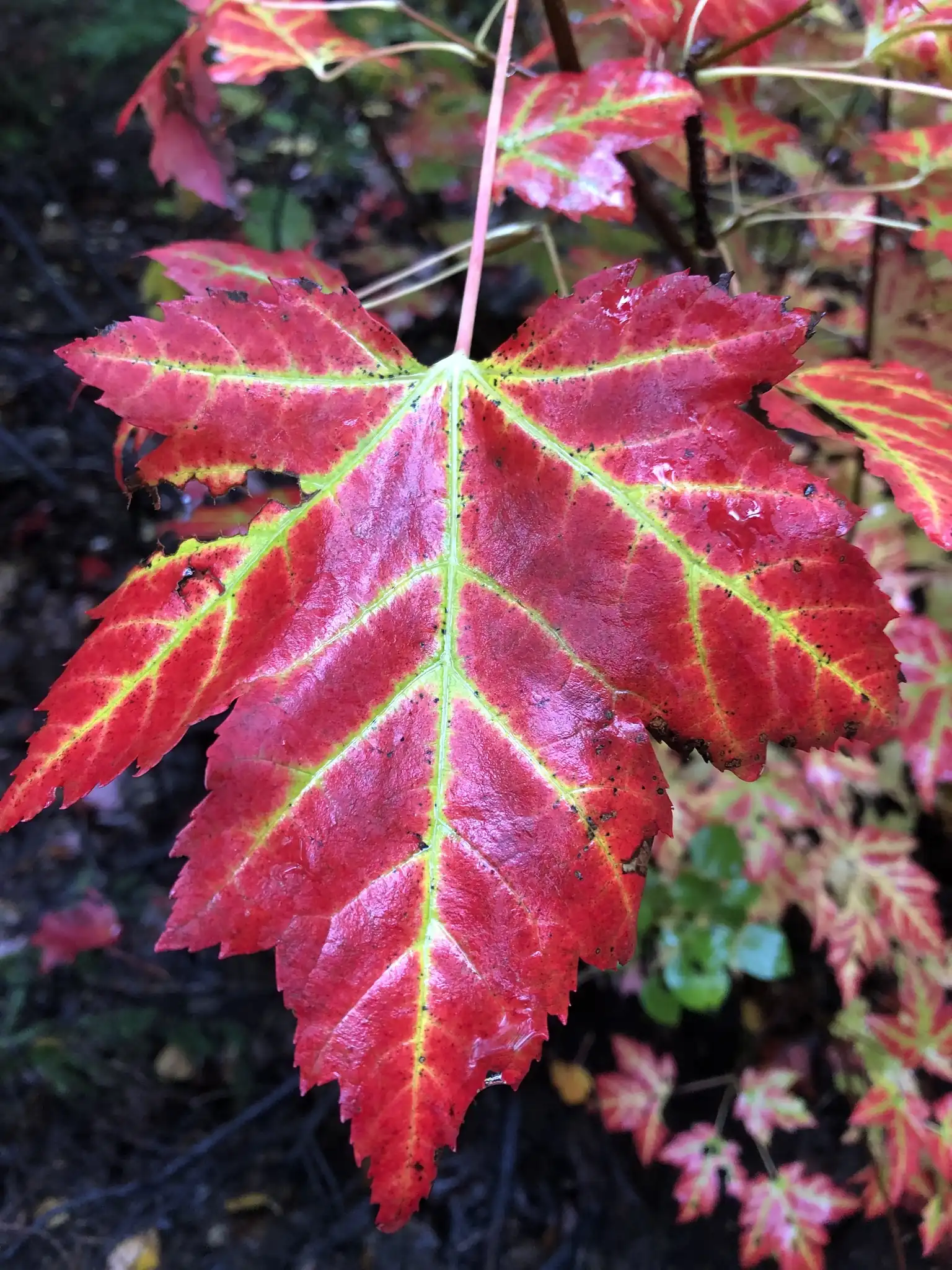
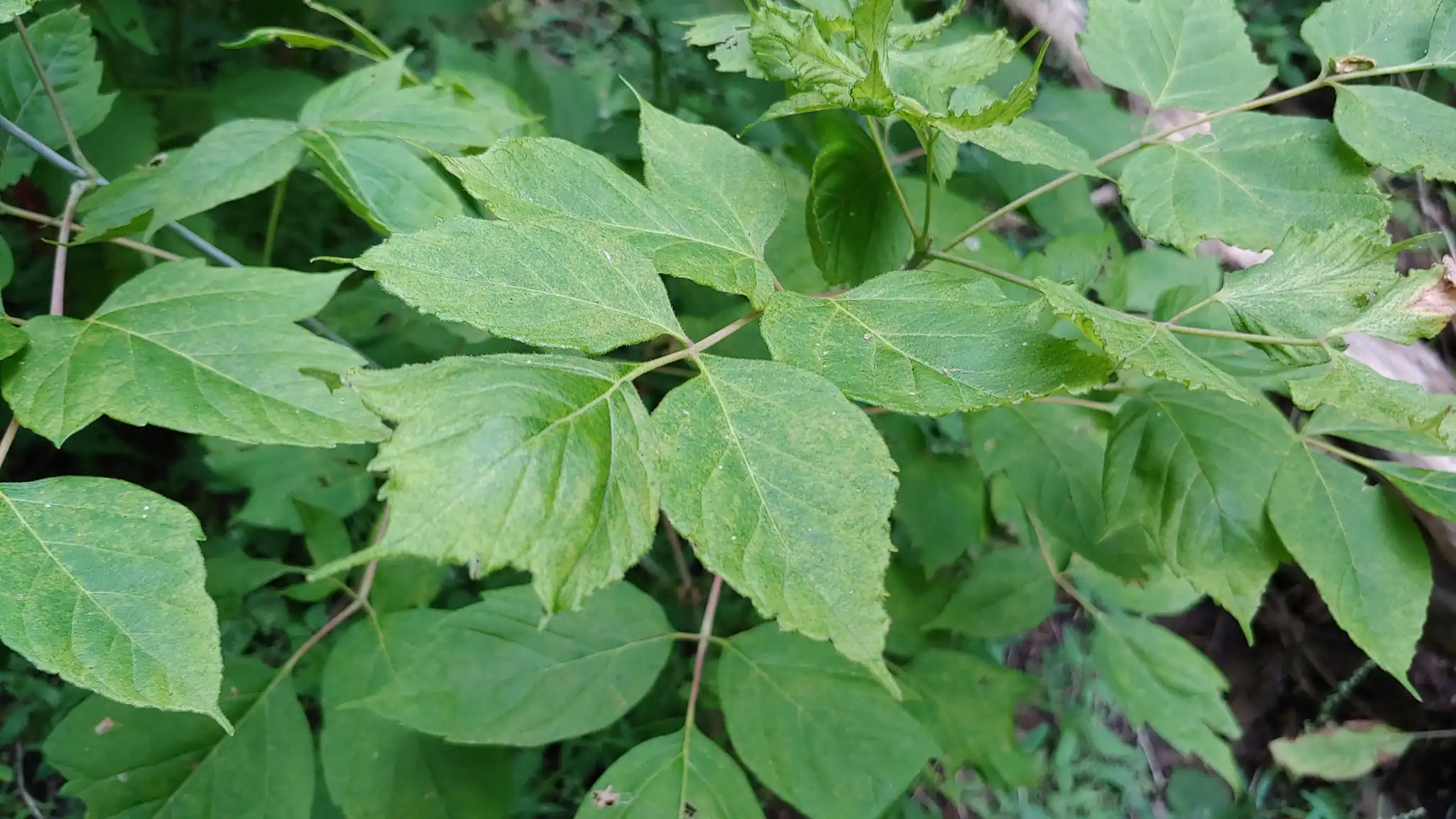
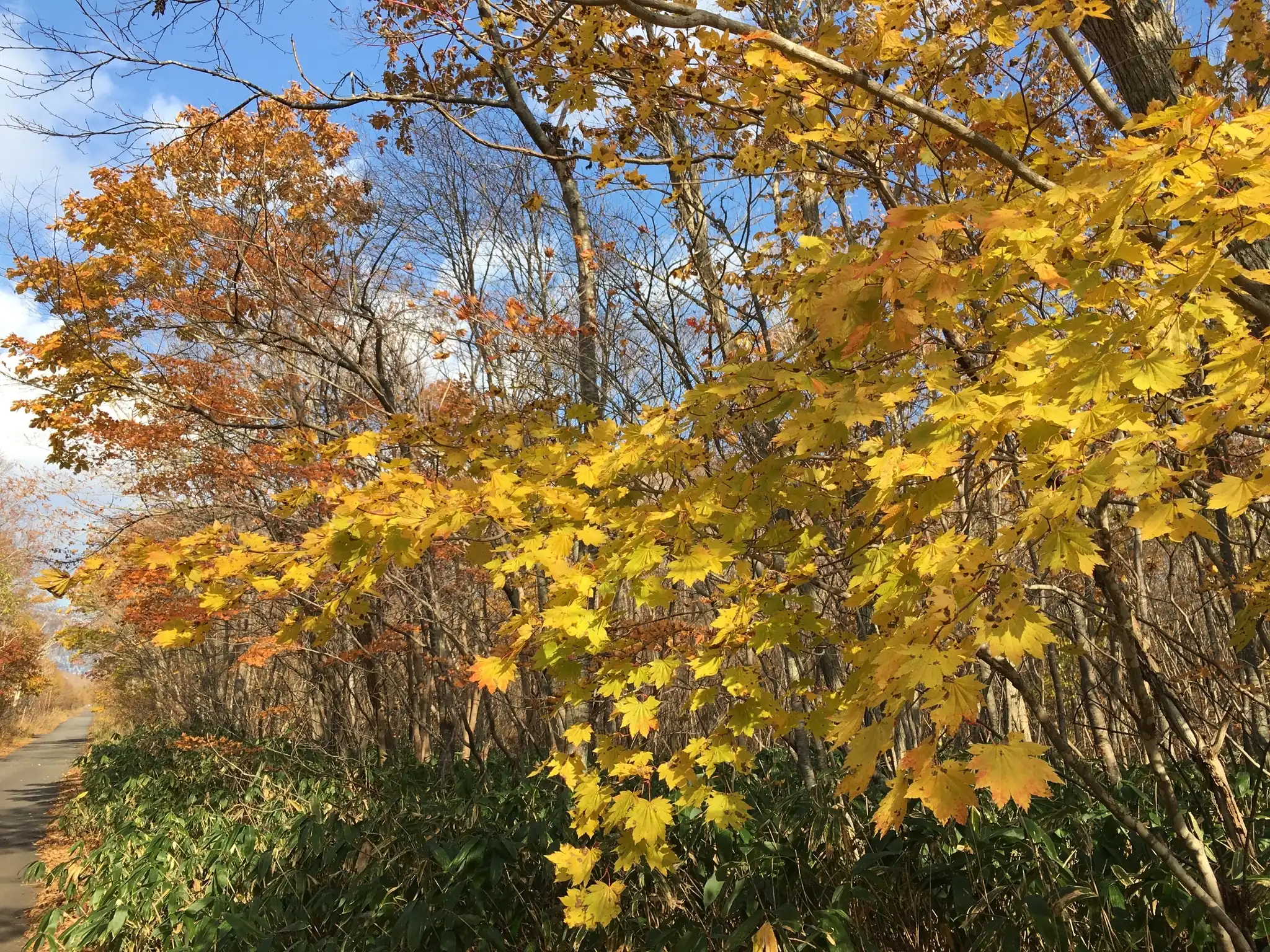
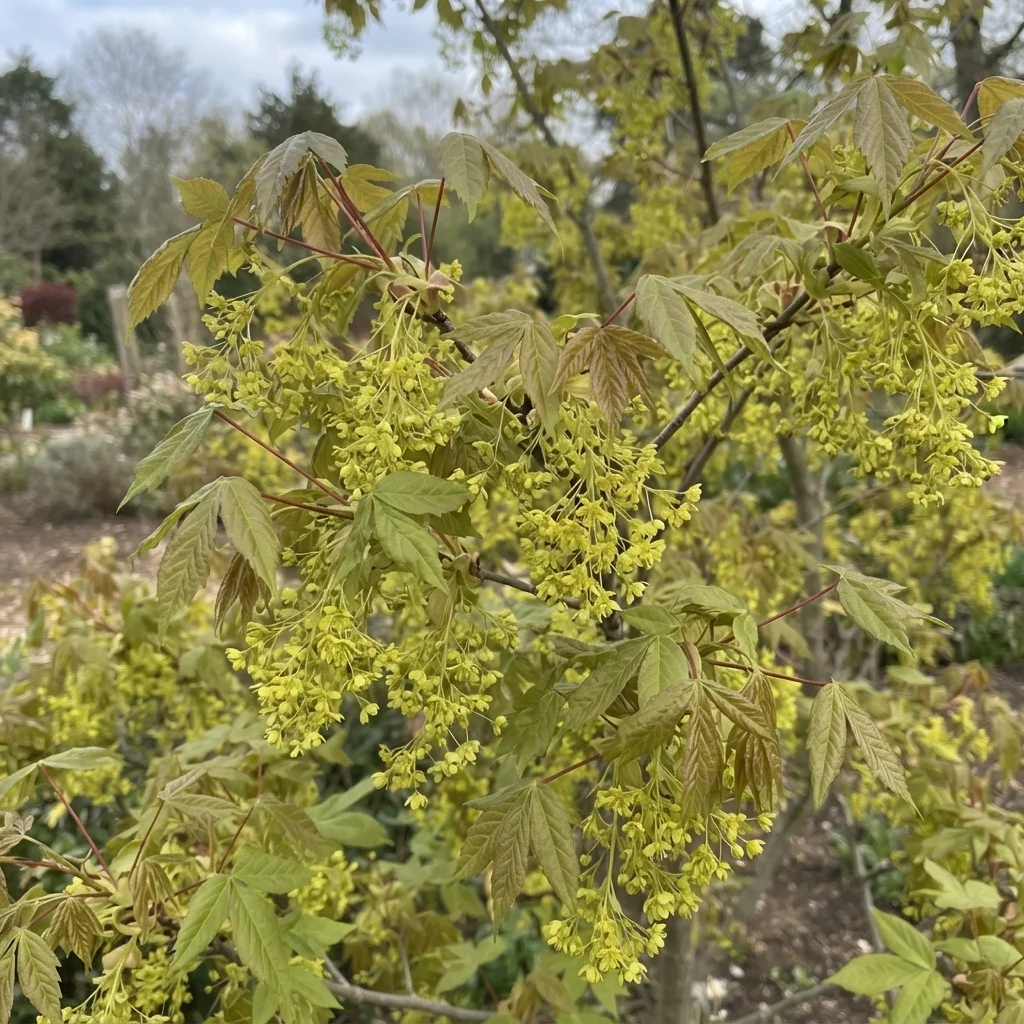

Track your Acer in Sow
Save the Acer you grow and get care reminders timed to your zone.
How to grow Acer
Whats common across all Acer varieties in our catalog — drawn from the care records of the 40 most-grown of them.
The Acer year
- PruneFebruary and March100% of varieties
Remove dead, damaged, or crossing branches to shape the canopy while dormant.
- MulchApril, May and November78% of varieties
Maintain 2-3 inches of mulch to keep the shallow roots cool and moist.
- FertilizeApril57% of varieties
Apply a light, slow-release fertilizer only if growth is weak.
- Check for PestsJune–August50% of varieties
Monitor for aphids, scale, and signs of verticillium wilt.
- PlantMarch, April, May, October and November48% of varieties
Optimal planting time is early spring or fall.


Do
- Water consistently to keep soil moist but not waterlogged 🌱
- Prune to develop a strong structure when the tree is young.
- Water regularly to keep soil moist but not waterlogged 🌱
- Mulch to conserve moisture and suppress weeds
- Maintain a large, mulch-covered, turf-free area around the base.
Avoid
- Avoid overwatering to prevent root rot ❌
- Avoid overwatering, which can lead to root rot ❌
- Refrain from heavy pruning during the growing season
- Avoid overwatering which can cause root rot ❌
What goes wrong with Acer
| Problem | What you'll see | What to do |
|---|---|---|
| Aphids | Sticky residue on leaves and distorted growth | Use neem oil or insecticidal soap |
| Scale insects | Bumpy or waxy coating on stems and leaves | Apply horticultural oil during winter dormancy |
| Scale Insects | Small, immobile bumps on stems and branches, often accompanied by sooty mold. | Scrub off light infestations. Apply dormant horticultural oil in late winter. Use systemic insecticides for heavy infestations. |
| Maple Petiole Borer | Sudden, alarming drop of healthy green leaves in late spring, with the petiole (leaf stalk) severed. | No chemical control is needed or effective. The damage is cosmetic and does not harm the long-term health of the tree. |
| Verticillium Wilt | Sudden wilting and death of one or more branches, often on one side of the tree. | There is no cure. Prune out and destroy infected branches. Keep the tree healthy with proper watering to prolong its life. |
| Verticillium wilt | Wilting and browning leaves, dieback | Ensure proper drainage and avoid overwatering |
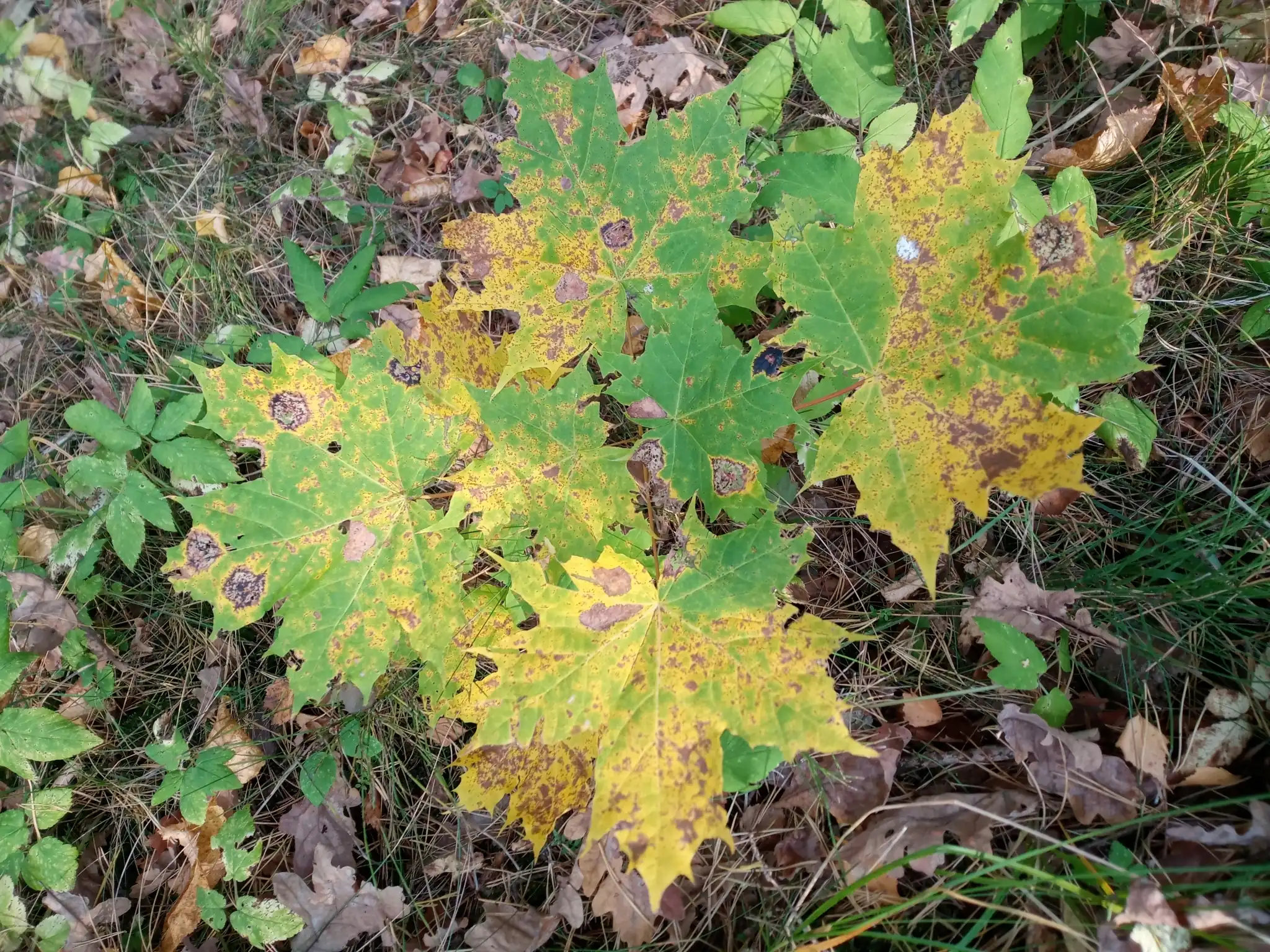
| Tar Spot | Large, black, tar-like spots on leaves in late summer. Mostly cosmetic. | Rake up and destroy fallen leaves in autumn to reduce fungal spores for the next season. Fungicides are not usually necessary. |
Making more Acer
Grafting
- Cultivars are typically budded or grafted onto seedling rootstock.
- Collect scion wood from the desired cultivar in winter.
- Perform a whip-and-tongue graft in late winter.
- Wrap the union securely and store until callusing occurs.
Cuttings
- Take semi-hardwood cuttings in late summer.
- Dip cut ends in rooting hormone.
- Plant in moist, well-draining mix.
- Maintain high humidity with plastic cover.
- Rooting occurs in 6-8 weeks.
Acer questions
How many types of Acer are there?
The Sow catalog tracks 107 distinct Acer varieties. The most popular — ranked by 3.4k real gardeners — are shown first above.
What zones does Acer grow in?
Across its varieties, Acer covers USDA Zones 4–10. Individual varieties differ — each plant page lists its exact range, and Sow filters the catalog to your zone automatically.
When does Acer bloom?
Most Acer varieties bloom in spring, early spring, late spring. Staggering early, mid, and late varieties extends the genus's season in one bed.
Which Acer should I choose?
Start from the most-saved varieties above — popularity across thousands of gardens is a strong signal of reliability — then filter by your zone and sun. In the Sow app you can preview any of them in a photo of your actual yard before you buy.