Also known as Million Bells · 160 saves
Calibrachoa
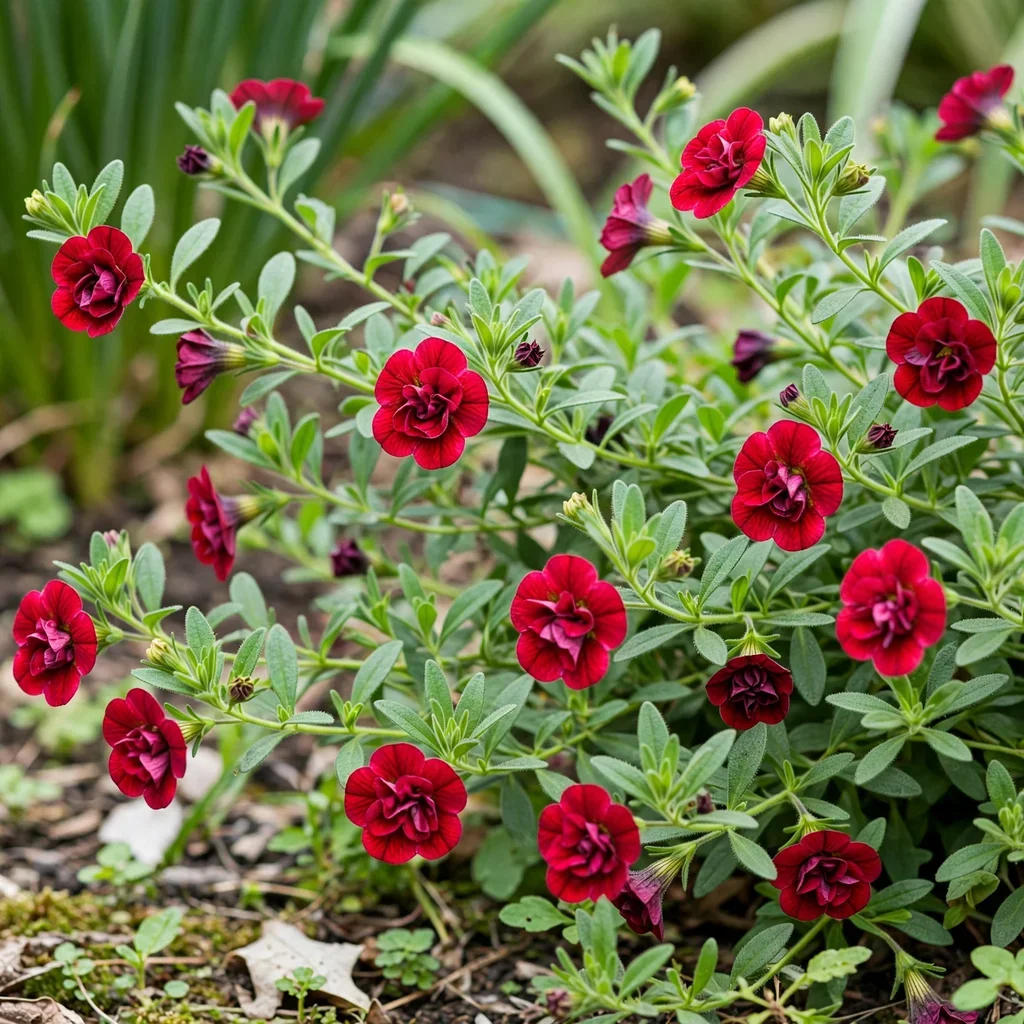
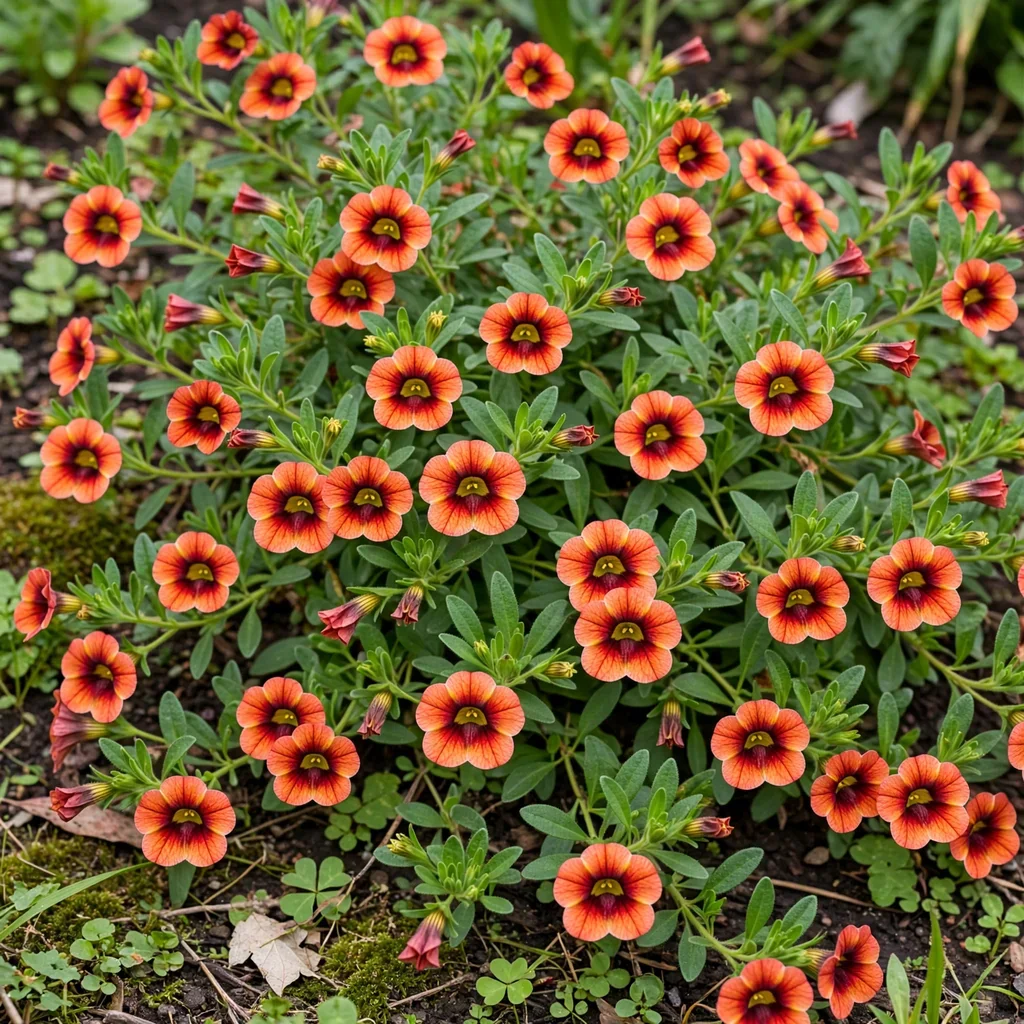
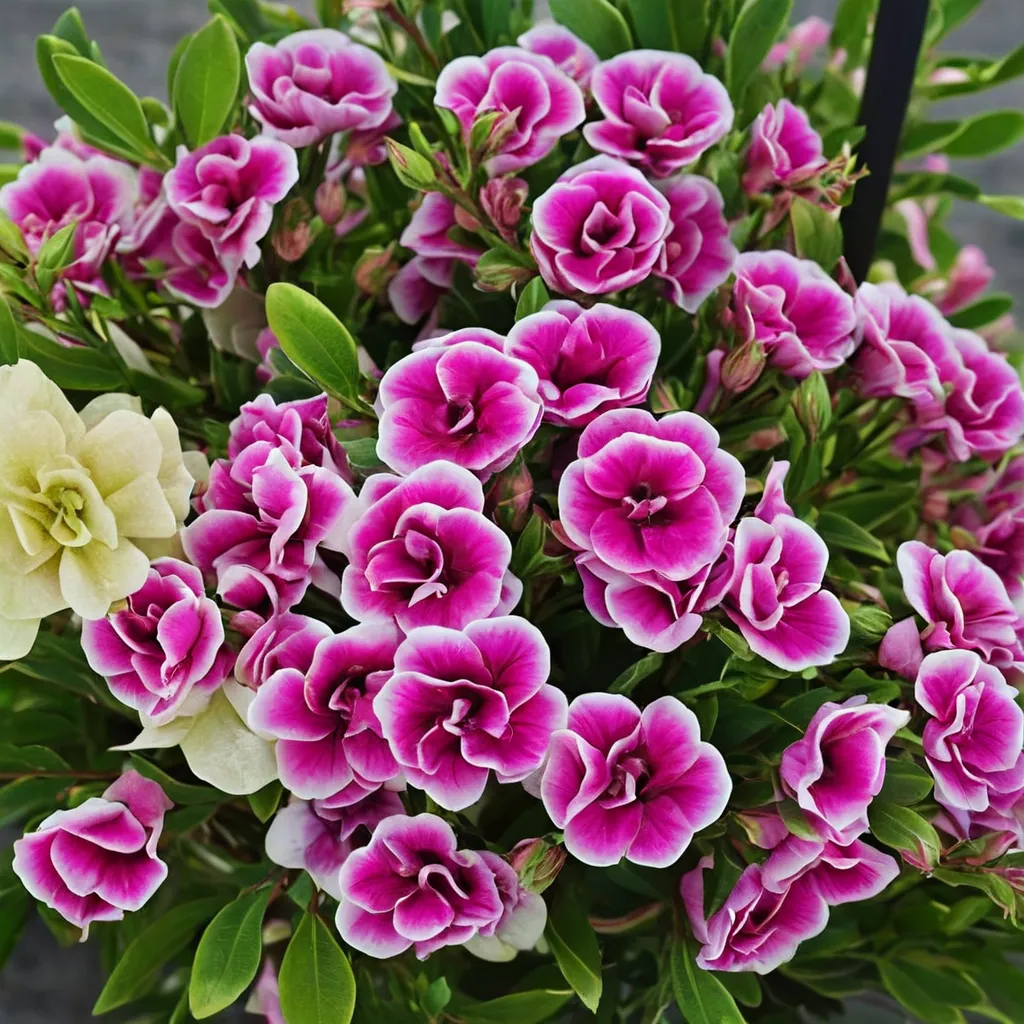
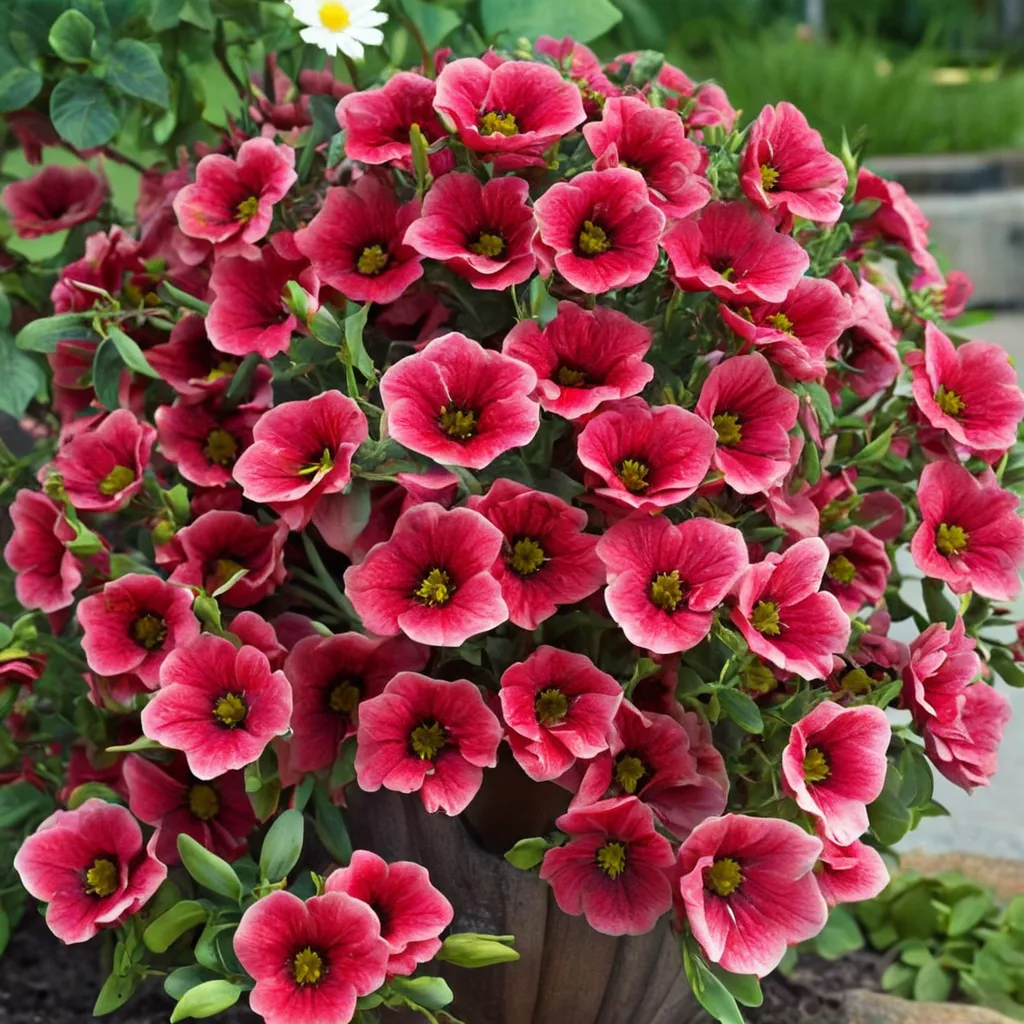
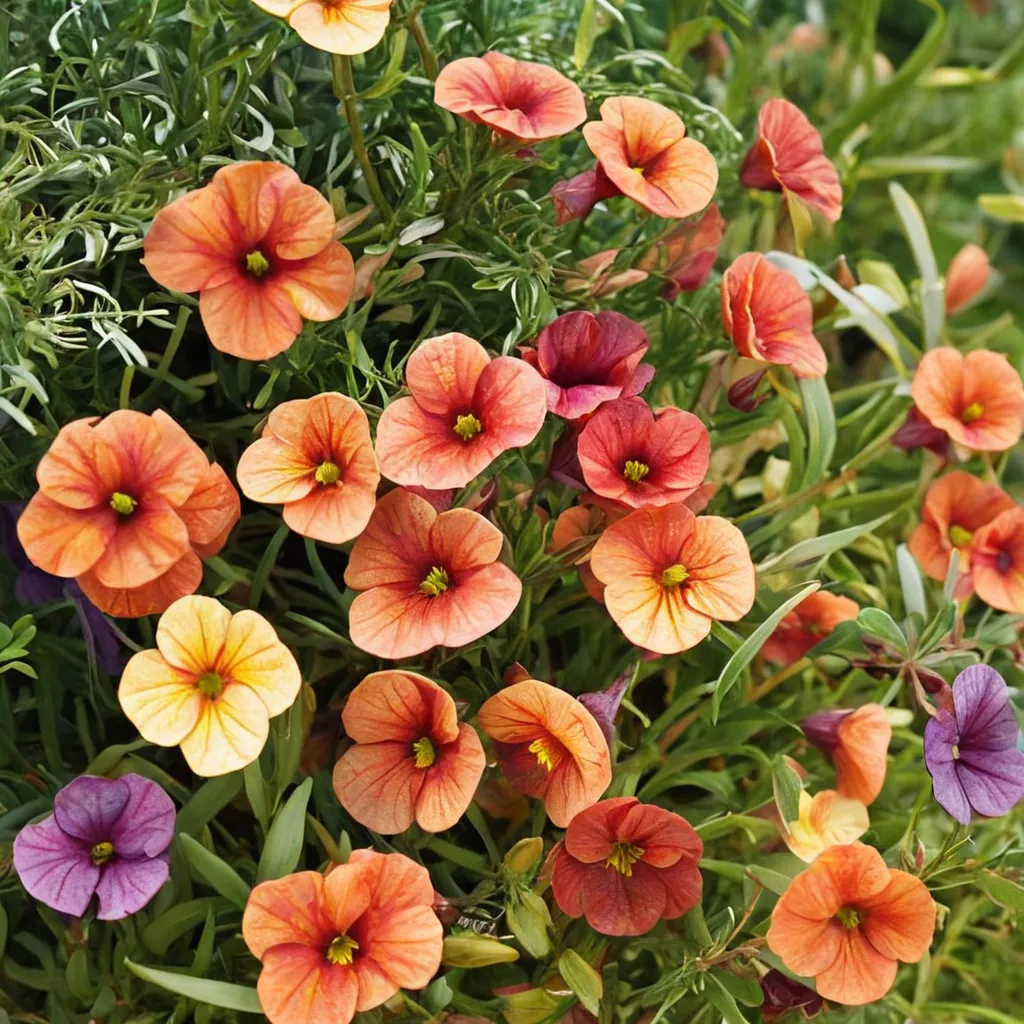
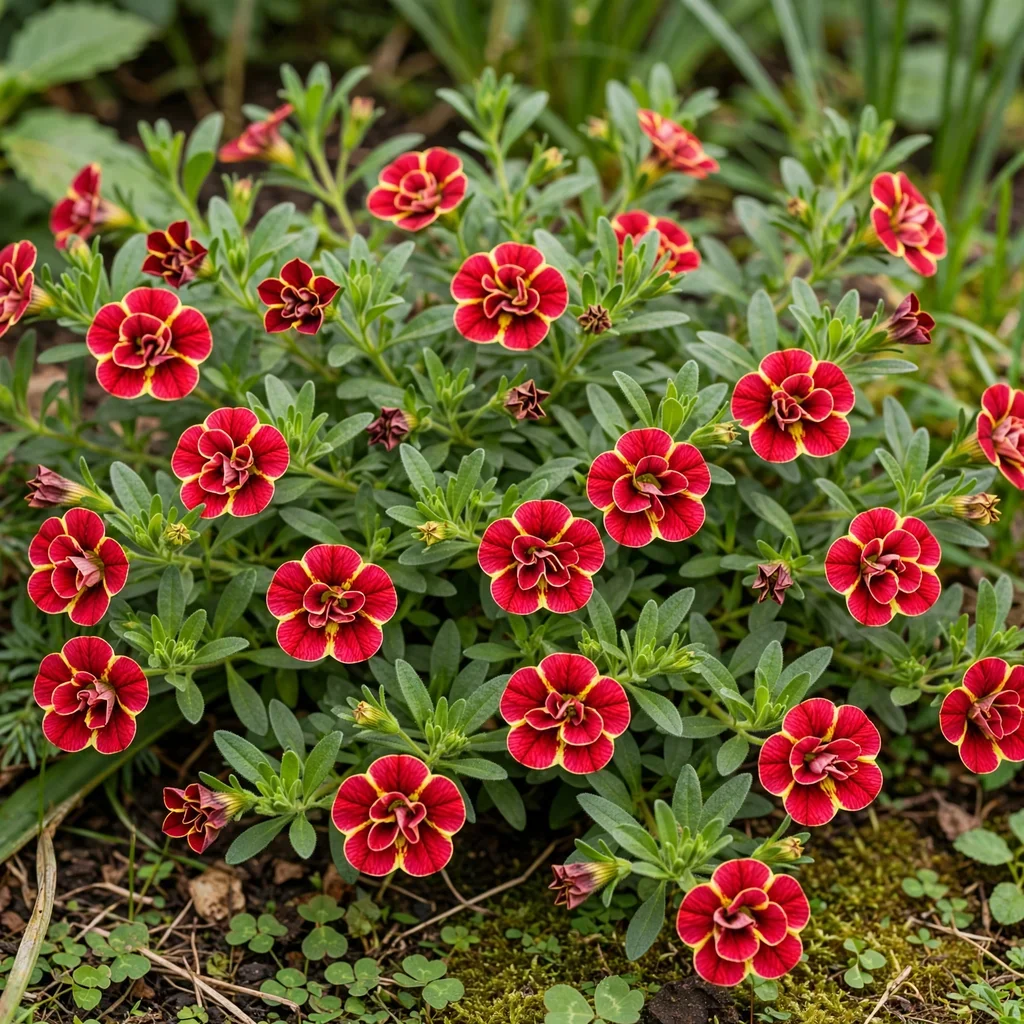
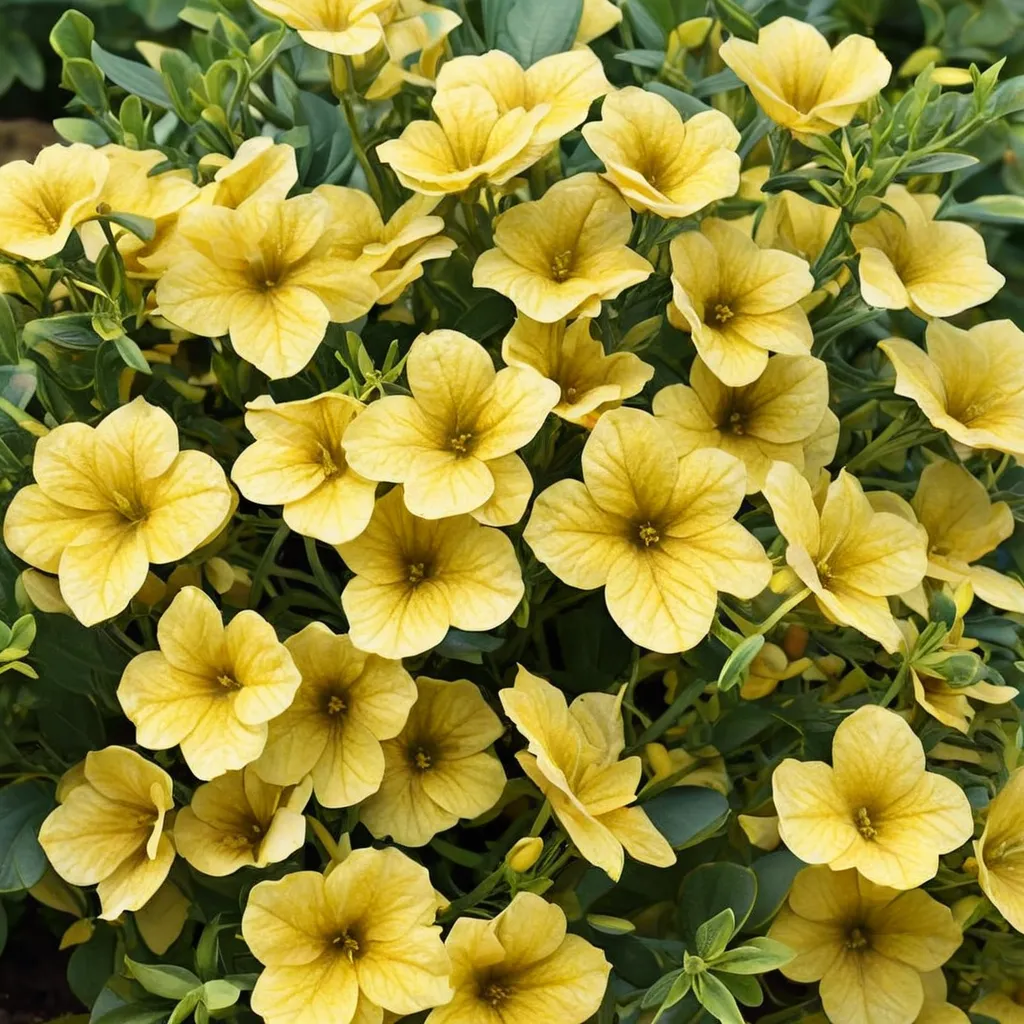
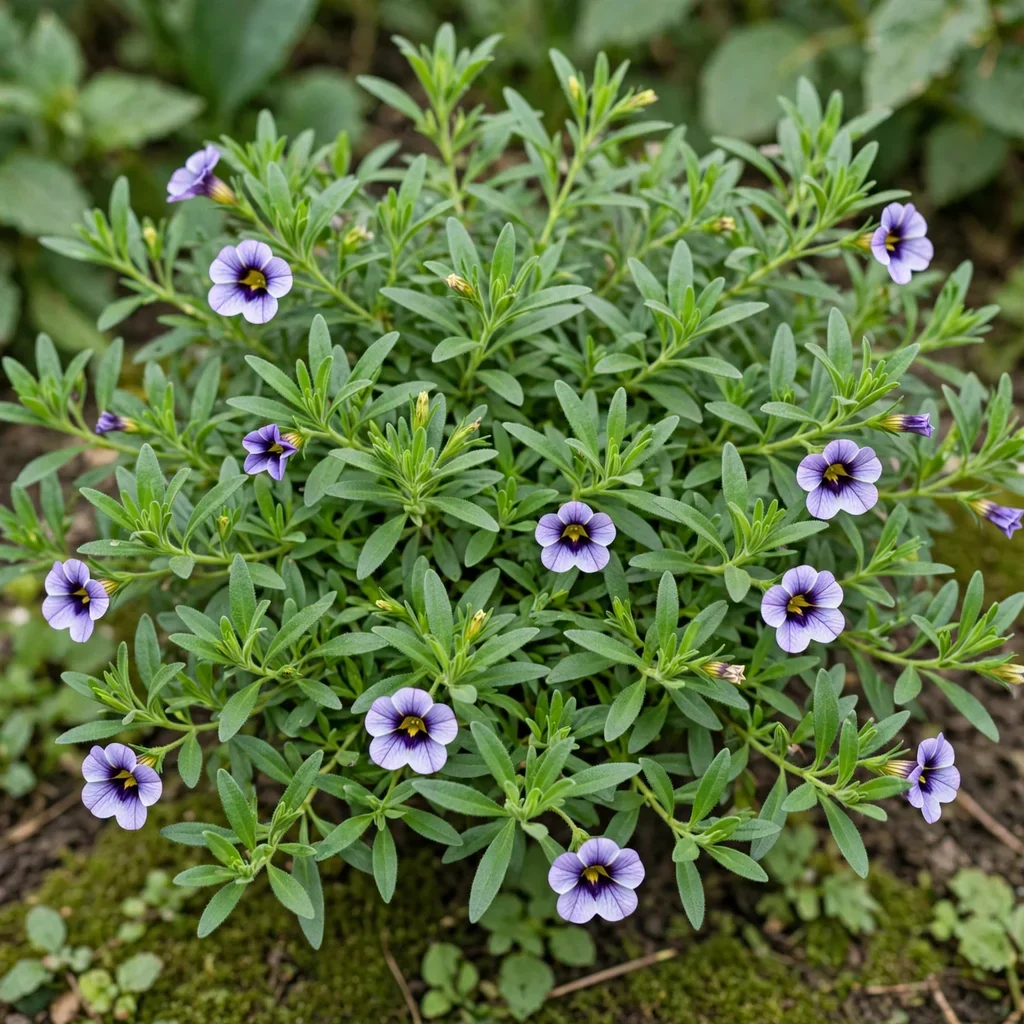
Calibrachoa, the genus most gardeners know as million bells. We track 26 varieties; the ones most used by real gardeners.
The 24 most-saved Calibrachoa varieties
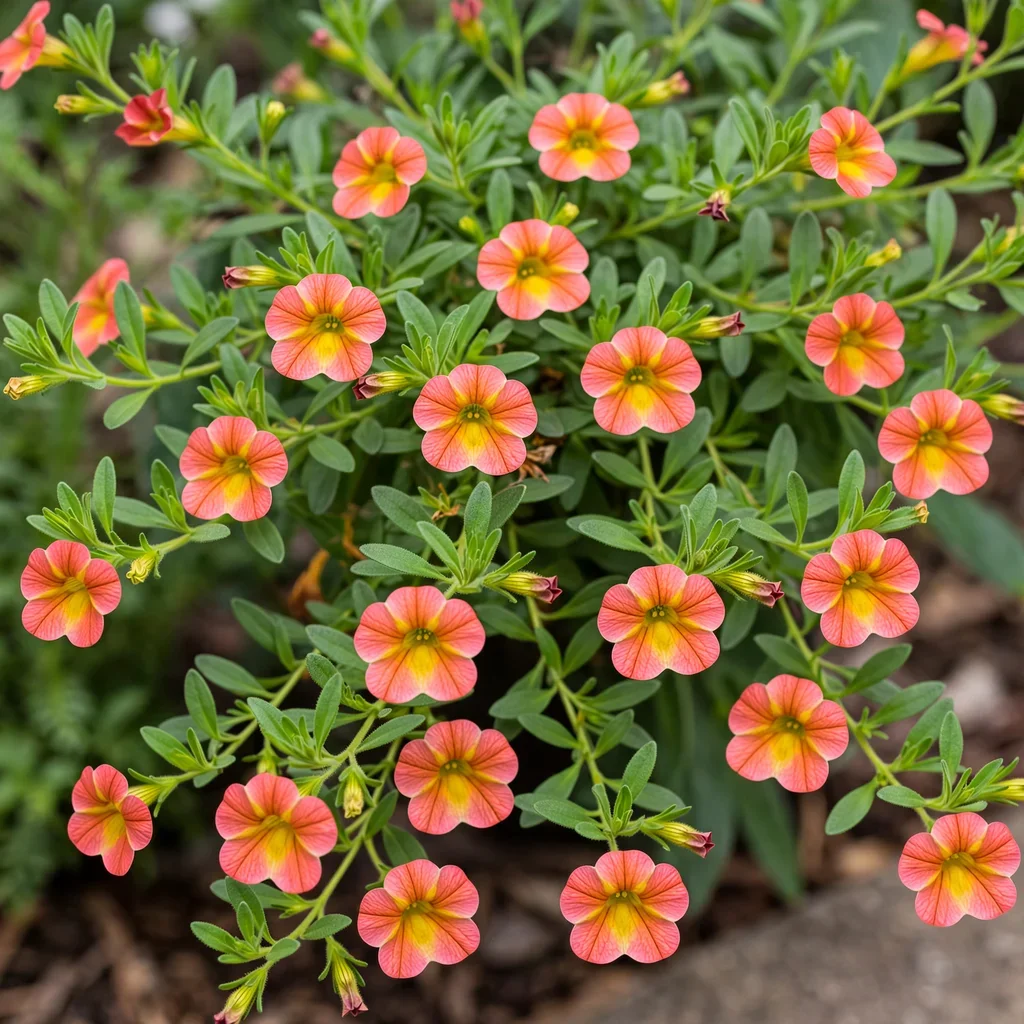
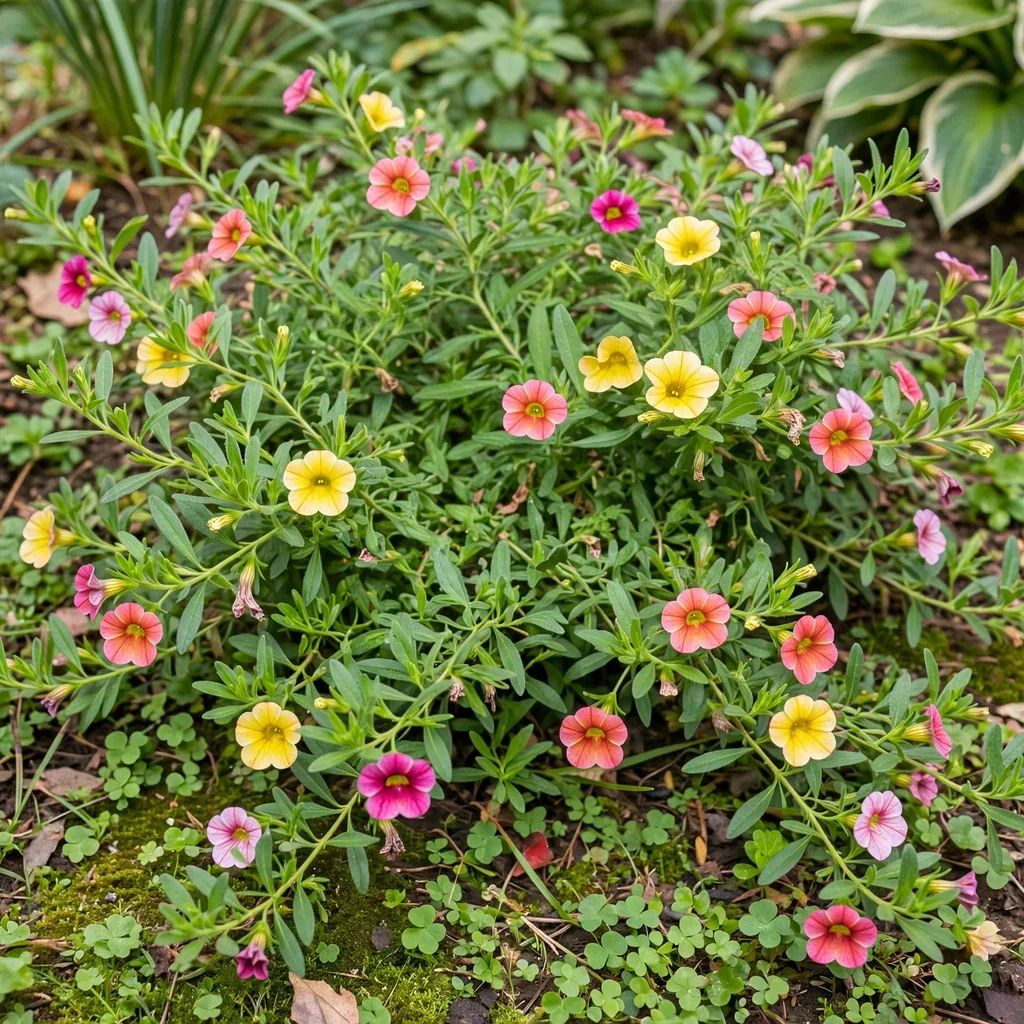
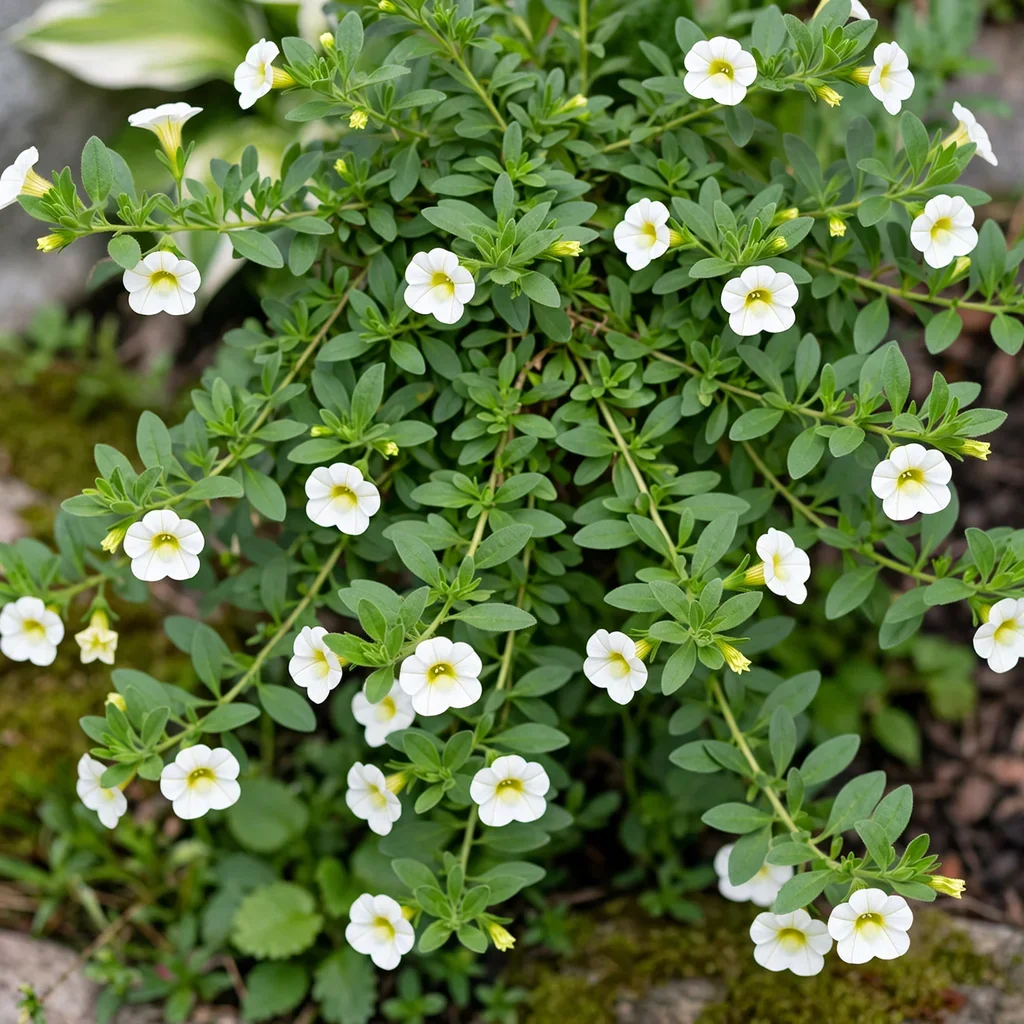
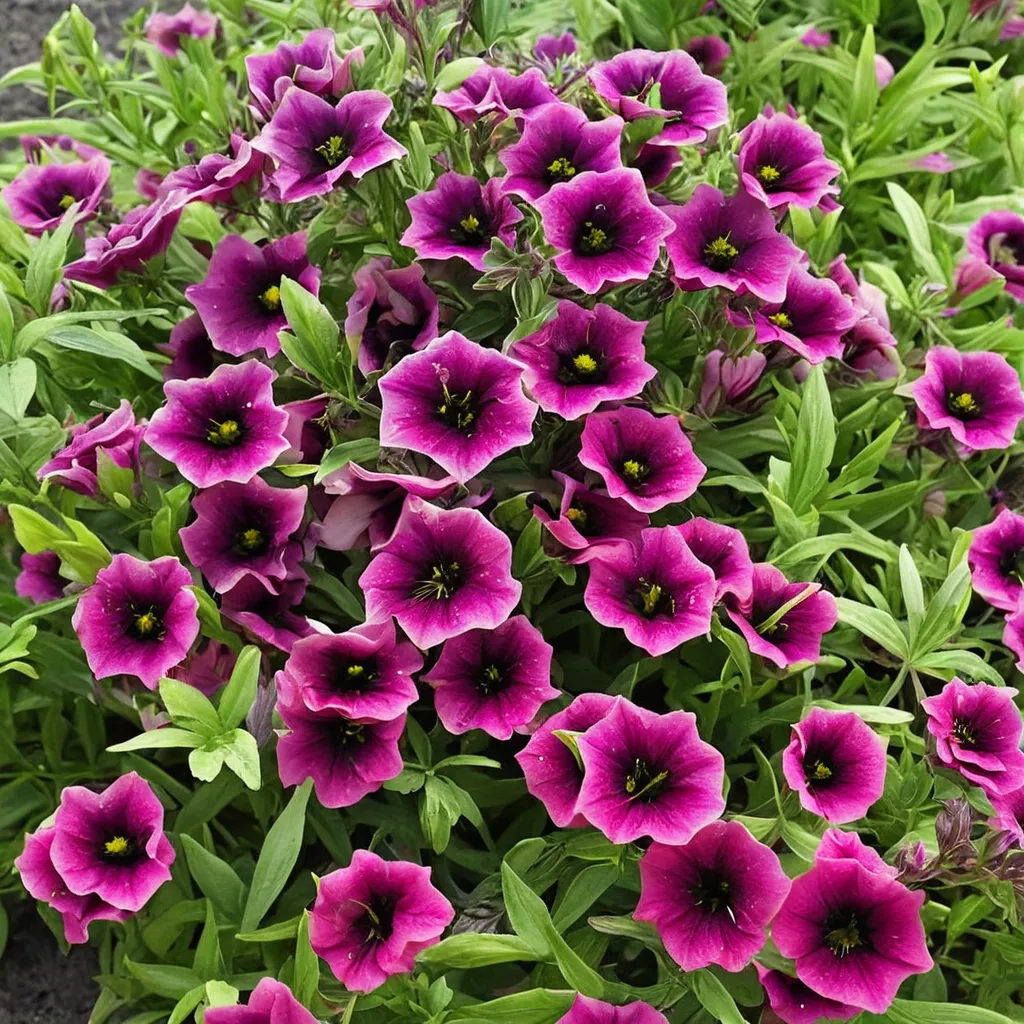
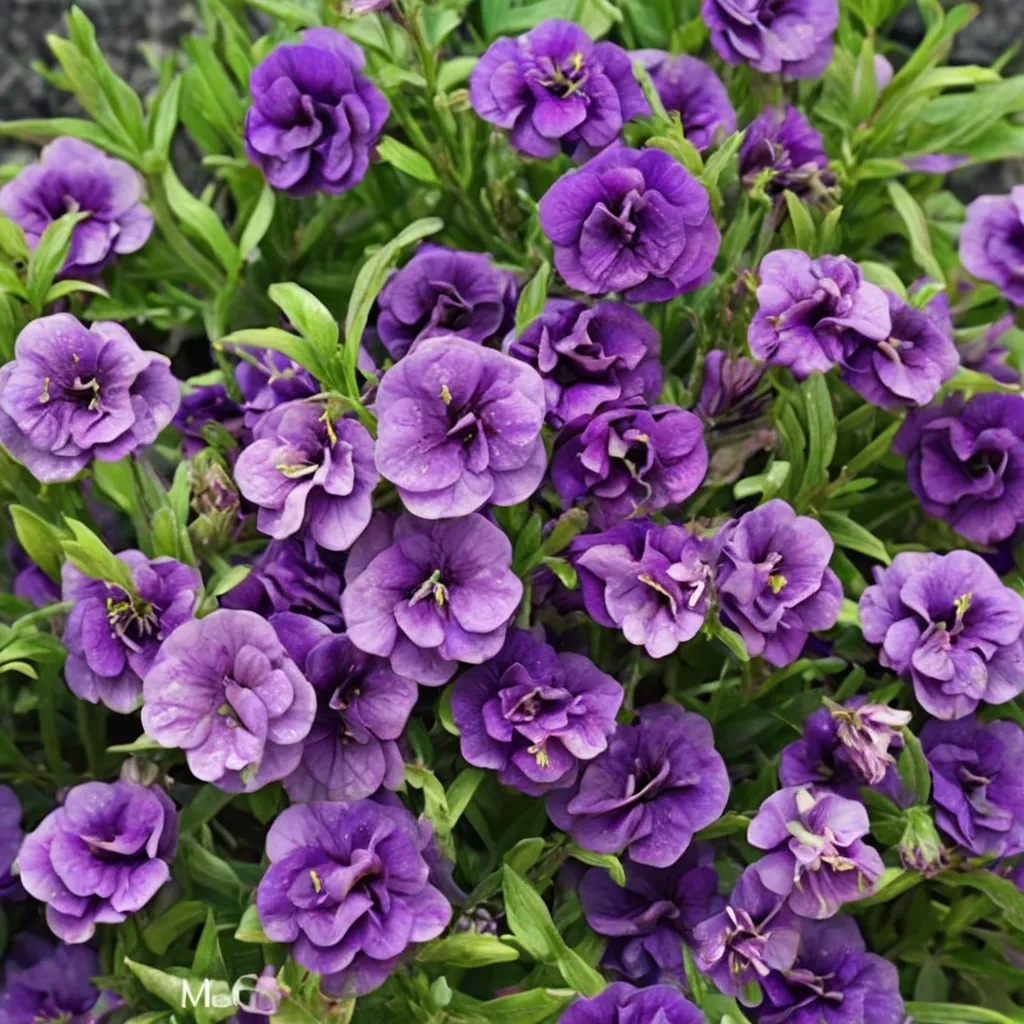
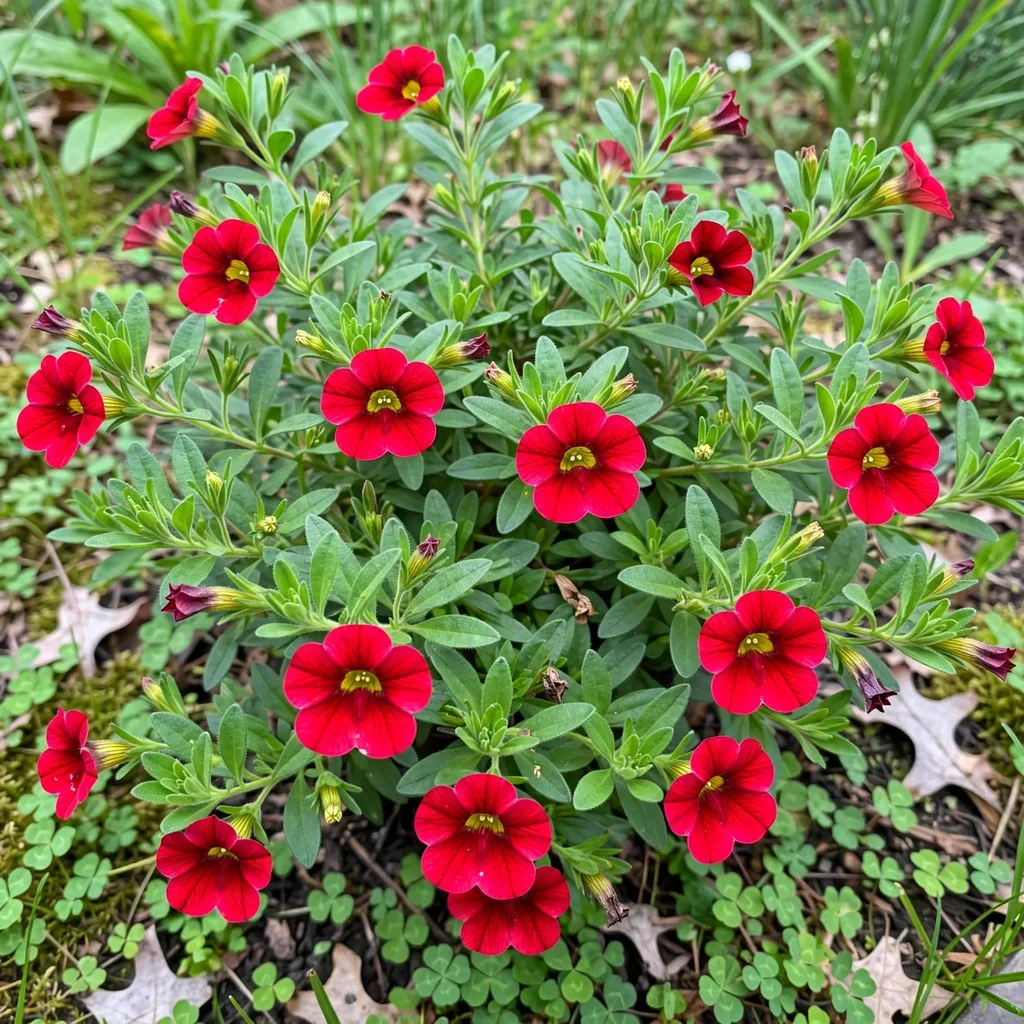
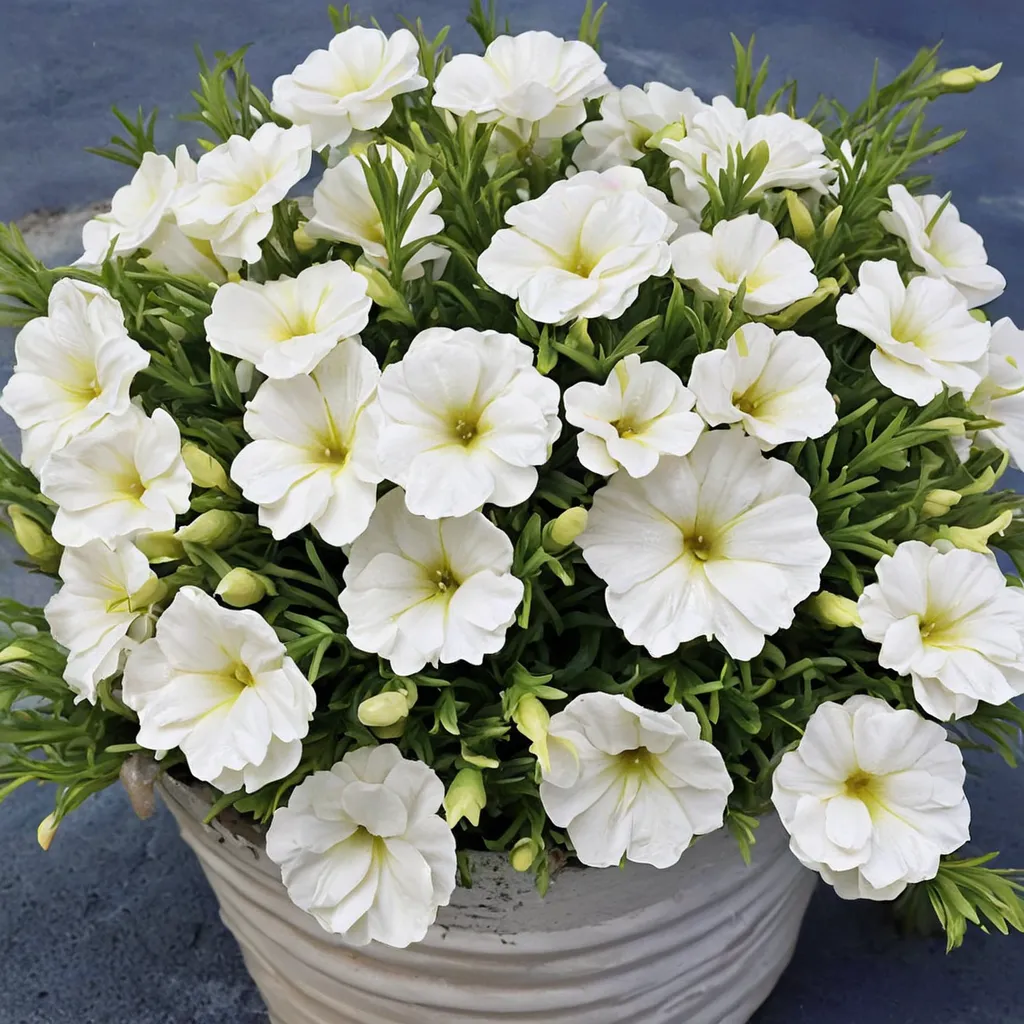
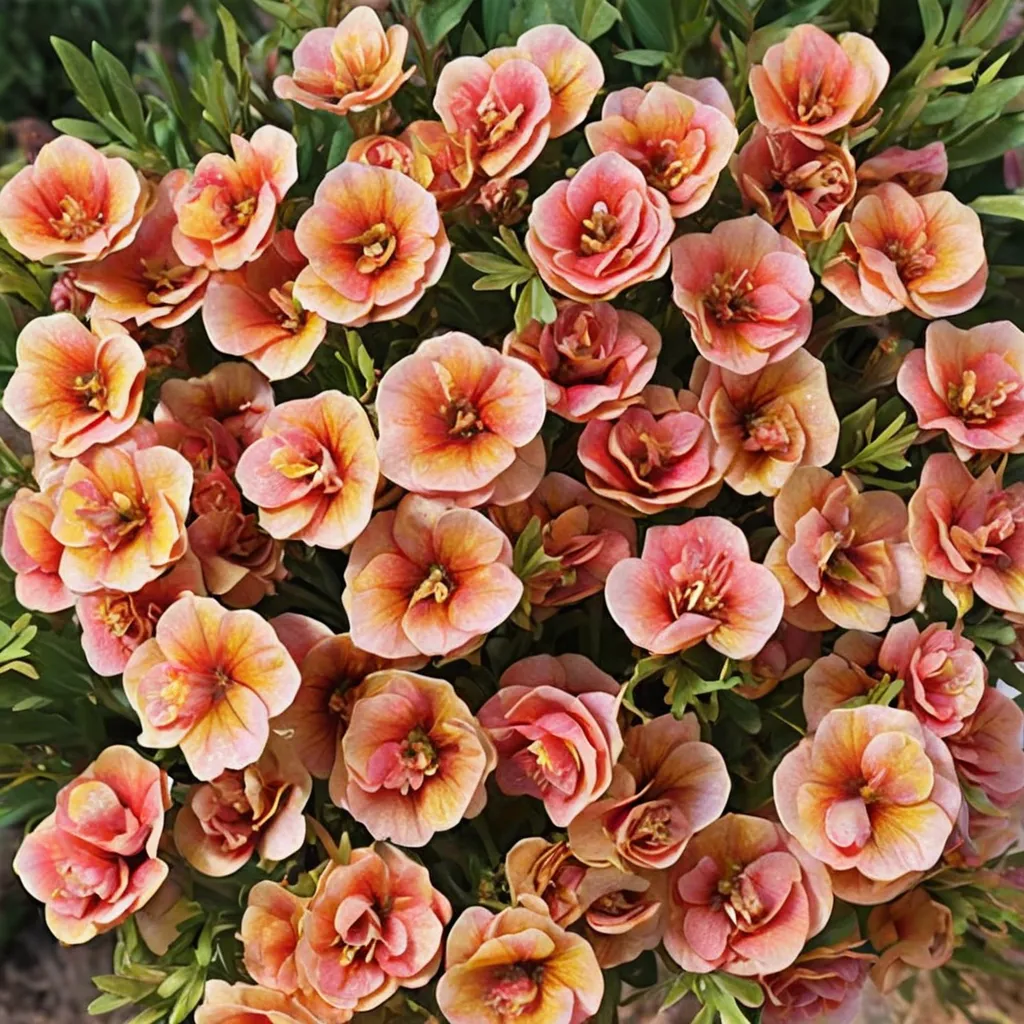
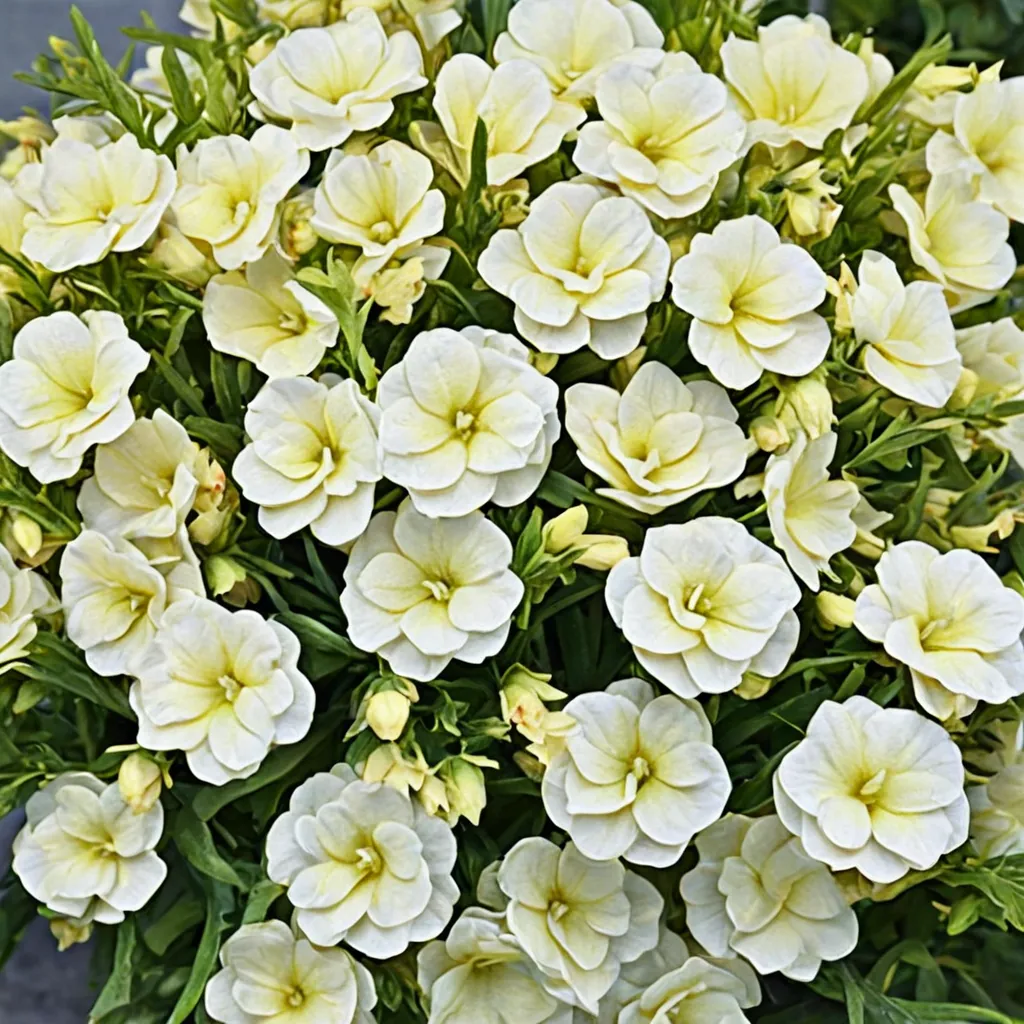
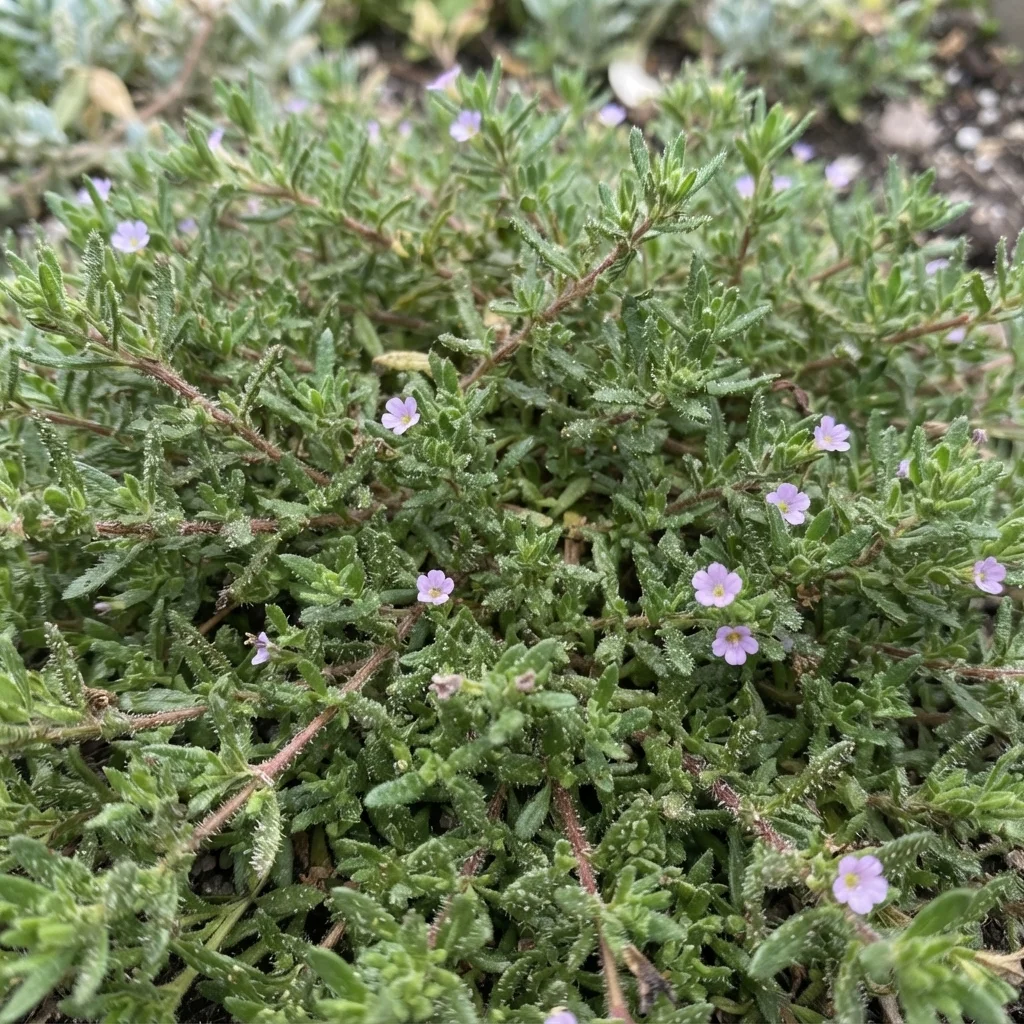

See all 26 Calibrachoa varieties →Search this genus →
2 species of Calibrachoa
Each one is a parent of the varieties above.
Track your Calibrachoa in Sow
Save the Calibrachoa you grow and get care reminders timed to your zone.
How to grow Calibrachoa
Whats common across all Calibrachoa varieties in our catalog — drawn from the care records of the 26 most-grown of them.
The Calibrachoa year
- FertilizeMay–October96% of varieties
Use a balanced liquid fertilizer every 1-2 weeks, especially in containers
- PlantMay and June69% of varieties
Plant transplants or rooted cuttings after all danger of frost has passed
- PruneJuly and August62% of varieties
Trim back long, leggy stems by one-third in mid-summer to refresh growth
- Check for PestsJune–September50% of varieties
Monitor for aphids and spider mites, especially during hot, dry spells
- Pinch TipsMay and June42% of varieties
Pinch back leggy growth or tips early in the season to encourage bushiness.


Do
- Water consistently during hot weather 🌱
- Pinch back to promote bushiness
- Water regularly during hot weather 🌱
- Deadhead spent flowers to encourage more blooms
- Apply balanced fertilizer monthly
Avoid
- Overwater to prevent root rot ❌
- Allow soil to dry out completely between watering ❌
- Overwater leading to root rot ❌
- Allow soil to dry out completely between waterings ❌
What goes wrong with Calibrachoa
| Problem | What you'll see | What to do |
|---|---|---|
| Aphids | Sticky residue and distorted leaves | Spray with insecticidal soap or neem oil |
| Spider mites | Webbing and speckled leaves | Use neem oil or insecticidal soap |
| Spider Mites | Fine webbing and speckled leaves | Use miticide or spray with water to dislodge mites |
| Thrips | Flowers streaked or flecked and buds failing to open cleanly | Remove affected flowers and use blue sticky traps; badly infested baskets are best replaced |
| Root rot | Wilting and discolored roots | Ensure well-draining soil and reduce watering |
| Botrytis (Gray Mold) | Gray fuzzy mold on flowers and leaves | Improve air circulation and remove affected parts |
| Botrytis | Gray mold on flowers and leaves | Improve air circulation and remove affected parts |
Making more Calibrachoa
Cuttings
- Take 4-inch cuttings in early summer.
- Remove lower leaves and dip in rooting hormone.
- Plant in moist, well-drained soil.
- Keep moist and place in bright, indirect light.
- Roots develop in about 4-6 weeks.
Seeds
- Start seeds indoors 8-10 weeks before last frost.
- Surface sow on moist seed-starting mix.
- Maintain temperature at 70°F (21°C).
- Keep soil consistently moist.
- Transplant seedlings outside after danger of frost passes.
Calibrachoa questions
How many types of Calibrachoa are there?
The Sow catalog tracks 26 distinct Calibrachoa varieties. The most popular — ranked by 160 real gardeners — are shown first above.
What zones does Calibrachoa grow in?
Across its varieties, Calibrachoa covers USDA Zones 5–10. Individual varieties differ — each plant page lists its exact range, and Sow filters the catalog to your zone automatically.
When does Calibrachoa bloom?
Most Calibrachoa varieties bloom in mid-summer, spring to fall, spring, summer, fall. Staggering early, mid, and late varieties extends the genus's season in one bed.
Which Calibrachoa should I choose?
Start from the most-saved varieties above — popularity across thousands of gardens is a strong signal of reliability — then filter by your zone and sun. In the Sow app you can preview any of them in a photo of your actual yard before you buy.