Also known as Juniper · 2.7k saves
Juniperus
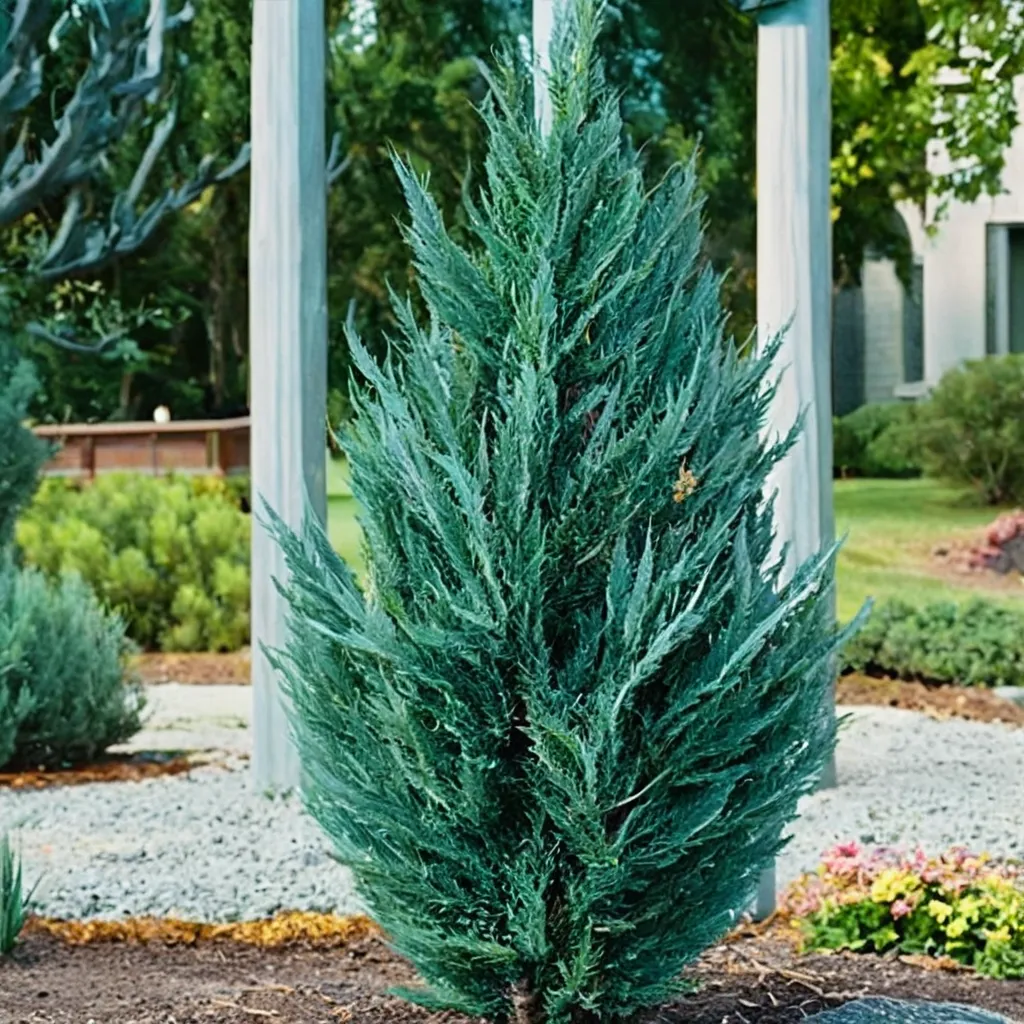
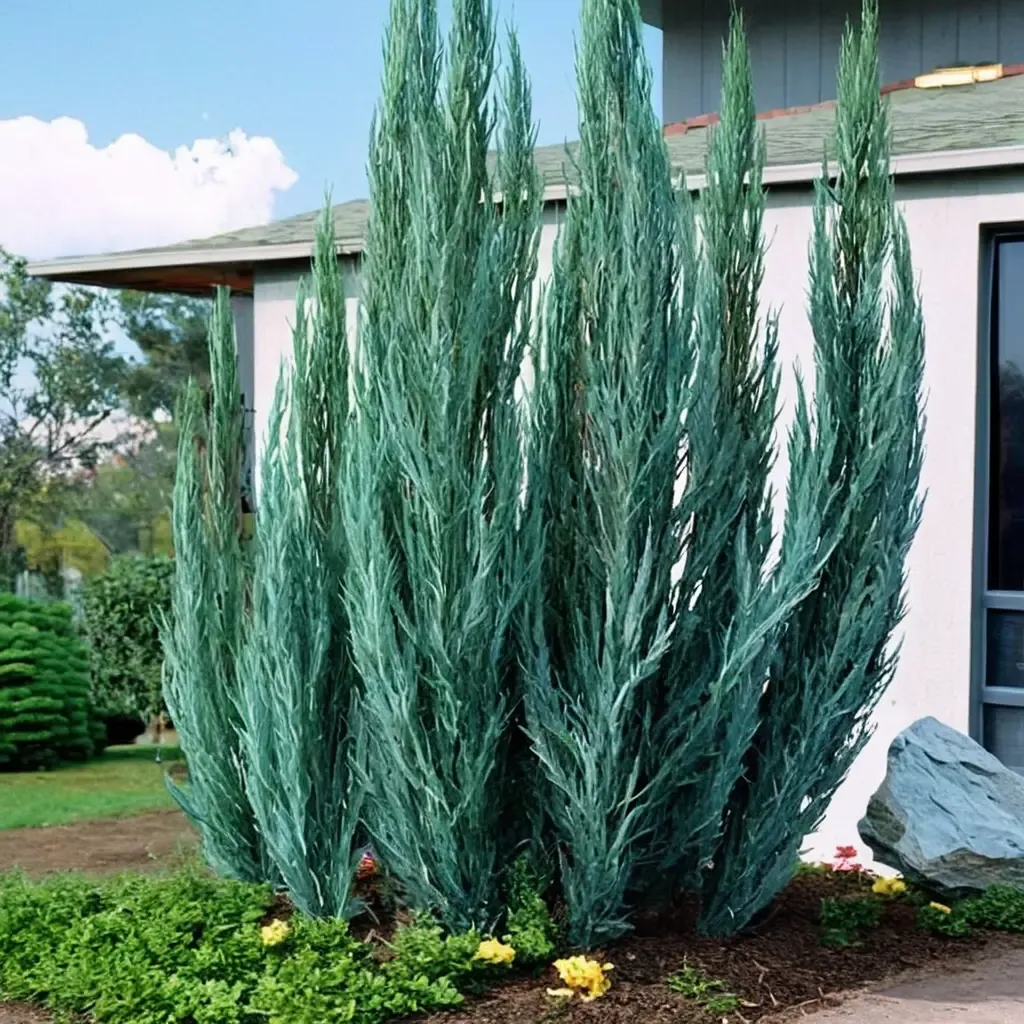
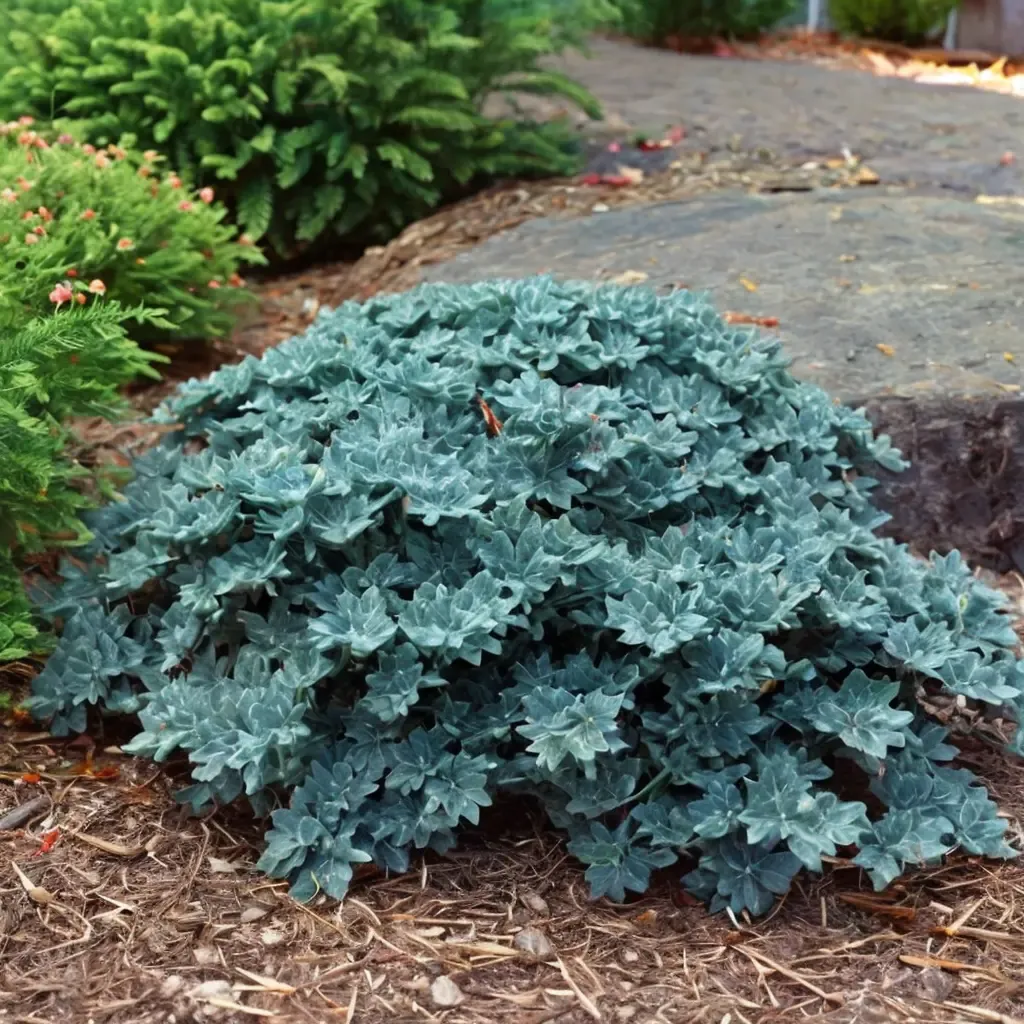
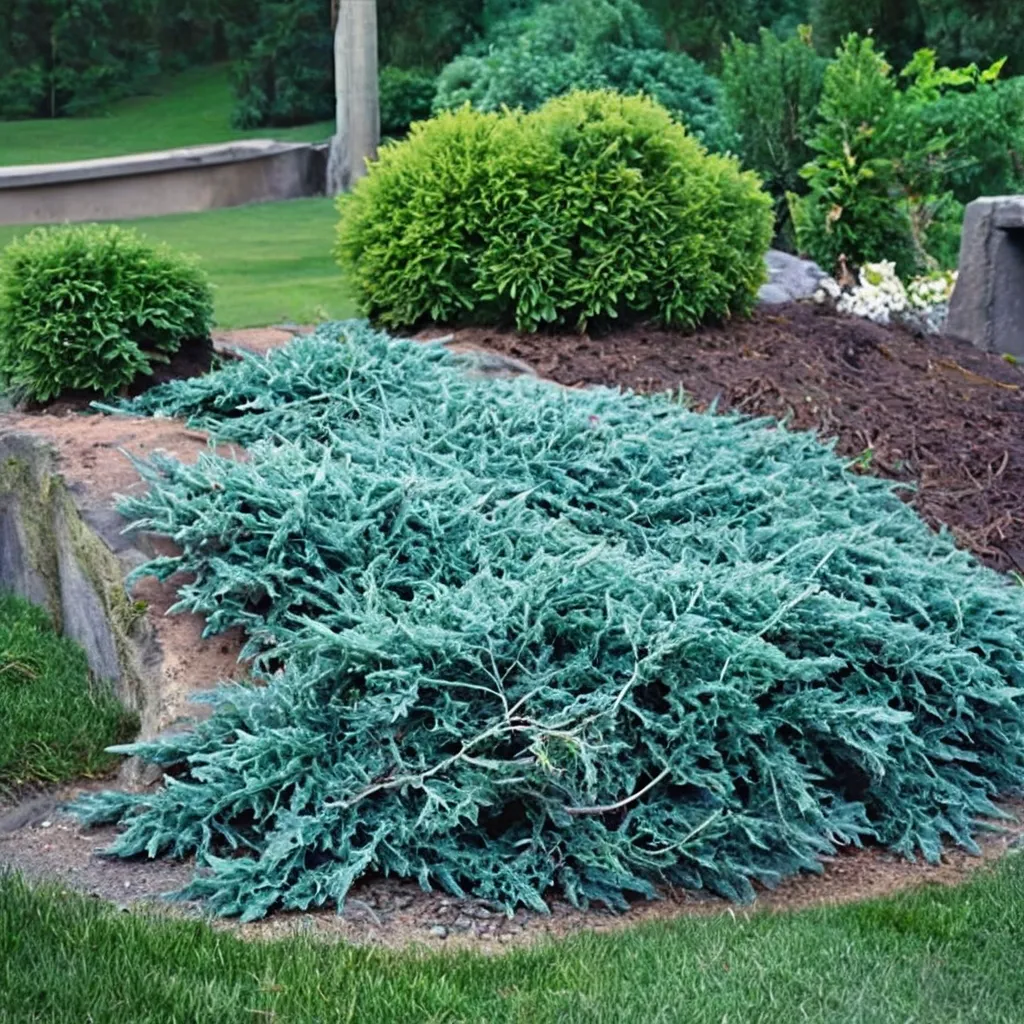
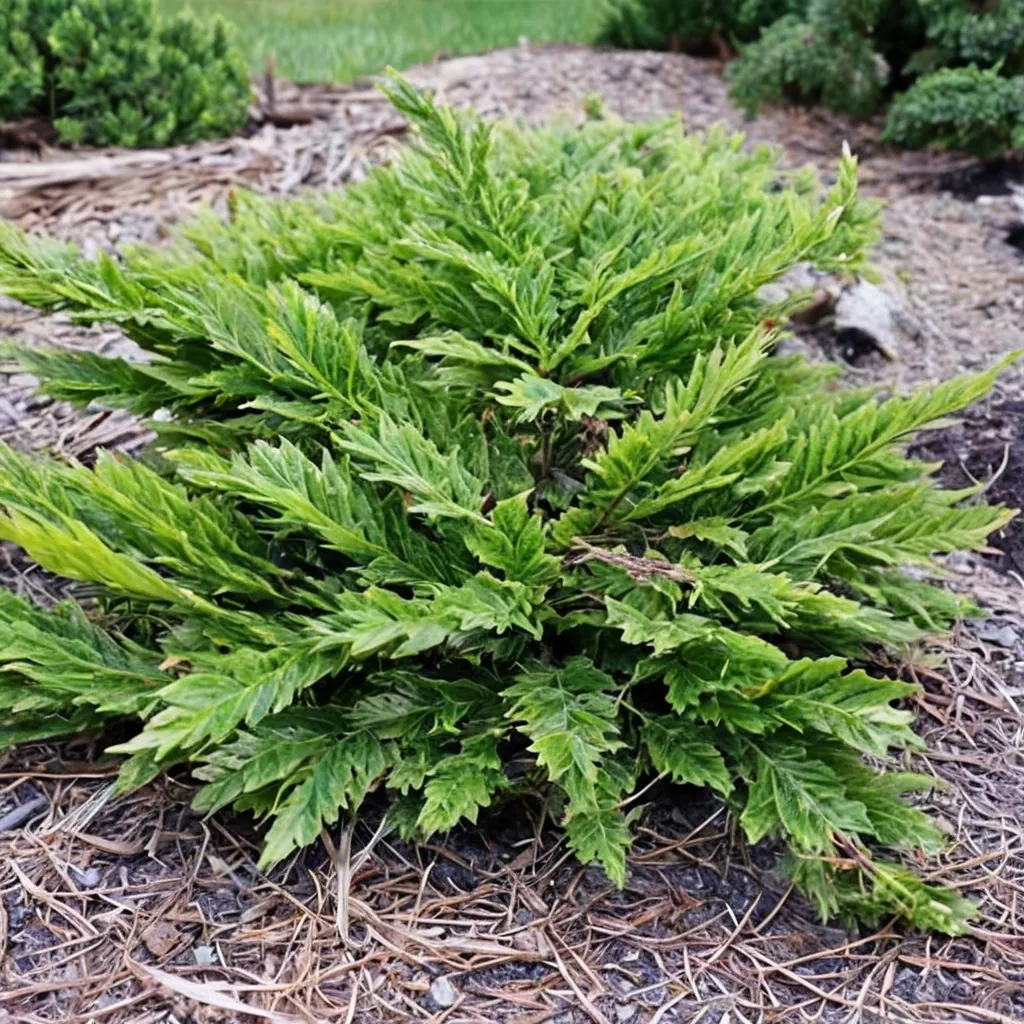
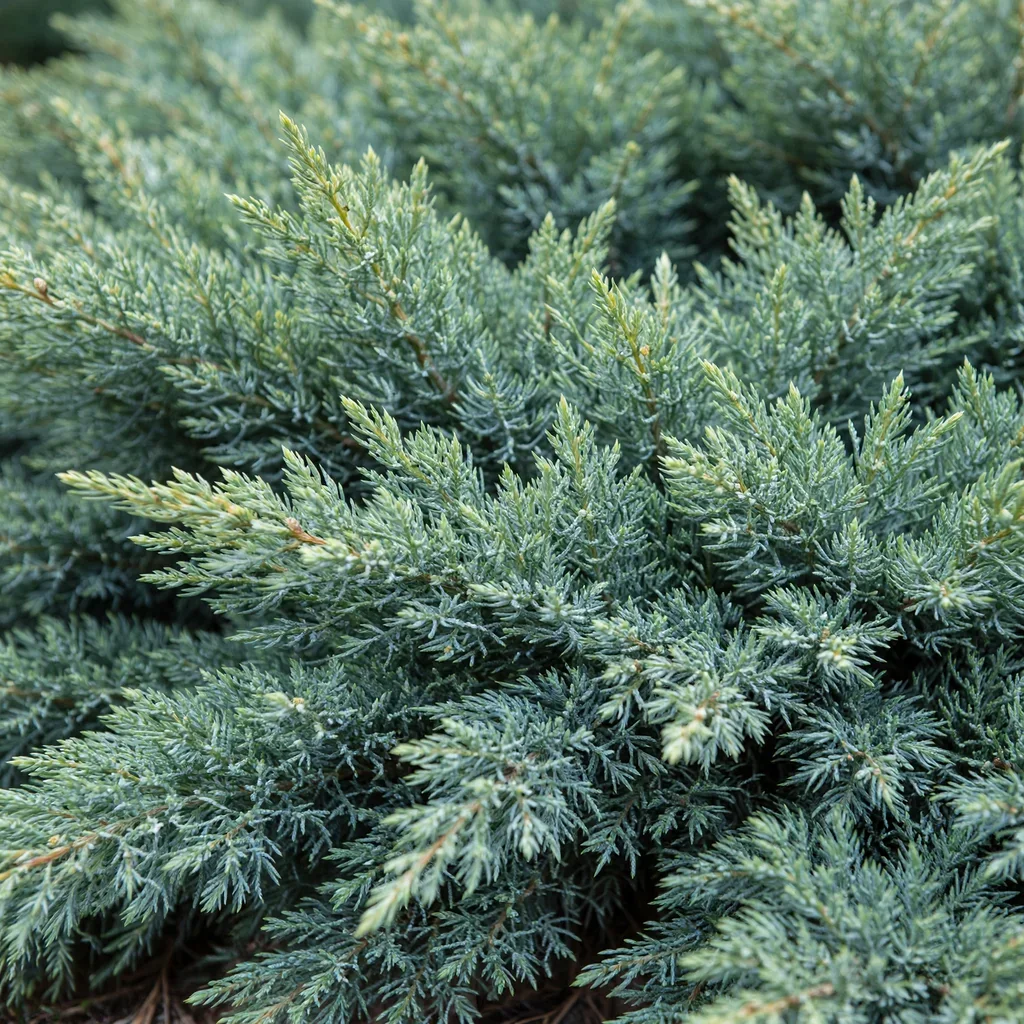
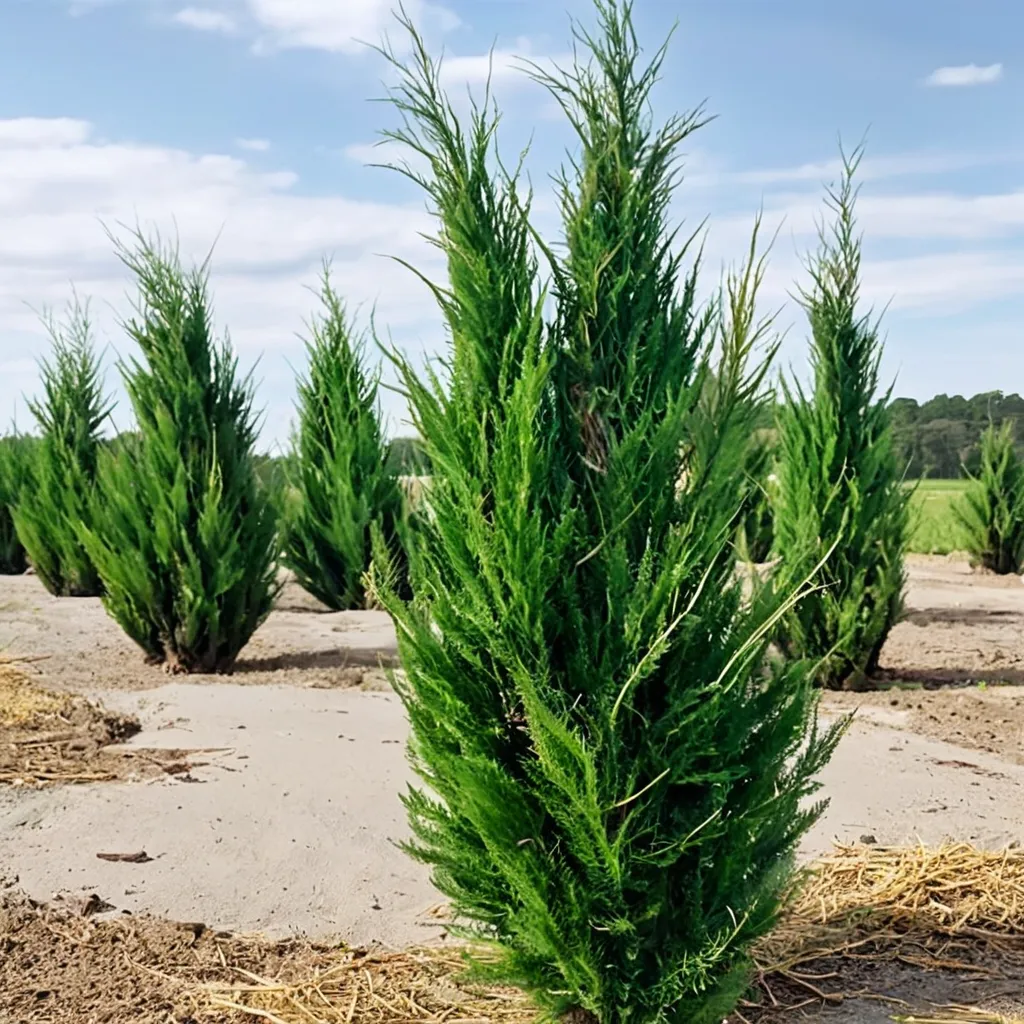
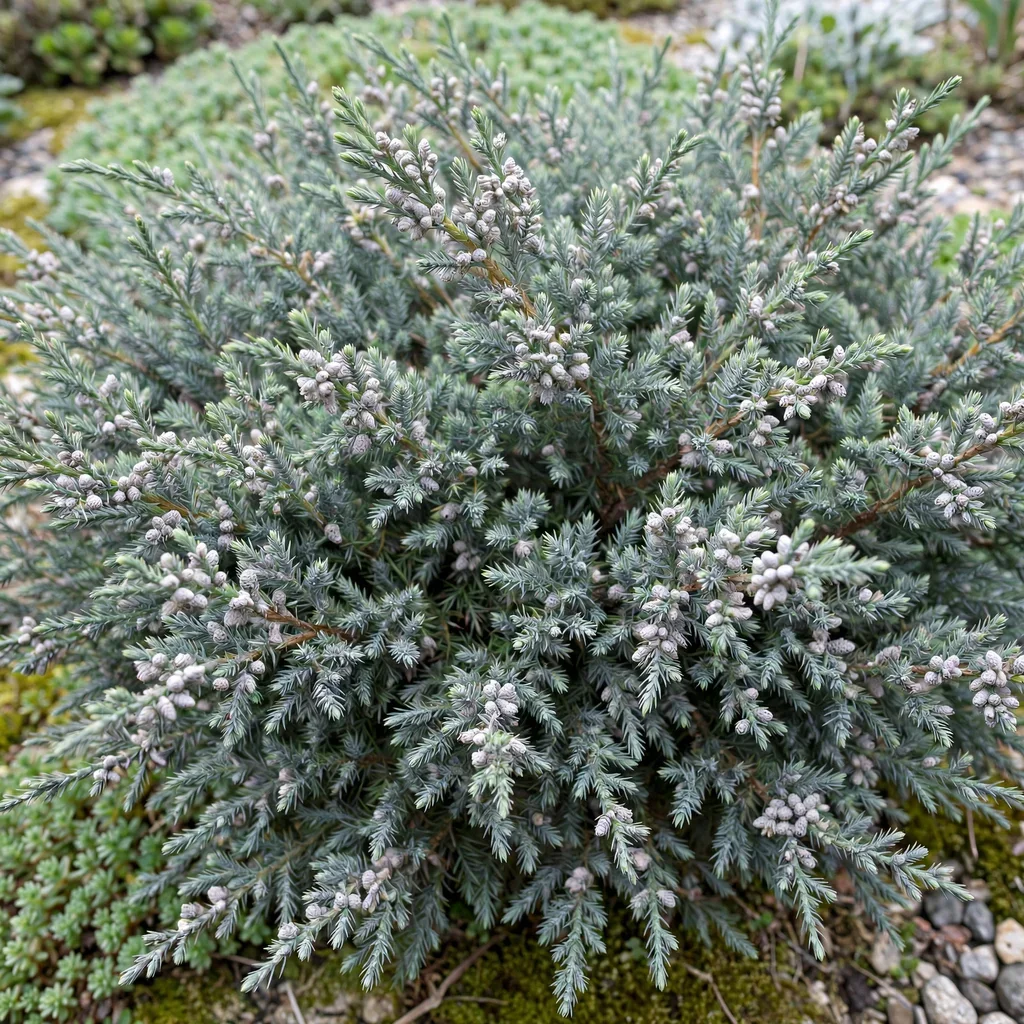
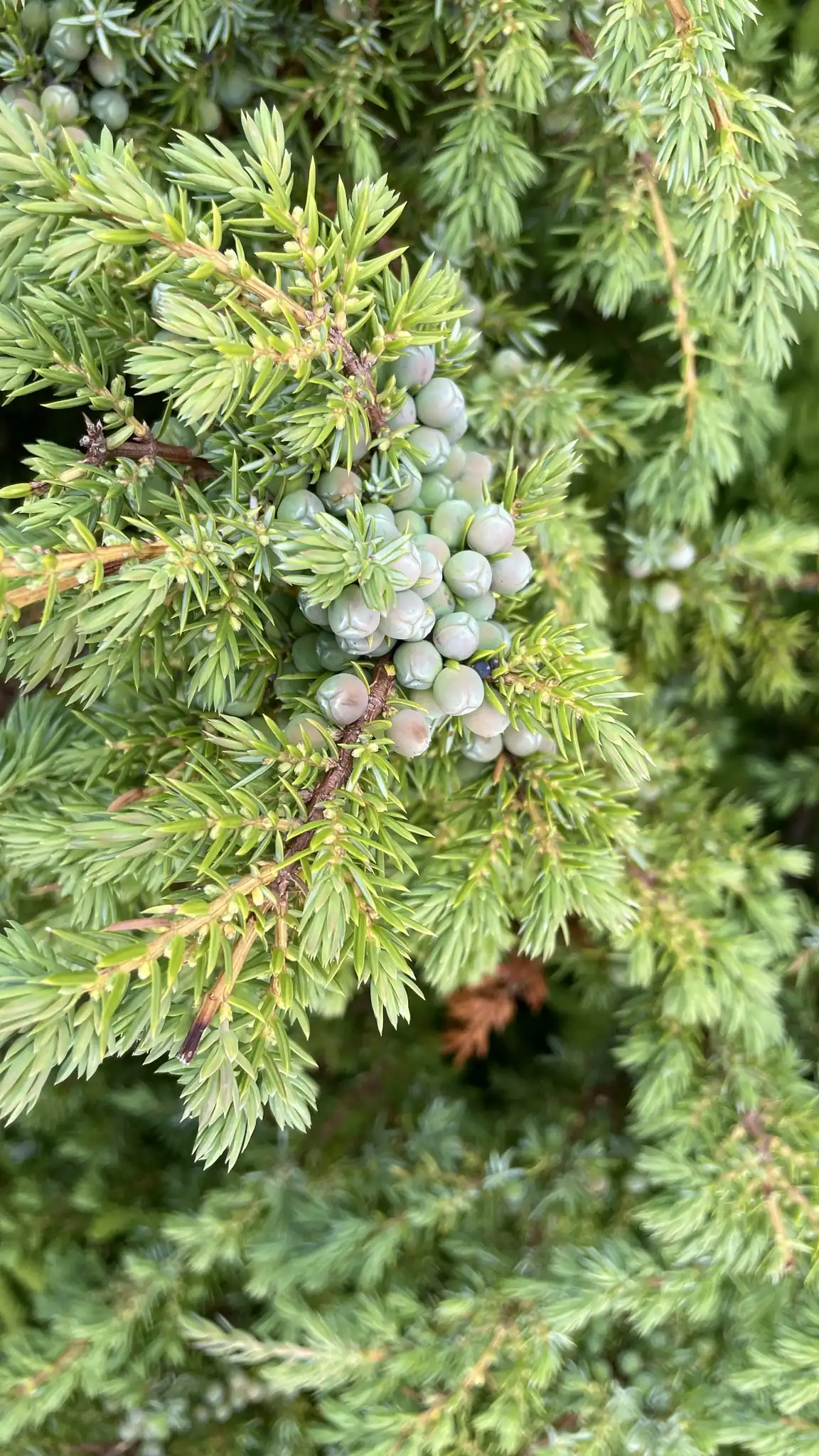
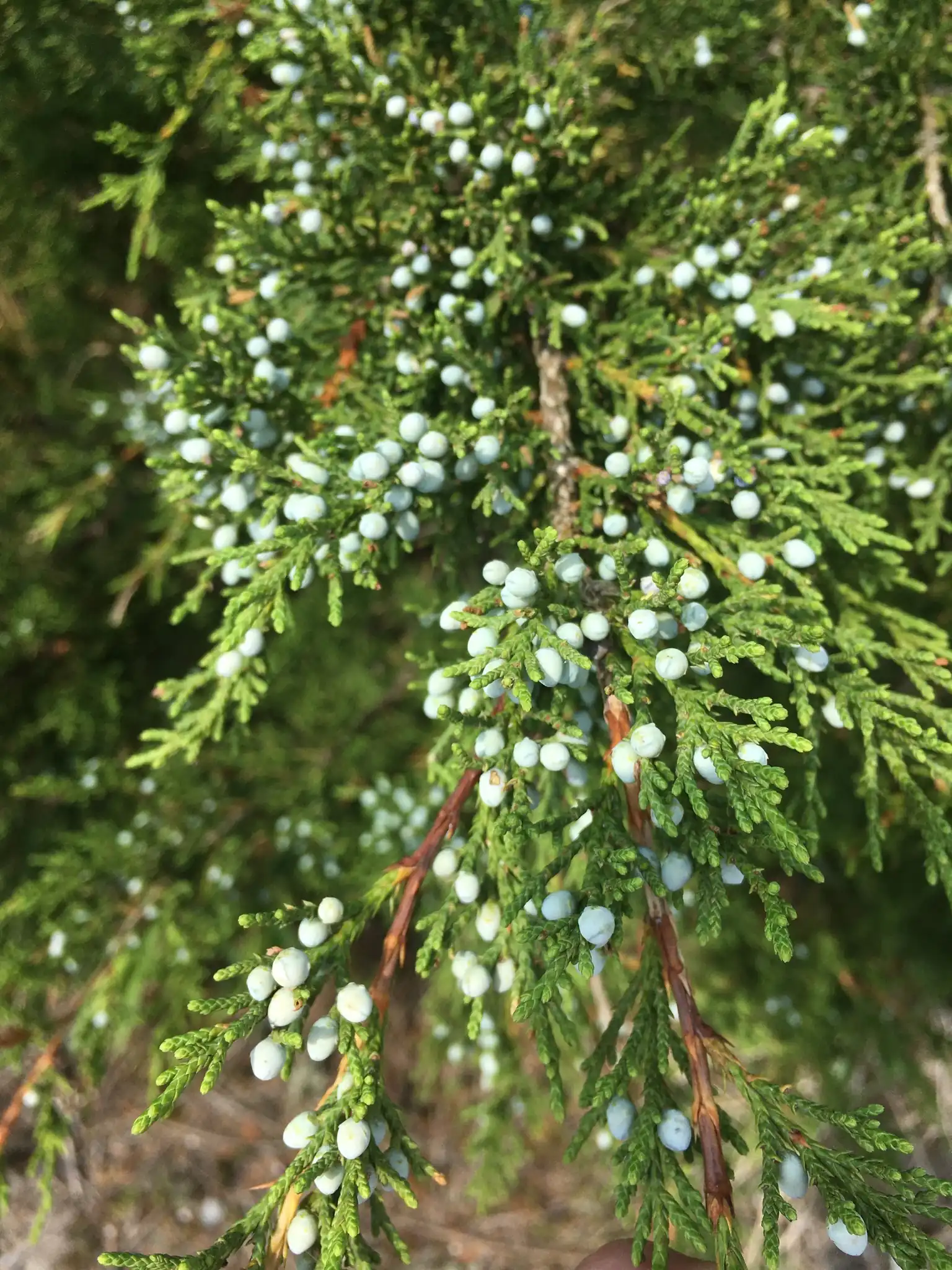
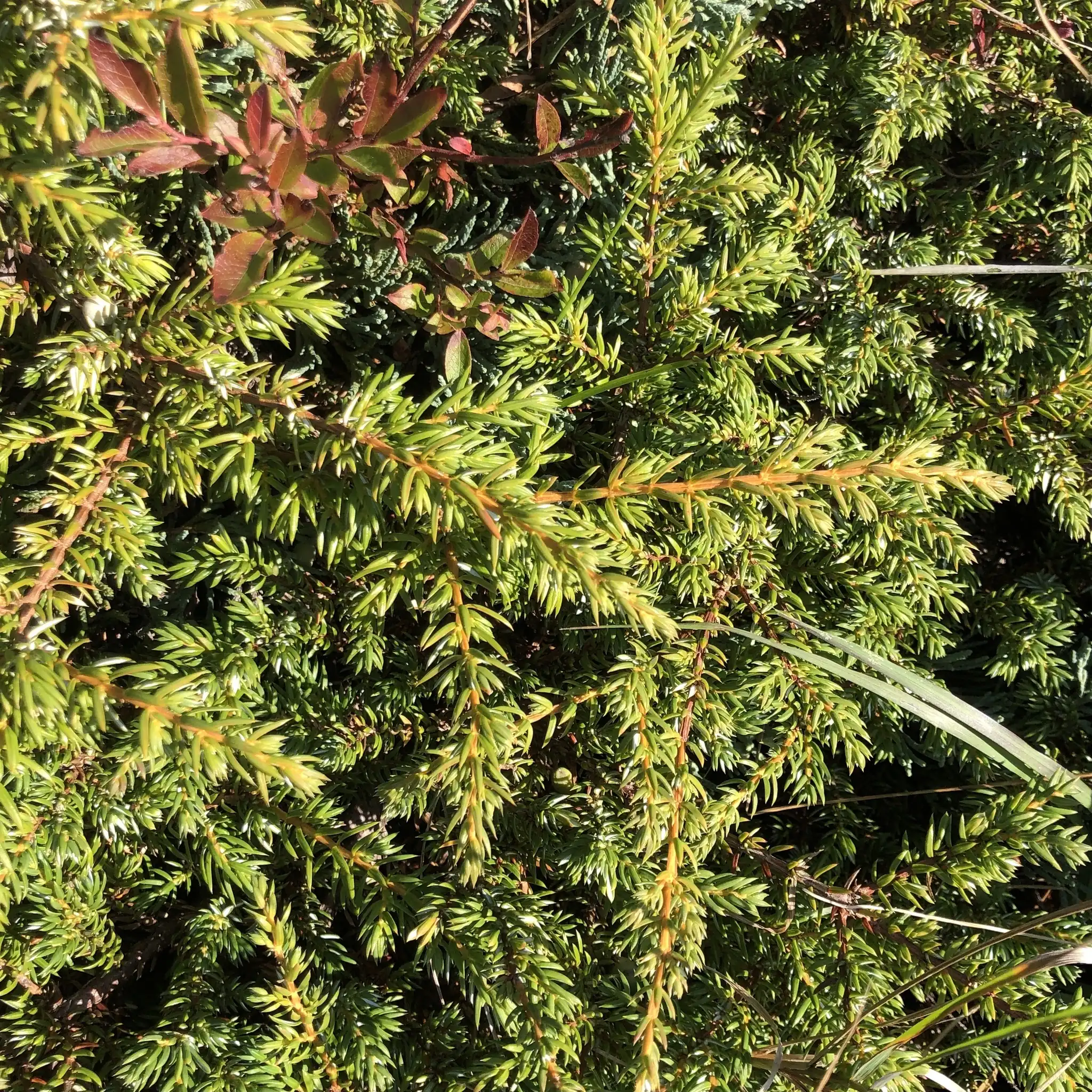
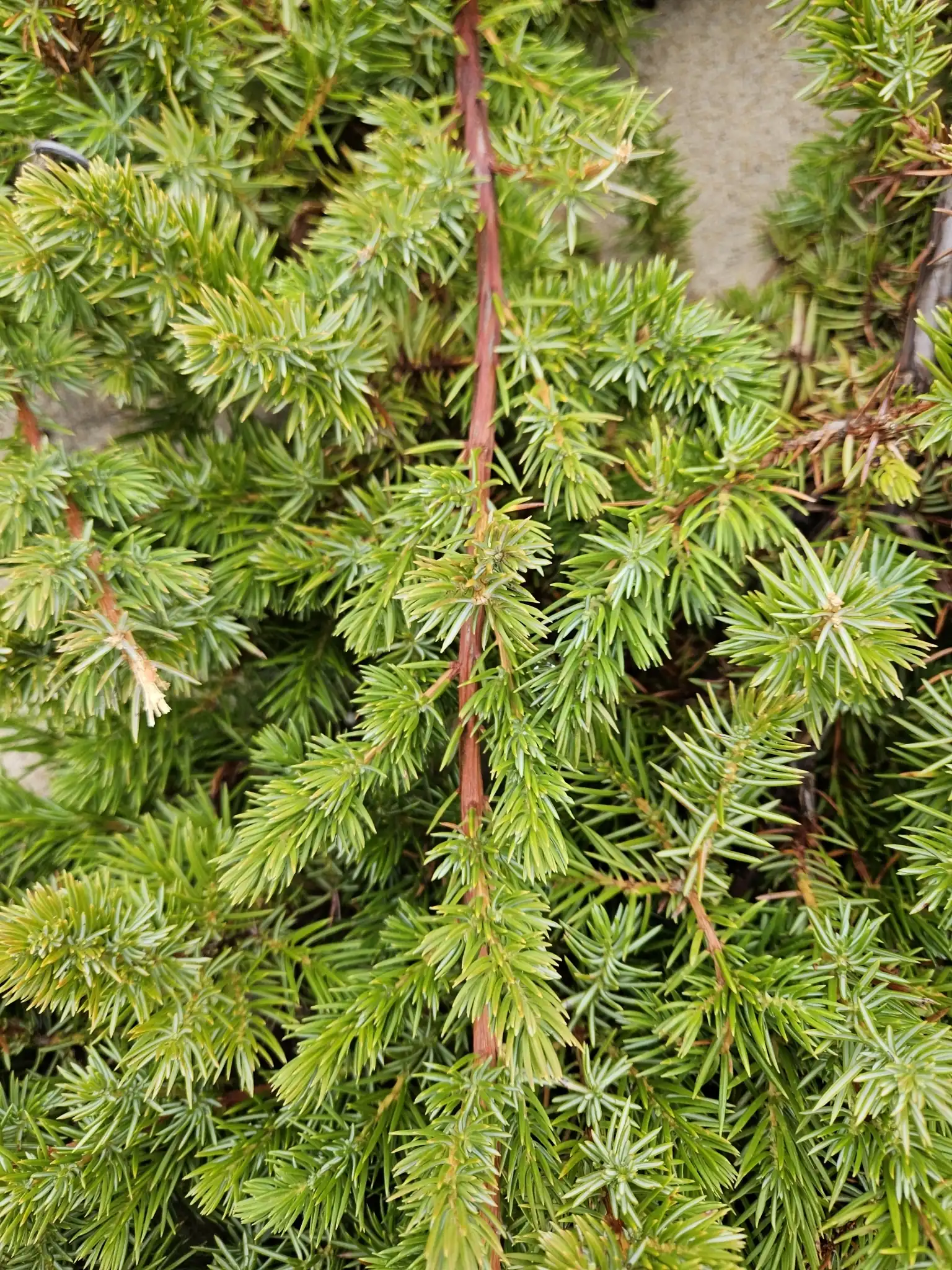
Juniperus, the genus most gardeners know as juniper. We track 88 varieties; the ones most used by real gardeners.
The 24 most-saved Juniperus varieties
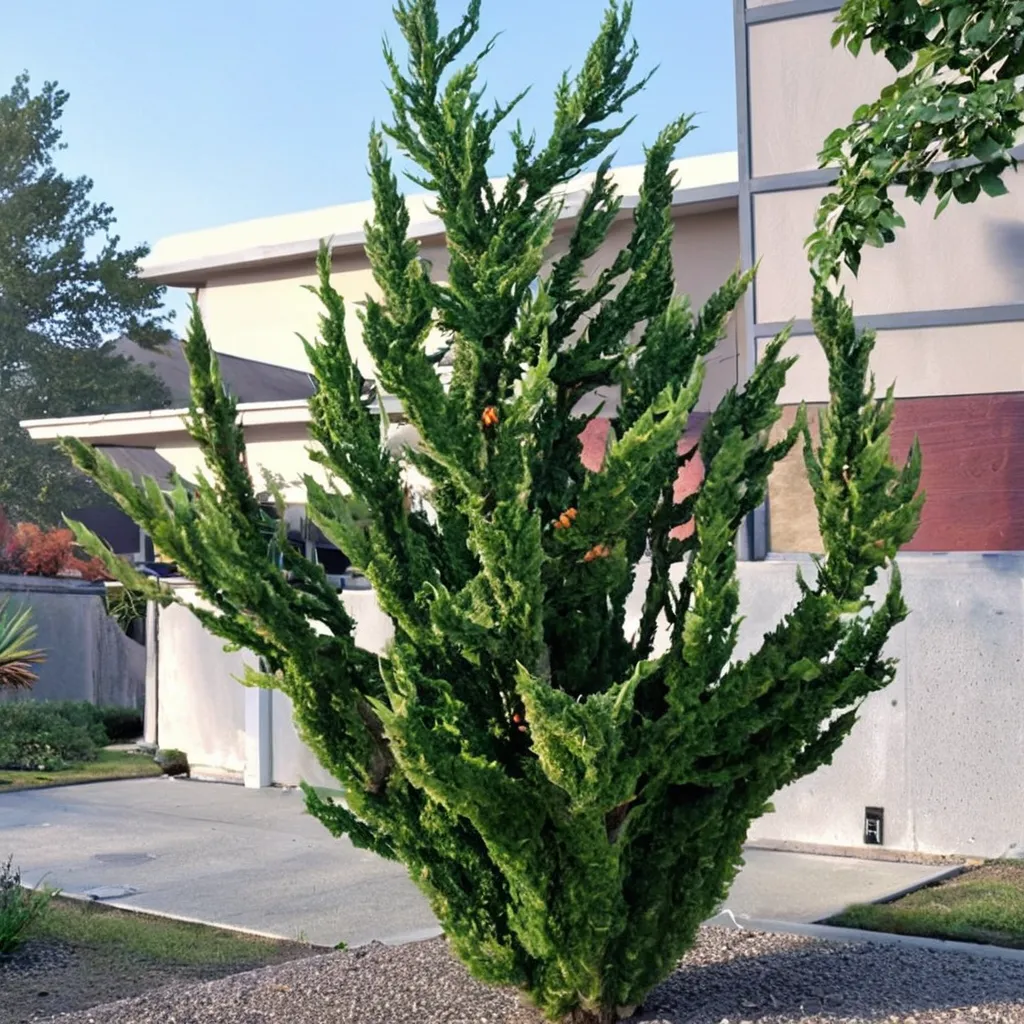
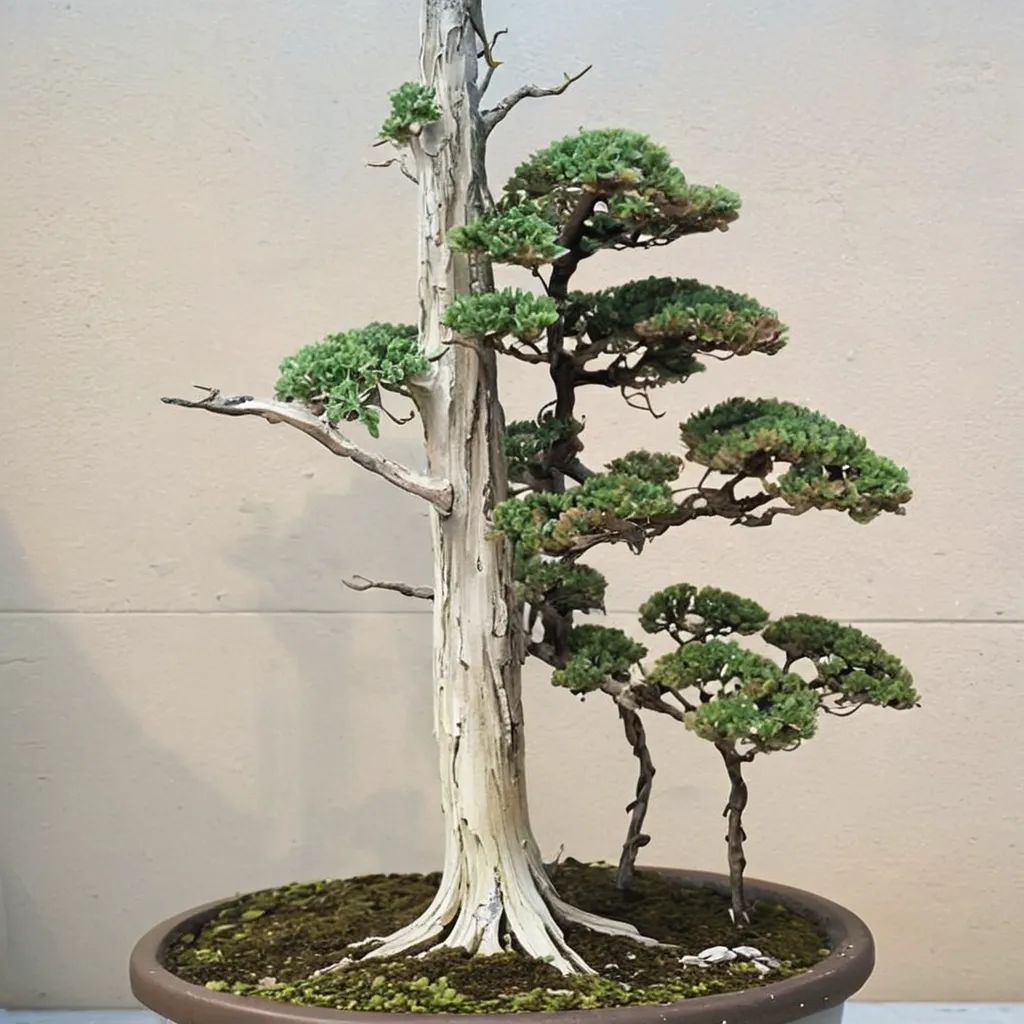
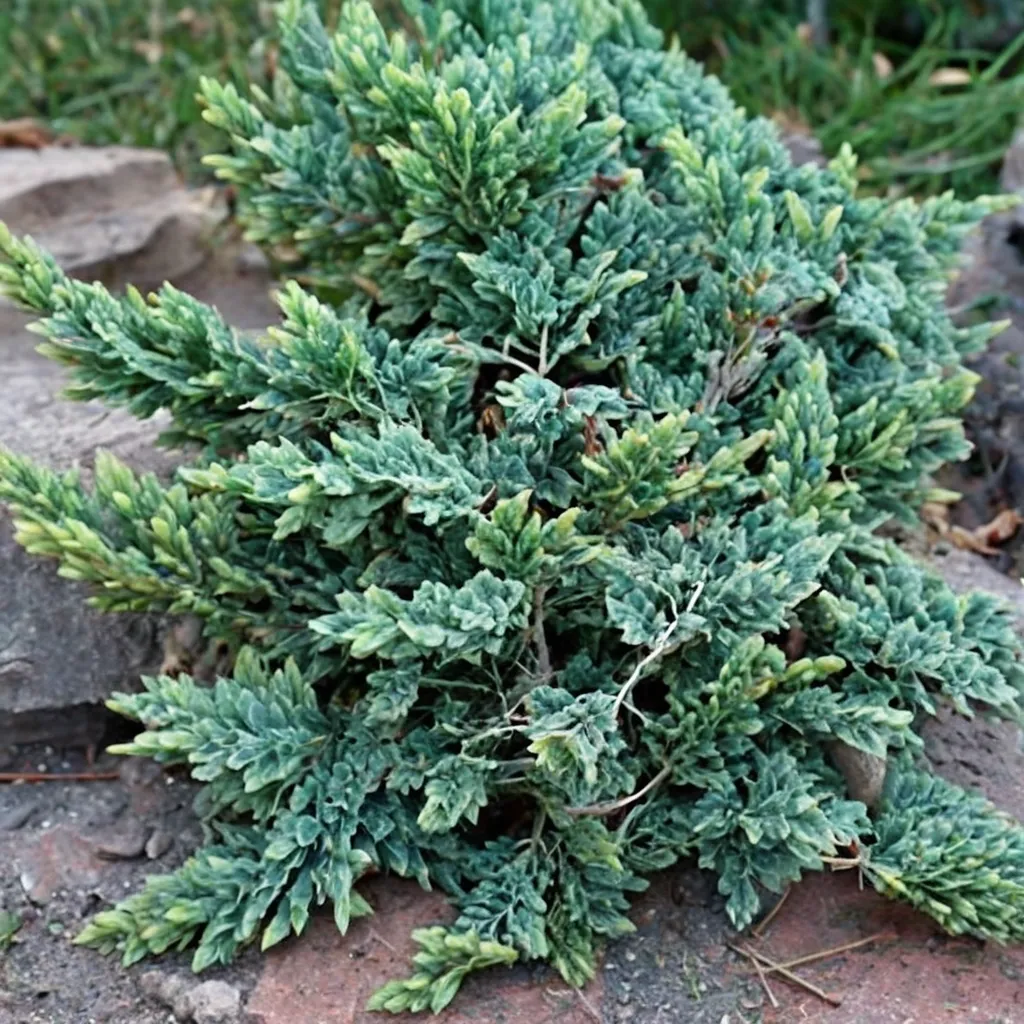
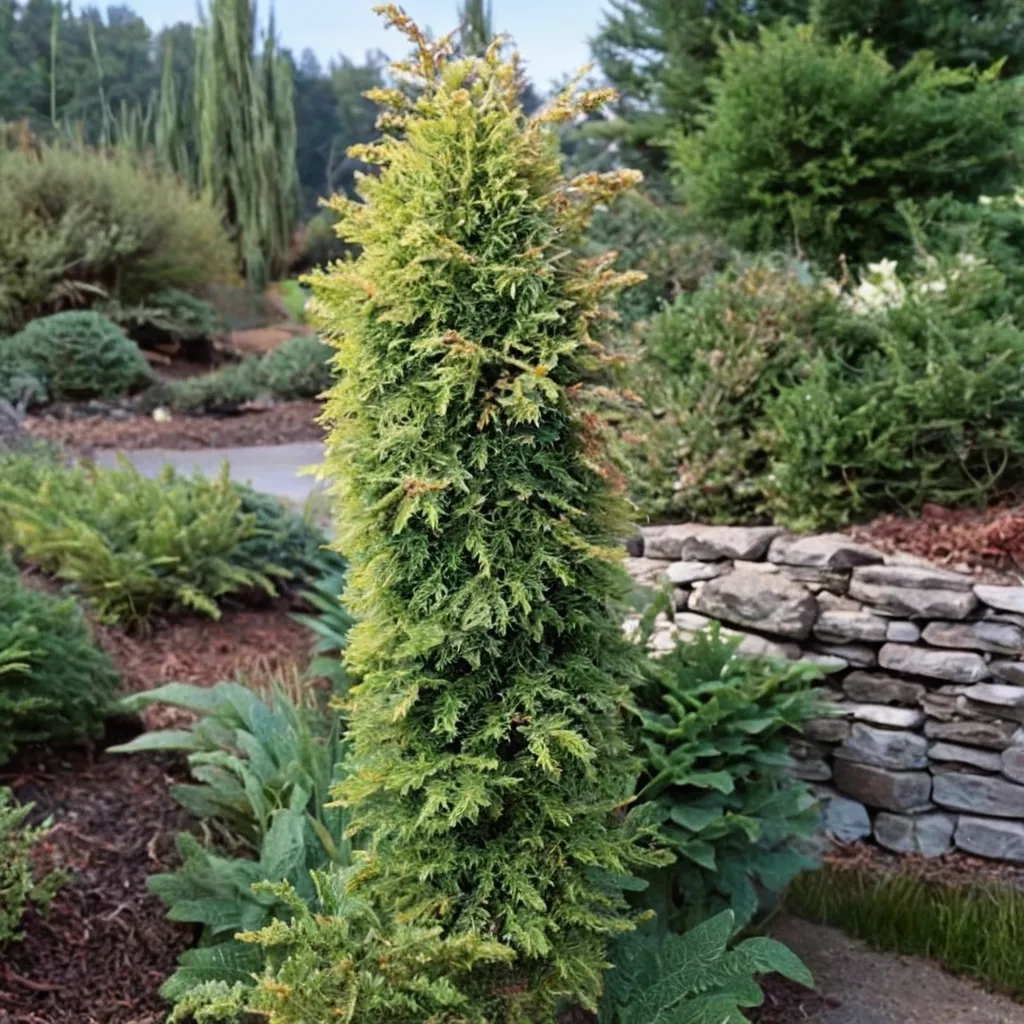
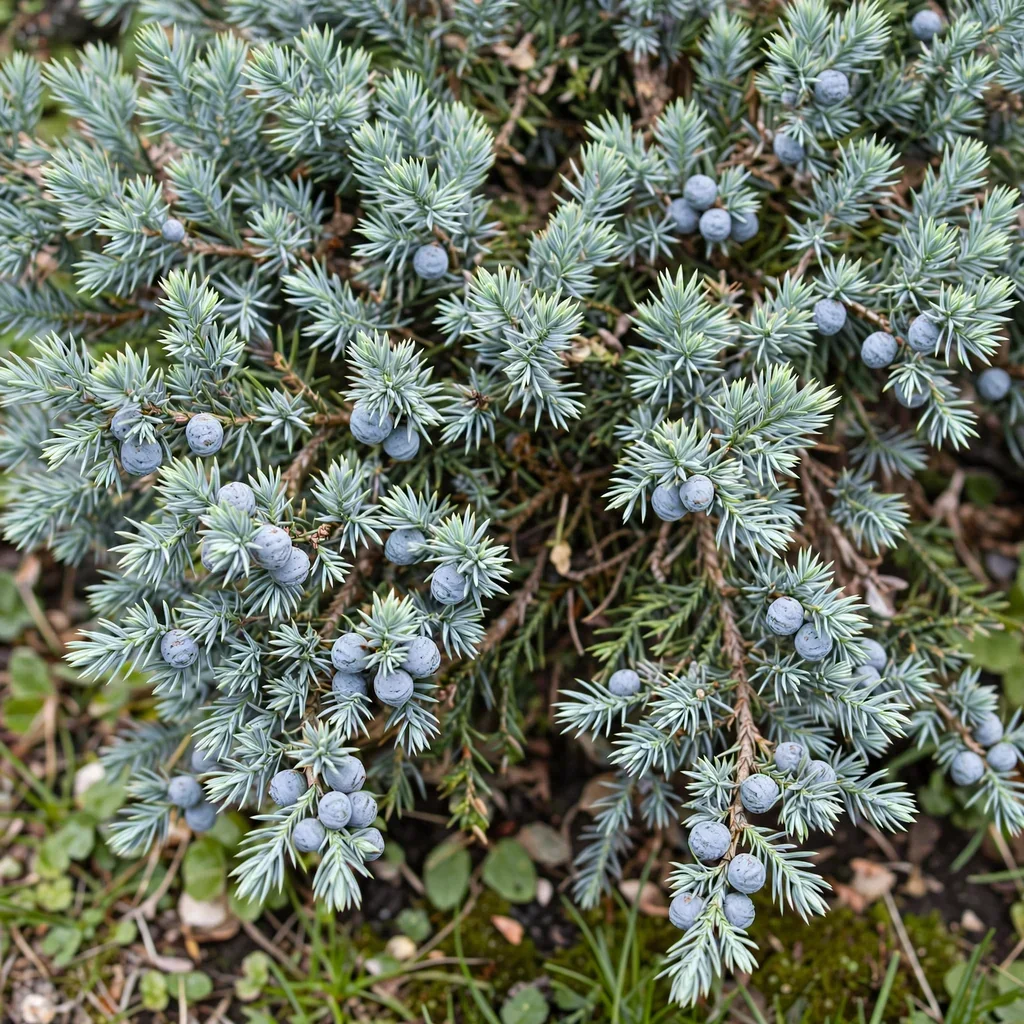
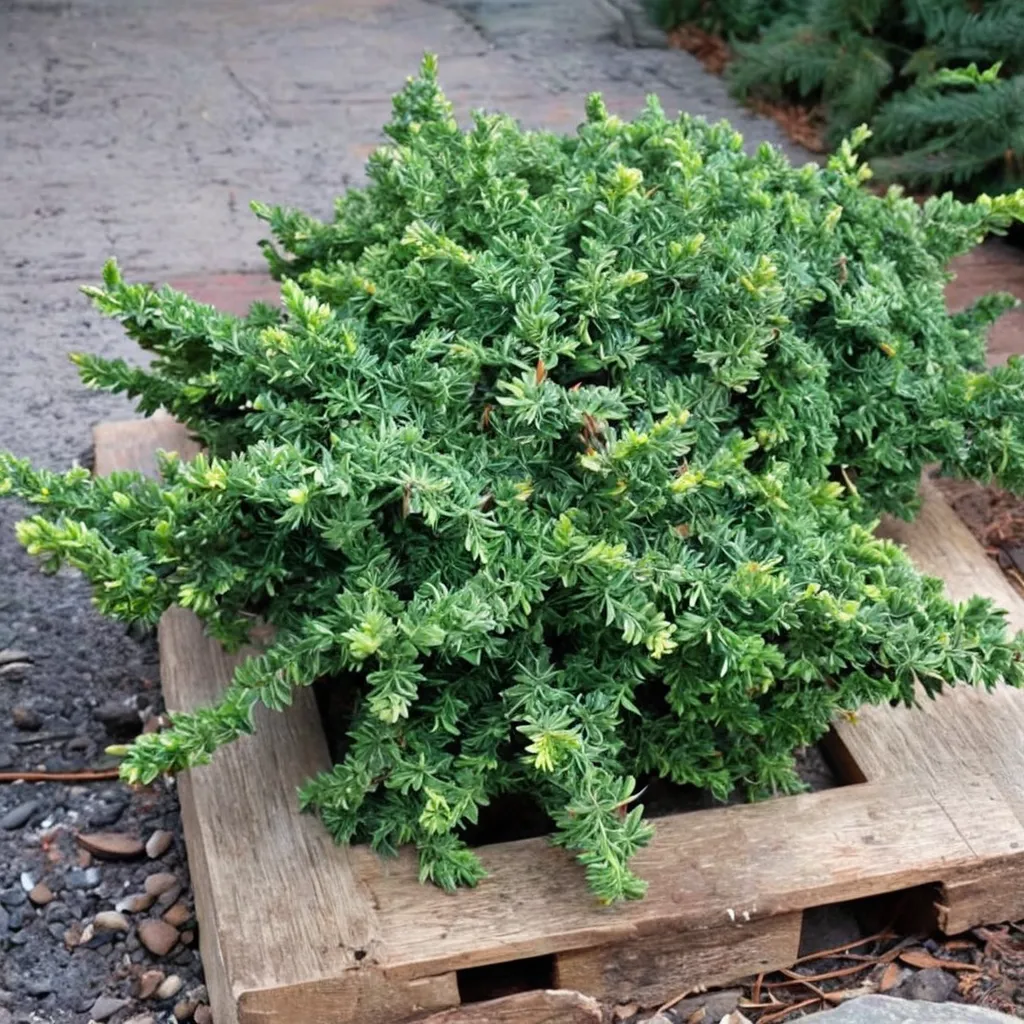
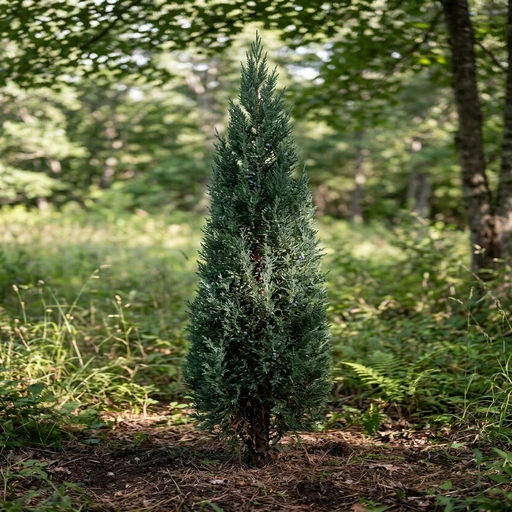
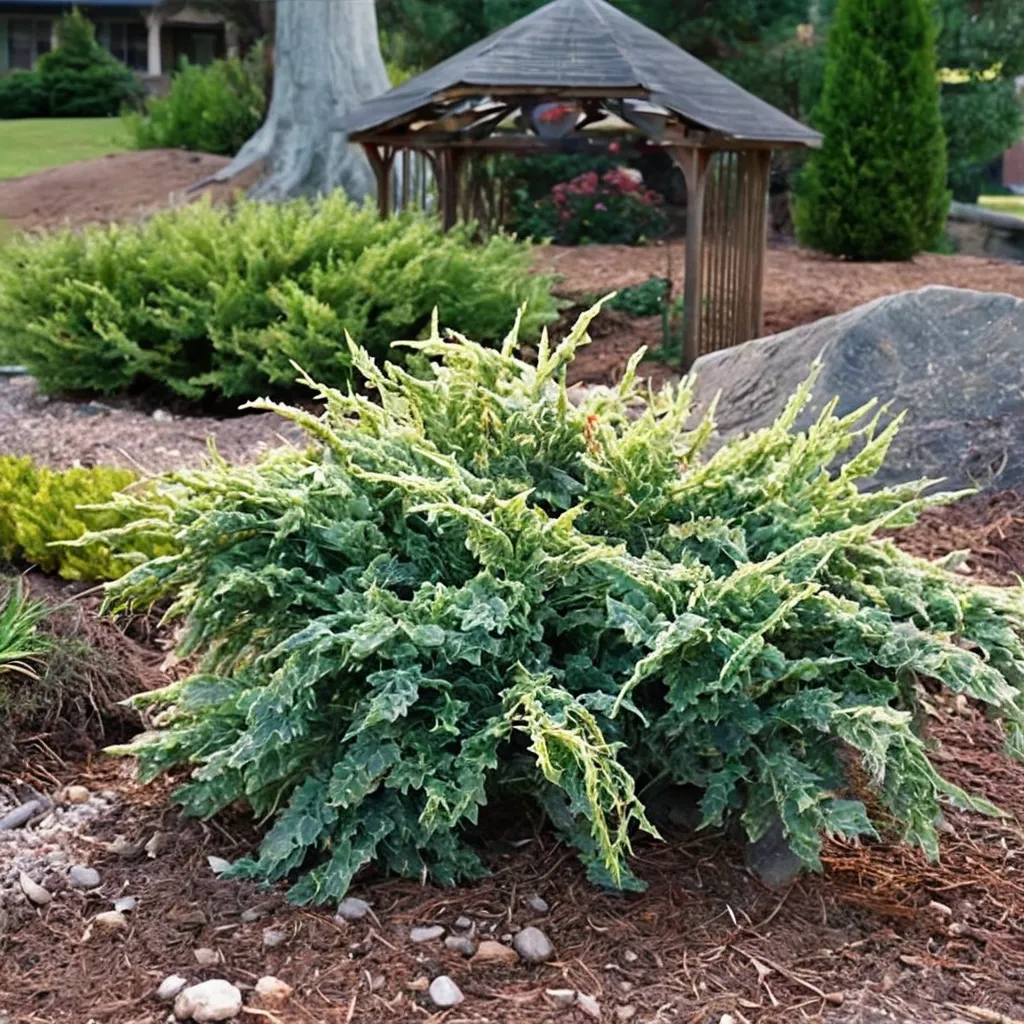
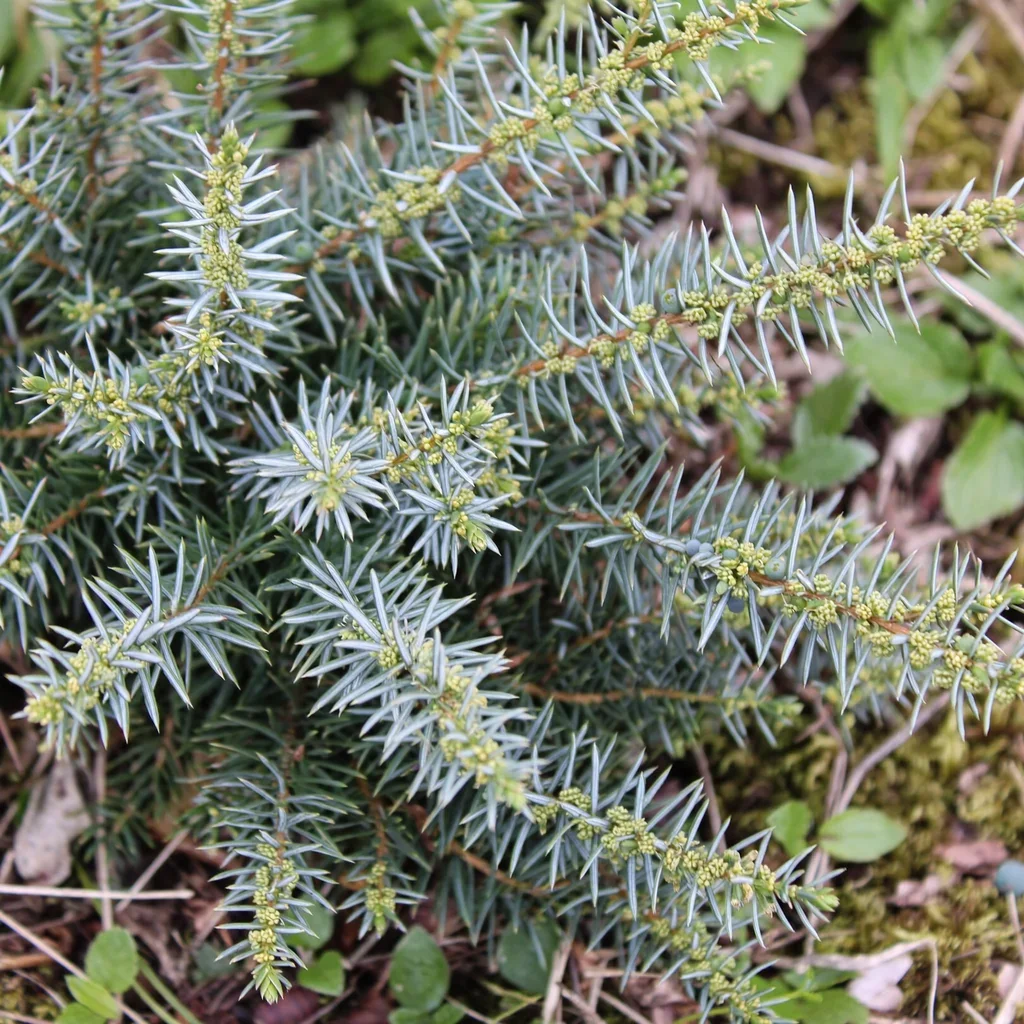
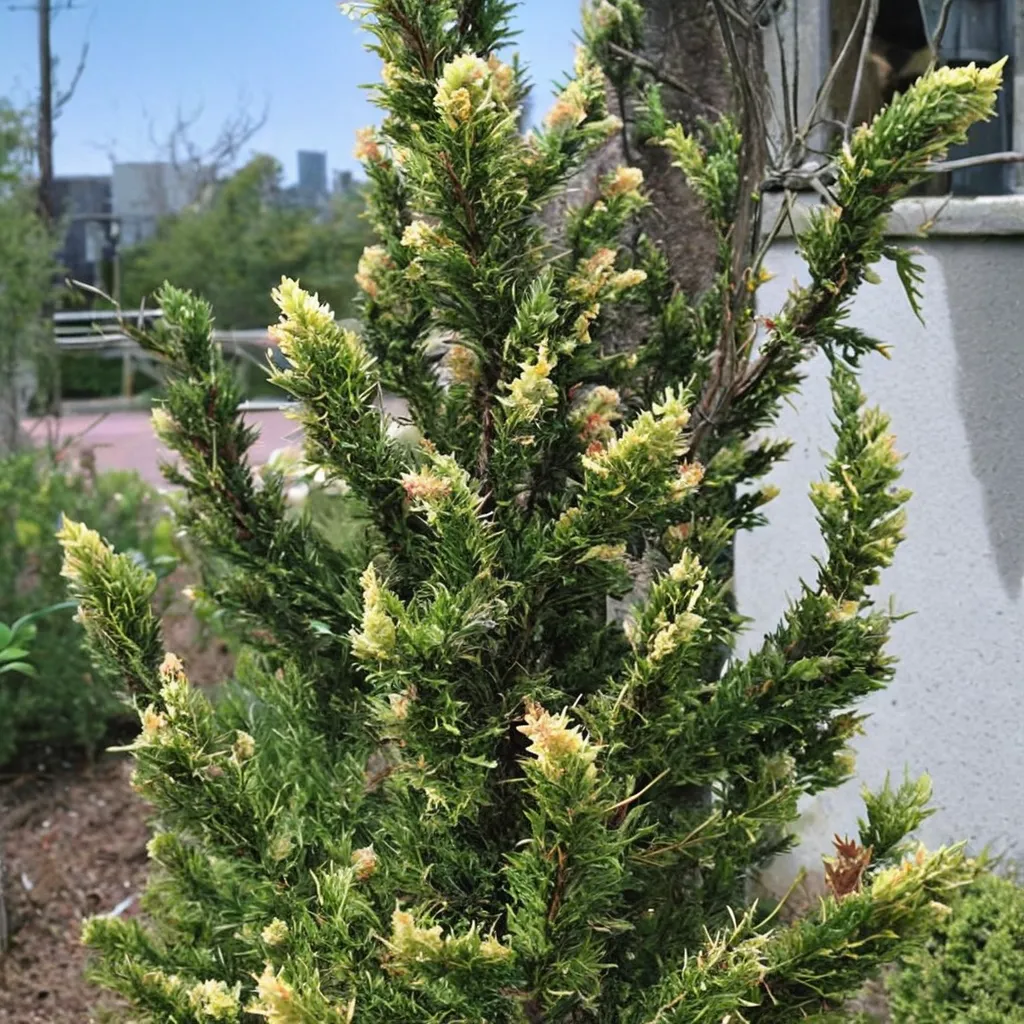
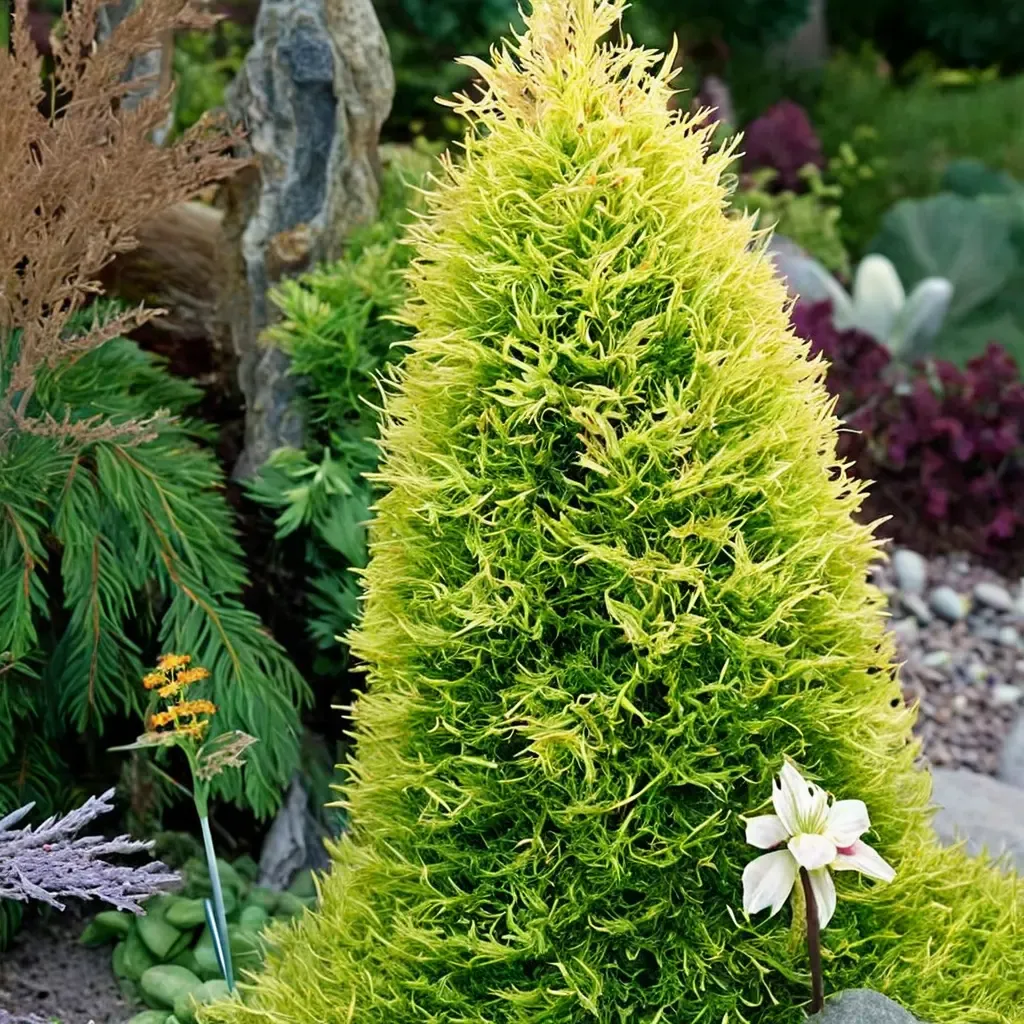
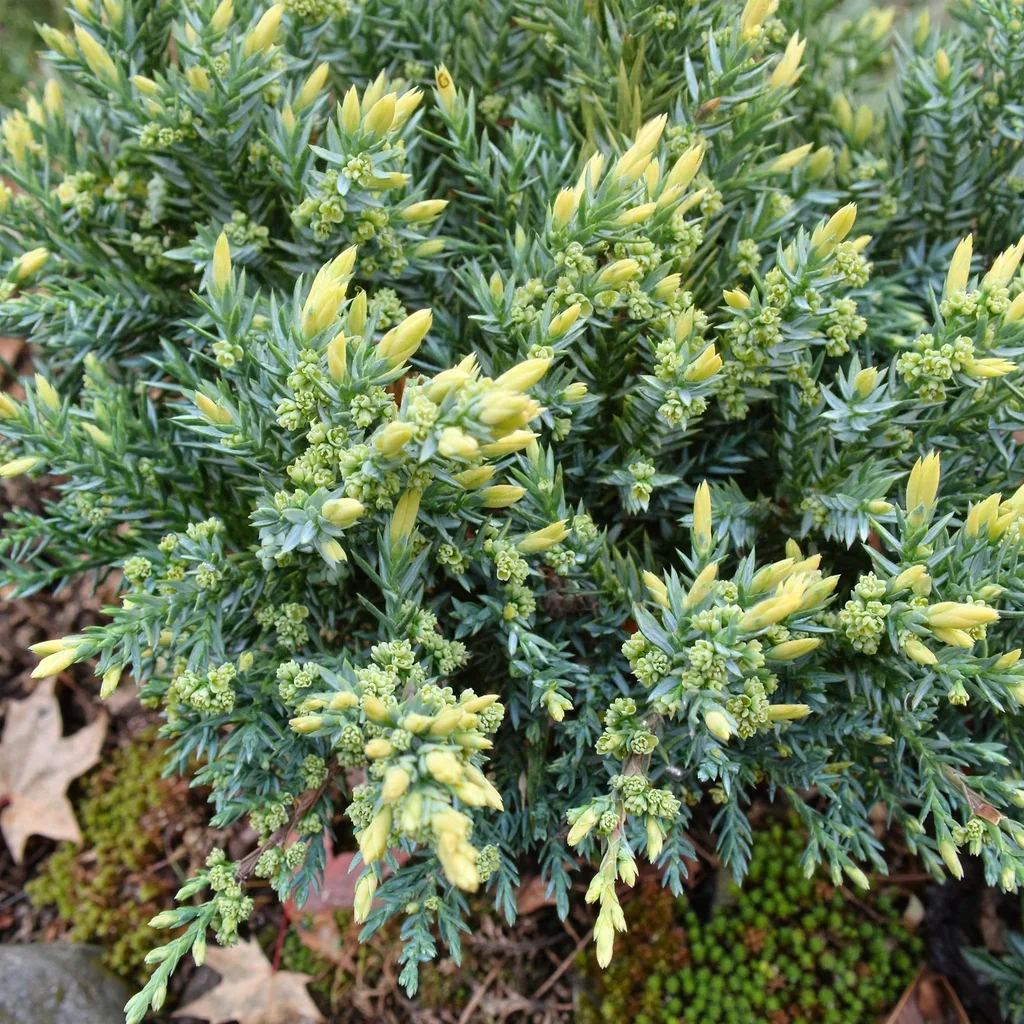
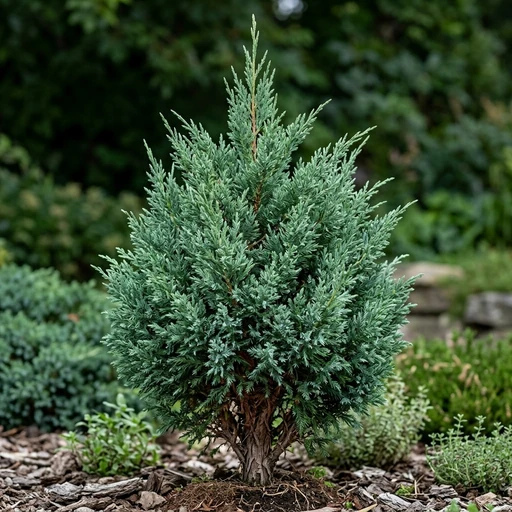
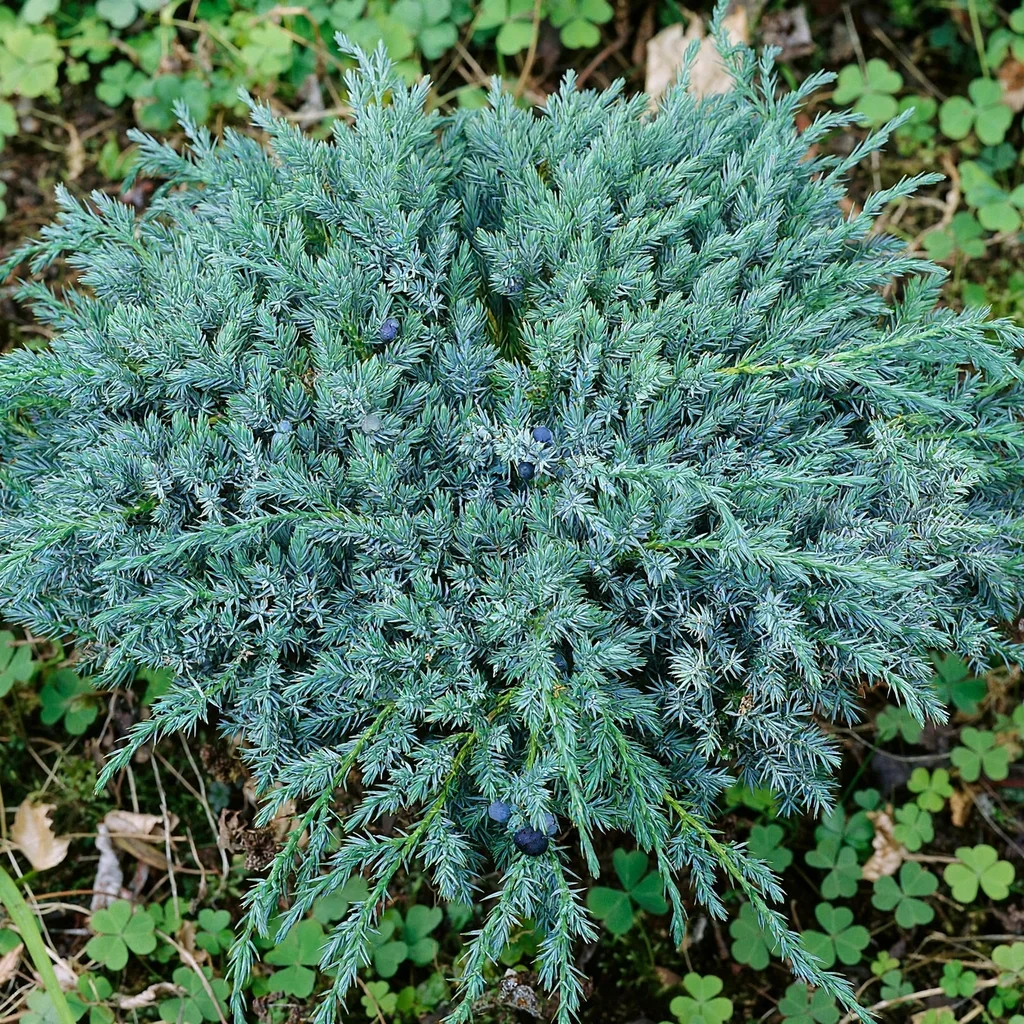
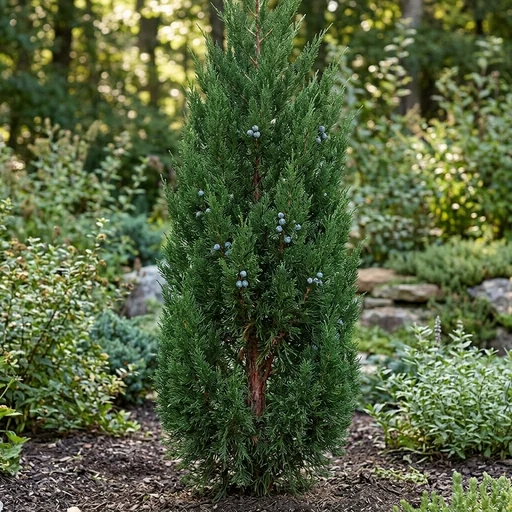
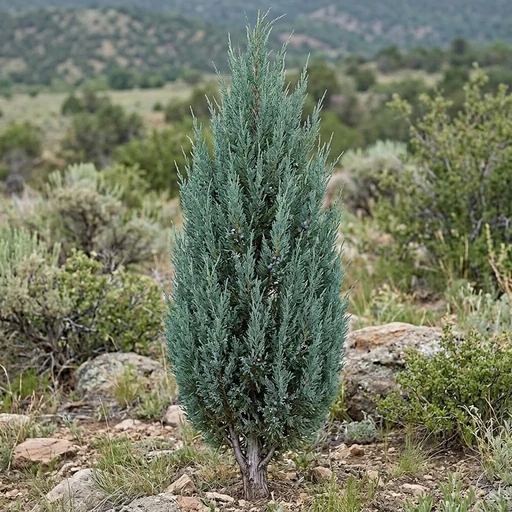
See all 88 Juniperus varieties →Search this genus →
12 species of Juniperus
Each one is a parent of the varieties above.

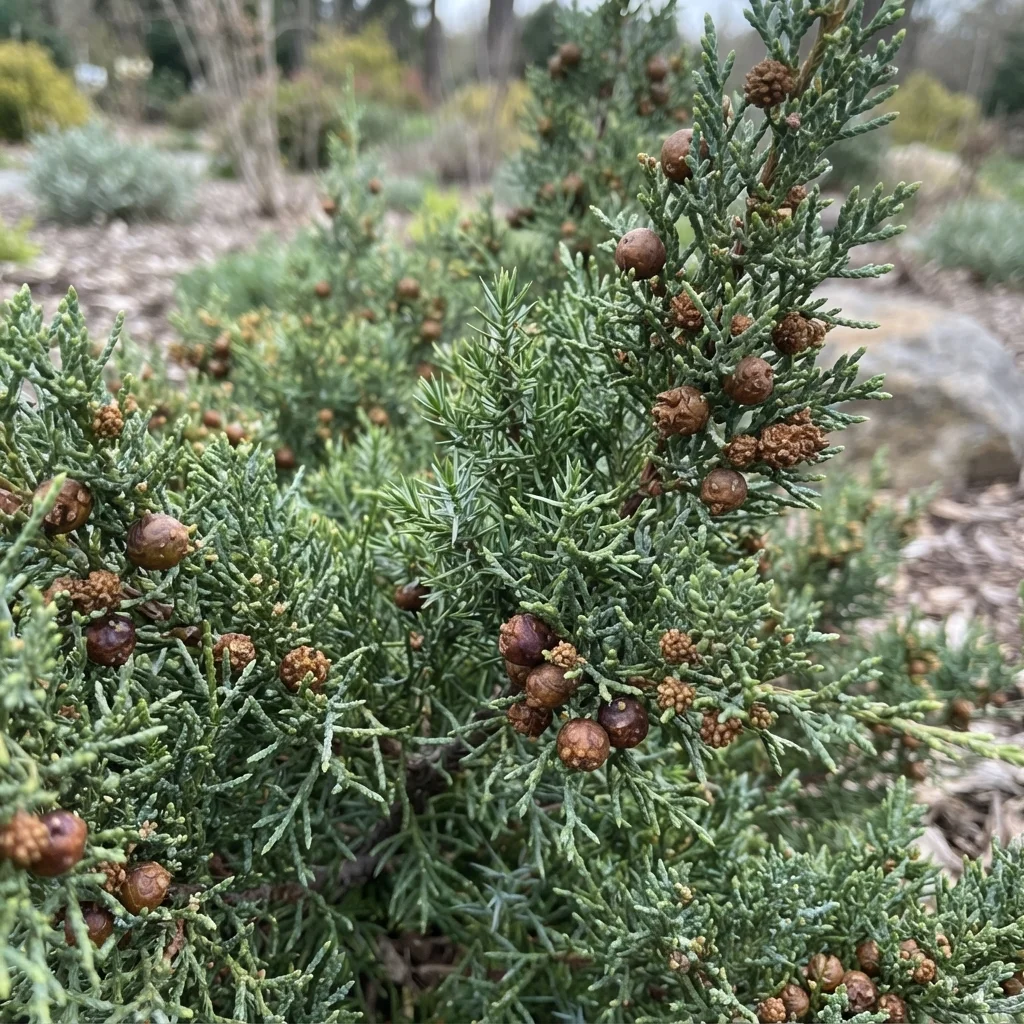
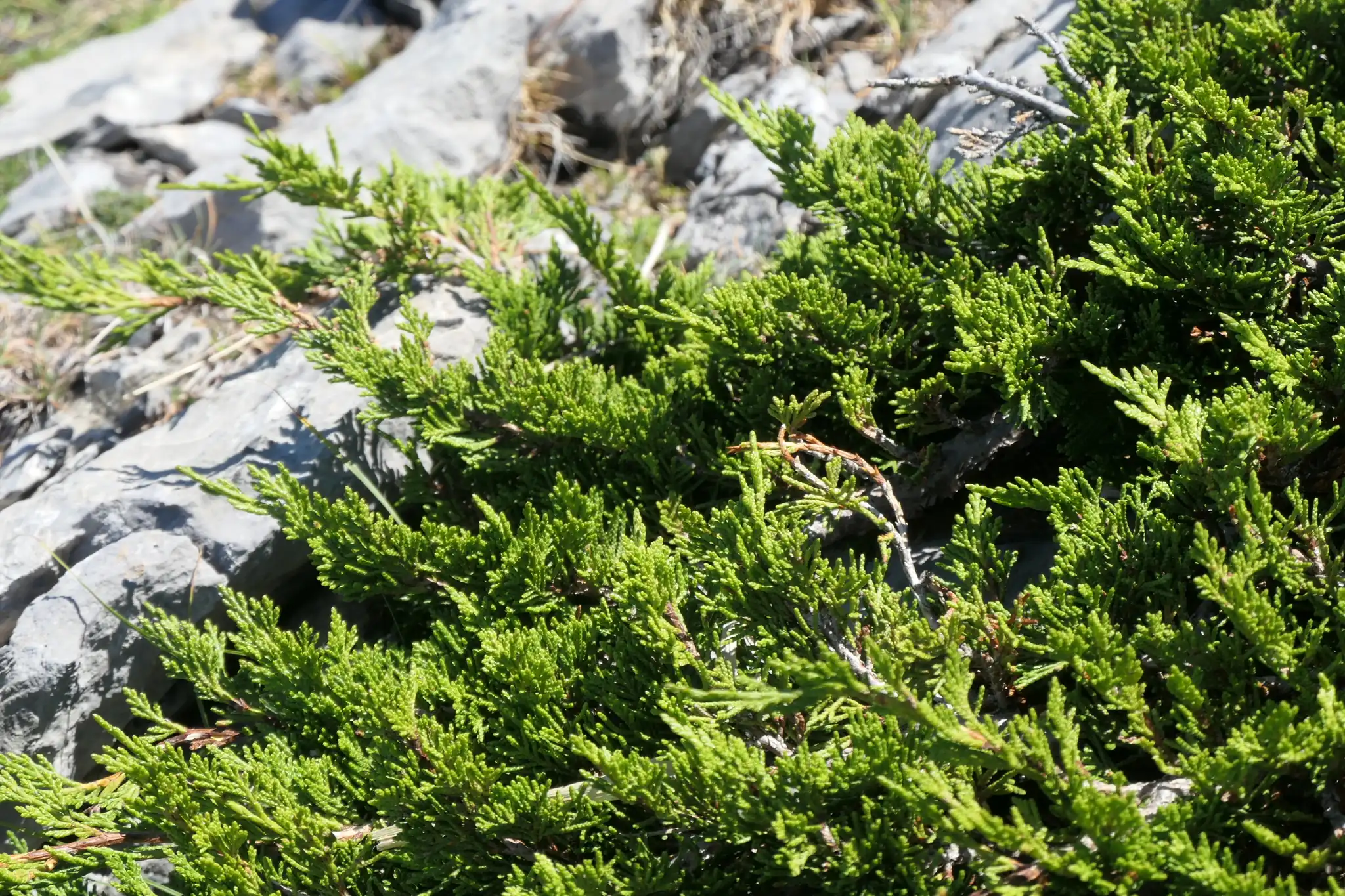

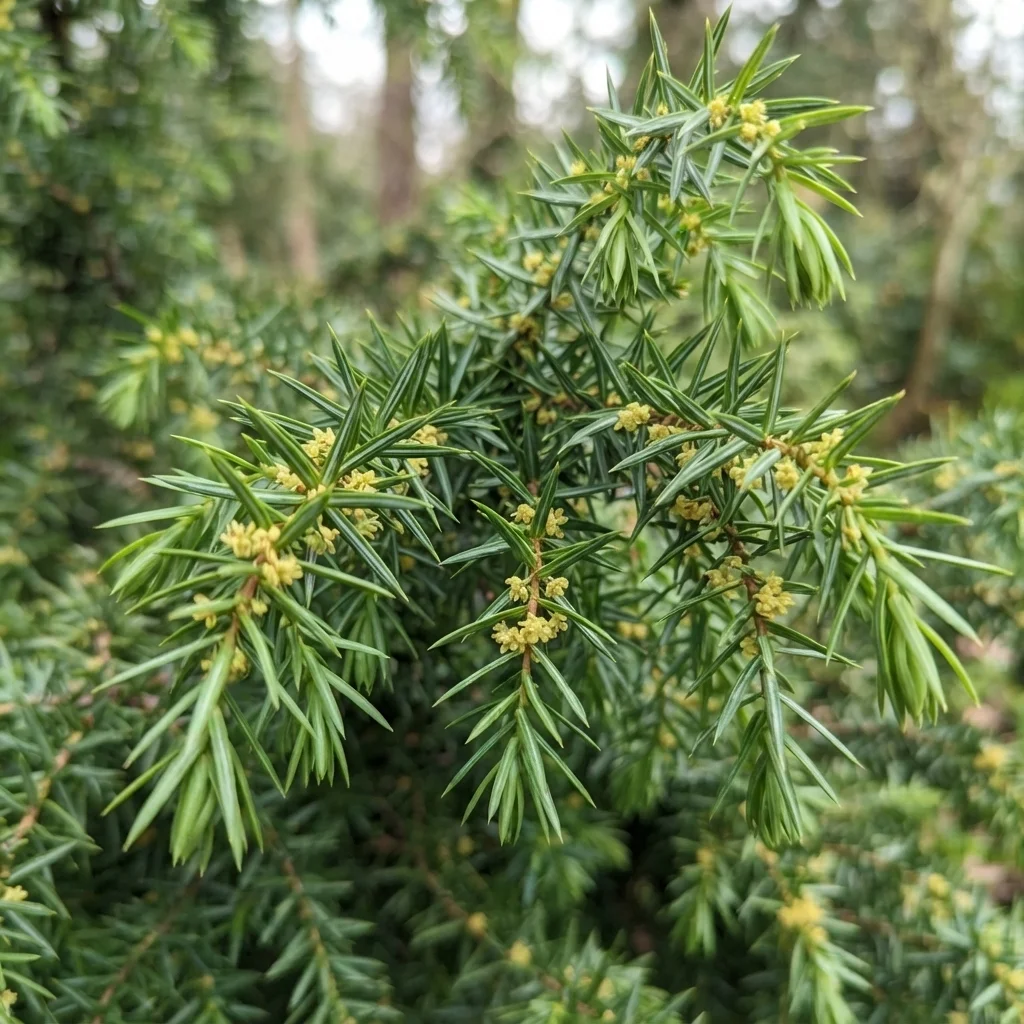
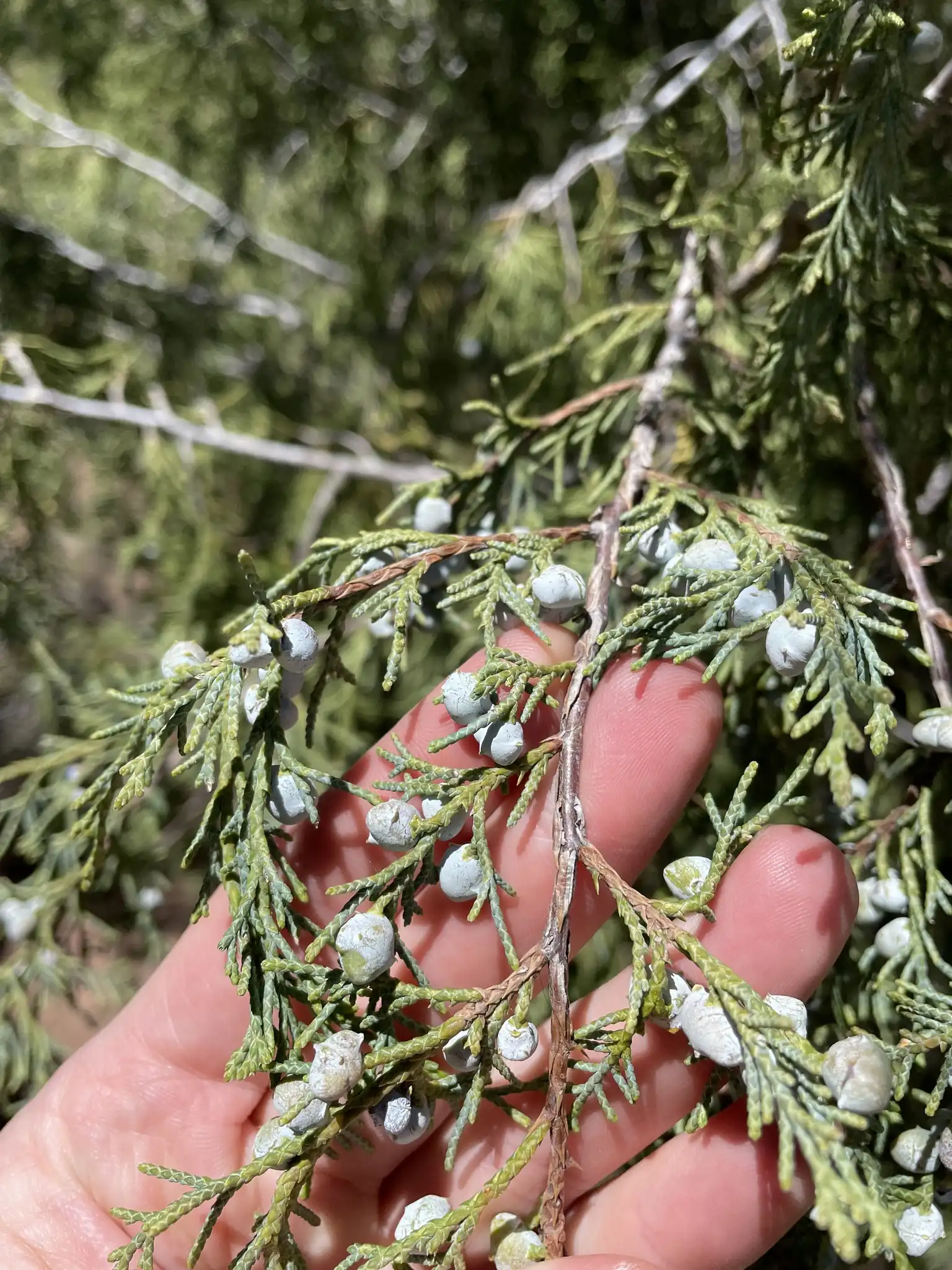
Track your Juniperus in Sow
Save the Juniperus you grow and get care reminders timed to your zone.
How to grow Juniperus
Whats common across all Juniperus varieties in our catalog — drawn from the care records of the 40 most-grown of them.
The Juniperus year
- PruneMarch and April95% of varieties
Lightly shape in late winter; avoid cutting into old wood
- Check for PestsJune–August83% of varieties
Monitor for bagworms and spider mites, especially in dry weather
- PlantApril, May, October and November80% of varieties
Plant in early spring or fall for best establishment
- MulchApril30% of varieties
Refresh mulch layer to retain moisture and suppress weeds


Do
- Water deeply but infrequently once established.
- Water deeply during dry periods 🌱
- Mulch to conserve moisture
- Water deeply during dry spells 🌱
- Water during prolonged dry spells 🌱
Avoid
- Overwater to avoid root rot ❌
- Avoid planting near apple or crabapple trees to prevent cedar-apple rust.
- Avoid overwatering ❌
- Do not plant in poorly drained or consistently wet soil.
What goes wrong with Juniperus
| Problem | What you'll see | What to do |
|---|---|---|
| Bagworms | Spindle-shaped bags made of silk and foliage hanging from branches; defoliation. | Hand-pick and destroy bags in winter. Apply Bacillus thuringiensis (Bt) or spinosad when caterpillars are young. |
| Spider mites | Fine webbing and speckled foliage | Spray with insecticidal soap |
| Spider Mites | Fine webbing on needles, stippling, and a bronze or dusty appearance. | Spray with a strong jet of water to dislodge them. Use insecticidal soap or horticultural oil. |
| Juniper Scale | Yellowing and wilting of foliage | Apply insecticidal soap or horticultural oil |
| Root rot | Wilting and browning foliage | Improve drainage and reduce watering |
| Cedar-Apple Rust | Orange, gelatinous, horn-like galls appear on juniper twigs in spring. | Prune out galls before they become active. Apply a preventative fungicide like myclobutanil in spring. Avoid planting near host plants (apples, crabapples). |
| Phomopsis Twig Blight | Browning and dieback of new shoot tips in spring. | Prune out and destroy infected tips; apply a fungicide containing mancozeb in spring. |
Making more Juniperus
Cuttings
- Take semi-hardwood cuttings in late summer
- Dip in rooting hormone
- Plant in well-draining soil
- Keep moist for 6 weeks until roots develop
Semi-hardwood cuttings
- Take 4-6 inch cuttings in late summer or fall.
- Remove lower needles and dip in rooting hormone.
- Stick in a well-drained medium like sand or perlite.
- Keep moist; rooting can take several months.
Juniperus questions
How many types of Juniperus are there?
The Sow catalog tracks 88 distinct Juniperus varieties. The most popular — ranked by 2.7k real gardeners — are shown first above.
What zones does Juniperus grow in?
Across its varieties, Juniperus covers USDA Zones 4–10. Individual varieties differ — each plant page lists its exact range, and Sow filters the catalog to your zone automatically.
When does Juniperus bloom?
Most Juniperus varieties bloom in early summer, spring, late fall. Staggering early, mid, and late varieties extends the genus's season in one bed.
Which Juniperus should I choose?
Start from the most-saved varieties above — popularity across thousands of gardens is a strong signal of reliability — then filter by your zone and sun. In the Sow app you can preview any of them in a photo of your actual yard before you buy.