Also known as Dogwood · 2.7k saves
Cornus
Cornus, the genus most gardeners know as dogwood. We track 64 varieties; the ones most used by real gardeners.
The 24 most-saved Cornus varieties
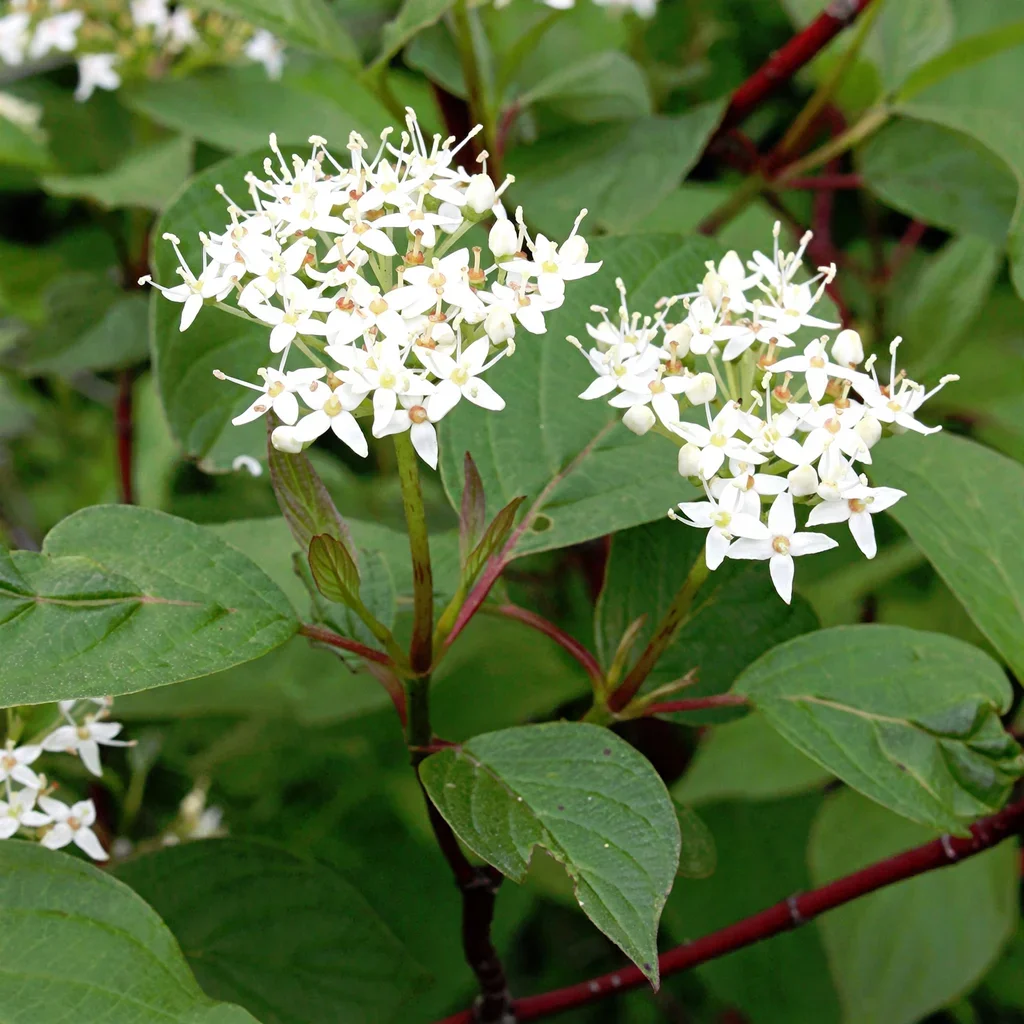
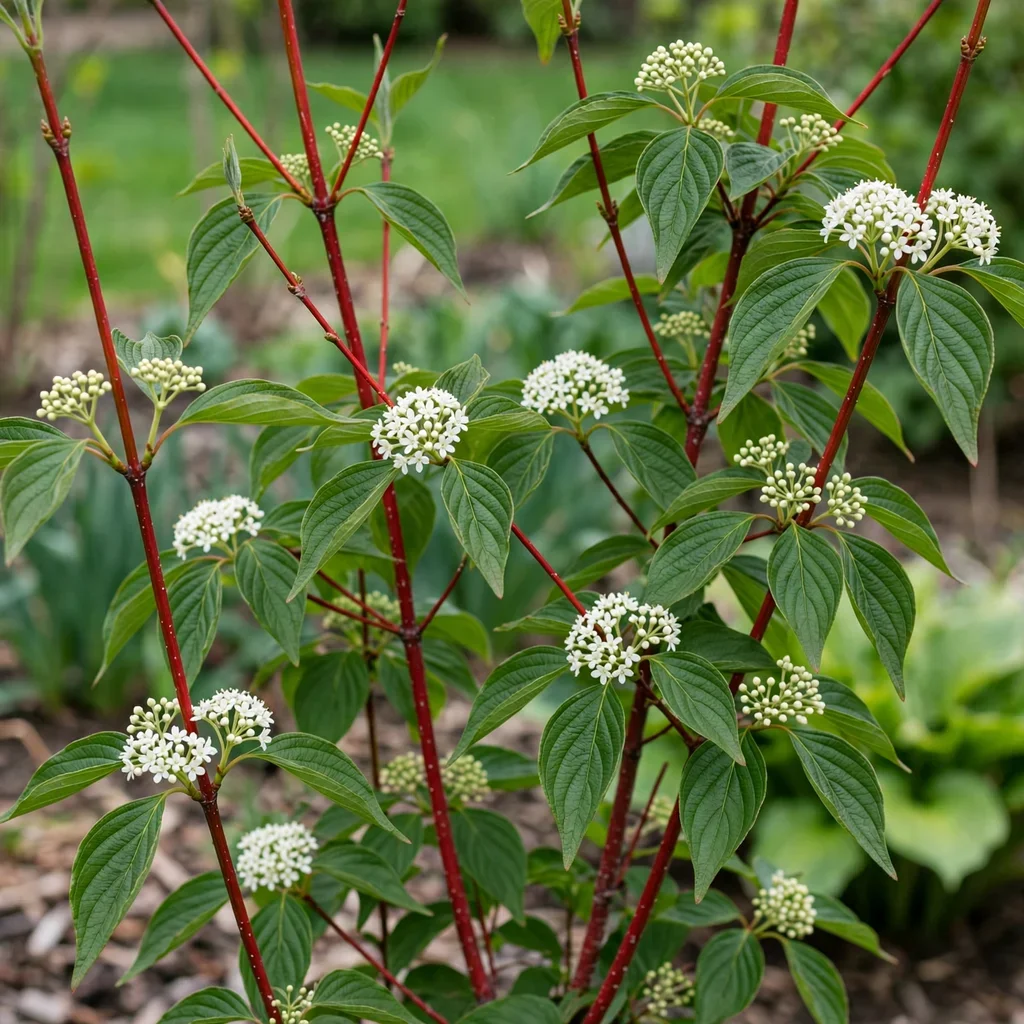
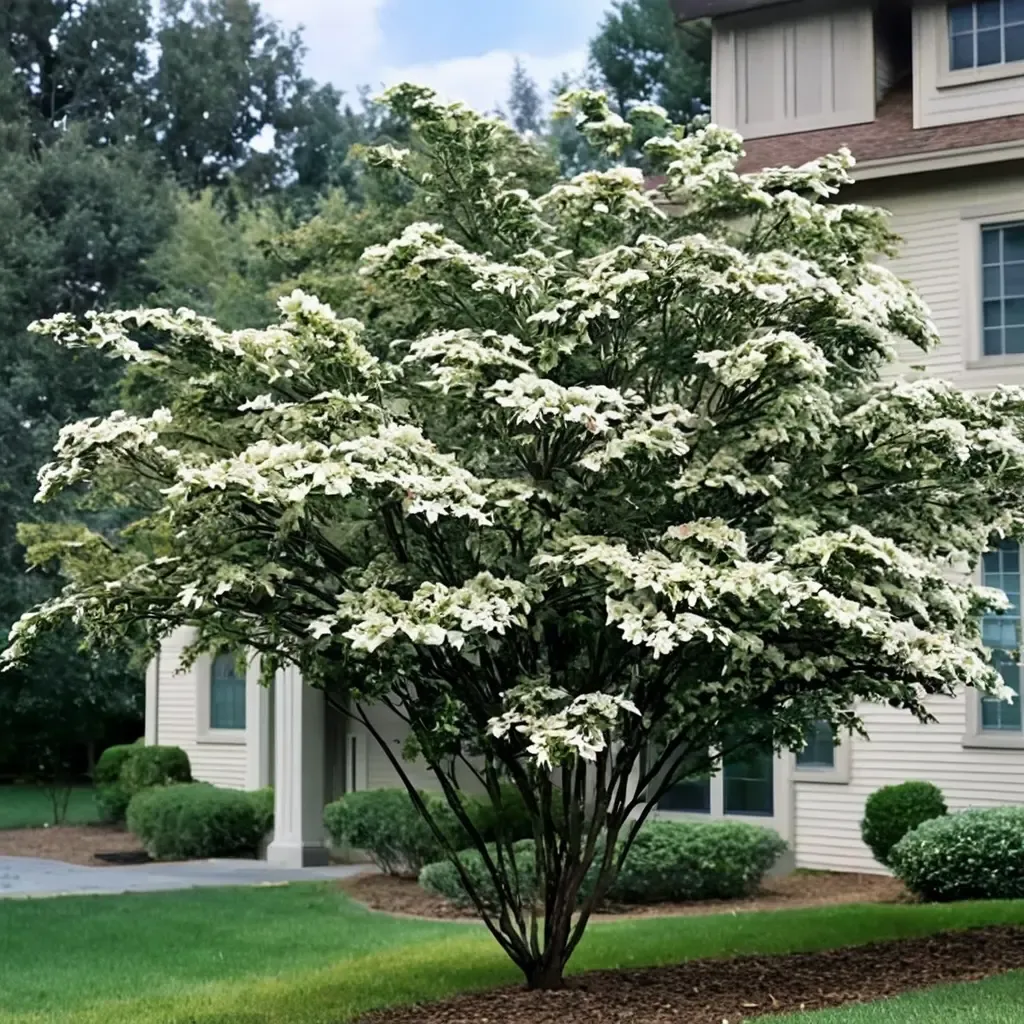
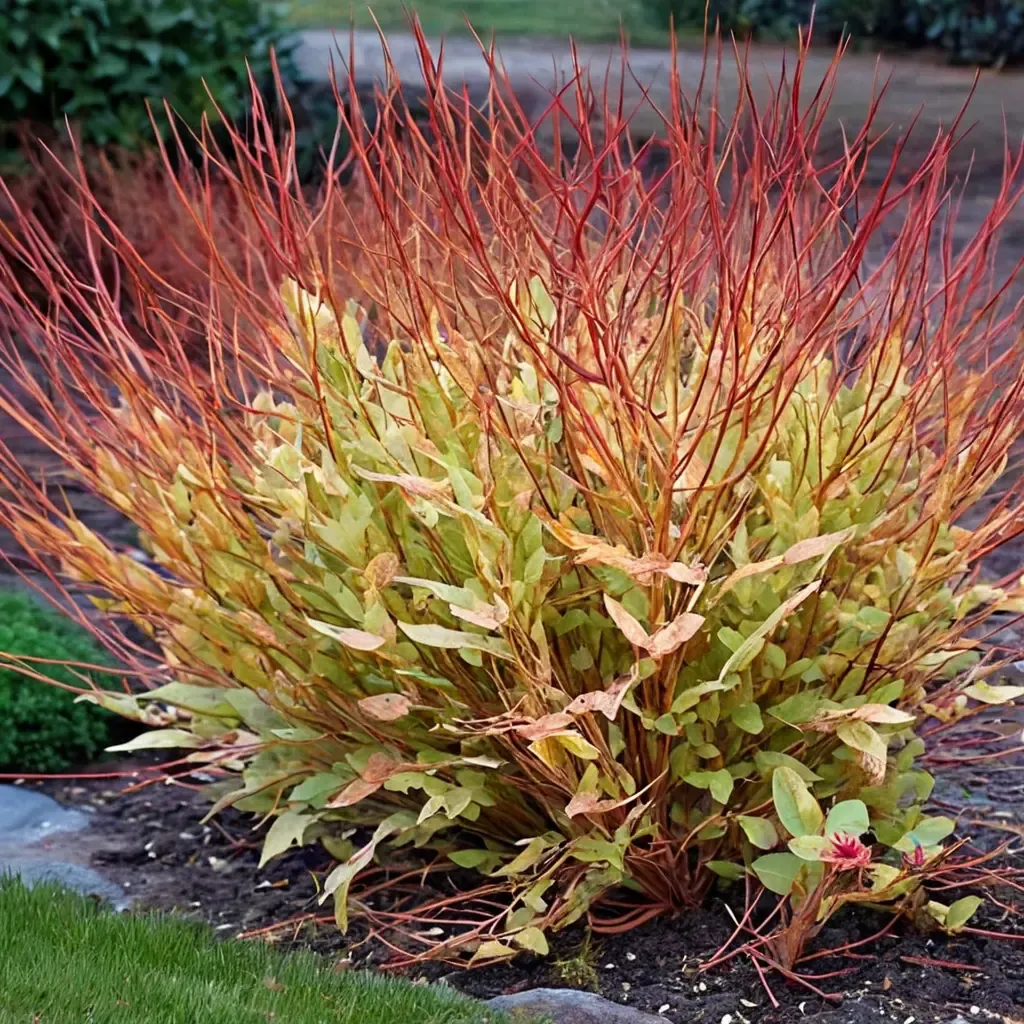
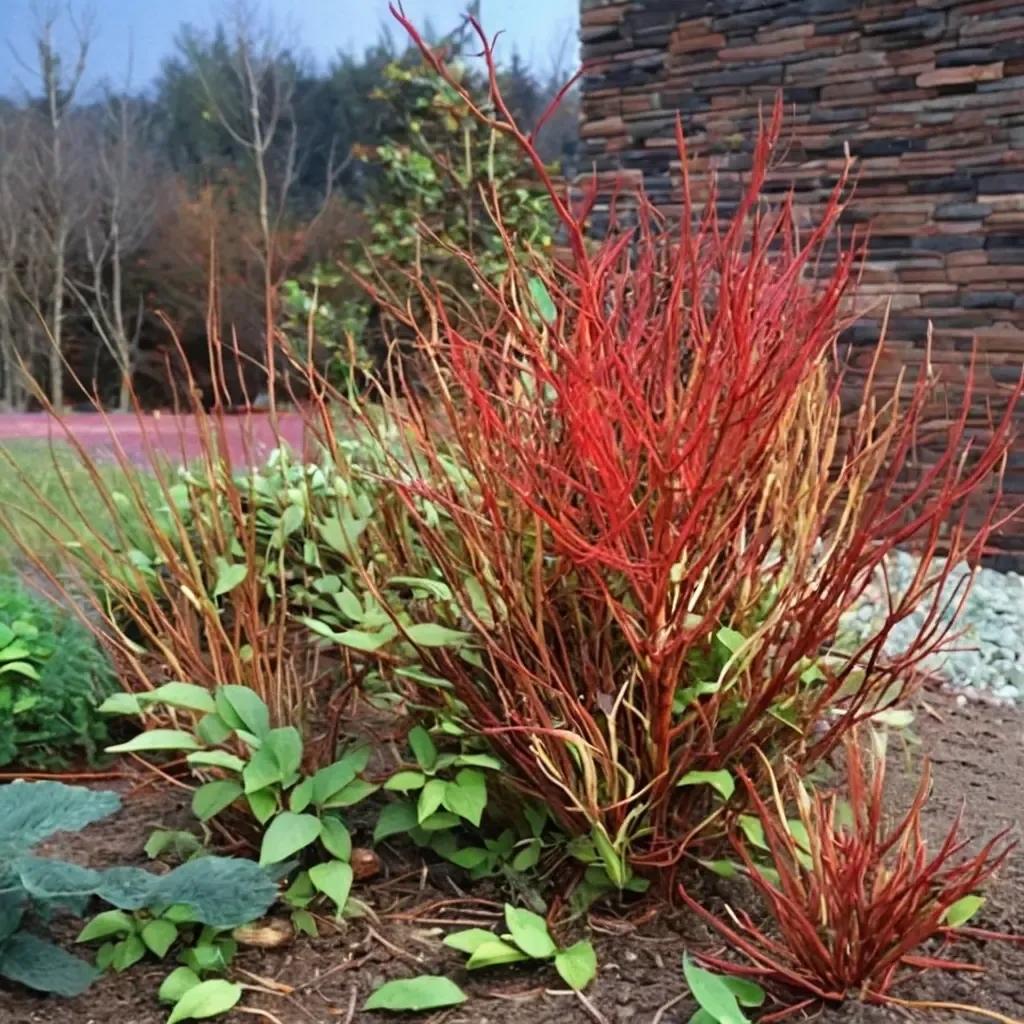
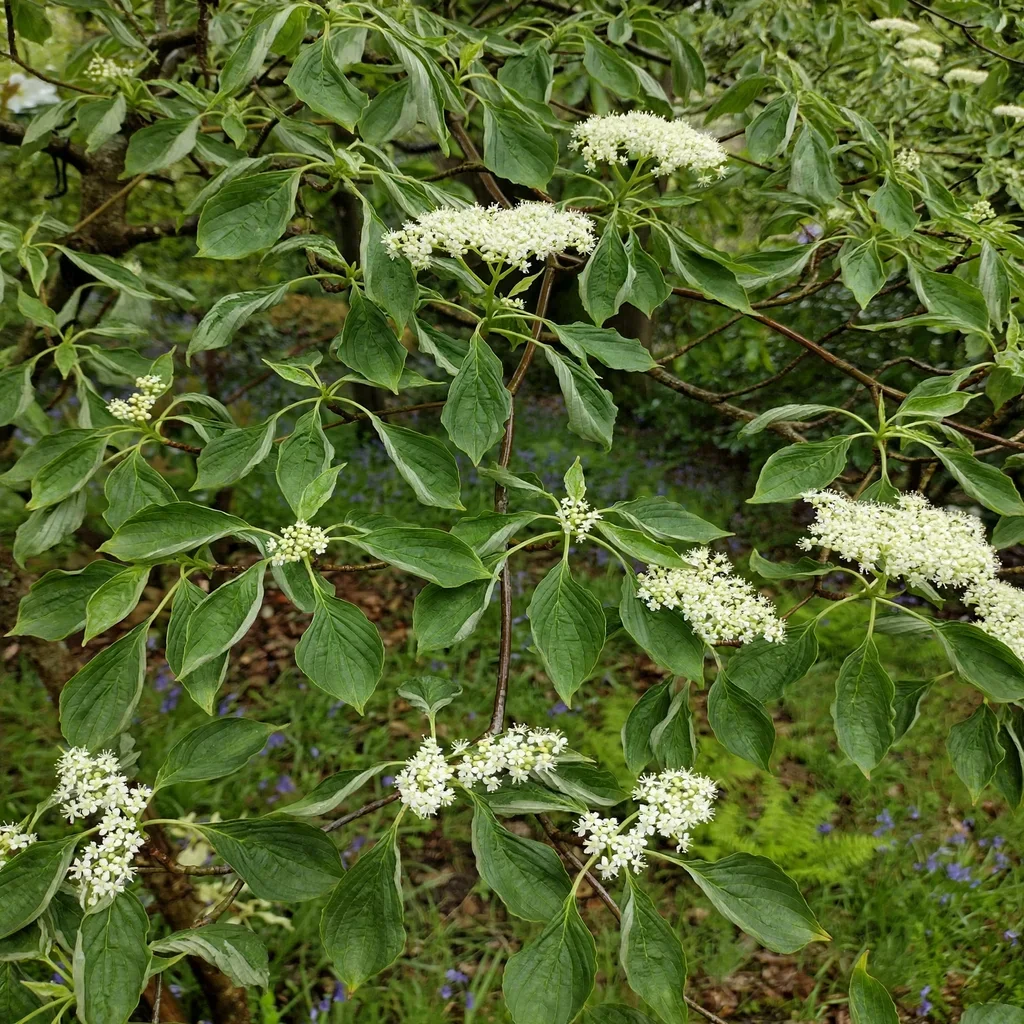
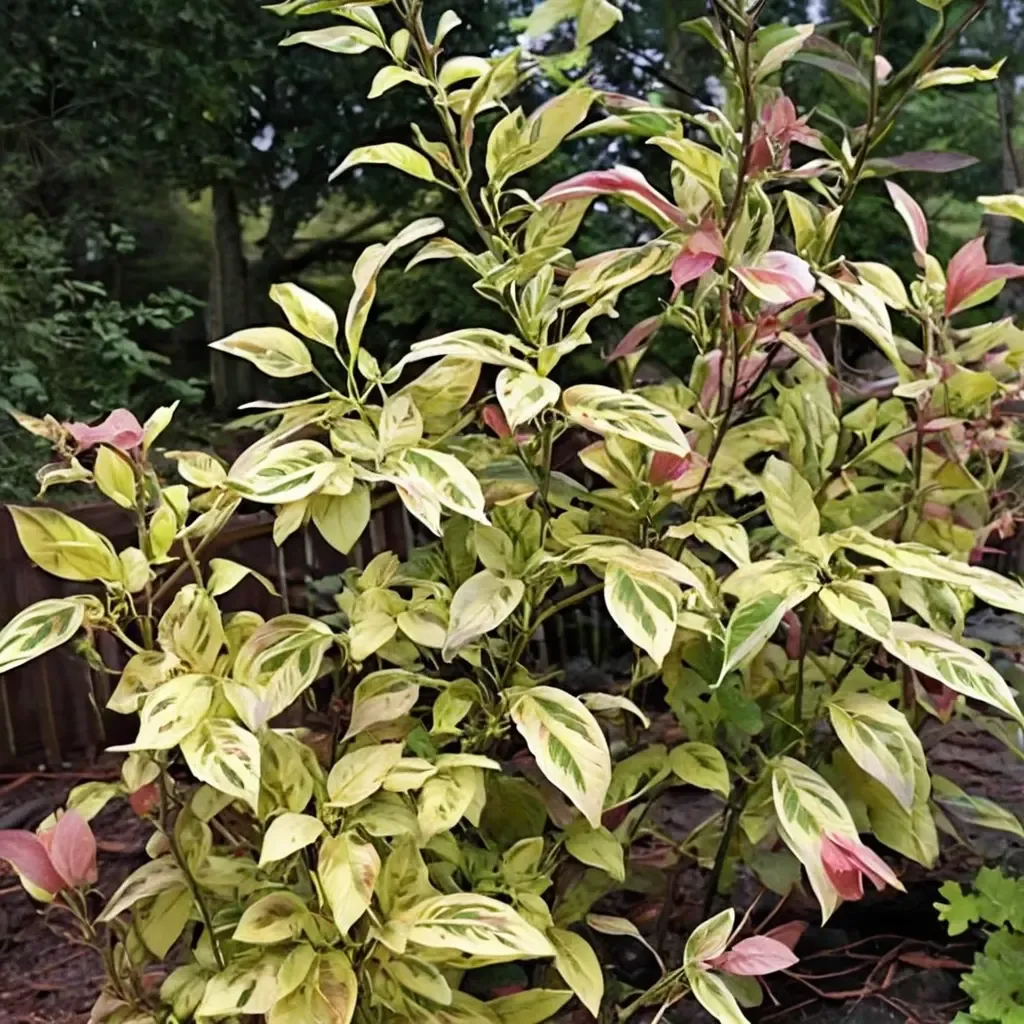
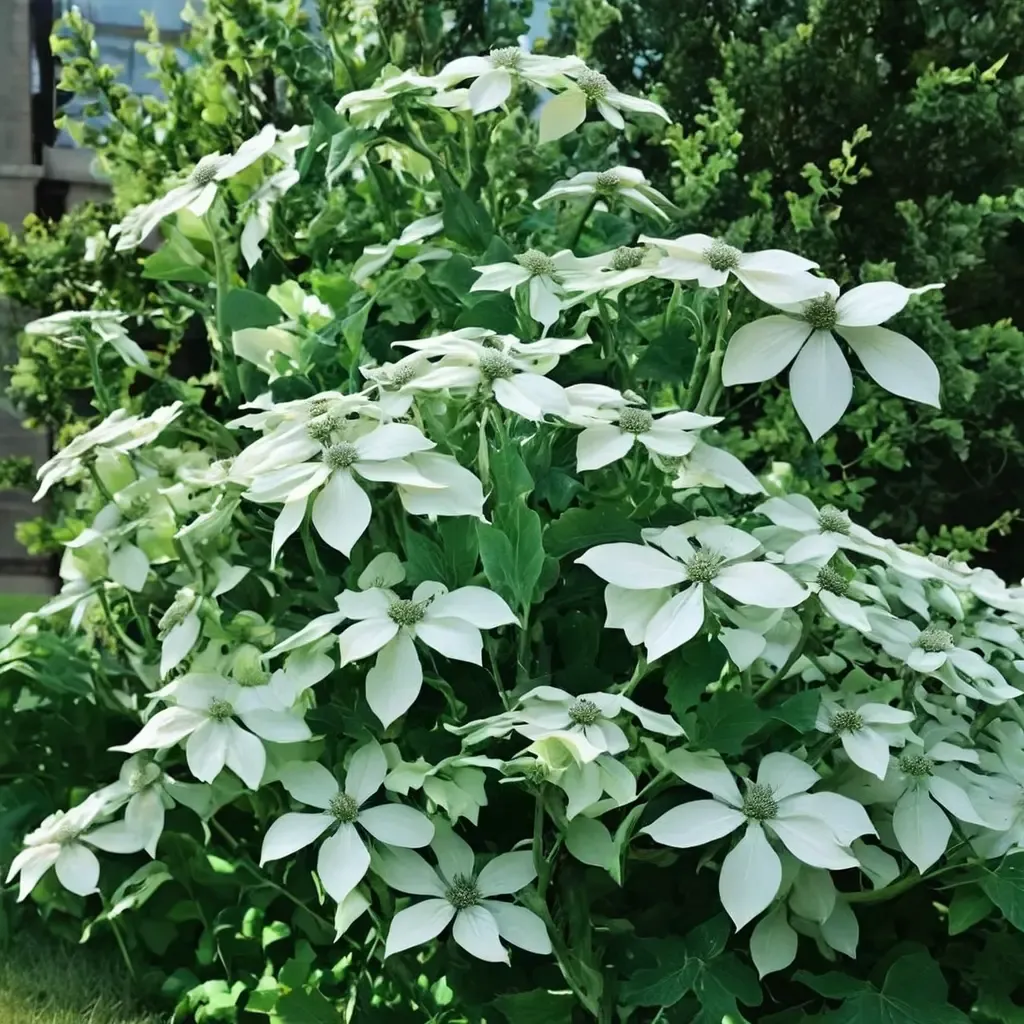
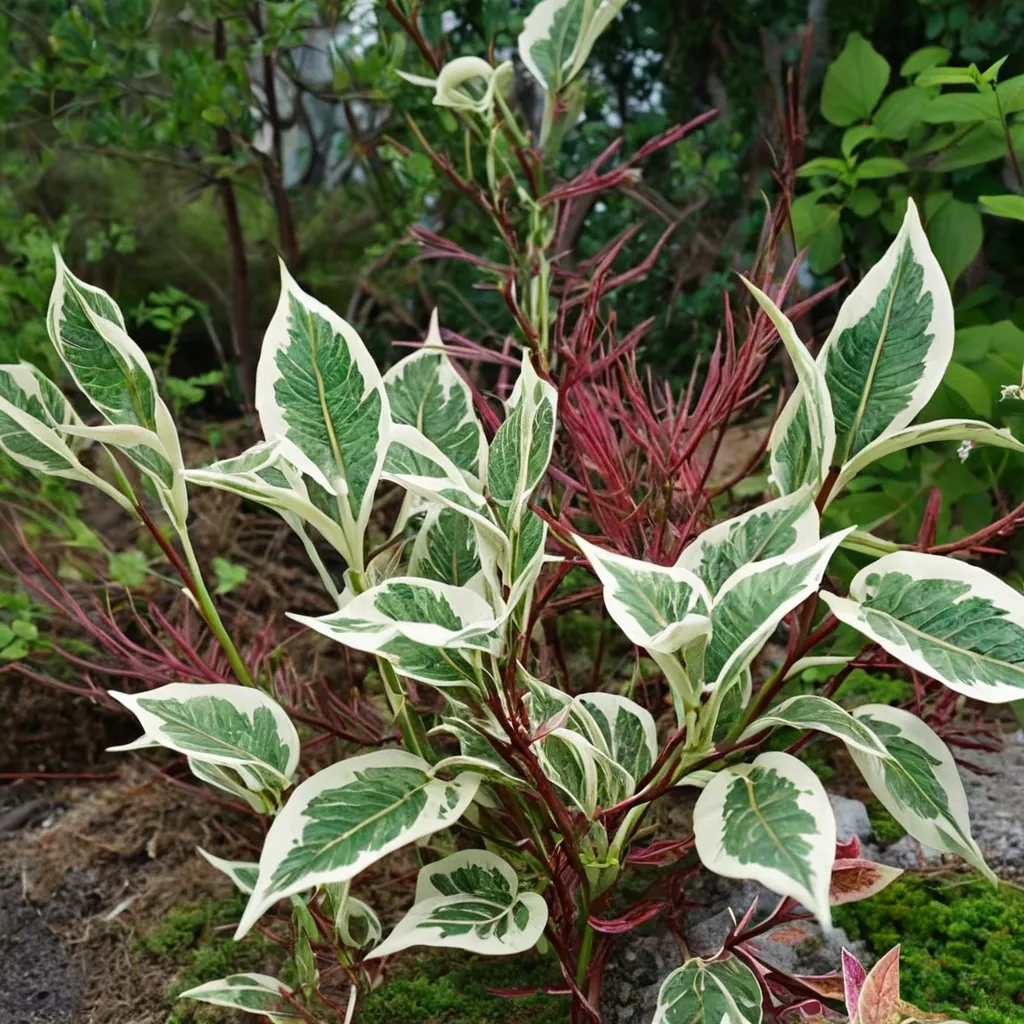
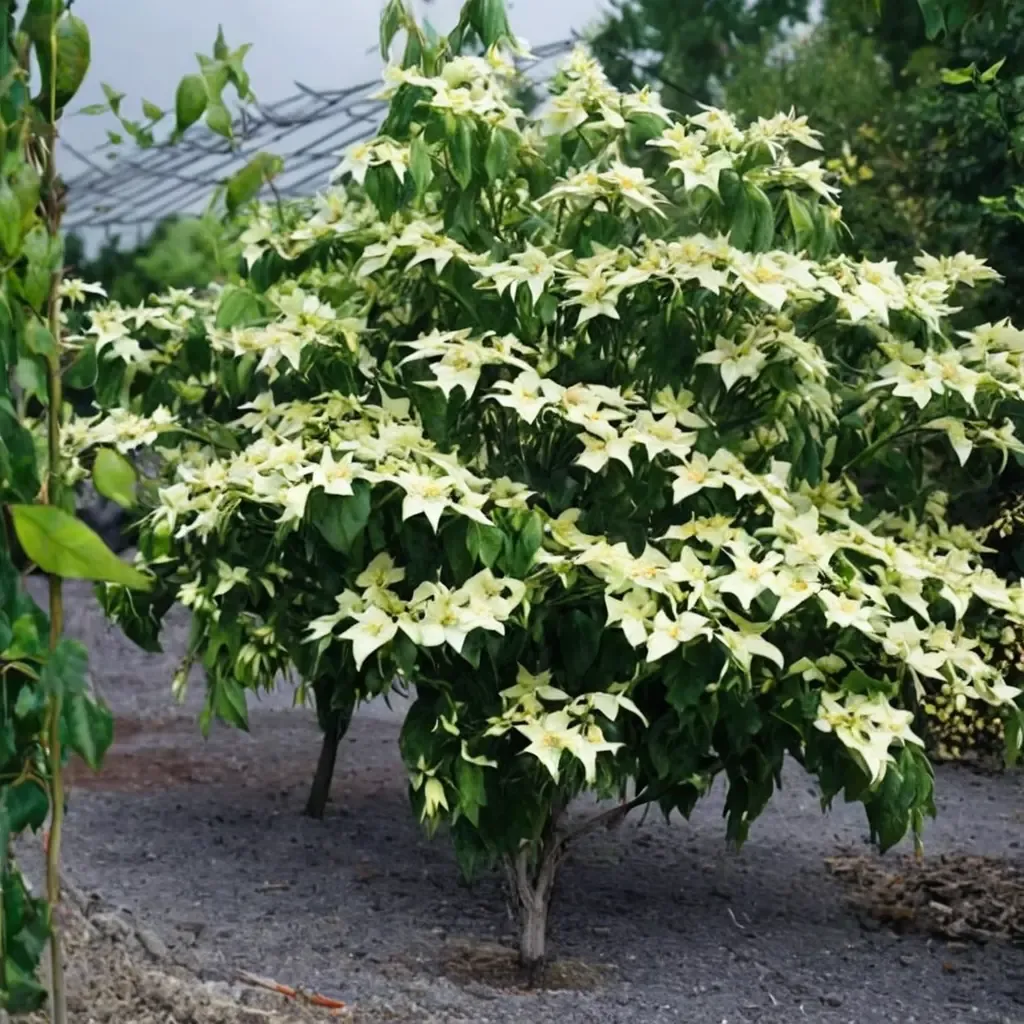
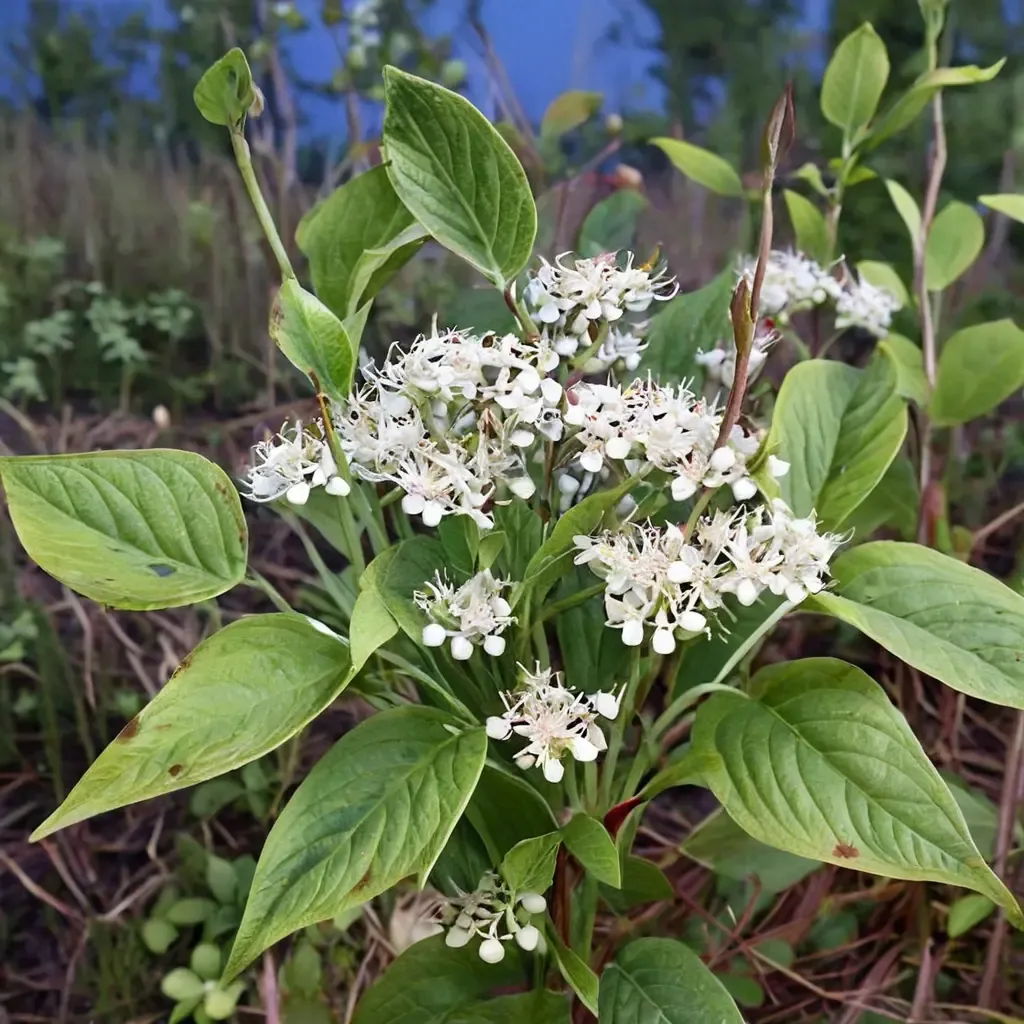
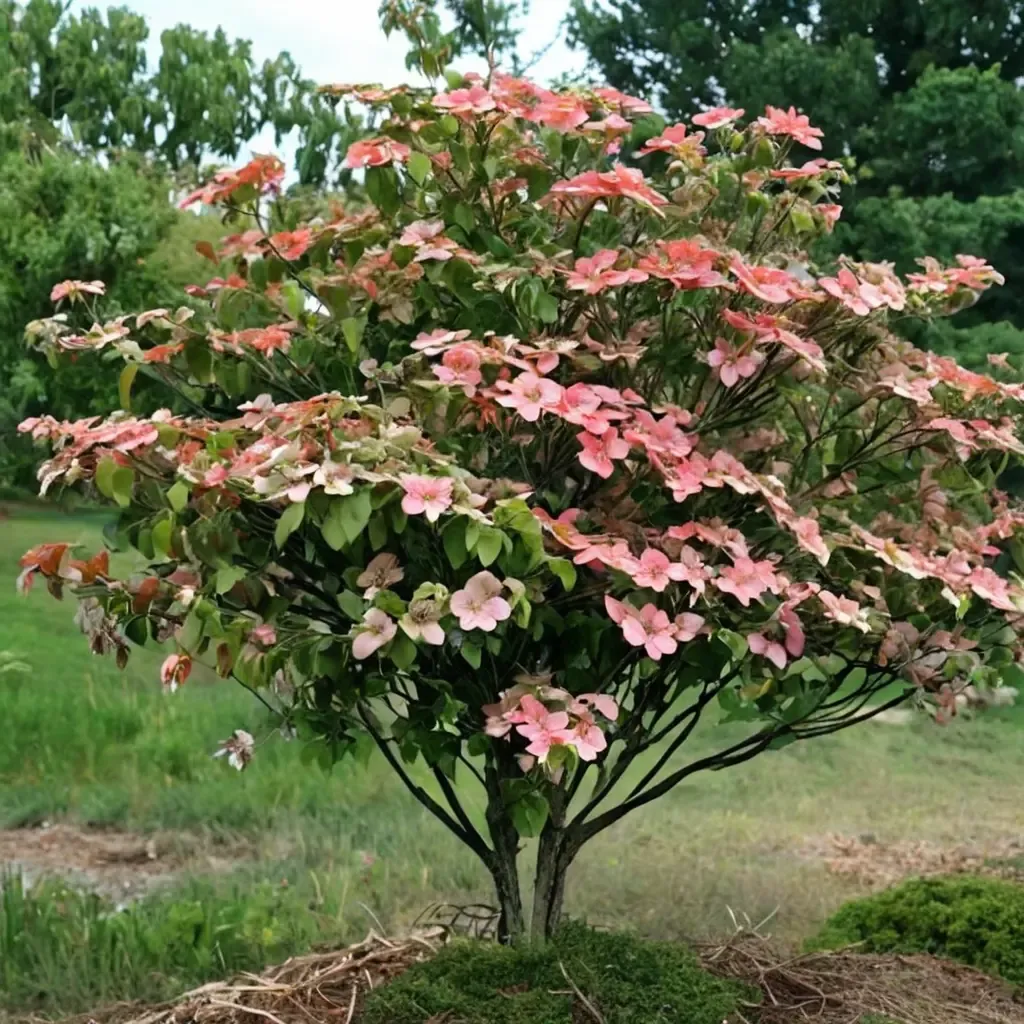
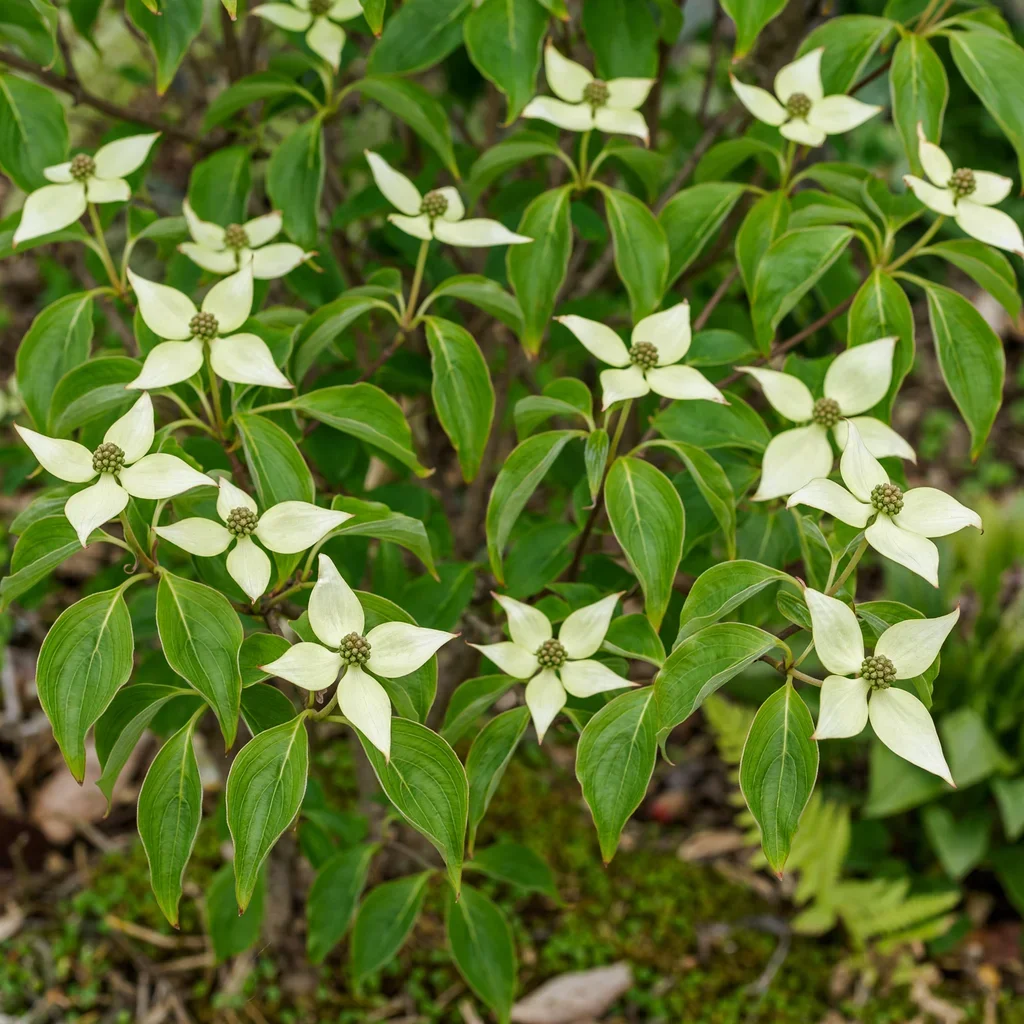
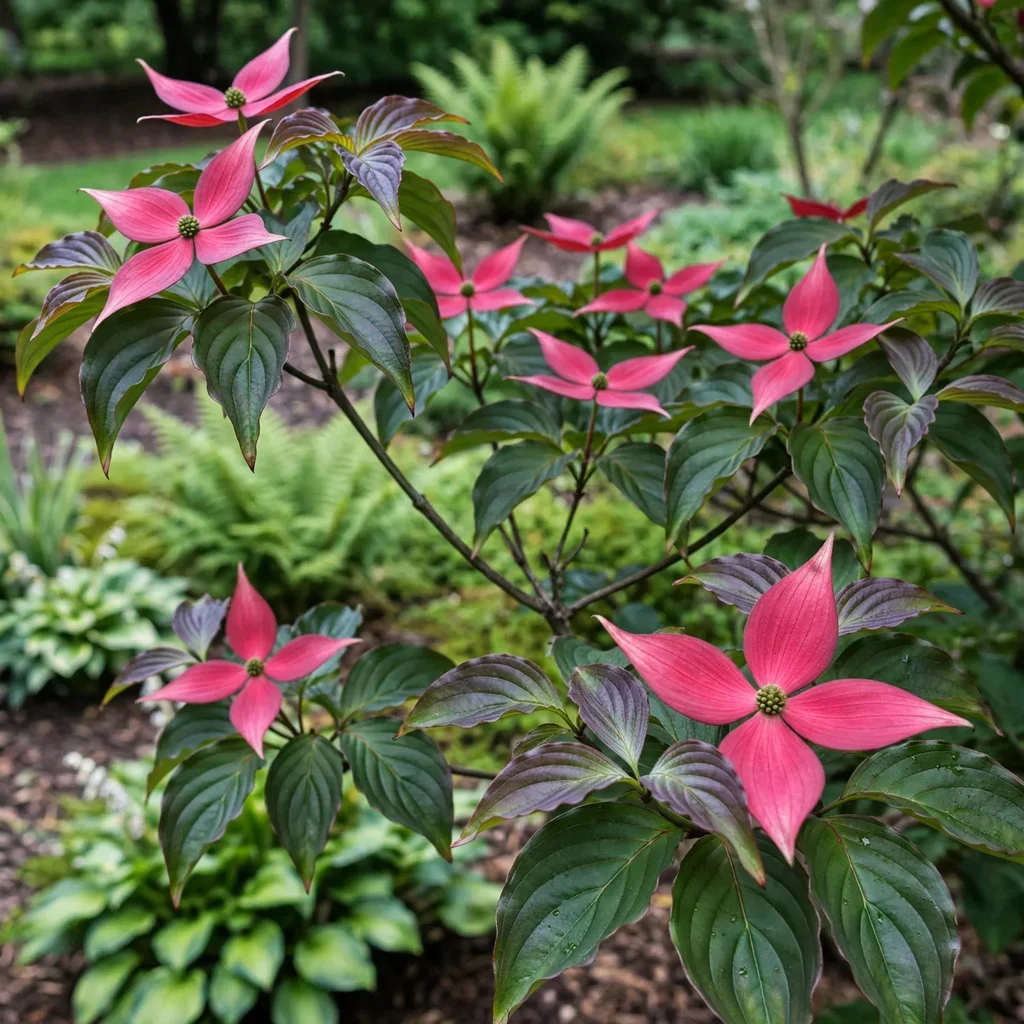
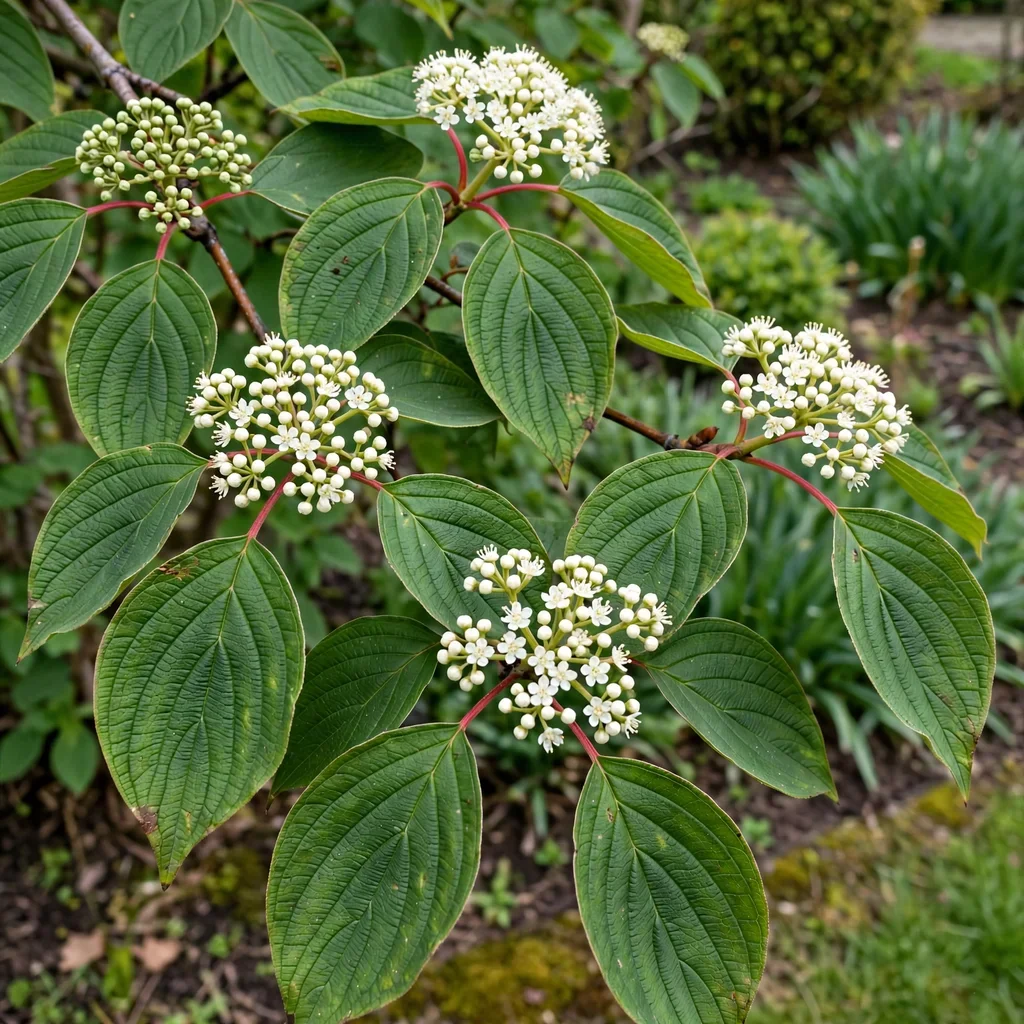
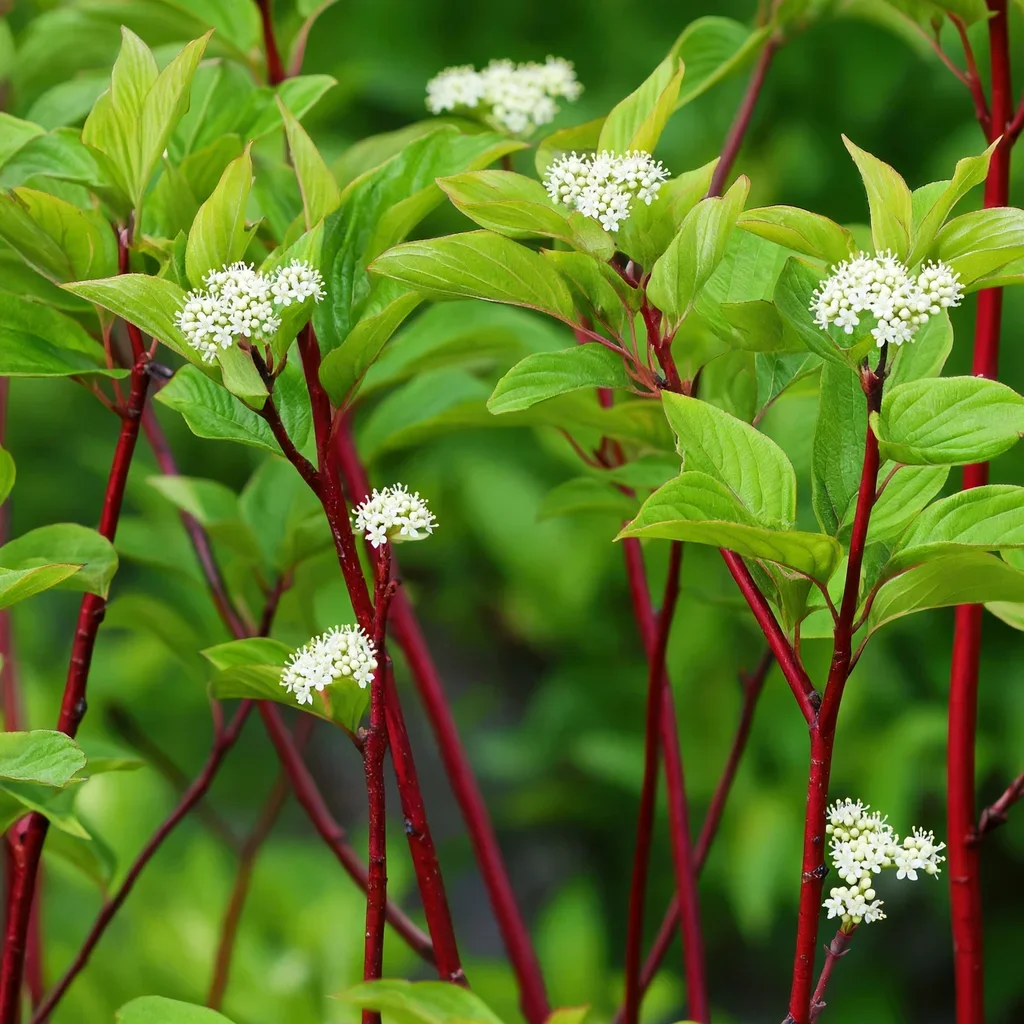
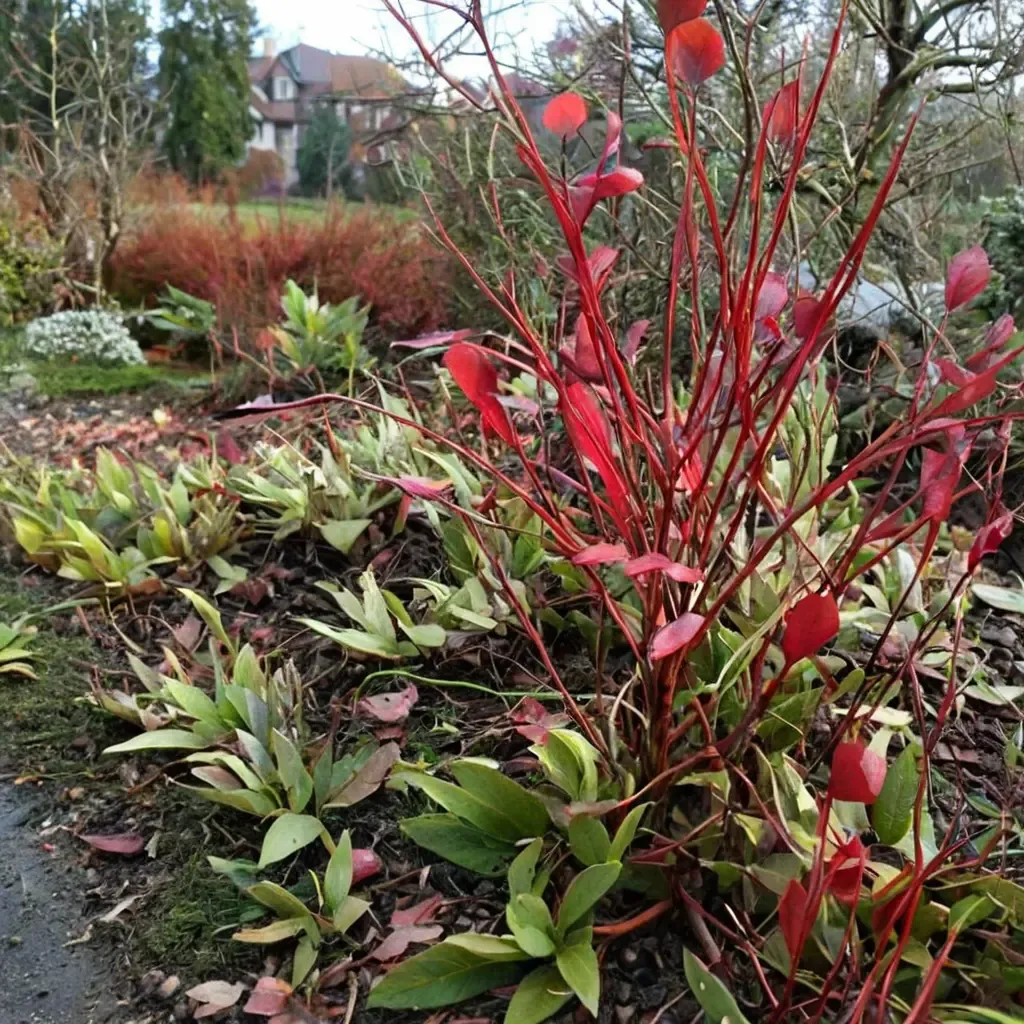
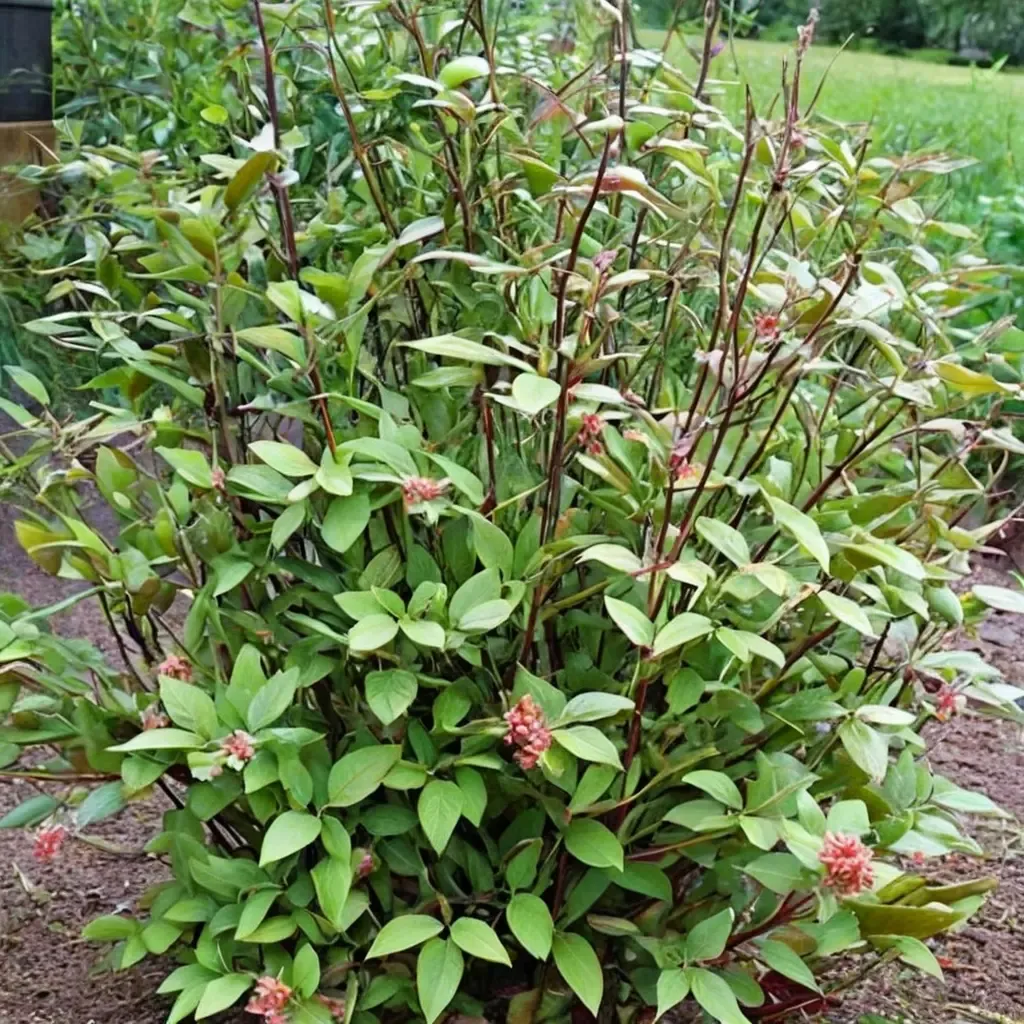
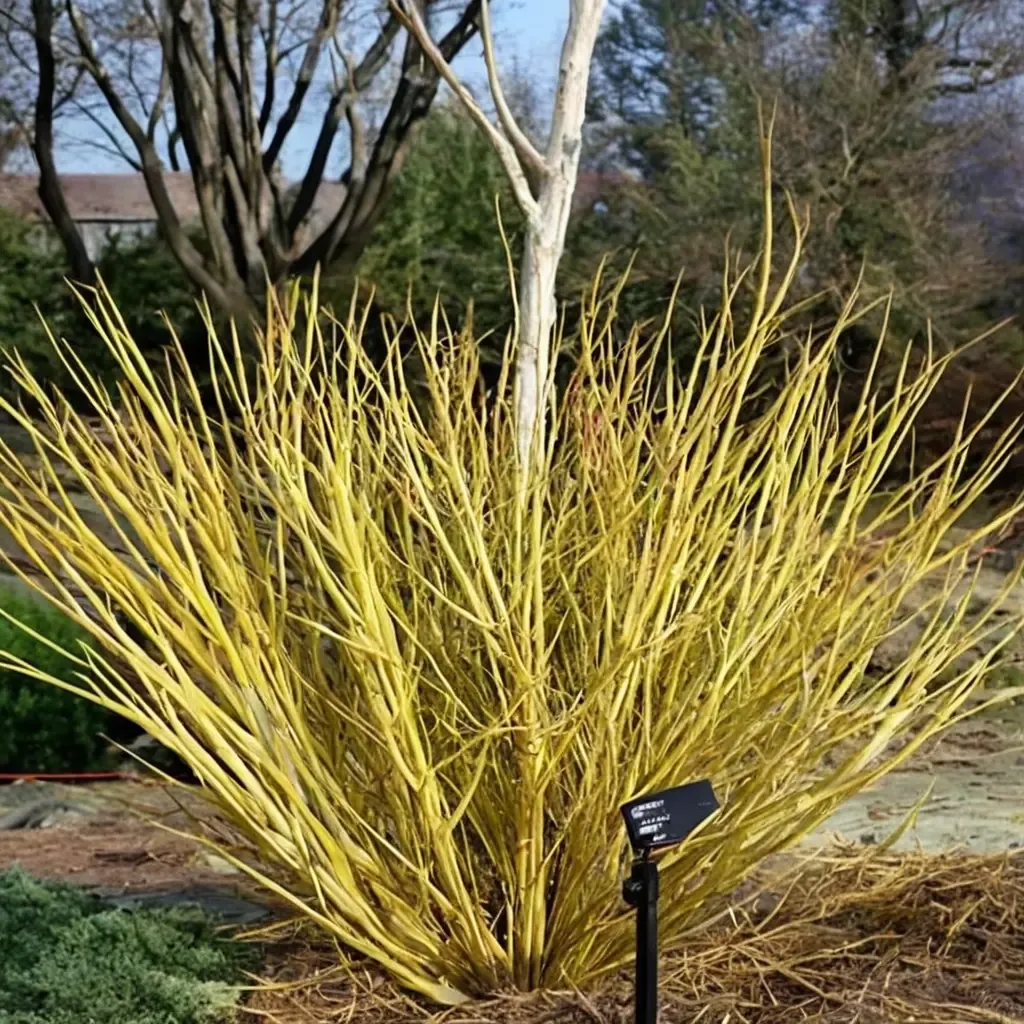
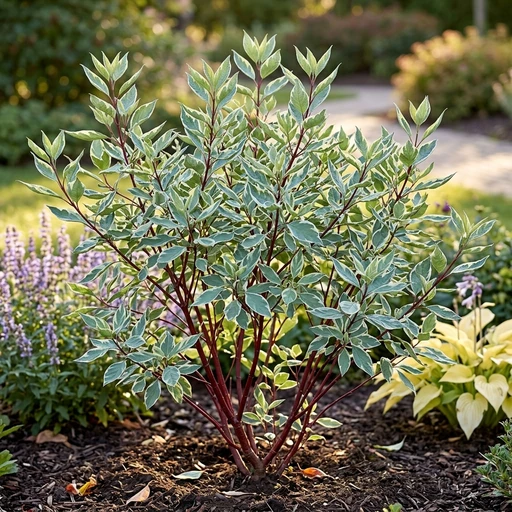
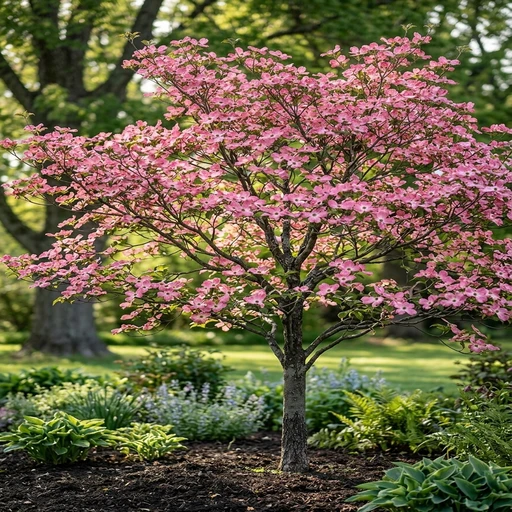
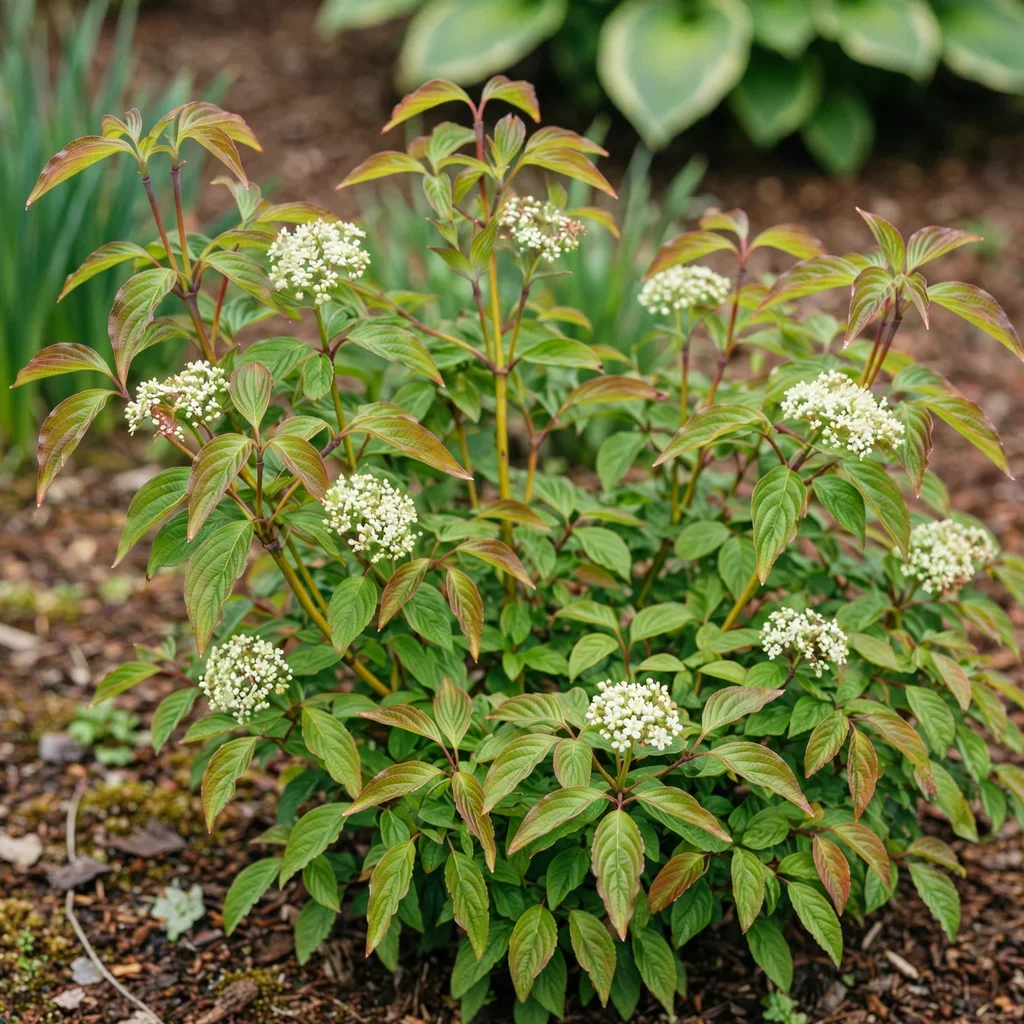
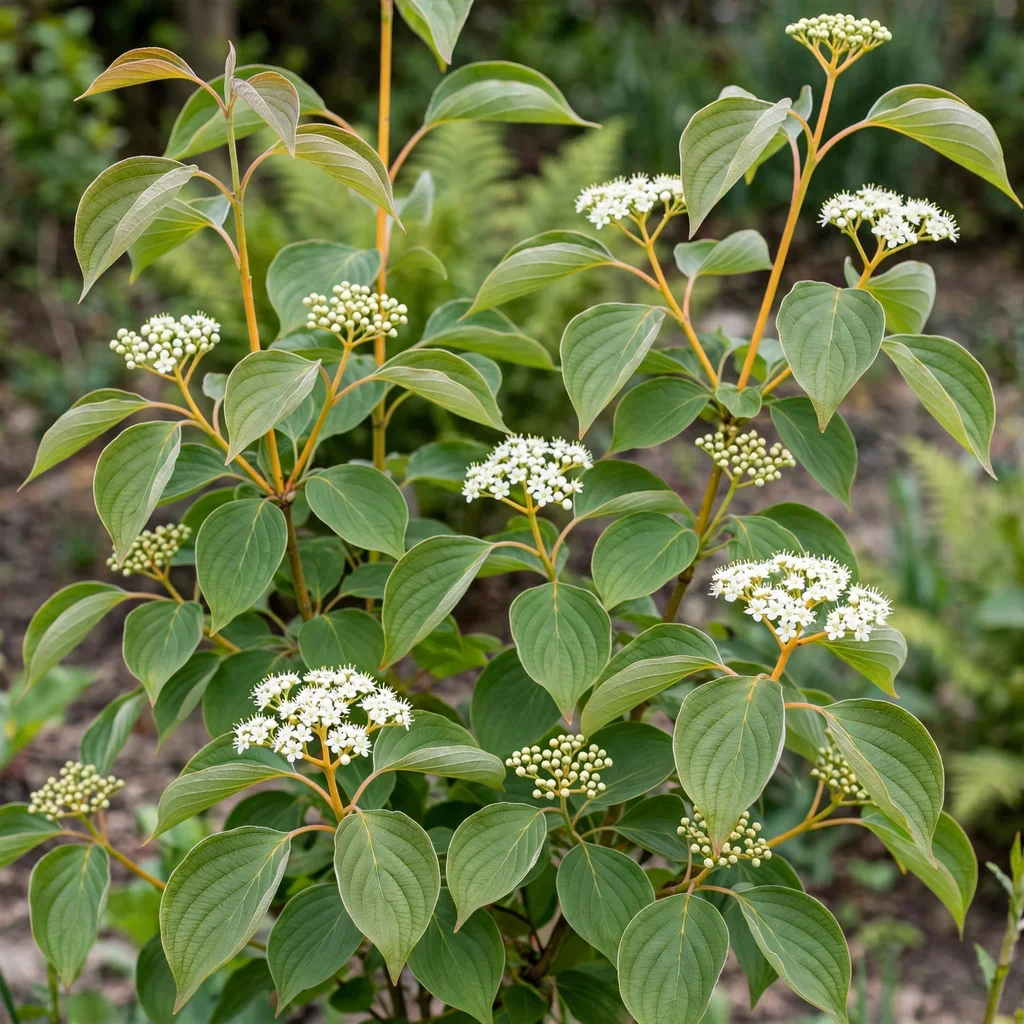
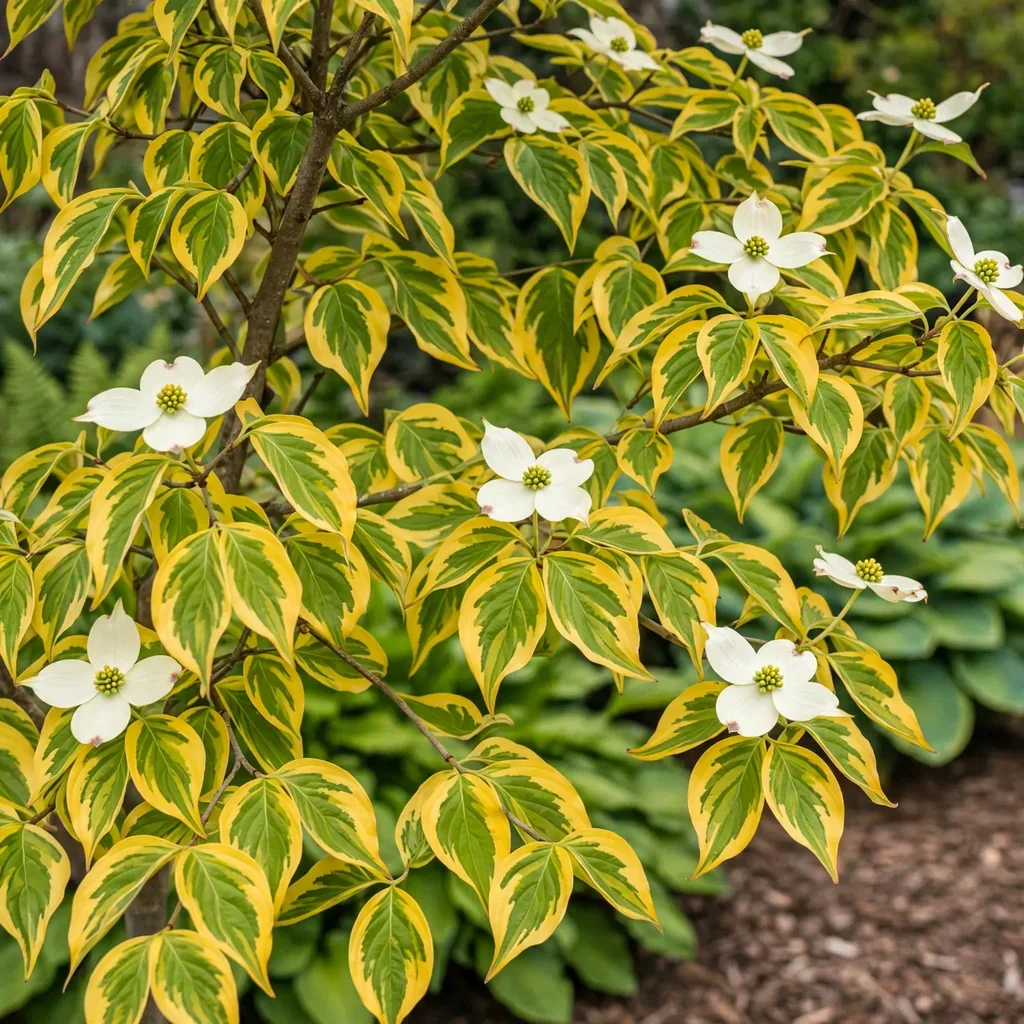
See all 64 Cornus varieties →Search this genus →
9 species of Cornus
Each one is a parent of the varieties above.

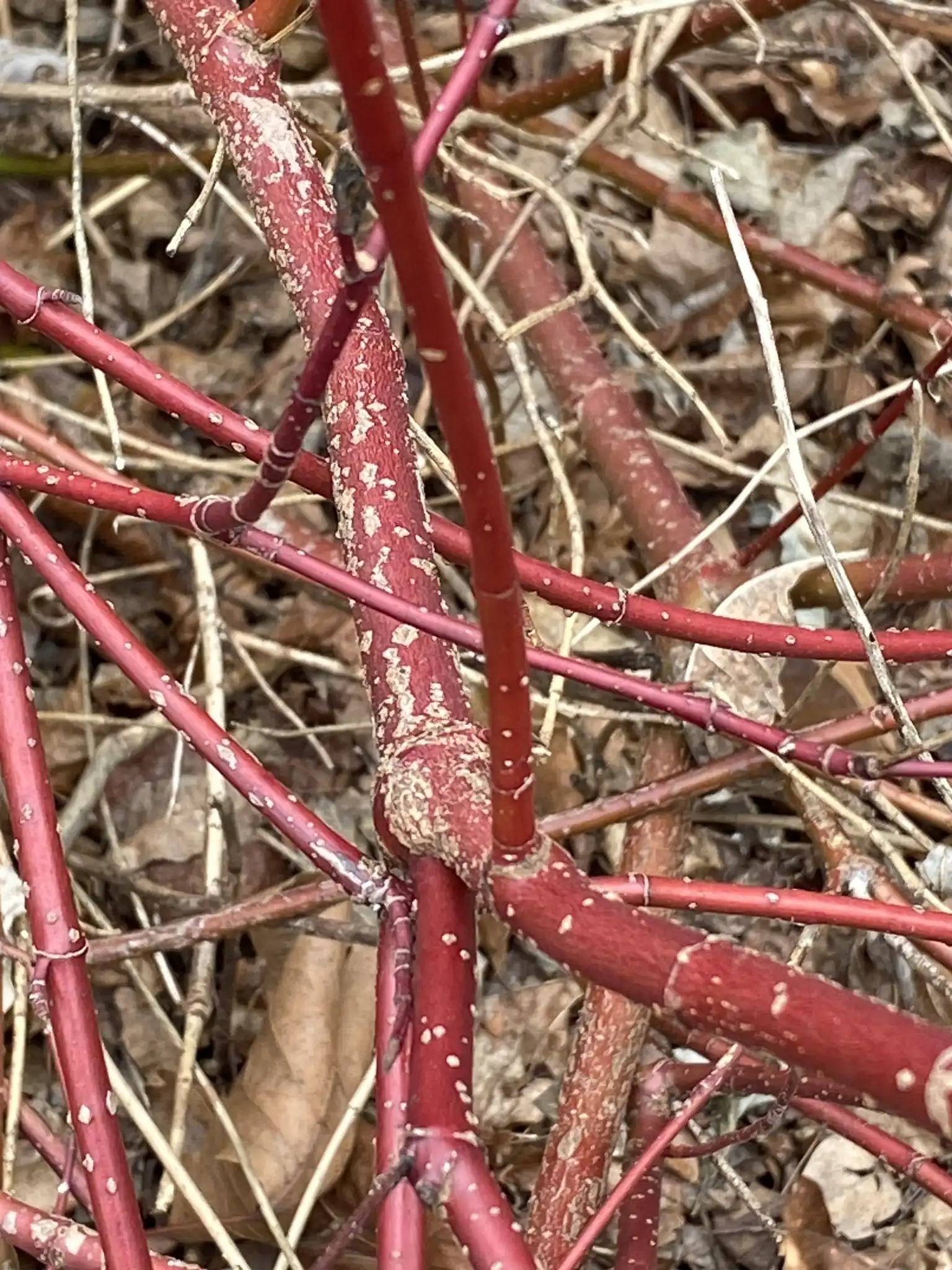
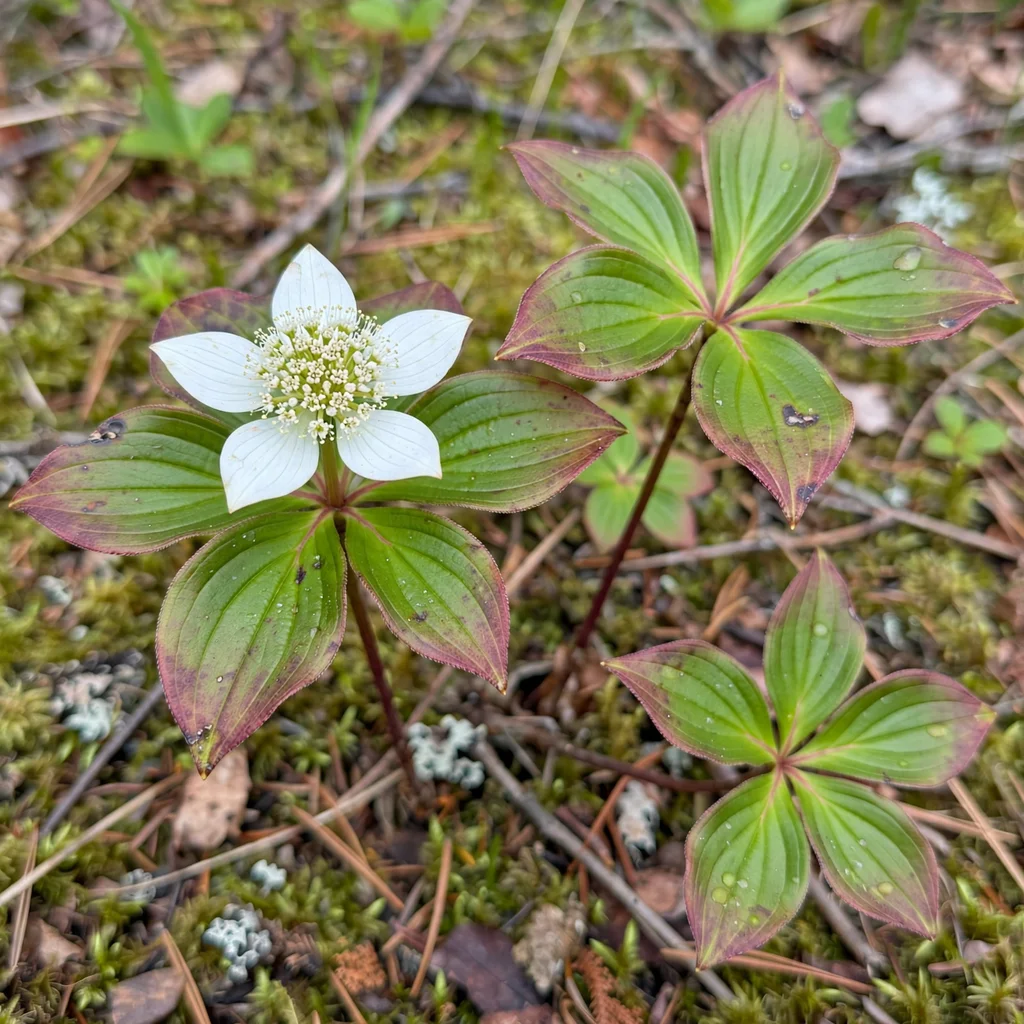
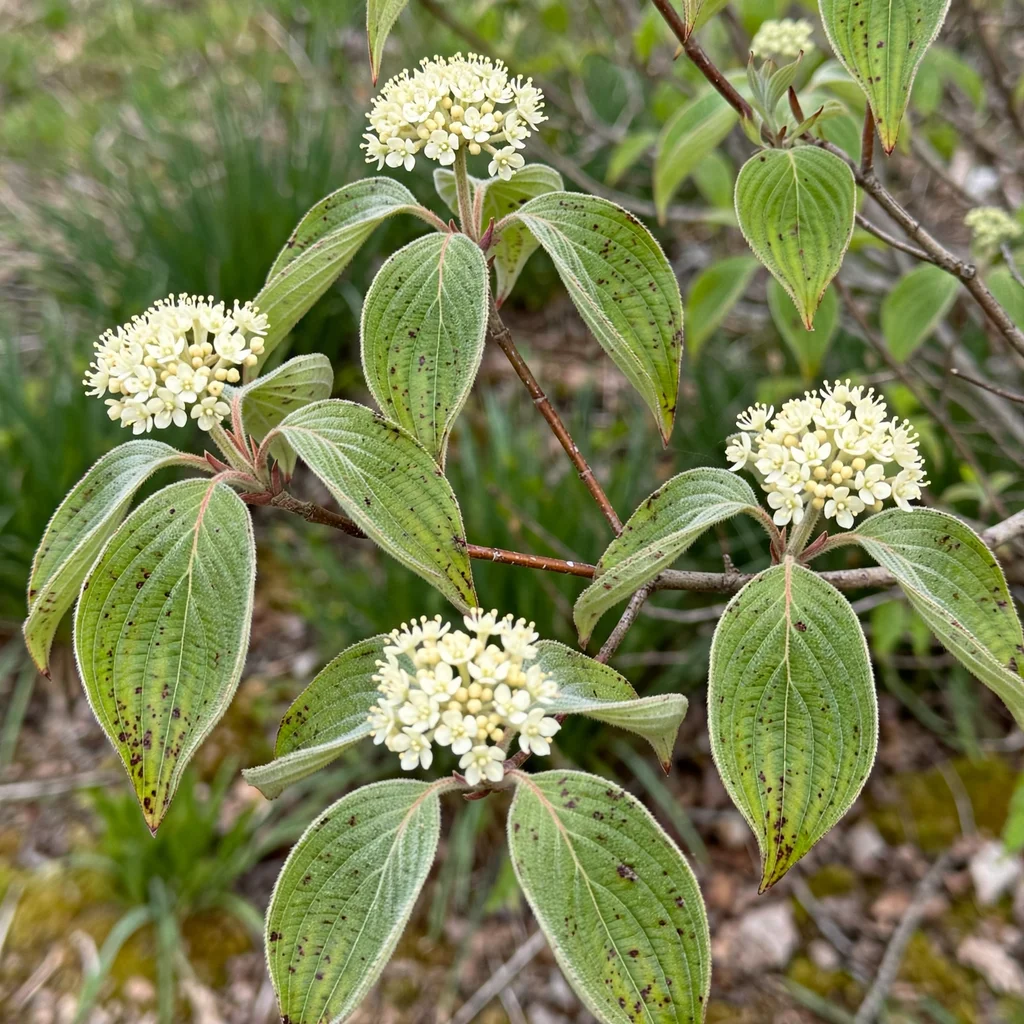
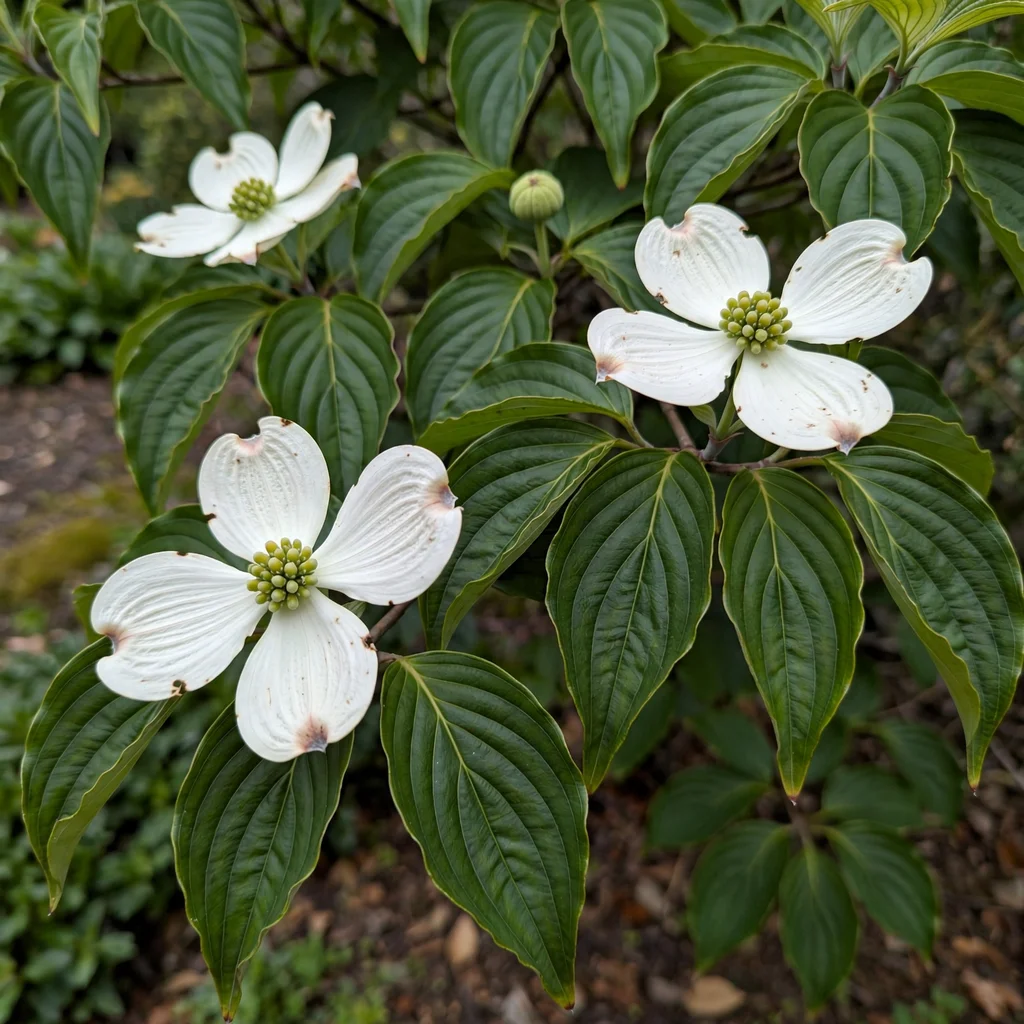
Track your Cornus in Sow
Save the Cornus you grow and get care reminders timed to your zone.
How to grow Cornus
Whats common across all Cornus varieties in our catalog — drawn from the care records of the 40 most-grown of them.
The Cornus year
- PruneMarch98% of varieties
Prune in late winter only to remove dead or crossing branches.
- MulchApril, May and November68% of varieties
Apply a 2-3 inch layer of mulch to conserve moisture and regulate soil temperature.
- PlantApril, May, October and November50% of varieties
Plant in spring or fall in well-drained, acidic soil.
- PropagateJanuary, February and December48% of varieties
Take hardwood cuttings in fall for easy propagation
- Check for PestsMay–August35% of varieties
Inspect trunk for dogwood borer activity.


Do
- Apply mulch to conserve moisture
- Prune after flowering to maintain shape
- Water regularly during dry spells 🌱
- Water deeply during dry spells 🌱
- Water consistently during dry spells 🌱
Avoid
- Avoid overwatering to prevent root rot ❌
- Don't prune in late summer or fall
- Do not plant in heavy, wet, or alkaline soils.
- Do not prune in late fall or winter
What goes wrong with Cornus
| Problem | What you'll see | What to do |
|---|---|---|
| Aphids | Sticky residue and distorted leaves | Use insecticidal soap or neem oil |
| Scale insects | Bumps on stems and leaves, yellowing | Use horticultural oil or insecticidal soap |
| Dogwood Borer | Small holes in the trunk, often near the base or wounds, with sawdust-like frass. Causes canopy dieback. | Keep the tree healthy and avoid trunk wounds from mowers. Pheromone traps can monitor adults. Permethrin-based insecticides can be sprayed on the trunk. |
| Dogwood Sawfly | Larvae, which look like caterpillars, can strip leaves from the plant. | Hand-pick small infestations. Use insecticidal soap or spinosad for larger outbreaks. Healthy plants usually recover fully. |
| Powdery mildew | White powdery coating on leaves | Apply fungicide and improve air circulation |
| Powdery Mildew | White powdery coating on leaves, causing distortion. | Improve air circulation. Plant in a sunnier location. Use horticultural oil or specific fungicides. |
| Leaf Spot | Brown or purple spots on leaves, can cause some defoliation in wet years. | Generally not serious. Improve air circulation. Rake and dispose of fallen leaves. Fungicides are rarely necessary. |
Making more Cornus
Cuttings
- Select healthy semi-hardwood cuttings in late summer.
- Dip cut ends in rooting hormone.
- Plant in moist, well-drained soil.
- Keep soil consistently moist for 6 weeks.
Layering
- Bend a low-growing branch to the ground in spring.
- Wound the bark slightly where it touches the soil.
- Pin it down and cover with soil, leaving the tip exposed.
- Roots will form in 6-12 months. Sever from parent plant.
Cornus questions
How many types of Cornus are there?
The Sow catalog tracks 64 distinct Cornus varieties. The most popular — ranked by 2.7k real gardeners — are shown first above.
What zones does Cornus grow in?
Across its varieties, Cornus covers USDA Zones 4–9. Individual varieties differ — each plant page lists its exact range, and Sow filters the catalog to your zone automatically.
When does Cornus bloom?
Most Cornus varieties bloom in late spring, early spring, mid-spring. Staggering early, mid, and late varieties extends the genus's season in one bed.
Which Cornus should I choose?
Start from the most-saved varieties above — popularity across thousands of gardens is a strong signal of reliability — then filter by your zone and sun. In the Sow app you can preview any of them in a photo of your actual yard before you buy.