Also known as Goldenrod · 871 saves
Solidago
Solidago, the genus most gardeners know as goldenrod. We track 17 varieties; the ones most used by real gardeners.
The 17 most-saved Solidago varieties
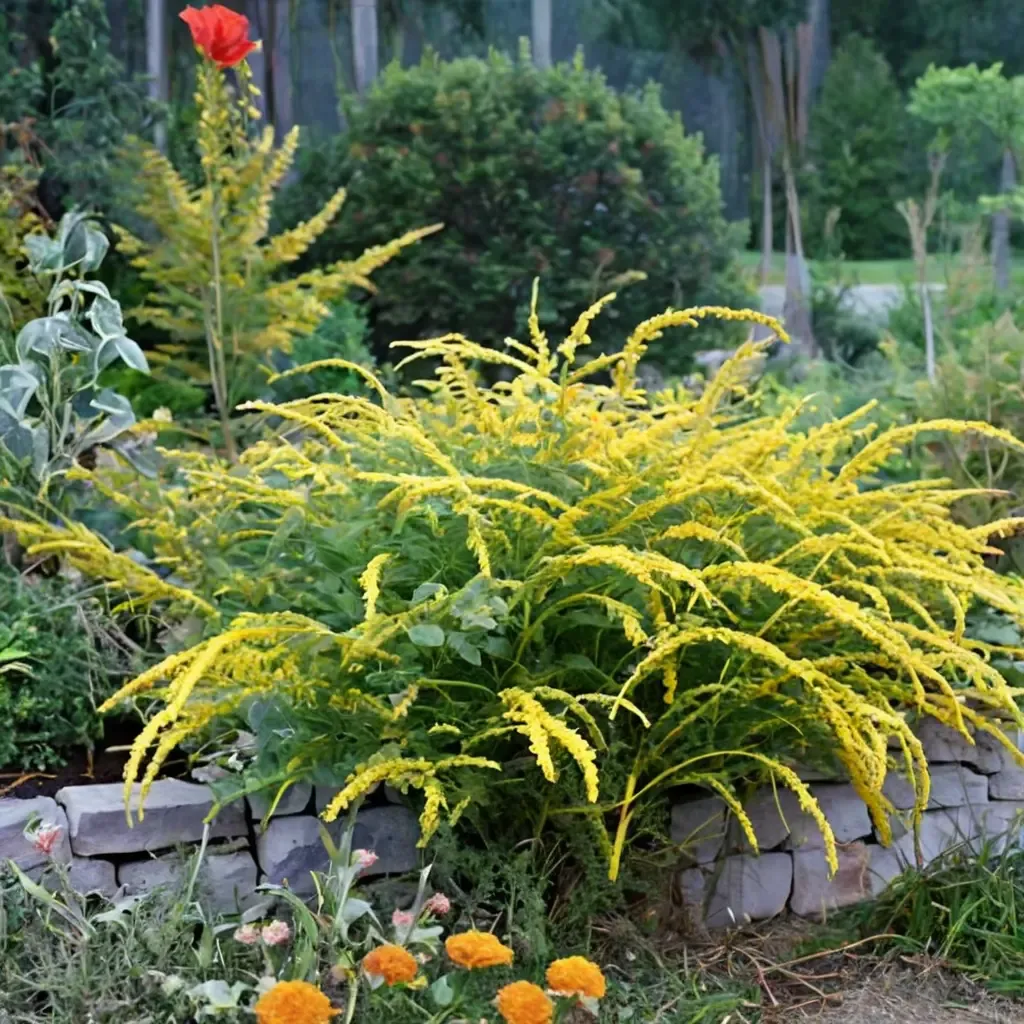
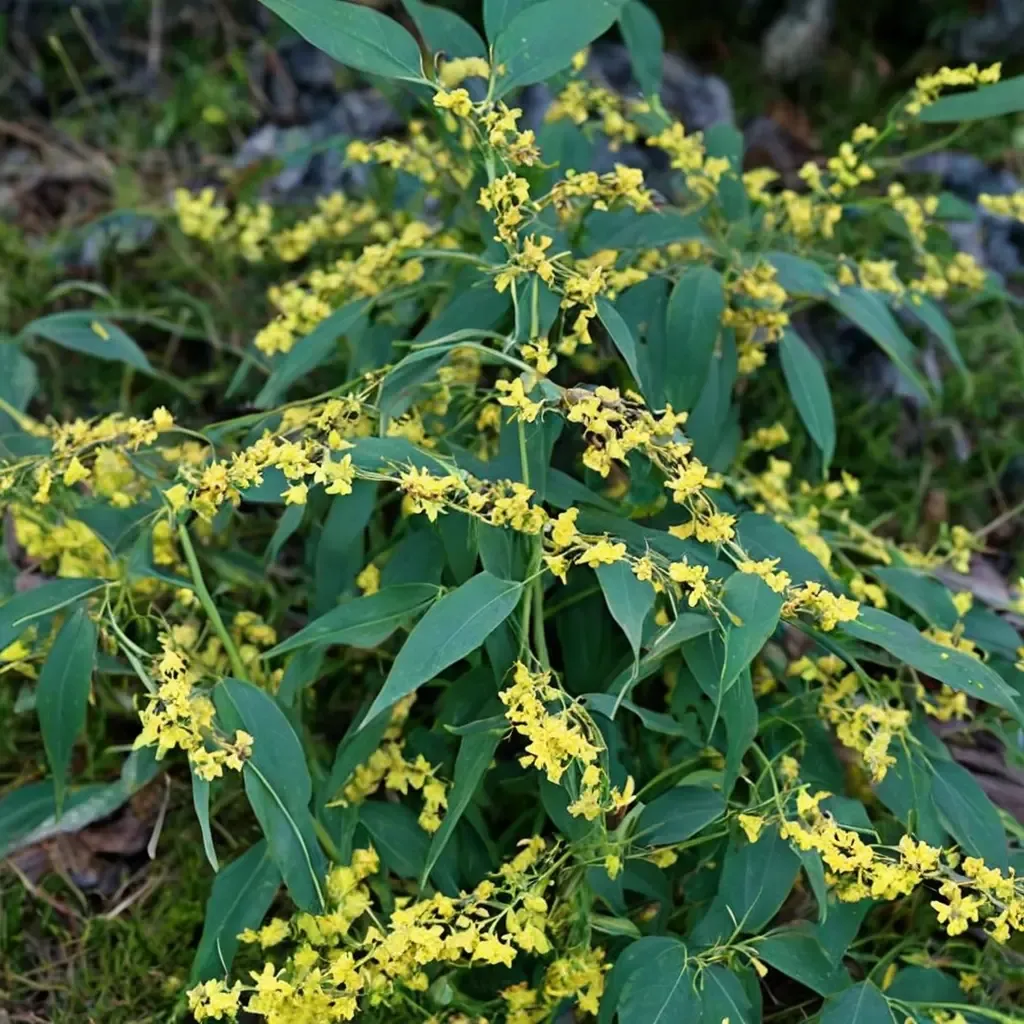
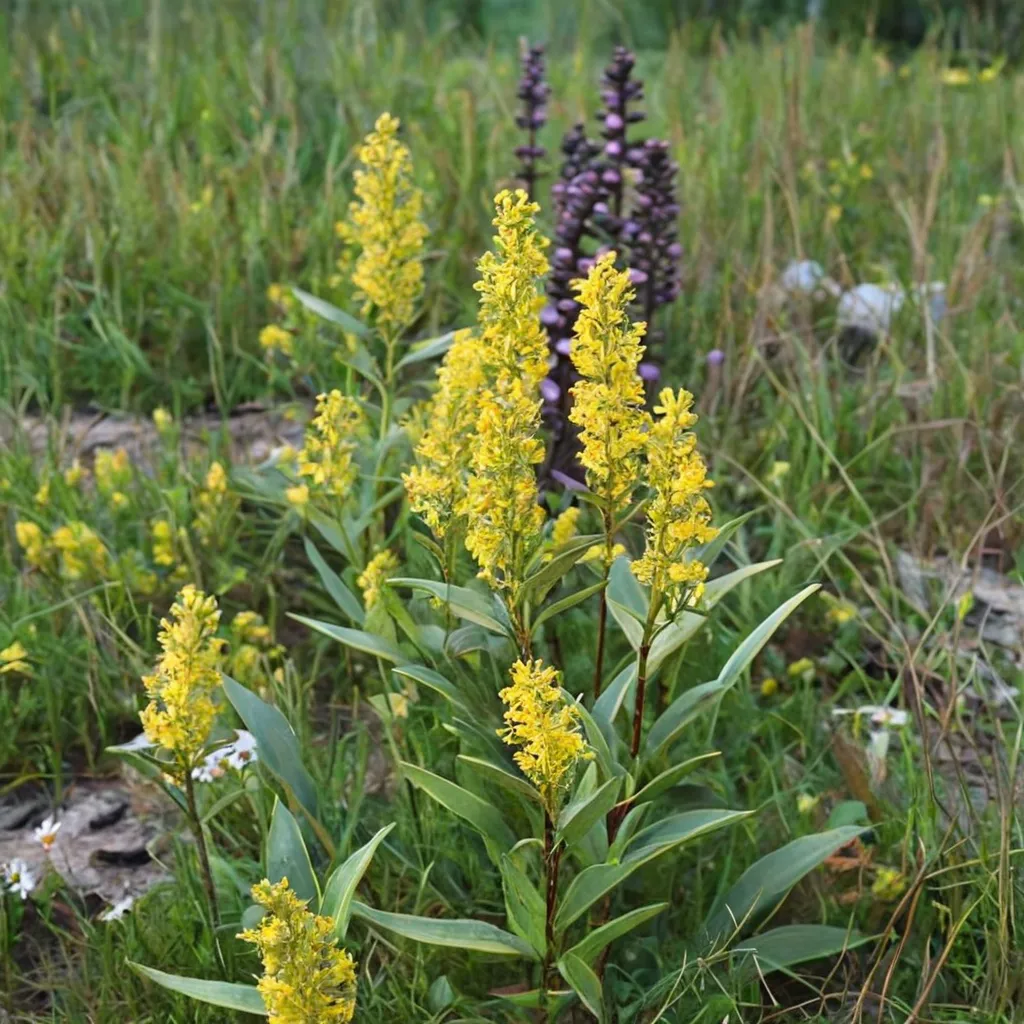
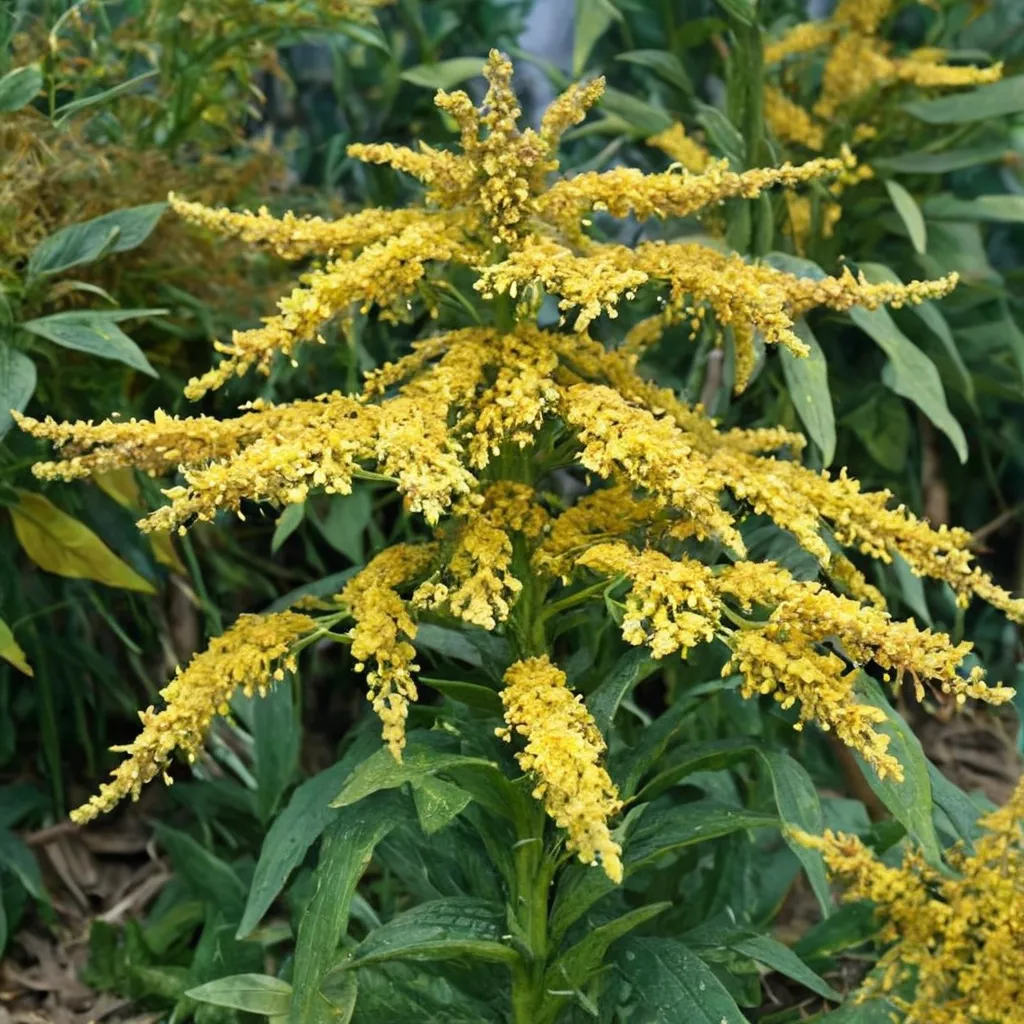
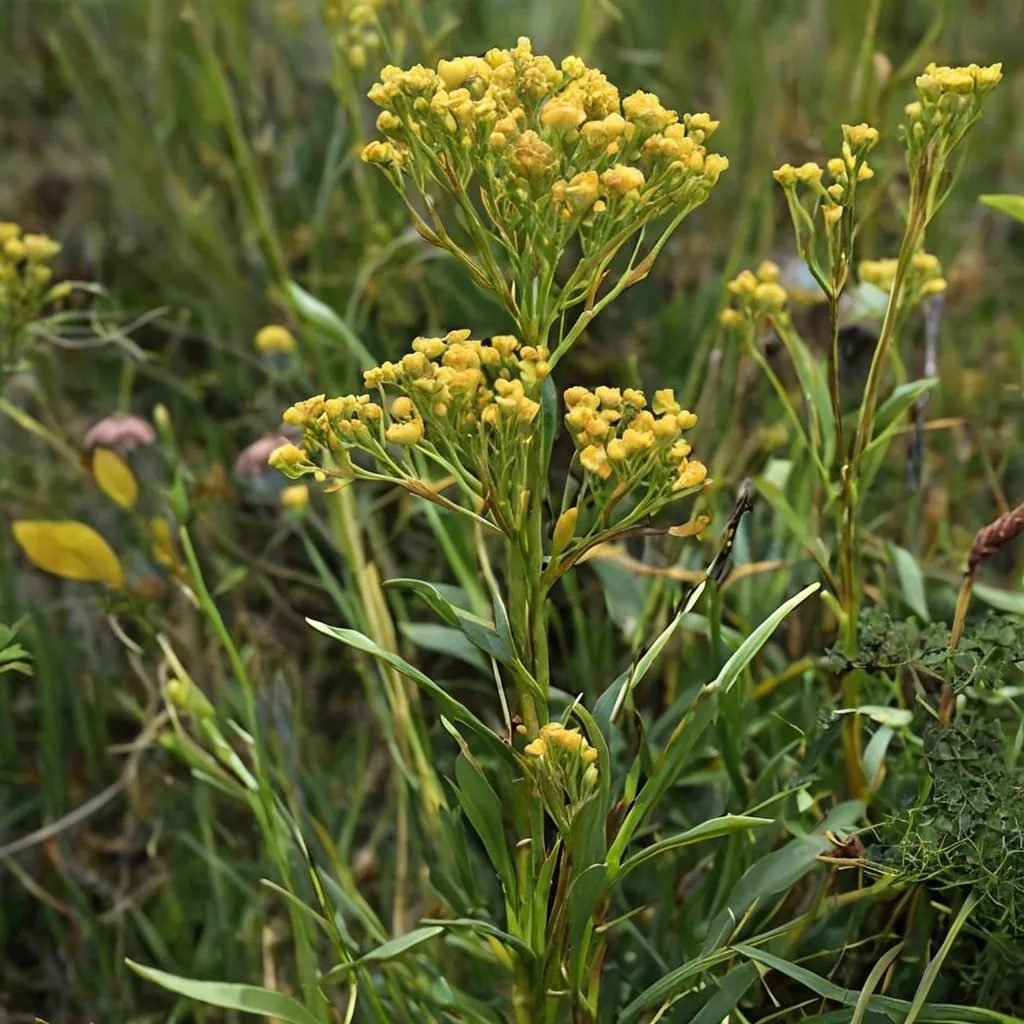
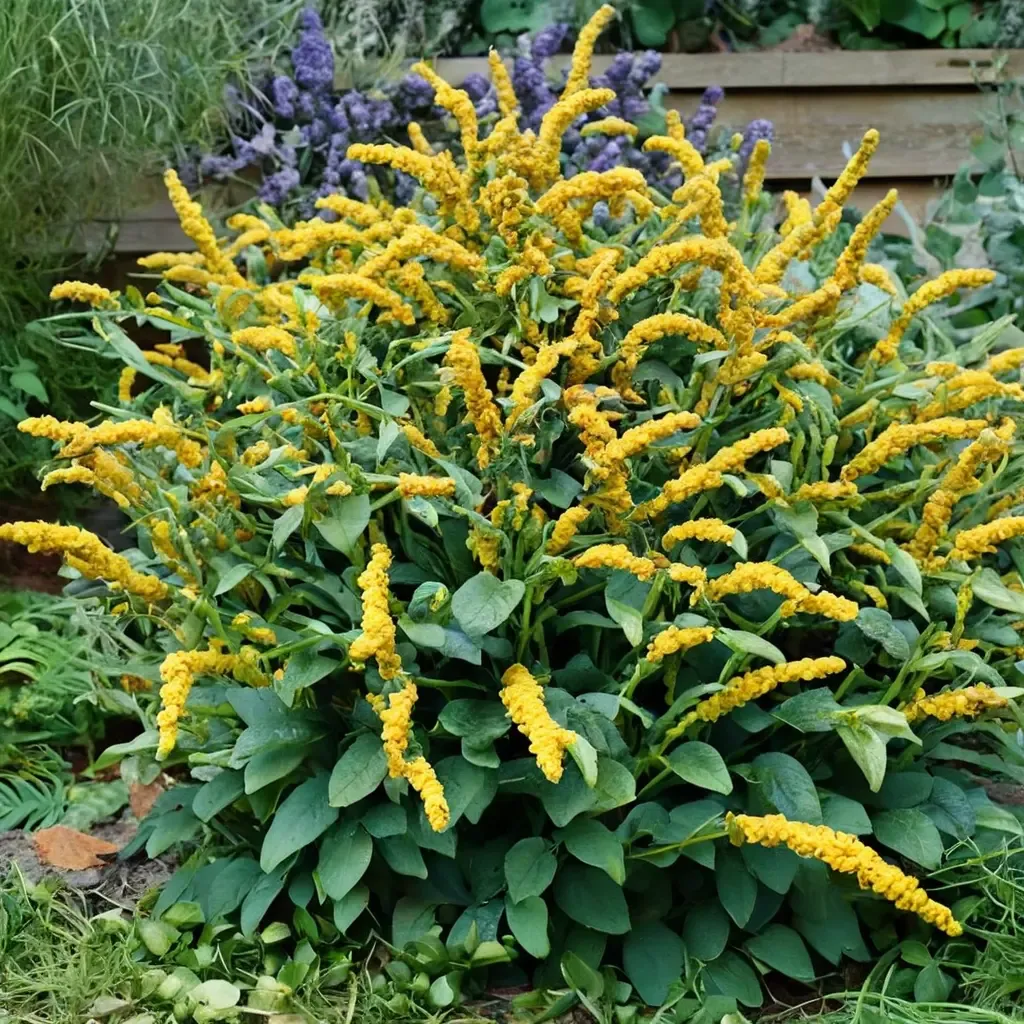
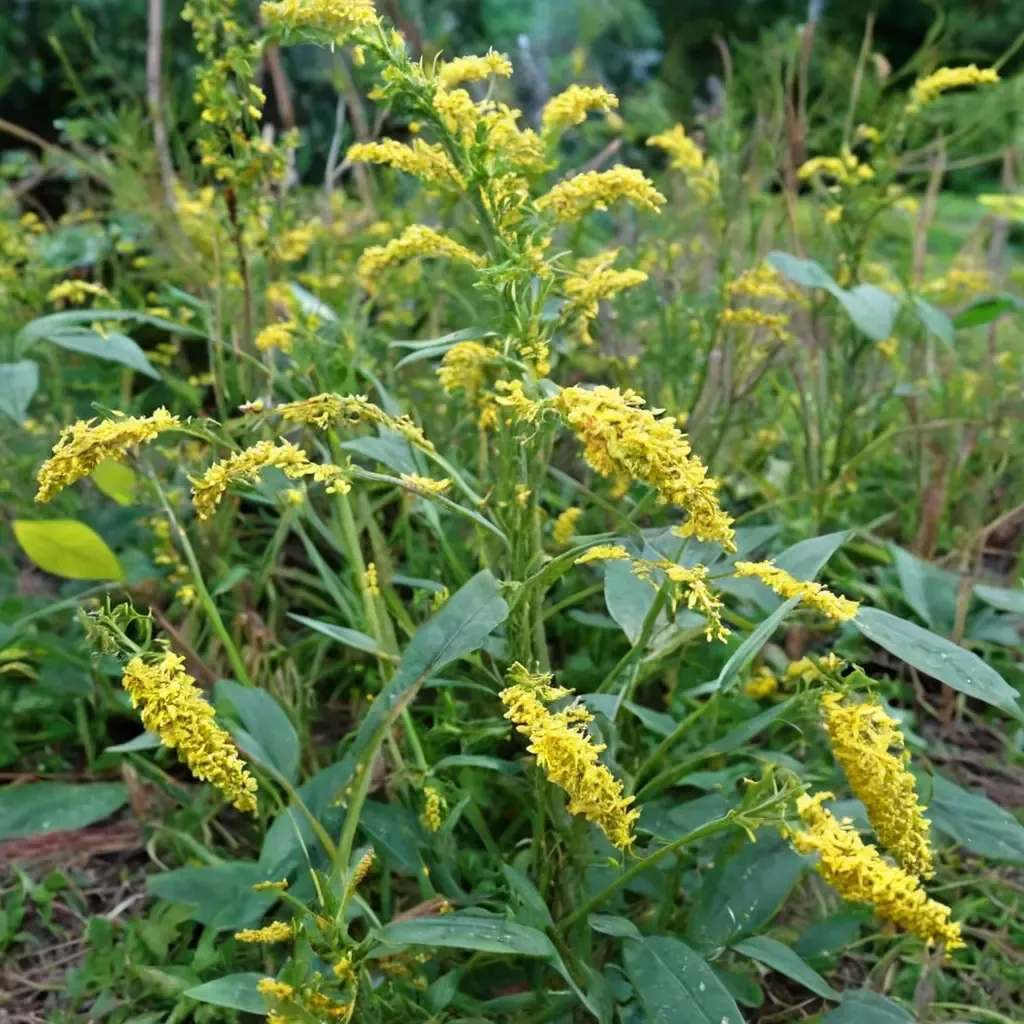
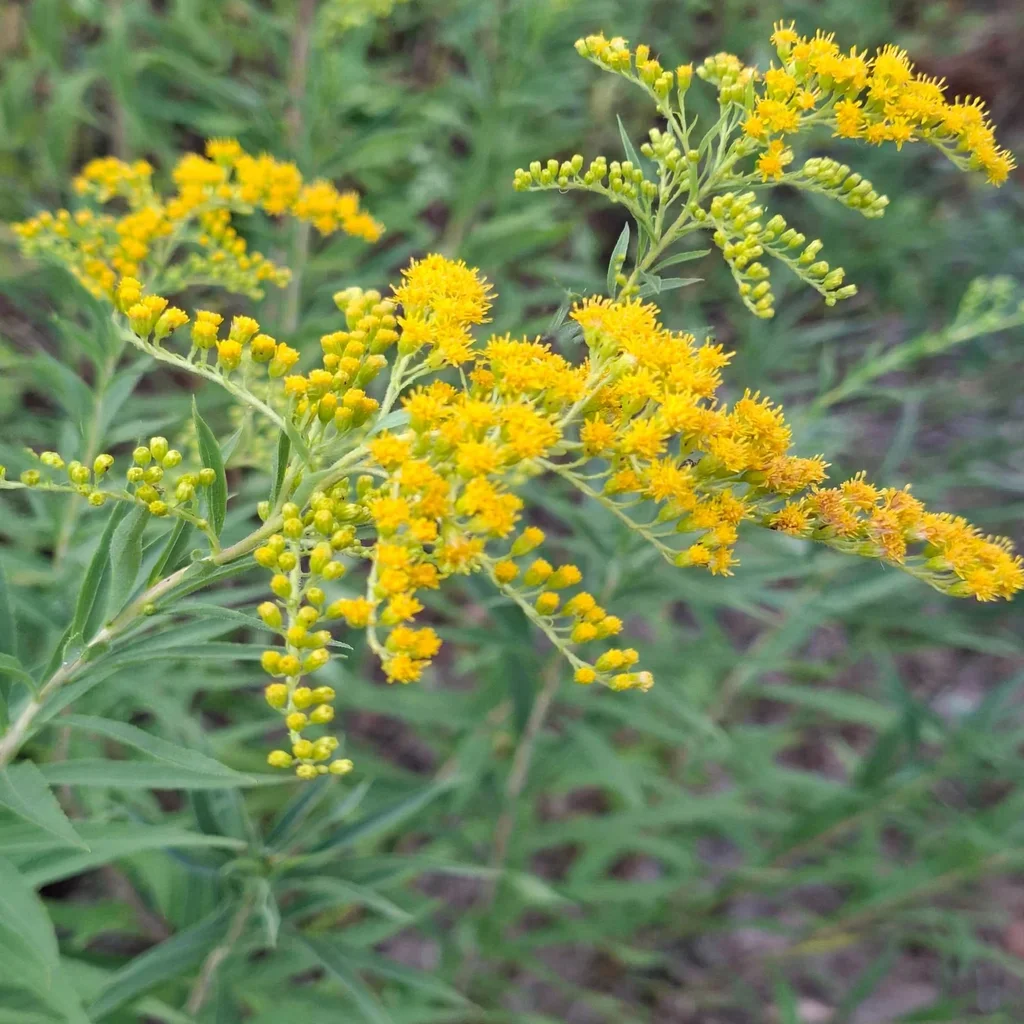
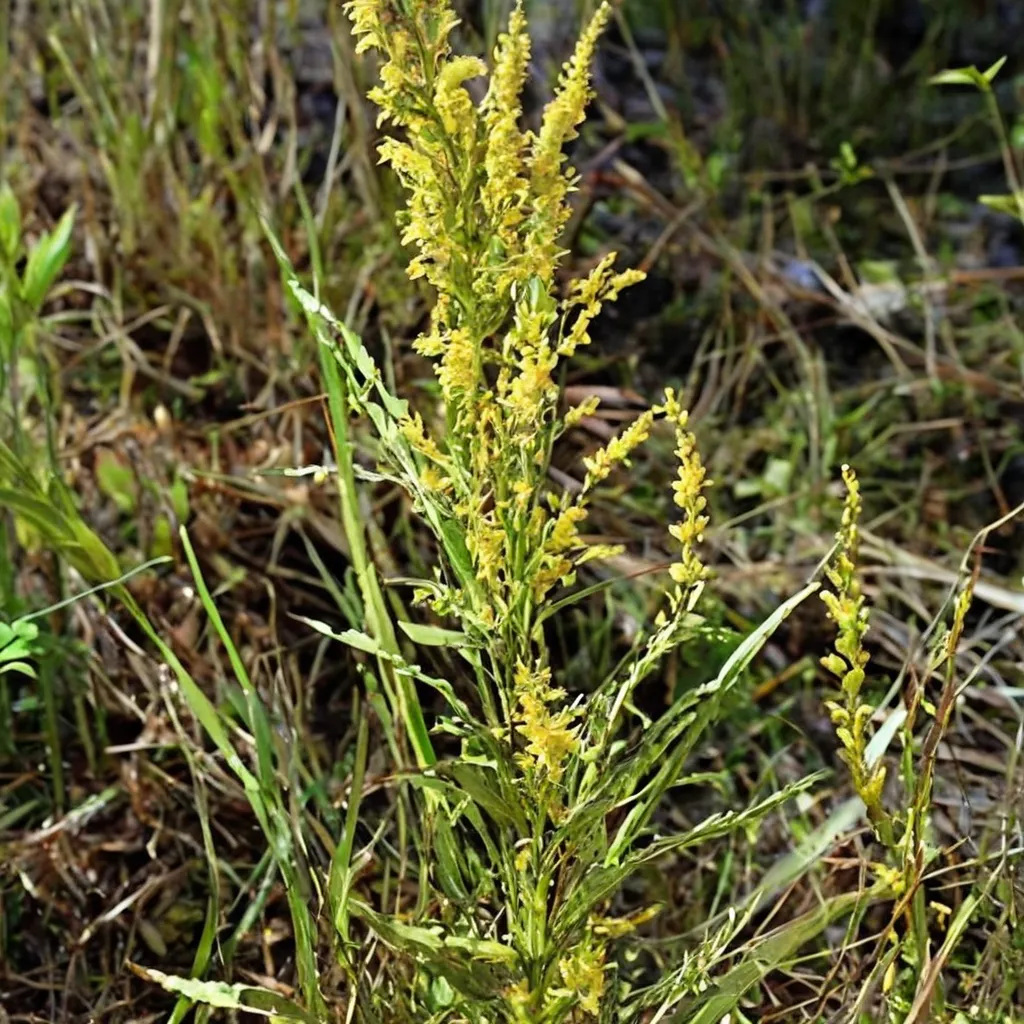
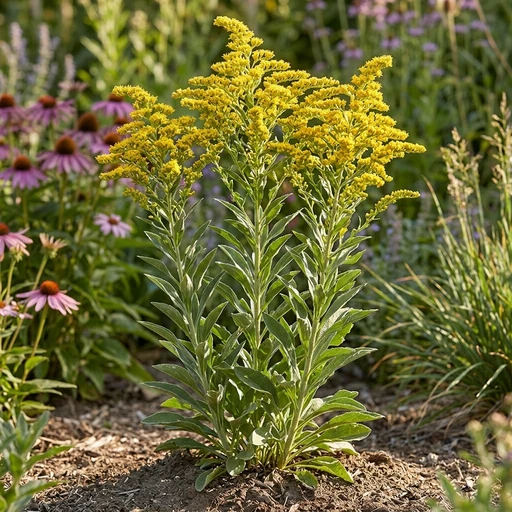
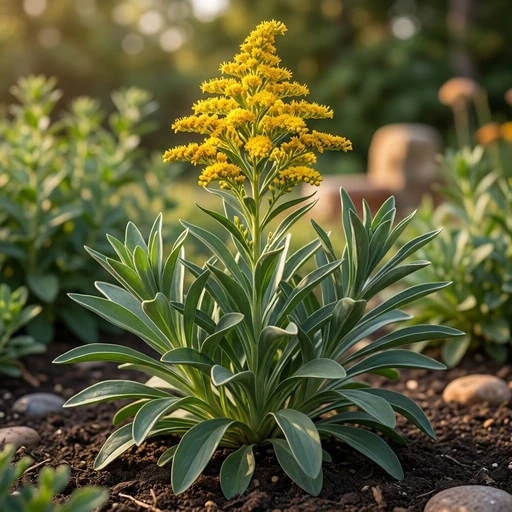
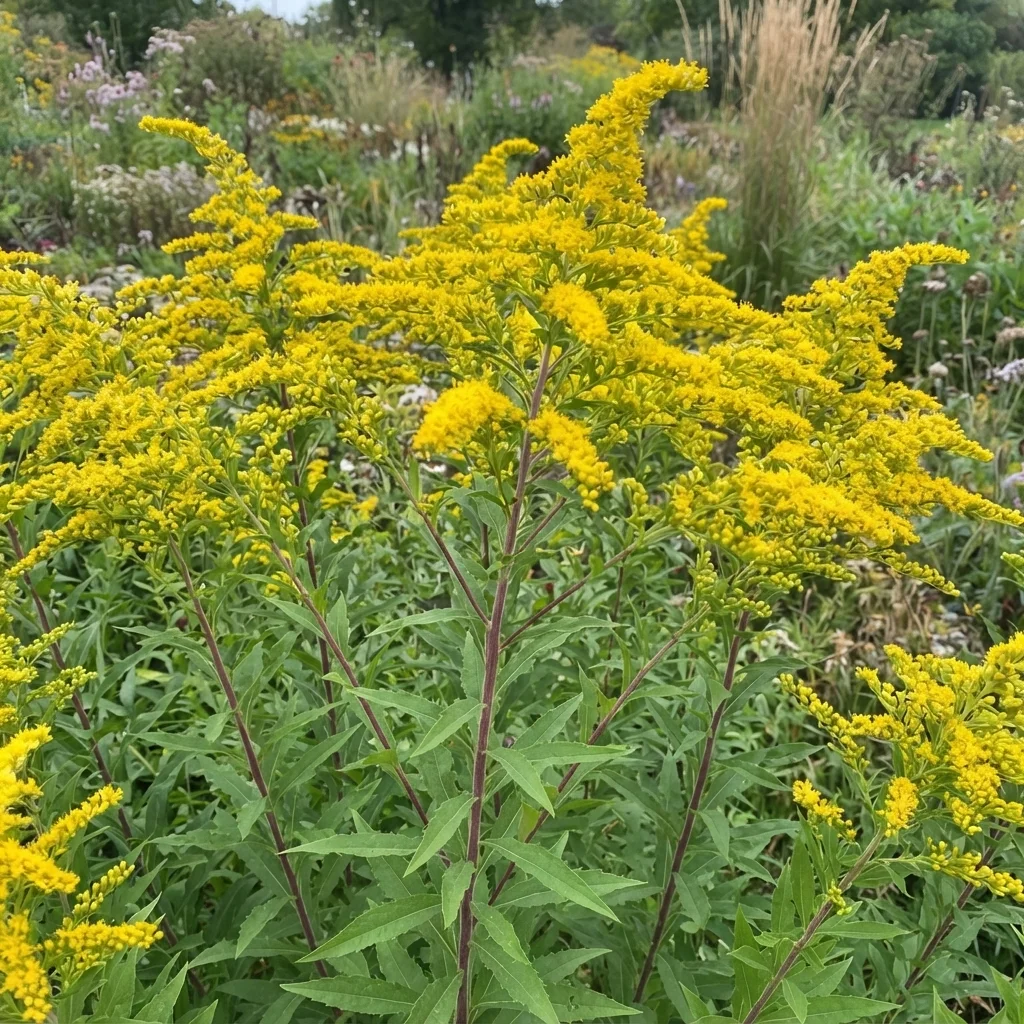
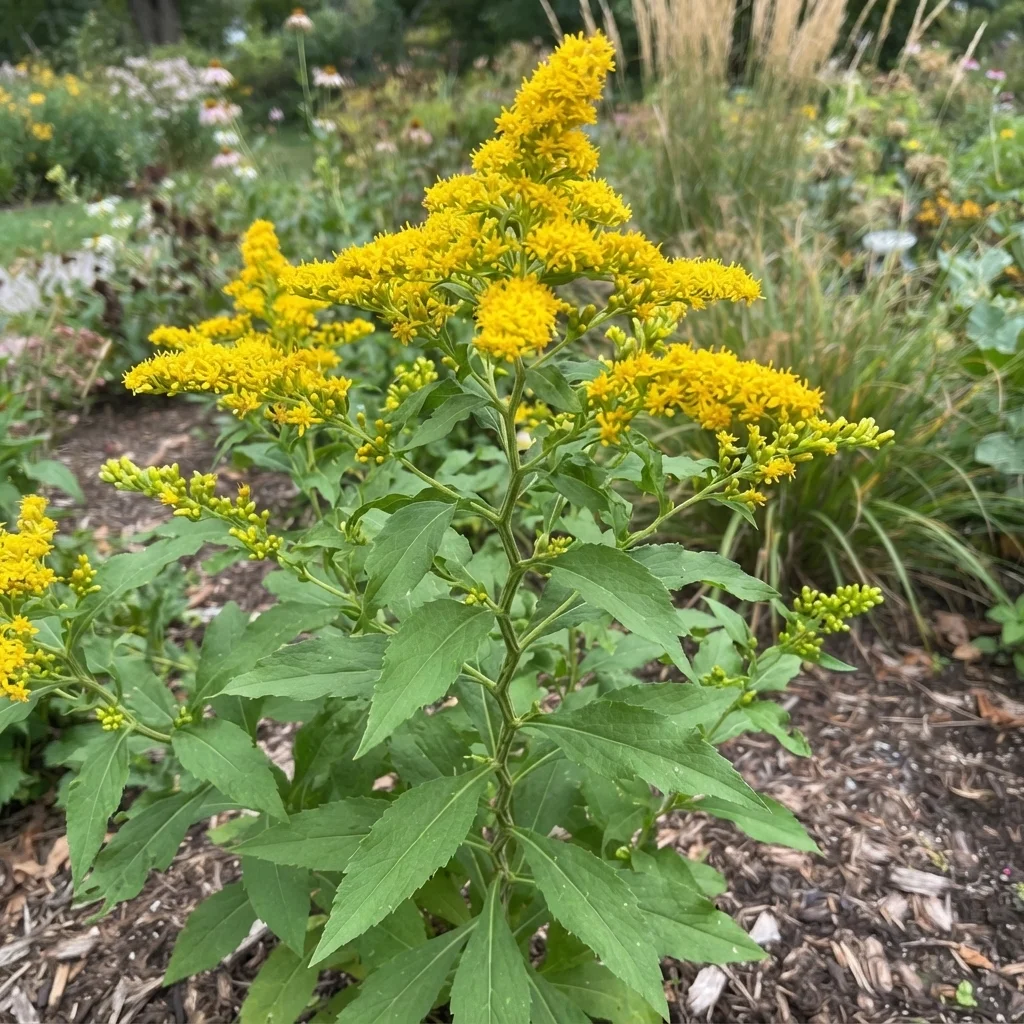
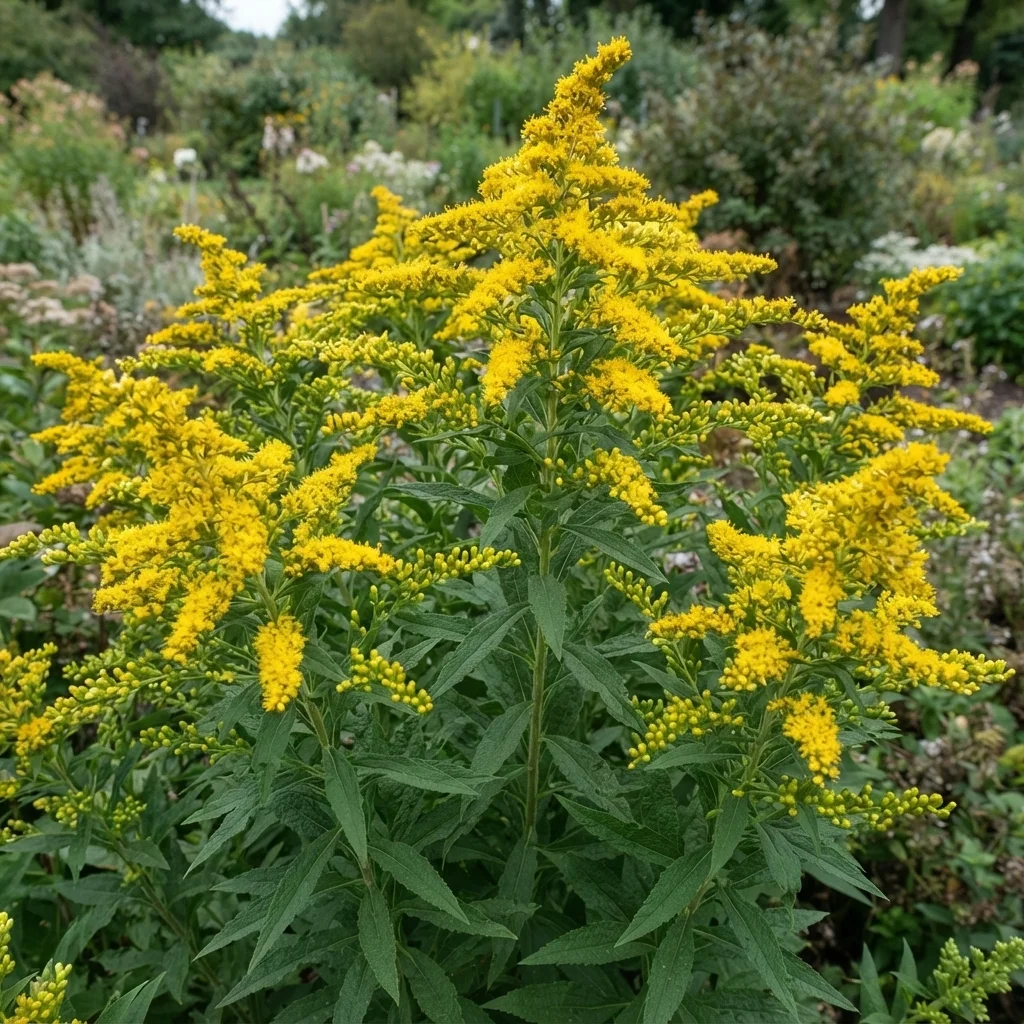
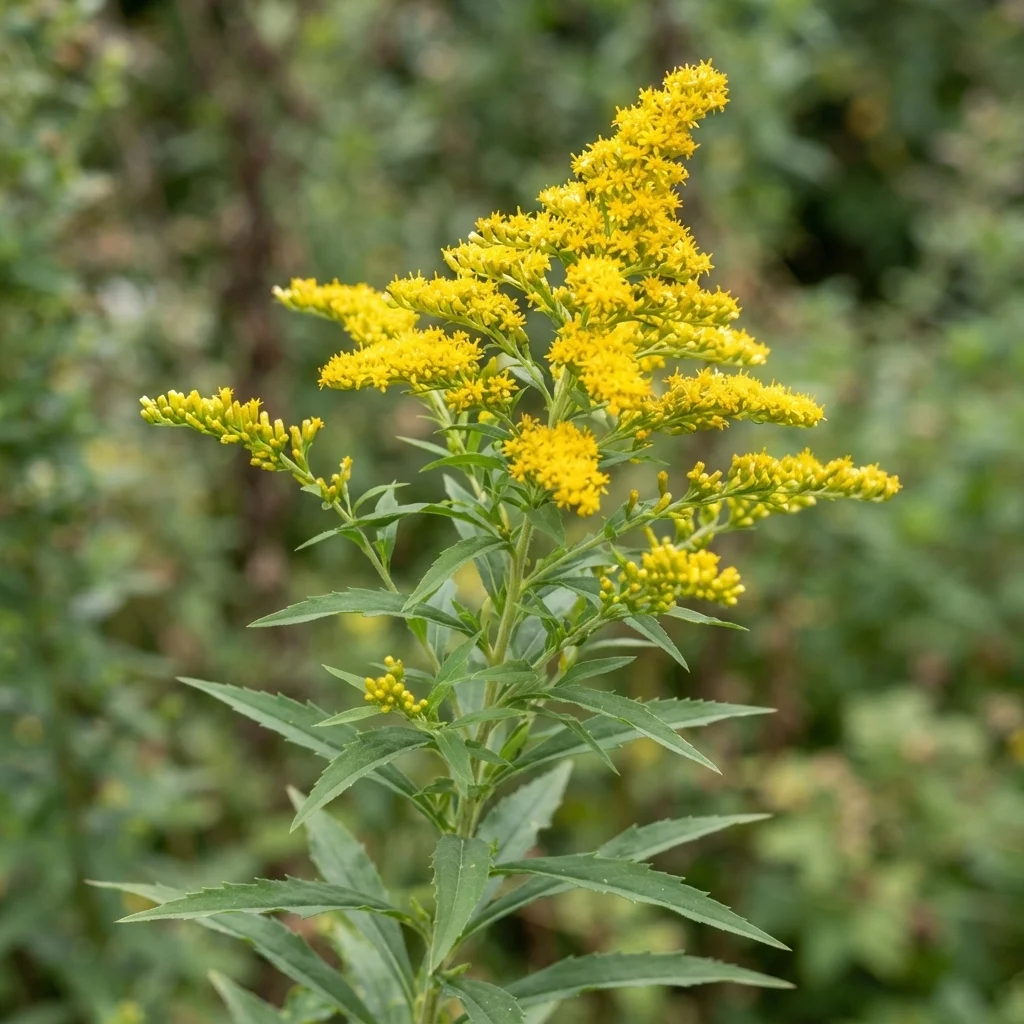
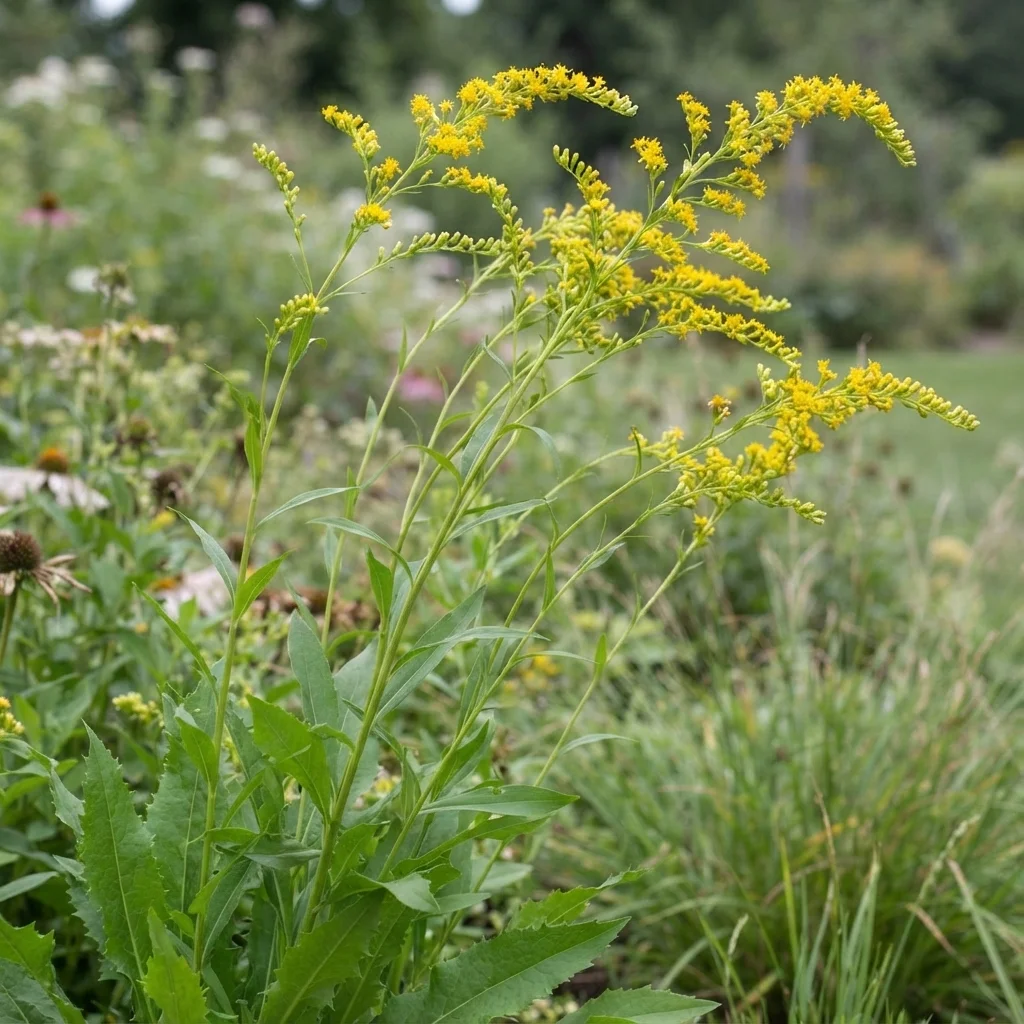
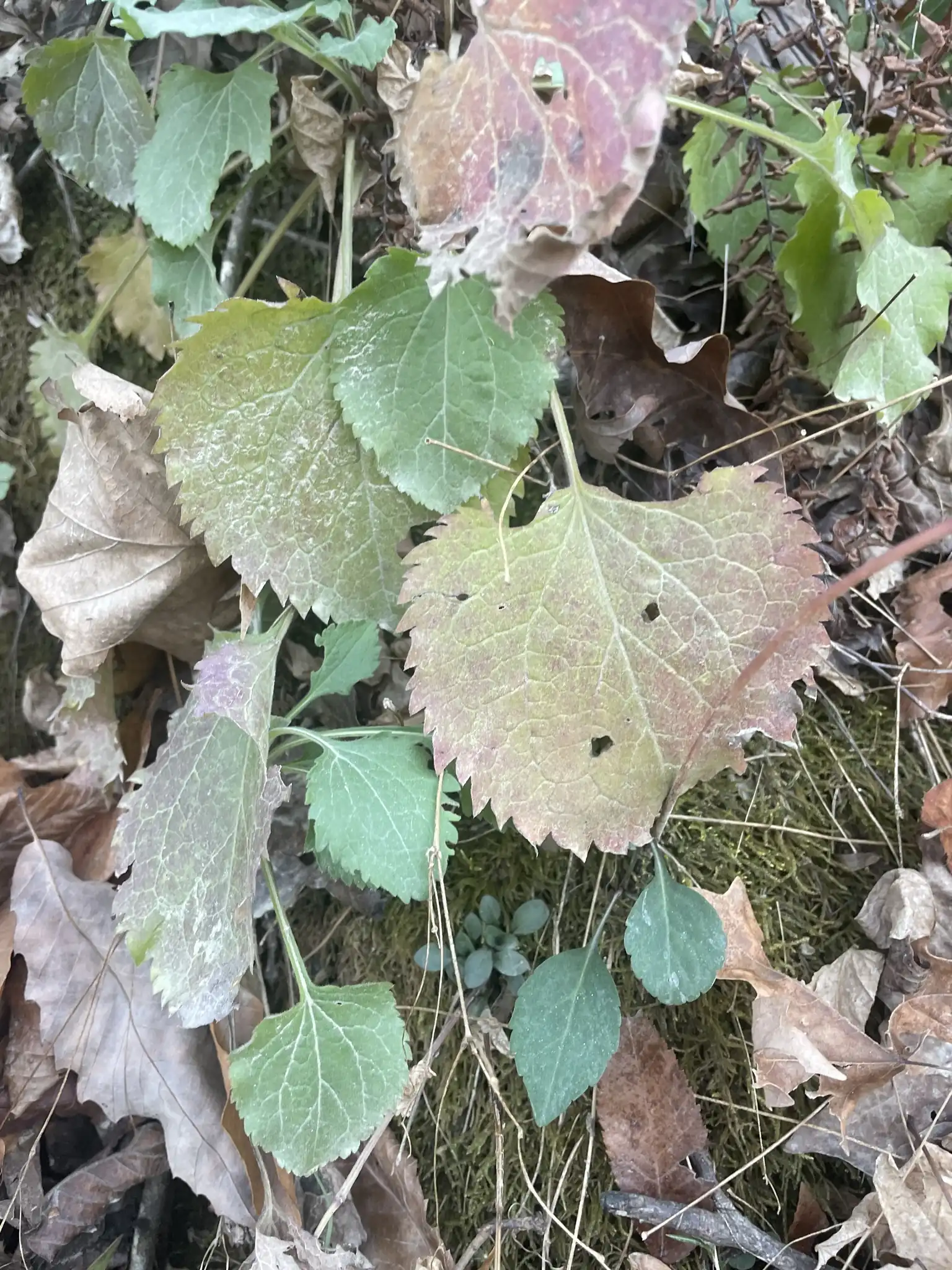
8 species of Solidago
Each one is a parent of the varieties above.
Track your Solidago in Sow
Save the Solidago you grow and get care reminders timed to your zone.
How to grow Solidago
Whats common across all Solidago varieties in our catalog — drawn from the care records of the 17 most-grown of them.
The Solidago year
- DivideMarch, April and October100% of varieties
Divide aggressive rhizomes to control spread and rejuvenate older clumps.
- Spring CleanupMarch and April82% of varieties
Cut back dead stems from the previous year to ground level before new growth emerges.
- Check for PestsJune–August41% of varieties
Inspect leaves for powdery mildew and check stems for gall formations.


Do
- Water deeply during dry spells 🌱
- Divide clumps every 3-4 years to maintain vigor
- Cut dead stems back to the ground in late winter or early spring before new growth emerges.
- Water regularly during dry spells 🌱
- Prune back after flowering to maintain shape
Avoid
- Avoid overwatering to prevent root rot ❌
- Avoid overwatering in winter ❌
- Overwater, which can cause root rot ❌
- Allow soil to become waterlogged
What goes wrong with Solidago
| Problem | What you'll see | What to do |
|---|---|---|
| Aphids | Clusters of small, soft-bodied insects on tender new growth, causing leaf curling and sticky honeydew. | Knock them off with a strong spray of water from a hose or apply insecticidal soap if infestations are severe. |
| Spider mites | Fine webbing on the undersides of leaves accompanied by yellow stippling and dry, dusty foliage. | Increase humidity around the plant and spray the undersides of leaves regularly with water to disrupt their breeding cycle. |
| Japanese beetle | Defoliation of foliage. | Hand-pick beetles from stems or apply targeted controls. |
| Galling insects | Spherical swellings or galls on the stems, particularly from goldenrod ball gall makers. | These galls are primarily cosmetic and rarely harm the plant; prune out and destroy affected stems in winter if desired. |
| Powdery mildew | A white or gray powdery coating on the surfaces of leaves, typically appearing in late summer. | Ensure adequate air circulation by spacing plants properly, and water at the base rather than overhead. |
| Root rot | Yellowing leaves, wilting, and blackened, mushy roots in stagnant, poorly drained soils. | Improve soil drainage or relocate the plant to an area with moving water rather than stagnant, saturated conditions. |
| Powdery Mildew | White powdery coating on leaves | Apply sulfur fungicide or improve air circulation |
Making more Solidago
Division
- Dig up established clumps in early spring just as new growth begins to emerge.
- Use a sharp spade or knife to slice the underground rhizomes into sections, ensuring each has at least one bud.
- Replant the divisions immediately at the same depth they were growing previously.
- Water thoroughly and keep the soil moist until new growth is well established.
Seed
- Collect mature seed heads in late fall once they turn fluffy and brown.
- Sow seeds directly onto the soil surface in late fall, as they require cold stratification to germinate.
- Press seeds lightly into the soil but do not cover them, as they need light to germinate.
- Keep the seedbed moist in spring when seedlings begin to emerge.
Solidago questions
How many types of Solidago are there?
The Sow catalog tracks 17 distinct Solidago varieties. The most popular — ranked by 871 real gardeners — are shown first above.
What zones does Solidago grow in?
Across its varieties, Solidago covers USDA Zones 4–10. Individual varieties differ — each plant page lists its exact range, and Sow filters the catalog to your zone automatically.
When does Solidago bloom?
Most Solidago varieties bloom in late summer, late summer to fall, summer. Staggering early, mid, and late varieties extends the genus's season in one bed.
Which Solidago should I choose?
Start from the most-saved varieties above — popularity across thousands of gardens is a strong signal of reliability — then filter by your zone and sun. In the Sow app you can preview any of them in a photo of your actual yard before you buy.