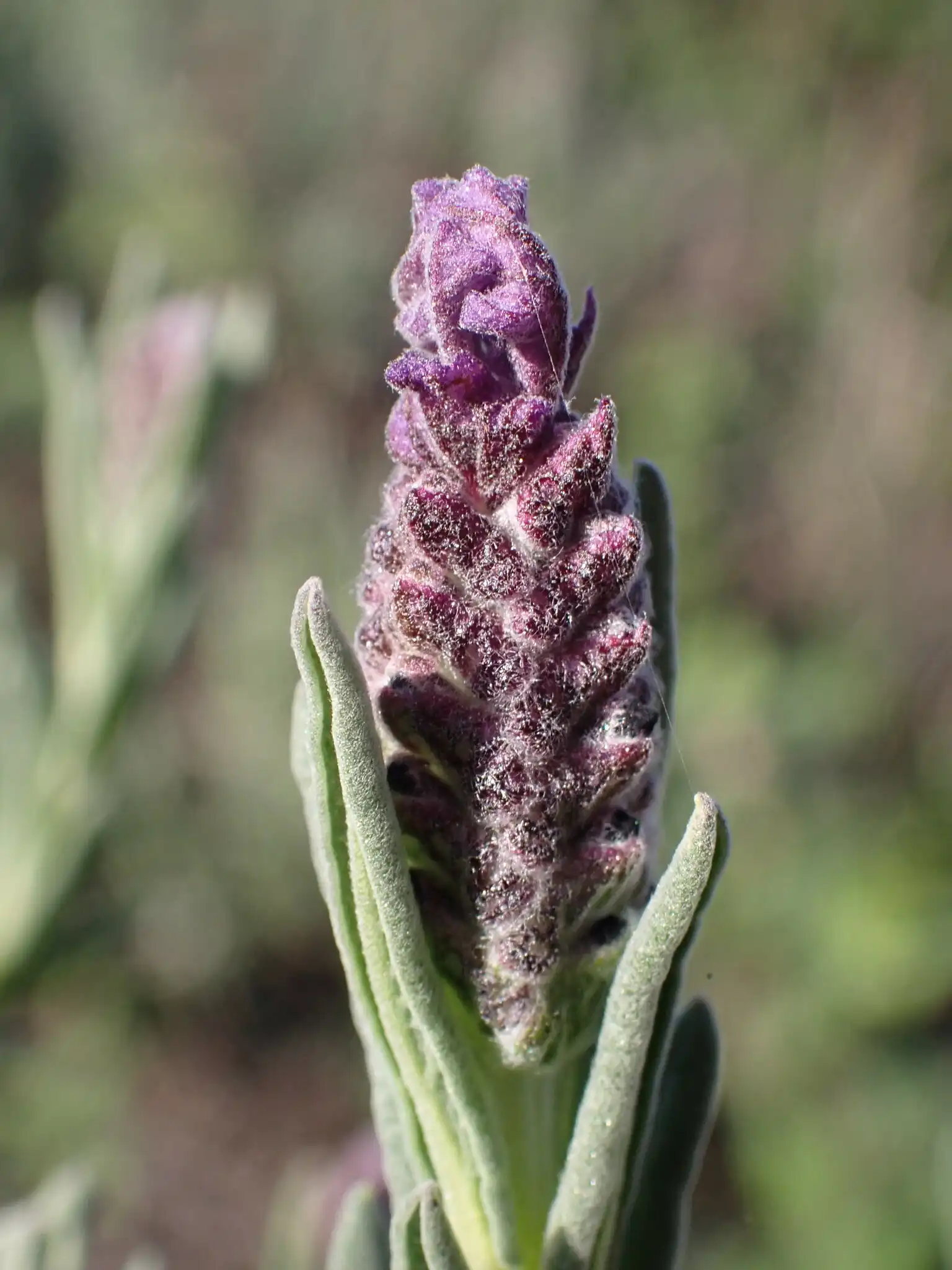
9 named cultivars
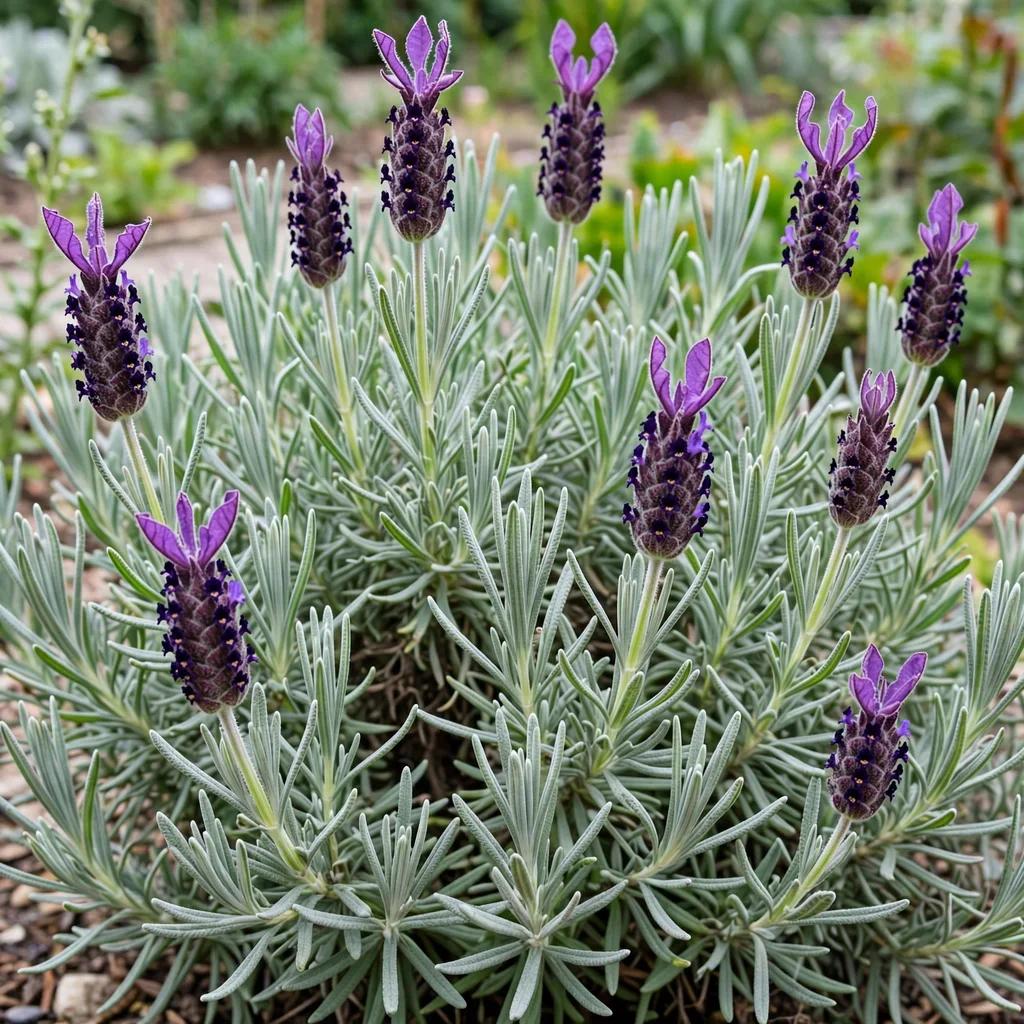 ‘Anouk’Anouk Lavender French Lavender
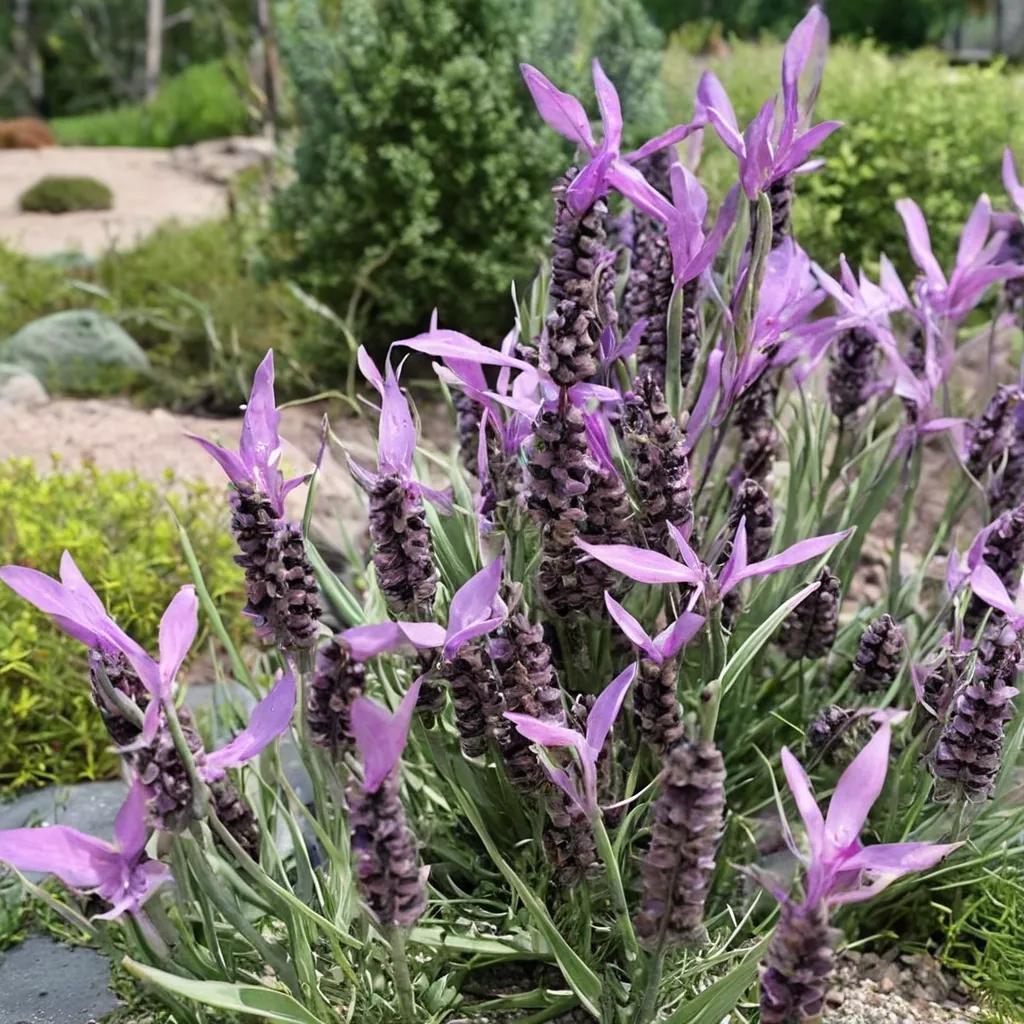 ‘Avonview’Avonview Spanish Lavender
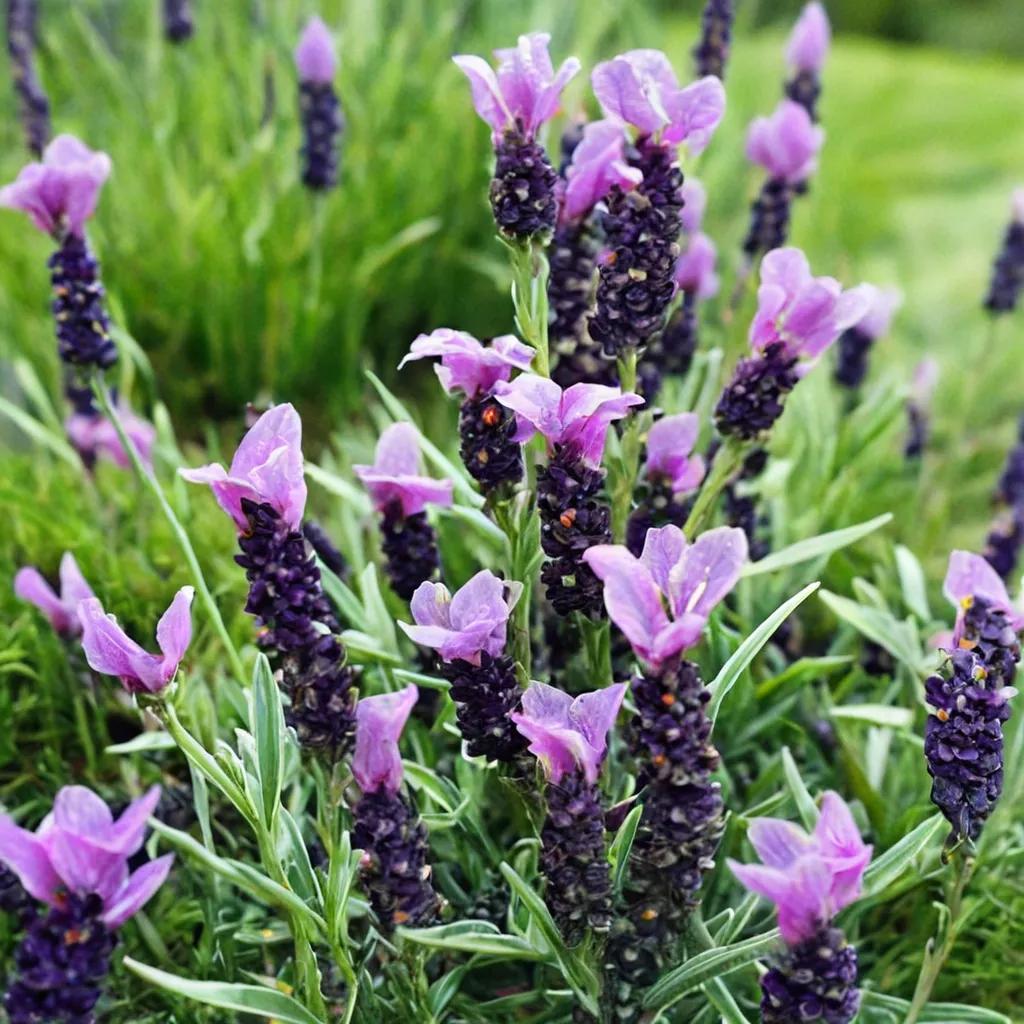 ‘Winter Bee’Lavender Winter Bee
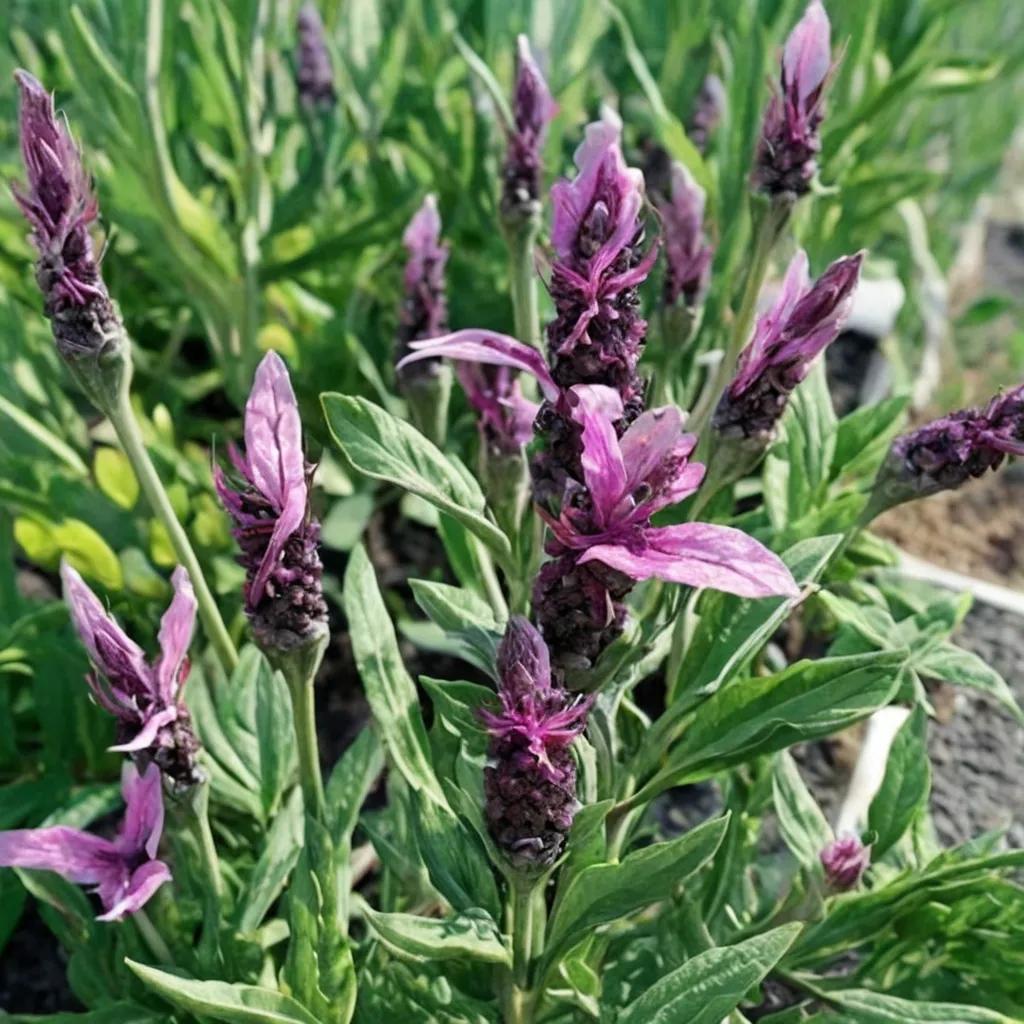 ‘Wine Red’Wine Red Spanish Lavender
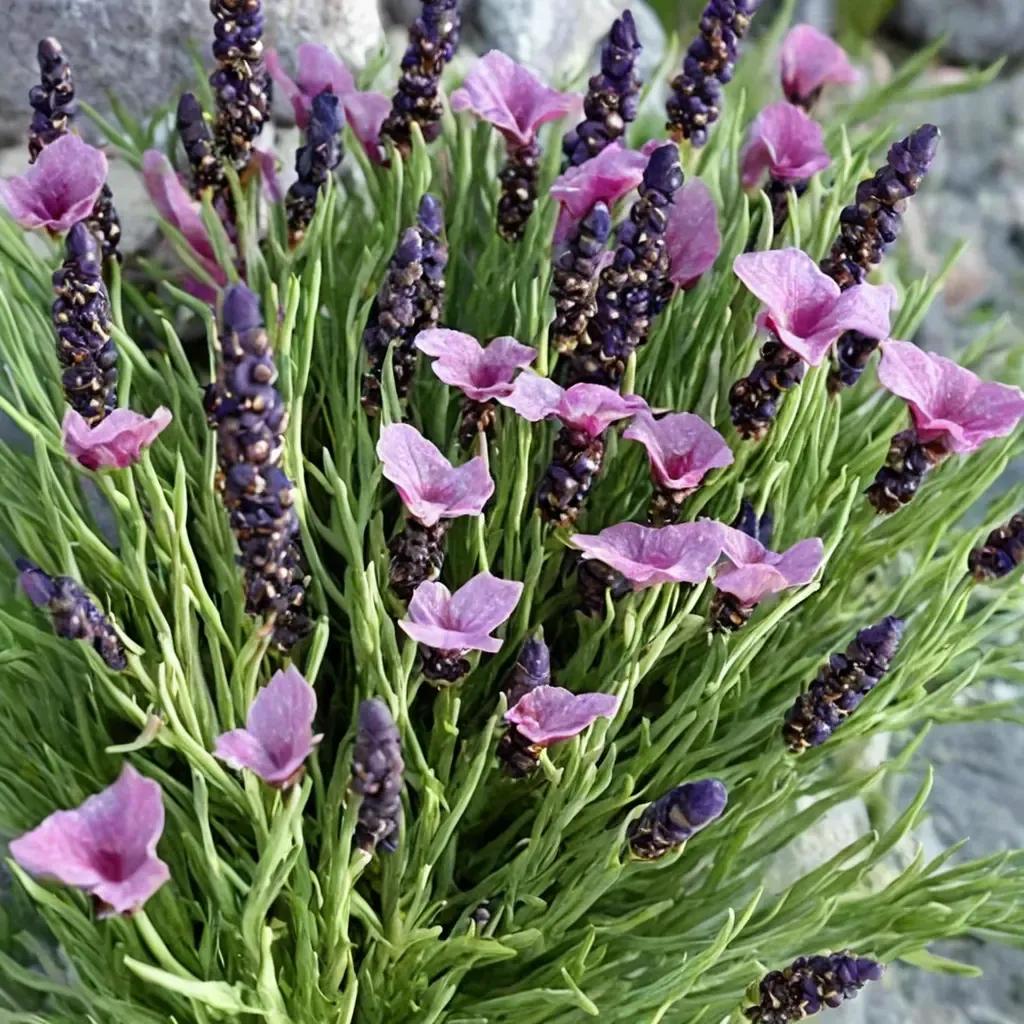 ‘Regal Splendour’Regal Splendour Lavender
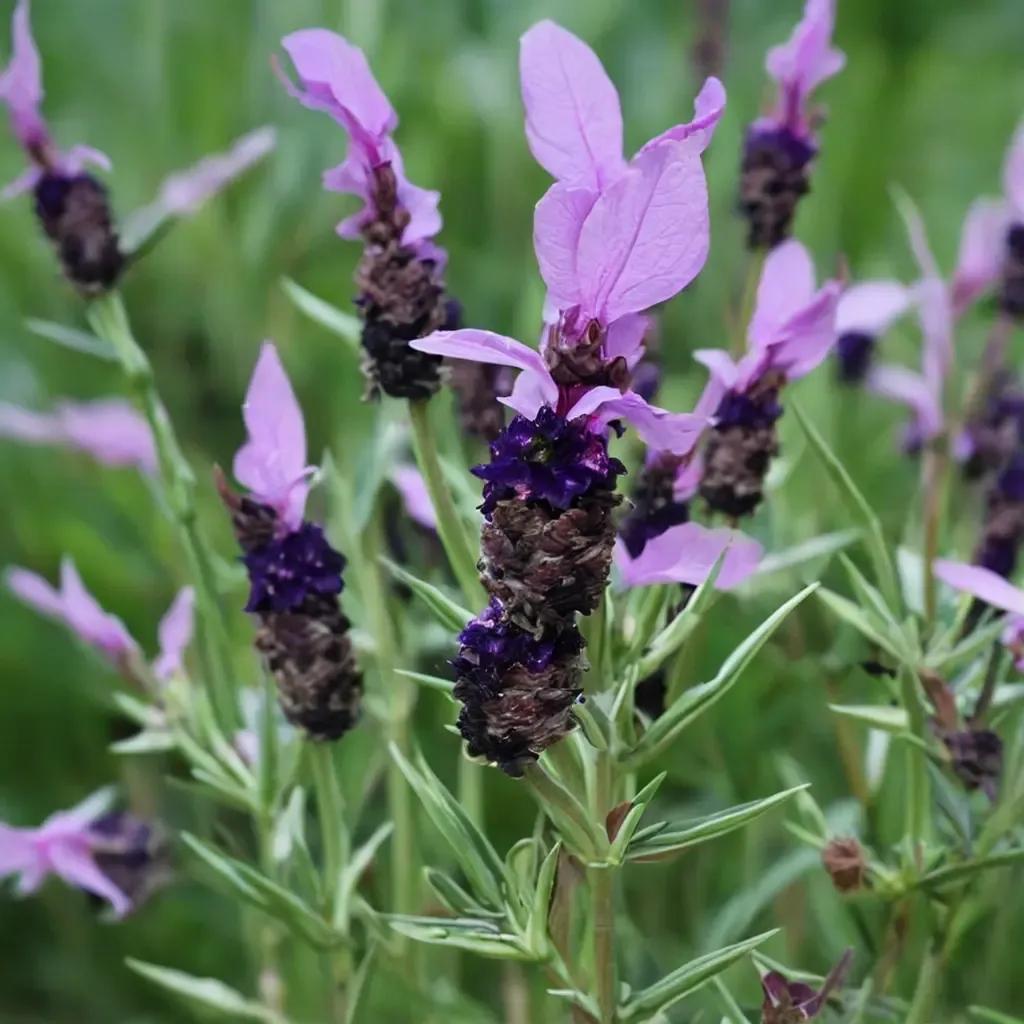 ‘Fathead’Fathead Spanish Lavender
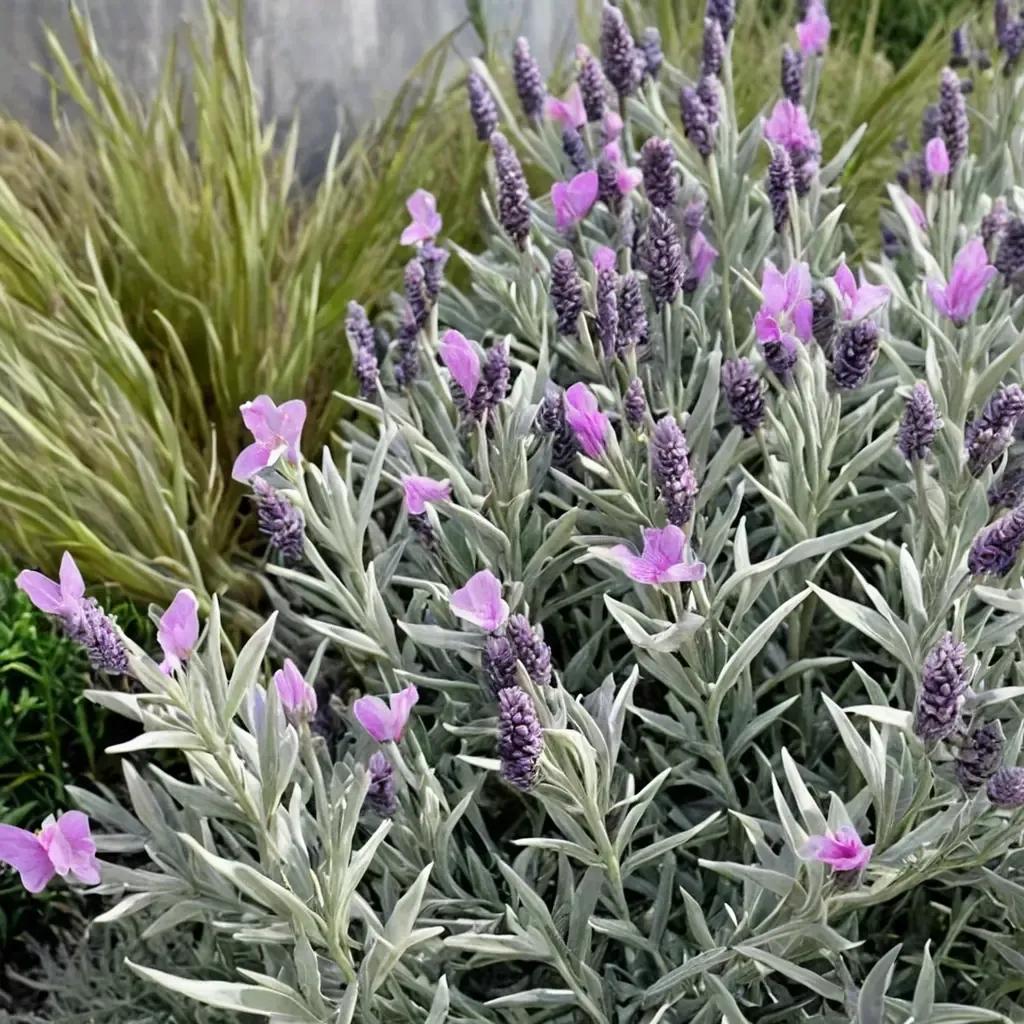 ‘Silver Anouk’Silver Anouk Lavender
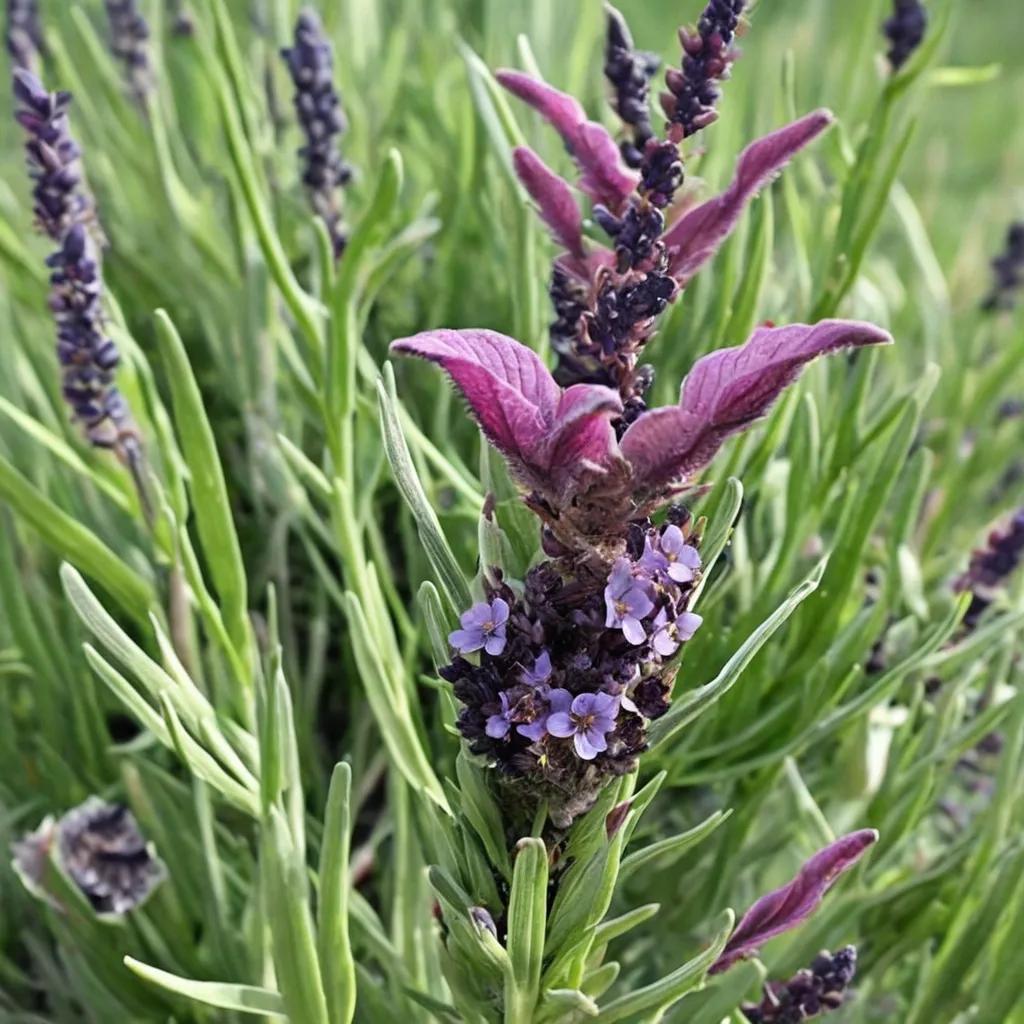 ‘Helmsdale’Helmsdale Lavender
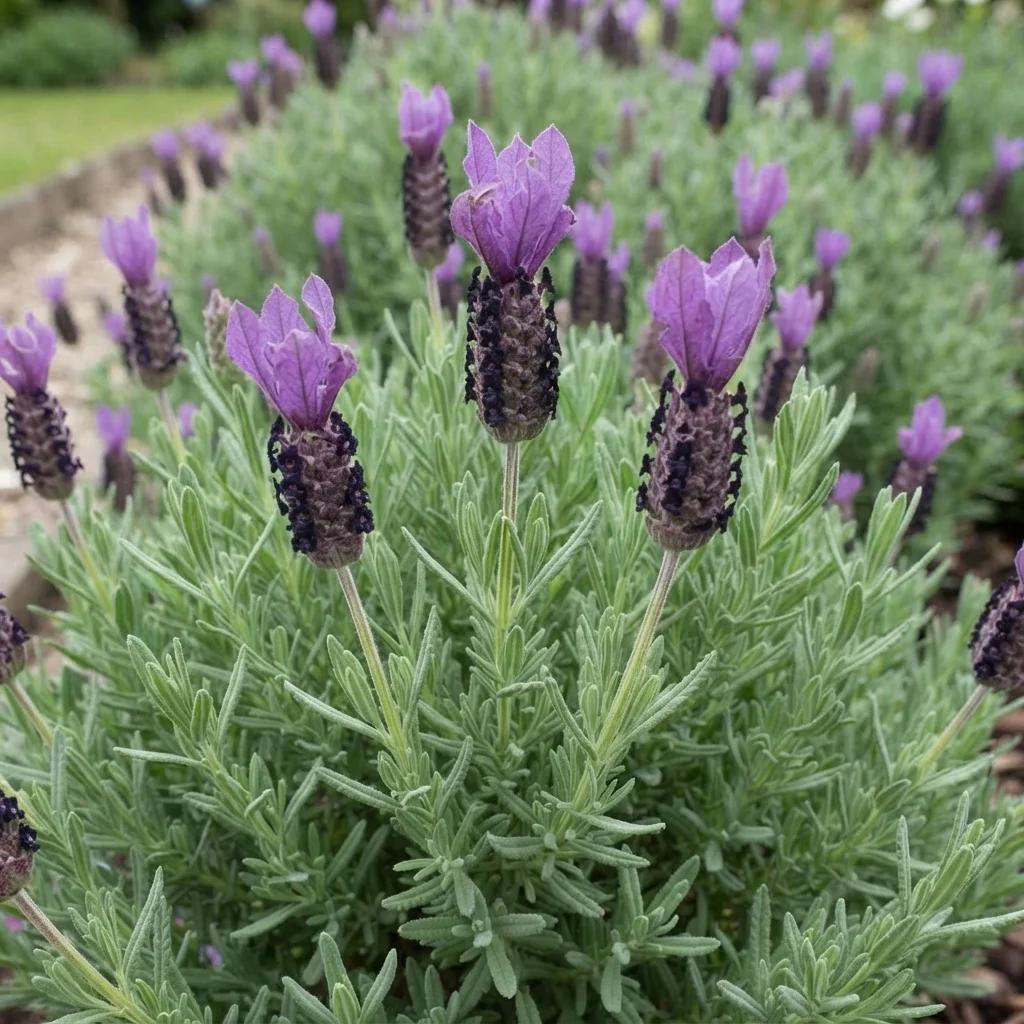 ‘Major’Spanish Lavender 'Major'
The Story
Plant Bio
Lavandula stoechas, commonly known as Spanish lavender, is known for its unique flower spikes and aromatic foliage. It is drought-tolerant and attracts pollinators.
This species features distinct purple flower bracts that are often described as looking like a tufted crown, setting it apart from other lavender species.
Uses & Benefits:
Essentials
At a Glance
Plant Type
Shrub
Height
24"
Width
30"
Light
Full Sun
Zones
8, 9, 10
Water
Low
Humidity
Low to moderate
Lifespan
Perennial
Native To
Mediterranean region
Toxicity
Toxic to cats and dogs if ingested.
Planting
How to Grow
- Choose a sunny location with well-draining soil to plant lavender.
- Tuck seeds or cuttings into the soil, spacing 12-18 inches apart.
- Water sparingly after planting to encourage root development.
- Mist cuttings regularly to maintain humidity and promote rooting.
- Transplant young plants after the first year for best growth.
- Mulch lightly to suppress weeds and retain moisture during the first growing season.
Pro Tip
Ensure excellent drainage and full sun exposure for thriving lavender plants.
Keep It Thriving
Care Guide
Do
- Water deeply but infrequently to prevent root rot 🌱
- Prune after flowering to maintain shape and encourage new growth ✂️
- Apply a light layer of gravel or sand to improve drainage
- Fertilize with a balanced, low-nitrogen fertilizer in spring
Don't
- Avoid overwatering, which can cause root rot ❌
- Don’t prune in late fall or winter, as it can damage new growth ❌
- Refrain from using heavy, nitrogen-rich fertilizers ❌
- Never plant in poorly drained soil
Seasonal Care Calendar
| Task | Jan | Feb | Mar | Apr | May | Jun | Jul | Aug | Sep | Oct | Nov | Dec |
|---|---|---|---|---|---|---|---|---|---|---|---|---|
| Deadhead | ||||||||||||
| Plant | ||||||||||||
| Propagate | ||||||||||||
| Prune |
Watch Out For
Pests & Diseases
Common Pests
Common Diseases
In the Garden
Landscape Uses & Companions
Landscape Uses
Multiply
Propagation Methods
Good to Know
Common Questions
Spanish Lavender questions
What zones can Spanish Lavender grow in?
Spanish Lavender is hardy in USDA Zones 8–10. Inside that range it survives winter in the ground; outside it, grow it as an annual or a container plant you protect.
Is Spanish Lavender deer resistant?
Yes — Spanish Lavender is rated deer-resistant. Deer typically pass it over, though extreme hunger can override any plant's defenses.
When does Spanish Lavender bloom?
Spanish Lavender typically blooms in late spring to summer through late summer. Exact timing shifts a week or two with your zone — Sow's bloom calendar maps it to your garden.
Does Spanish Lavender need full sun?
Spanish Lavender does best in full sun (6+ hours).
Is Spanish Lavender drought tolerant?
Yes — once established (usually after the first full season), Spanish Lavender handles dry spells with minimal watering. Water deeply its first year to build the root system that makes that possible.
More Lavandula to compare
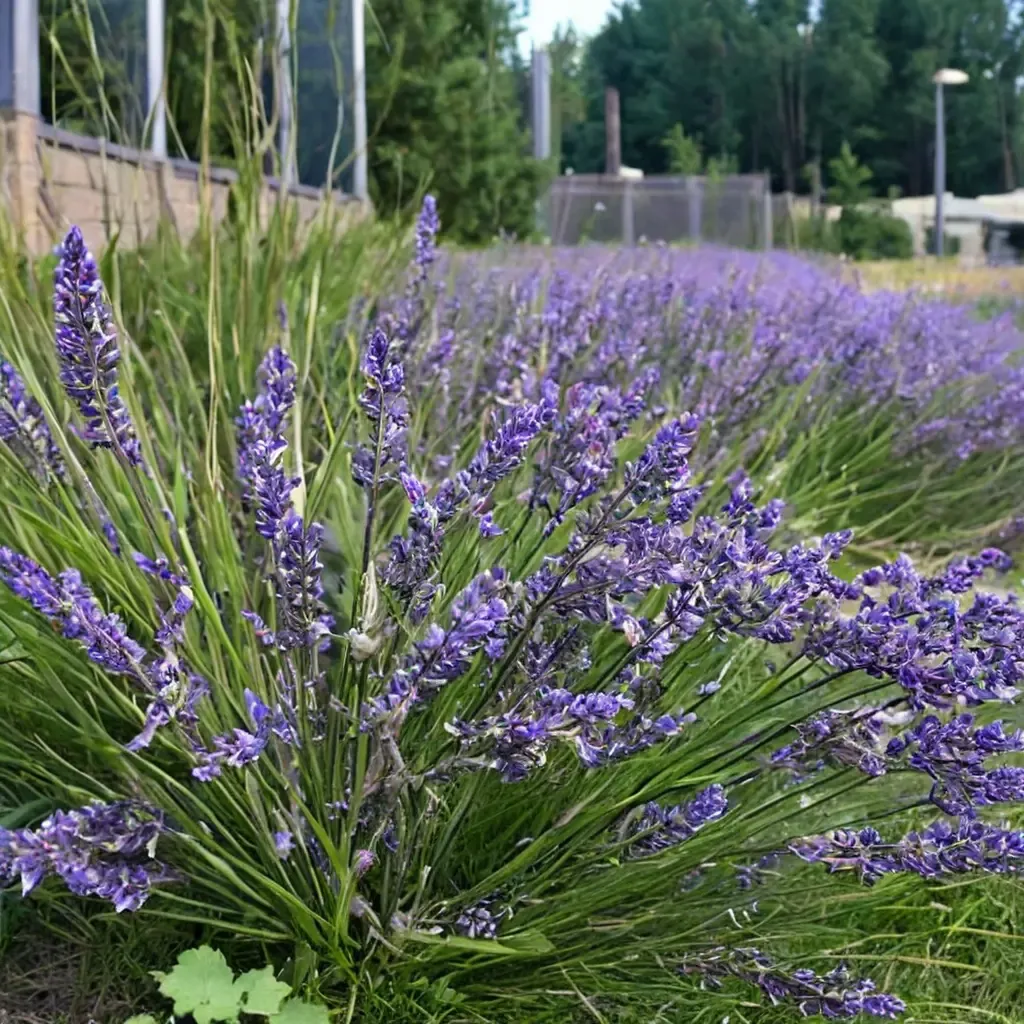
Phenomenal Lavender
Lavandula x intermedia 'Phenomenal'
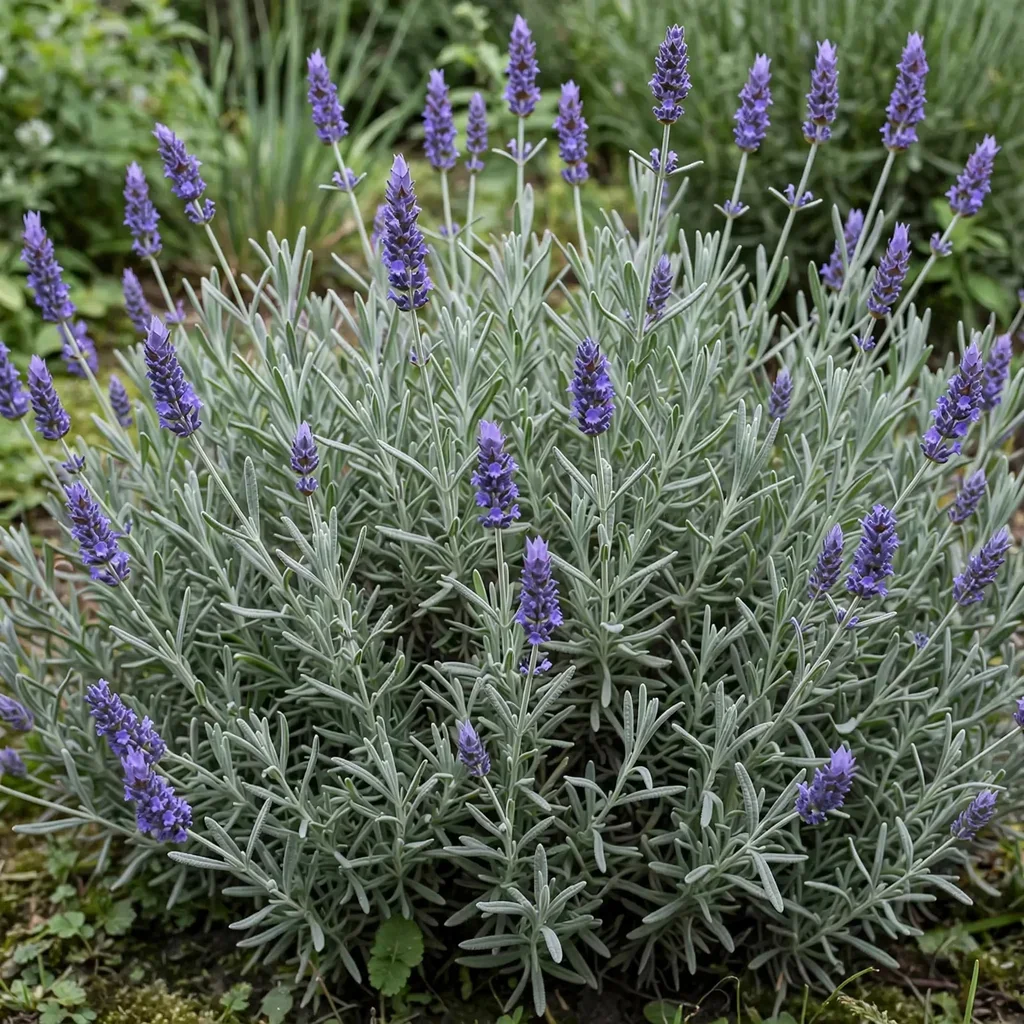
Munstead Lavender
Lavandula angustifolia 'Munstead'
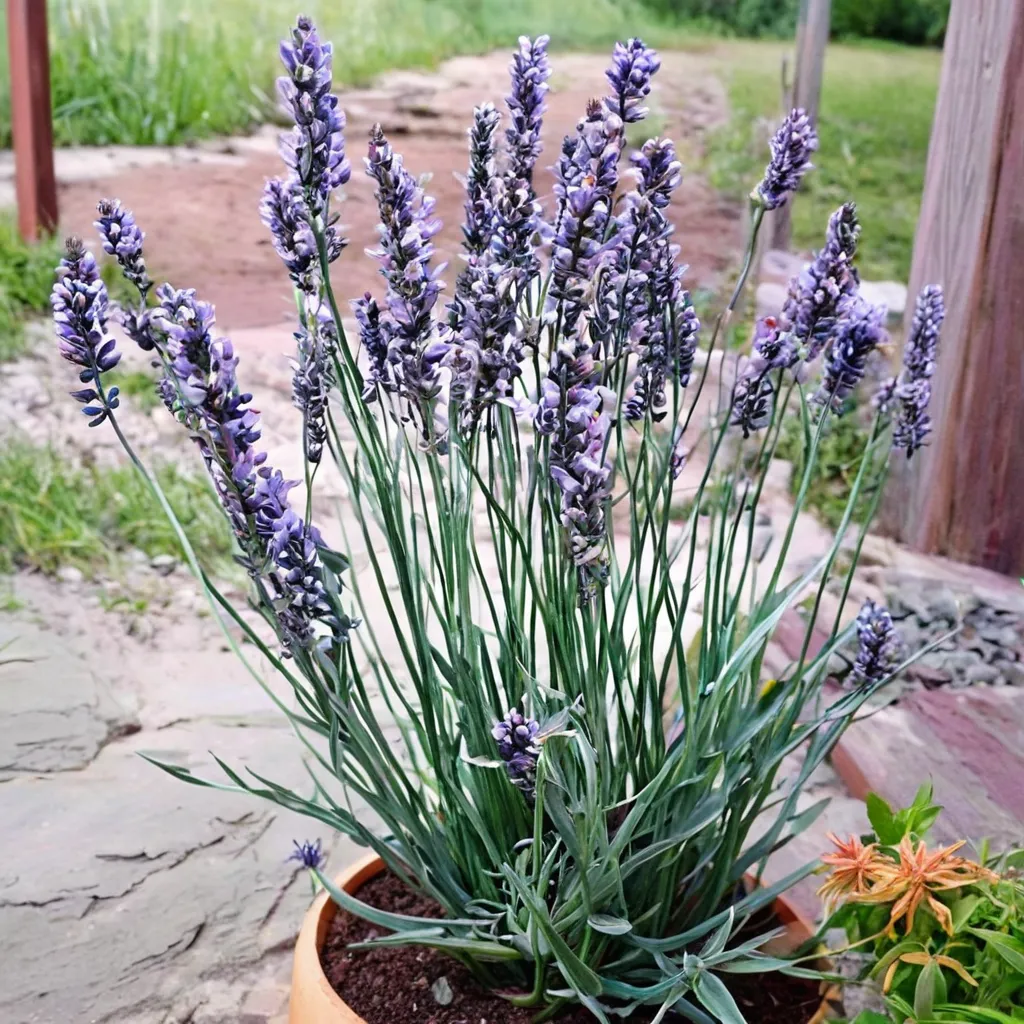
Lavender Sensational
Lavandula angustifolia 'Sensational'
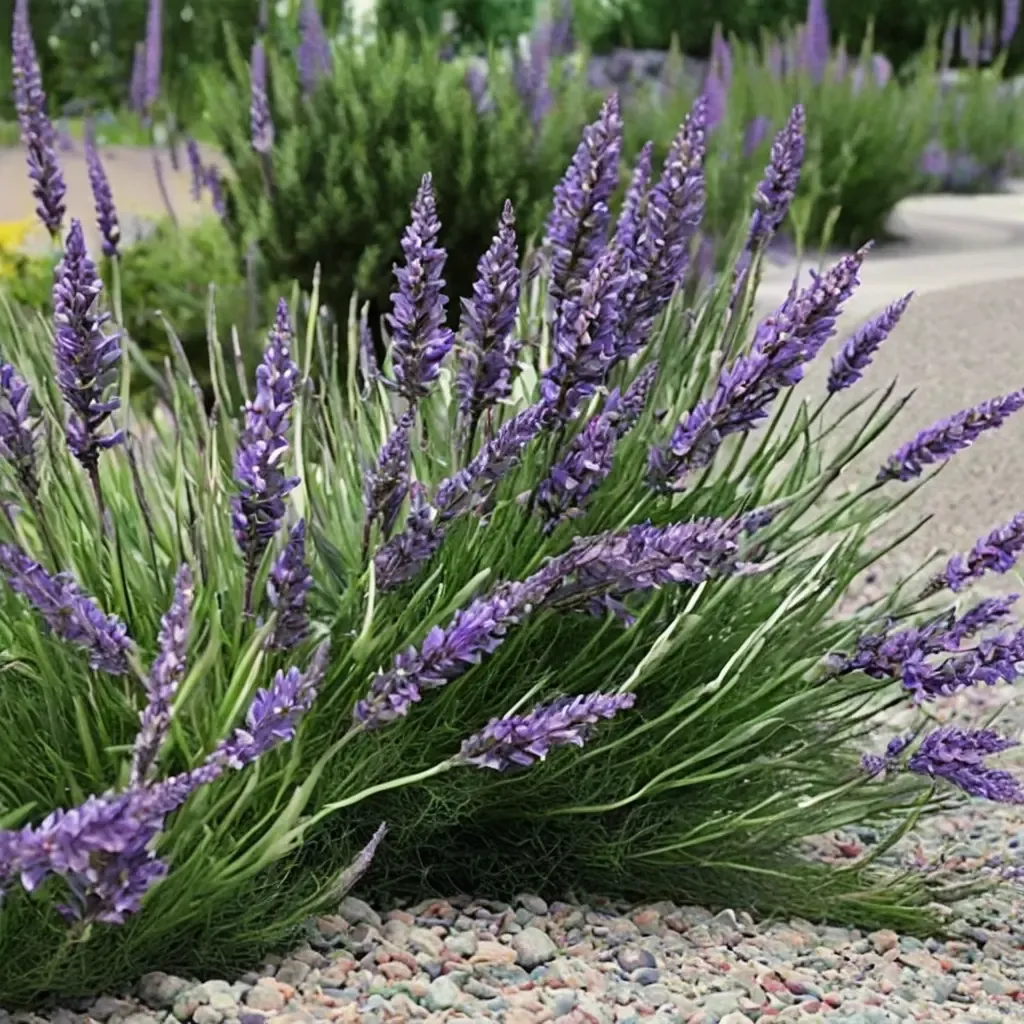
Grosso Lavender
Lavandula x hybrida 'Grosso'
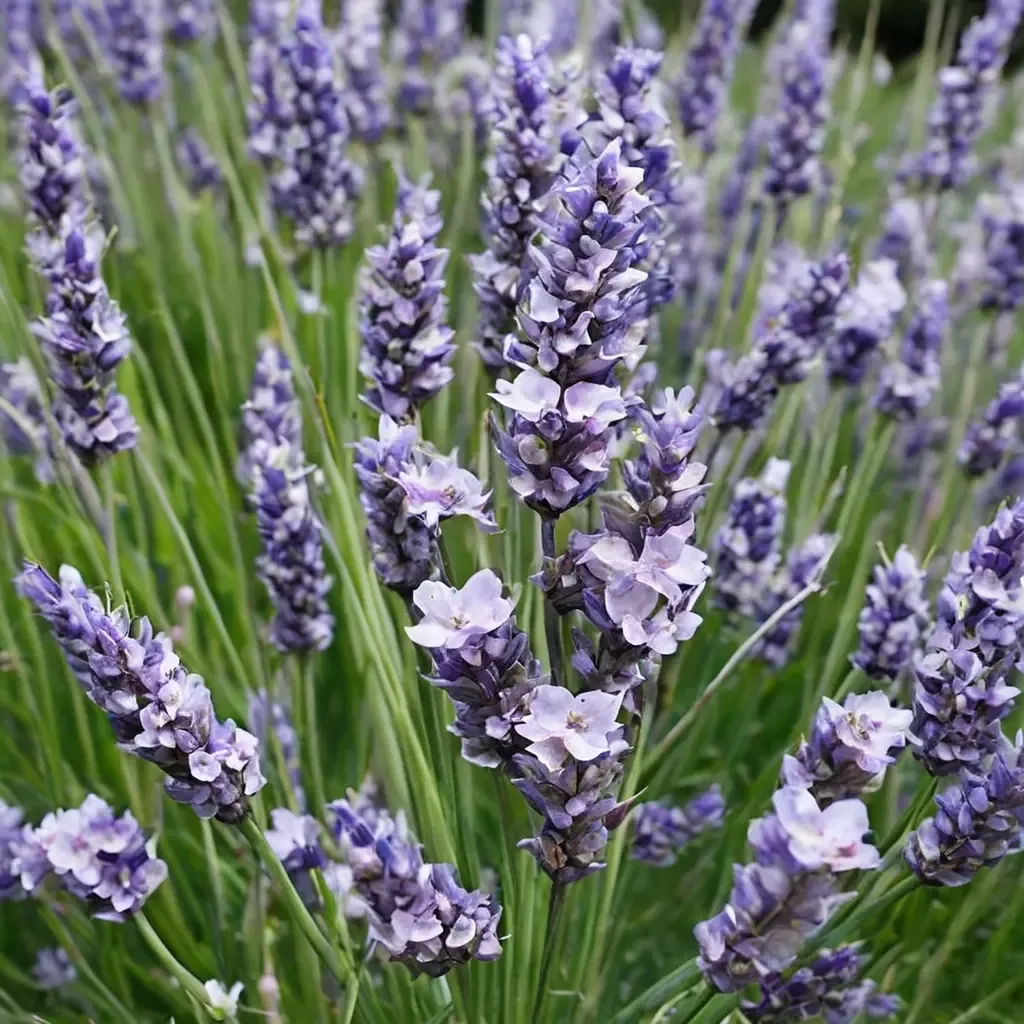
Melissa Lilac Lavender
Lavandula angustifolia 'Melissa Lilac'
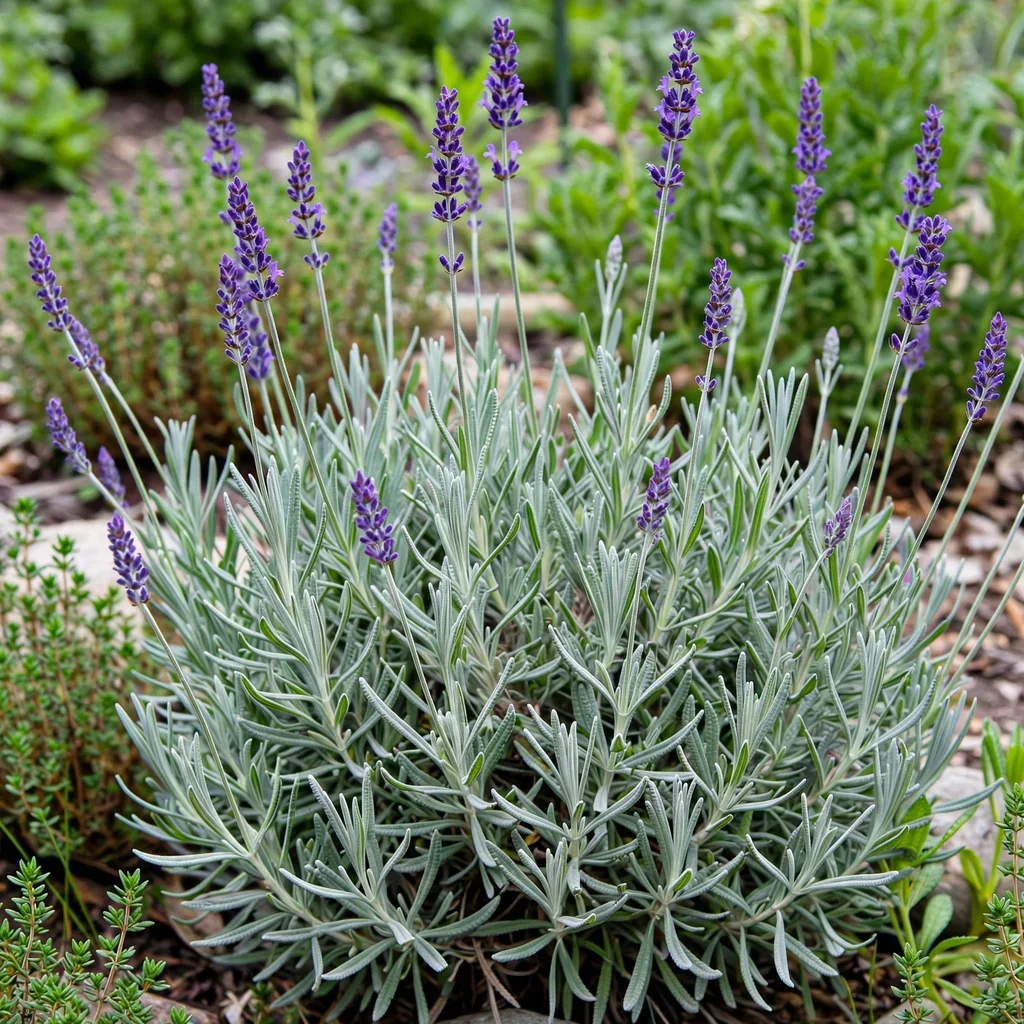
English Lavender
Lavandula angustifolia
Keep exploring
Explore the genus
Hardy in your zone?
Grow Spanish Lavender with confidence
See it in a design of your actual yard, get zone-matched care reminders, and track it season by season in your garden journal.