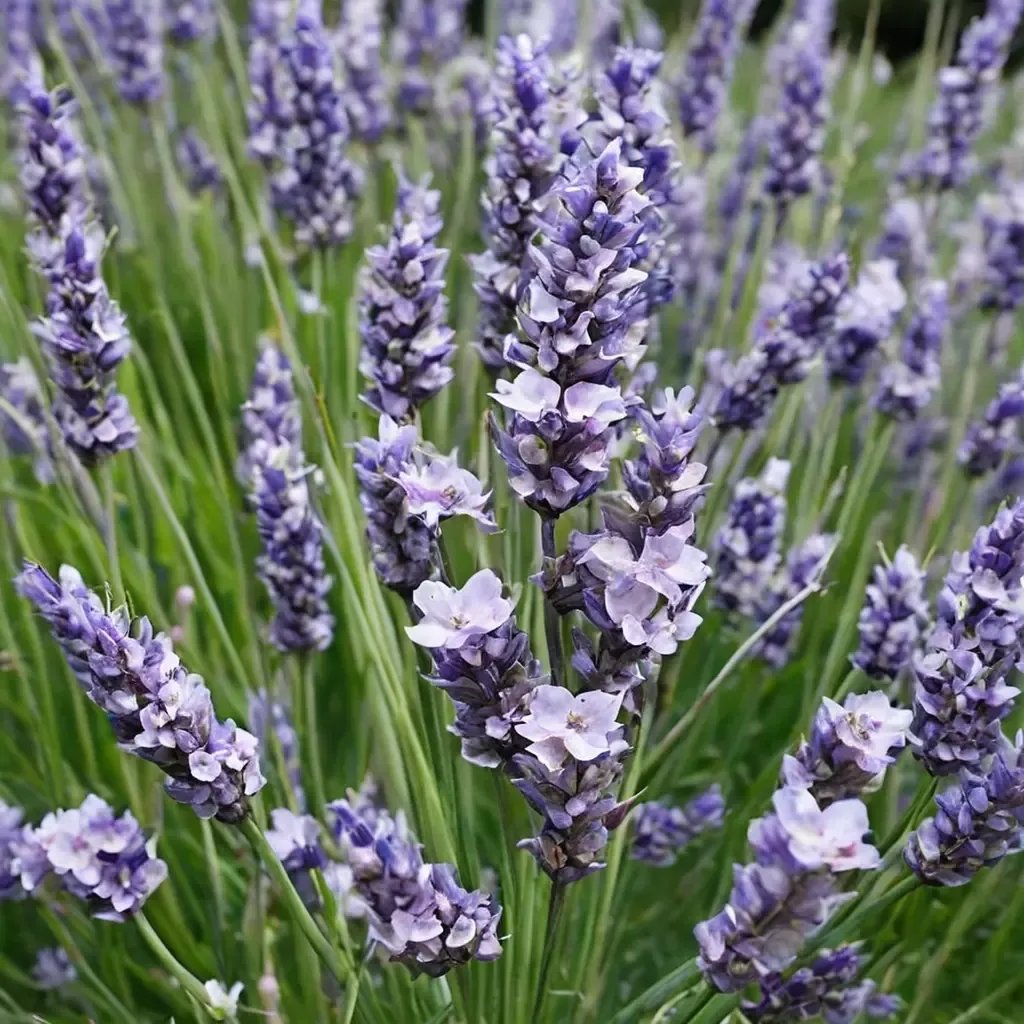
Species
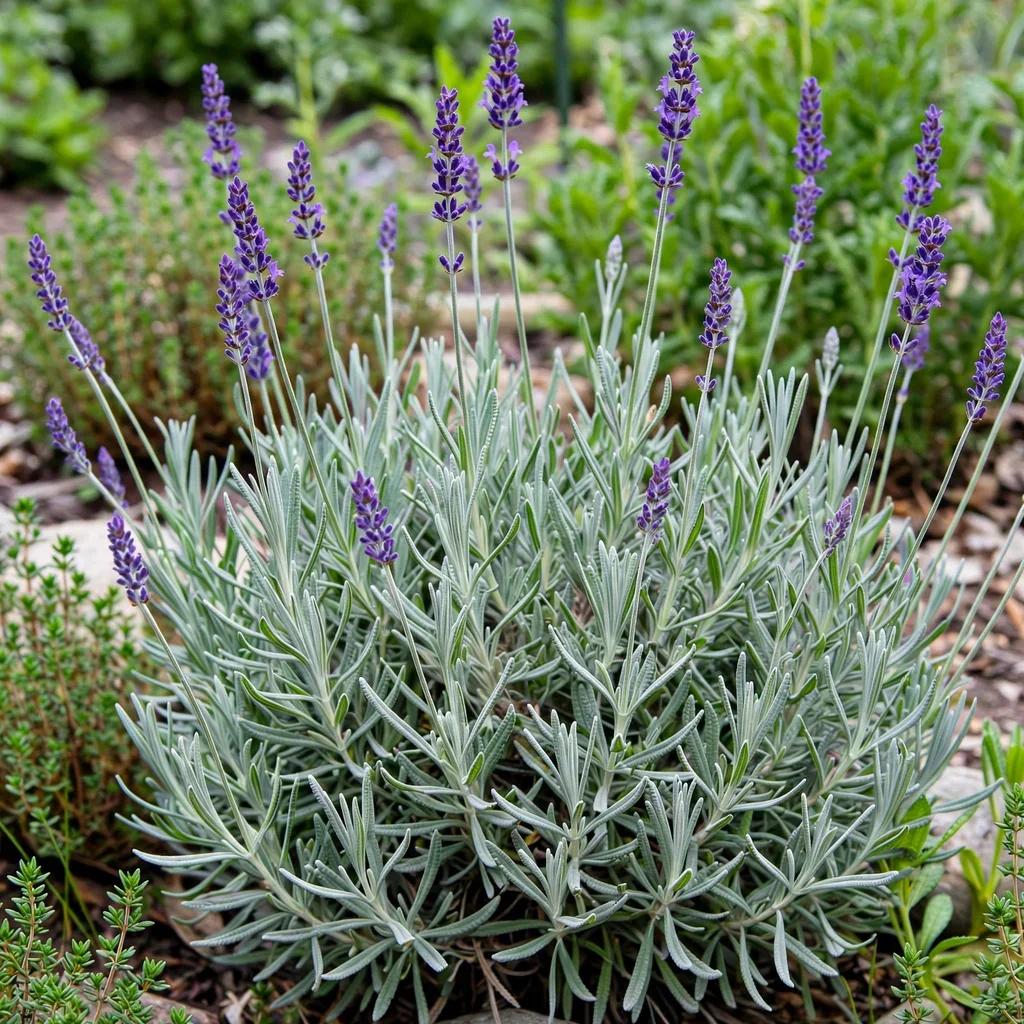 Lavandula angustifoliaEnglish Lavender
24 other cultivars
 ‘Munstead’Munstead Lavender
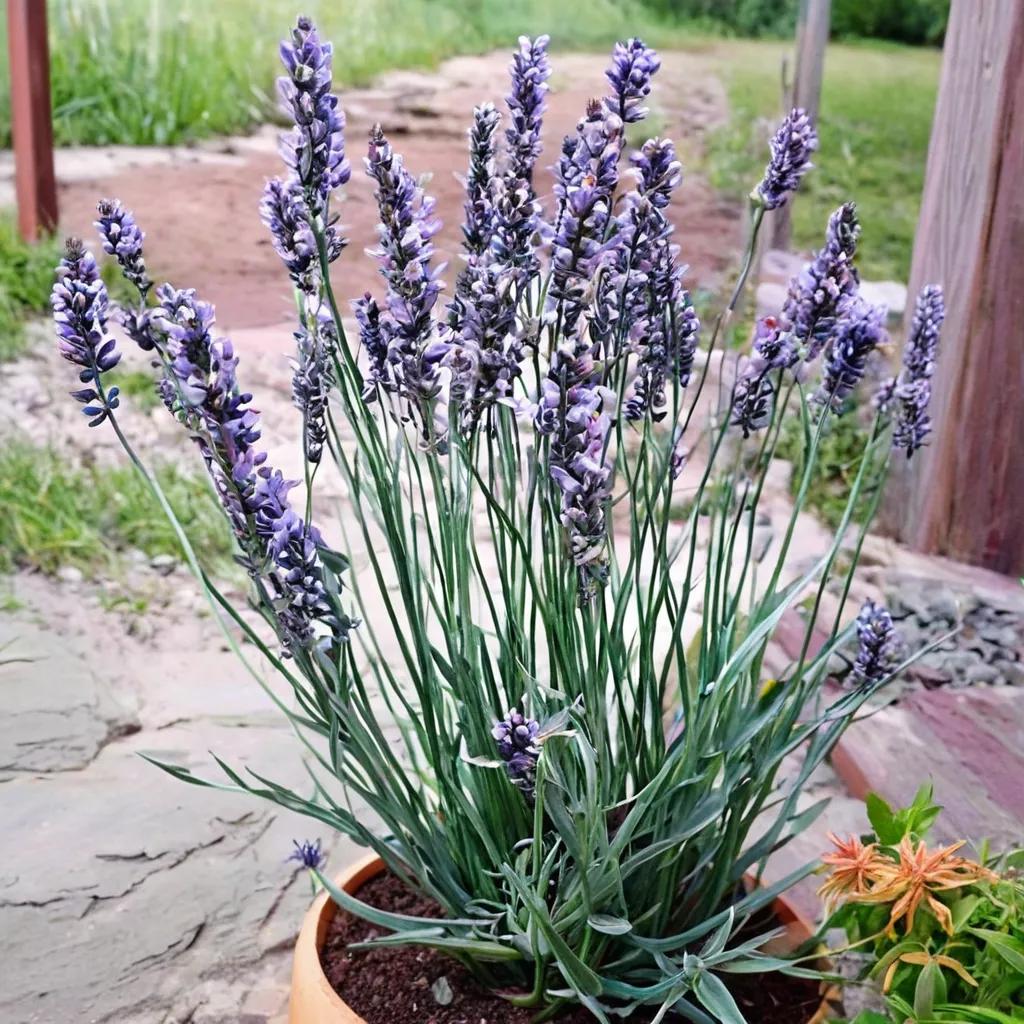 ‘Sensational’Lavender Sensational
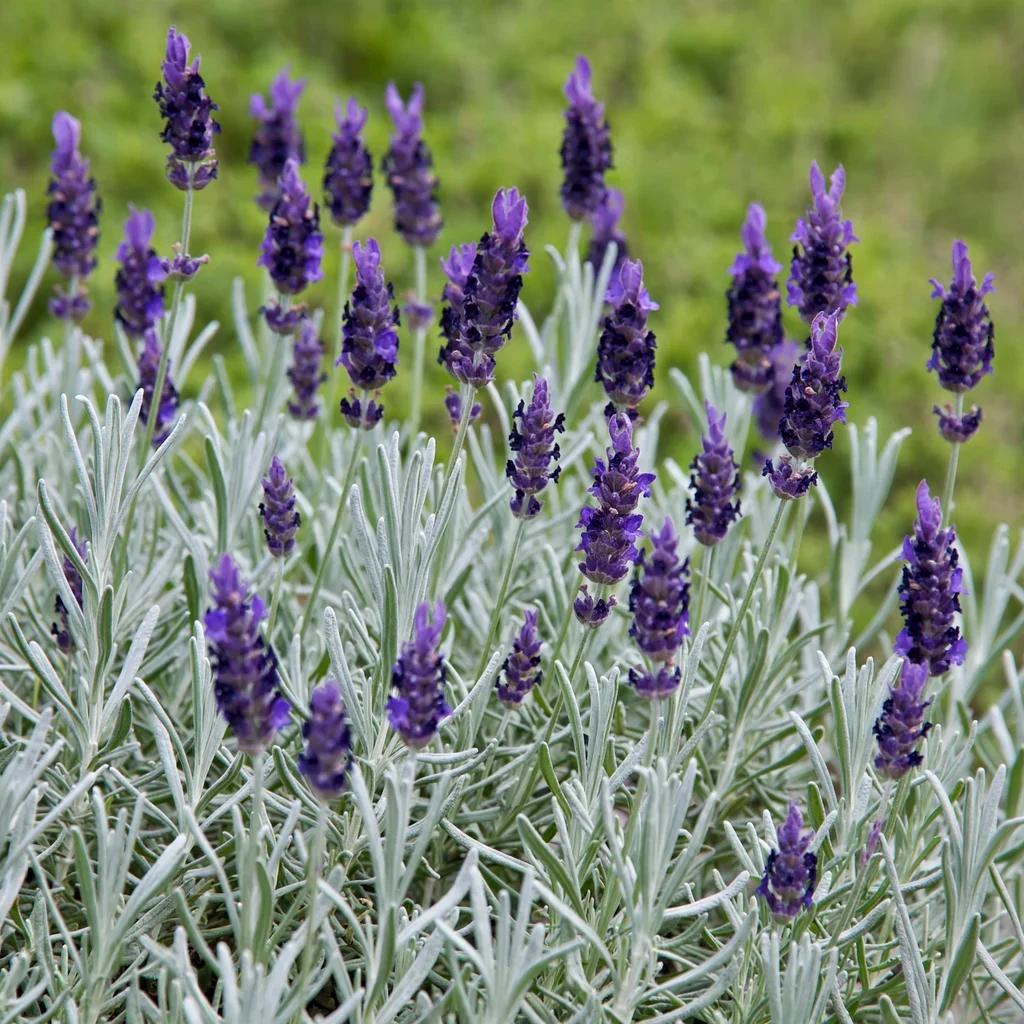 ‘Hidcote’Hidcote Lavender
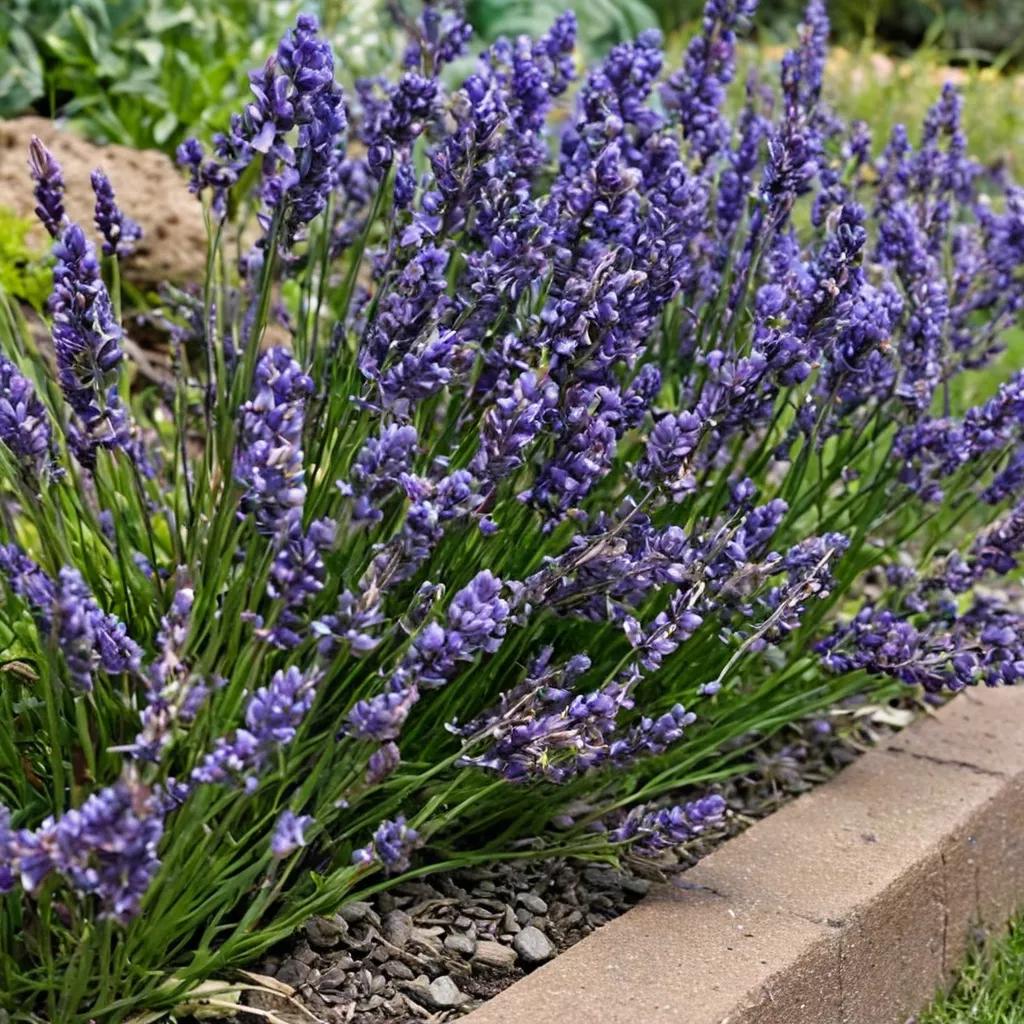 ‘SuperBlue’English Lavender Lavender
 ‘Folgate’Folgate Lavender
 ‘Blue Fragrant’Blue Fragrant Lavender
 ‘Betty’'Betty's Blue' English Lavender
 ‘Thumbelina Leigh’Thumbelina Leigh Lavender
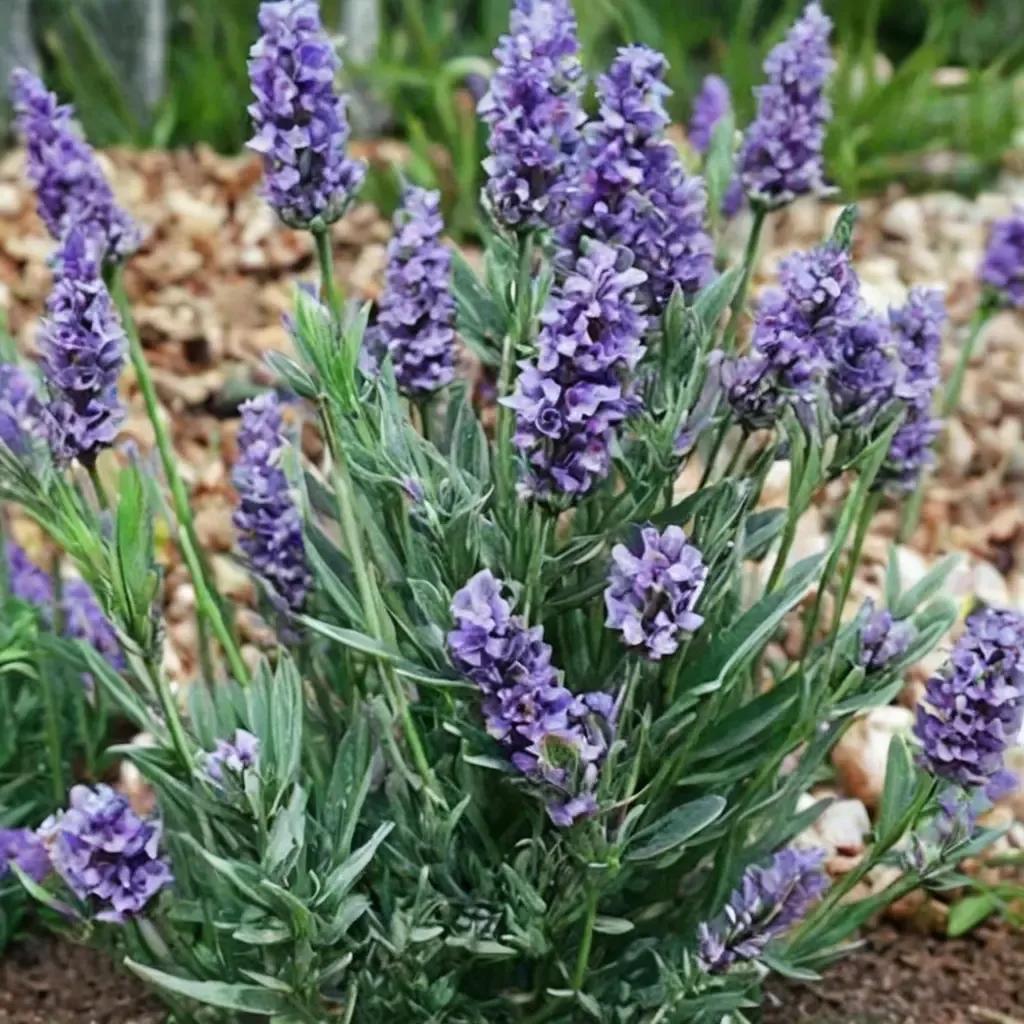 ‘Lavenite Petite’Lavenite Petite Lavender
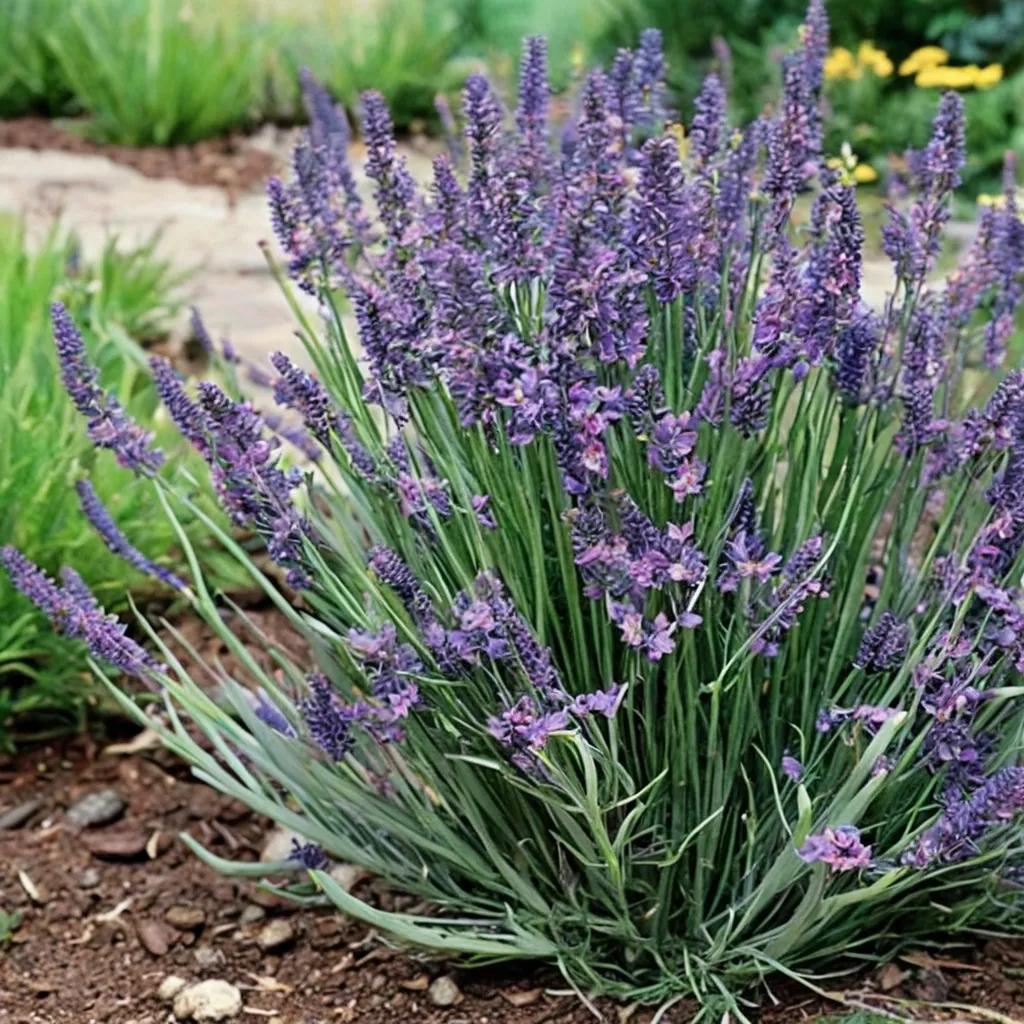 ‘Hidcote Superior’Lavender Hidcote Superior
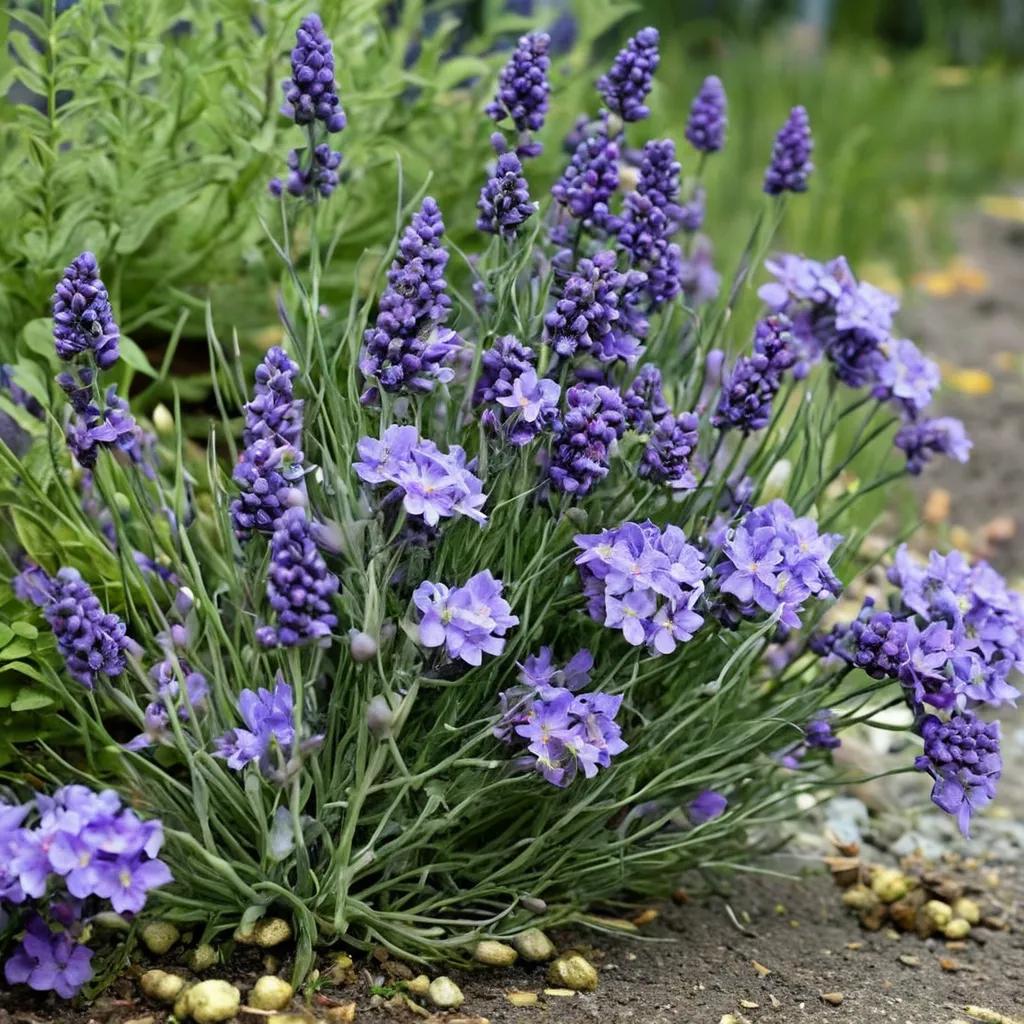 ‘Sweet Romance’Sweet Romance English Lavender
 ‘Ellagance Purple’Lavender Ellagance Purple
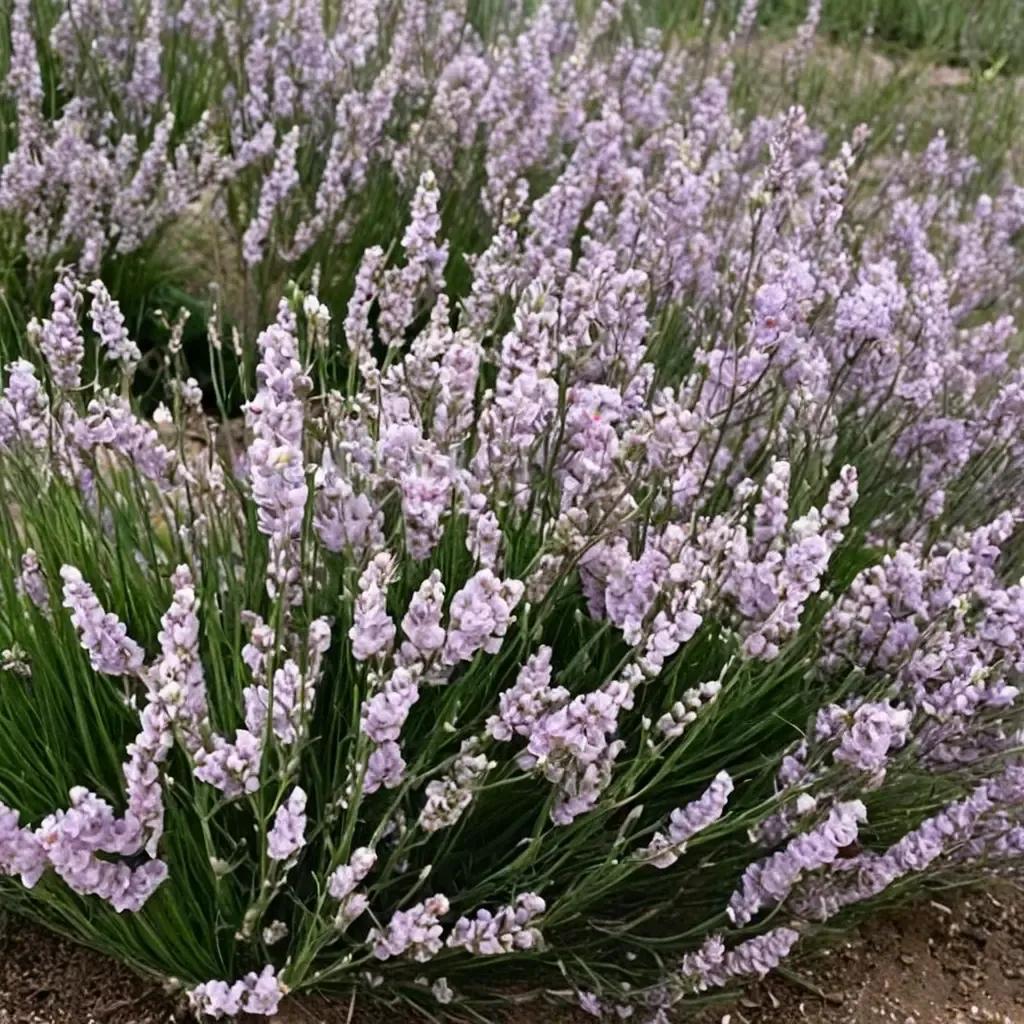 ‘Miss Katherine’Miss Katherine Lavender
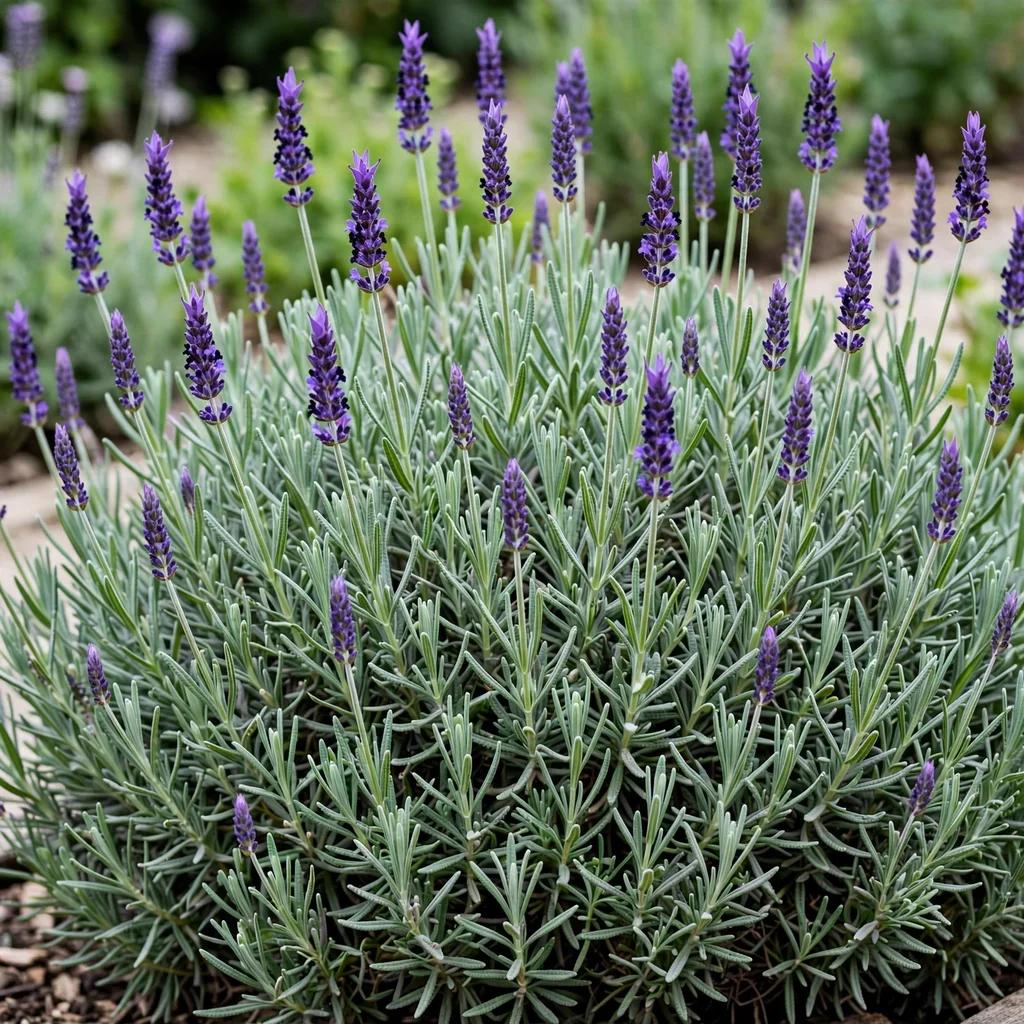 ‘Royal Velvet’Royal Velvet English Lavender
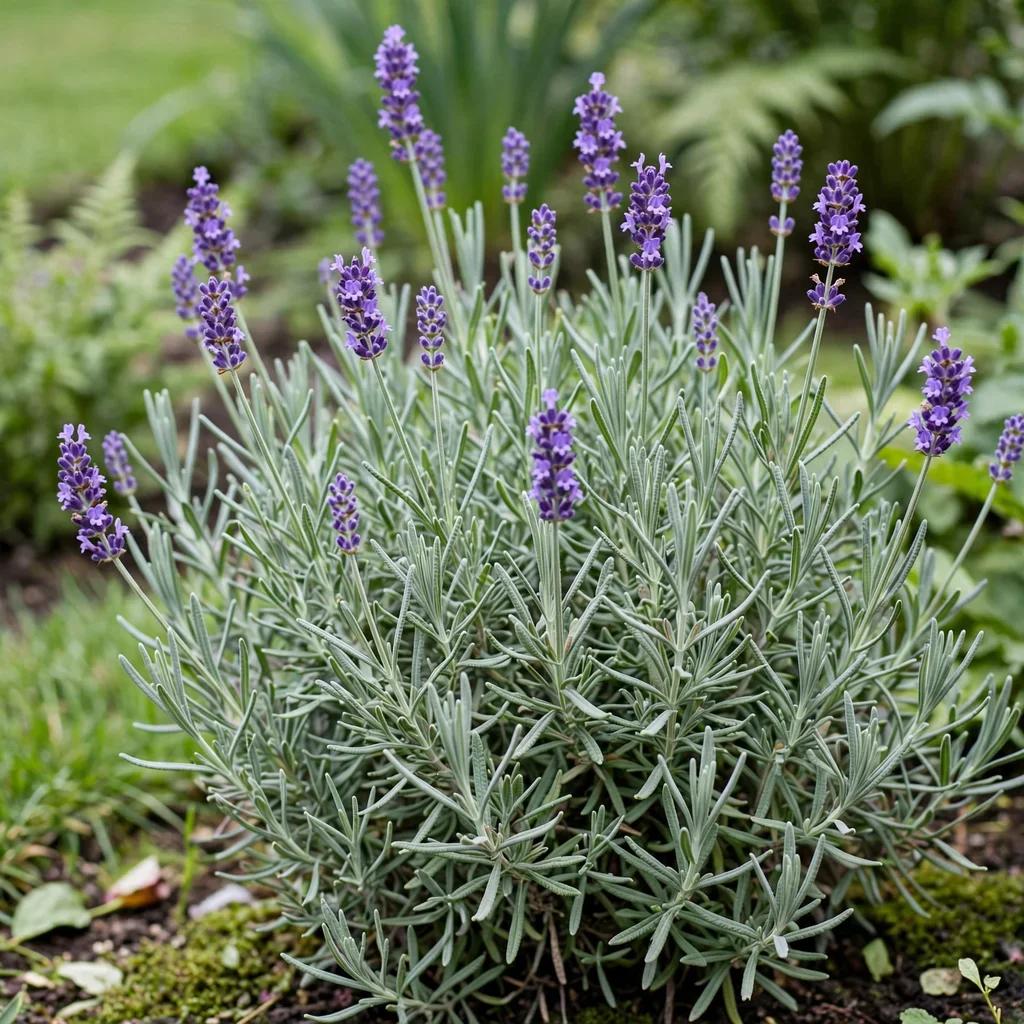 ‘Julia’Julia Lavender
 ‘Platinum Blonde’Lavender Platinum Blonde
 ‘Imperial Gem’Lavender Imperial Gem
 ‘Blue Spear’Lavender Blue Spear
 ‘Nana Alba’Dwarf White Lavender
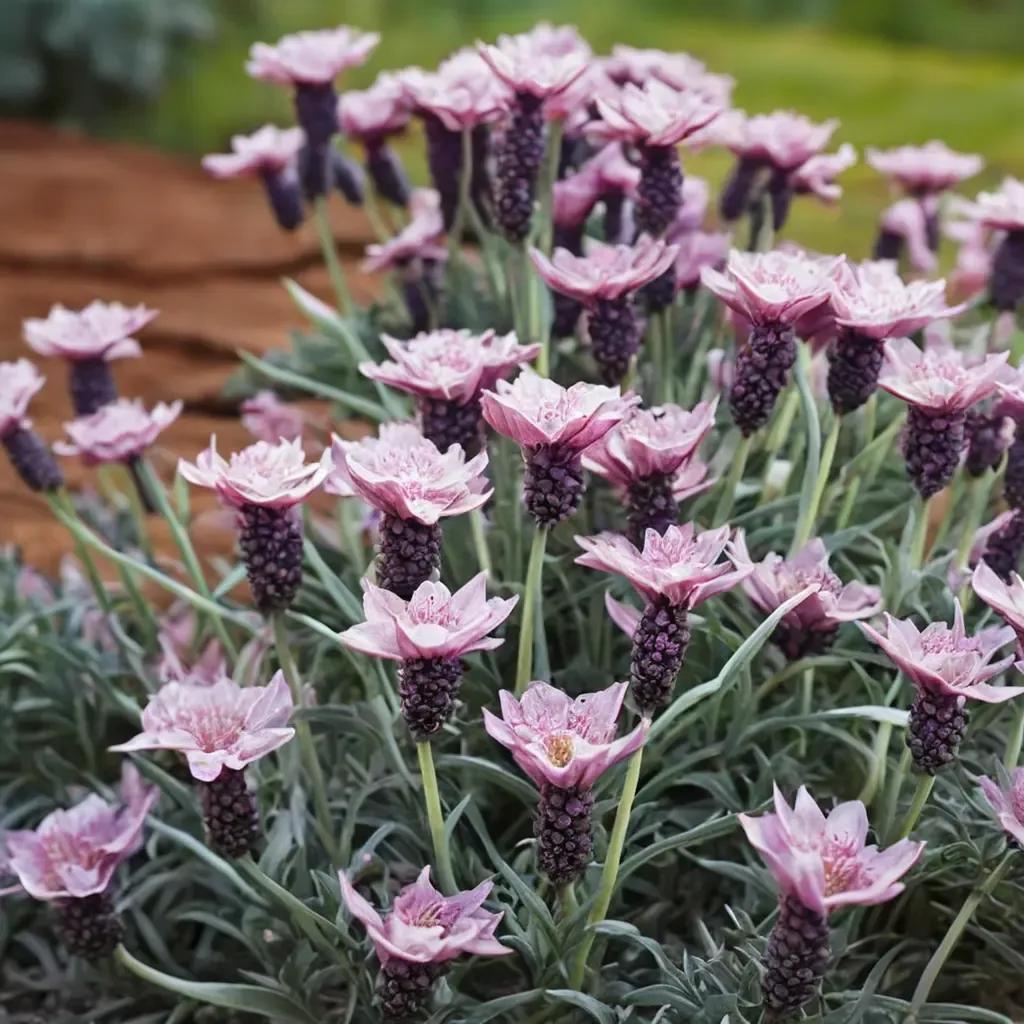 ‘Ghostly Princess’Ghostly Princess Spanish Lavender
 ‘Alba’White English Lavender
 ‘Essence Purple’English Lavender
 ‘Hidcote Blue’English Lavender
 ‘Rosea’English Lavender
The Story
Plant Bio
A compact, aromatic variety of lavender with a dense habit and short spikes of lilac flowers.
Known for its unique color and fragrance, making it suitable for both ornamental and culinary uses.
Uses & Benefits:
Essentials
At a Glance
Plant Type
Shrub
Height
24"
Width
24"
Light
Full Sun
Zones
5, 6, 7, 8, 9
Water
Low
Humidity
Low to moderate
Lifespan
5-10 years
Native To
Mediterranean
Toxicity
Toxic to pets if ingested
Bloom period
Early summer – Late summer
In flower about 3 months of the year
Planting
How to Grow
- Tuck seeds or cuttings into well-draining soil in spring.
- Water sparingly until established, then reduce frequency.
- Prune lightly after flowering to maintain shape.
- Fertilize with a low-nitrogen fertilizer in early spring.
- Mulch around base to conserve moisture and suppress weeds.
- Transplant in early spring or fall for best results.
Pro Tip
Ensure excellent drainage to prevent root rot and promote healthy growth.
Keep It Thriving
Care Guide
Do
- Provide full sun for at least 6 hours daily 🌞
- Prune after flowering to encourage bushiness ✂️
- Water sparingly once established 💧
- Use well-draining sandy or gravelly soil
- Apply a light fertilizer in spring
Don't
- Overwater, which can cause root rot ❌
- Plant in heavy clay soil without amendments ❌
- Prune in late fall or winter ❌
- Allow soil to remain waterlogged ❌
- Neglect pruning after flowering
Seasonal Care Calendar
| Task | Jan | Feb | Mar | Apr | May | Jun | Jul | Aug | Sep | Oct | Nov | Dec |
|---|---|---|---|---|---|---|---|---|---|---|---|---|
| Fertilize | ||||||||||||
| Harvest | ||||||||||||
| Prune |
Watch Out For
Pests & Diseases
Common Pests
Common Diseases
In the Garden
Landscape Uses & Companions
Landscape Uses
Multiply
Propagation Methods
Good to Know
Common Questions
Melissa Lilac Lavender questions
What zones can Melissa Lilac Lavender grow in?
Melissa Lilac Lavender is hardy in USDA Zones 5–9. Inside that range it survives winter in the ground; outside it, grow it as an annual or a container plant you protect.
Is Melissa Lilac Lavender deer resistant?
Yes — Melissa Lilac Lavender is rated deer-resistant. Deer typically pass it over, though extreme hunger can override any plant's defenses.
When does Melissa Lilac Lavender bloom?
Melissa Lilac Lavender typically blooms in early summer through late summer. Exact timing shifts a week or two with your zone — Sow's bloom calendar maps it to your garden.
Does Melissa Lilac Lavender need full sun?
Melissa Lilac Lavender does best in full sun (6+ hours).
Is Melissa Lilac Lavender drought tolerant?
Yes — once established (usually after the first full season), Melissa Lilac Lavender handles dry spells with minimal watering. Water deeply its first year to build the root system that makes that possible.
More Lavandula to compare
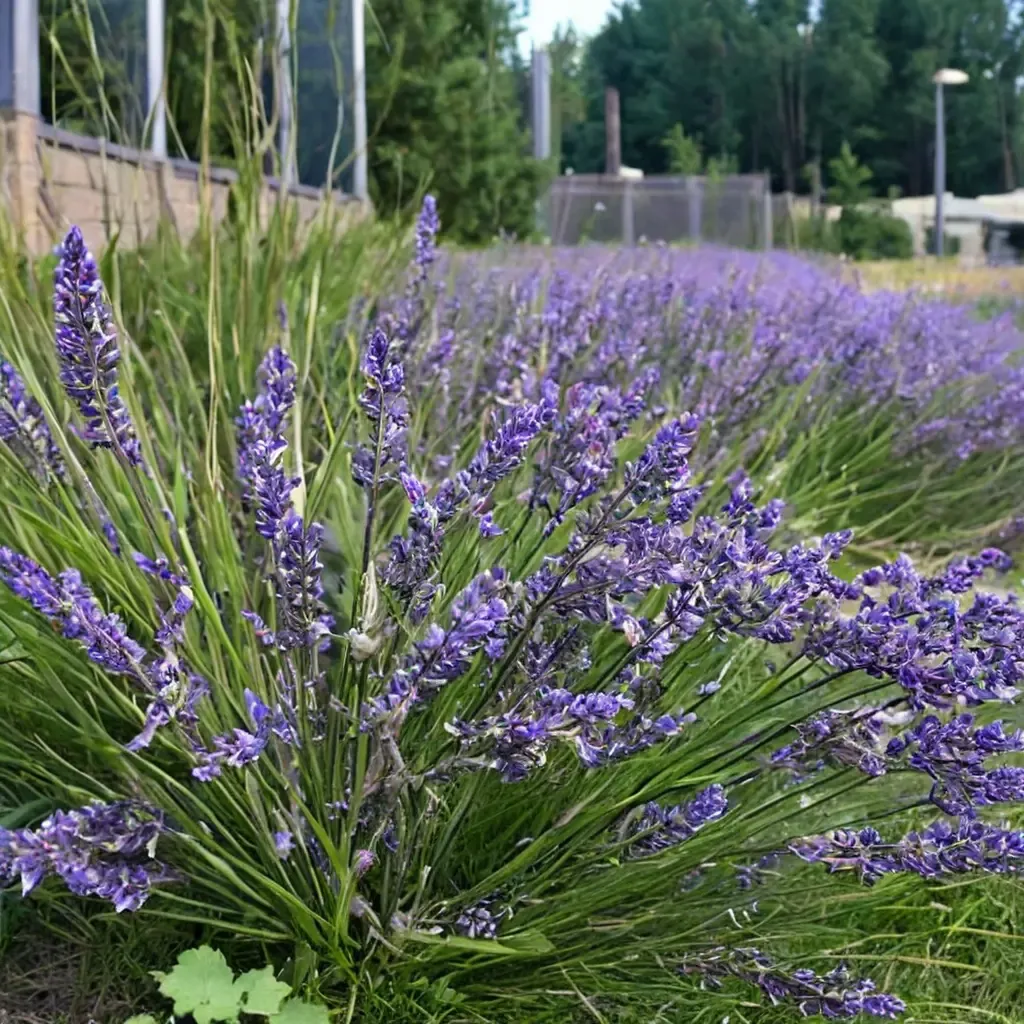
Phenomenal Lavender
Lavandula x intermedia 'Phenomenal'
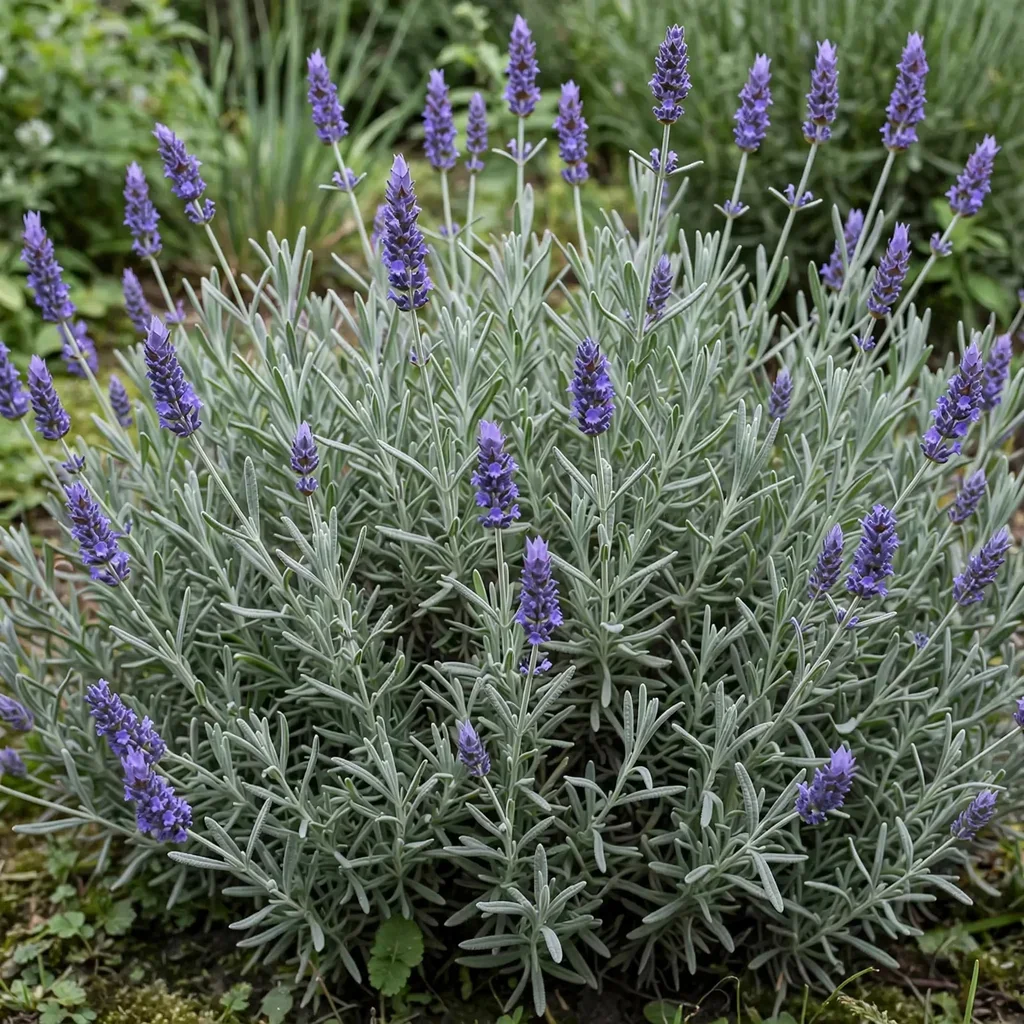
Munstead Lavender
Lavandula angustifolia 'Munstead'
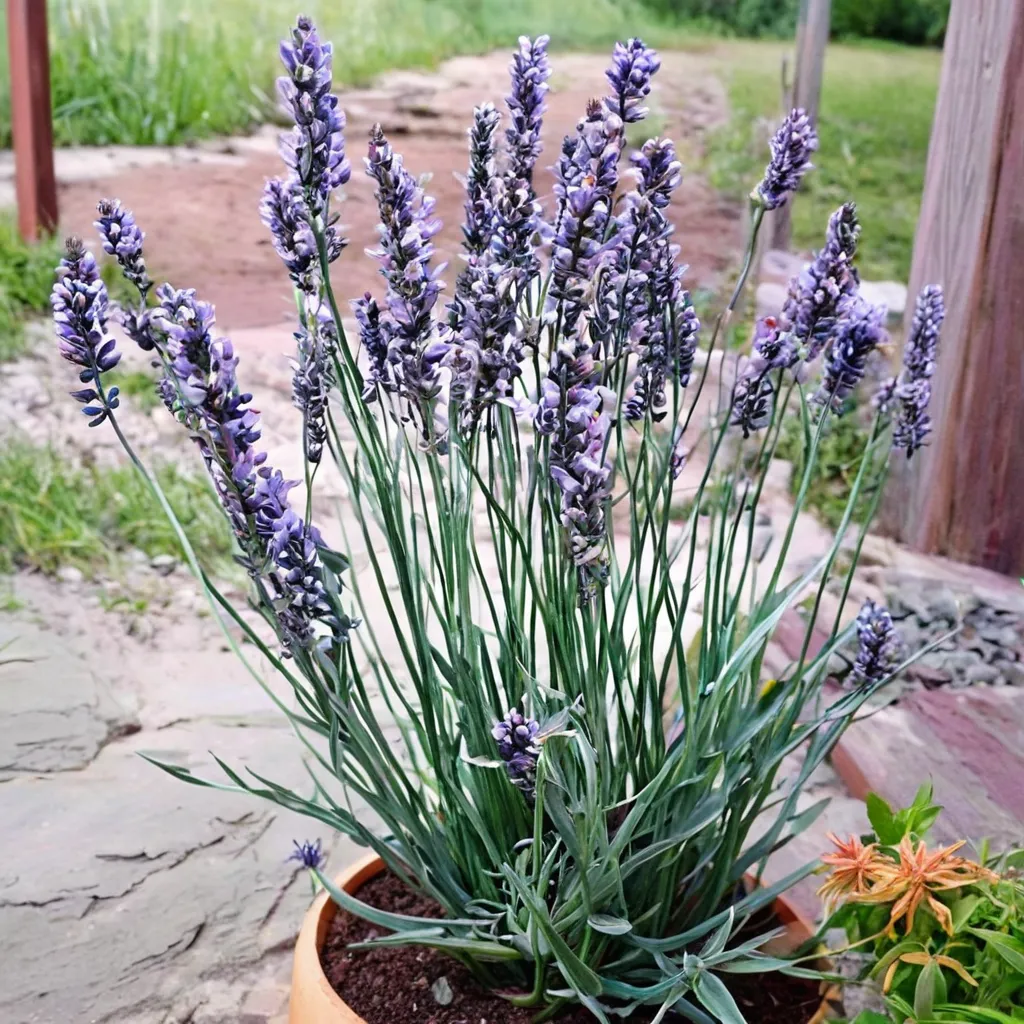
Lavender Sensational
Lavandula angustifolia 'Sensational'
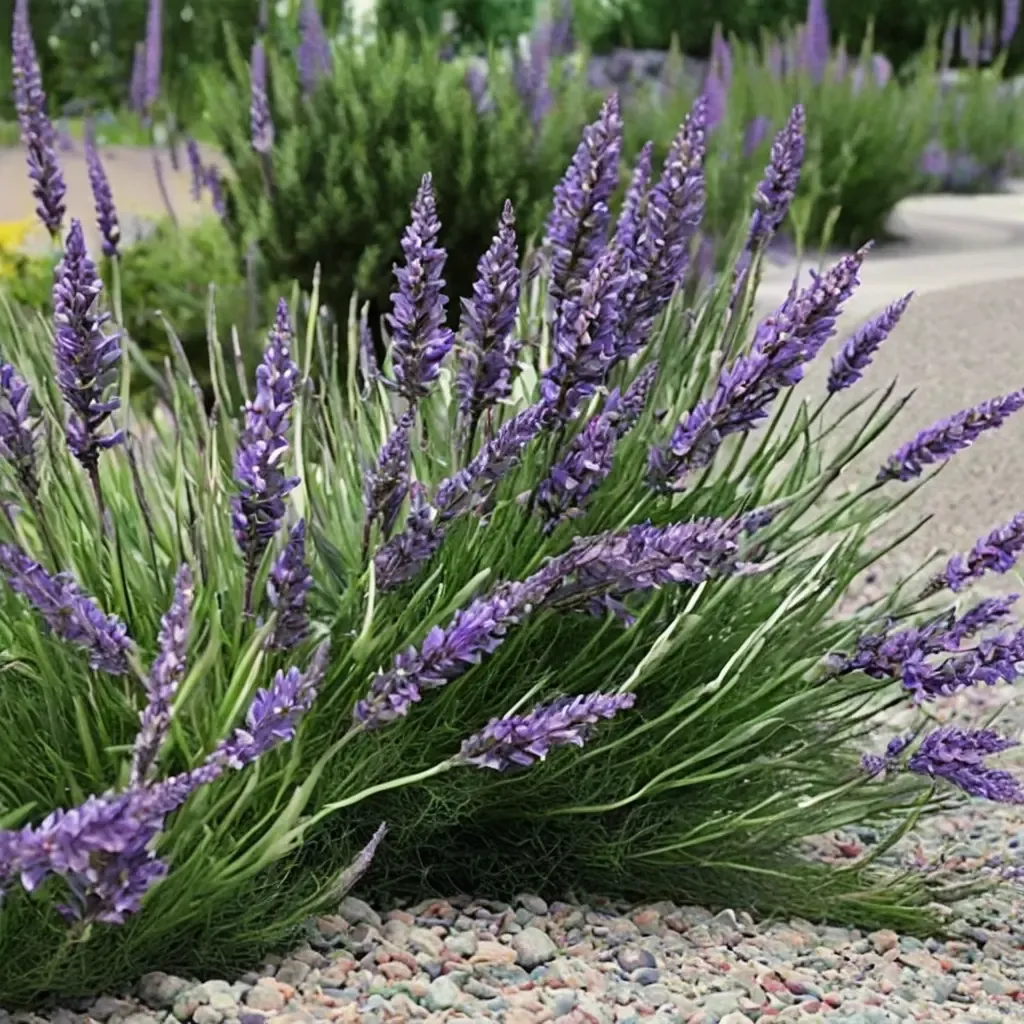
Grosso Lavender
Lavandula x hybrida 'Grosso'
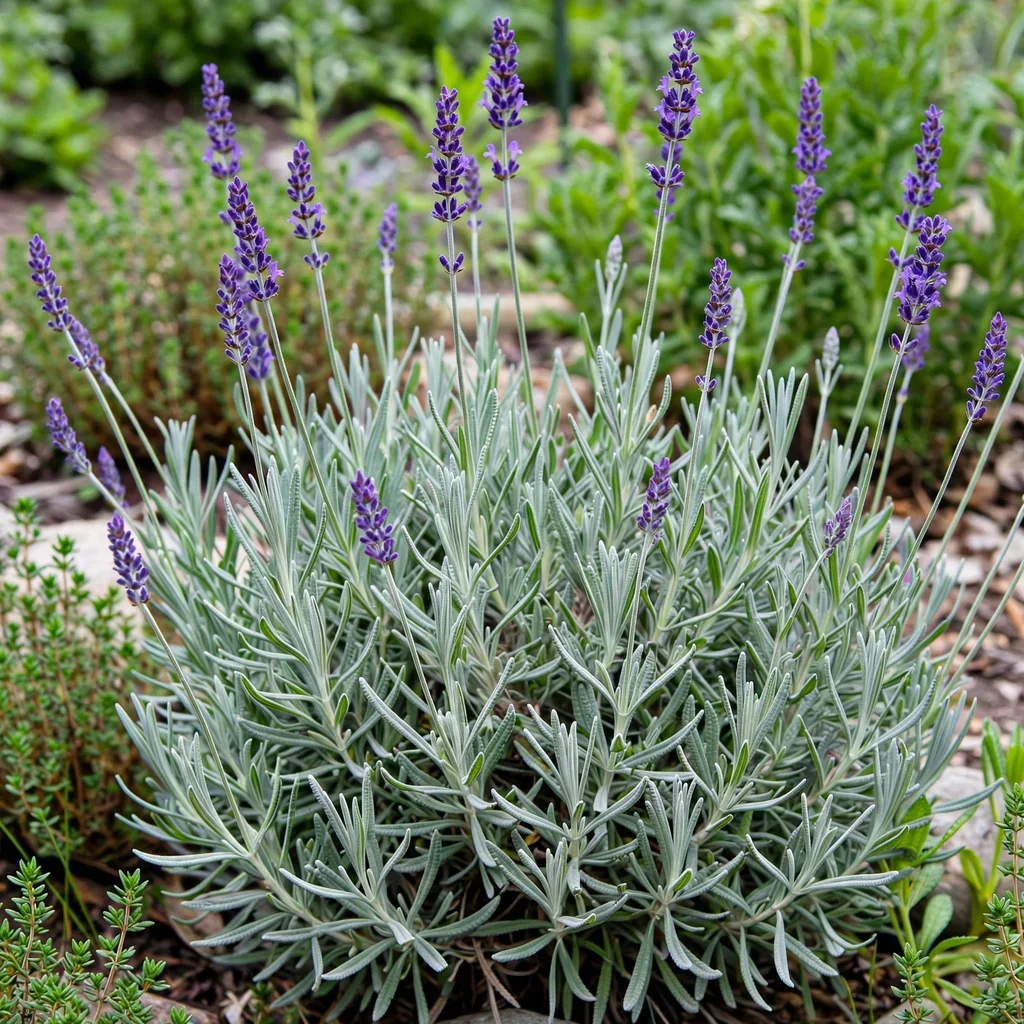
English Lavender
Lavandula angustifolia
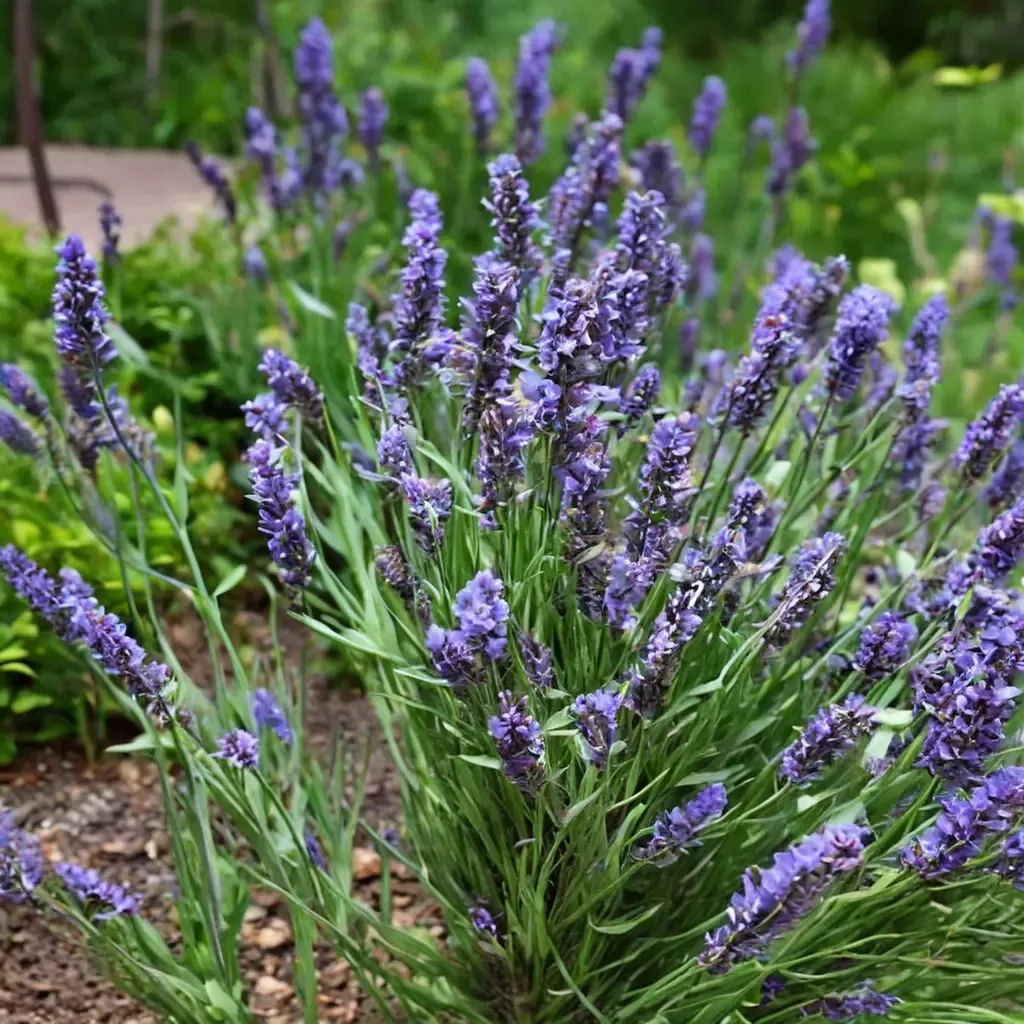
Provence Lavender
Lavandula x hybrida 'Provence'
Keep exploring
Explore the genus
Hardy in your zone?
Grow Melissa Lilac Lavender with confidence
See it in a design of your actual yard, get zone-matched care reminders, and track it season by season in your garden journal.