The Story
Plant Bio
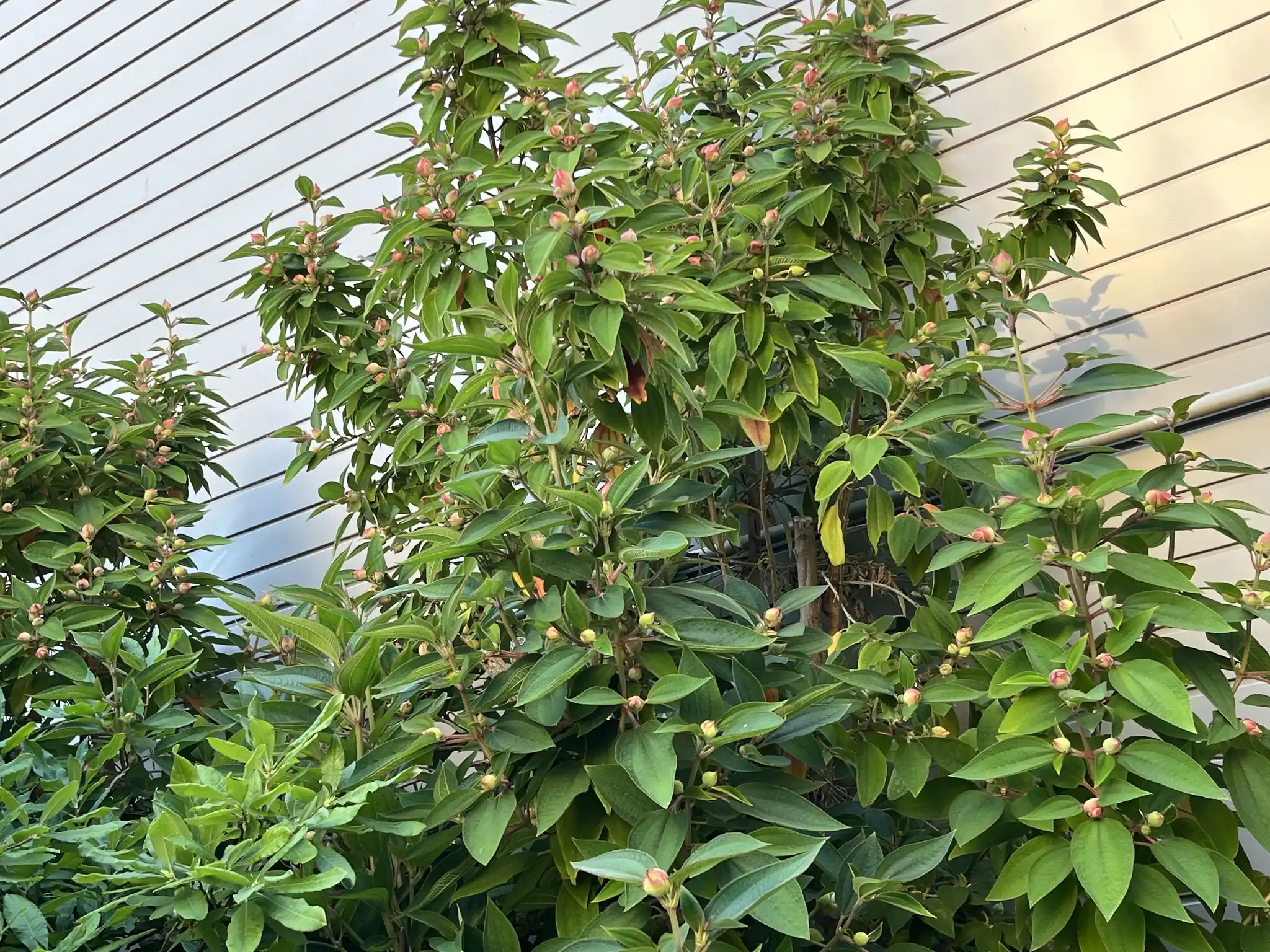
Pleroma urvilleanum, formerly known as Tibouchina urvilleana, is an upright, evergreen shrub native to Brazilian rainforests and scrublands. It is distinguished by its square, pubescent stems and deeply ribbed, velvety green leaves that emerge with a striking bronze-red or silvery-pink hue.
The large, five-petaled flowers open in terminal clusters, displaying a rich royal purple color accented by prominent, sickle-shaped stamens. In frost-free climates, this species can be trained as a small tree, though it is easily maintained as a smaller container specimen in colder regions.
Uses & Benefits:
Essentials
At a Glance
Plant Type
Shrub
Height
144"
Width
96"
Light
Full Sun, Partial Sun
Zones
9, 10
Water
Moderate
Humidity
High
Lifespan
Perennial
Native To
Brazil
Toxicity
Mildly Toxic
Bloom period
Summer – Fall
In flower about 6 months of the year
Planting
How to Grow
- Select a planting site with rich, organic, well-draining soil and an acidic pH between 5.5 and 6.5.
- Position in full sun to partial shade, providing light afternoon shade in hot inland climates to prevent leaf scorch.
- Water regularly to keep the soil evenly moist, as the root system does not tolerate drying out completely.
- Apply an acid-forming, balanced fertilizer every four to six weeks during the active spring and summer growing season.
Pro Tip
Prune lightly immediately after the main flowering flush to maintain a bushy habit; cutting back hard into old, bare wood often causes branch dieback or kills the plant.
Keep It Thriving
Care Guide
Do
- Provide consistent moisture to prevent sudden leaf drop.
- Protect the plant from frost or move container specimens indoors when temperatures approach freezing.
- Pinch back soft new growth tips regularly to encourage a denser, more compact form.
Don't
- Do not plant in heavy, compacted clay soils or areas prone to standing water.
- Do not prune drastically into thick, leafless, brown wood.
- Do not allow the root ball to dry out completely between waterings.
Seasonal Care Calendar
| Task | Jan | Feb | Mar | Apr | May | Jun | Jul | Aug | Sep | Oct | Nov | Dec |
|---|---|---|---|---|---|---|---|---|---|---|---|---|
| Fertilize | ||||||||||||
| Pest Check | ||||||||||||
| Propagate | ||||||||||||
| Prune | ||||||||||||
| Winter Prep |
Watch Out For
Pests & Diseases
Common Pests
Common Diseases
In the Garden
Landscape Uses & Companions
Landscape Uses
Companion Plants
Multiply
Propagation Methods
Good to Know
Common Questions
Princess Flower questions
What zones can Princess Flower grow in?
Princess Flower is hardy in USDA Zones 9–10. Inside that range it survives winter in the ground; outside it, grow it as an annual or a container plant you protect.
Is Princess Flower deer resistant?
Not reliably. Deer may browse Princess Flower, especially tender spring growth — plan on repellents or fencing where pressure is high.
When does Princess Flower bloom?
Princess Flower typically blooms in summer through fall. Exact timing shifts a week or two with your zone — Sow's bloom calendar maps it to your garden.
Does Princess Flower need full sun?
Princess Flower does best in full sun to part shade. In hot climates, afternoon shade keeps blooms fresher longer.
Keep exploring
Explore the genus
Hardy in your zone?
Grow Princess Flower with confidence
See it in a design of your actual yard, get zone-matched care reminders, and track it season by season in your garden journal.