The Story
Plant Bio
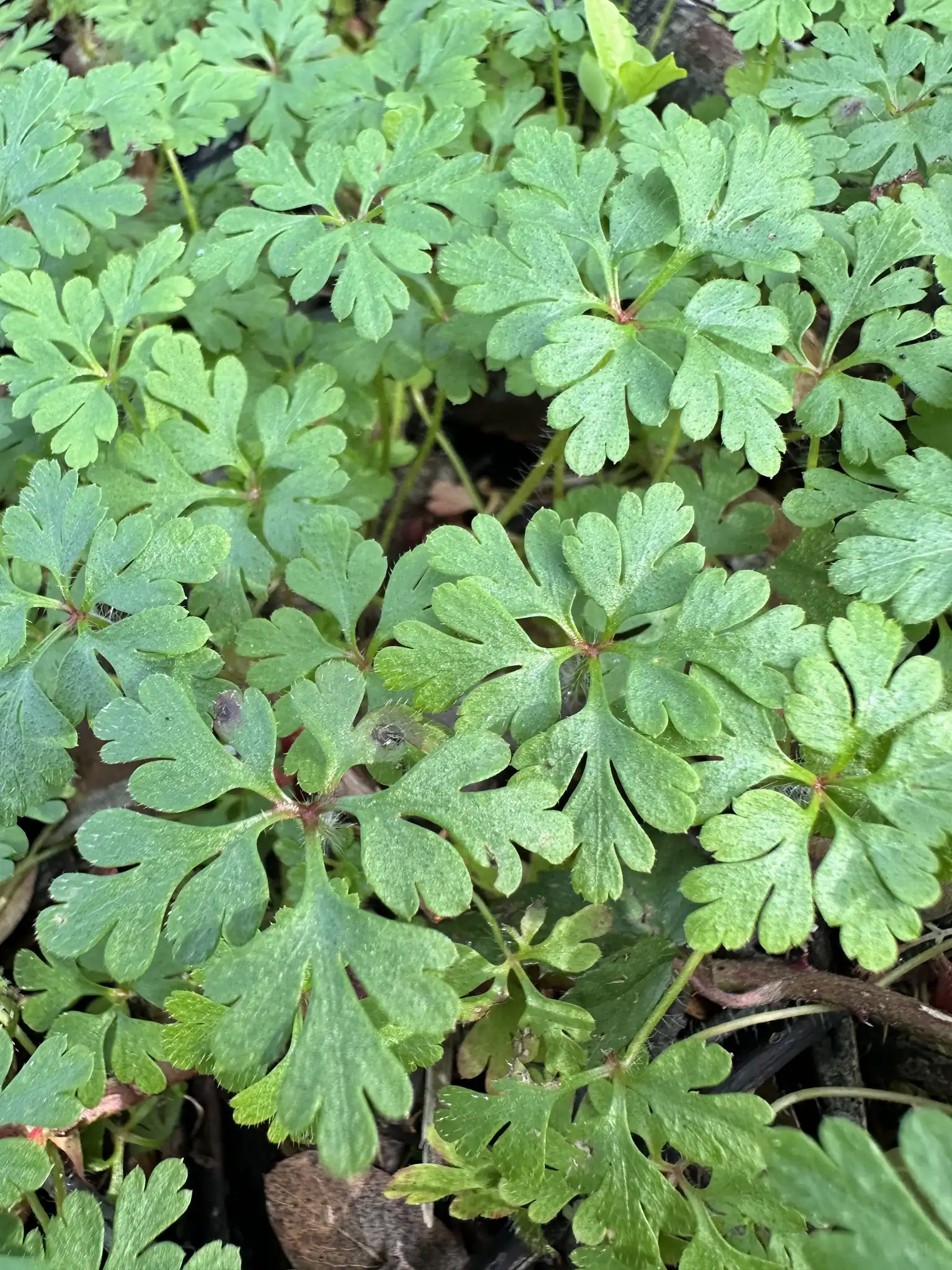
Geranium purpureum, known as little-robin, is a low-growing annual or biennial herb native to Europe, North Africa, and Western Asia that has naturalized along the Pacific Coast of North America. The upright to sprawling stems are covered in glandular hairs that emit a strong scent when crushed, bearing deeply dissected, fern-like green leaves that flush bronze or purple under stress.
This species is distinguished from the closely related Geranium robertianum by its bright yellow pollen-bearing anthers. The small pink to purplish-pink flowers are held in pairs on glandular stalks and bloom continuously from spring through summer.
Uses & Benefits:
Essentials
At a Glance
Plant Type
Annual
Height
12"
Width
12"
Light
Full Sun, Partial Sun
Zones
5, 6, 7, 8, 9
Water
Low to moderate
Humidity
Moderate
Lifespan
Annual or biennial
Native To
Europe, North Africa, Western Asia
Toxicity
Skin irritant
Bloom period
Spring – Summer
In flower about 6 months of the year
Planting
How to Grow
- Sow seeds directly onto well-drained, sandy or rocky soil in a location with partial shade to full sun.
- Water lightly to keep the soil moist until germination, as the seeds establish quickly without supplemental fertilizer.
- Allow the soil to dry between waterings once established, ensuring the site has excellent drainage to prevent root rot.
- Monitor the plants in late summer and manually pull them before the beaked seed capsules dry and eject their seeds.
Pro Tip
Hand-pull plants before the seed capsules mature to prevent the explosive, self-flinging seeds from colonizing nearby garden beds.
Keep It Thriving
Care Guide
Do
- Grow in well-drained loamy, sandy, or rocky soils.
- Wear gloves when handling if you have sensitive skin to avoid mild contact dermatitis from the glandular hairs.
- Provide partial shade to mimic its natural woodland margin habitat.
Don't
- Do not plant in heavy, waterlogged clay soils.
- Do not apply supplemental fertilizers, which trigger excessive, weak growth.
- Do not allow seed pods to mature if you wish to contain its spread.
Seasonal Care Calendar
| Task | Jan | Feb | Mar | Apr | May | Jun | Jul | Aug | Sep | Oct | Nov | Dec |
|---|---|---|---|---|---|---|---|---|---|---|---|---|
| Pest Check | ||||||||||||
| Plant | ||||||||||||
| Prune | ||||||||||||
| Spring Cleanup |
Watch Out For
Pests & Diseases
Common Pests
Common Diseases
In the Garden
Landscape Uses & Companions
Landscape Uses
Companion Plants
Multiply
Propagation Methods
Good to Know
Common Questions
Little-robin questions
What zones can Little-robin grow in?
Little-robin is hardy in USDA Zones 5–9. Inside that range it survives winter in the ground; outside it, grow it as an annual or a container plant you protect.
Is Little-robin deer resistant?
Yes — Little-robin is rated deer-resistant. Deer typically pass it over, though extreme hunger can override any plant's defenses.
When does Little-robin bloom?
Little-robin typically blooms in spring through summer. Exact timing shifts a week or two with your zone — Sow's bloom calendar maps it to your garden.
Does Little-robin need full sun?
Little-robin does best in full sun to part shade. In hot climates, afternoon shade keeps blooms fresher longer.
Is Little-robin drought tolerant?
Yes — once established (usually after the first full season), Little-robin handles dry spells with minimal watering. Water deeply its first year to build the root system that makes that possible.
More Geranium to compare
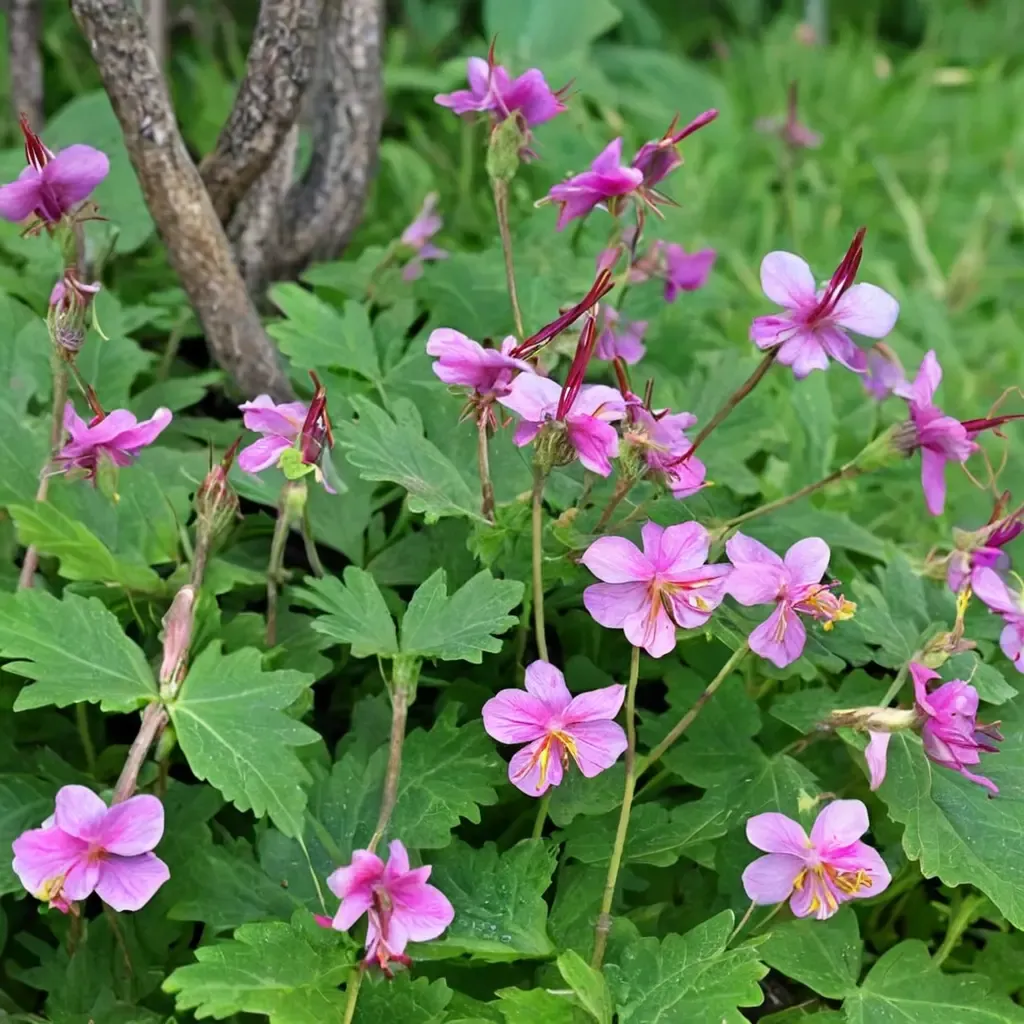
Bigroot Geranium
Geranium macrorrhizum
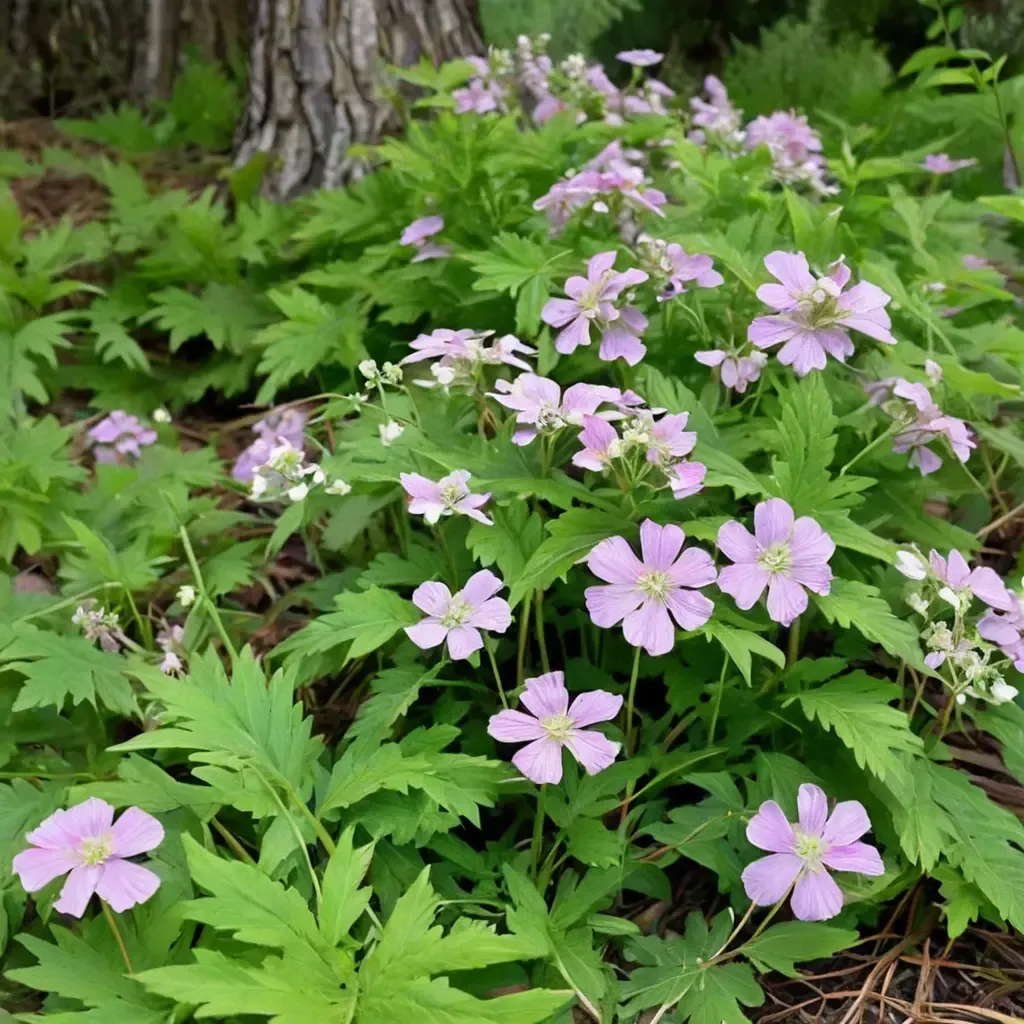
Wild Geranium
Geranium maculatum
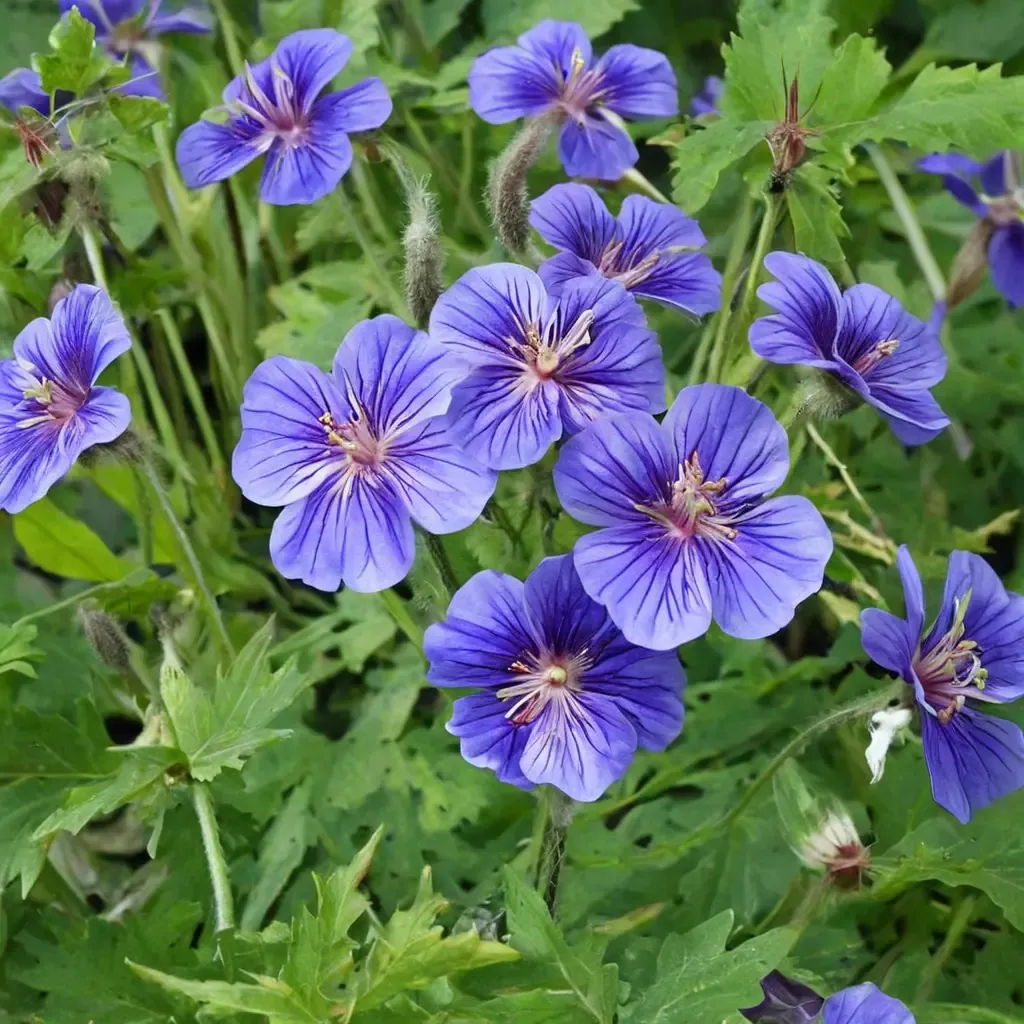
Cranesbill 'Rozanne'
Geranium x magnificum 'Rozanne'
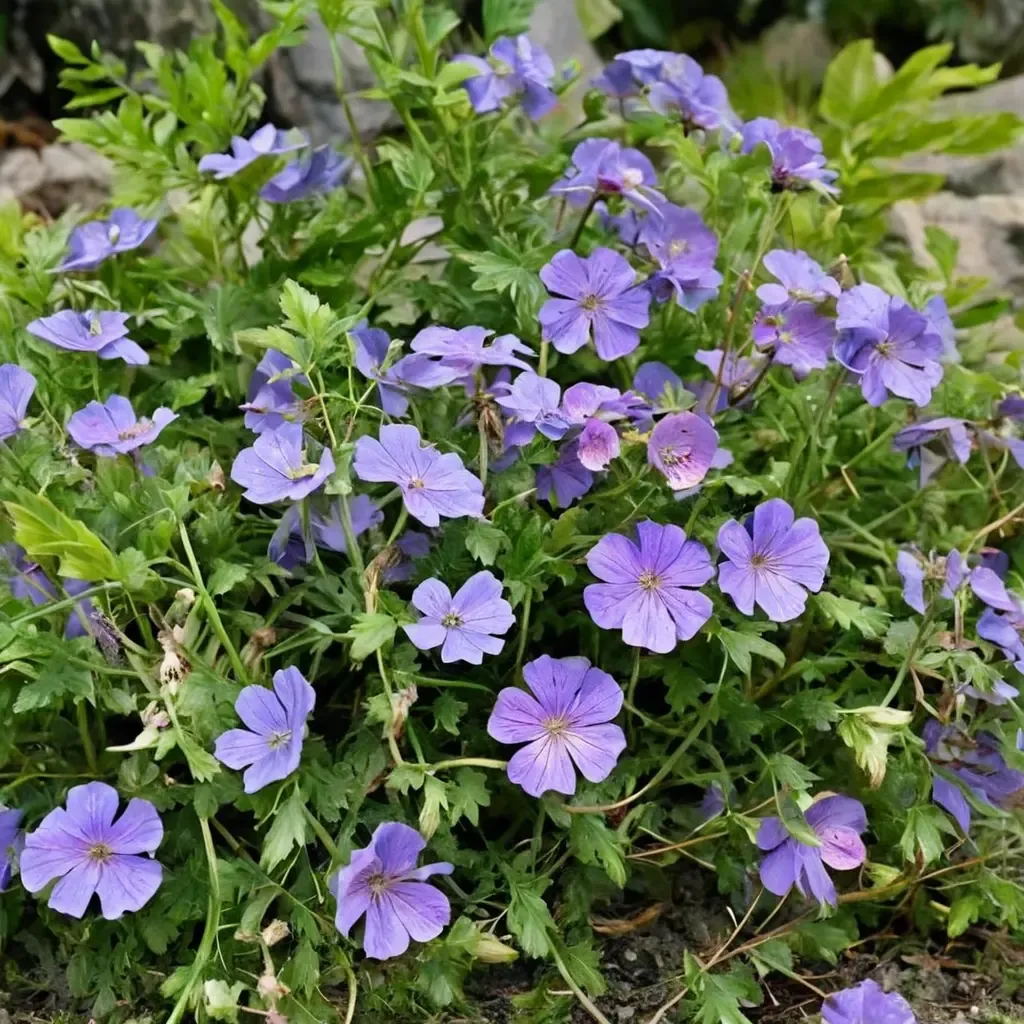
Azure Rush Geranium
Geranium incanum 'Azure Rush'
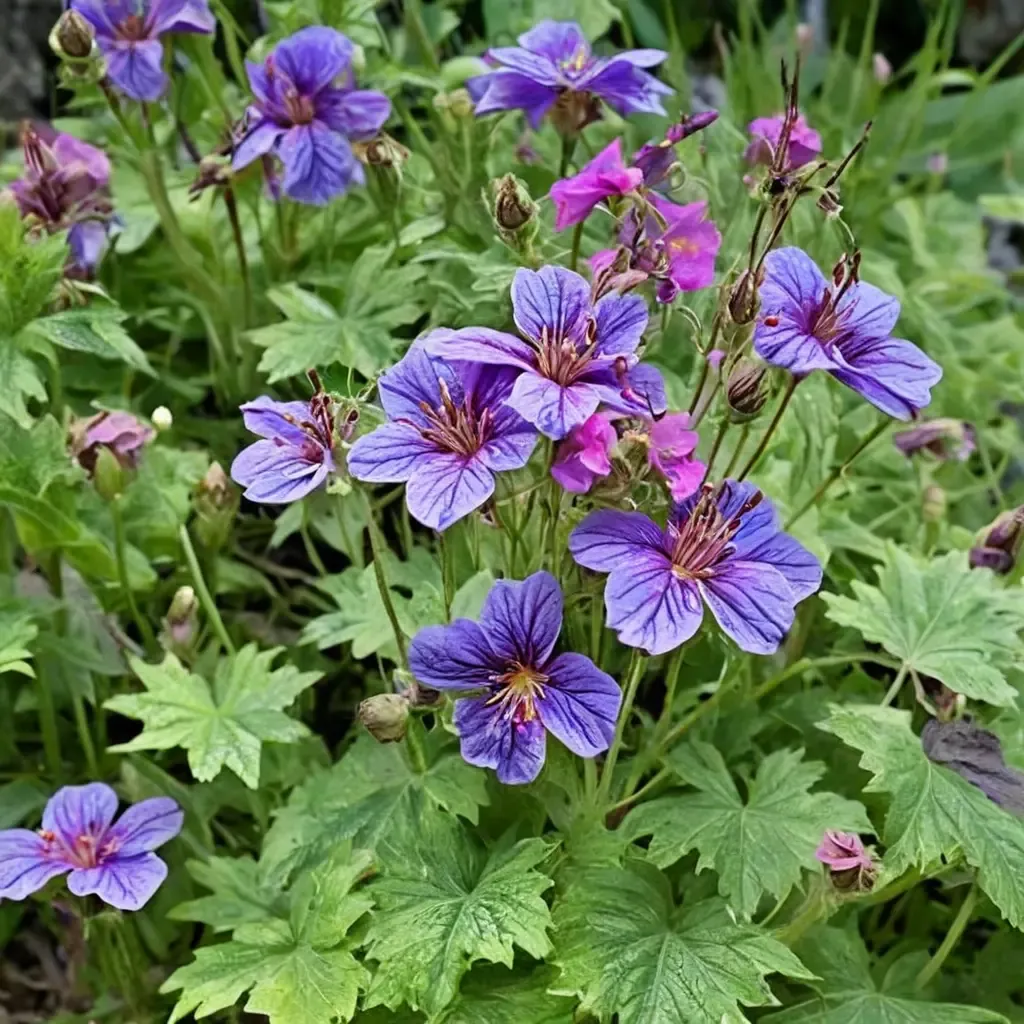
Showy Cranesbill
Geranium x magnificum 'Bevan's Variety'
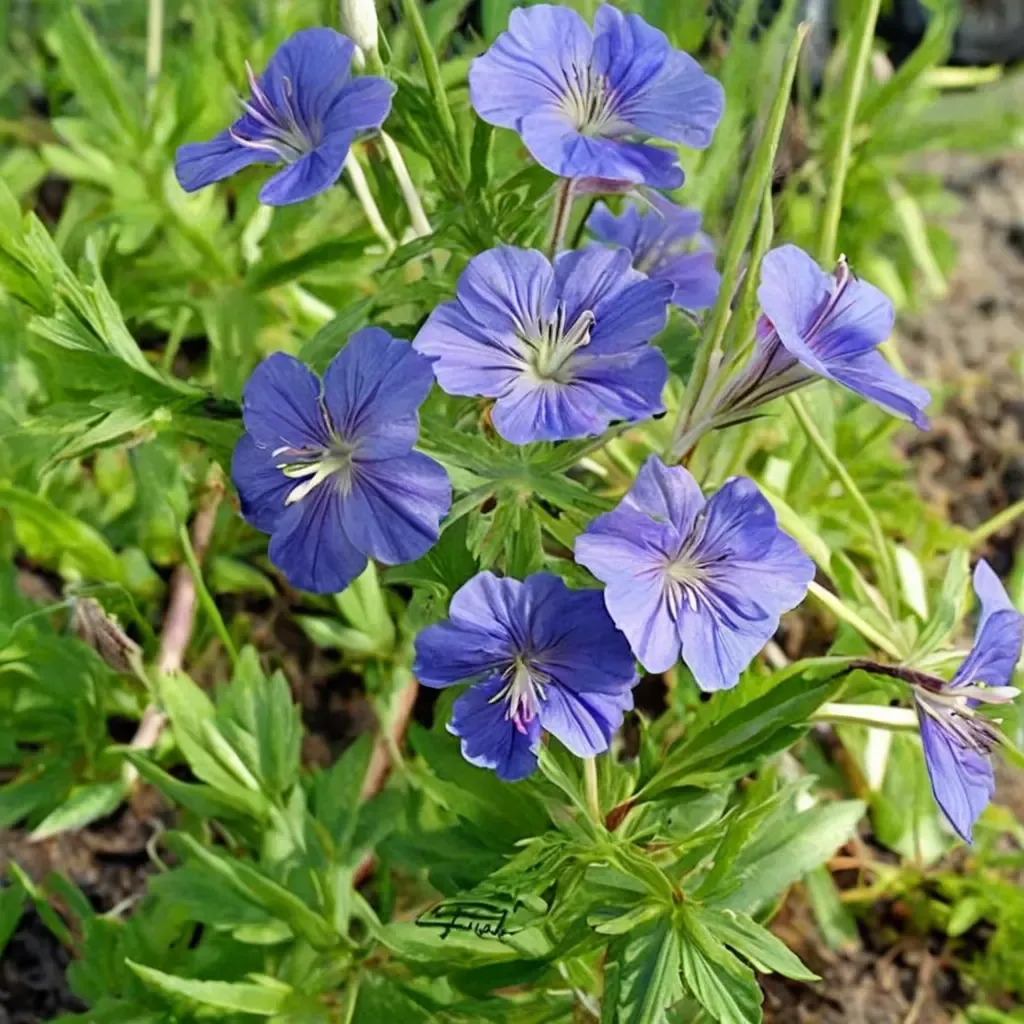
Cranesbill 'Orion'
Geranium maculatum 'Orion'
Keep exploring
Explore the genus
Hardy in your zone?
Grow Little-robin with confidence
See it in a design of your actual yard, get zone-matched care reminders, and track it season by season in your garden journal.