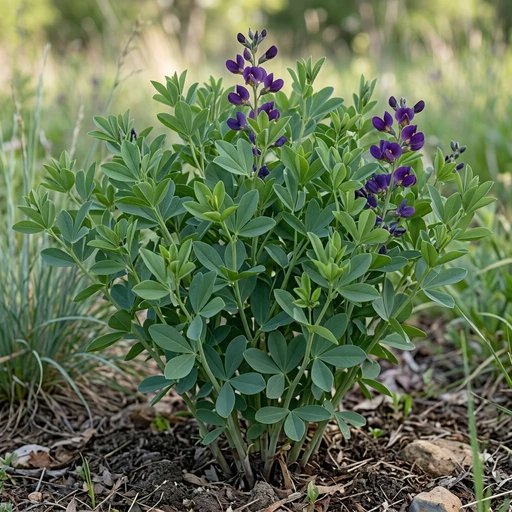
Garden hybrid
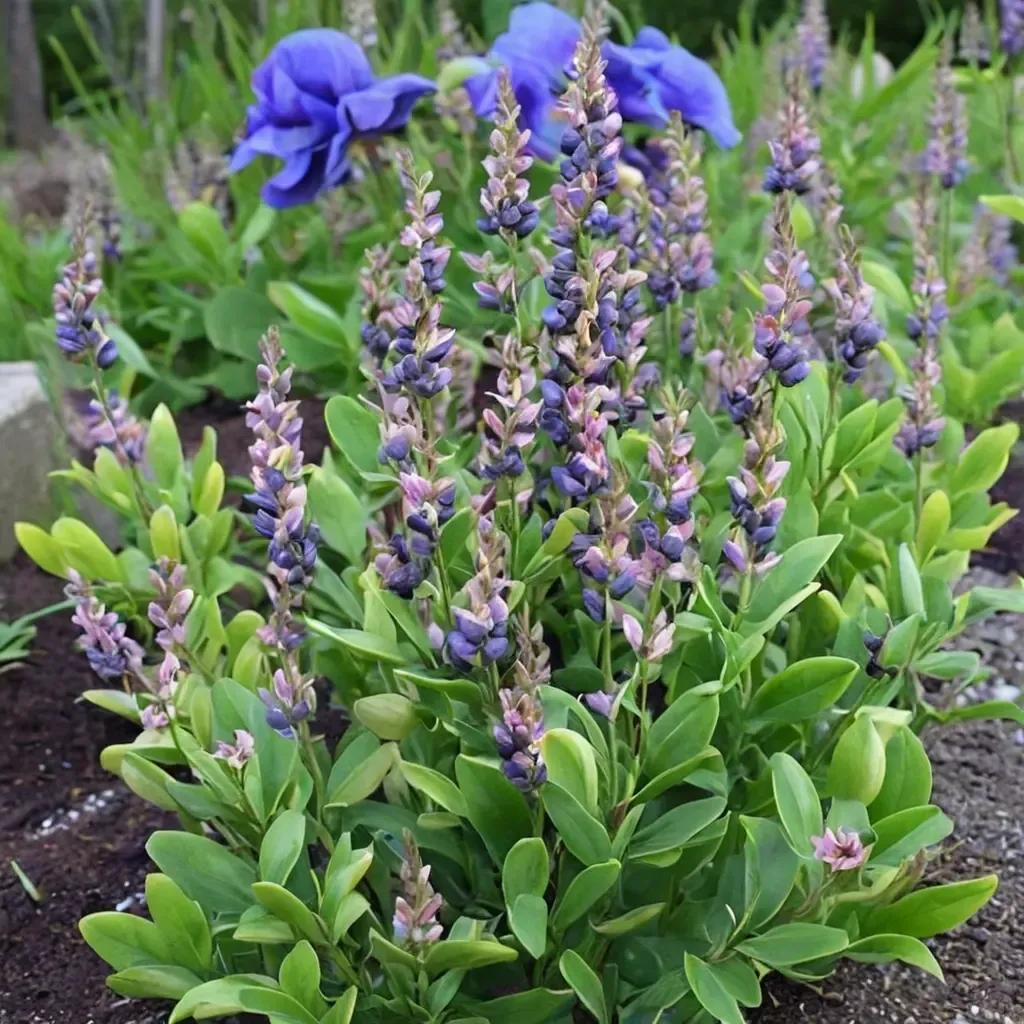 Baptisia x hybridaFalse Indigo
13 other cultivars
 ‘Plum Rosy’Plum Rosy False Indigo
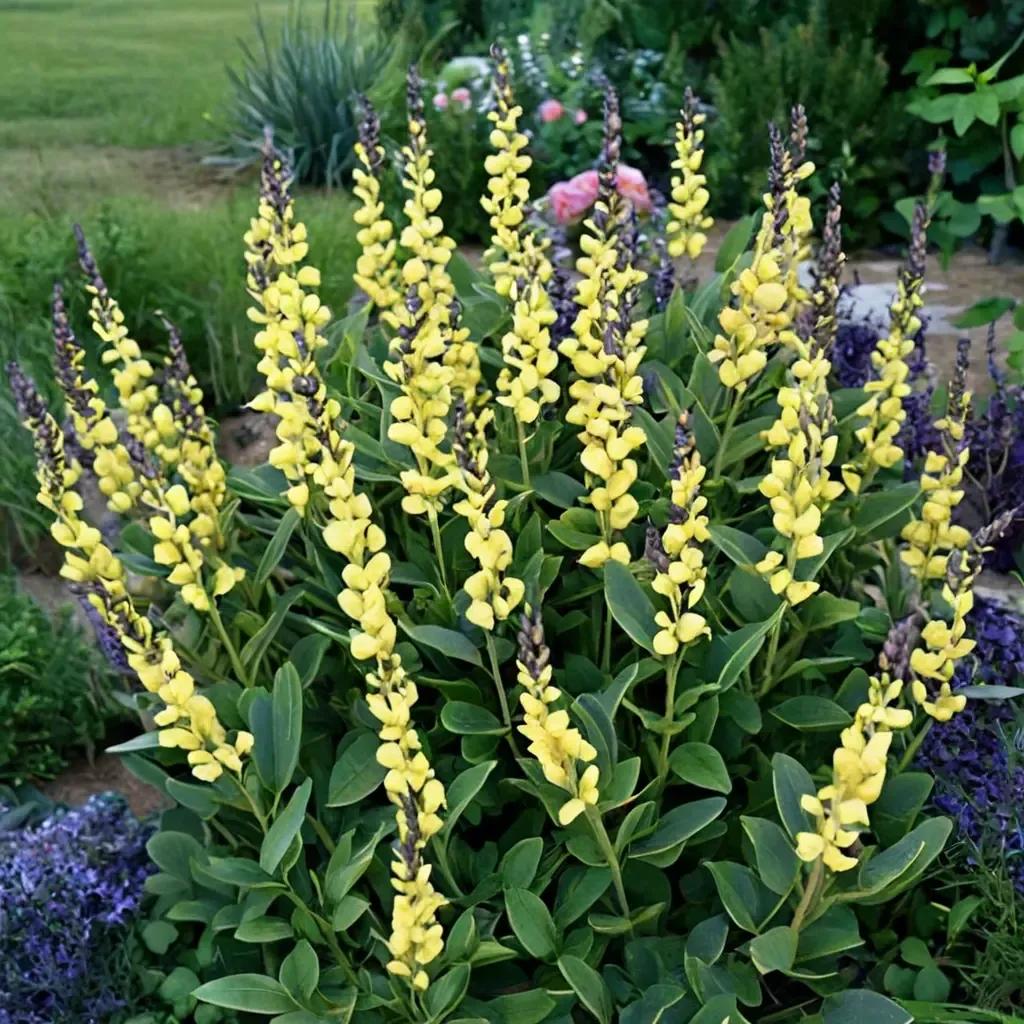 ‘Lemon Meringue’Lemon Meringue False Indigo
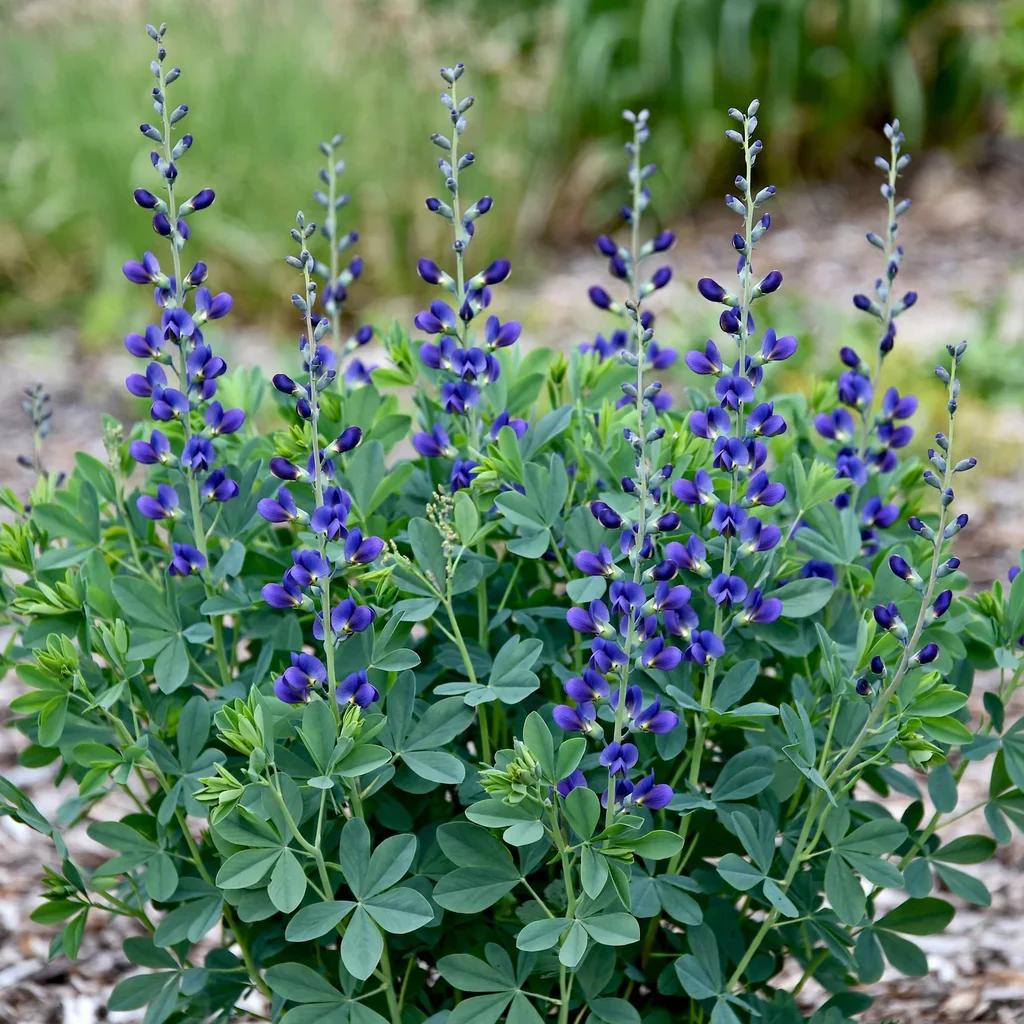 ‘Sparkling Sapphires’Sparkling Sapphires False Indigo
 ‘Starlite’Starlite Prairieblues False Indigo
 ‘Solar Flare’Solar Flare False Indigo
 ‘Burgundy Blast’Burgundy Blast False Indigo
 ‘Pink Truffle’Pink Truffle Baptisia
 ‘Lemon Meringue’Lemon Meringue False Indigo
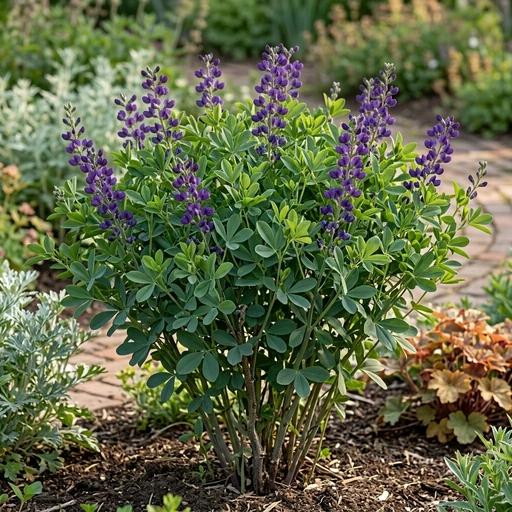 ‘Grape Escape’Grape Escape False Indigo
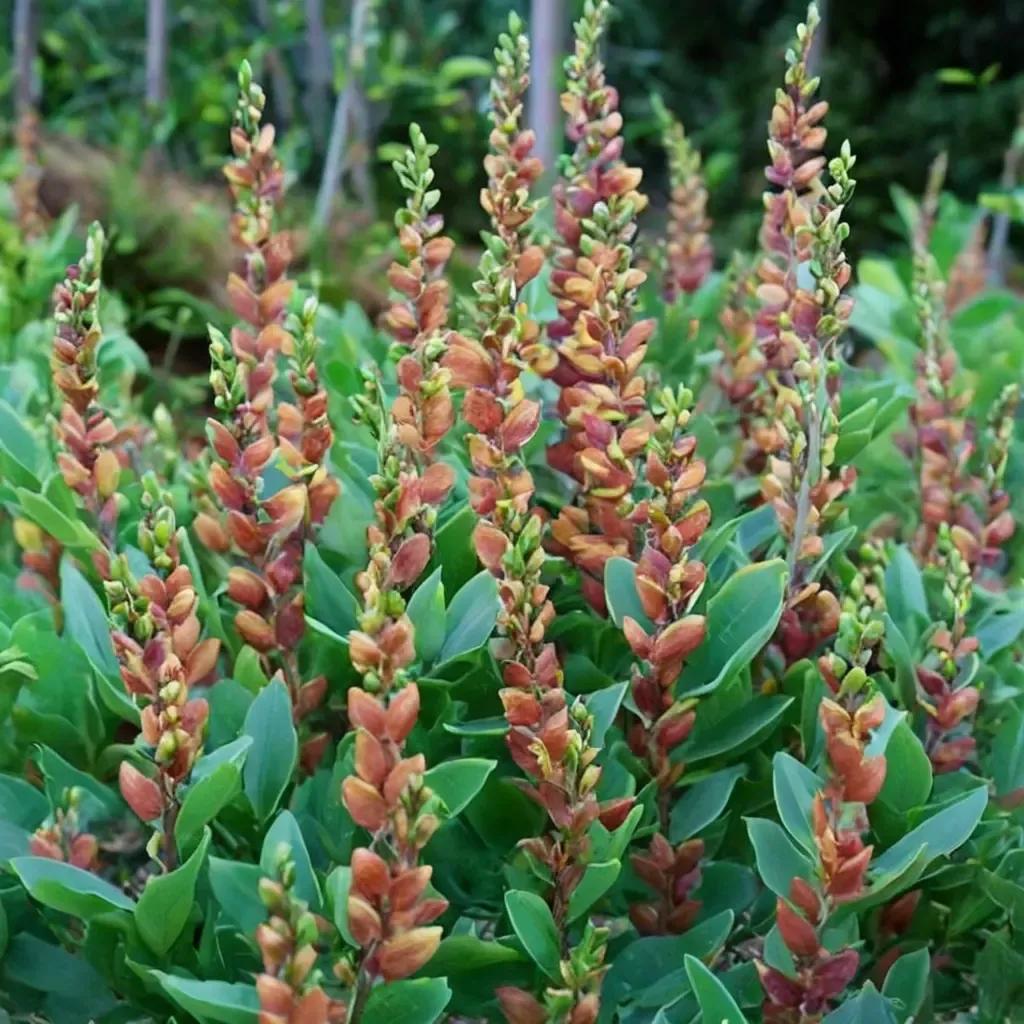 ‘Cherries Jubilee’Cherries Jubilee False Indigo
 ‘Indigo Spires’Indigo Spires False Indigo
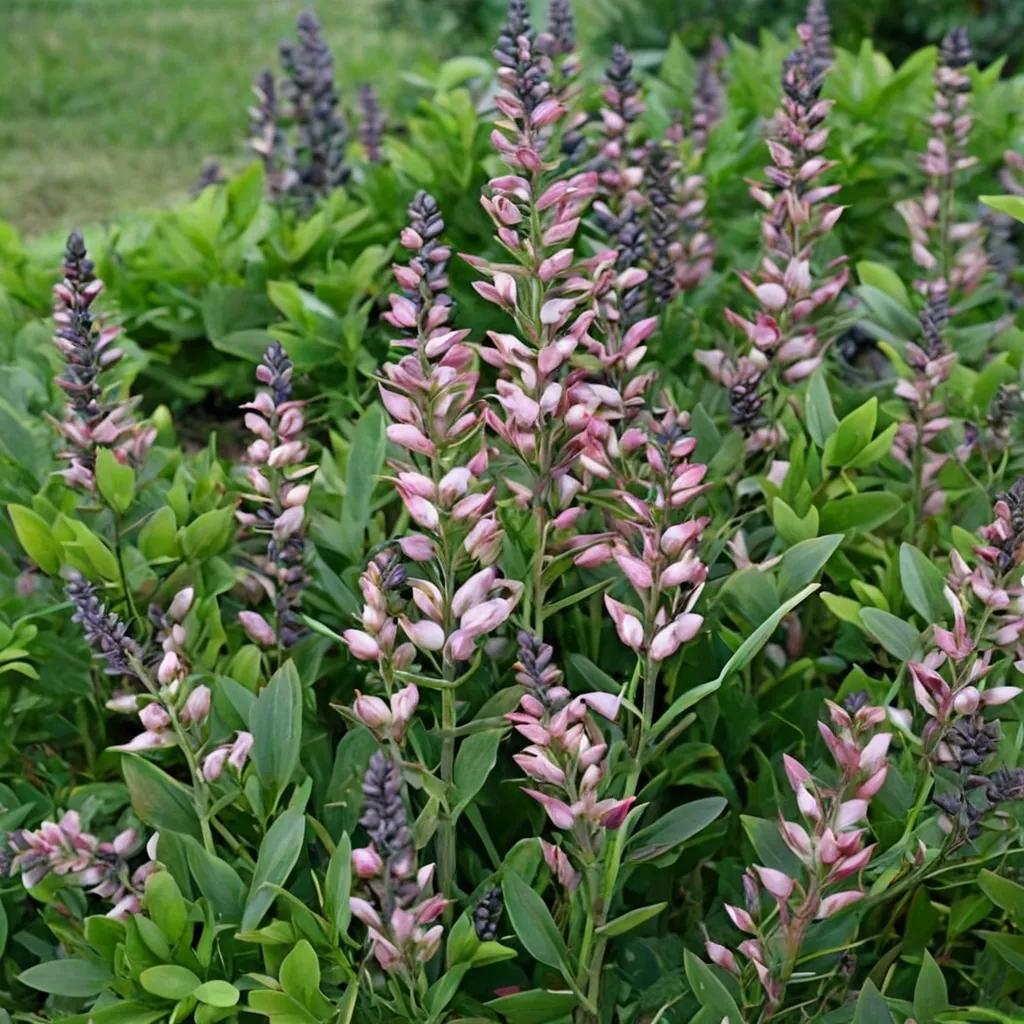 ‘Pink Truffles’Pink Truffles Baptisia
 ‘Vanilla Cream’Vanilla Cream False Indigo
Royal Purple Prairieblues False Indigo
Baptisia x hybrida 'Royal Purple'
The Story
Plant Bio
Baptisia are robust, long-lived perennials that form an impressive, vase-shaped clump. They are valued for their lupine-like flowers, attractive foliage, and exceptional tolerance of heat and drought.
'Royal Purple' is renowned for its intensely saturated, deep royal purple flowers held on long, elegant spires that can reach up to 24 inches long. The vibrant color makes a powerful statement in the spring garden.
Uses & Benefits:
Essentials
At a Glance
Plant Type
Perennial
Height
54"
Width
48"
Light
Full Sun, Partial Sun
Zones
4, 5, 6, 7, 8, 9
Water
Low
Humidity
Adaptable
Lifespan
Very long-lived perennial
Native To
North America (parentage)
Toxicity
Mildly toxic if ingested
Bloom period
Late spring – Early summer
In flower about 2 months of the year
Marketplace
Where to Buy
Shipping costs Year-round shipping Free shipping
Planting
How to Grow
- Select a location in full sun with well-drained soil.
- Dig a deep hole to accommodate the developing taproot.
- Place the plant in the hole, keeping the crown at soil level.
- Backfill with native soil and water thoroughly.
- Water regularly during the first season to establish.
- Avoid fertilizing; it thrives in average to lean soil.
Pro Tip
The dark stems of 'Royal Purple' add to its ornamental appeal even before the flowers open.
Keep It Thriving
Care Guide
Do
- Provide at least 6 hours of full sun for sturdy stems.
- Allow seed pods to develop for fall and winter interest.
- Be patient; it takes 2-3 years to reach its full potential.
- Water deeply but infrequently once established.
Don't
- Don't try to divide or transplant established clumps.
- Don't overwater or plant in poorly drained soil.
- Don't plant in shade, which causes floppy growth and poor flowering.
- Don't fertilize; rich soil can lead to weak stems.
Seasonal Care Calendar
| Task | Jan | Feb | Mar | Apr | May | Jun | Jul | Aug | Sep | Oct | Nov | Dec |
|---|---|---|---|---|---|---|---|---|---|---|---|---|
| Plant | ||||||||||||
| Prune |
Watch Out For
Pests & Diseases
Common Pests
Common Diseases
In the Garden
Landscape Uses & Companions
Landscape Uses
Multiply
Propagation Methods
Good to Know
Common Questions
Royal Purple Prairieblues False Indigo questions
What zones can Royal Purple Prairieblues False Indigo grow in?
Royal Purple Prairieblues False Indigo is hardy in USDA Zones 4–9. Inside that range it survives winter in the ground; outside it, grow it as an annual or a container plant you protect.
Is Royal Purple Prairieblues False Indigo deer resistant?
Yes — Royal Purple Prairieblues False Indigo is rated deer-resistant. Deer typically pass it over, though extreme hunger can override any plant's defenses.
When does Royal Purple Prairieblues False Indigo bloom?
Royal Purple Prairieblues False Indigo typically blooms in late spring through early summer. Exact timing shifts a week or two with your zone — Sow's bloom calendar maps it to your garden.
Does Royal Purple Prairieblues False Indigo need full sun?
Royal Purple Prairieblues False Indigo does best in full sun to part shade. In hot climates, afternoon shade keeps blooms fresher longer.
Is Royal Purple Prairieblues False Indigo drought tolerant?
Yes — once established (usually after the first full season), Royal Purple Prairieblues False Indigo handles dry spells with minimal watering. Water deeply its first year to build the root system that makes that possible.
More Baptisia to compare
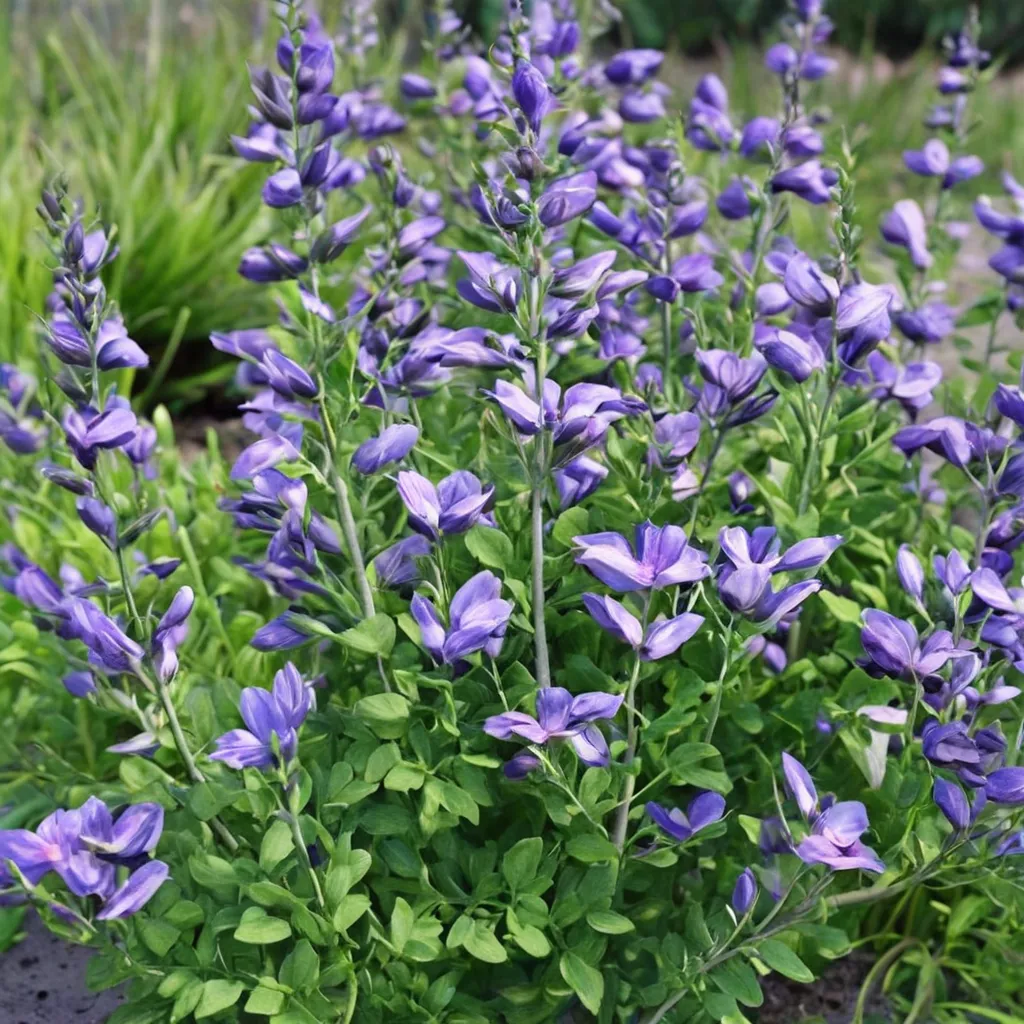
Dwarf Wild Indigo
Baptisia minor
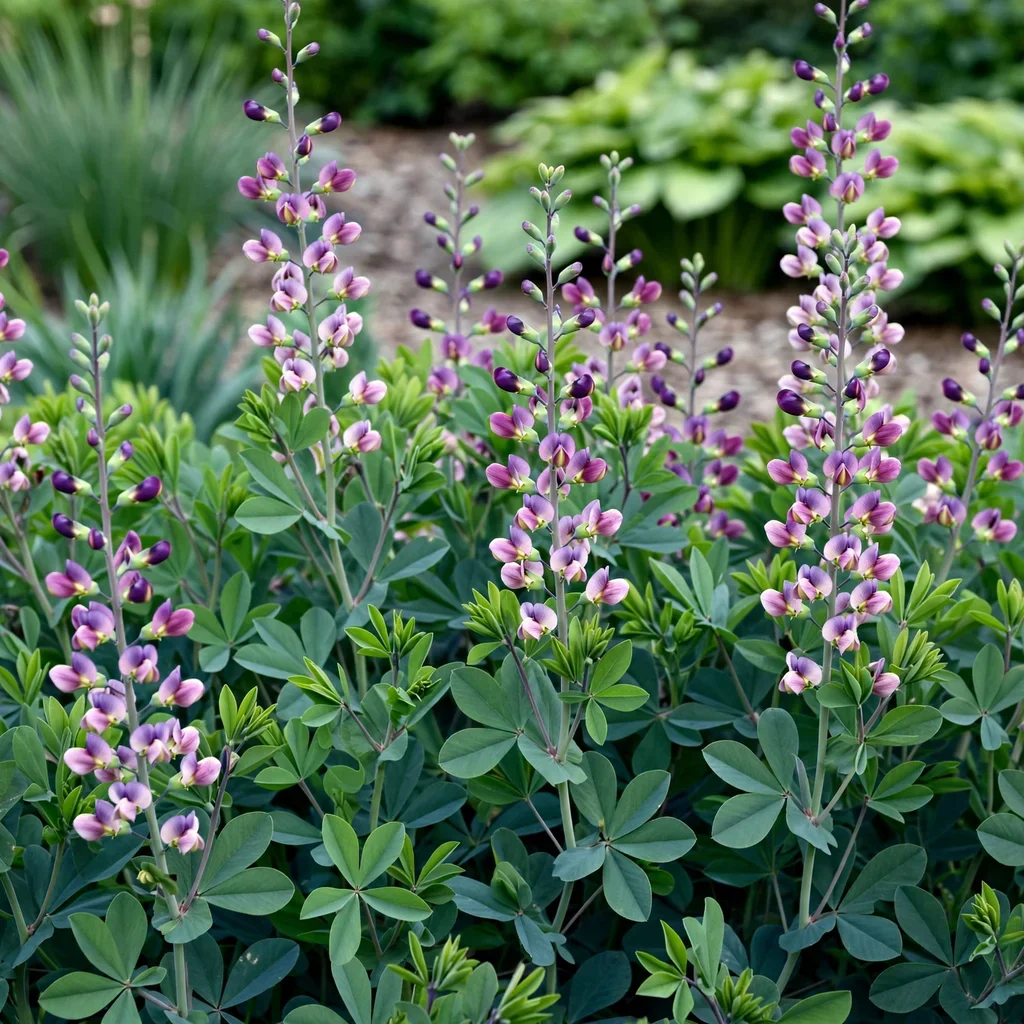
Plum Rosy False Indigo
Baptisia x hybrida 'Plum Rosy'
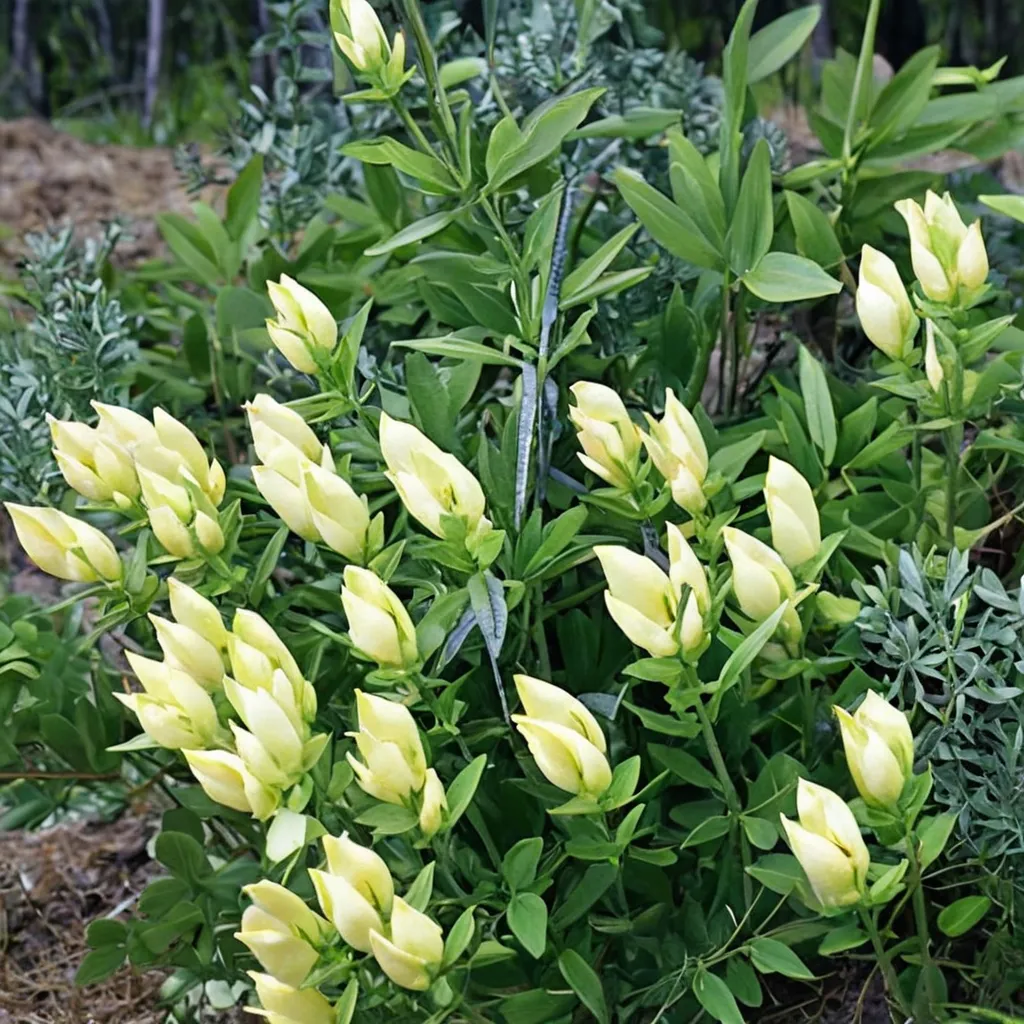
Little Texas False Indigo
Baptisia leucophaea 'Little Texas'
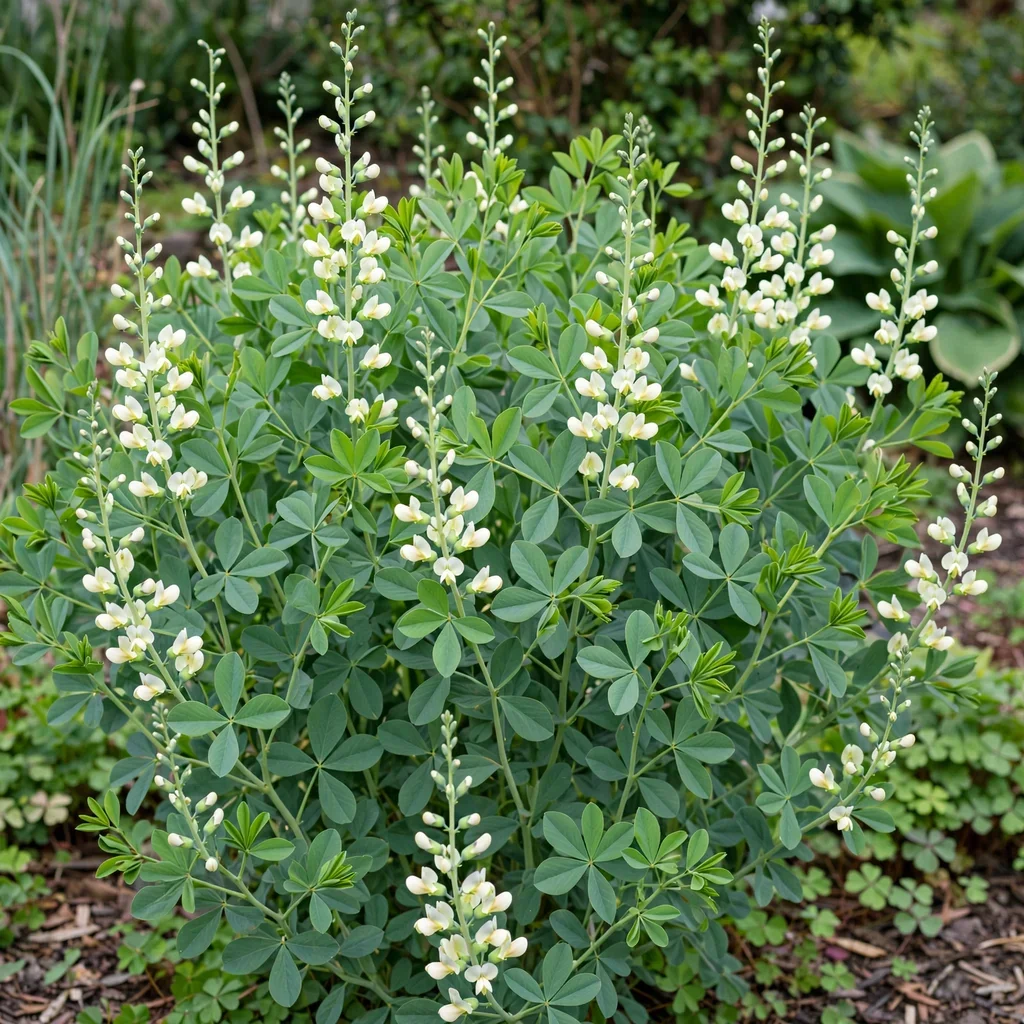
A1T-011 Cream Wild Indigo
Baptisia leucophaea 'A1T-011'
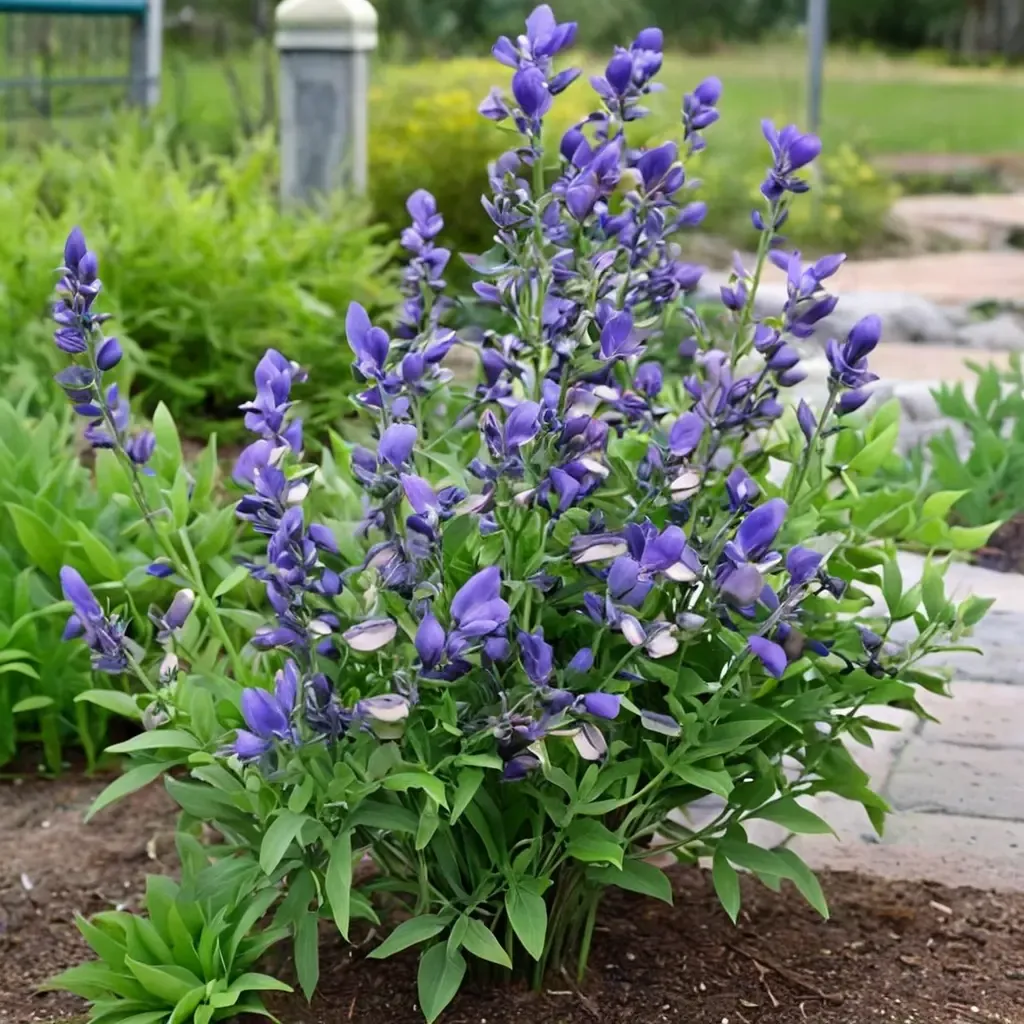
Blue Wild Indigo
Baptisia australis
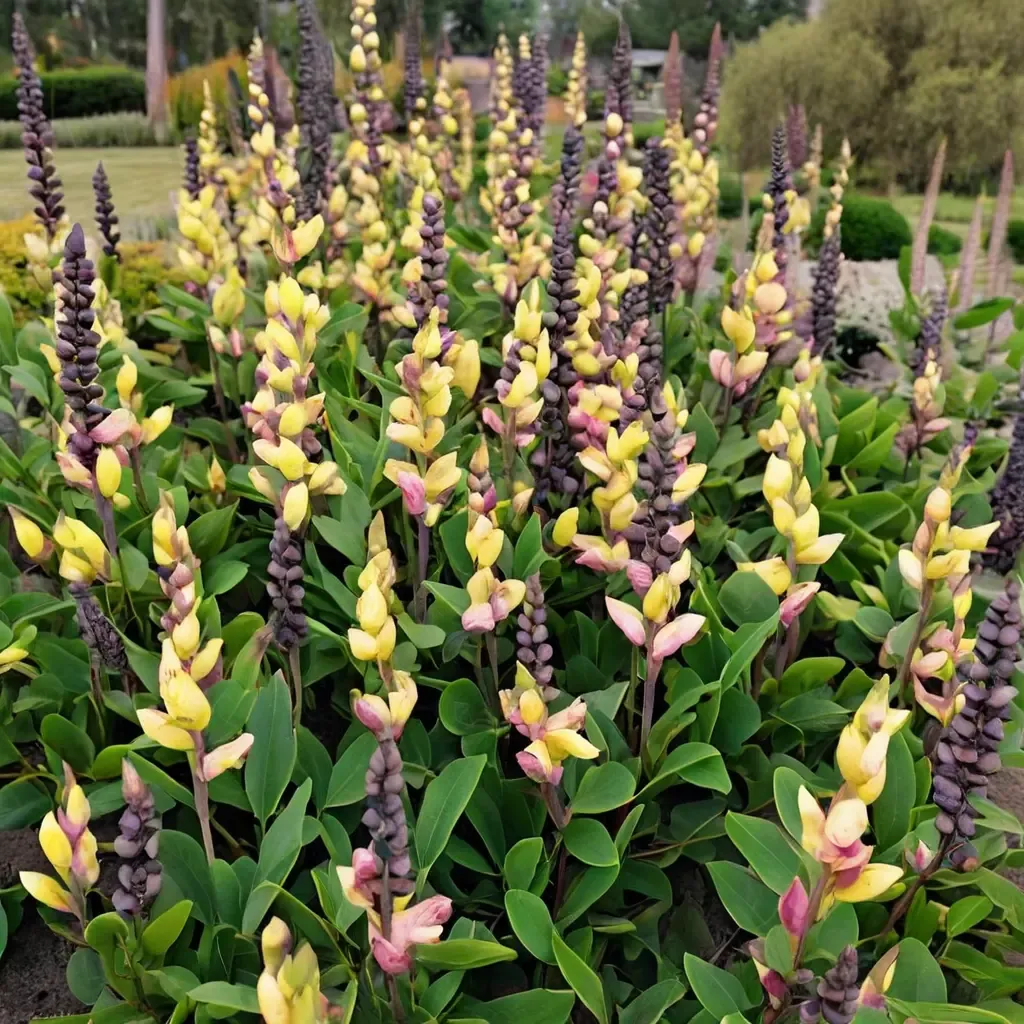
Pink Lemonade False Indigo
Baptisia australis 'Pink Lemonade'
Keep exploring
Explore the genus
Grow Royal Purple Prairieblues False Indigo with confidence
See it in a design of your actual yard, get zone-matched care reminders, and track it season by season in your garden journal.