The Story
Plant Bio
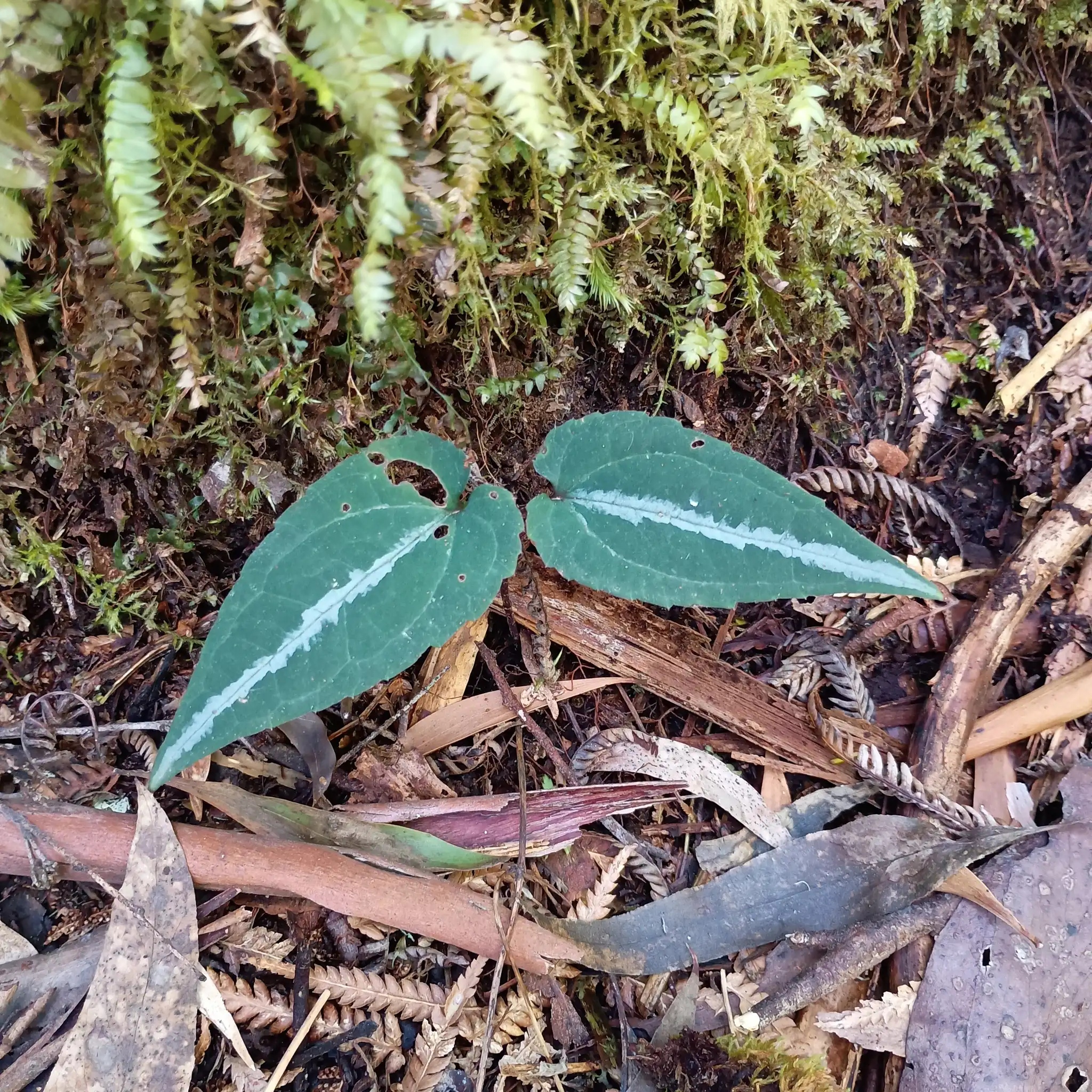
Clematis aristata, the Australian clematis, is a vigorous evergreen woody climber that uses coiling leaf petioles to scale supports or spread as a dense ground cover. The species is dioecious, producing masses of creamy-white, star-shaped flowers with four petal-like sepals in spring, followed on female plants by conspicuous feathery seed heads.
Unlike large-flowered deciduous hybrids, this species retains its foliage year-round and features distinct juvenile leaves marked with silver-white veins. The separate male and female plants offer different ornamental values, with male plants bearing highly prominent silky stamens and female plants producing the characteristic fluffy seed heads.
Uses & Benefits:
Essentials
At a Glance
Plant Type
Vine
Height
236"
Width
118"
Light
Full Sun, Partial Sun
Zones
8, 9, 10
Water
Moderate
Humidity
Moderate
Lifespan
Perennial
Native To
Australia
Toxicity
Toxic if Ingested / Skin Irritant
Bloom period
Spring – Early summer
In flower about 4 months of the year
Planting
How to Grow
- Select a planting site with full sun to partial shade, ensuring the root zone can be kept cool and shaded by companion plants or thick mulch.
- Prepare deep, well-drained loamy or sandy soil with a neutral to slightly acidic pH, avoiding heavy clay that retains excess water.
- Install a sturdy trellis, fence, or support structure for the leaf petioles to coil around as the vine climbs.
- Water regularly during the first growing season to establish a deep root system, maintaining consistent soil moisture without waterlogging.
Pro Tip
Prune lightly immediately after flowering to shape the vine; cutting back hard into old, leafless wood will kill the stems and prevent regrowth.
Keep It Thriving
Care Guide
Do
- Mulch the root zone heavily with organic leaf litter to keep the soil cool and moist.
- Prune lightly immediately after flowering to control size and remove tangled growth.
- Ensure high soil drainage to prevent root and crown rot.
Don't
- Do not hard-prune into old, leafless, woody stems, as the plant will fail to shoot back.
- Do not allow the soil to dry out completely during active summer growth.
- Do not plant in heavy, poorly drained clay soils.
Seasonal Care Calendar
| Task | Jan | Feb | Mar | Apr | May | Jun | Jul | Aug | Sep | Oct | Nov | Dec |
|---|---|---|---|---|---|---|---|---|---|---|---|---|
| Fertilize | ||||||||||||
| Mulch | ||||||||||||
| Pest Check | ||||||||||||
| Prune |
Watch Out For
Pests & Diseases
Common Pests
Common Diseases
In the Garden
Landscape Uses & Companions
Landscape Uses
Companion Plants
Multiply
Propagation Methods
Good to Know
Common Questions
Australian Clematis questions
What zones can Australian Clematis grow in?
Australian Clematis is hardy in USDA Zones 8–10. Inside that range it survives winter in the ground; outside it, grow it as an annual or a container plant you protect.
Is Australian Clematis deer resistant?
Not reliably. Deer may browse Australian Clematis, especially tender spring growth — plan on repellents or fencing where pressure is high.
When does Australian Clematis bloom?
Australian Clematis typically blooms in spring through early summer. Exact timing shifts a week or two with your zone — Sow's bloom calendar maps it to your garden.
Does Australian Clematis need full sun?
Australian Clematis does best in full sun to part shade. In hot climates, afternoon shade keeps blooms fresher longer.
More Clematis to compare
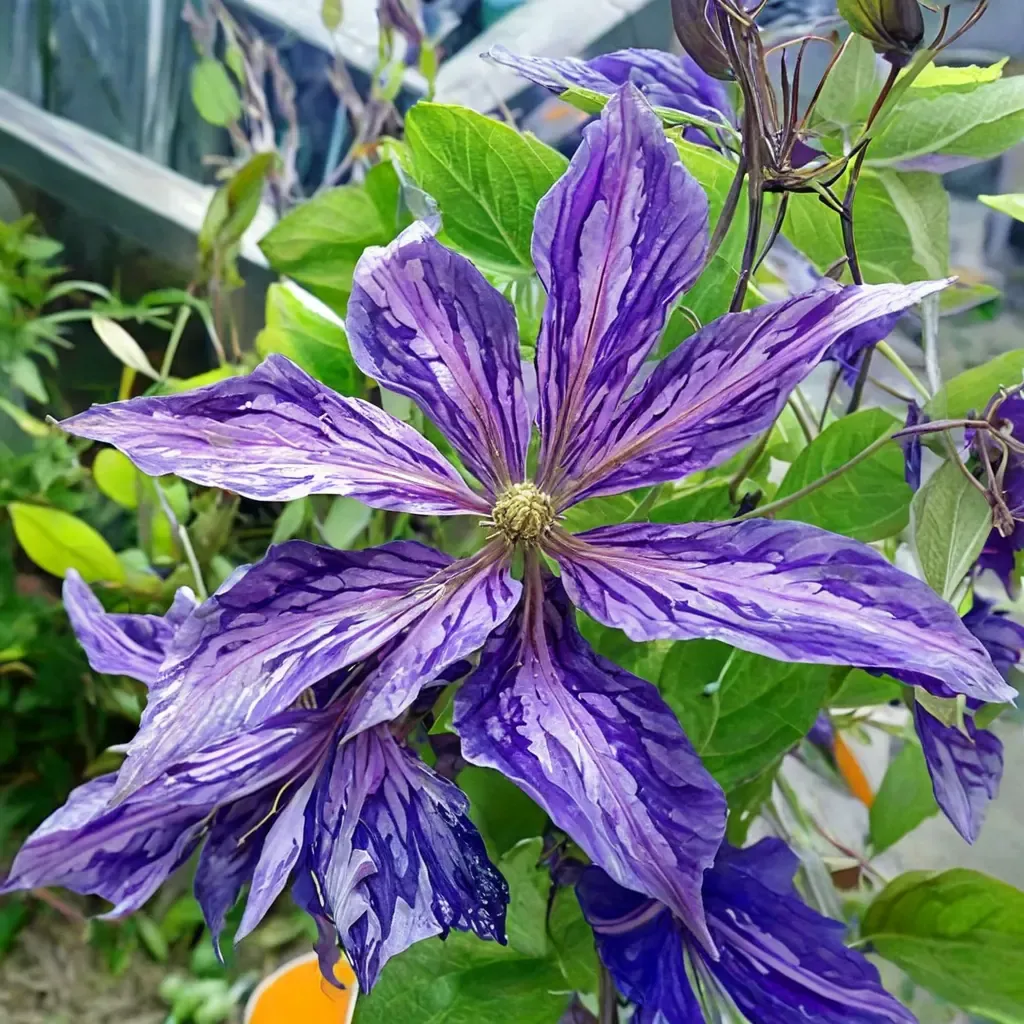
Tie Dye Clematis
Clematis viticella 'Tie Dye'
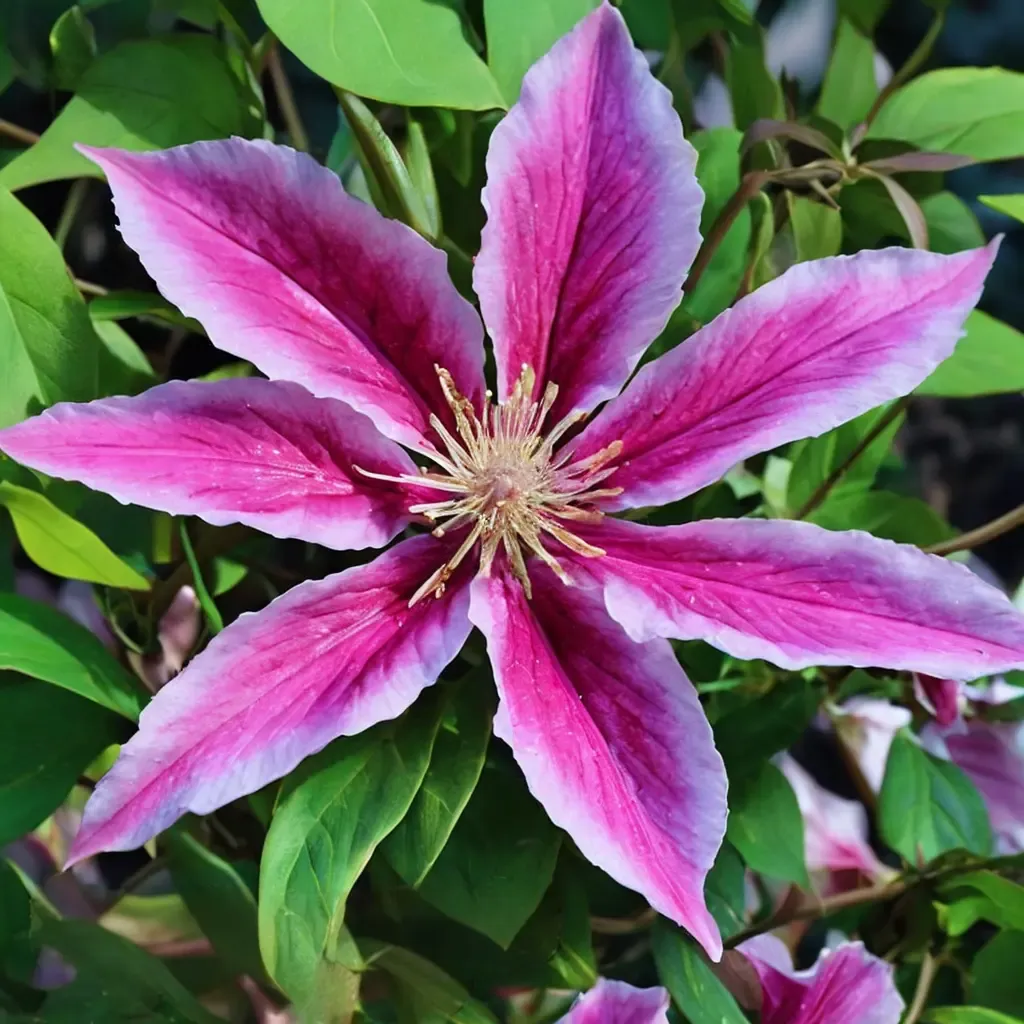
Dr. Ruppel Clematis
Clematis x jackmanii 'Dr Ruppel'
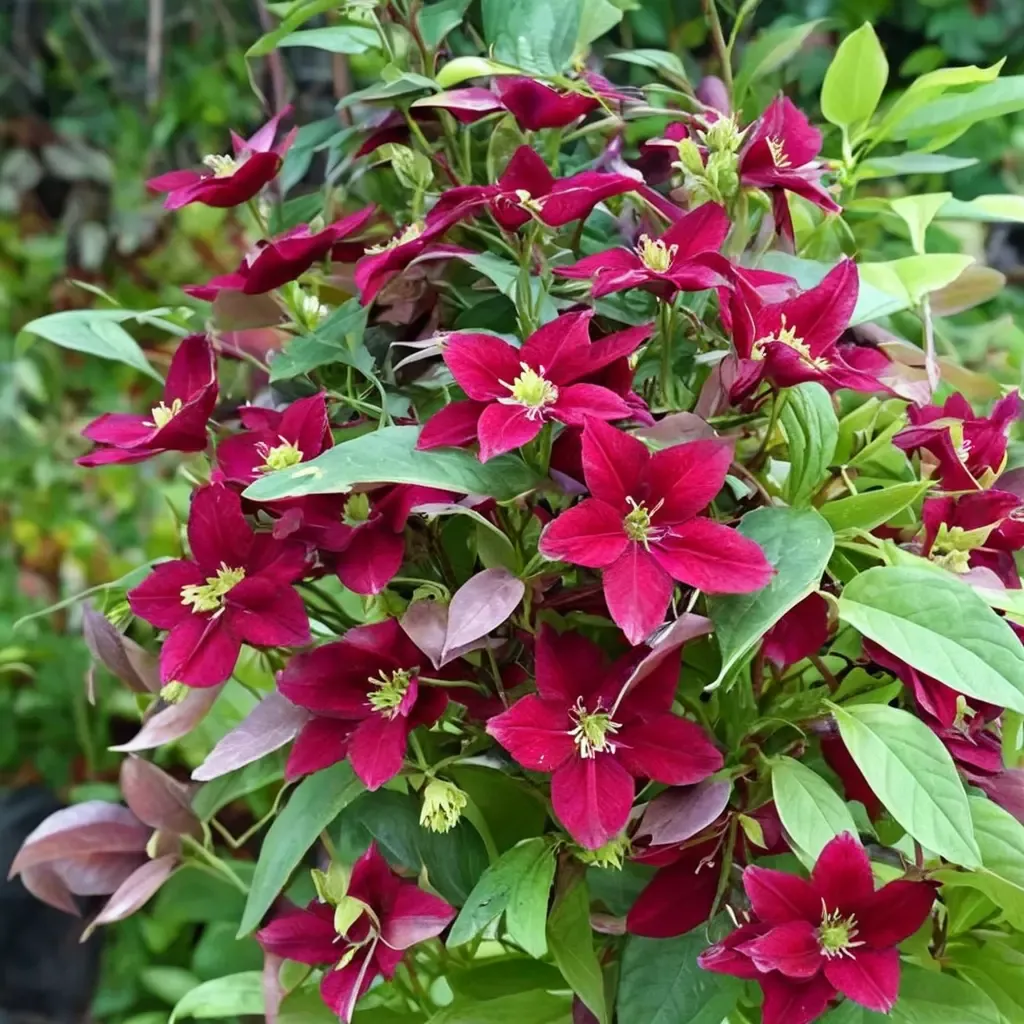
Burning Love Clematis
Clematis x cartmanii 'Burning Love'
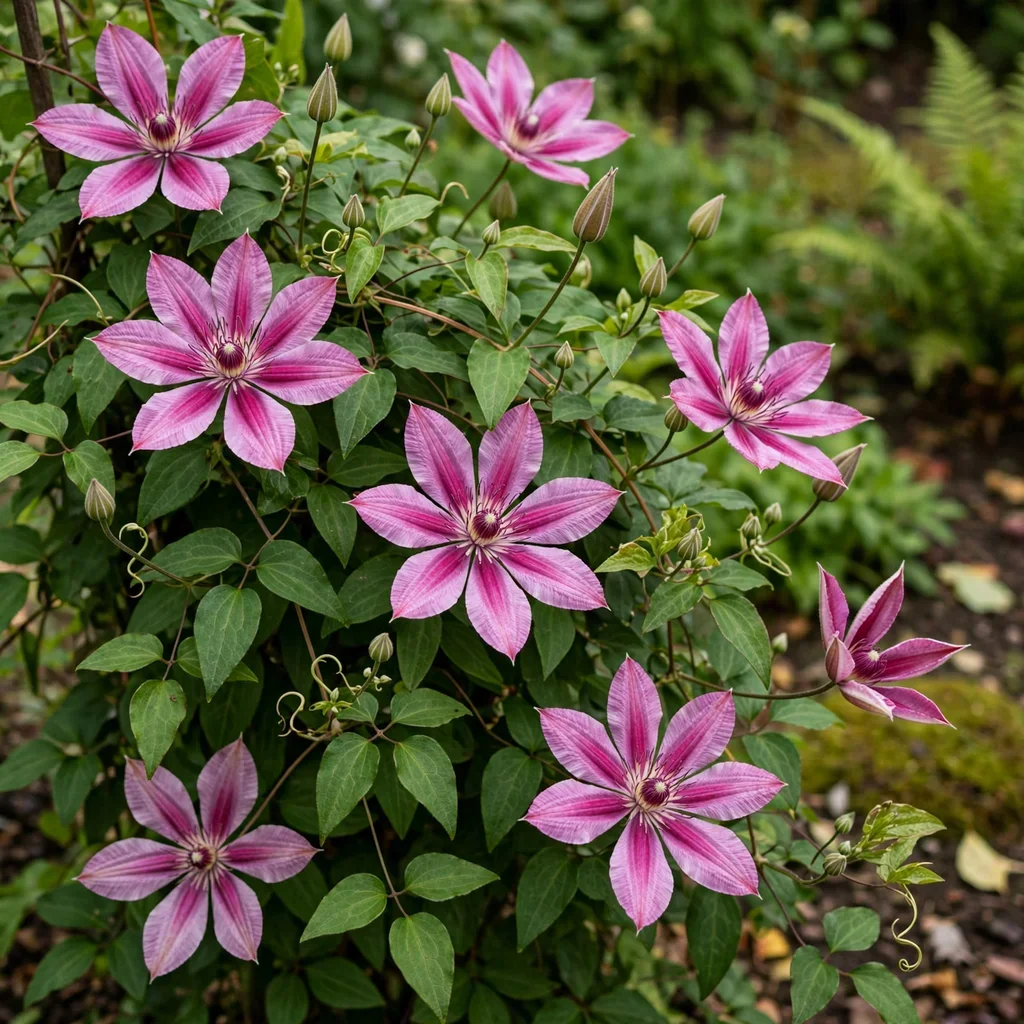
Yuan Clematis
Clematis viticella 'Yuan'
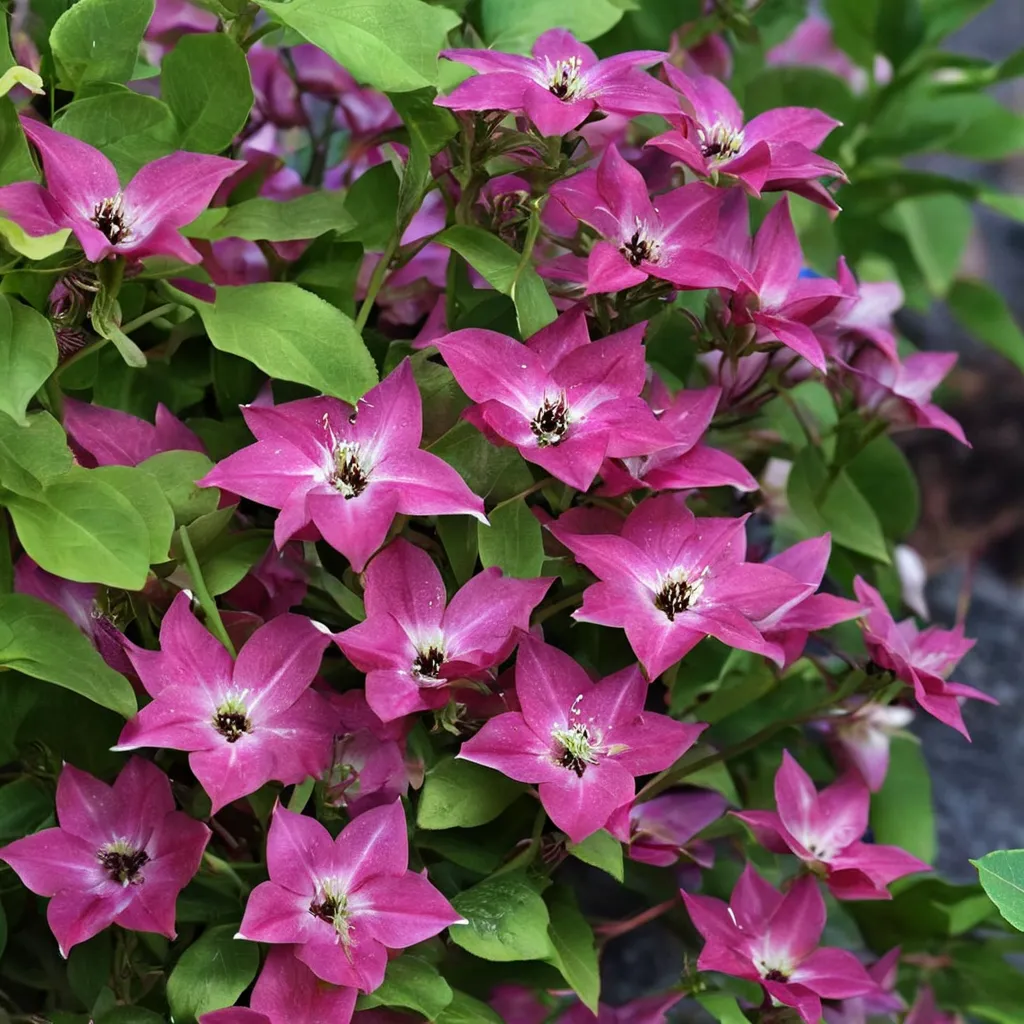
Viva Polonia Clematis
Clematis x hybrida 'Viva Polonia'
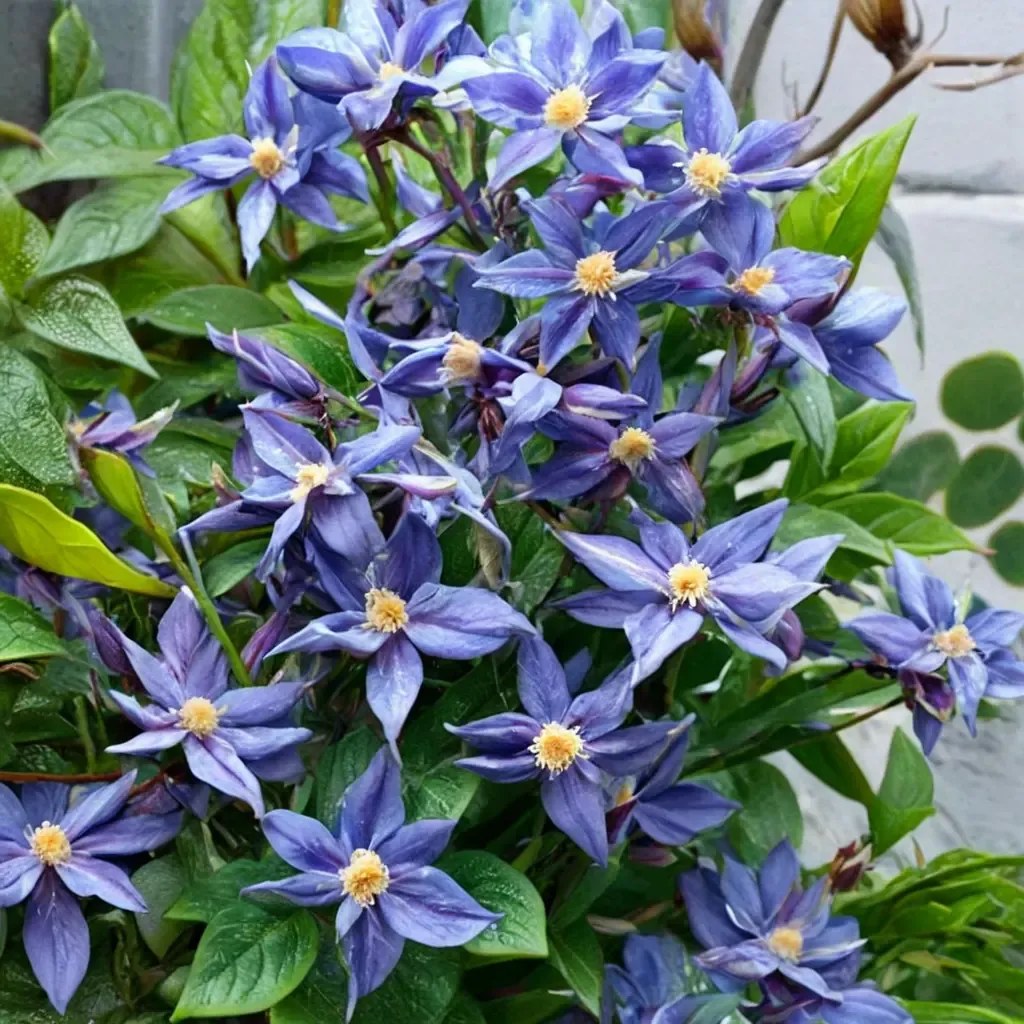
Tsukiko Clematis
Clematis x durandii 'Tsukiko'
Keep exploring
Explore the genus
Hardy in your zone?
Grow Australian Clematis with confidence
See it in a design of your actual yard, get zone-matched care reminders, and track it season by season in your garden journal.