The Story
Plant Bio
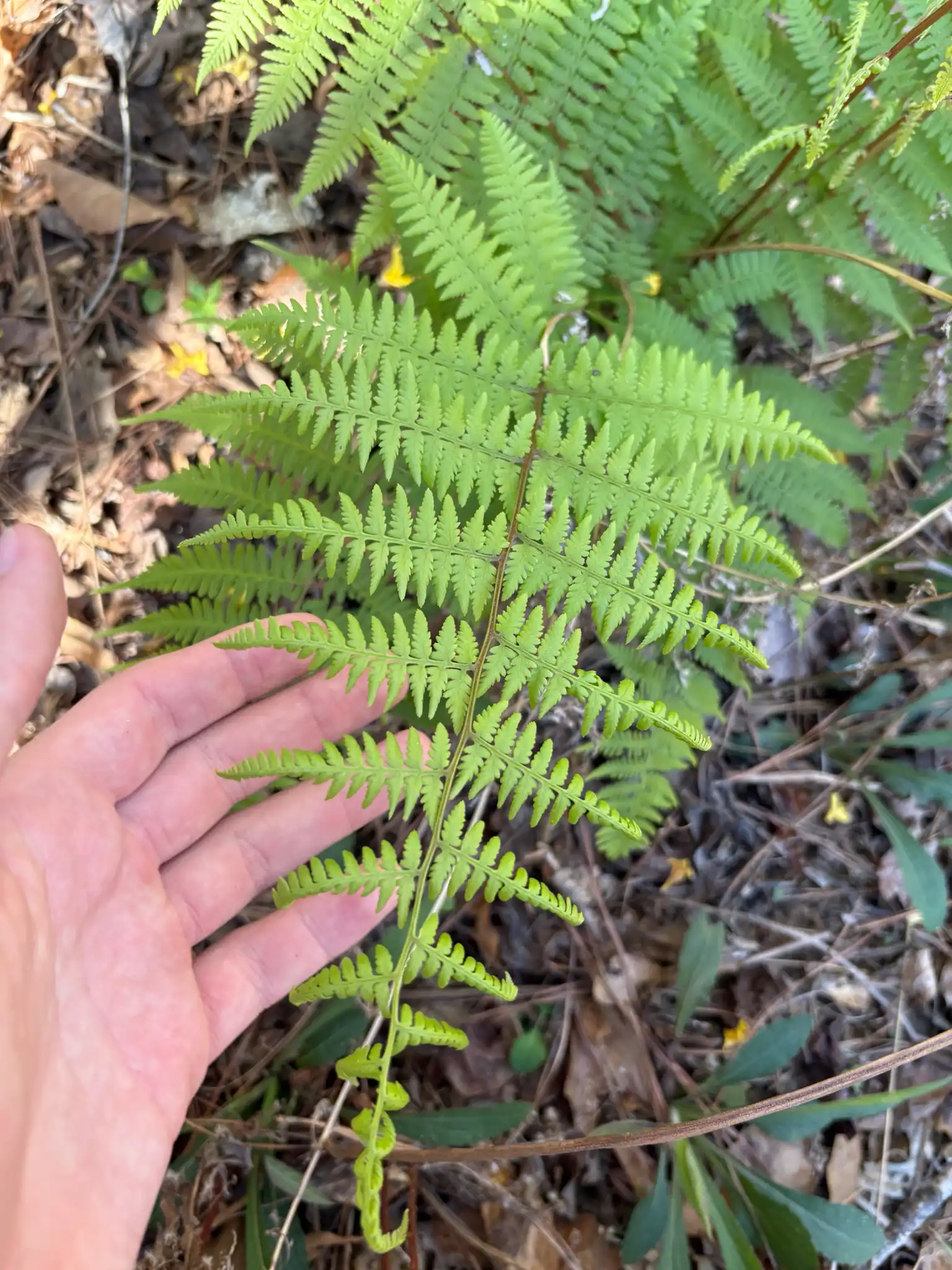
Athyrium asplenioides is a deciduous perennial fern native to central and eastern North America, growing two to three feet tall in rich, moist woodland habitats. It forms a dense, circular, shuttlecock-like rosette of lacy fronds that emerge lime-green in spring.
The light green, two- to three-pinnate leaf blades are distinctly broadest near their base and feature stipes shorter than the blade length. Non-flowering, this species reproduces via dark brown spores displayed on the undersides of fronds from spring through summer.
Uses & Benefits:
Essentials
At a Glance
Plant Type
Fern
Height
35"
Width
35"
Light
Partial Sun, Shade
Zones
5, 6, 7, 8, 9
Water
Medium to High
Humidity
High
Lifespan
Perennial
Native To
North America
Toxicity
Non-toxic
Planting
How to Grow
- Select a shaded or part-shaded planting location with rich, moisture-retentive, acidic to neutral soil.
- Dig a hole slightly wider than the root mass and place the crown exactly flush with the surrounding soil line.
- Backfill with soil rich in organic matter, press firmly to eliminate air pockets, and water thoroughly.
- Apply a light layer of leaf mold or compost mulch around the base and maintain continuous moisture throughout the root zone.
Pro Tip
Position the crown precisely level with the soil surface when planting or dividing; burying it halts growth and induces crown rot, while dry root zones lead directly to frond scorch.
Keep It Thriving
Care Guide
Do
- Keep soil consistently moist, especially during hot summer periods.
- Plant crowns flush with the soil surface to prevent crown rot.
- Shear tattered foliage back in mid-summer to prompt a fresh flush of fronds.
Don't
- Do not bury the crown below soil level during planting or division.
- Do not allow the root zone to dry out completely.
- Do not plant in unshaded, full-sun locations unless soil remains constantly saturated.
Seasonal Care Calendar
| Task | Jan | Feb | Mar | Apr | May | Jun | Jul | Aug | Sep | Oct | Nov | Dec |
|---|---|---|---|---|---|---|---|---|---|---|---|---|
| Divide | ||||||||||||
| Mulch | ||||||||||||
| Pest Check | ||||||||||||
| Prune |
Watch Out For
Pests & Diseases
Common Pests
Common Diseases
In the Garden
Landscape Uses & Companions
Landscape Uses
Multiply
Propagation Methods
Good to Know
Common Questions
Southern Lady Fern questions
What zones can Southern Lady Fern grow in?
Southern Lady Fern is hardy in USDA Zones 5–9. Inside that range it survives winter in the ground; outside it, grow it as an annual or a container plant you protect.
Is Southern Lady Fern deer resistant?
Yes — Southern Lady Fern is rated deer-resistant. Deer typically pass it over, though extreme hunger can override any plant's defenses.
Does Southern Lady Fern need full sun?
Southern Lady Fern does best in part shade.
More Athyrium to compare
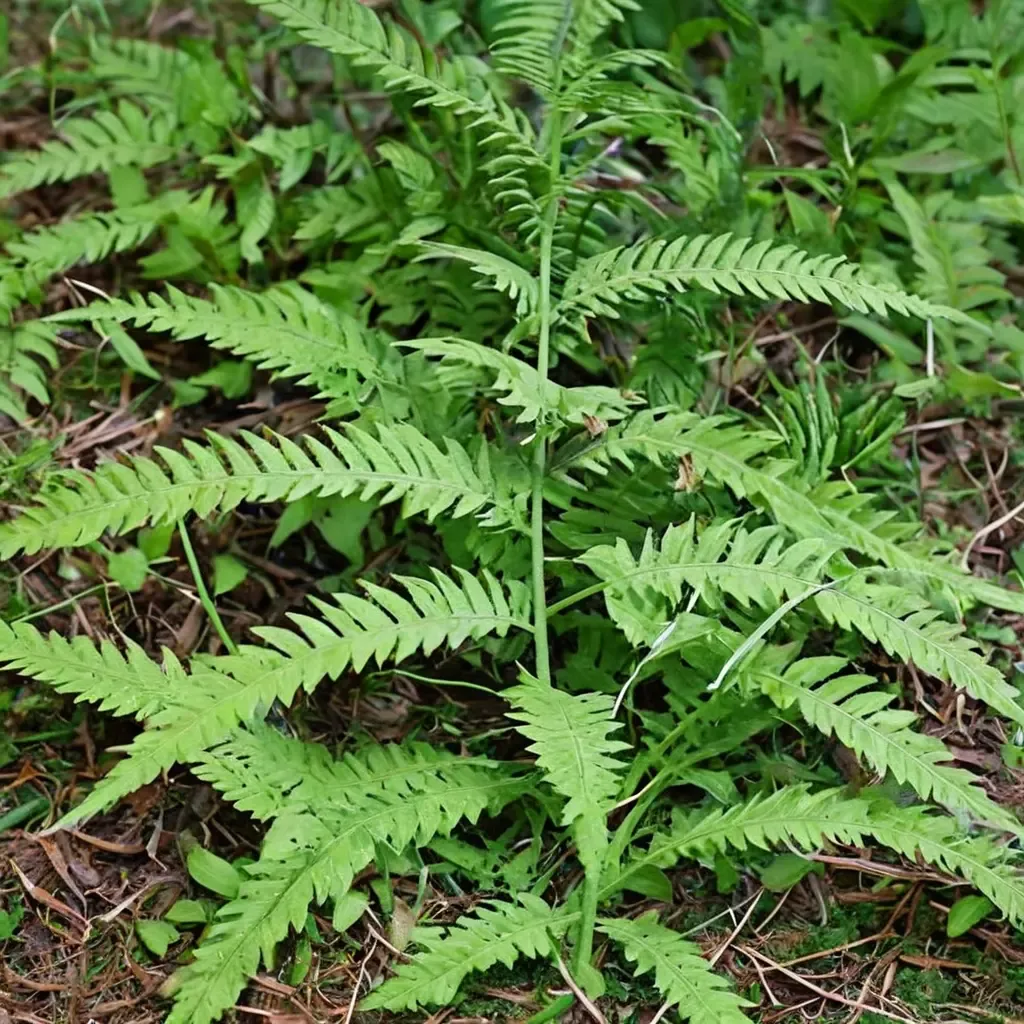
Lady Fern
Athyrium filix-femina
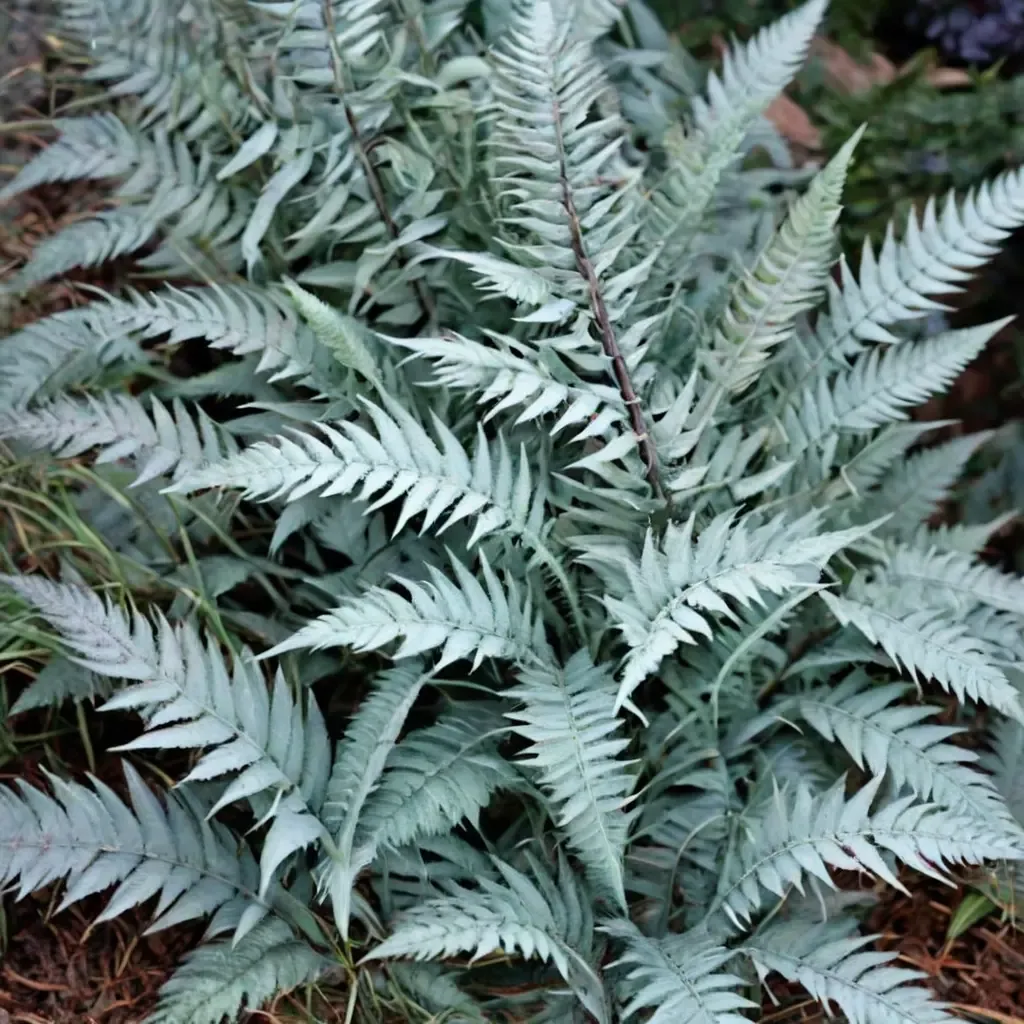
Ghost Fern
Athyrium niponicum 'Ghost'
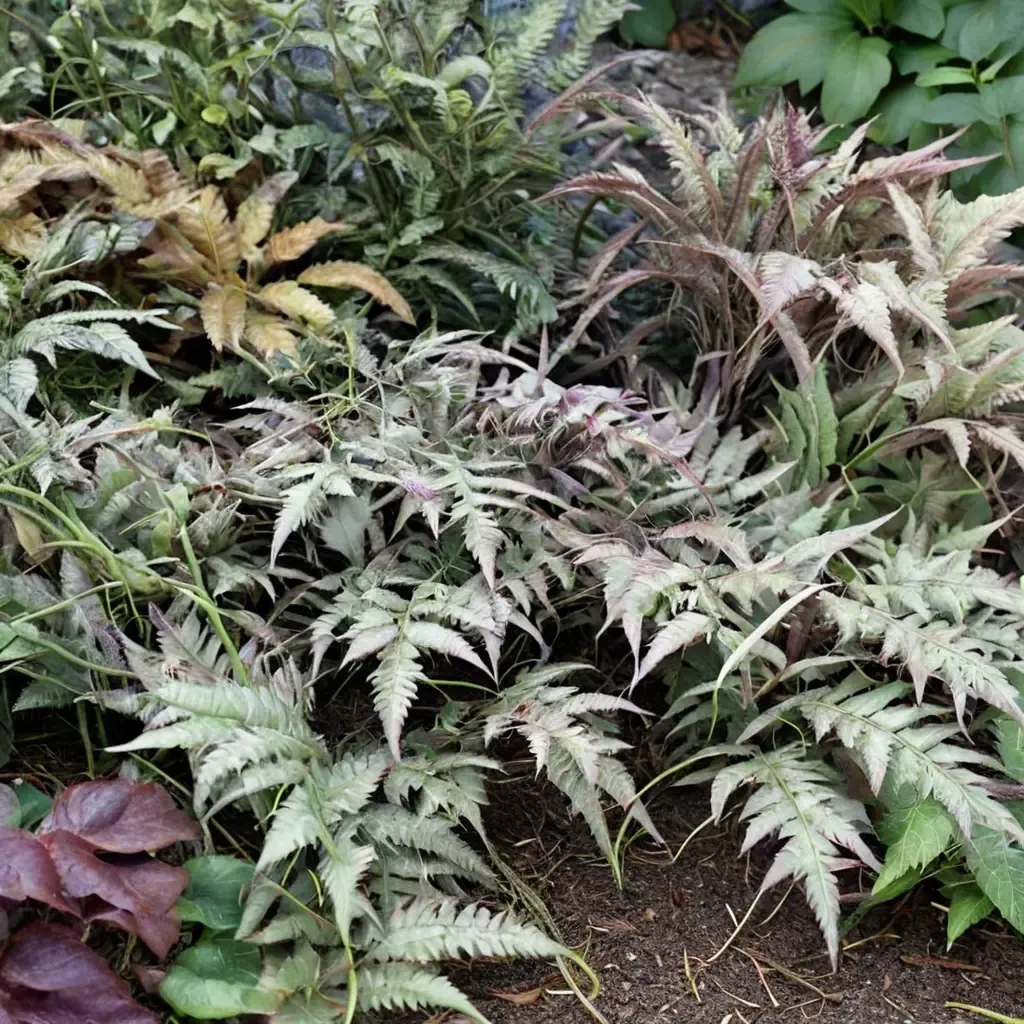
Pictum Japanese Painted Fern
Athyrium niponicum 'Pictum'
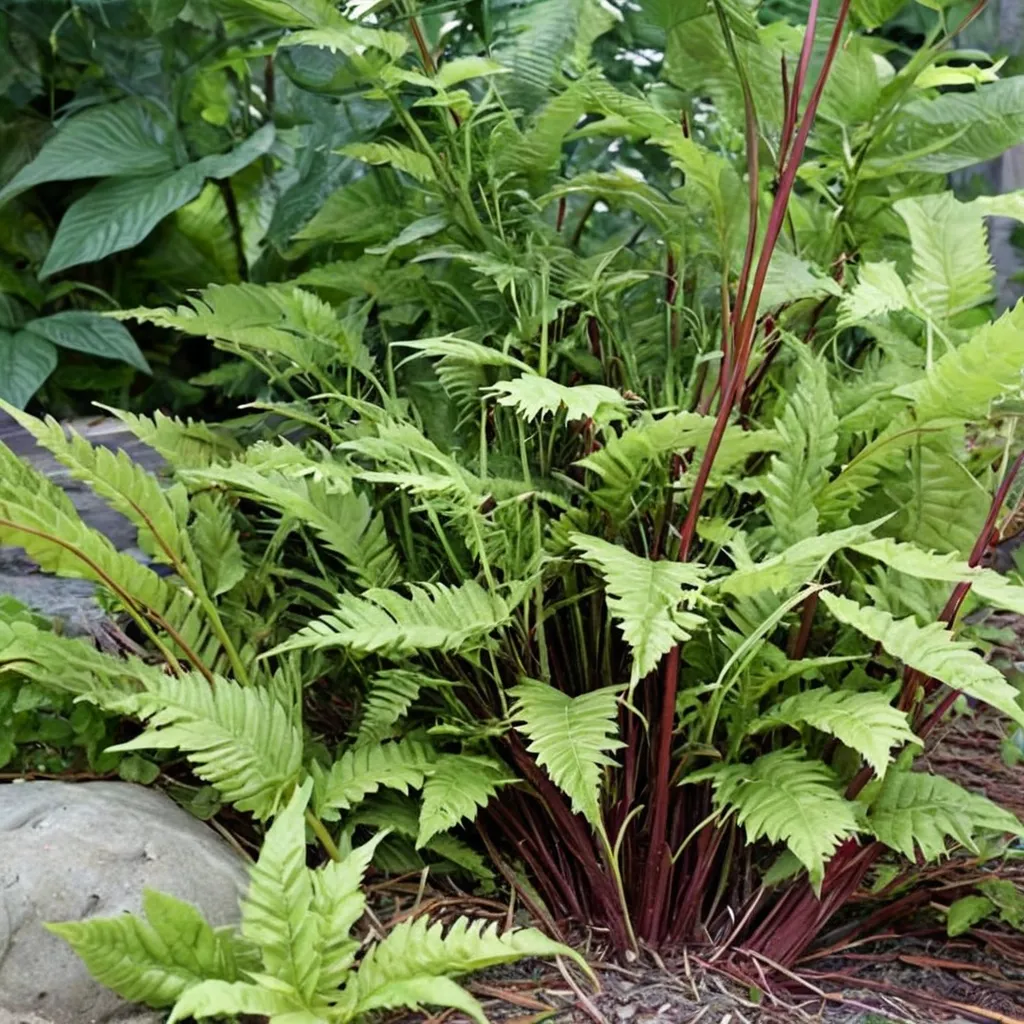
Lady in Red Fern
Athyrium filix-femina 'Lady in Red'
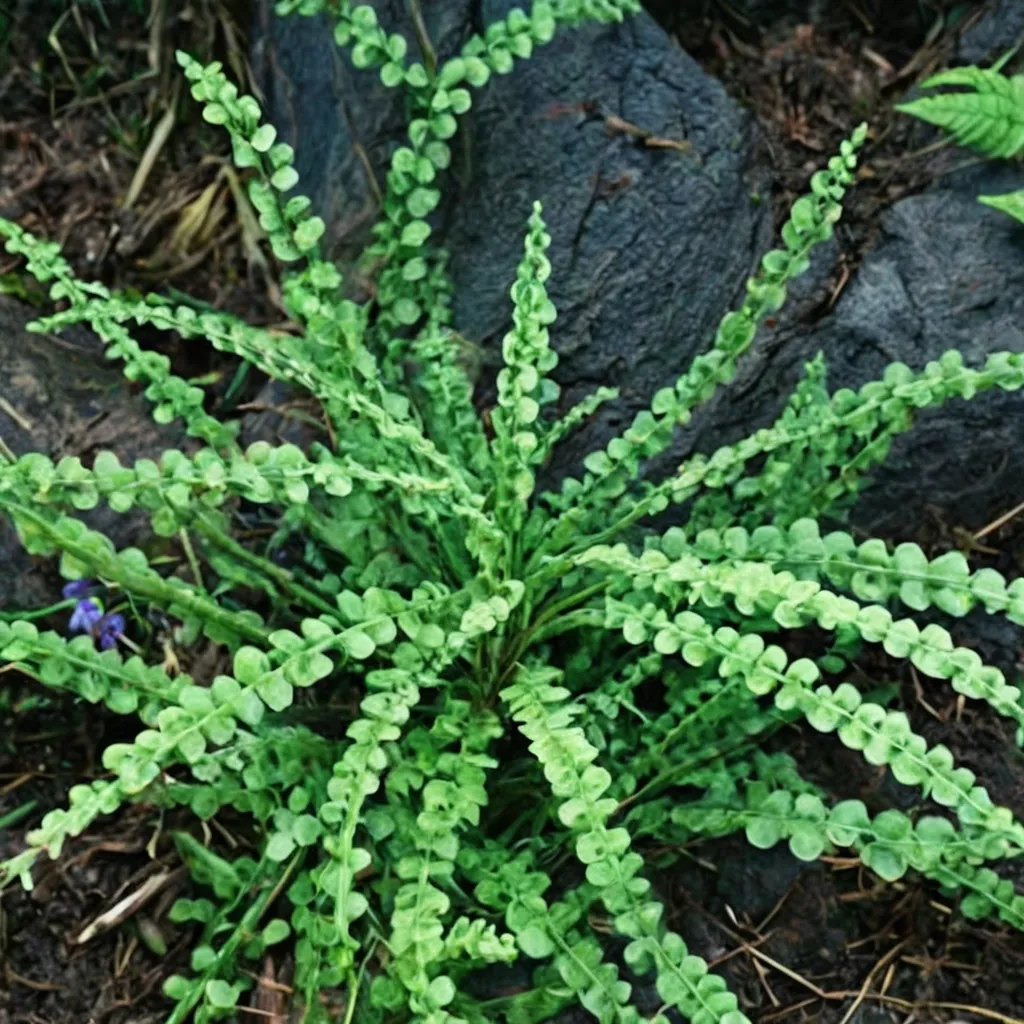
Tatting Fern
Athyrium filix-femina 'Frizelliae'
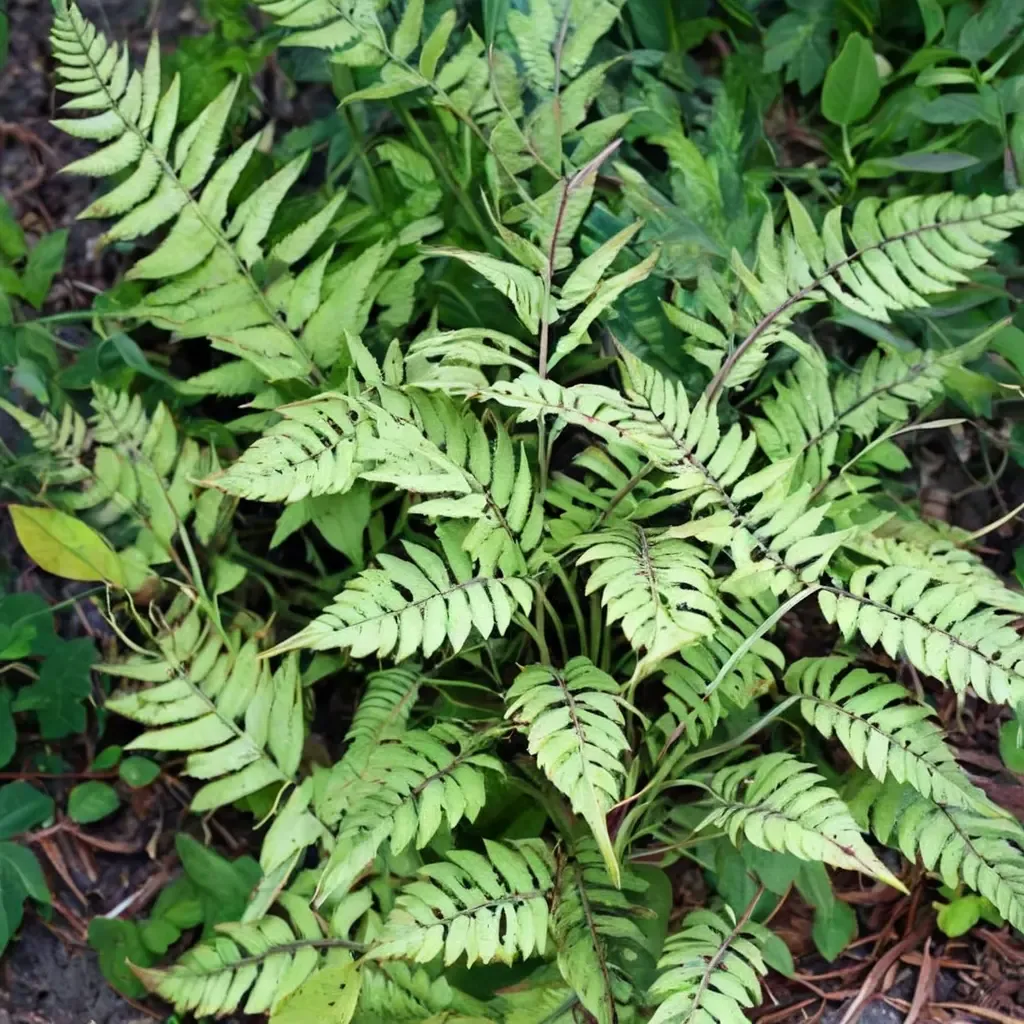
Okanum fern
Athyrium otophorum 'Okanum'
Keep exploring
Explore the genus
Hardy in your zone?
Grow Southern Lady Fern with confidence
See it in a design of your actual yard, get zone-matched care reminders, and track it season by season in your garden journal.