1 named cultivar
The Story
Plant Bio
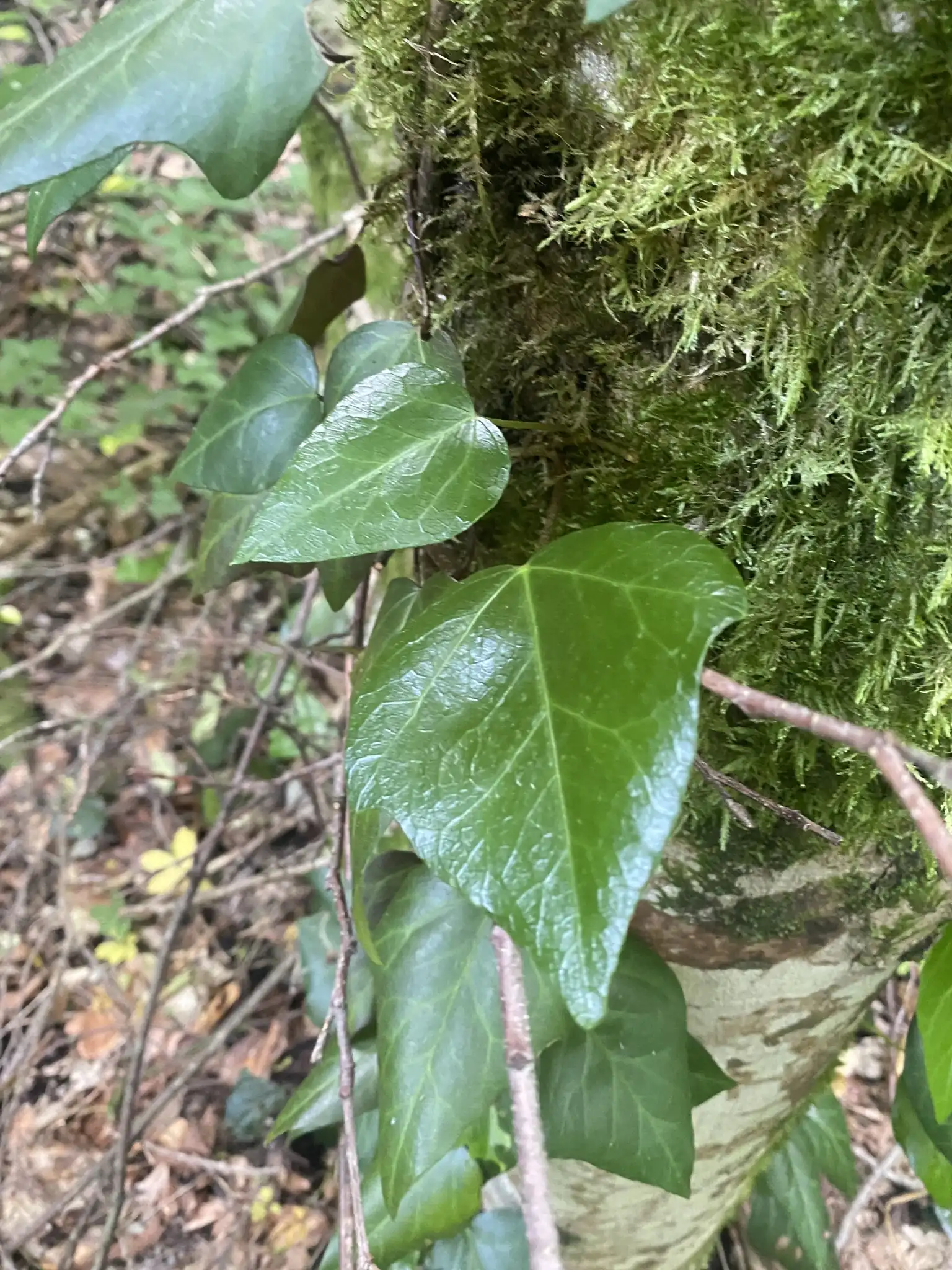
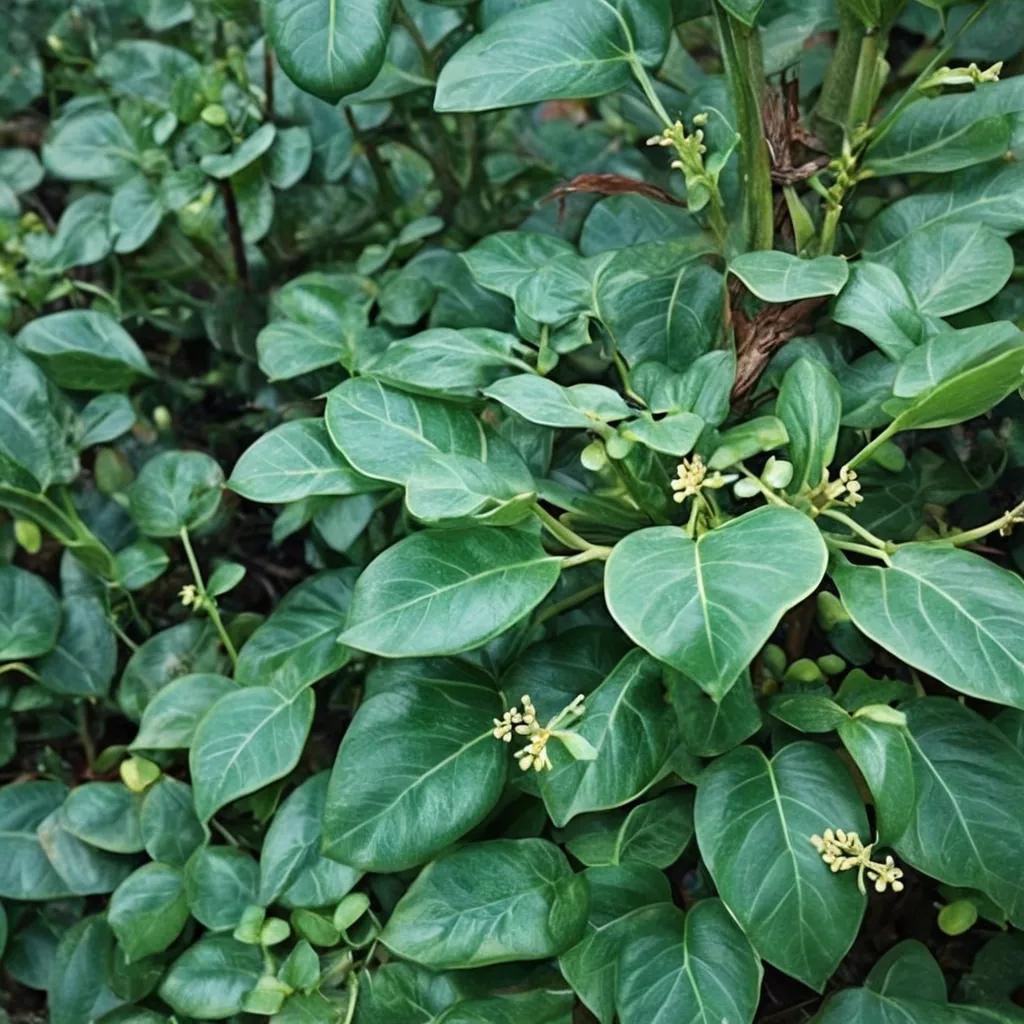
Hedera colchica, Persian ivy, is a broadleaf evergreen climbing vine from the western Caucasus and northern Turkey, reaching thirty to a hundred feet on a support and spreading ten to fifty feet as groundcover. Brown stems carry aerial rootlets that cling to whatever they touch, and greenish-white autumn flowers give round black berries in winter.
The leaves are the largest of any ivy, often the size of a hand, which makes it read as a bold texture rather than the fine mesh of common ivy. It also flowers in autumn and fruits in winter, feeding bees and birds when almost nothing else is available. It is not native to North America and spreads freely, so site it deliberately.
Uses & Benefits:
Essentials
At a Glance
Plant Type
Vine
Height
480"
Width
300"
Light
Partial Sun, Shade
Zones
4, 5, 6, 7, 8, 9
Water
Low to moderate
Humidity
Moderate
Lifespan
Perennial
Native To
Western Caucasus and northern Turkey
Toxicity
Berries and foliage toxic if eaten
Planting
How to Grow
- Plant in shade or dappled light in any drained soil.
- Give it a wall, tree or fence to cling to.
- Water while establishing, then leave it alone.
- Cut back hard in spring to control spread.
- Keep it off timber and painted surfaces.
- Do not let it run into woodland.
Pro Tip
Cut it back hard every spring — left alone it climbs a hundred feet and the aerial rootlets lift paint and mortar as they go.
Keep It Thriving
Care Guide
Do
- Give it something to climb 🧗
- Cut it back hard each spring ✂️
- Let it take deep shade and drought 🌑
- Keep it clear of woodland edges 🚧
Don't
- Let it climb painted timber ❌
- Plant it near natural areas ❌
- Assume it will stay a groundcover ❌
Seasonal Care Calendar
| Task | Jan | Feb | Mar | Apr | May | Jun | Jul | Aug | Sep | Oct | Nov | Dec |
|---|---|---|---|---|---|---|---|---|---|---|---|---|
| Enjoy | ||||||||||||
| Prune |
Watch Out For
Pests & Diseases
Common Pests
Common Diseases
In the Garden
Landscape Uses & Companions
Landscape Uses
Companion Plants
Multiply
Propagation Methods
Good to Know
Common Questions
Persian Ivy questions
What zones can Persian Ivy grow in?
Persian Ivy is hardy in USDA Zones 4–9. Inside that range it survives winter in the ground; outside it, grow it as an annual or a container plant you protect.
Is Persian Ivy deer resistant?
Yes — Persian Ivy is rated deer-resistant. Deer typically pass it over, though extreme hunger can override any plant's defenses.
When does Persian Ivy bloom?
Persian Ivy typically blooms in fall through late fall. Exact timing shifts a week or two with your zone — Sow's bloom calendar maps it to your garden.
Does Persian Ivy need full sun?
Persian Ivy does best in part shade.
Is Persian Ivy drought tolerant?
Yes — once established (usually after the first full season), Persian Ivy handles dry spells with minimal watering. Water deeply its first year to build the root system that makes that possible.
More Hedera to compare
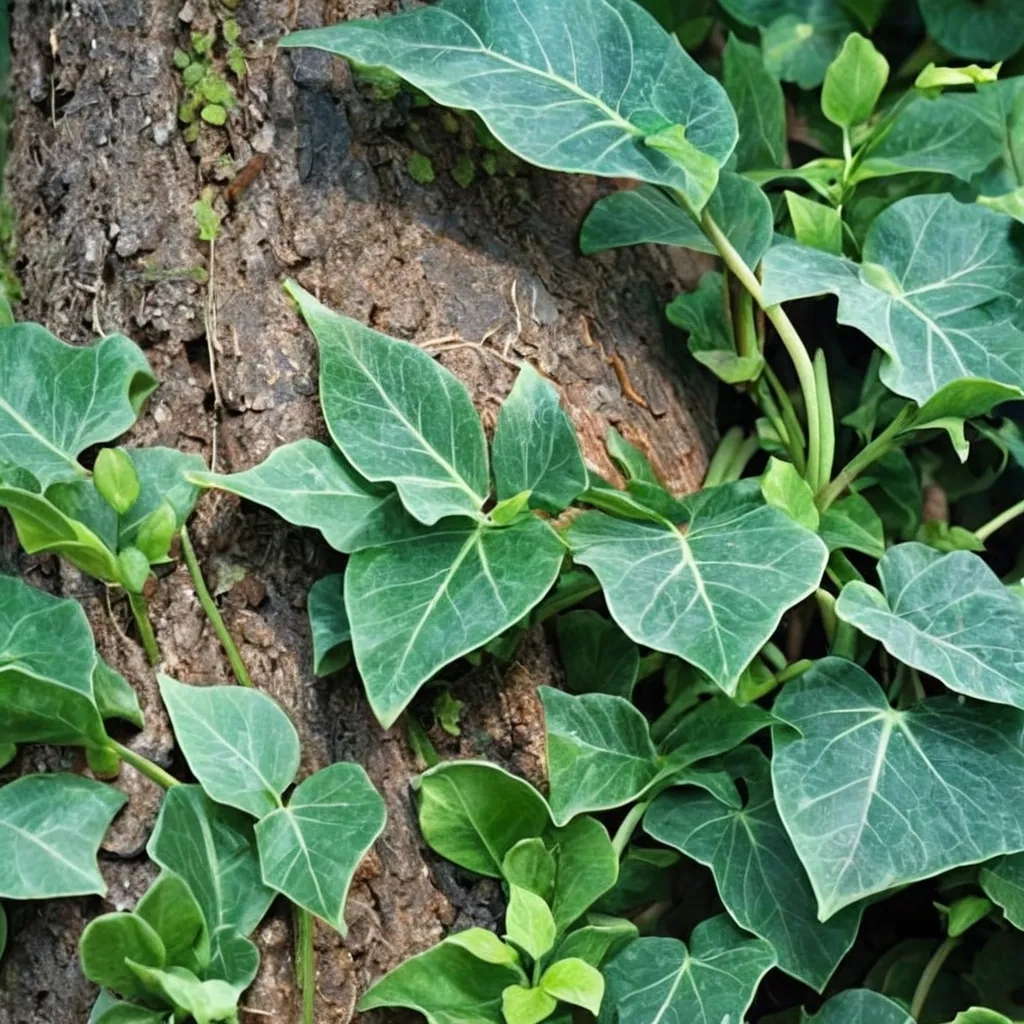
English Ivy
Hedera helix 'English Ivy'
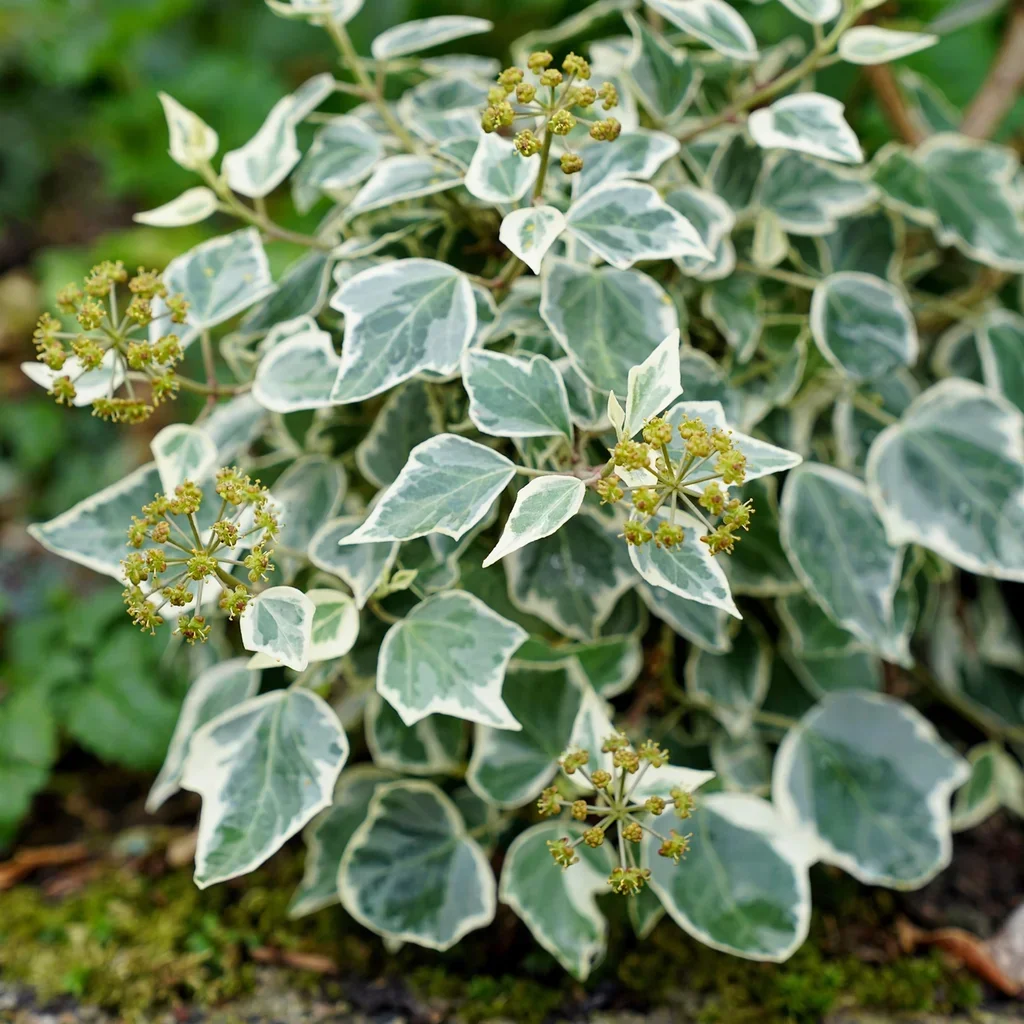
'Little Diamond' English Ivy
Hedera helix 'Little Diamond'
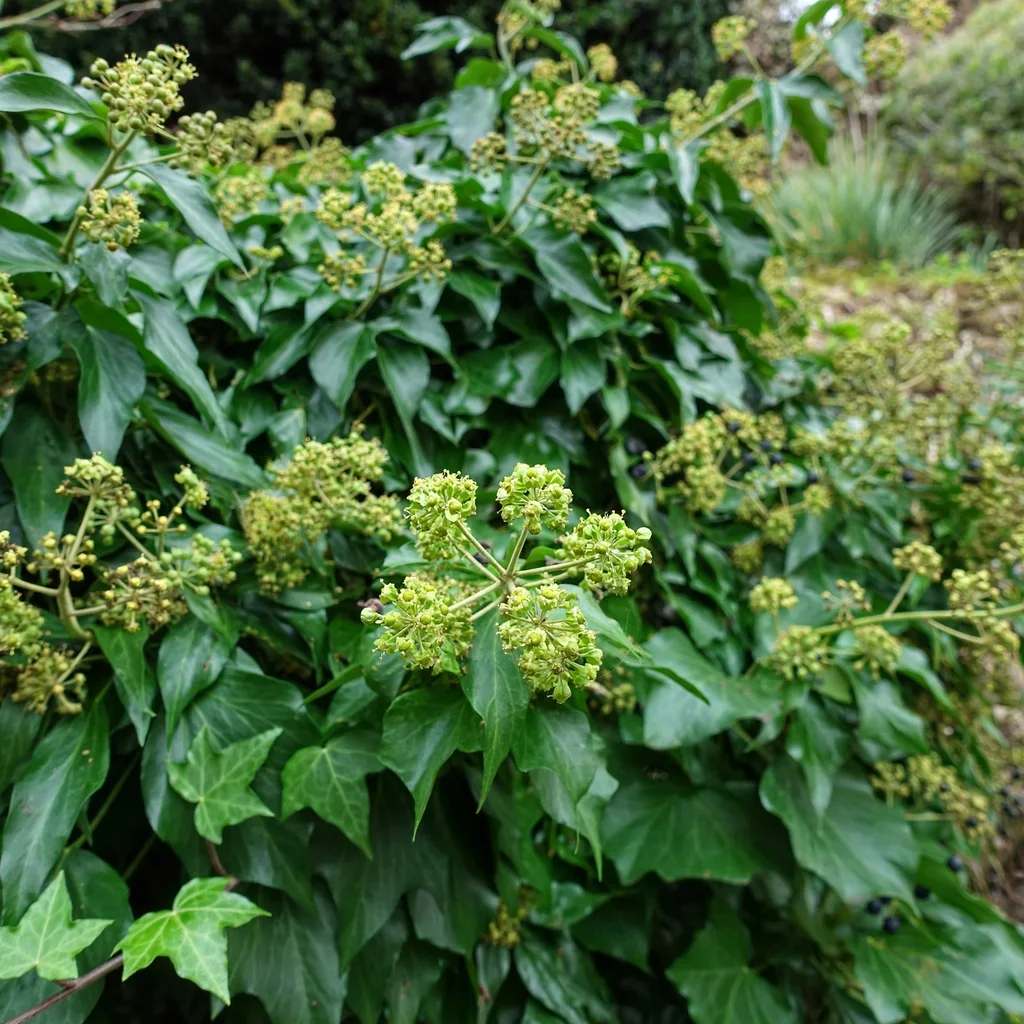
Spetchley English Ivy
Hedera helix 'Spetchley'
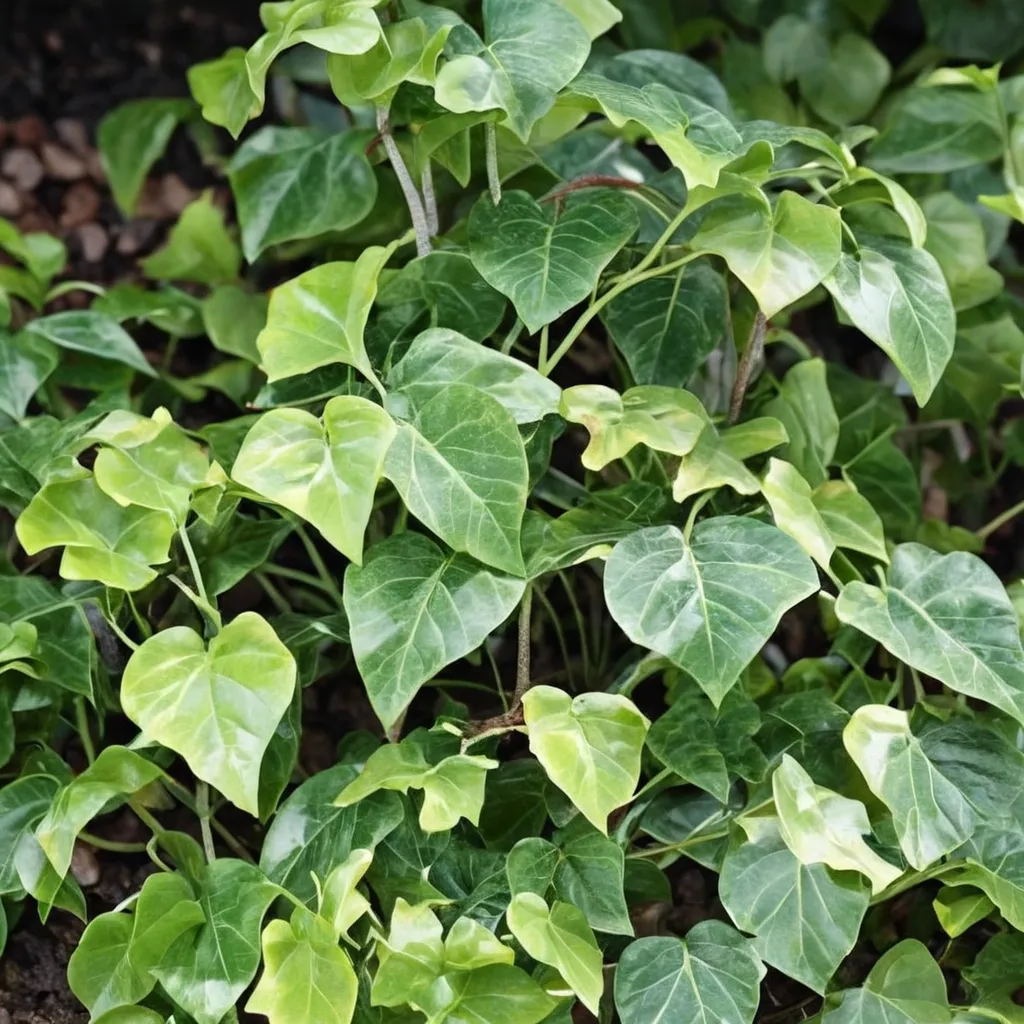
Trident English Ivy
Hedera helix 'Trident'
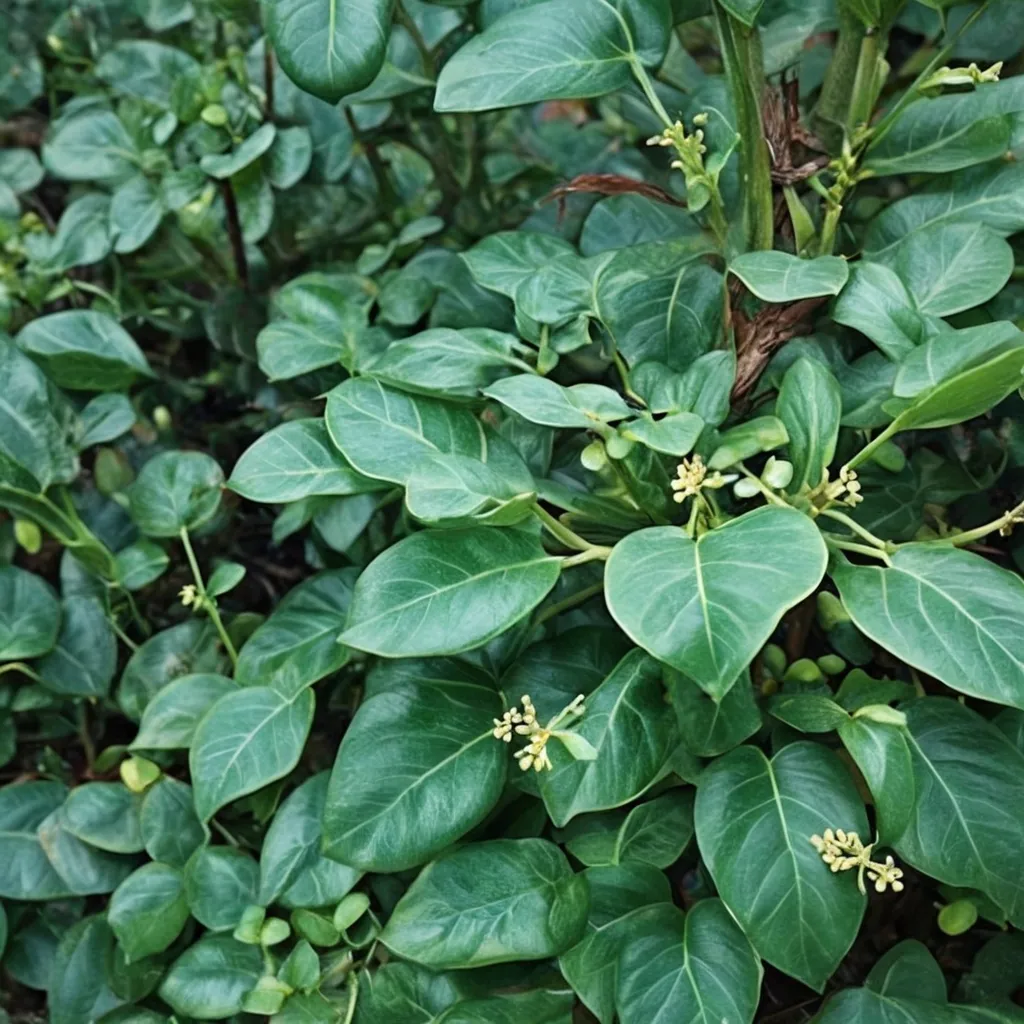
Green Spice English Ivy
Hedera colchica 'Green Spice'
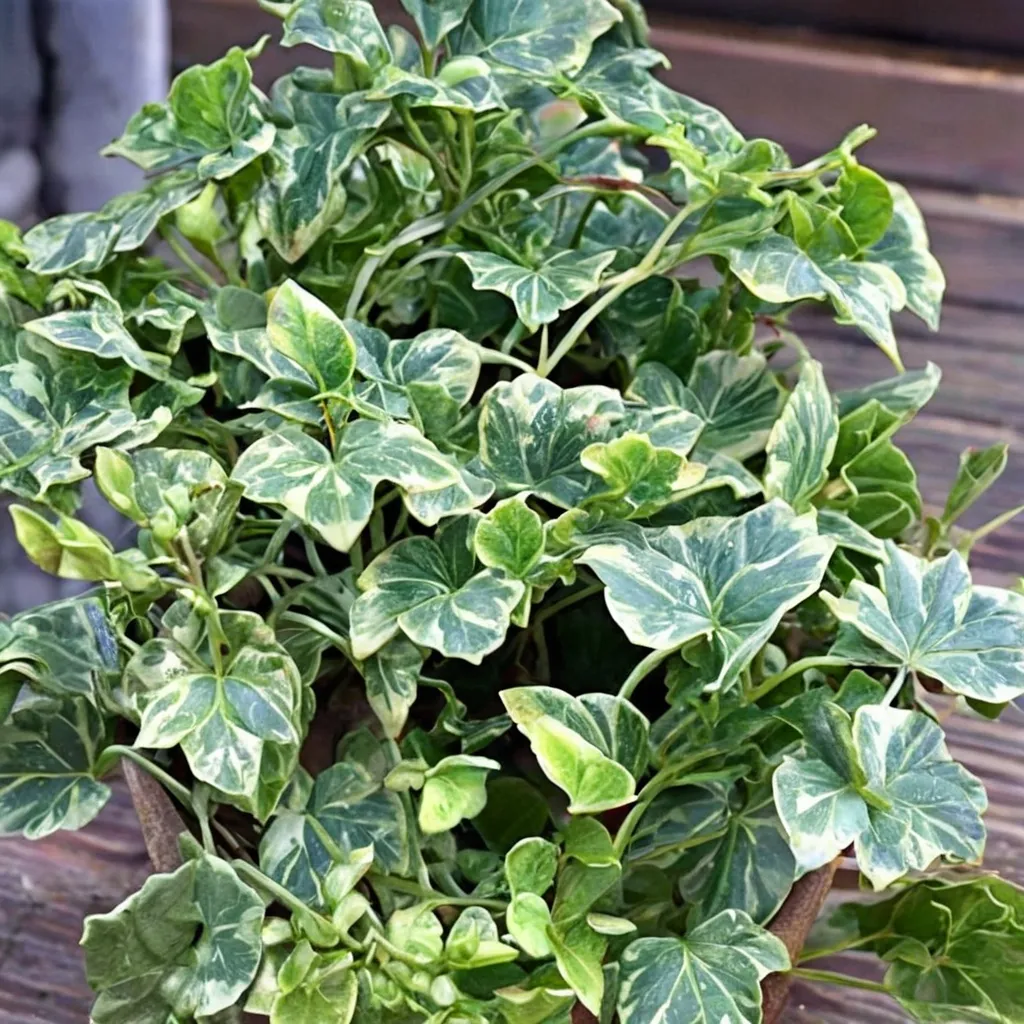
English Ivy Mint Kolibri
Hedera helix 'Mint Kolibri'
Keep exploring
Explore the genus
Grow Persian Ivy with confidence
See it in a design of your actual yard, get zone-matched care reminders, and track it season by season in your garden journal.