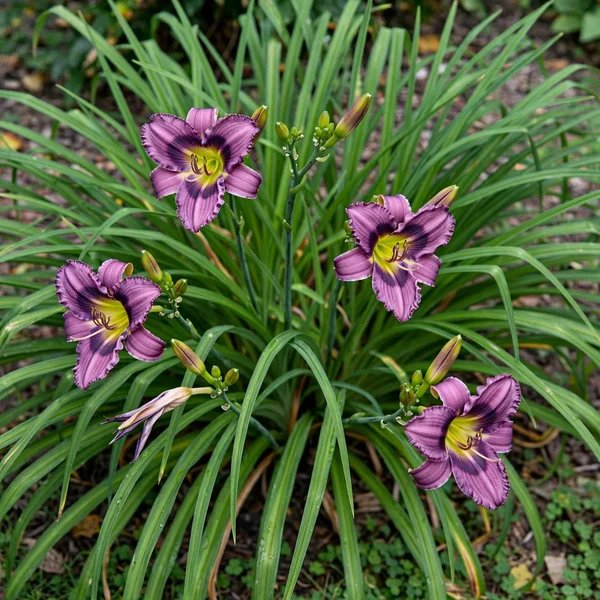
Garden hybrid
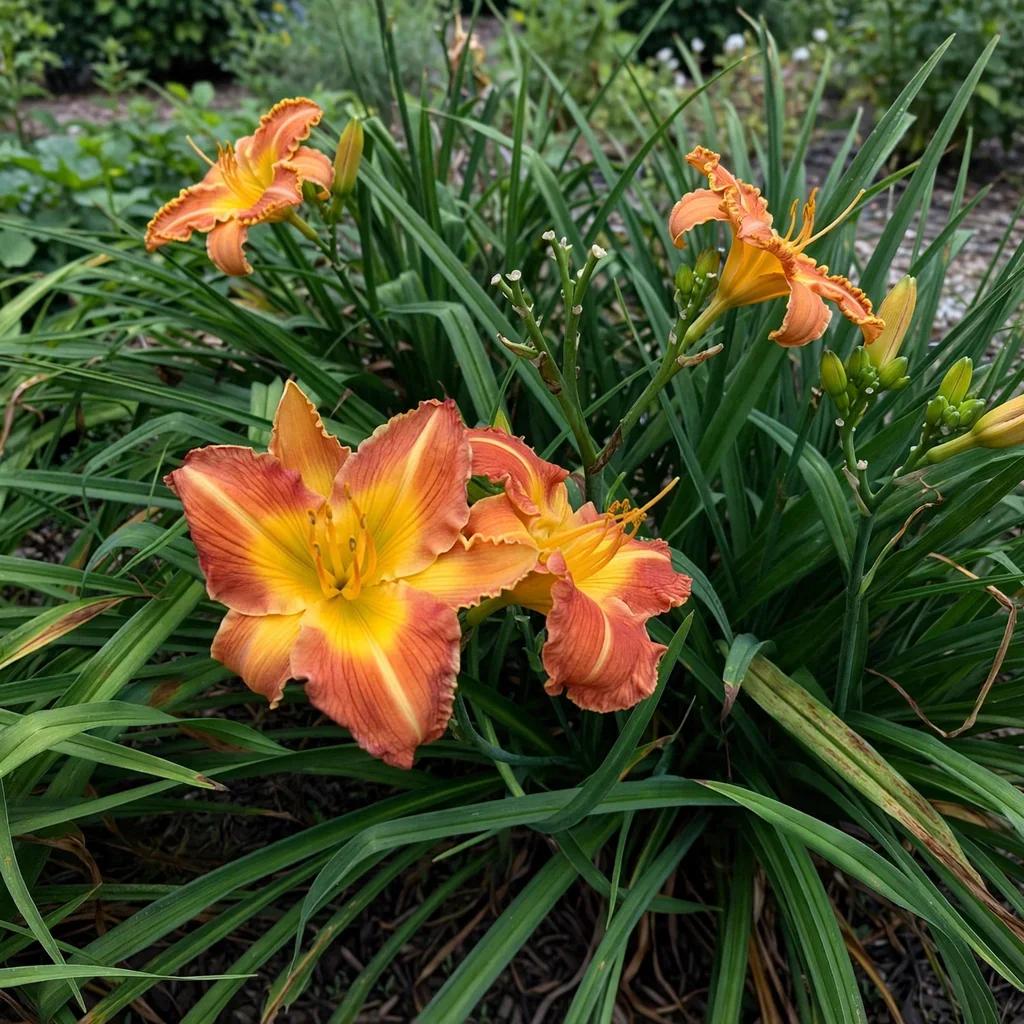
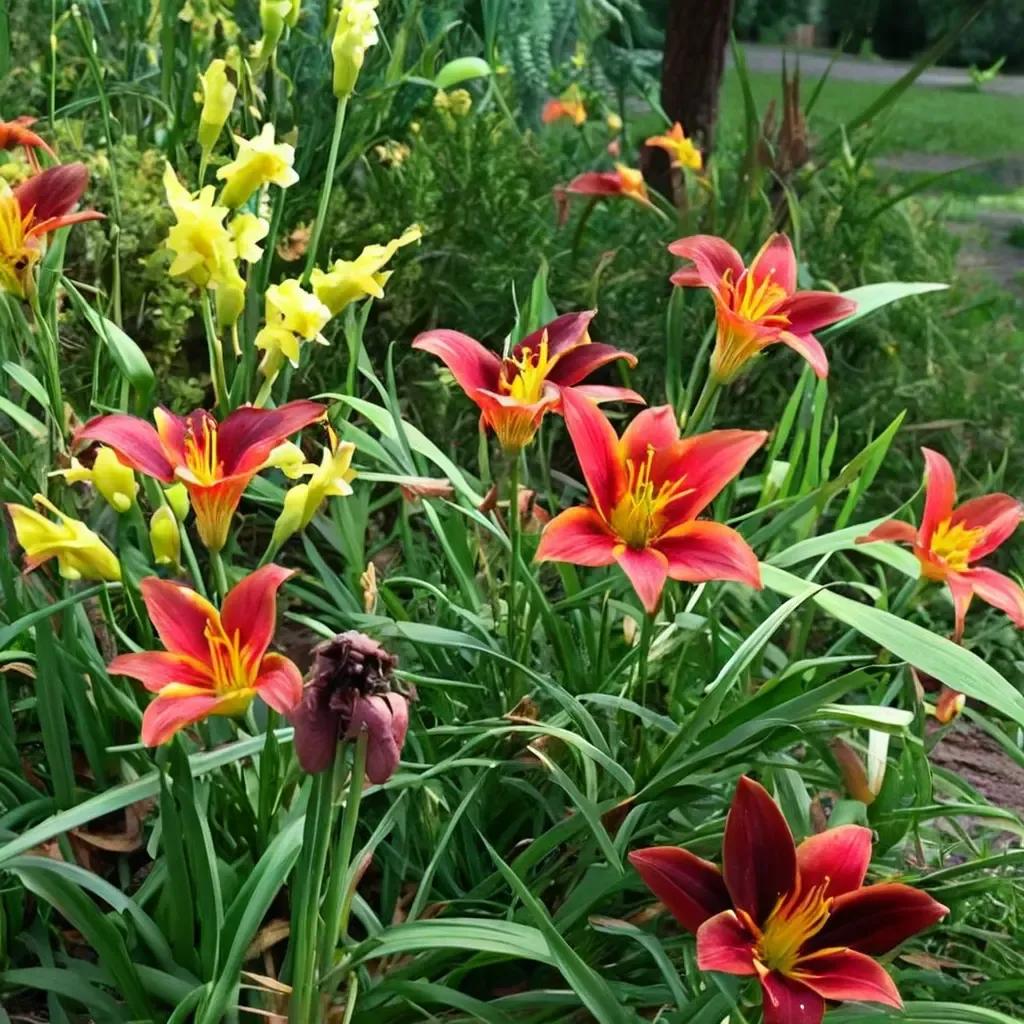 Hemerocallis x hybridaDaylily
112 other cultivars
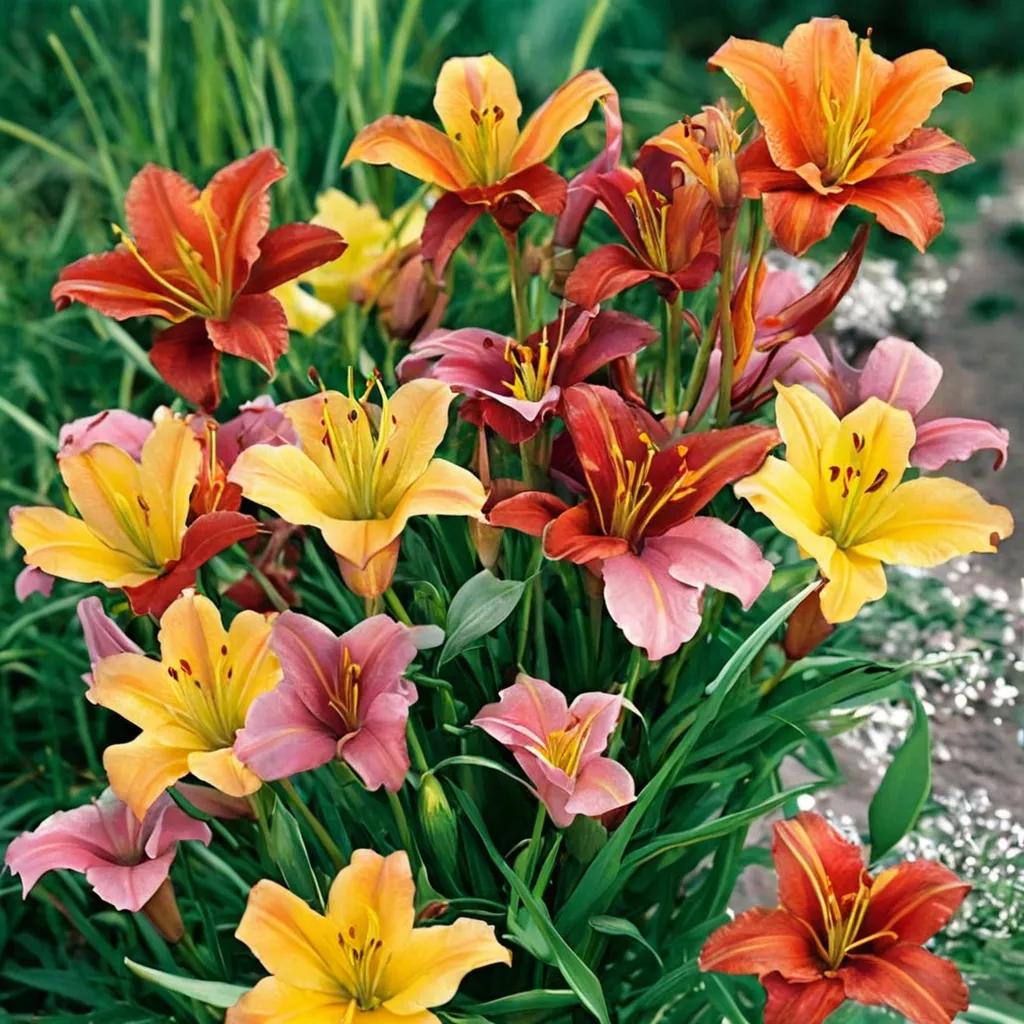 ‘Mix’Daylily Mix
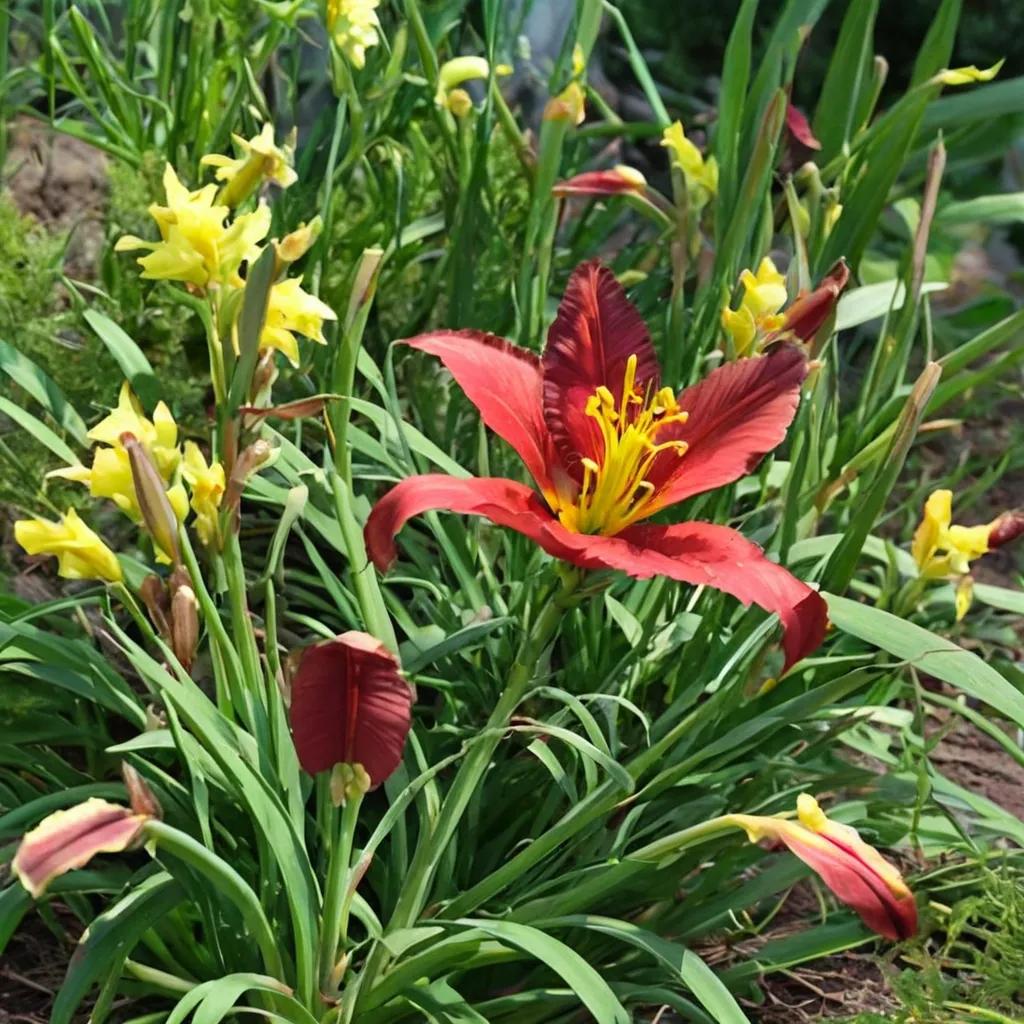 ‘Daylily Design’Design Daylily
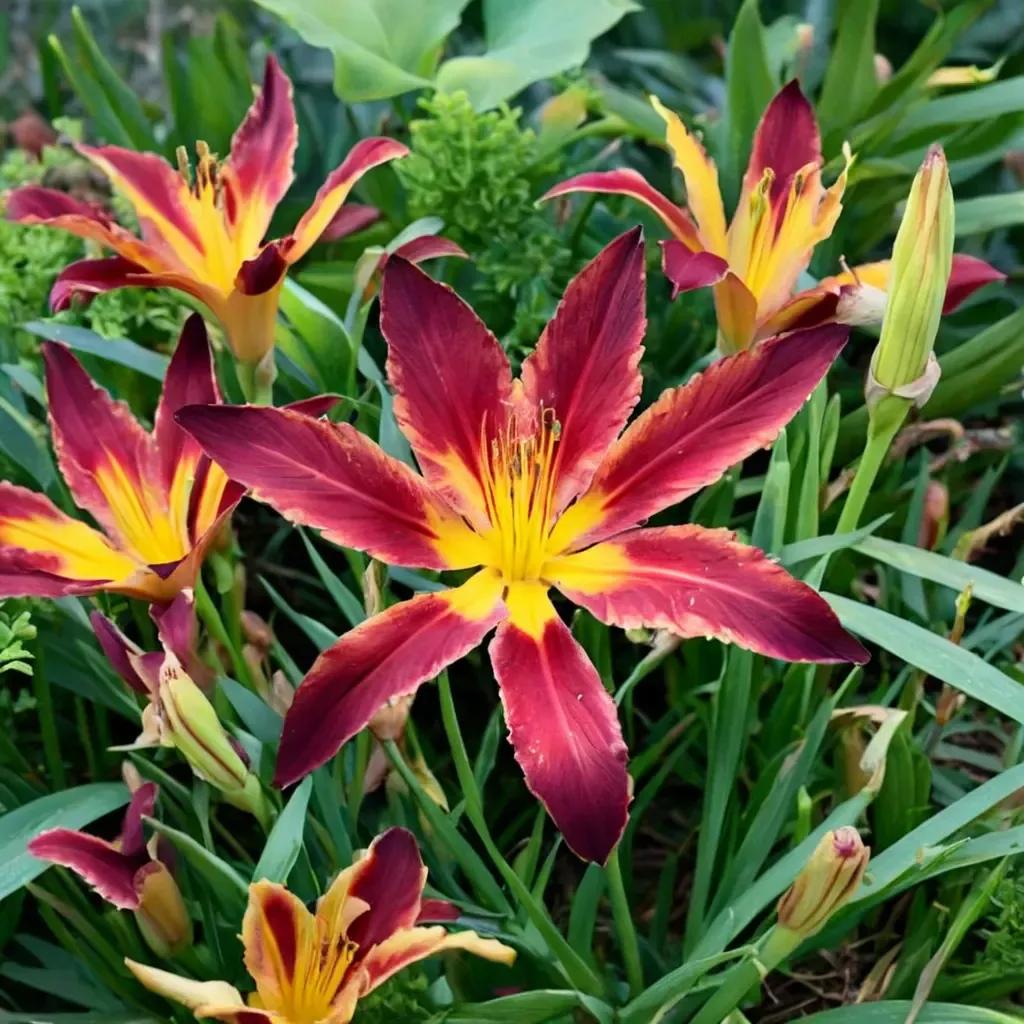 ‘Ruby Spider’Ruby Spider Daylily
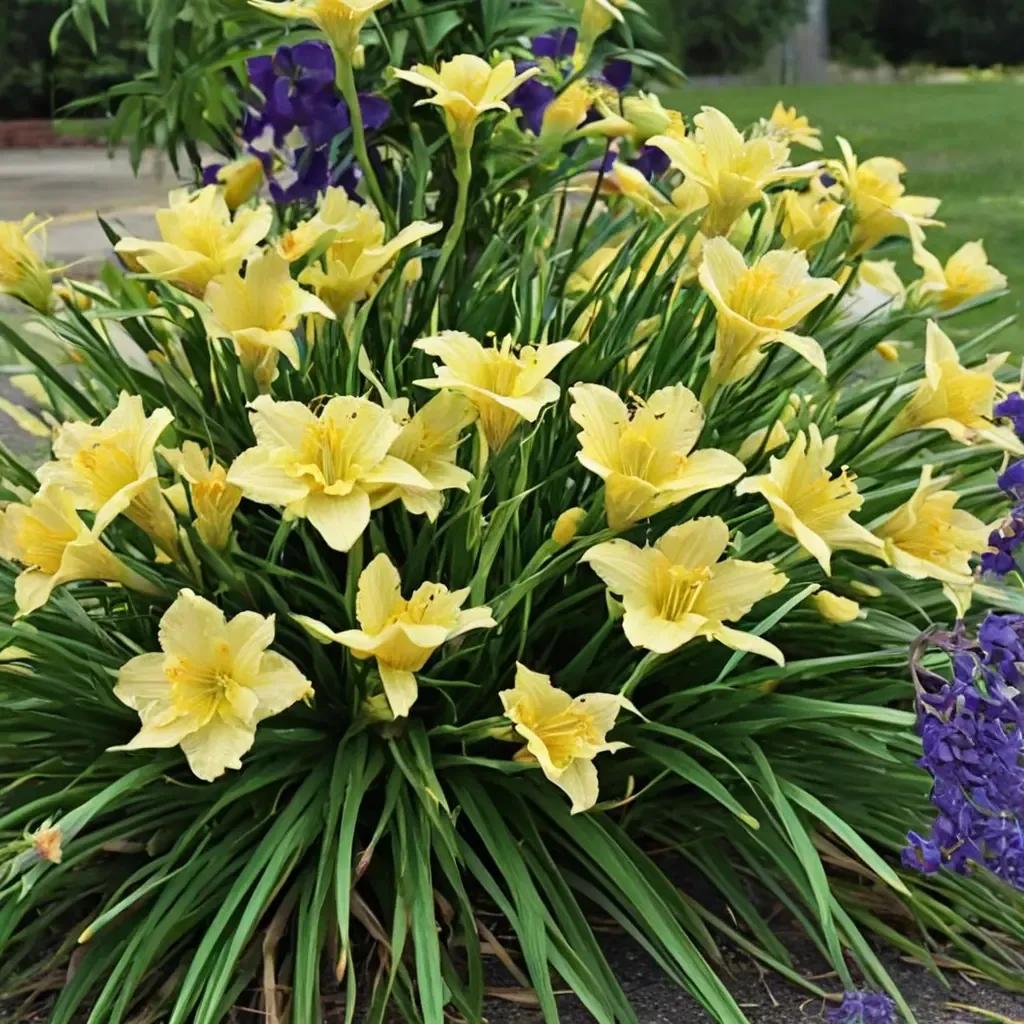 ‘Happy Returns’Happy Returns Daylily
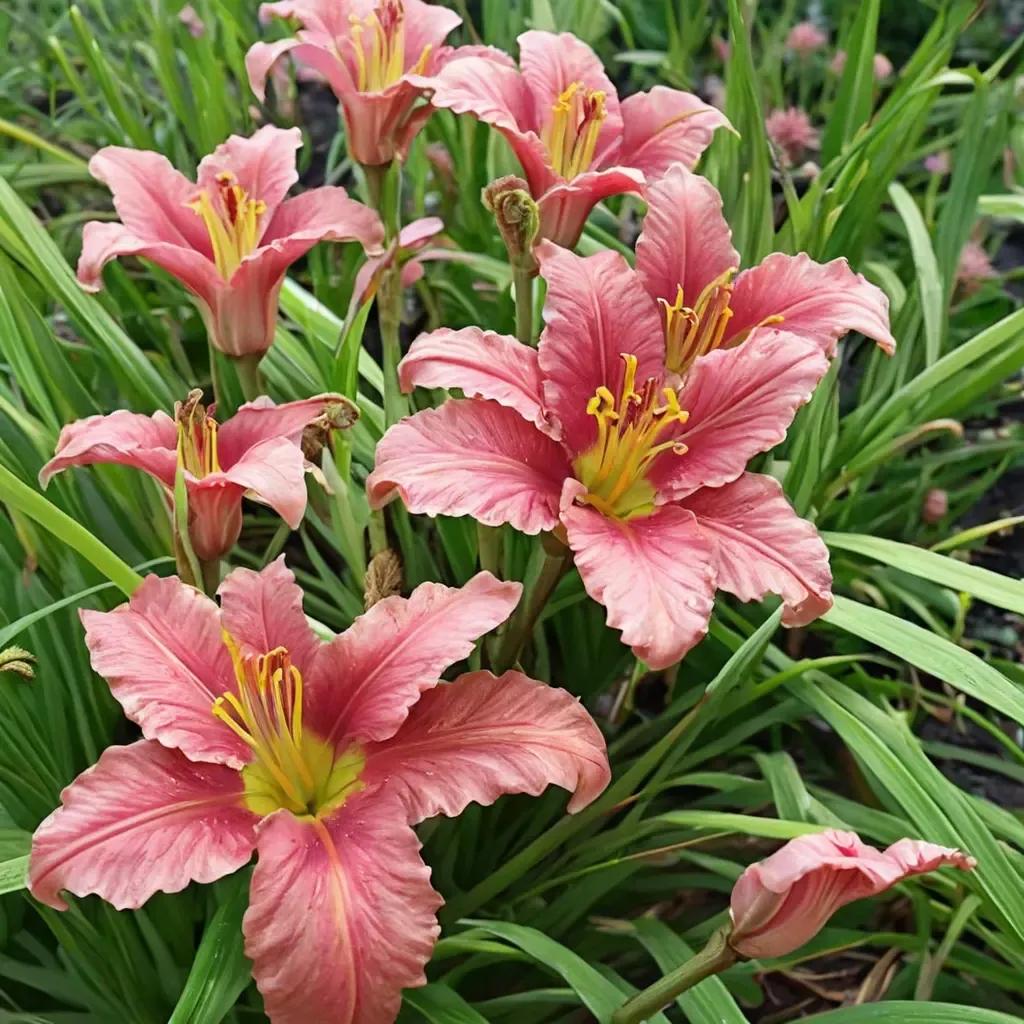 ‘Rosy Returns’Rosy Returns Daylily
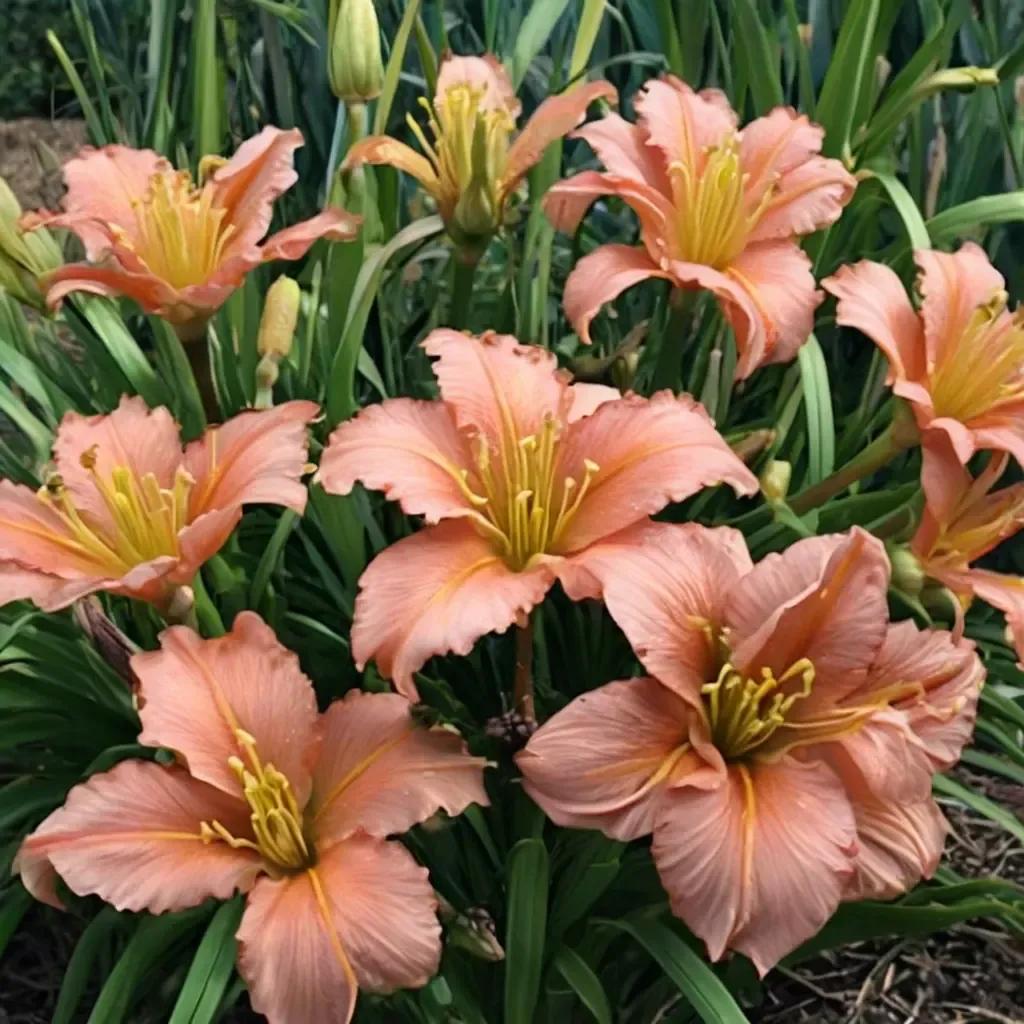 ‘On and On’Daylily 'On and On'
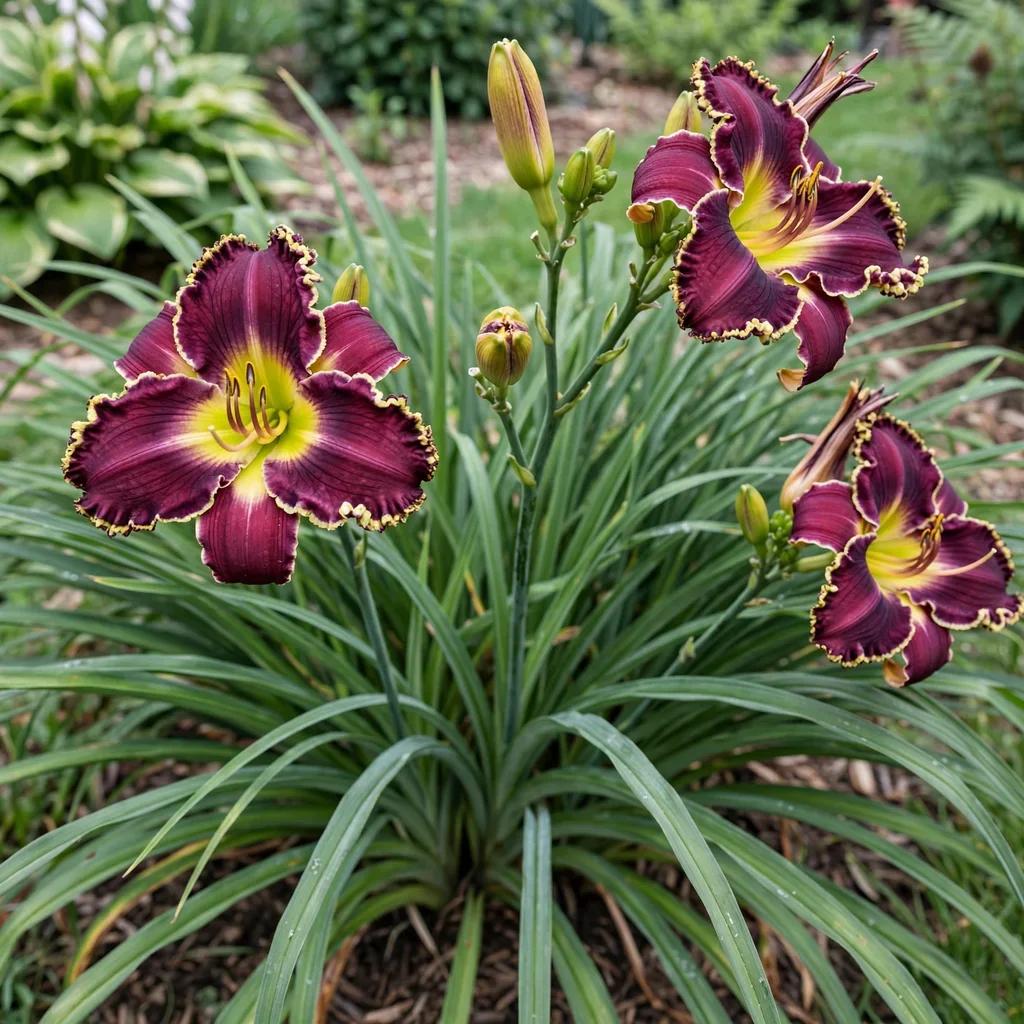 ‘Mulberry Freeze’Mulberry Freeze Jumbo Daylily
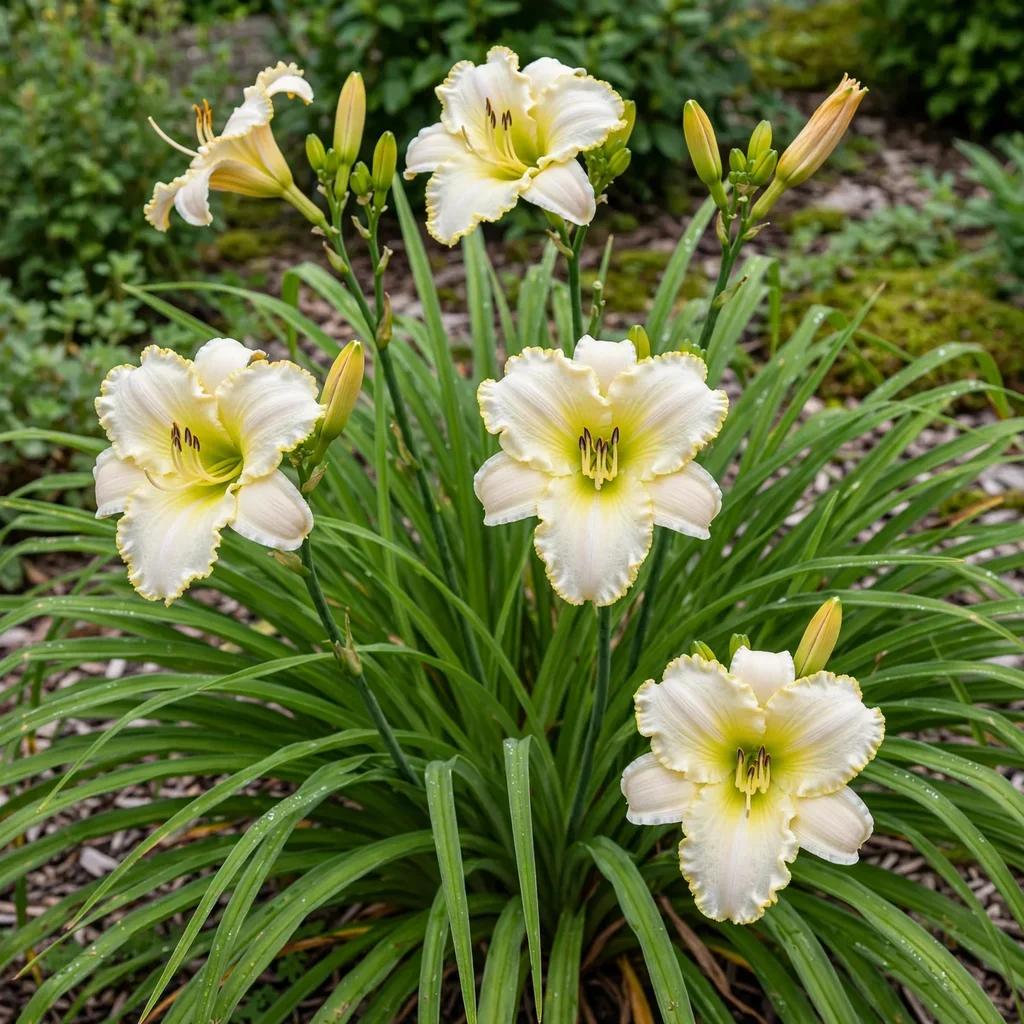 ‘Early Snow Reblooming’Early Snow Daylily
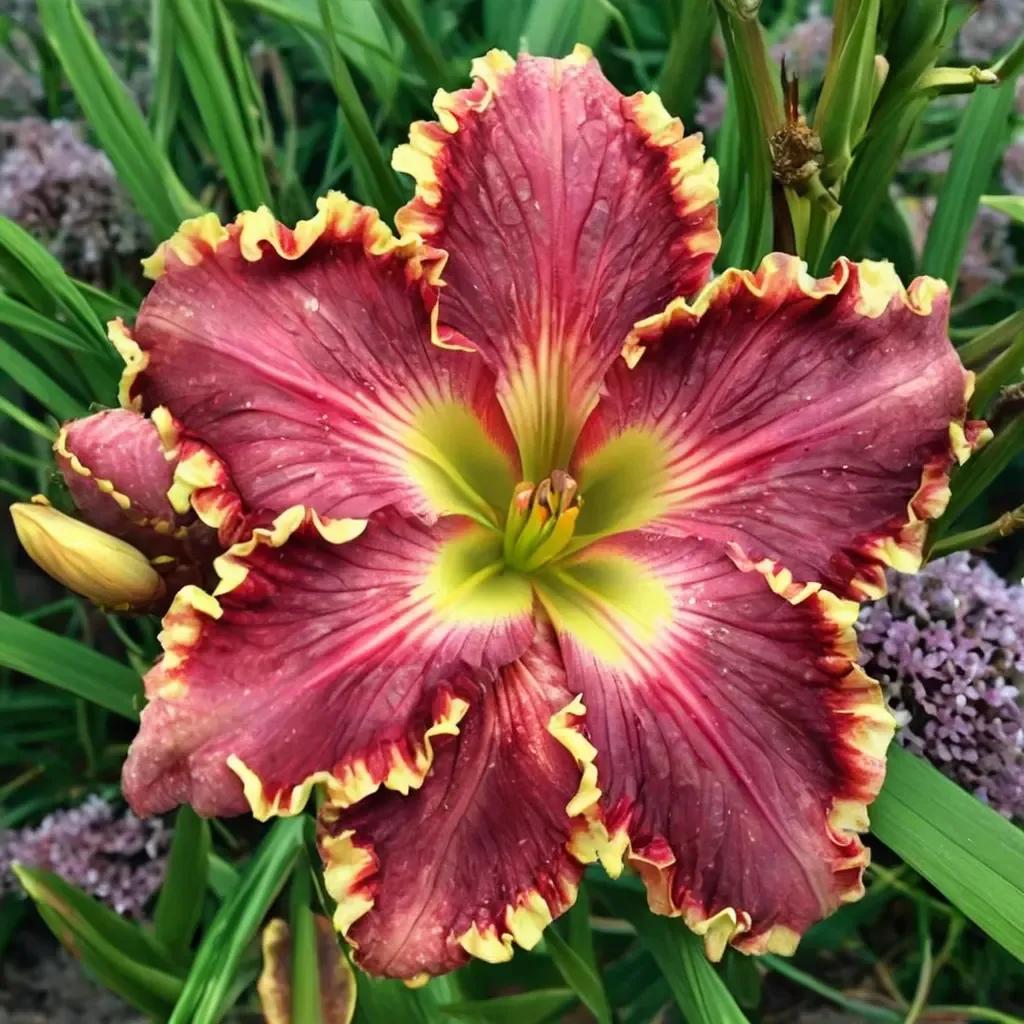 ‘Born To Run’Daylily 'Born To Run'
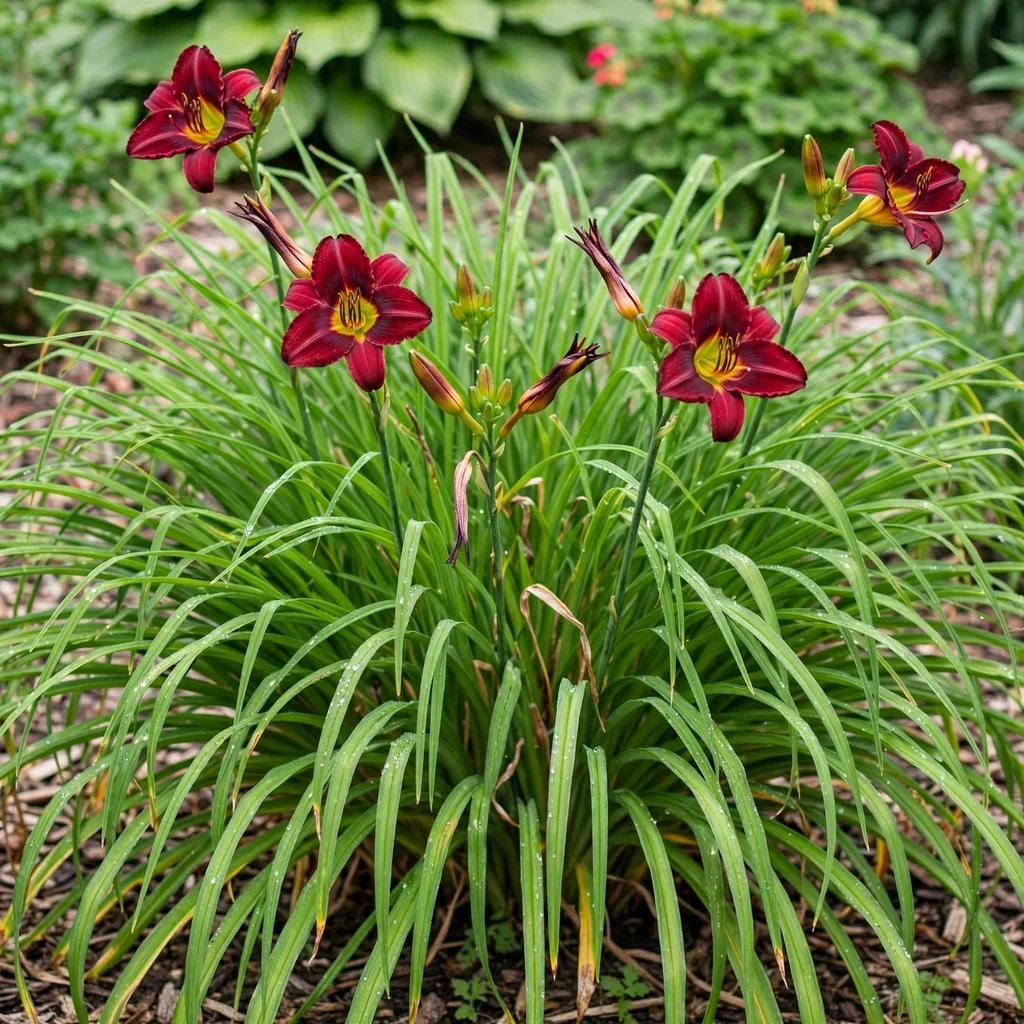 ‘Pardon Me’Daylily Pardon Me
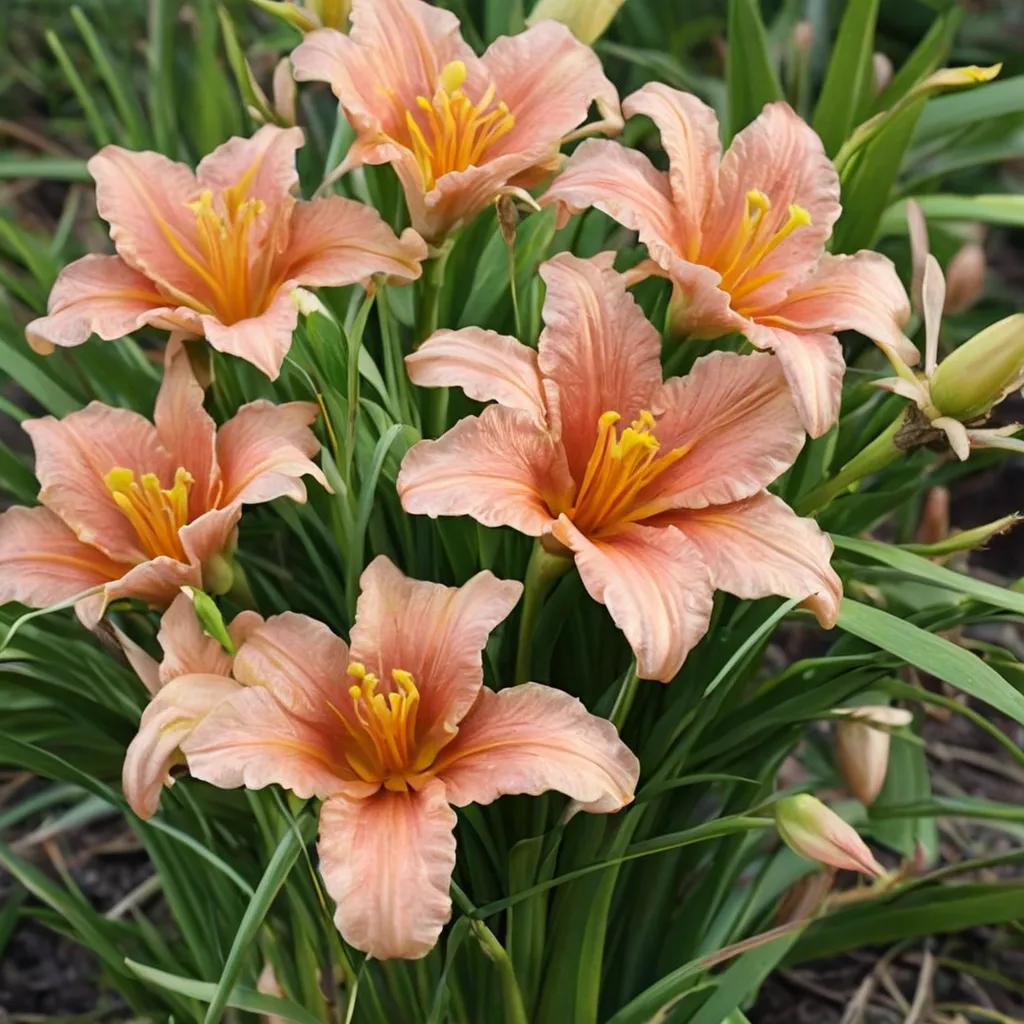 ‘Pink Wing’Pink Wing Daylily
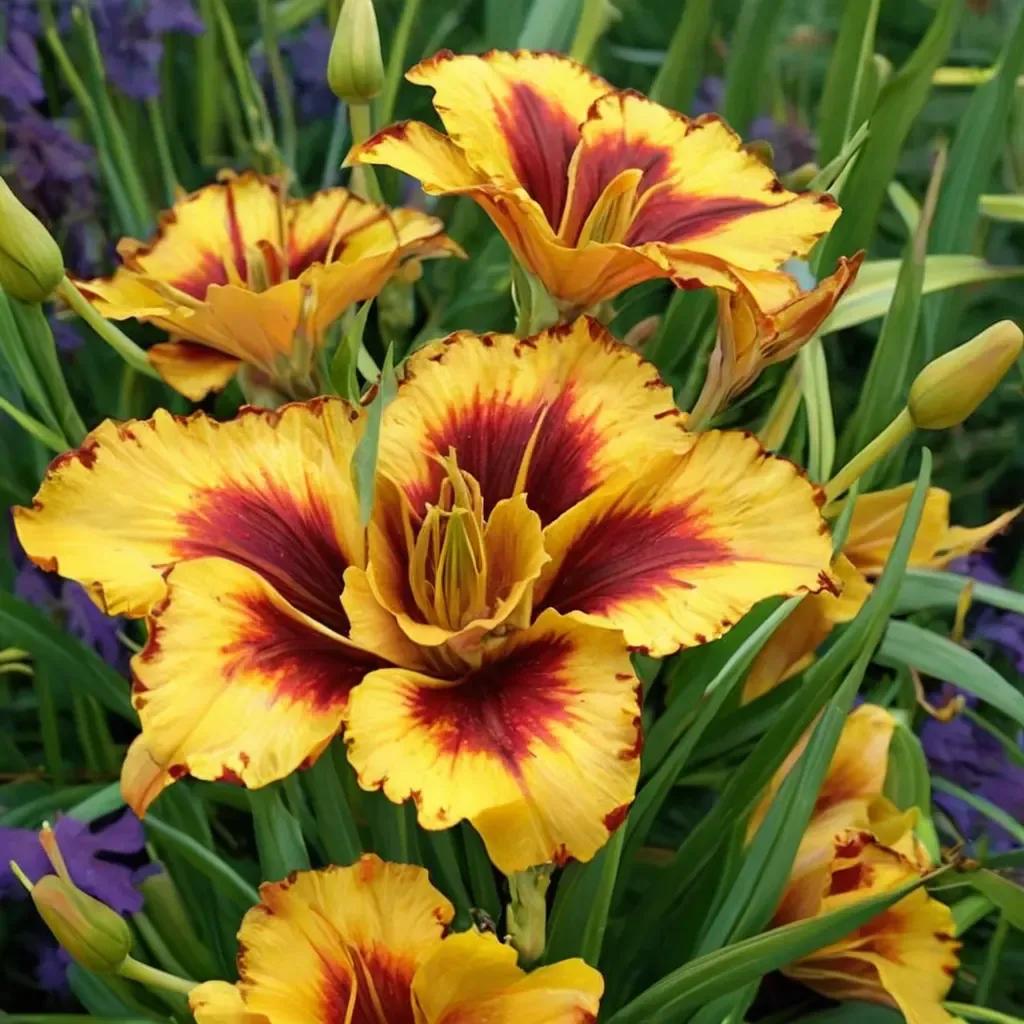 ‘Fooled Me’Fooled Me Daylily
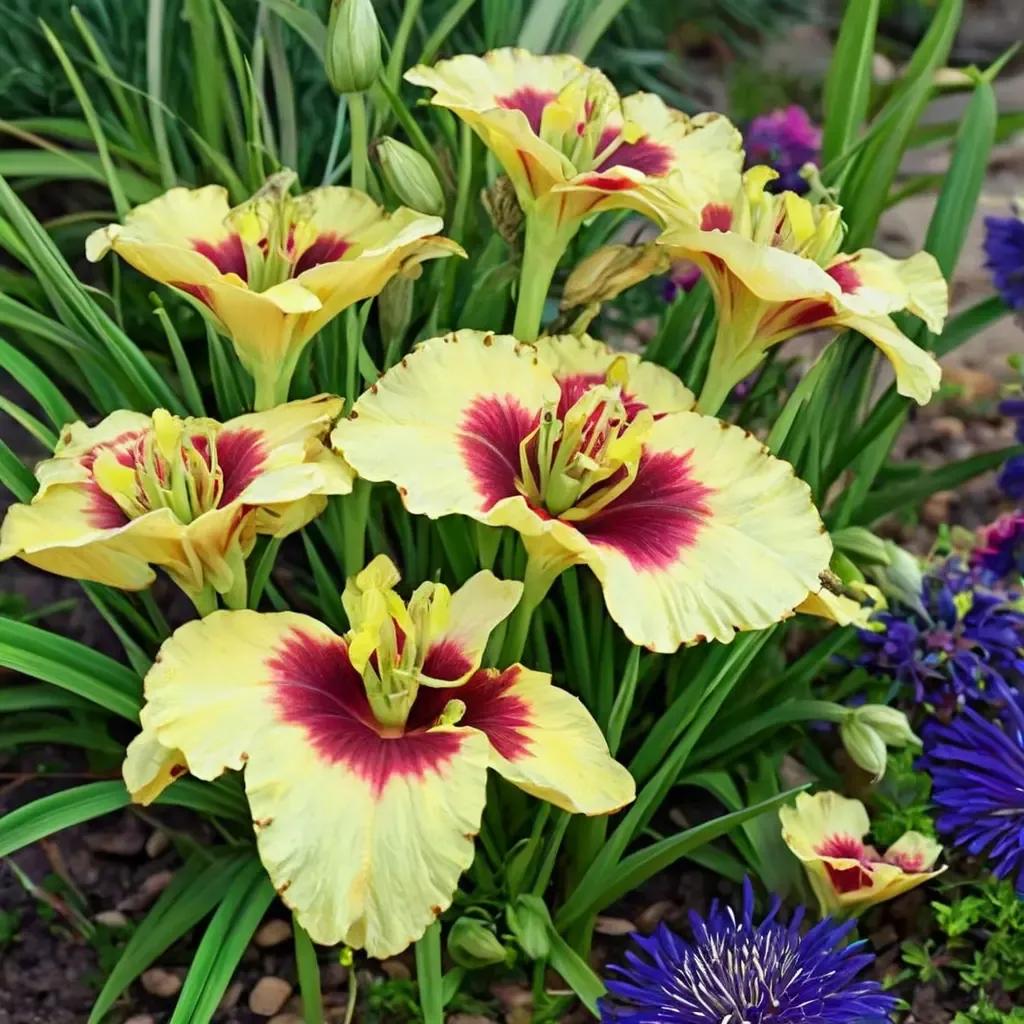 ‘Monterrey Jack’Monterrey Jack Daylily
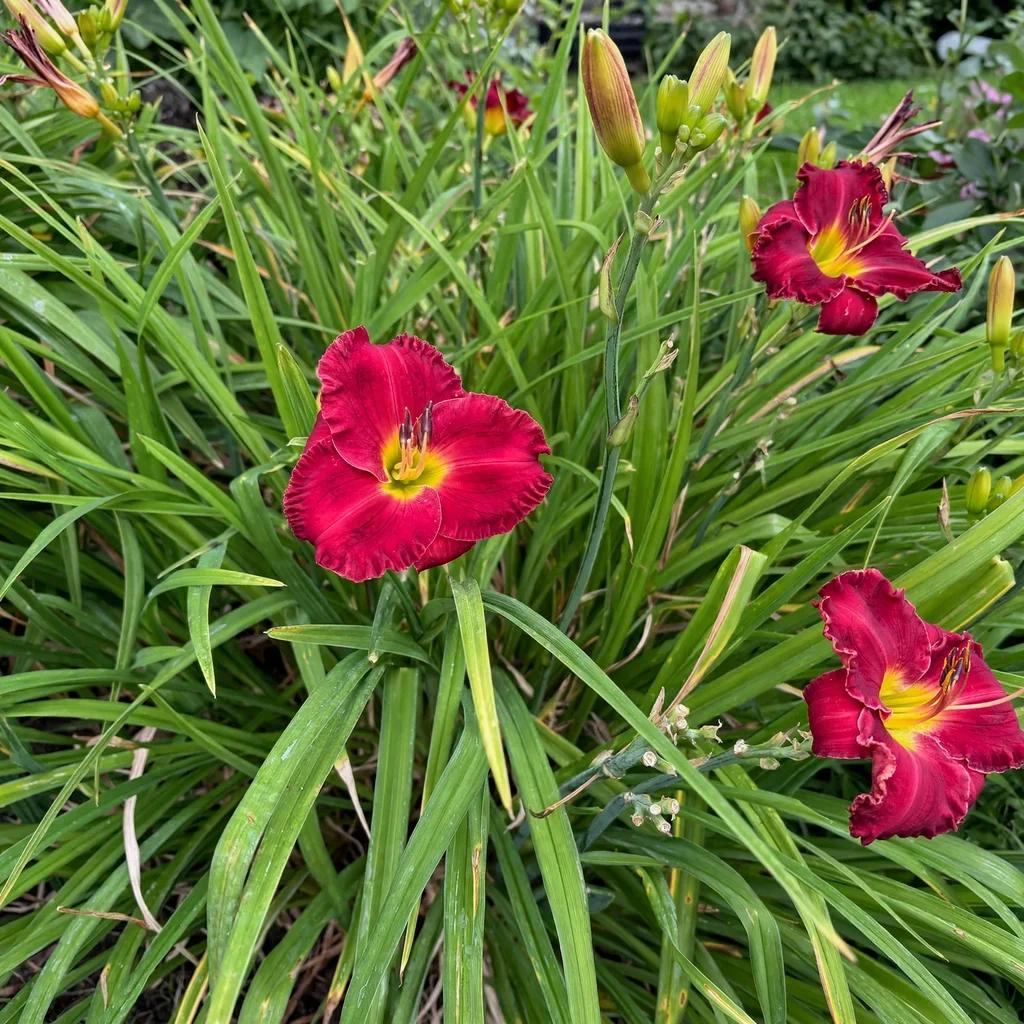 ‘Earlybird Cardinal’Earlybird Cardinal Daylily
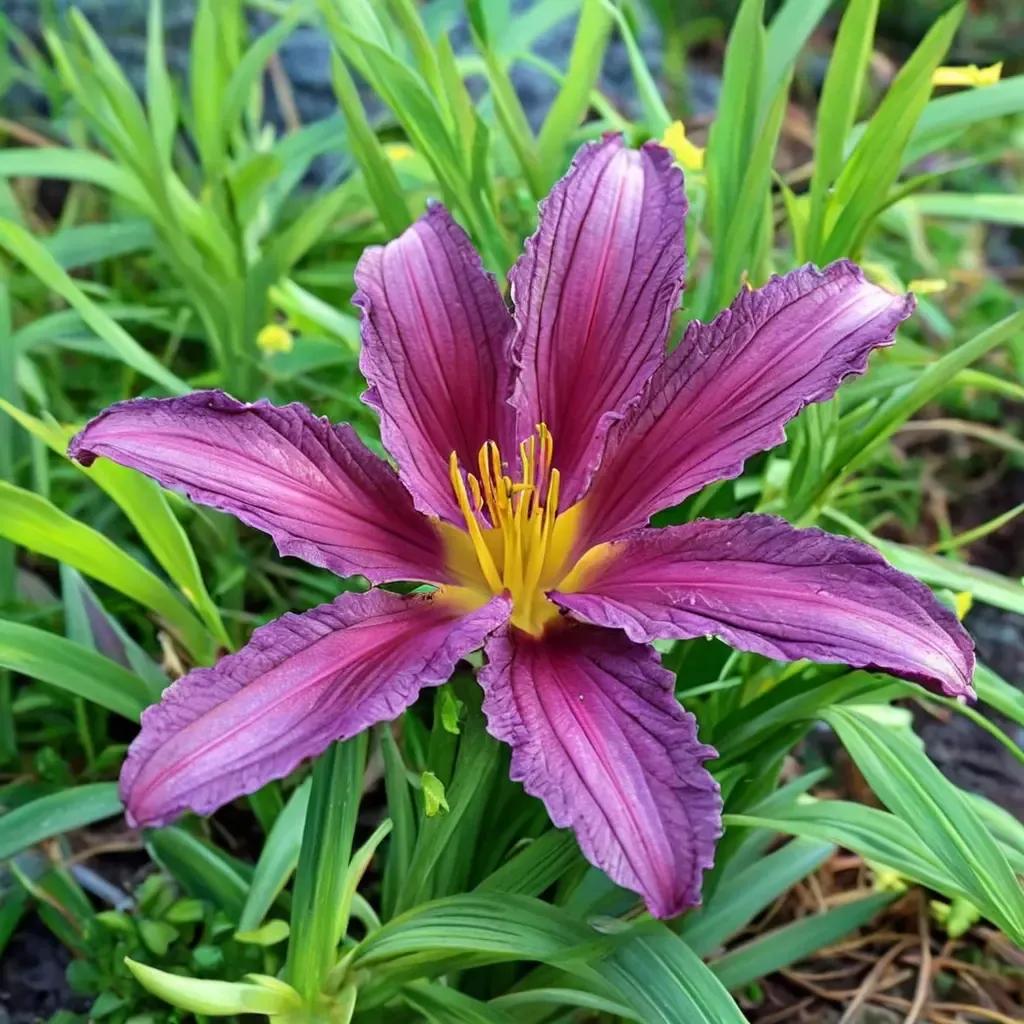 ‘Purple De Oro’Purple De Oro Daylily
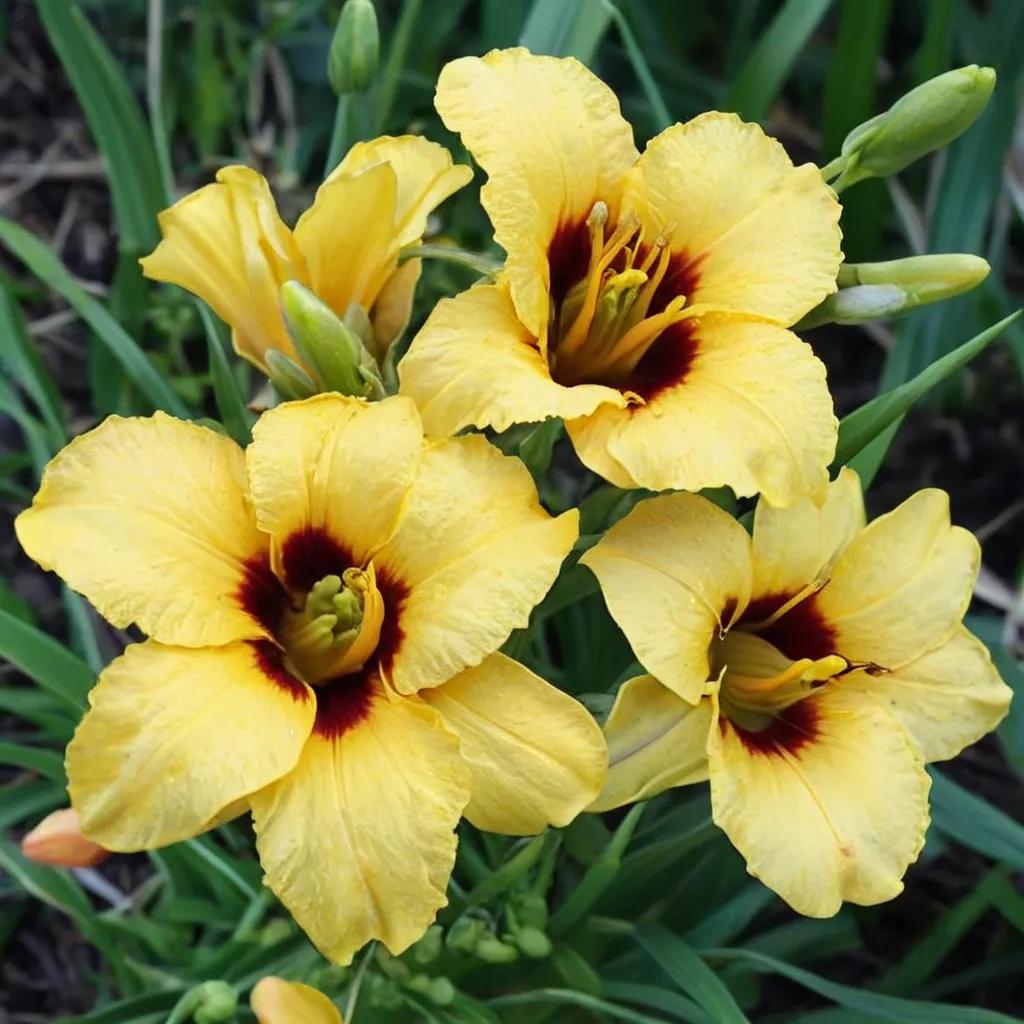 ‘Siloam June Bug’Siloam June Bug Daylily
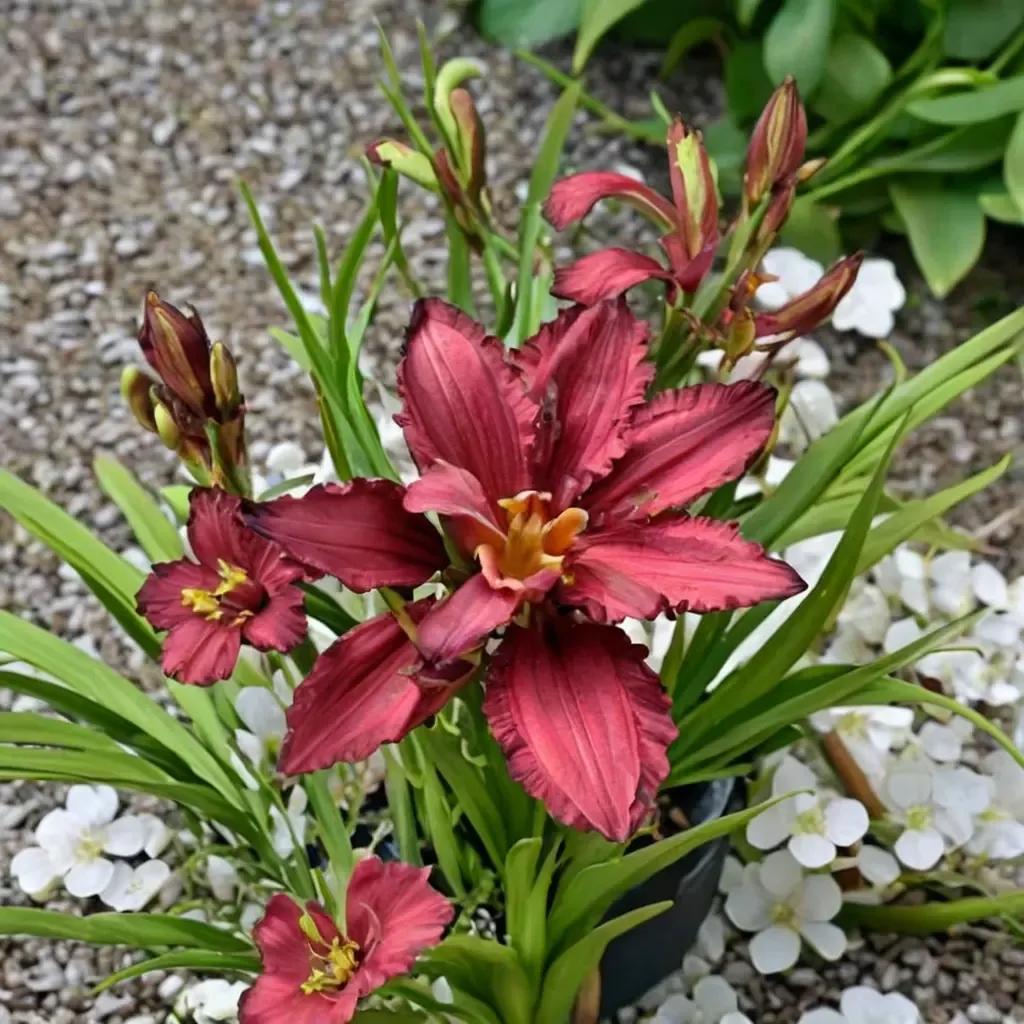 ‘Double Pardon Me’Double Pardon Me Daylily
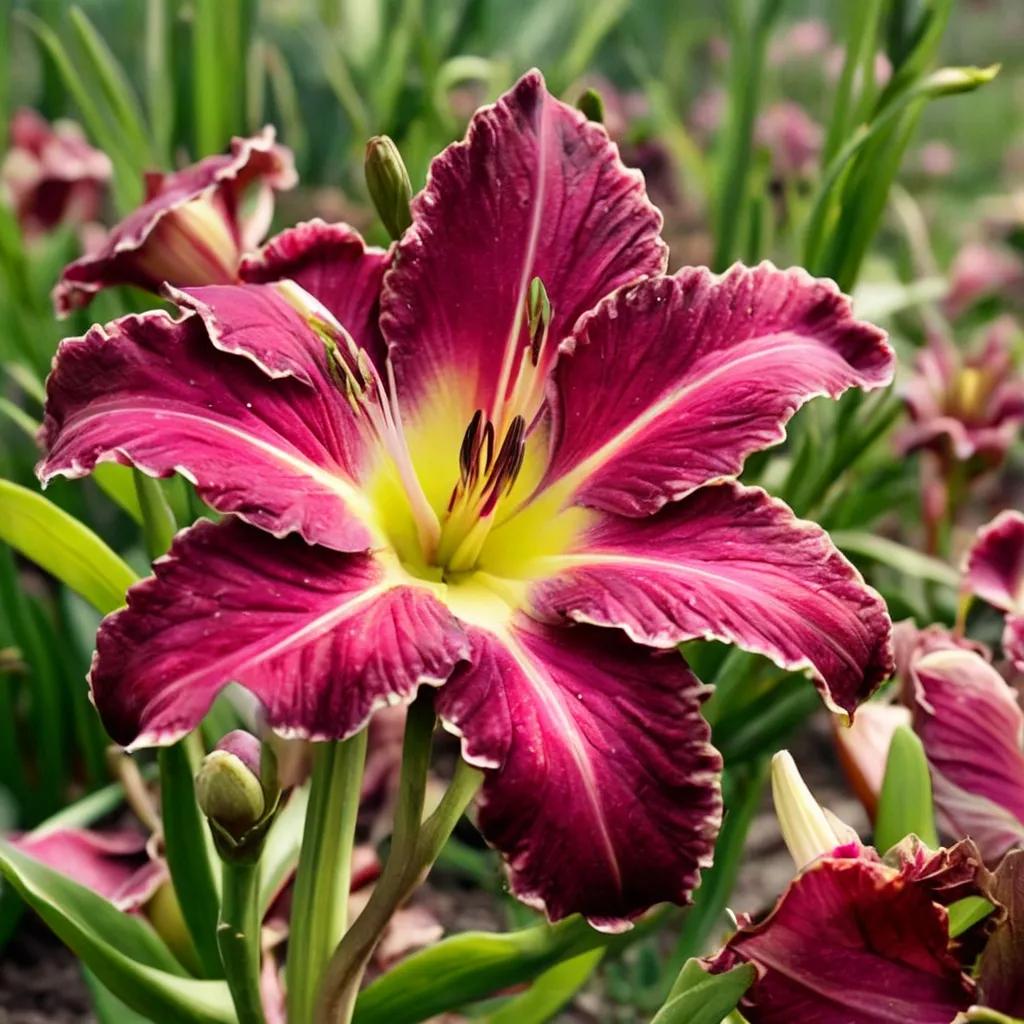 ‘Blood Sweat and Tears’Blood Sweat and Tears Daylily
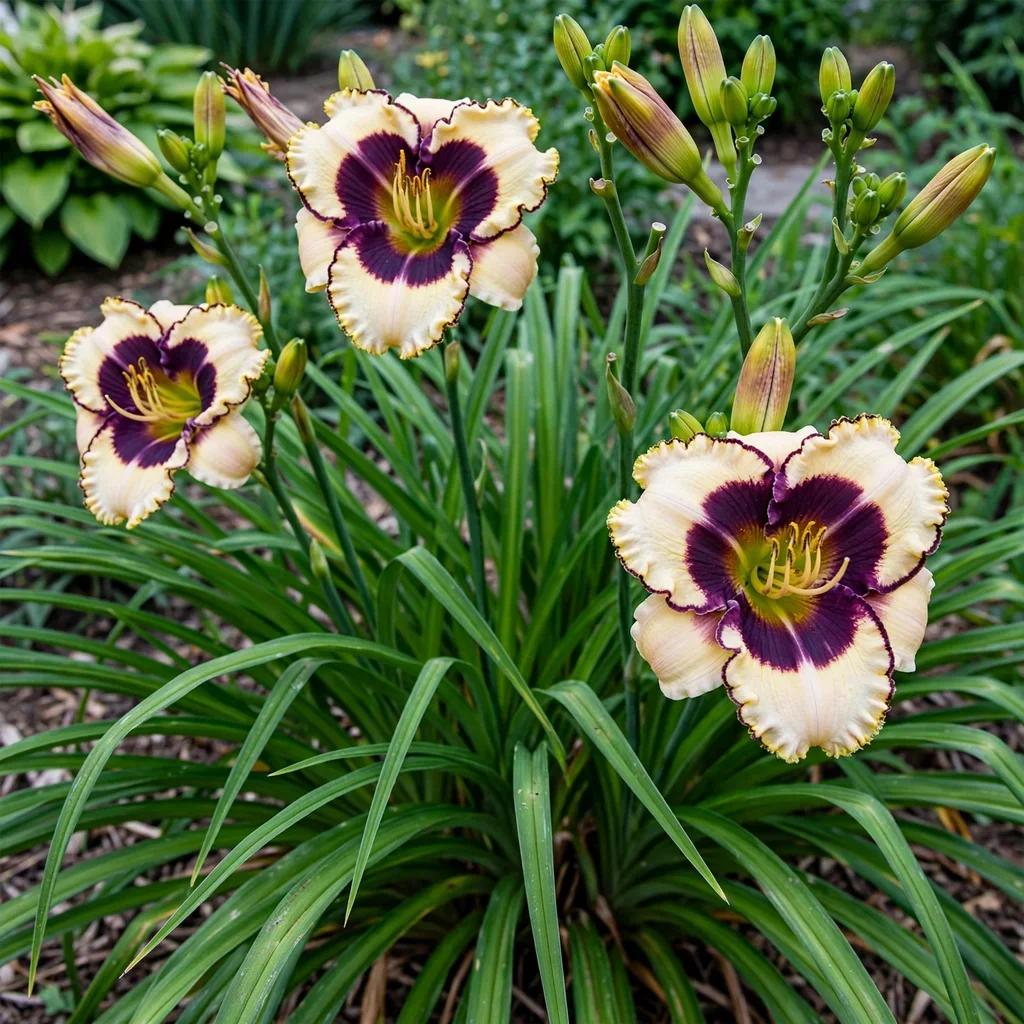 ‘Blackthorne’Blackthorne Reblooming Jumbo Daylily
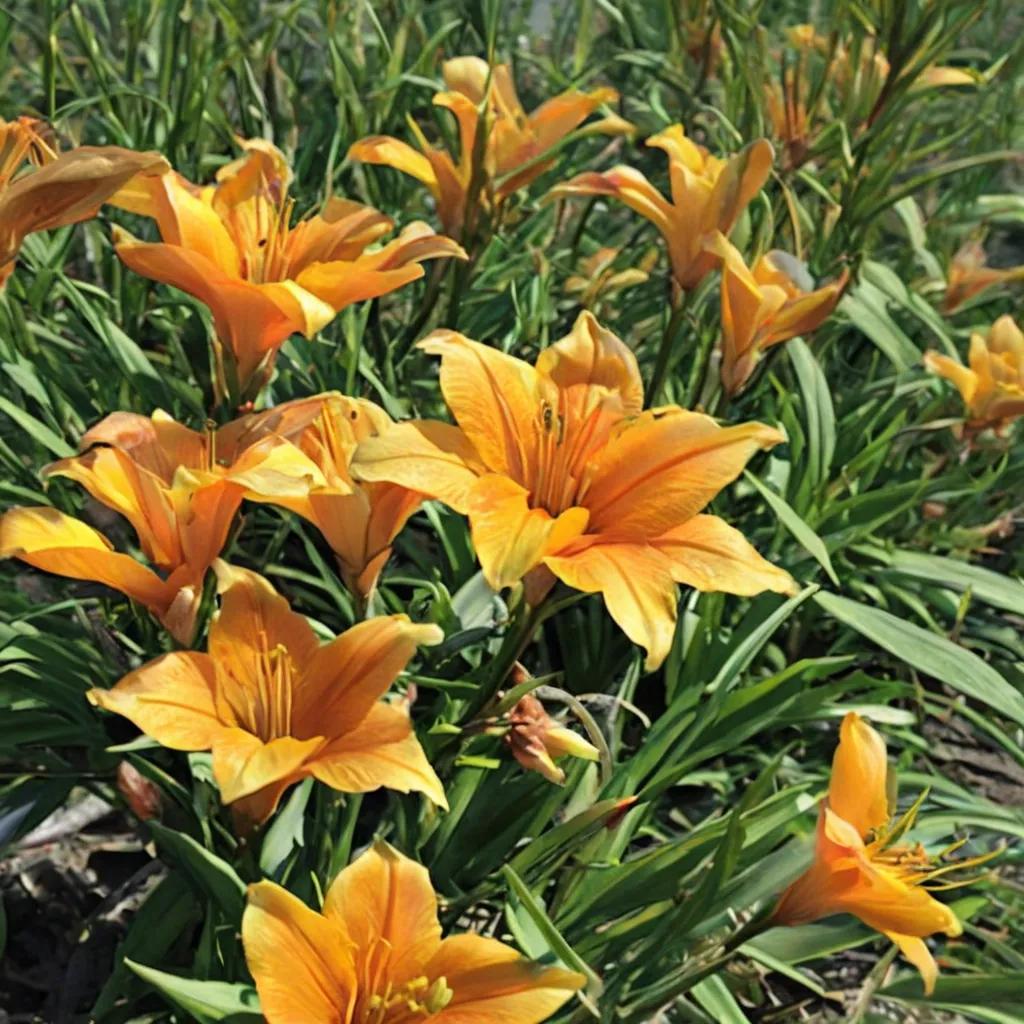 ‘Orange’Orange Daylily
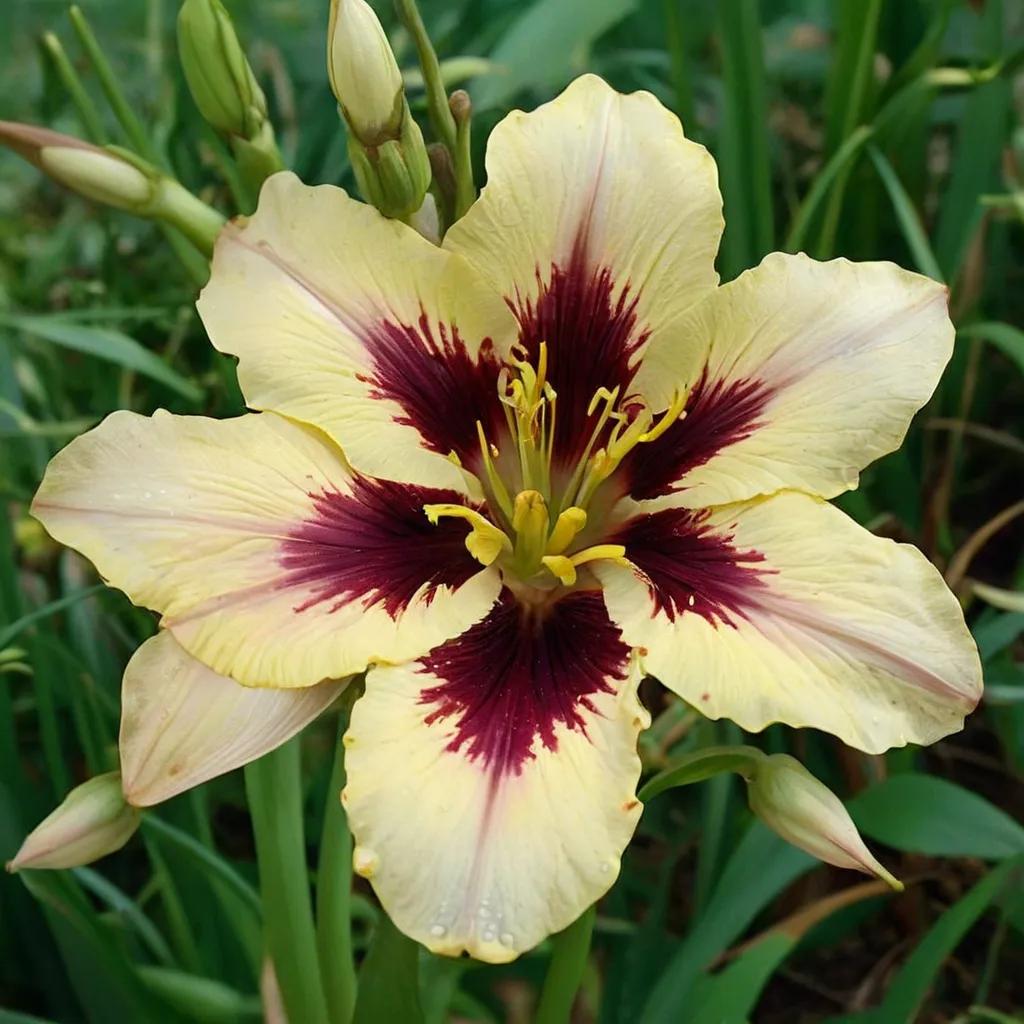 ‘Moonlit Masquerade’Moonlit Masquerade Daylily
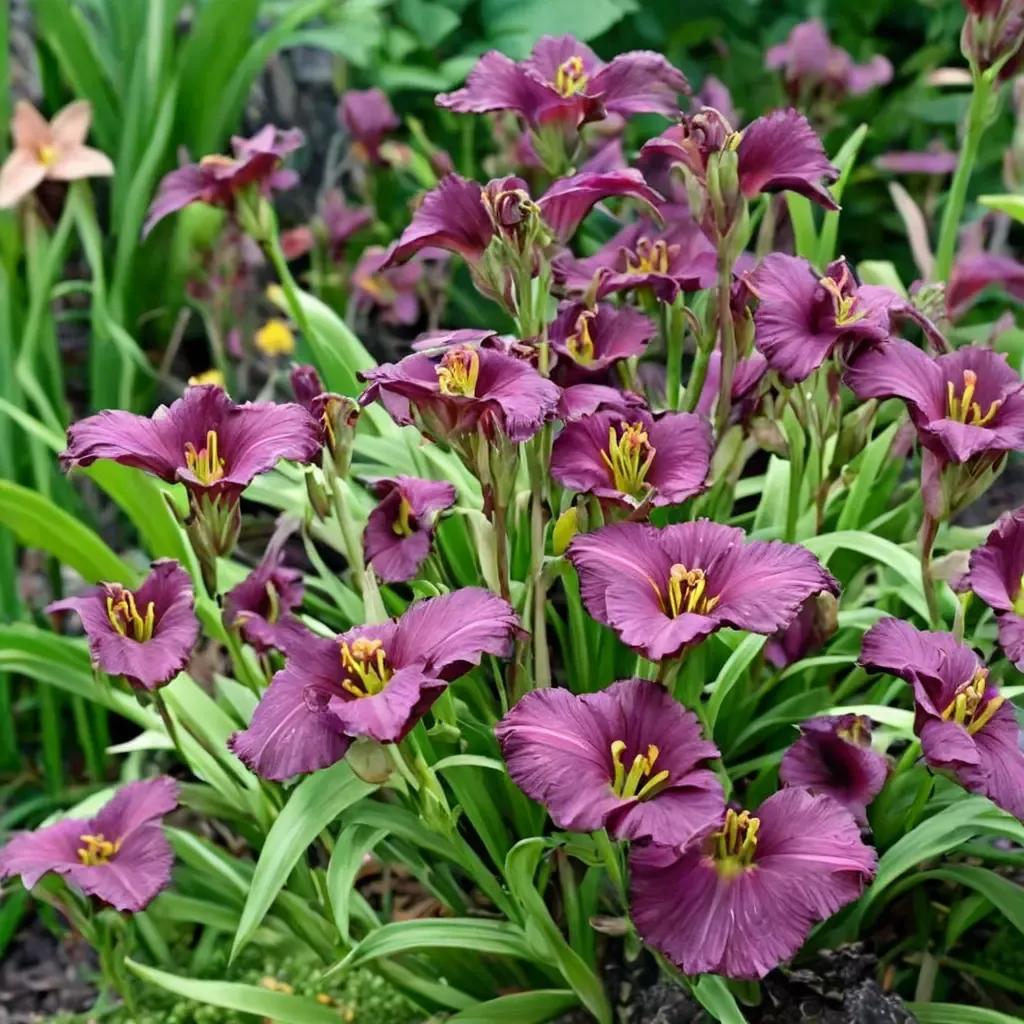 ‘Little Grapette’Little Grapette Daylily
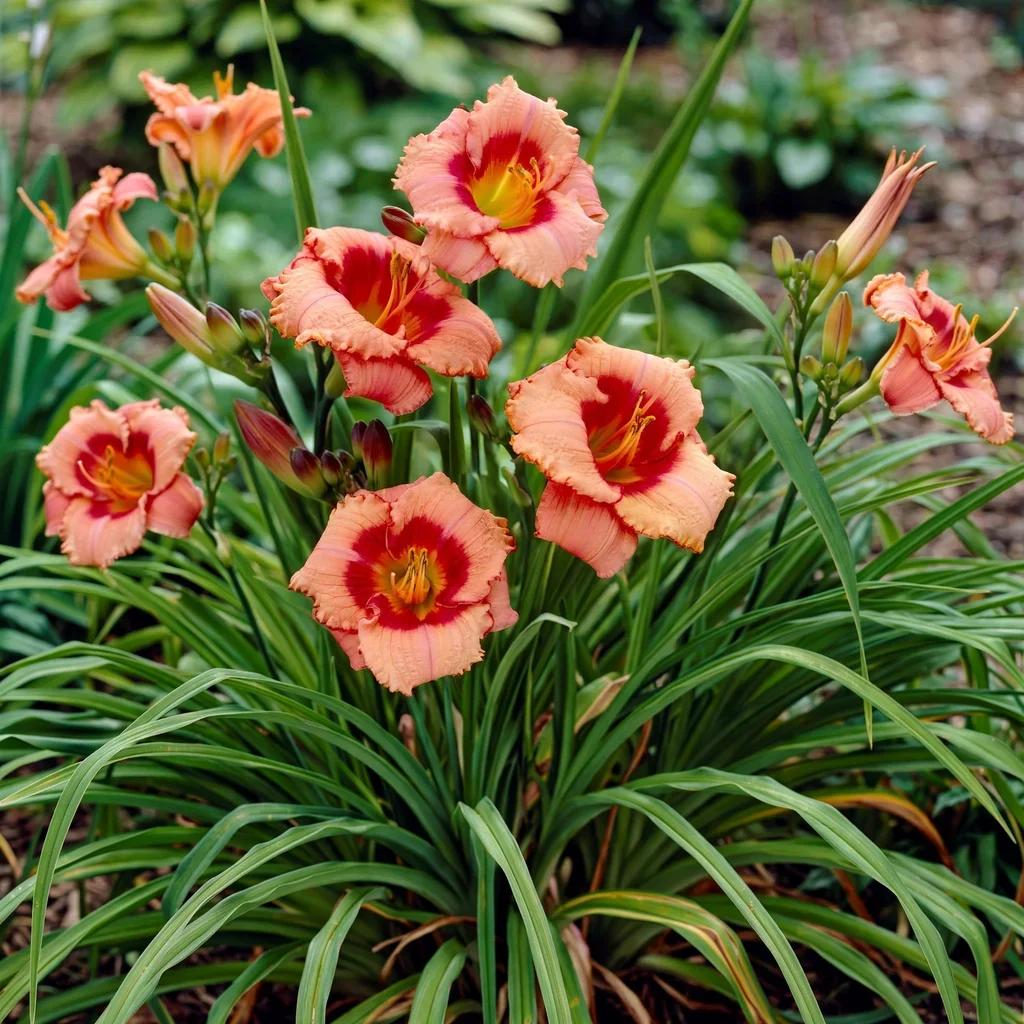 ‘Strawberry Candy’Strawberry Candy Daylily
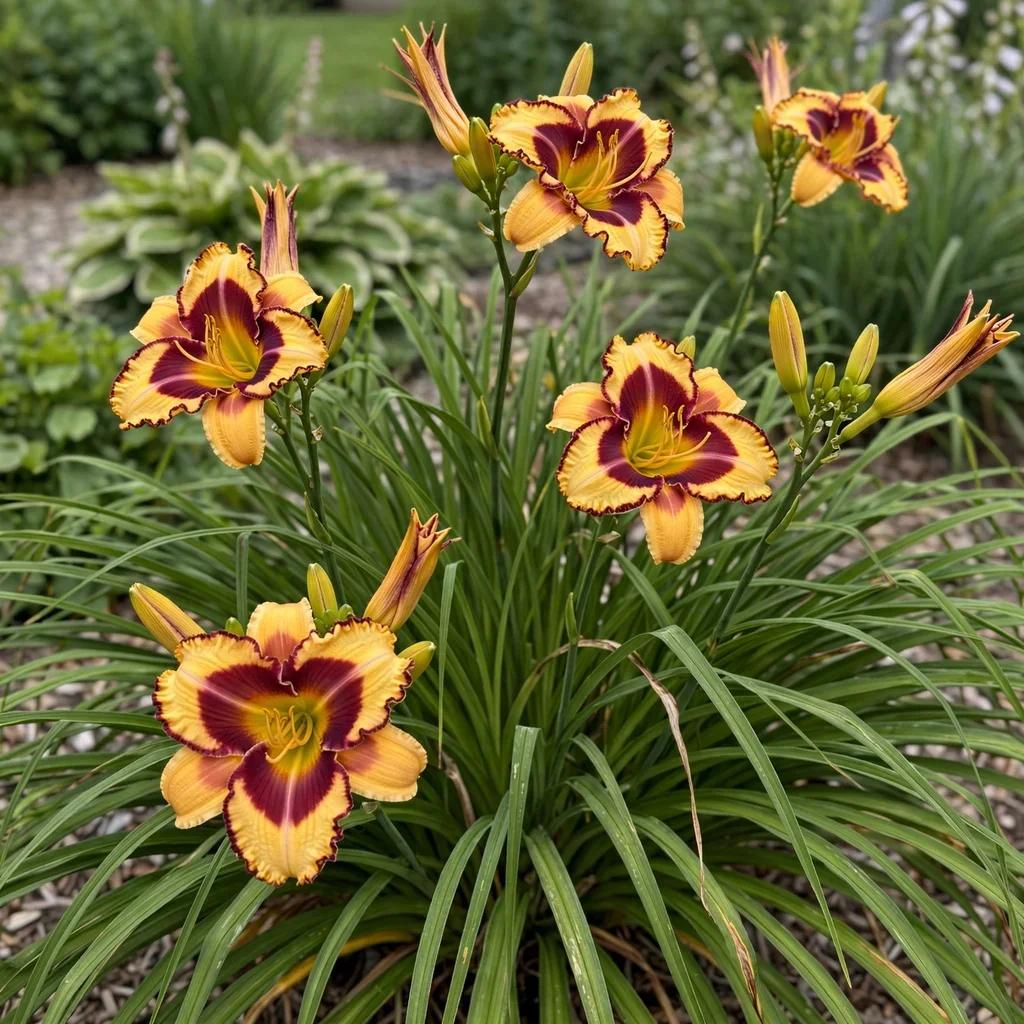 ‘Blazing Glory’Daylily Blazing Glory
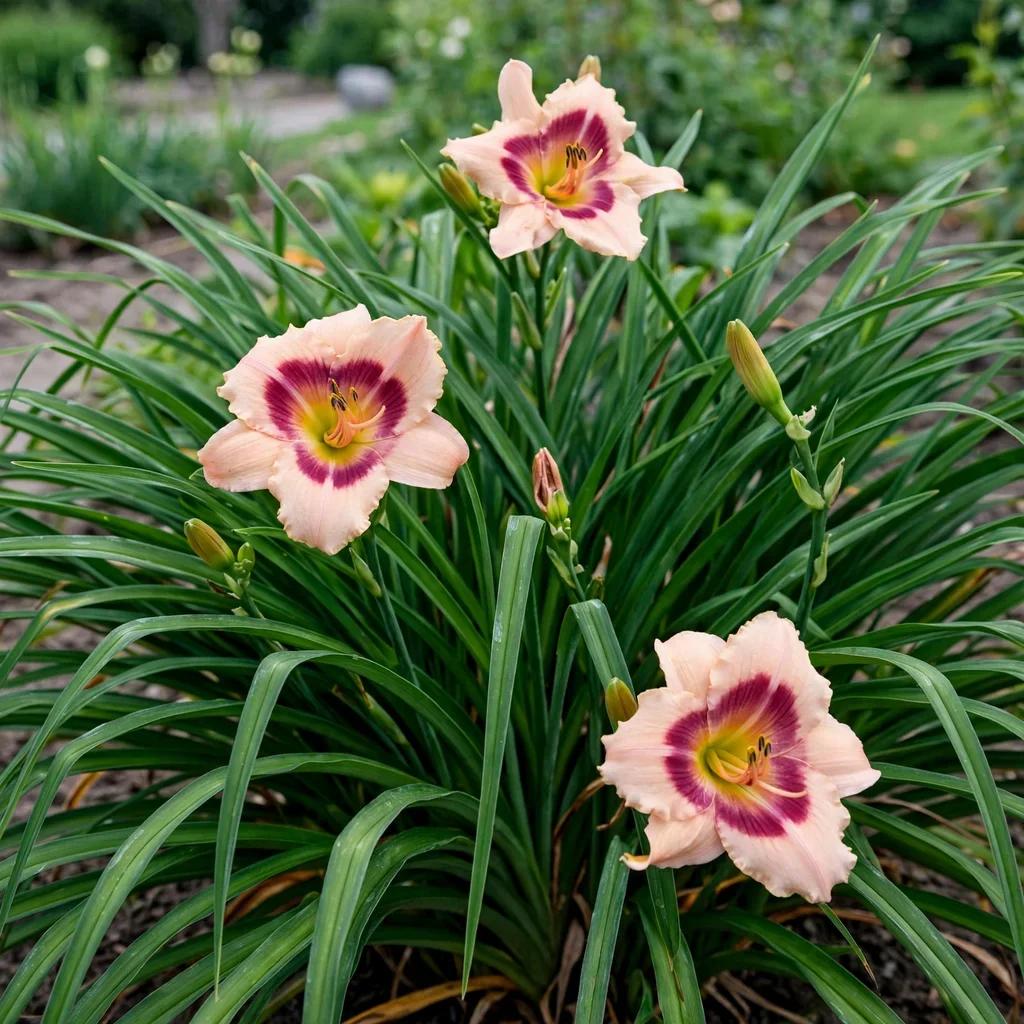 ‘Wineberry Candy’Daylily Wineberry Candy
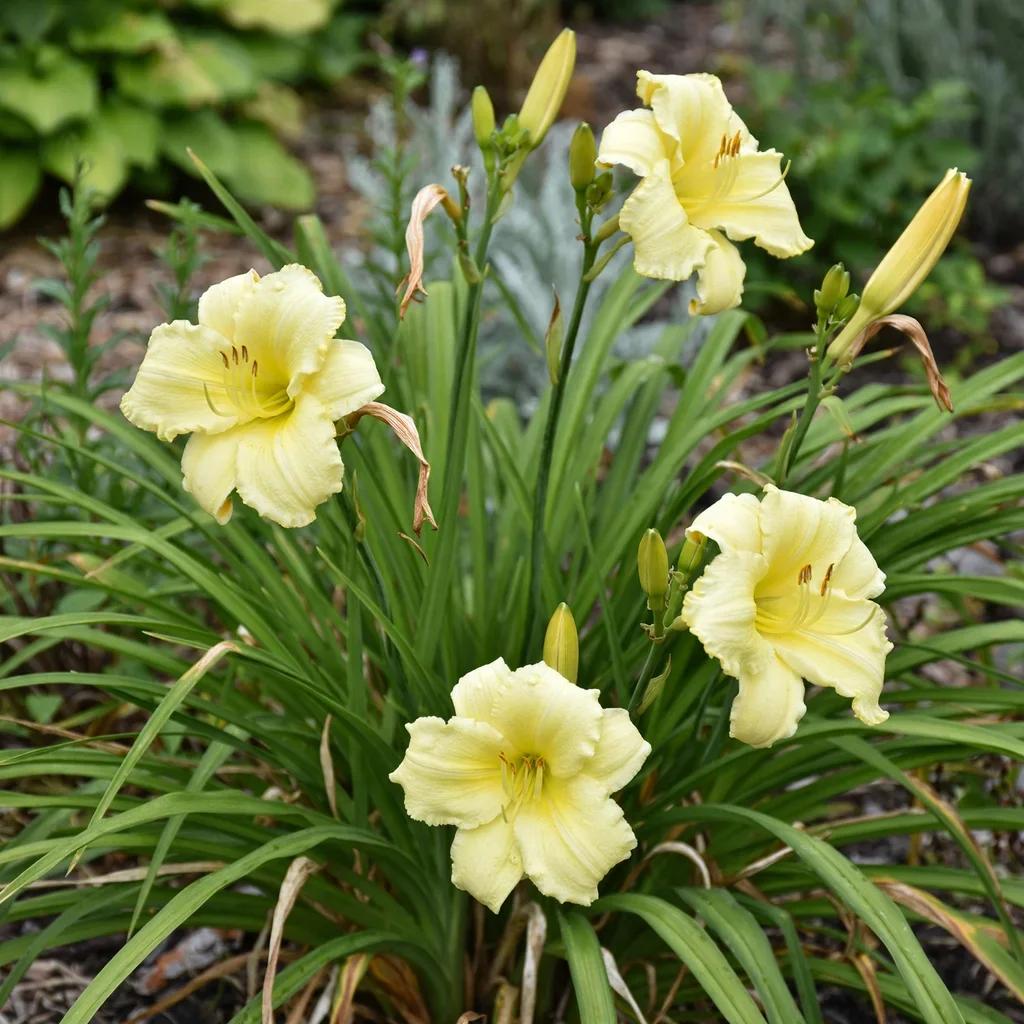 ‘Fragrant Returns’Fragrant Returns Daylily
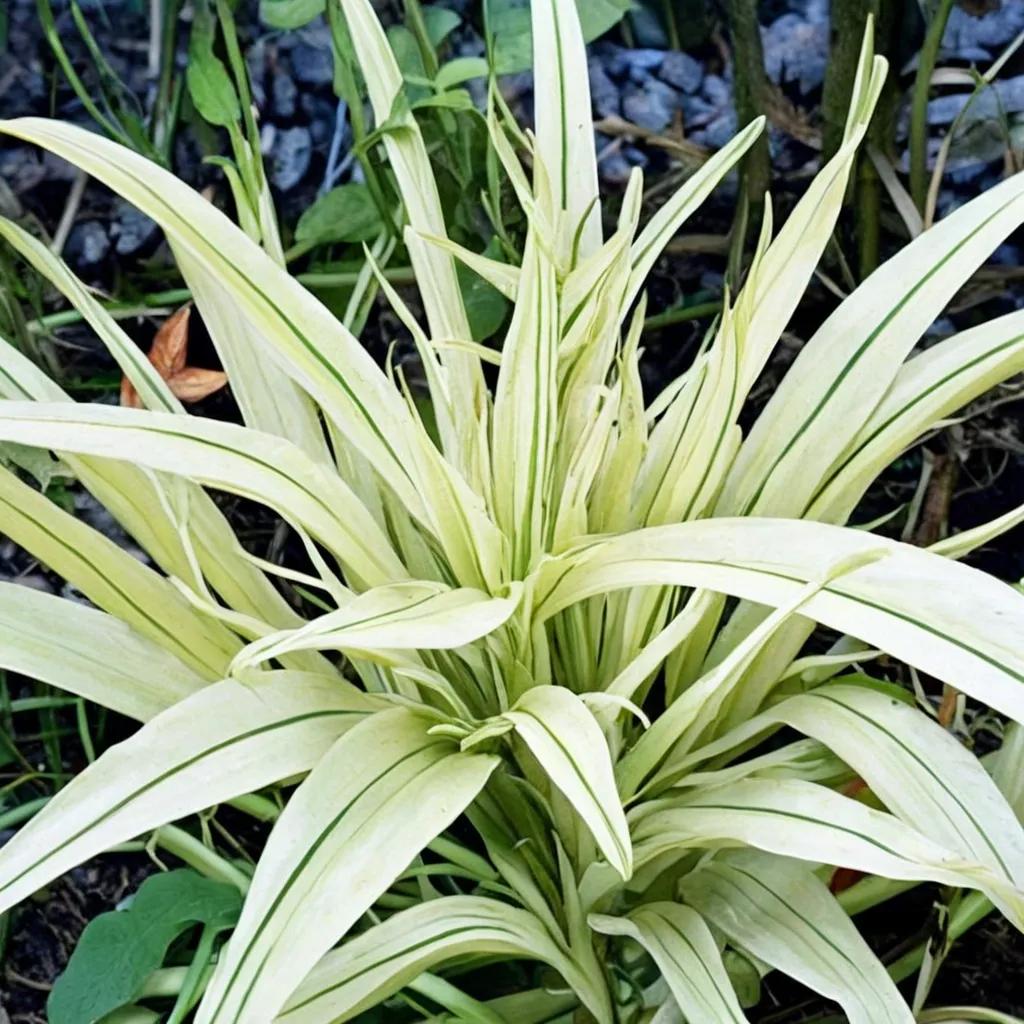 ‘Secured Borders’Daylily Secured Borders
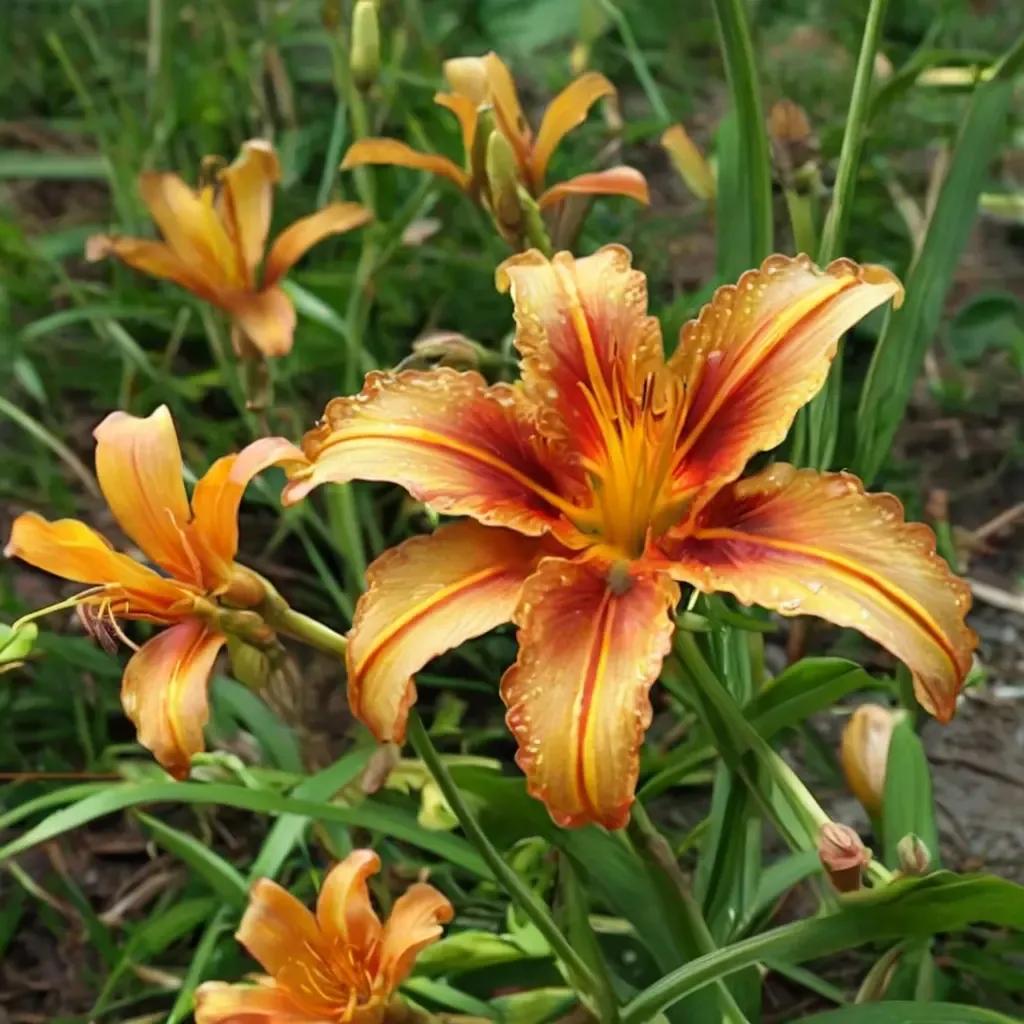 ‘Outrageous’Outrageous daylily
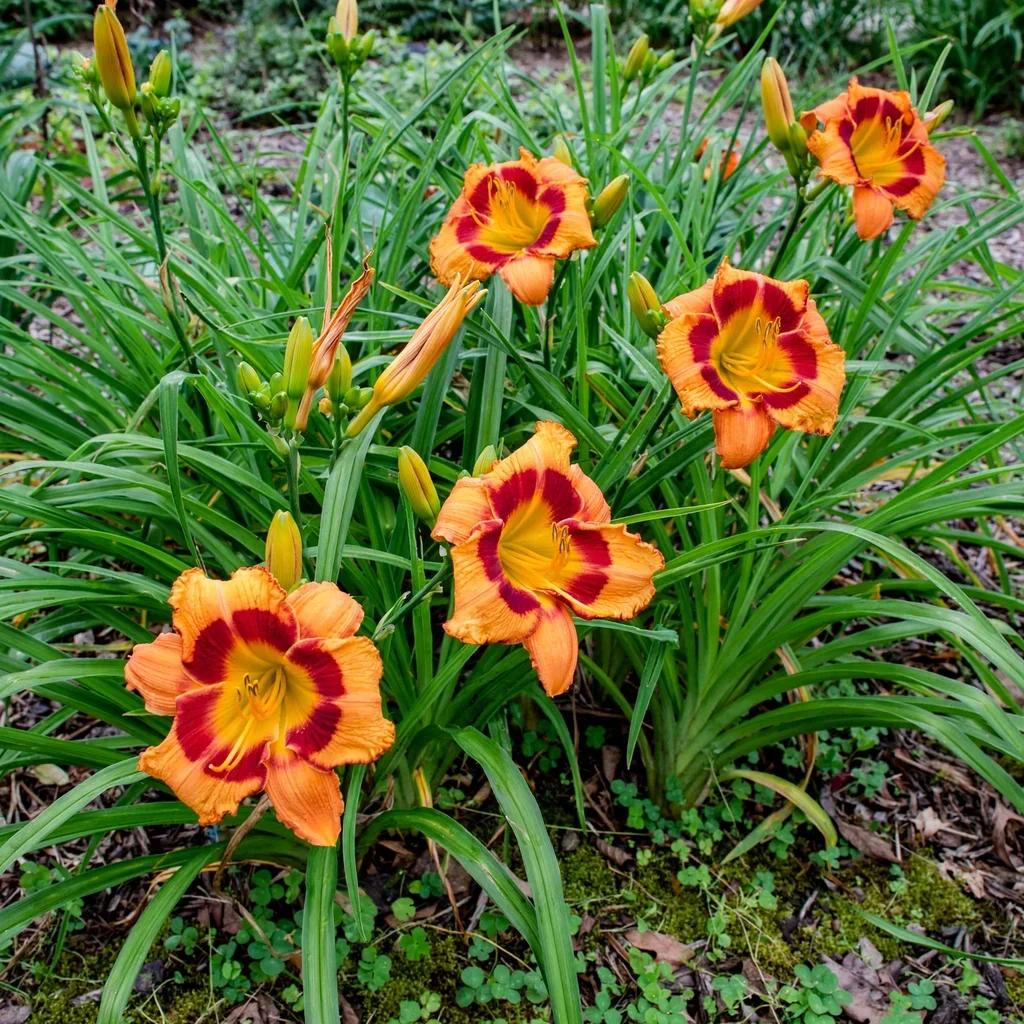 ‘Notify Ground Crew’Notify Ground Crew Daylily
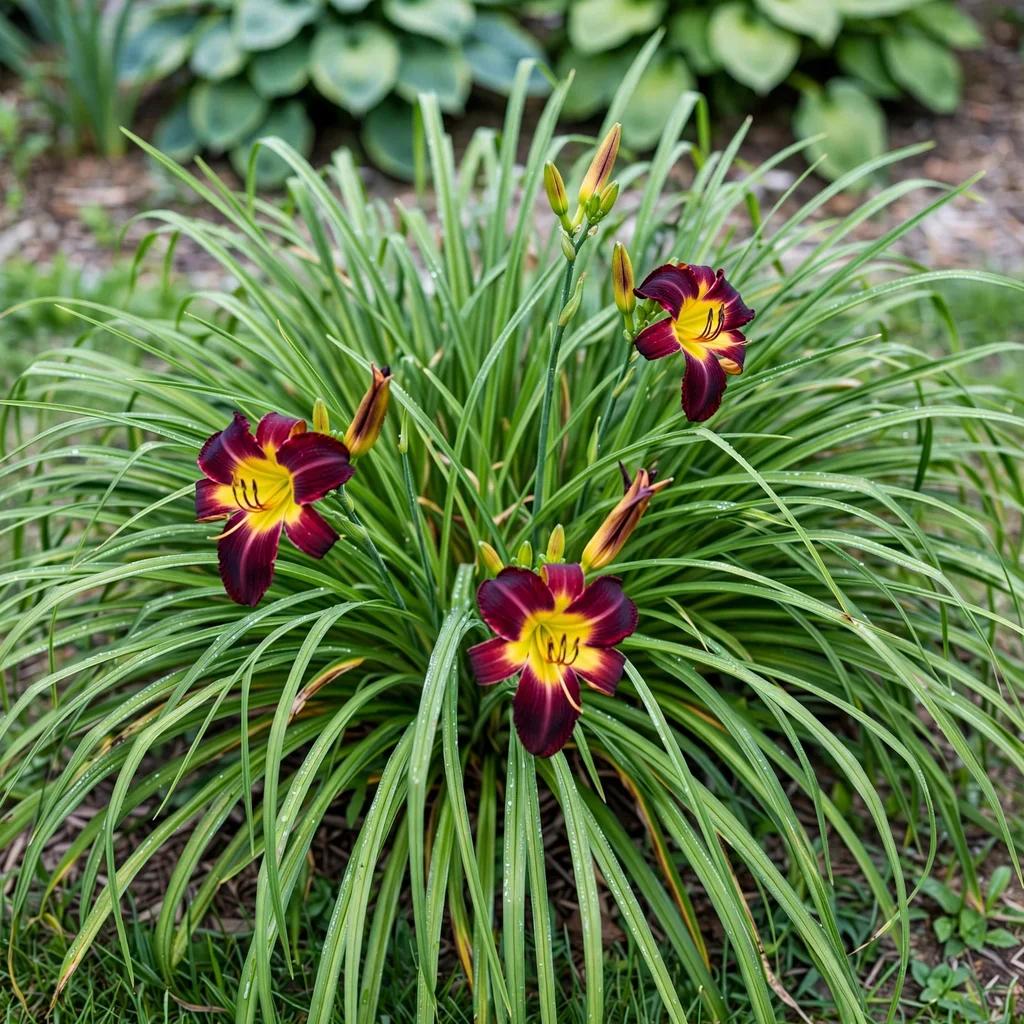 ‘Persian Ruby’Persian Ruby Daylily
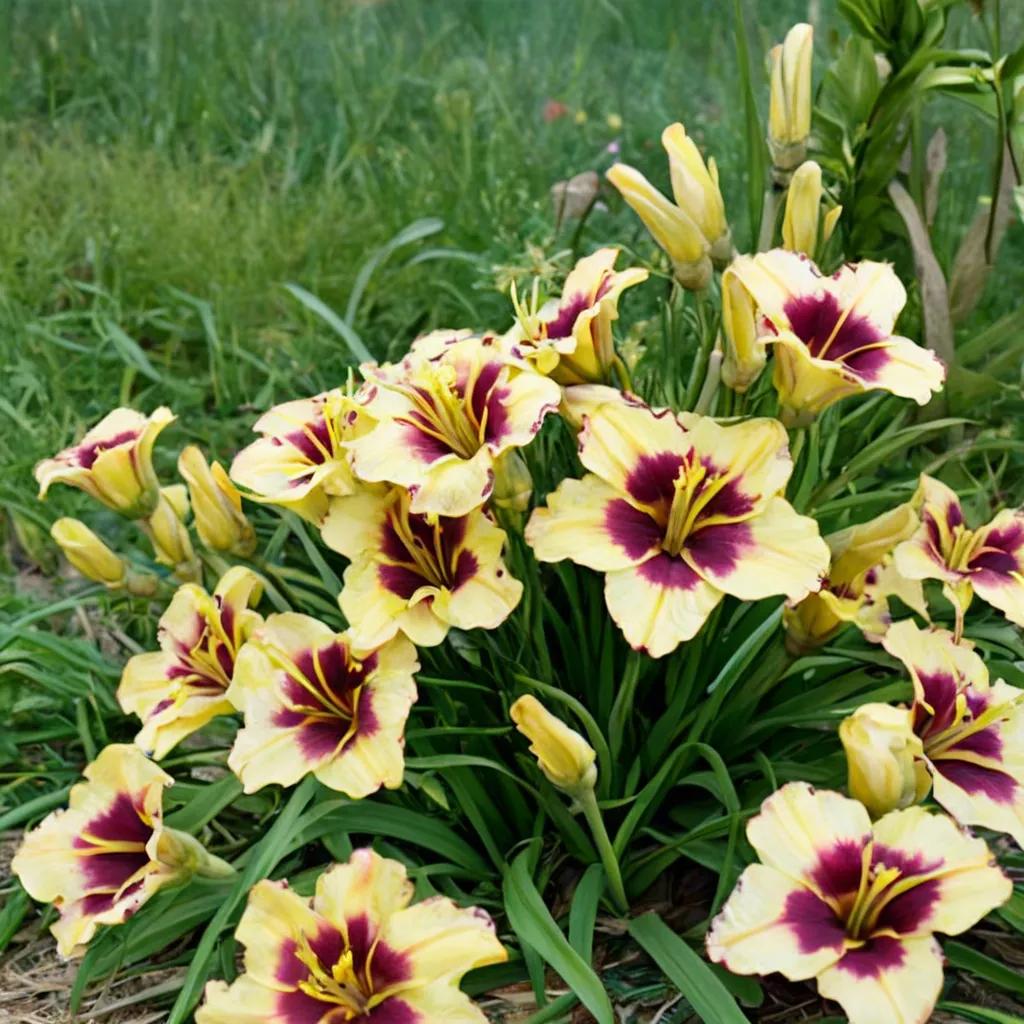 ‘Star of The North’Daylily Star of The North
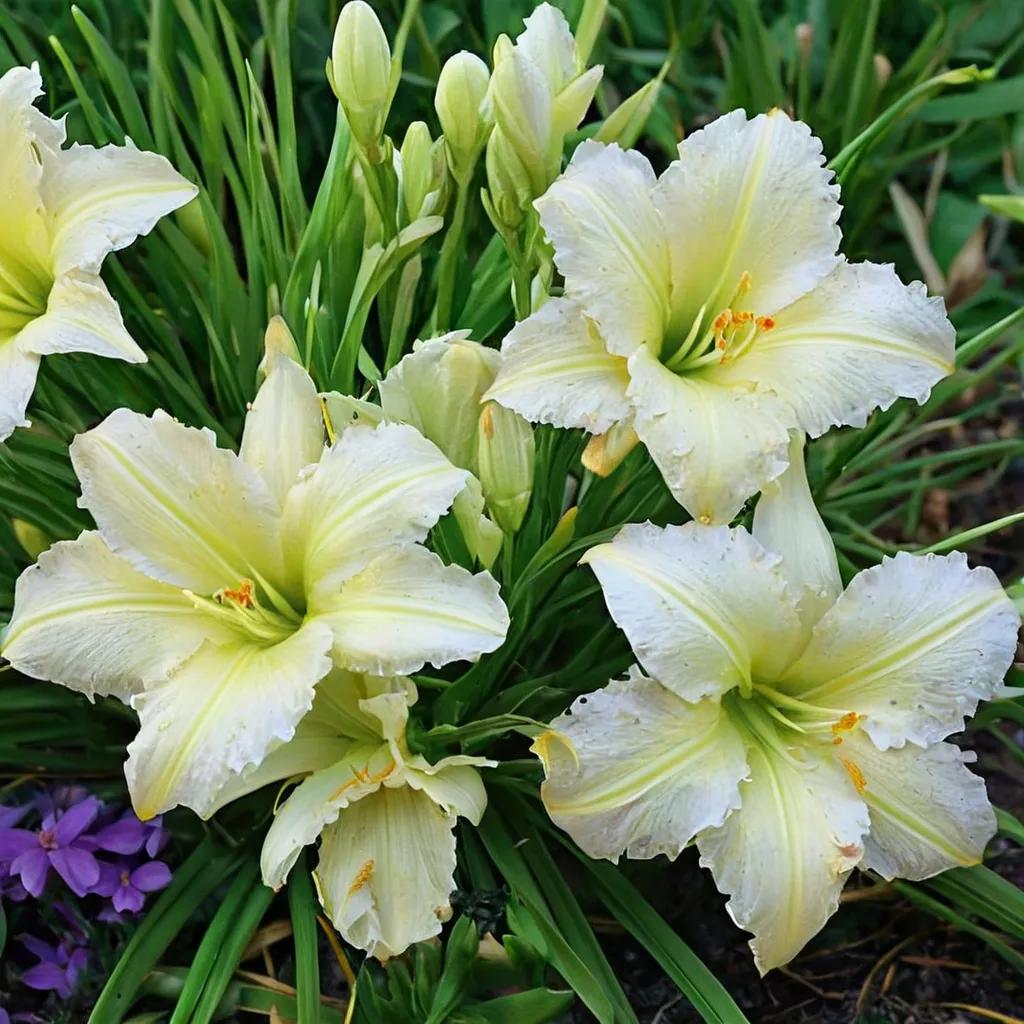 ‘Joan Senior’Daylily Joan Senior
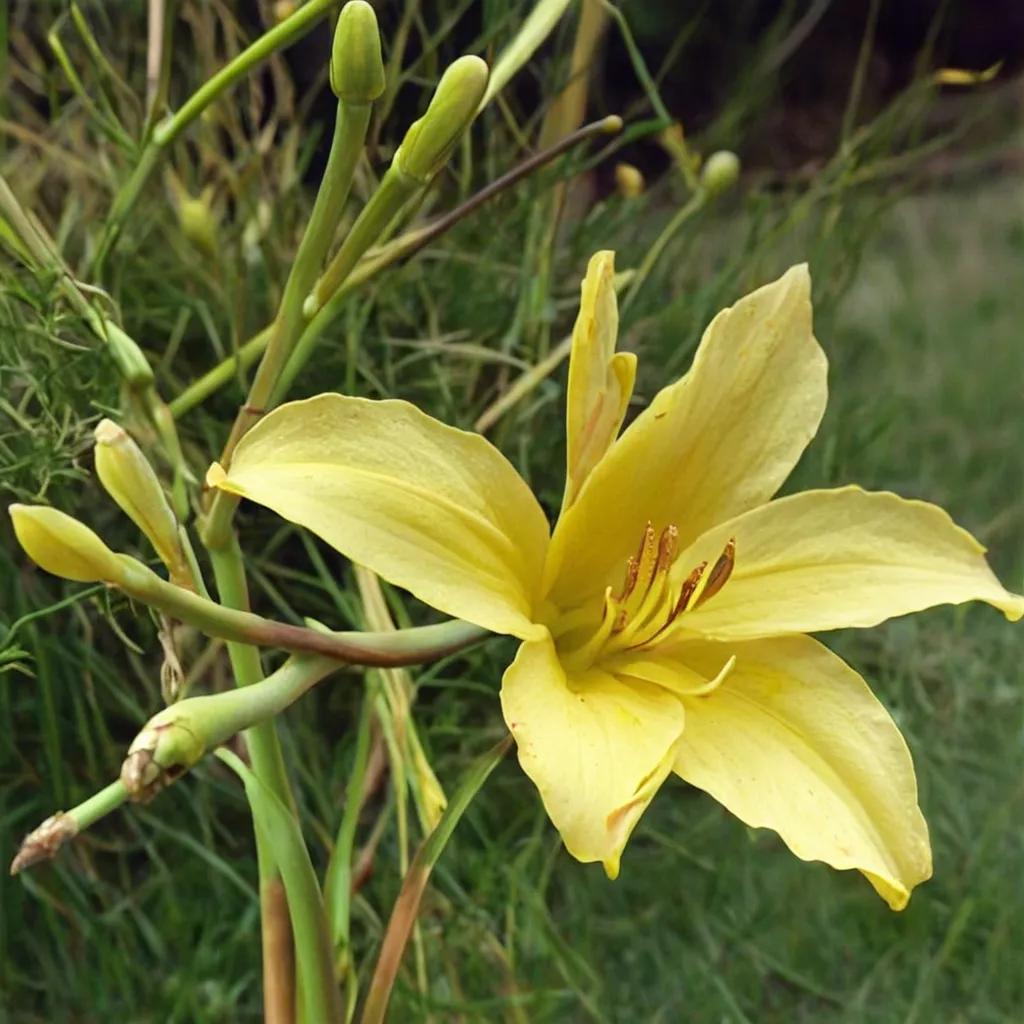 ‘Autumn Prince’Autumn Prince Daylily
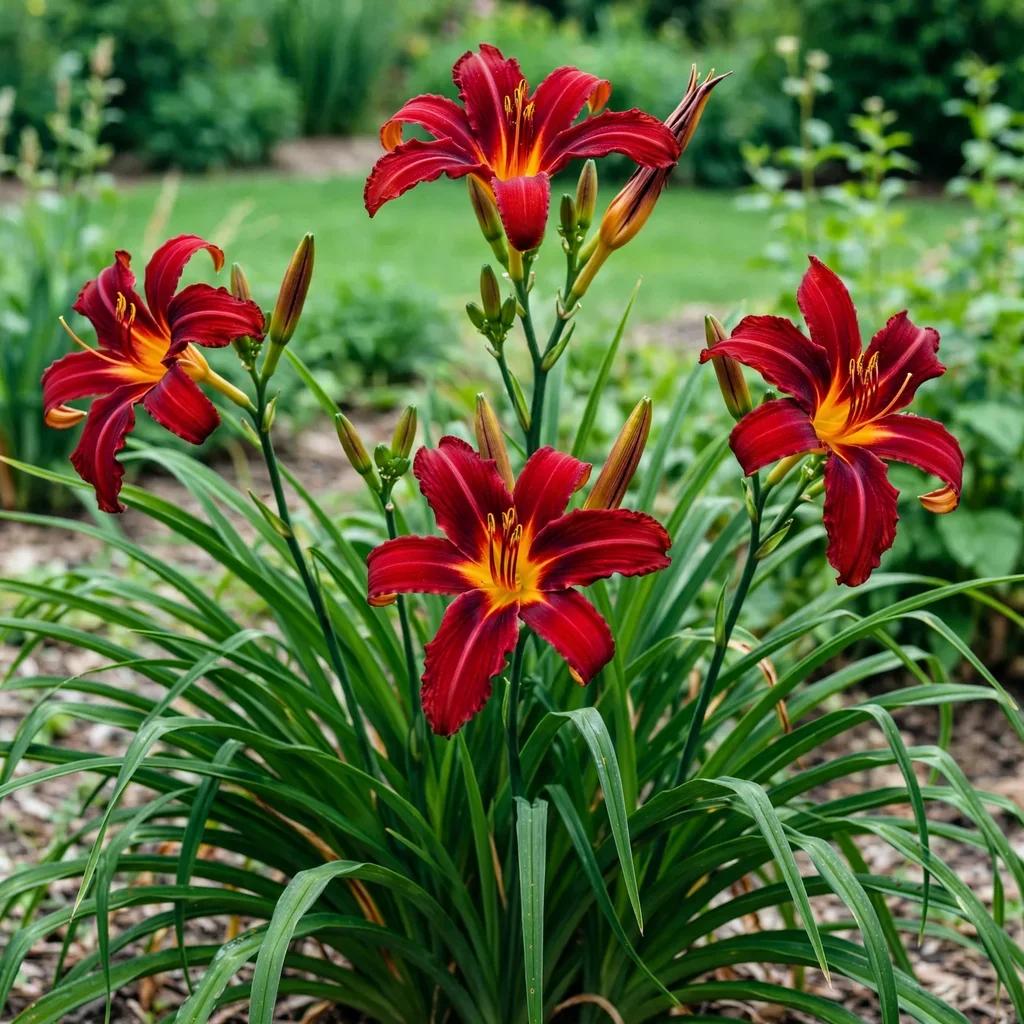 ‘Crimson Pirate’Crimson Pirate Daylily
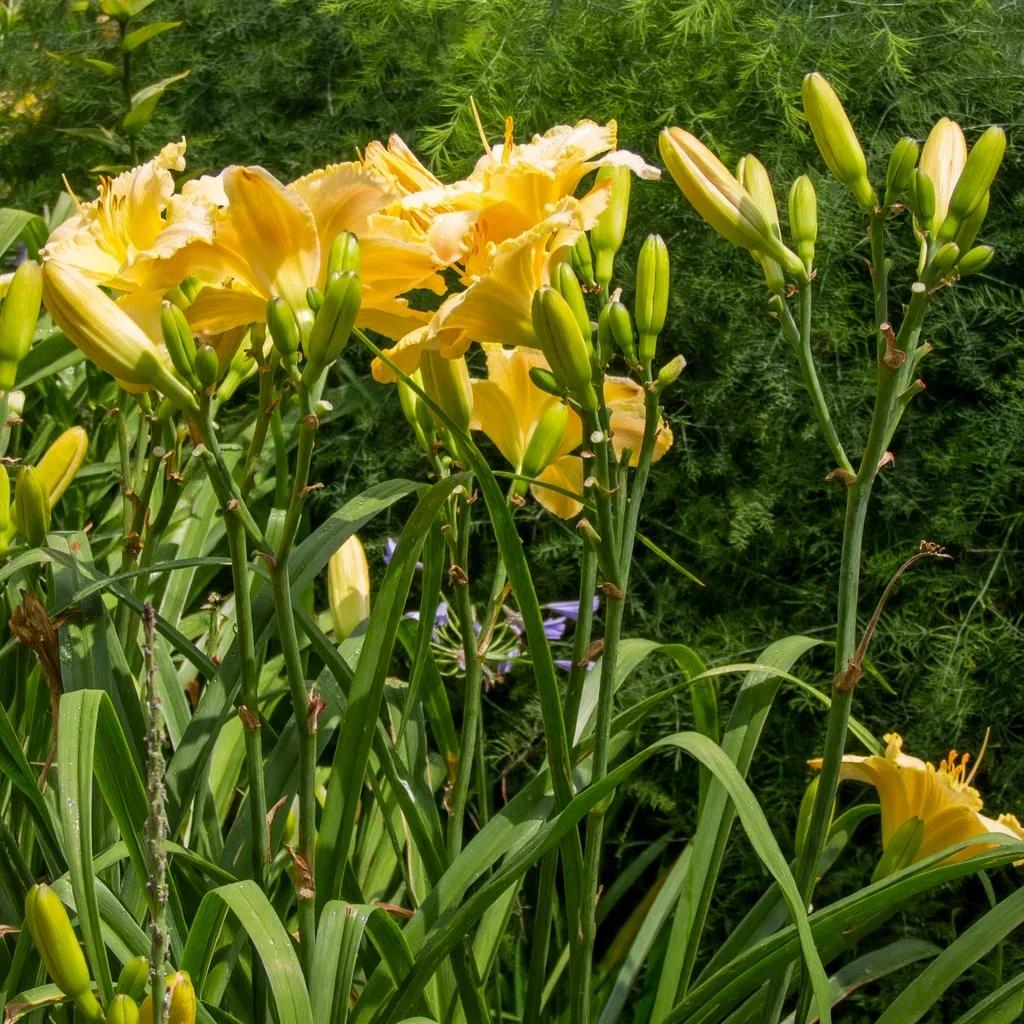 ‘Cobblewood Yellow Peaks’Cobblewood Yellow Peaks Daylily
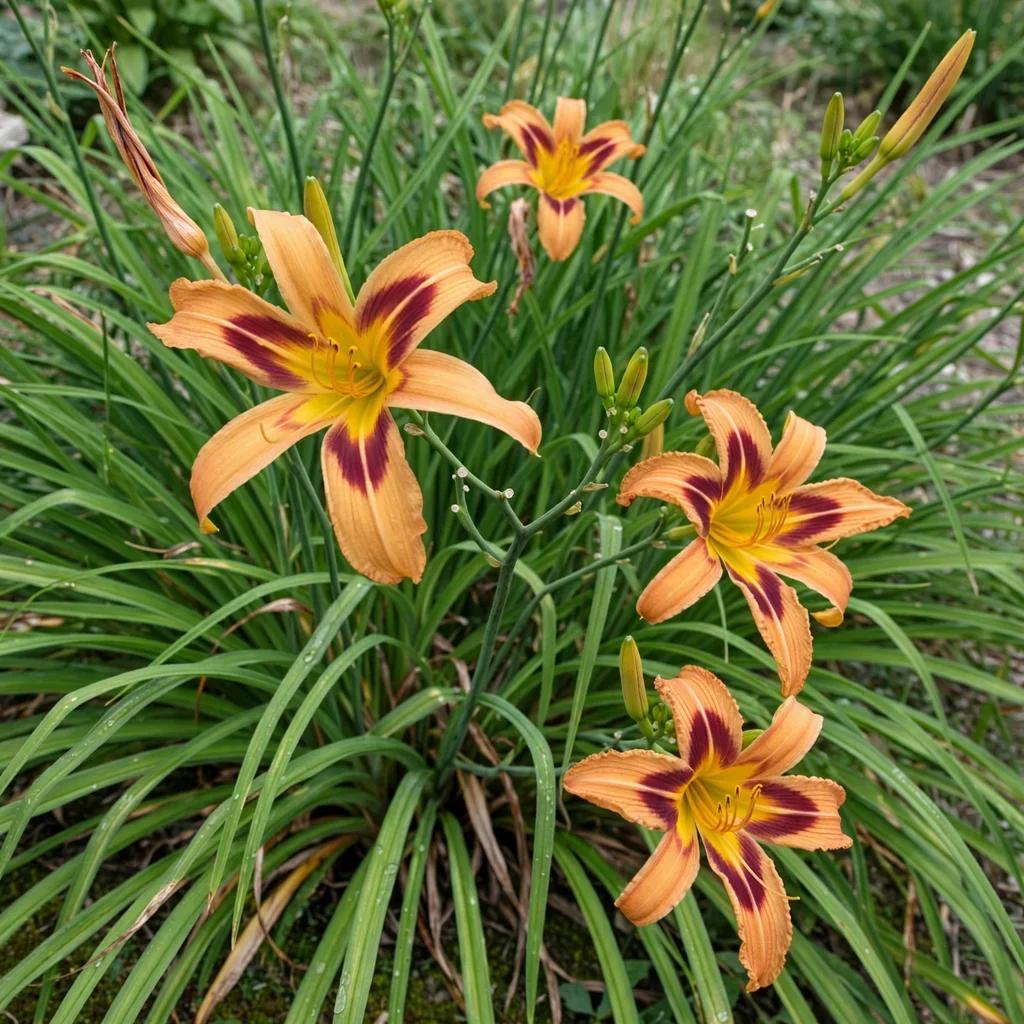 ‘Nashville Star’Nashville Star Daylily
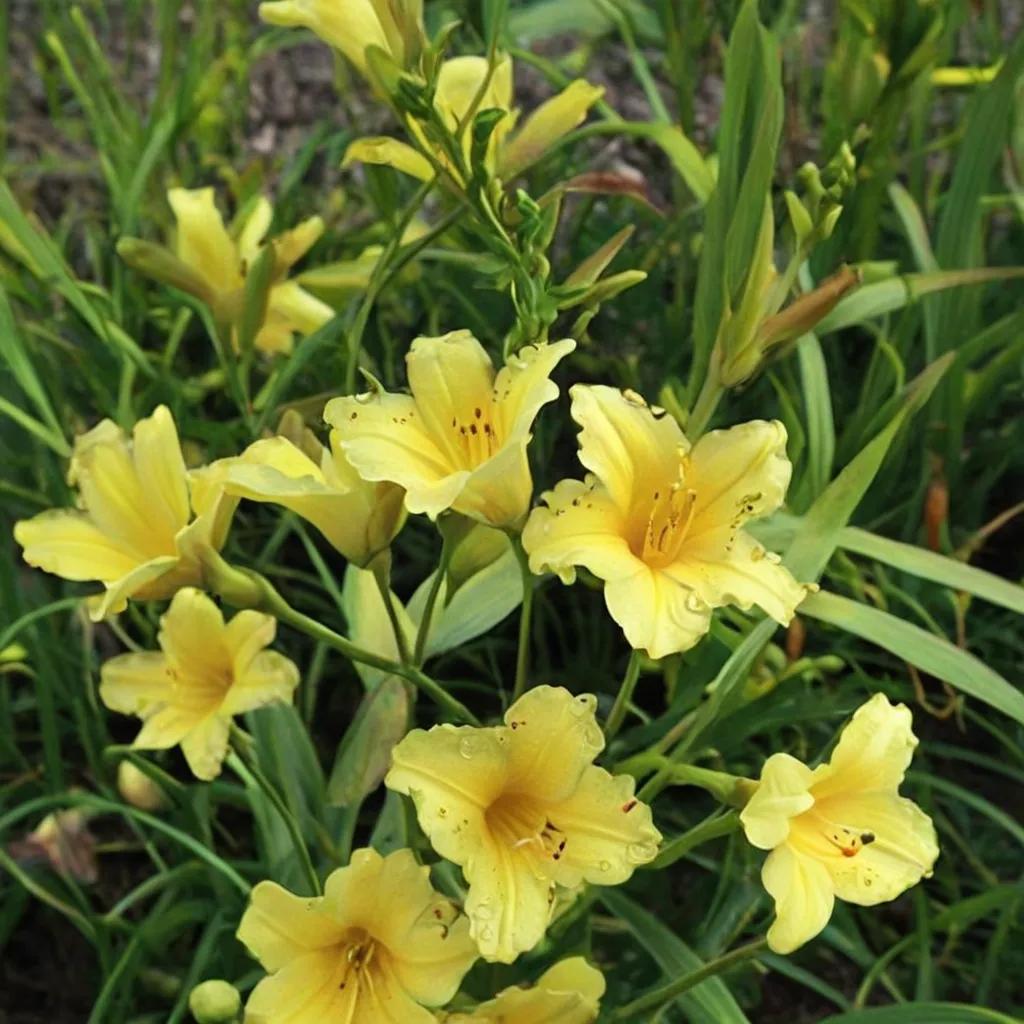 ‘Toy Trumpets’Toy Trumpets Daylily
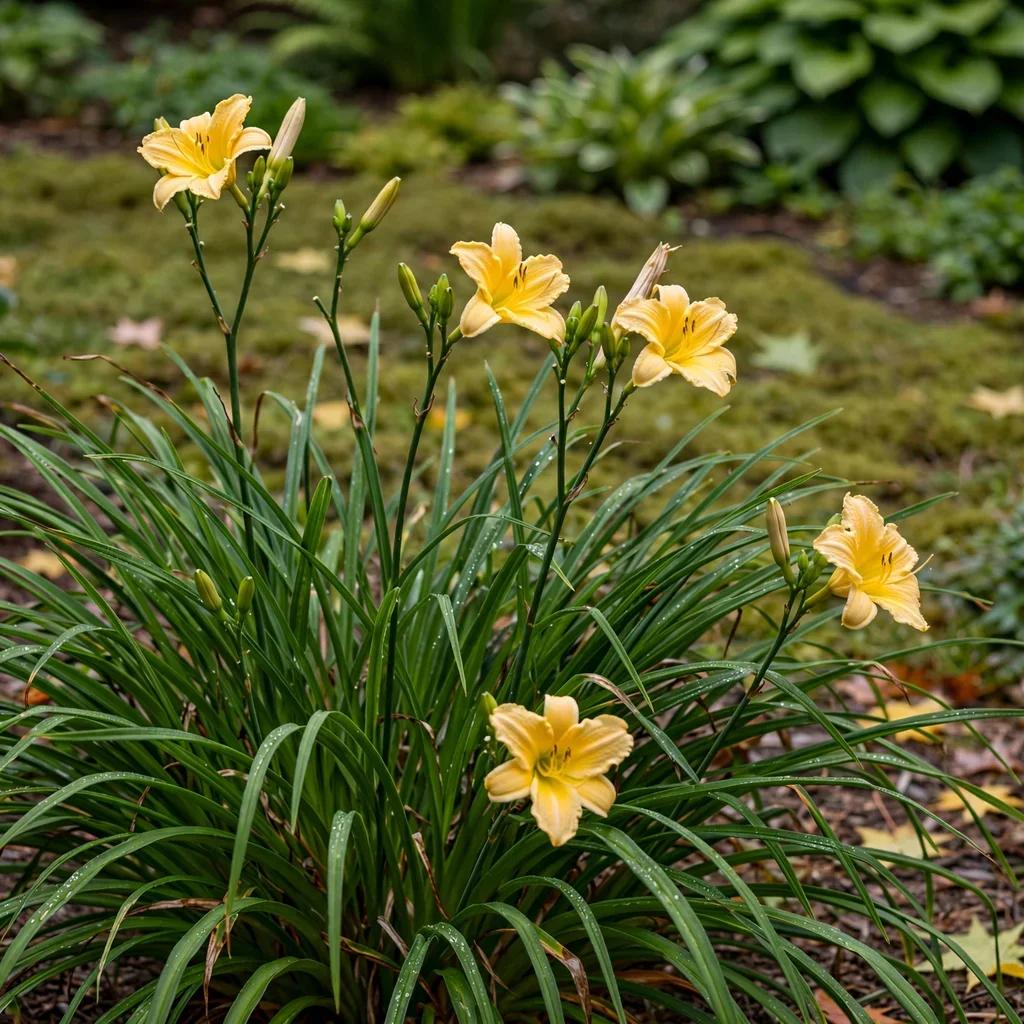 ‘Golden Sprouts’Daylily Golden Sprouts
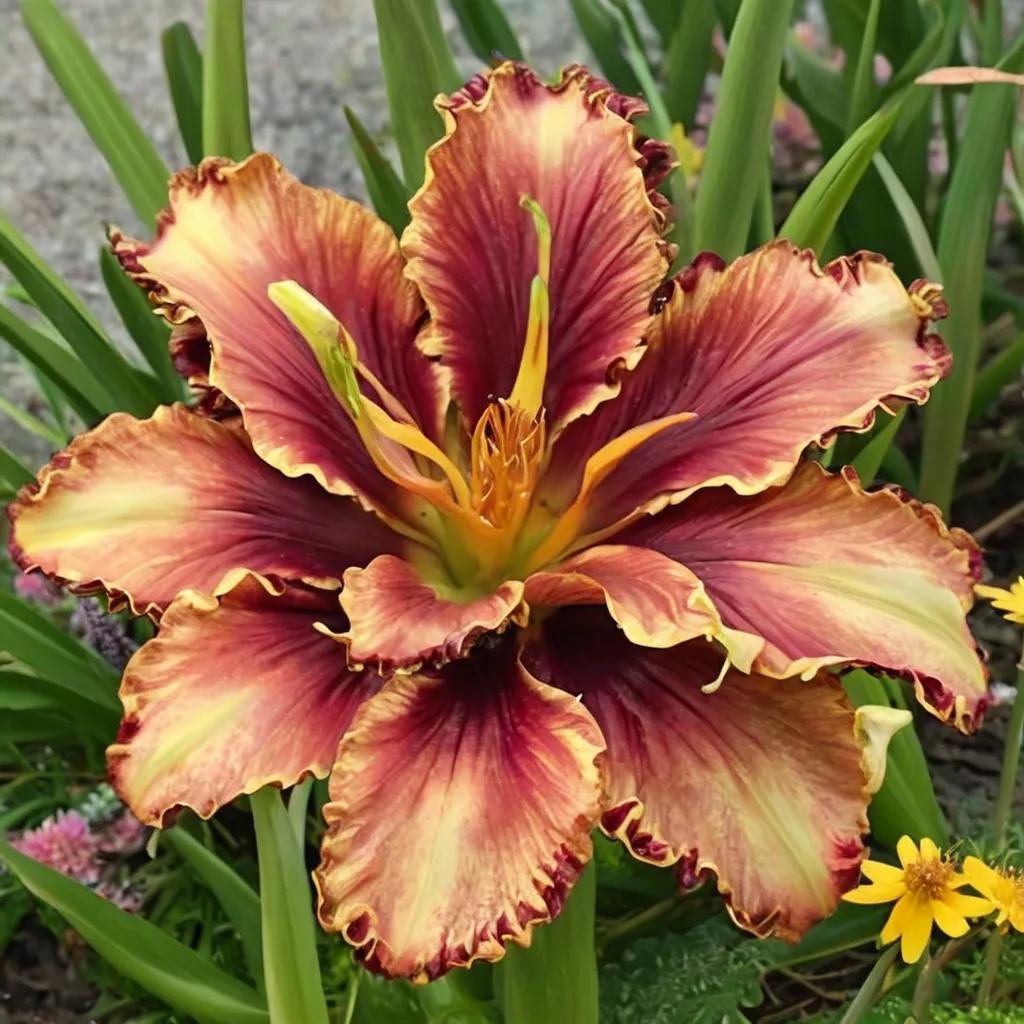 ‘Lake of Fire’Lake of Fire Daylily
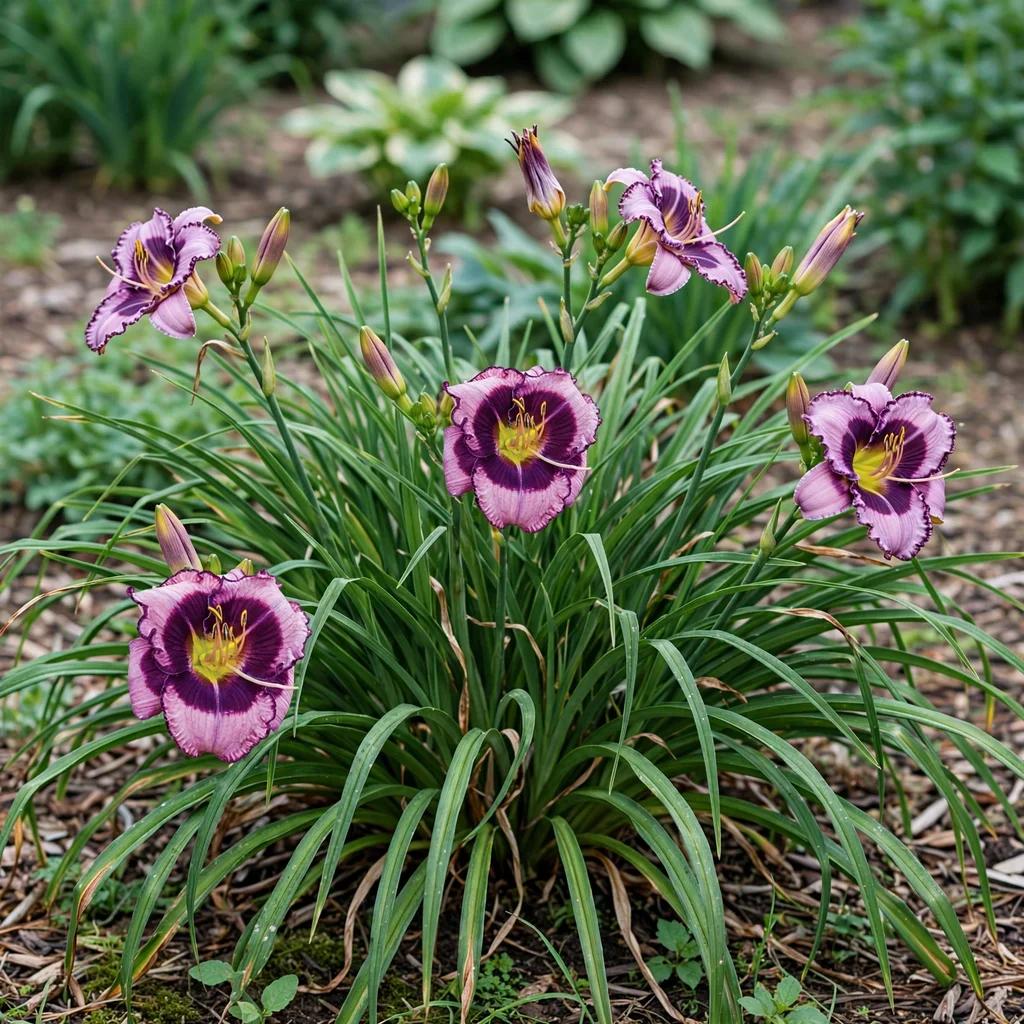 ‘MacBeth’MacBeth Daylily
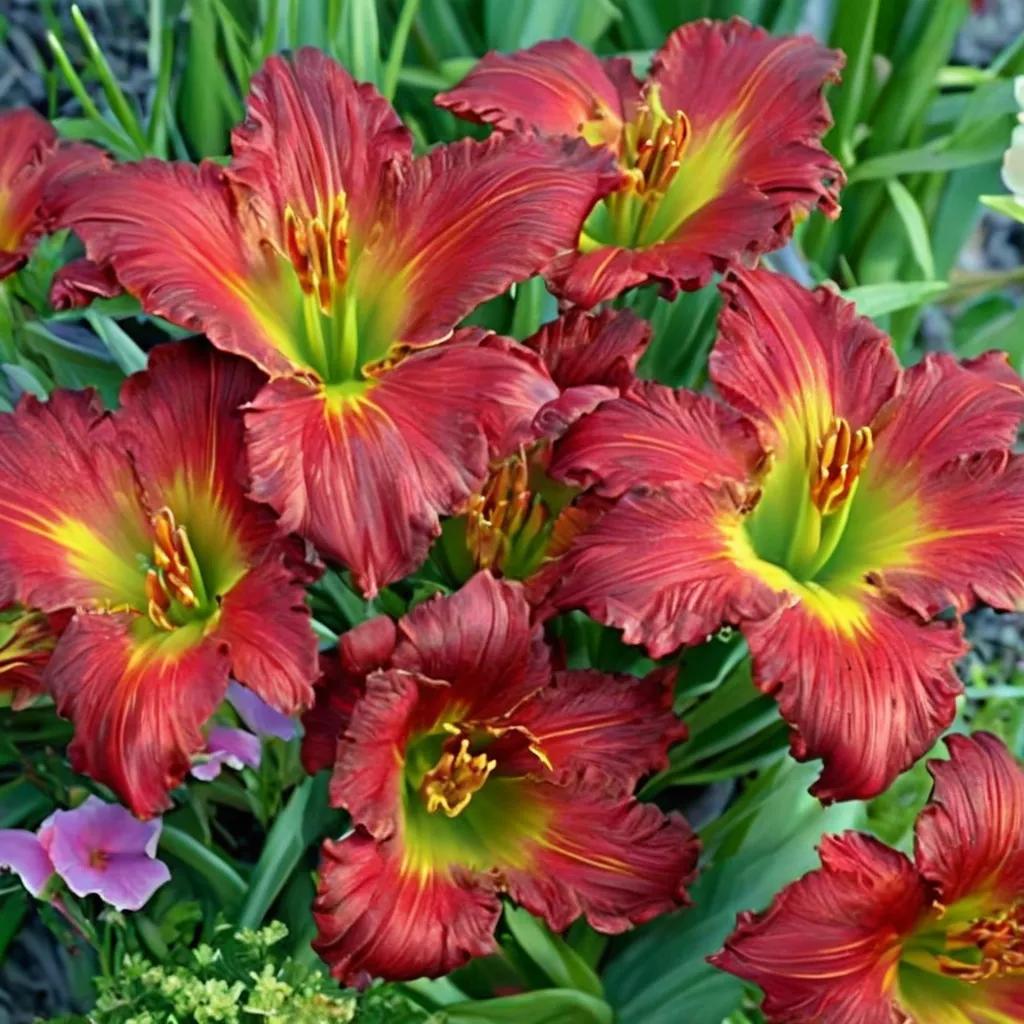 ‘Red Hot Returns’Daylily Red Hot Returns
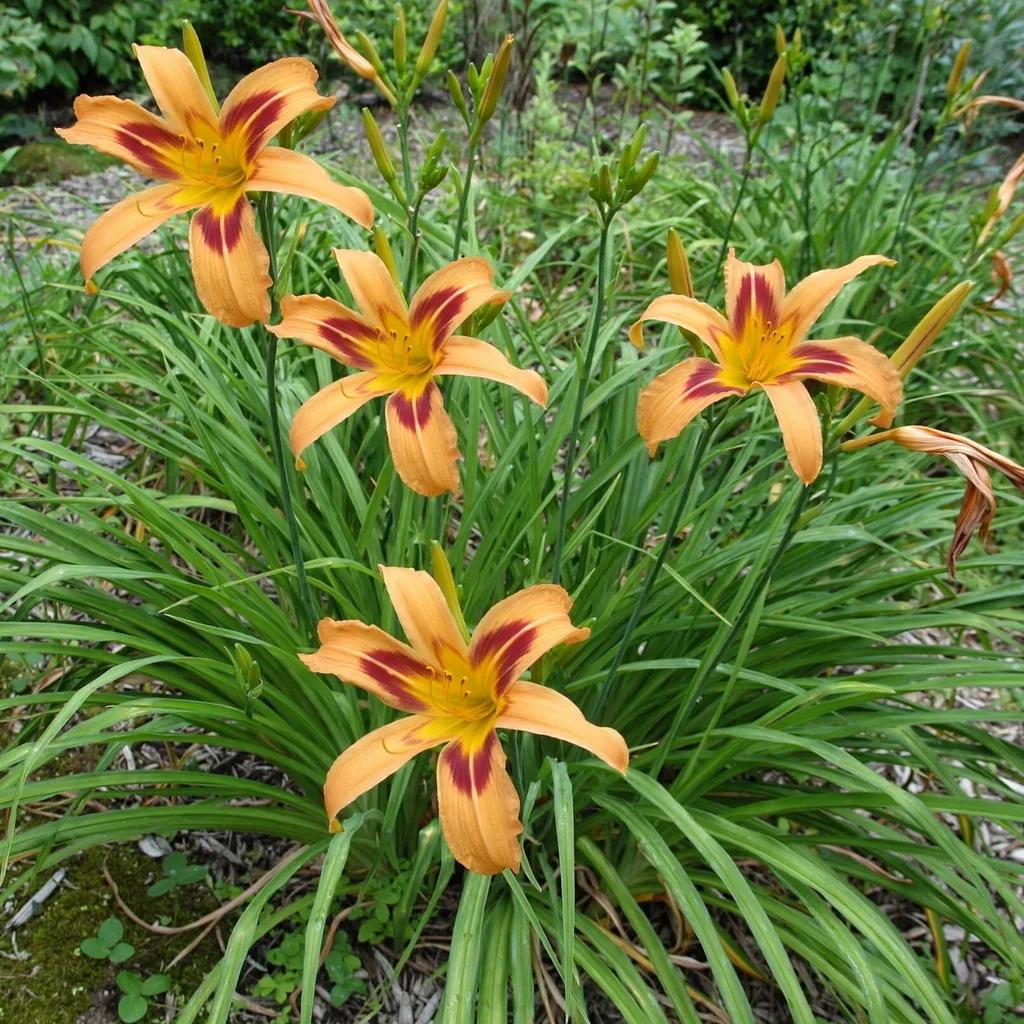 ‘Autumn Accent’Autumn Accent Tawny Daylily
 ‘Hyperion’Hyperion Daylily
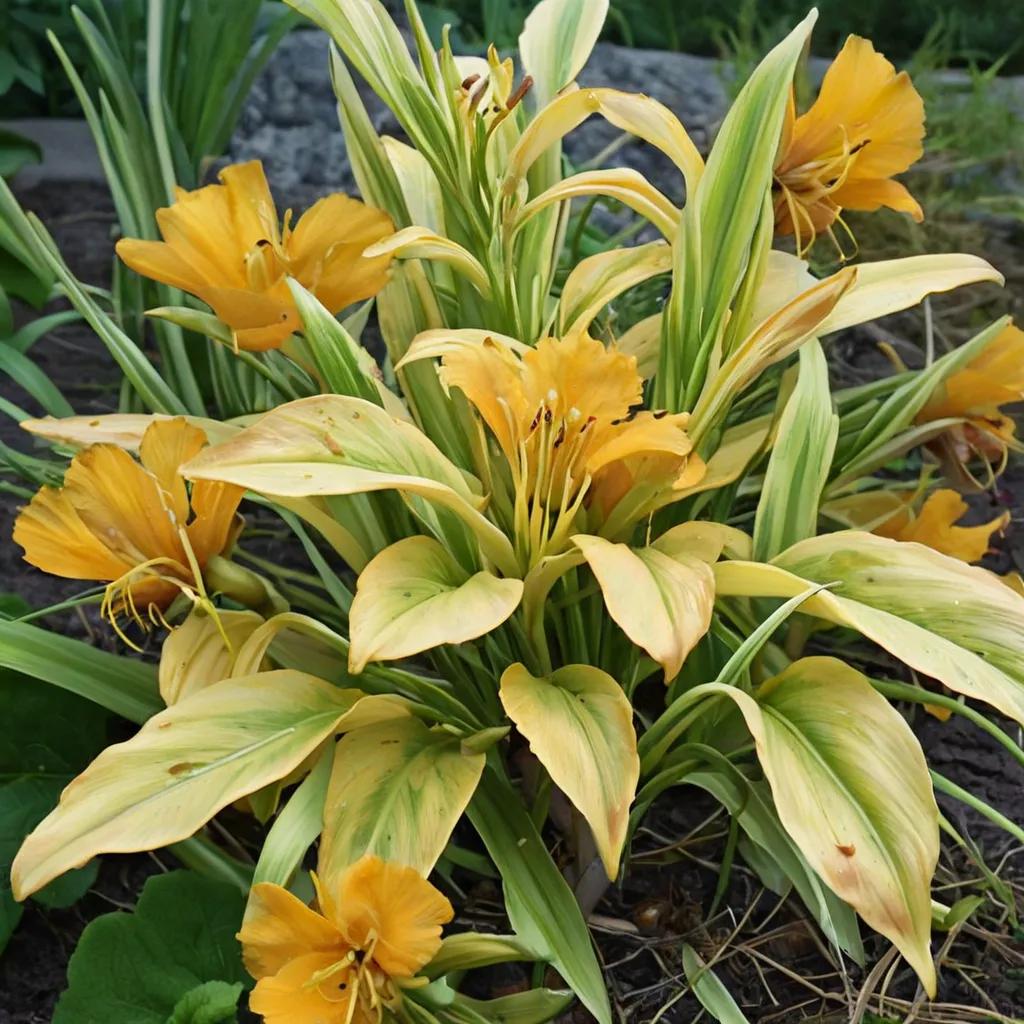 ‘Malja’Daylily Malja
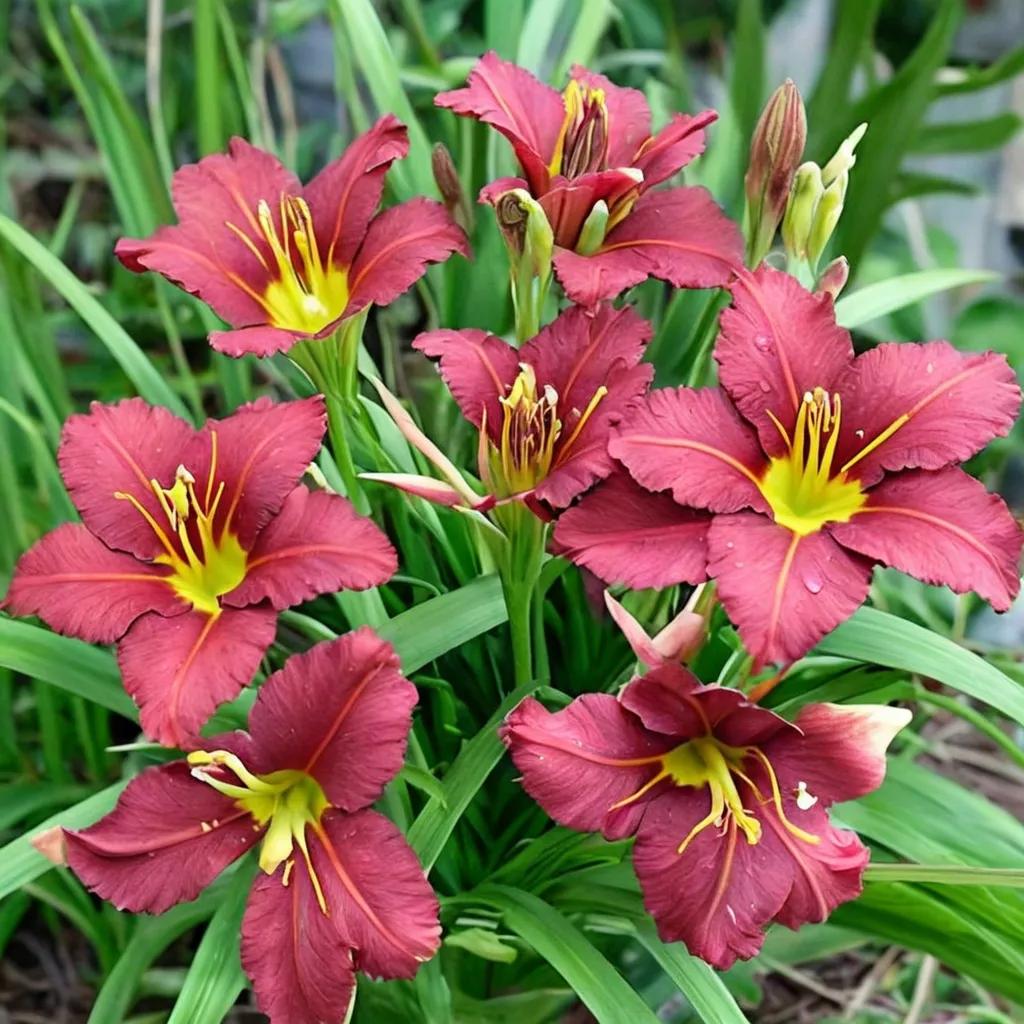 ‘Ruby Stella’Ruby Stella Daylily
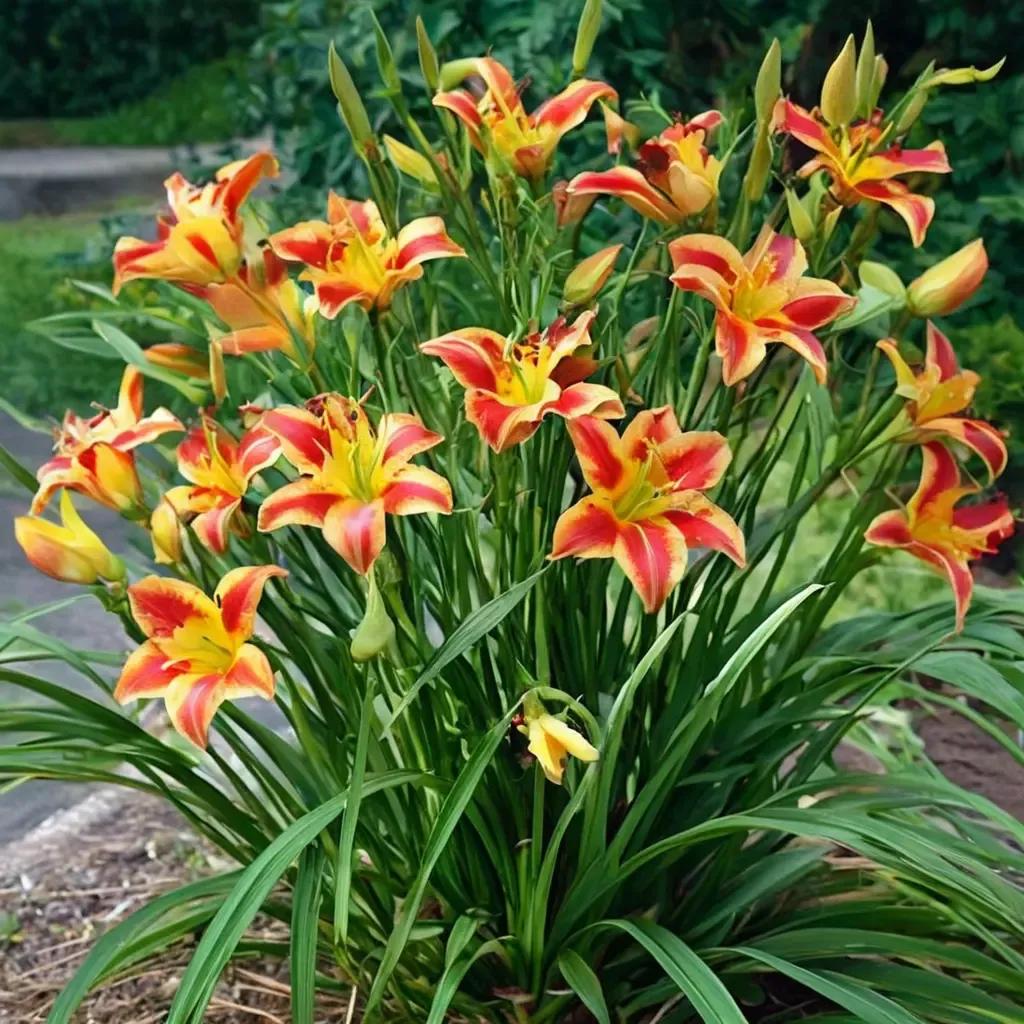 ‘Frans Hals’Frans Hals Daylily
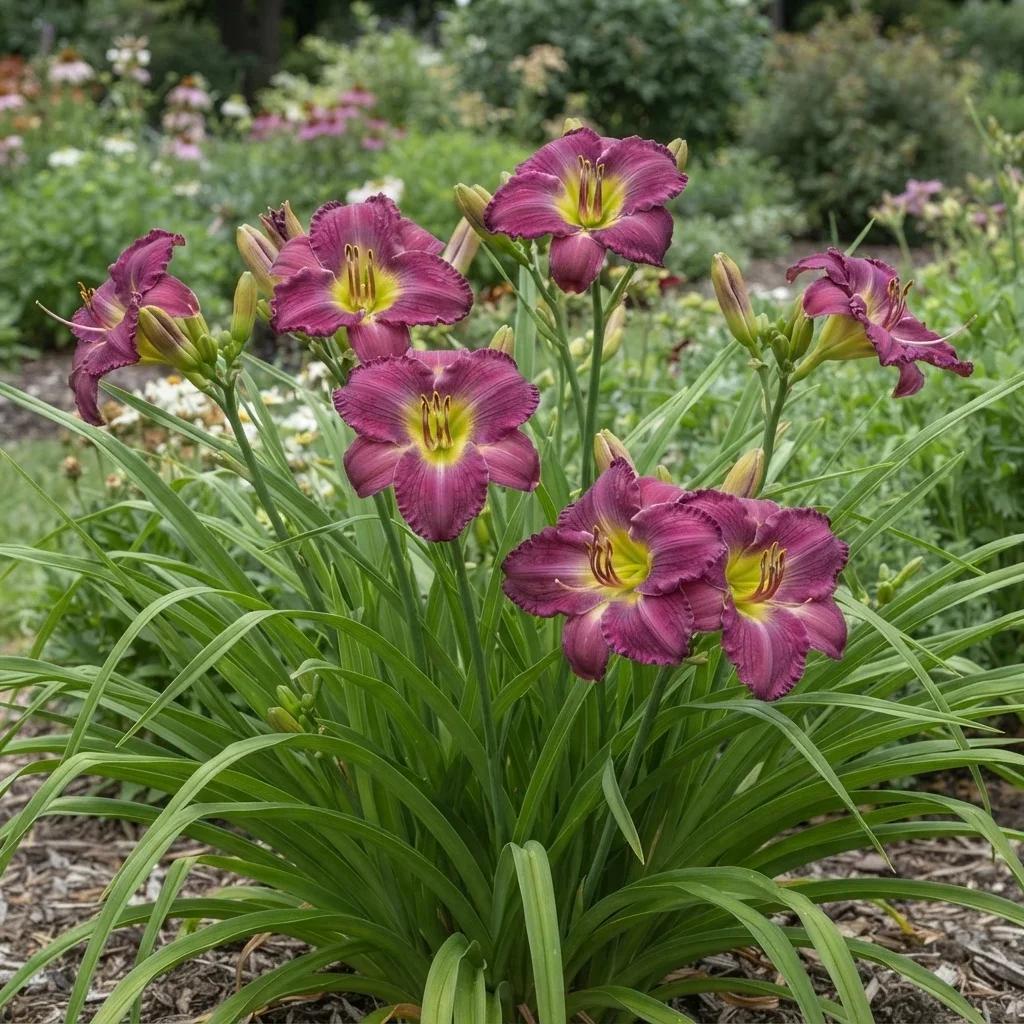 ‘Maestro Puccini’Maestro Puccini Jumbo Daylily
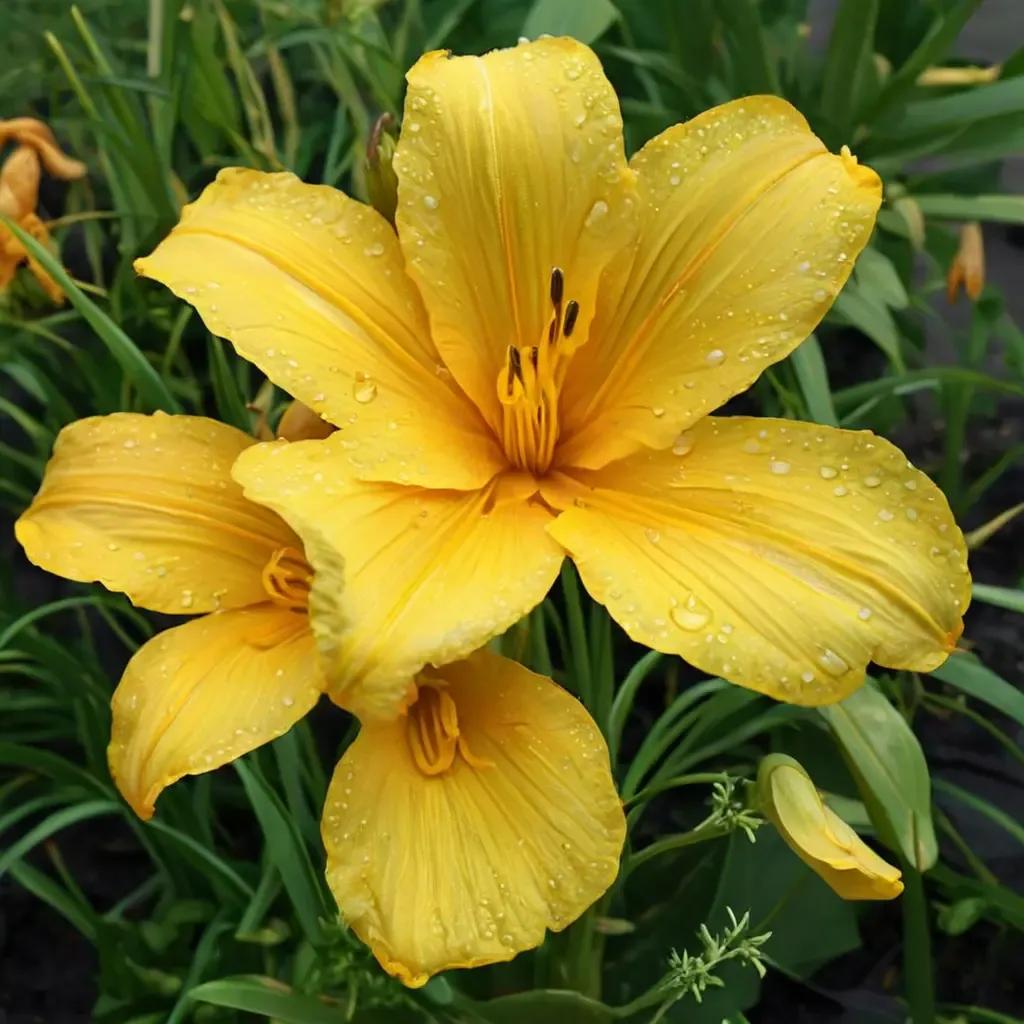 ‘Buttered Popcorn’Daylily 'Buttered Popcorn'
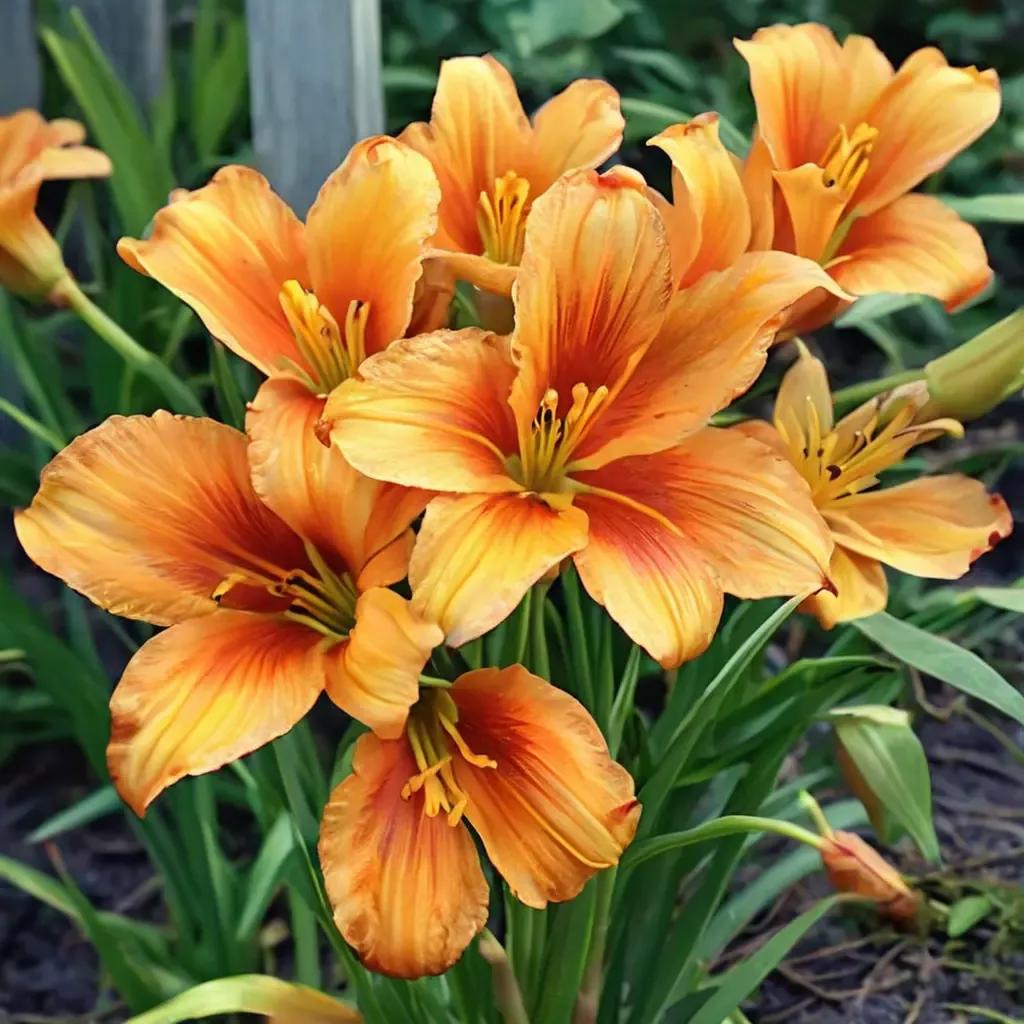 ‘Rocket City’Rocket City Daylily
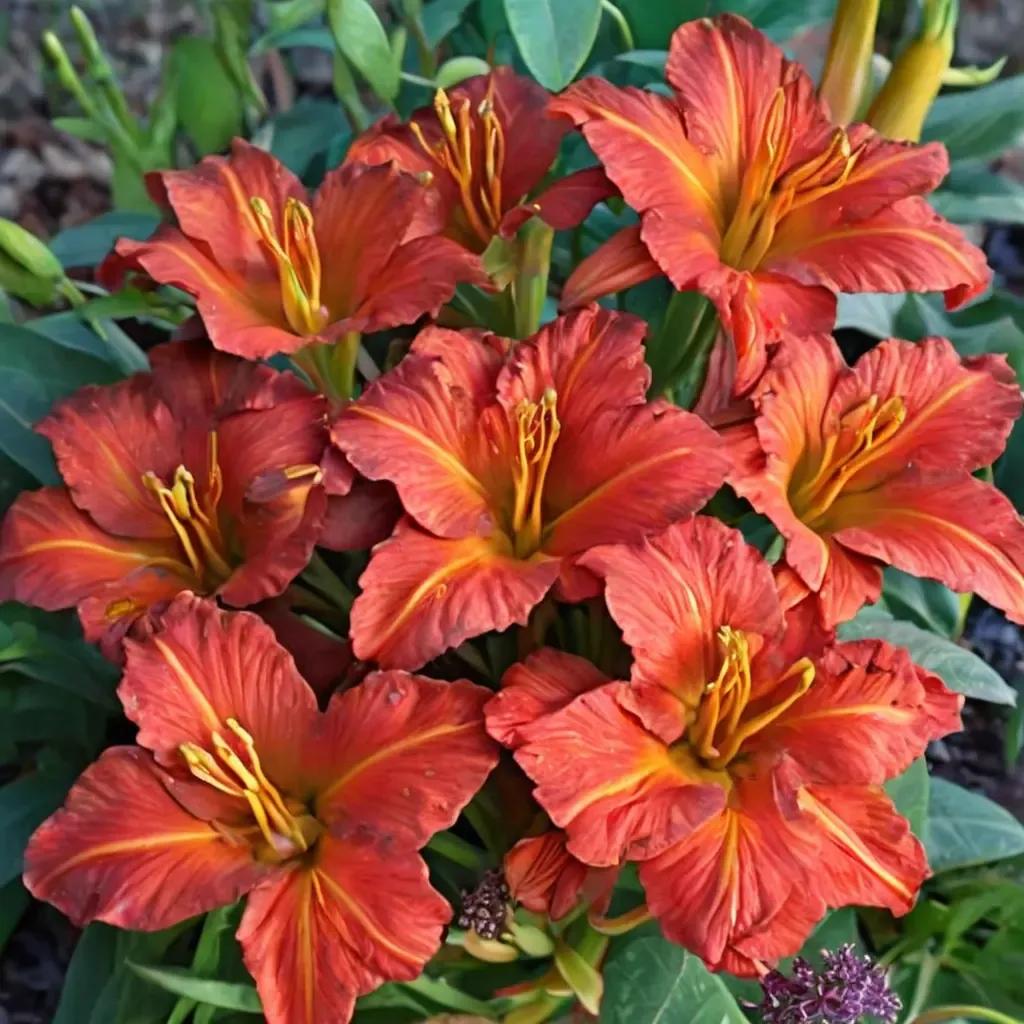 ‘Desert Flame’Desert Flame Daylily
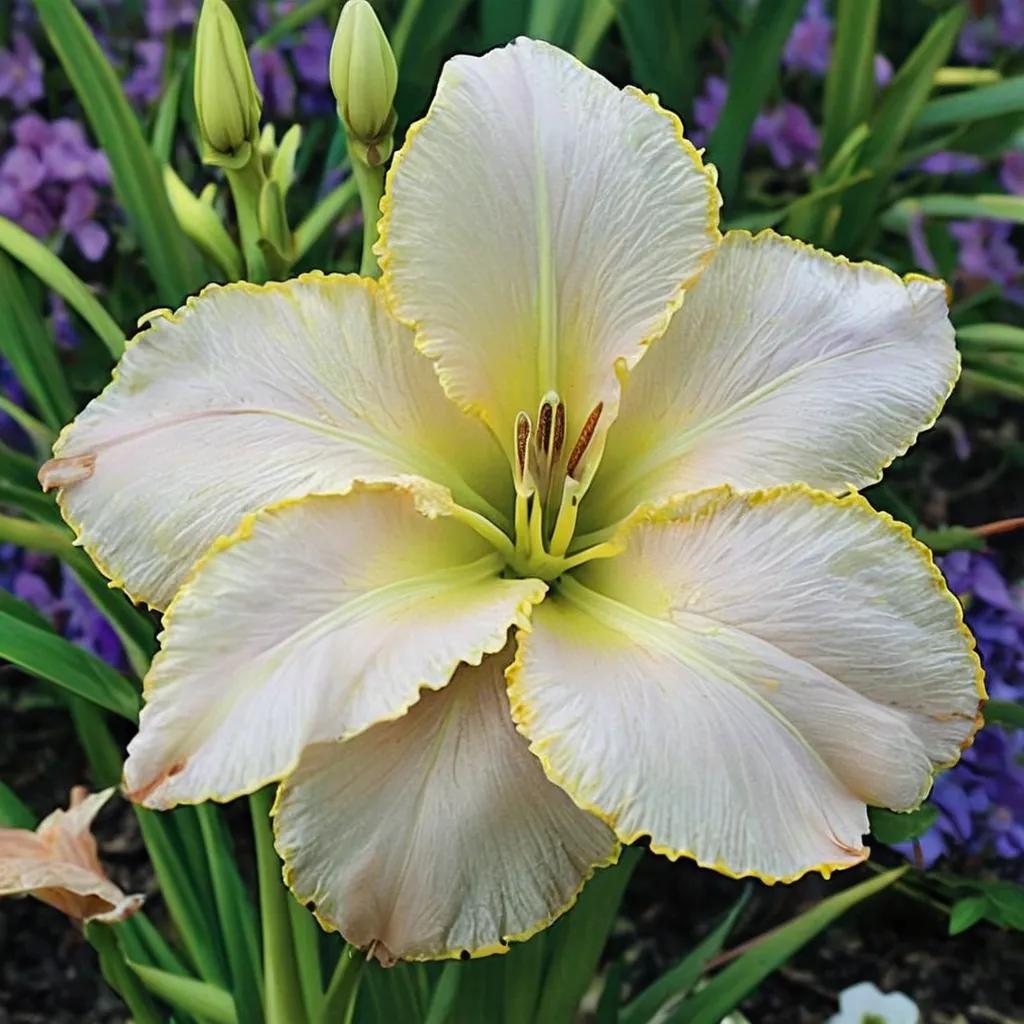 ‘Early Snow’Daylily Early Snow
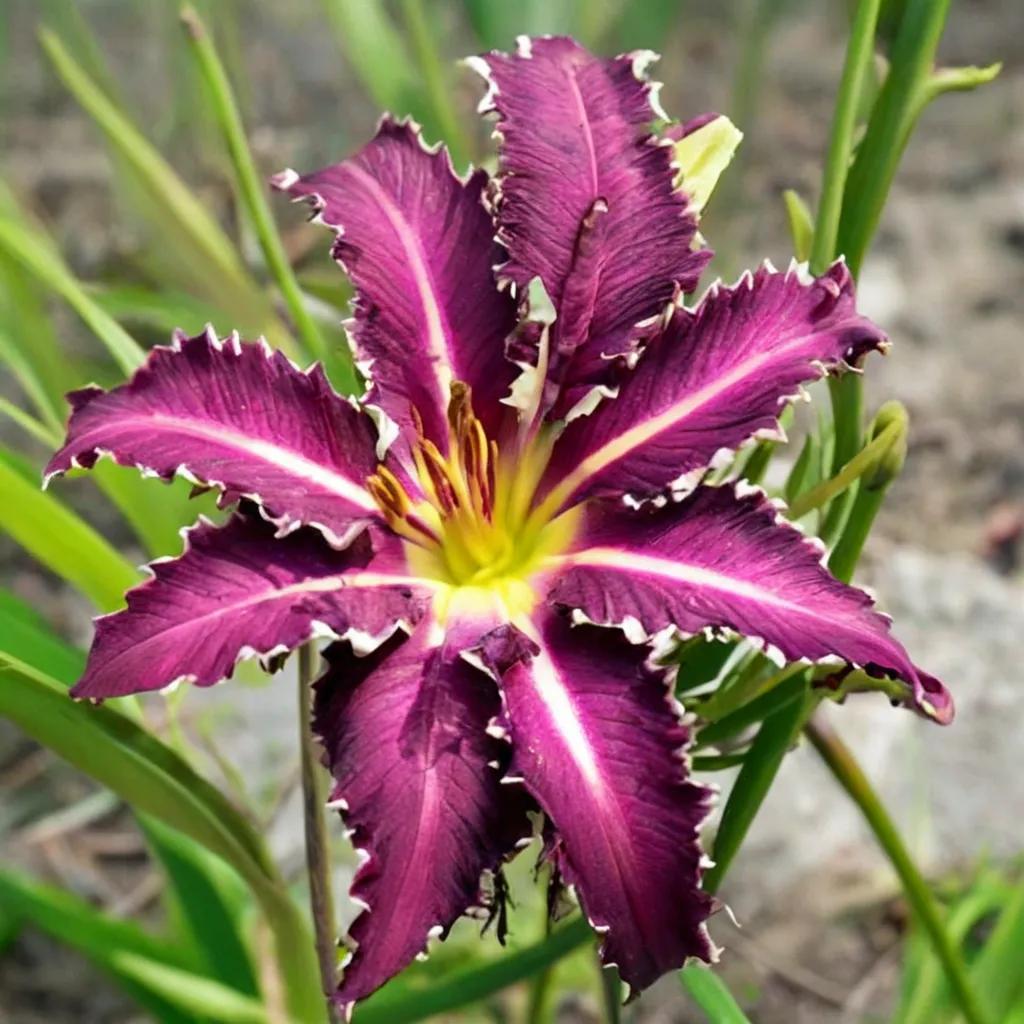 ‘Snaggle Tooth’Daylily Snaggle Tooth
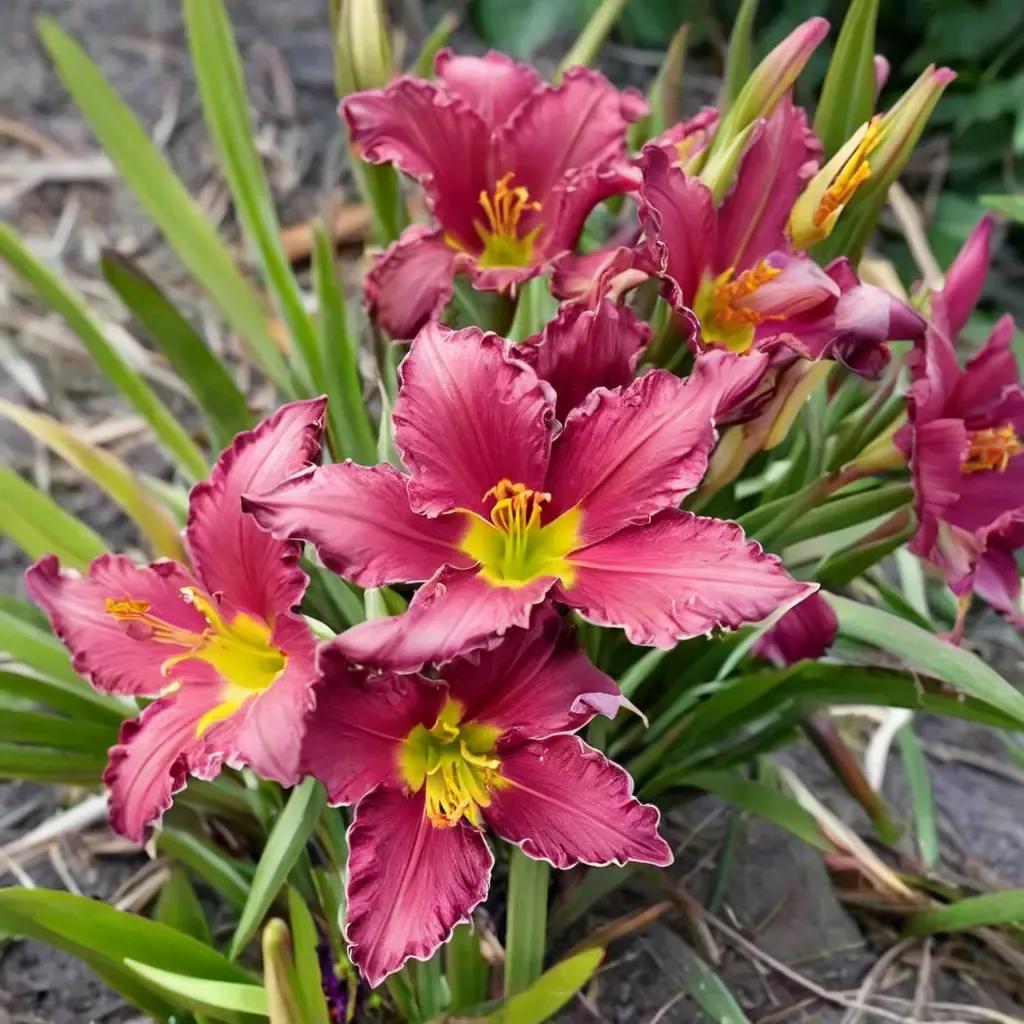 ‘Romantic Returns’Romantic Returns Daylily
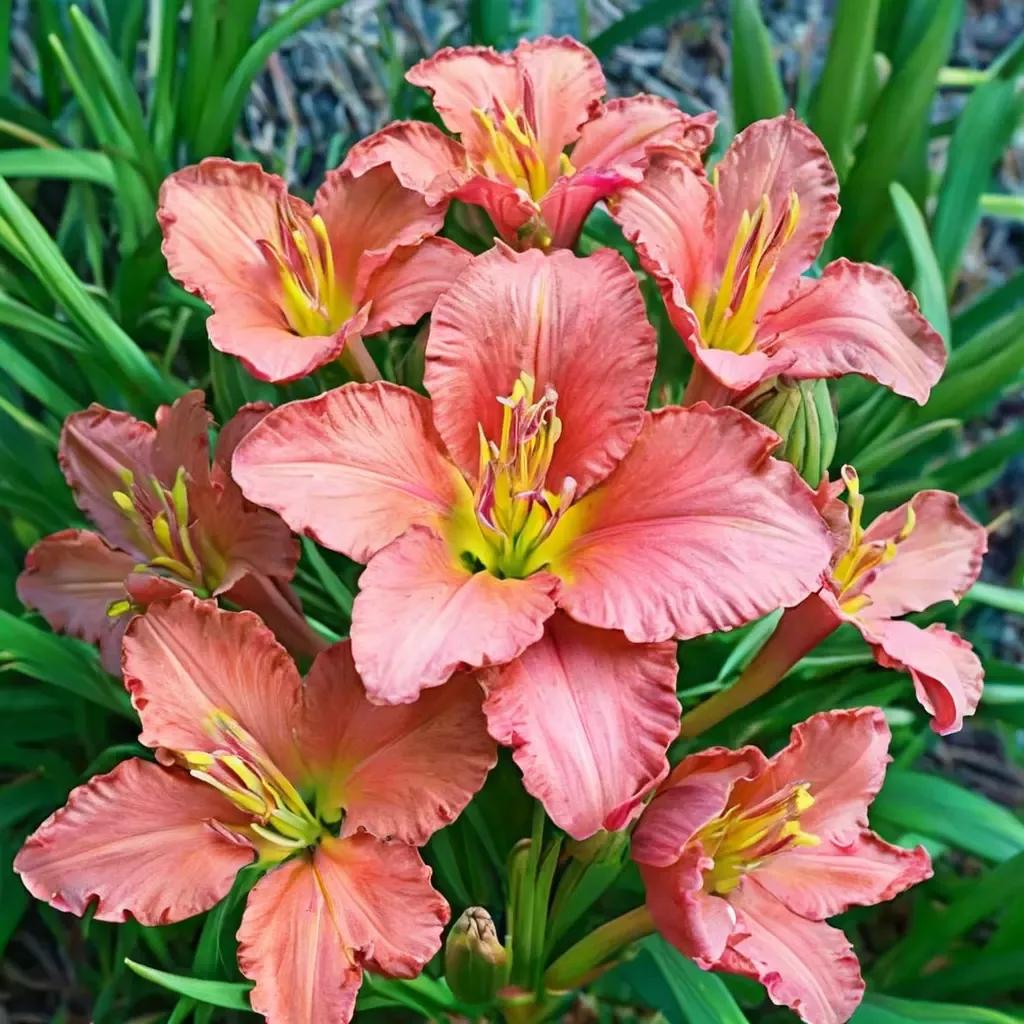 ‘Scottish Fantasy’Scottish Fantasy Daylily
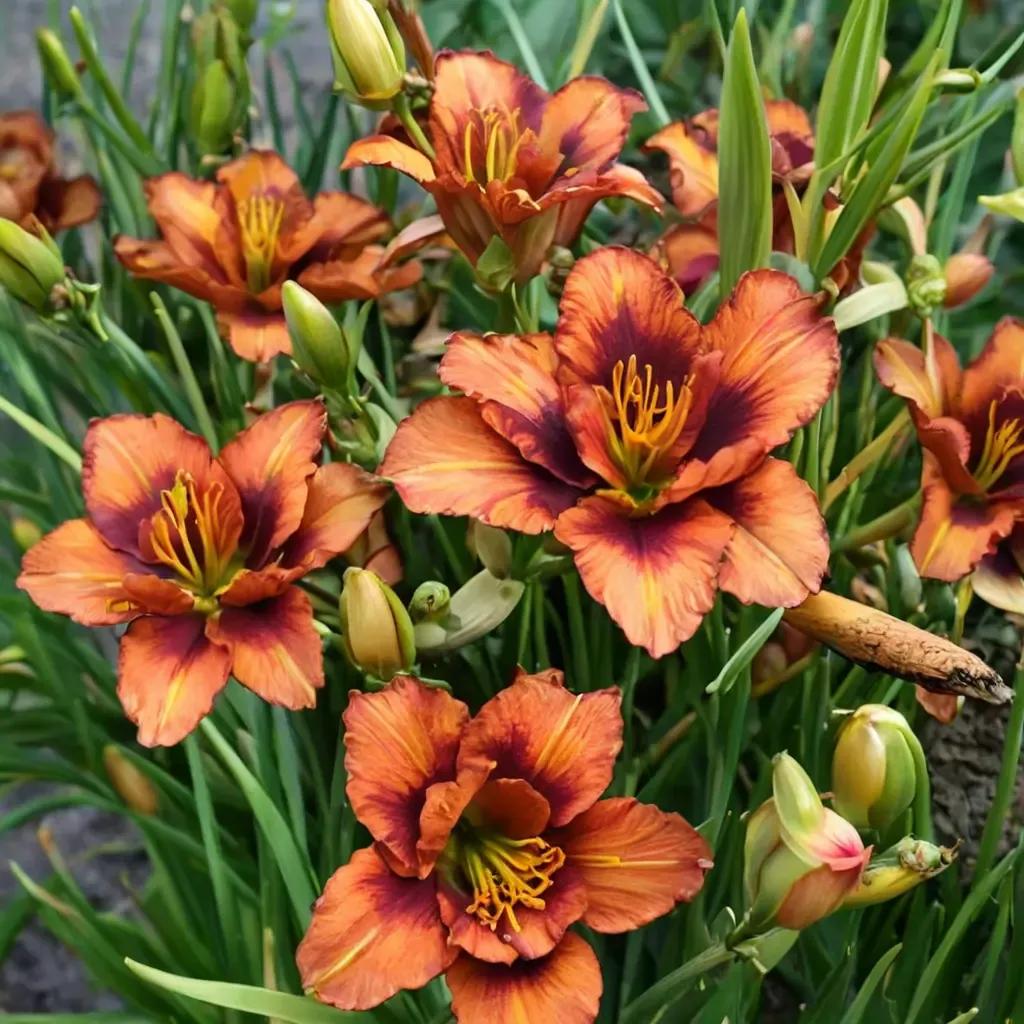 ‘Mighty Chestnut’Mighty Chestnut Daylily
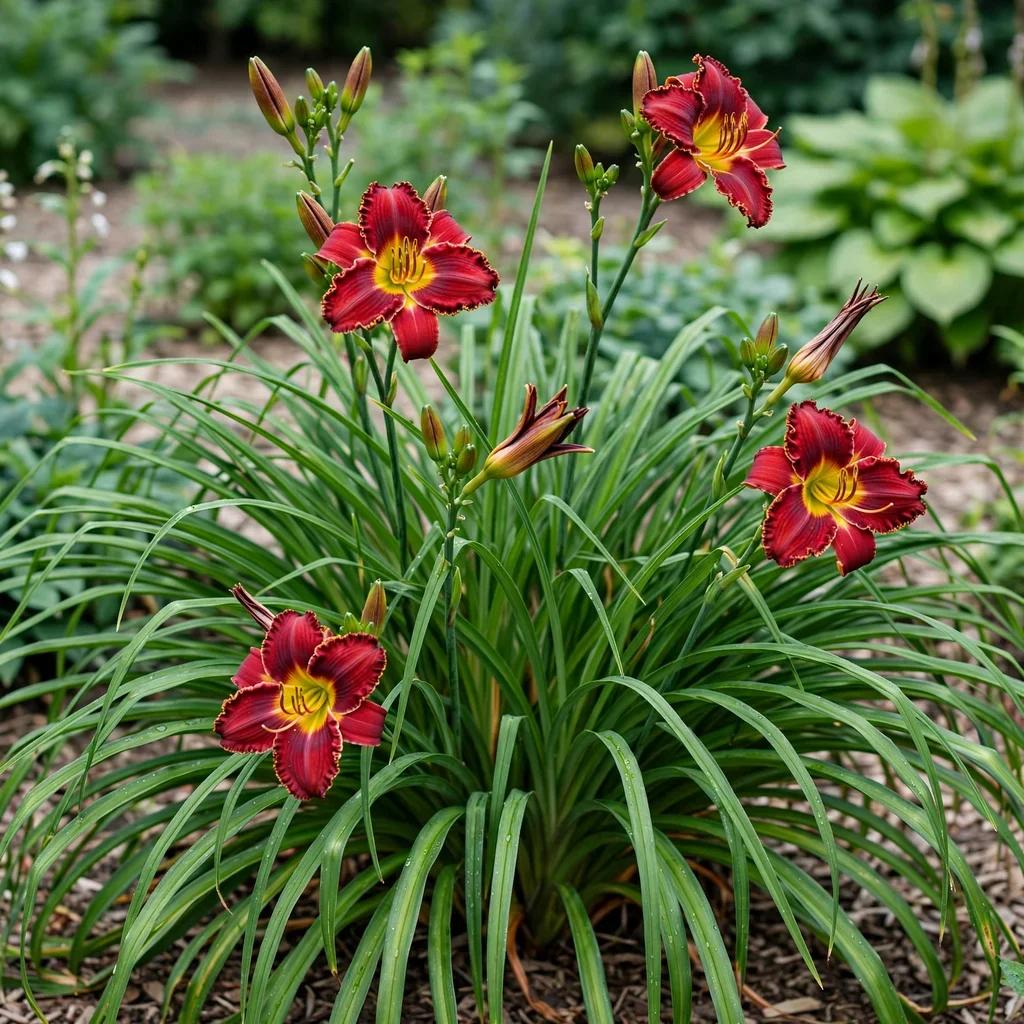 ‘Highland Lord’Highland Lord Daylily
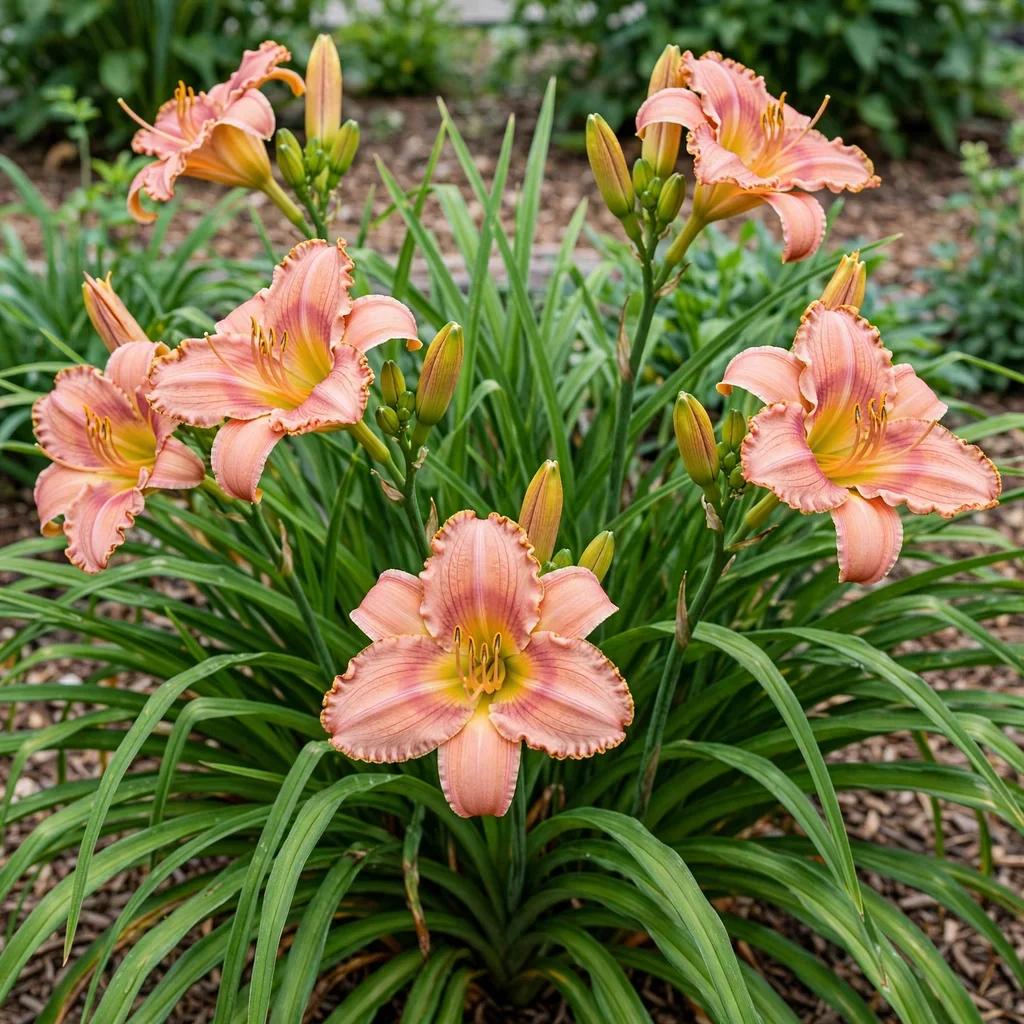 ‘Majestic Move’Majestic Move Daylily
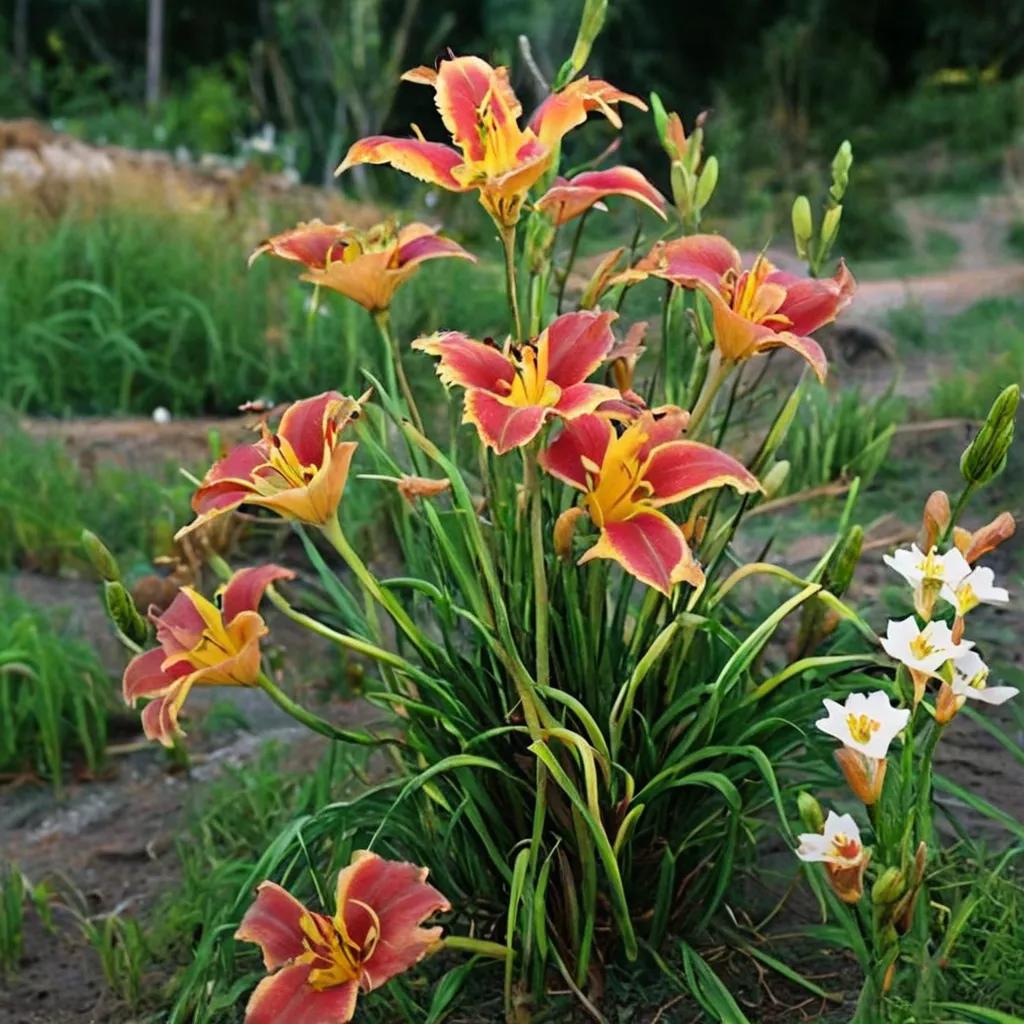 ‘Challenger’Daylily Challenger
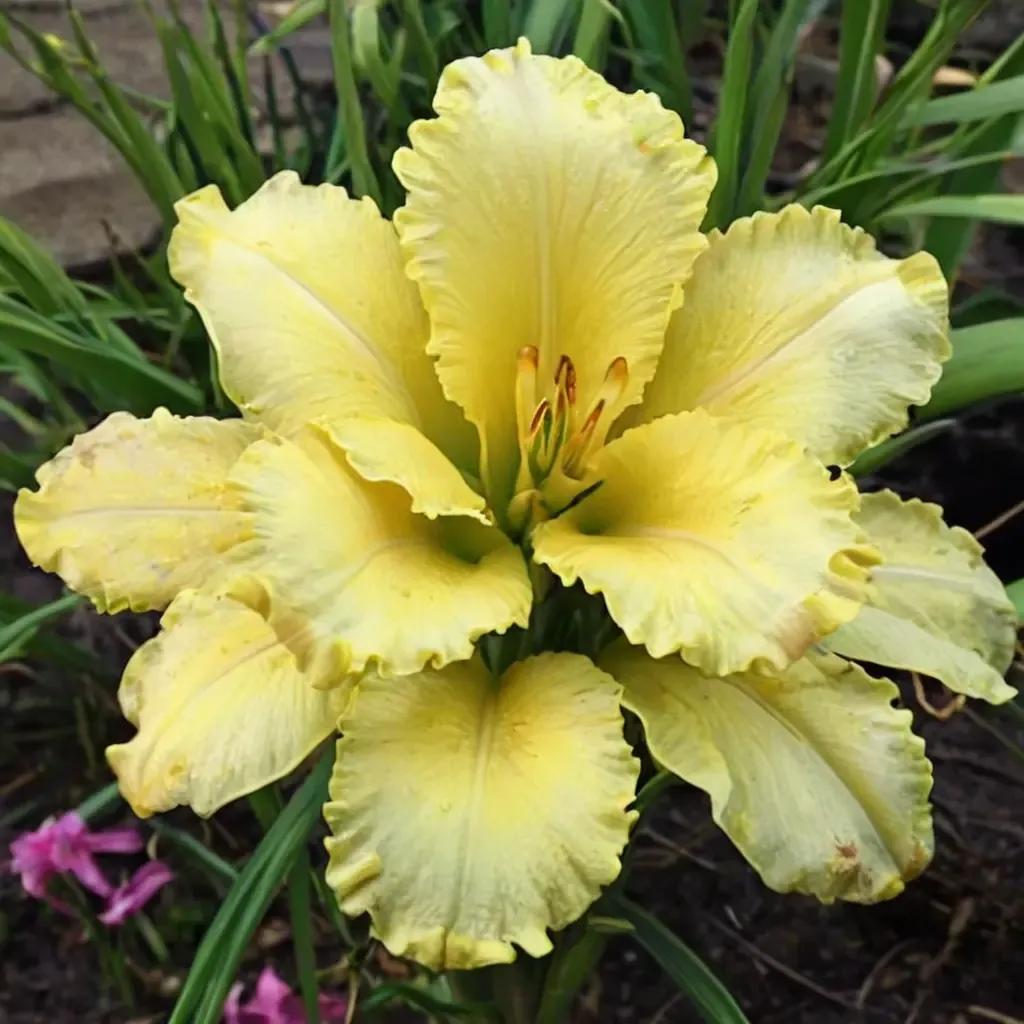 ‘Siloam Amazing Grace’Siloam Amazing Grace Daylily
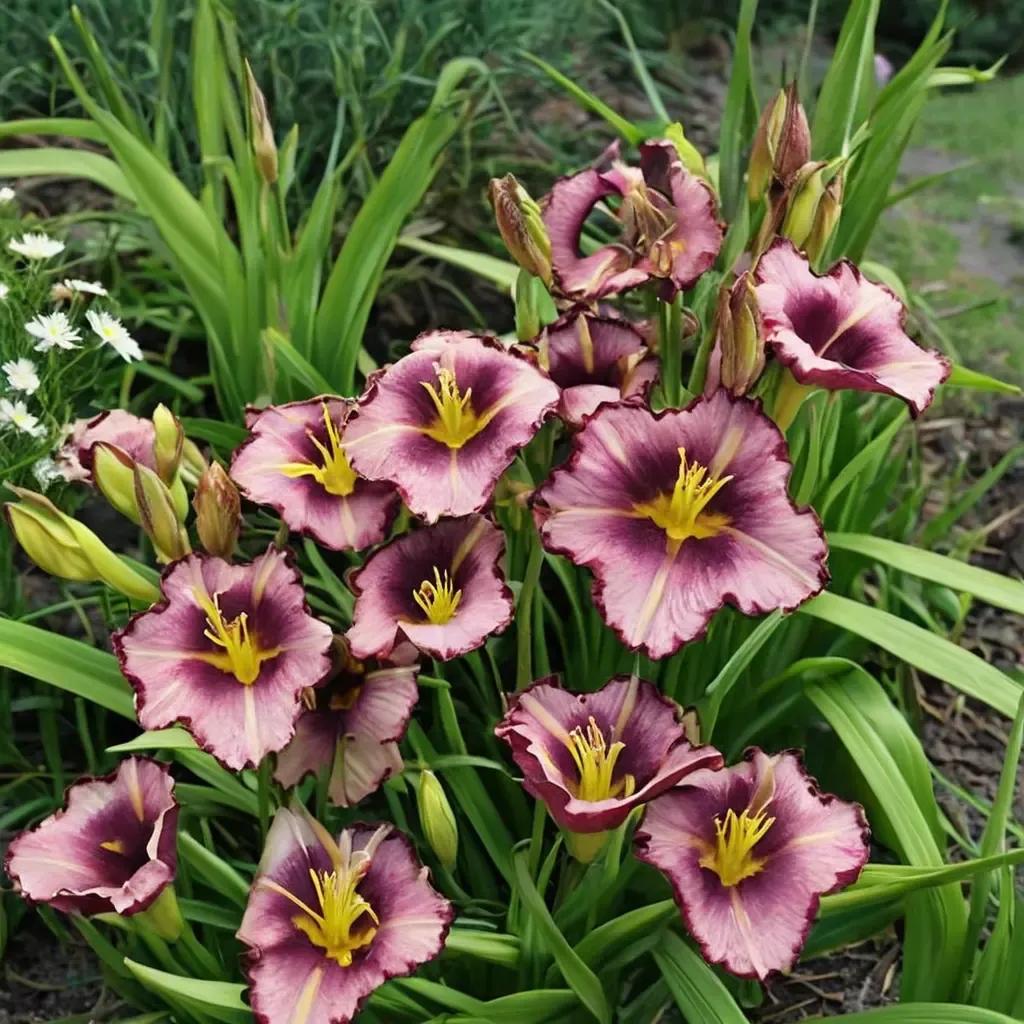 ‘Storm Shelter’Storm Shelter Daylily
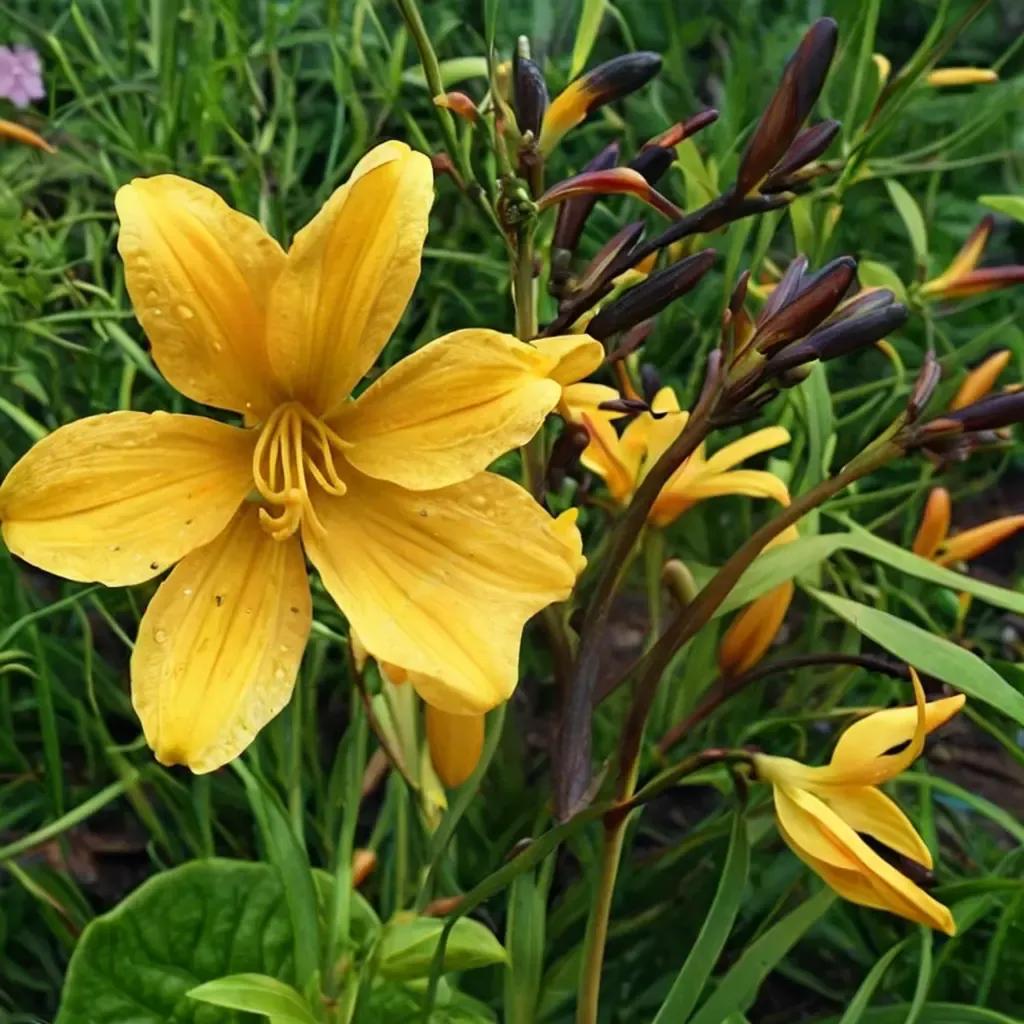 ‘Golden Chimes’Golden Chimes Daylily
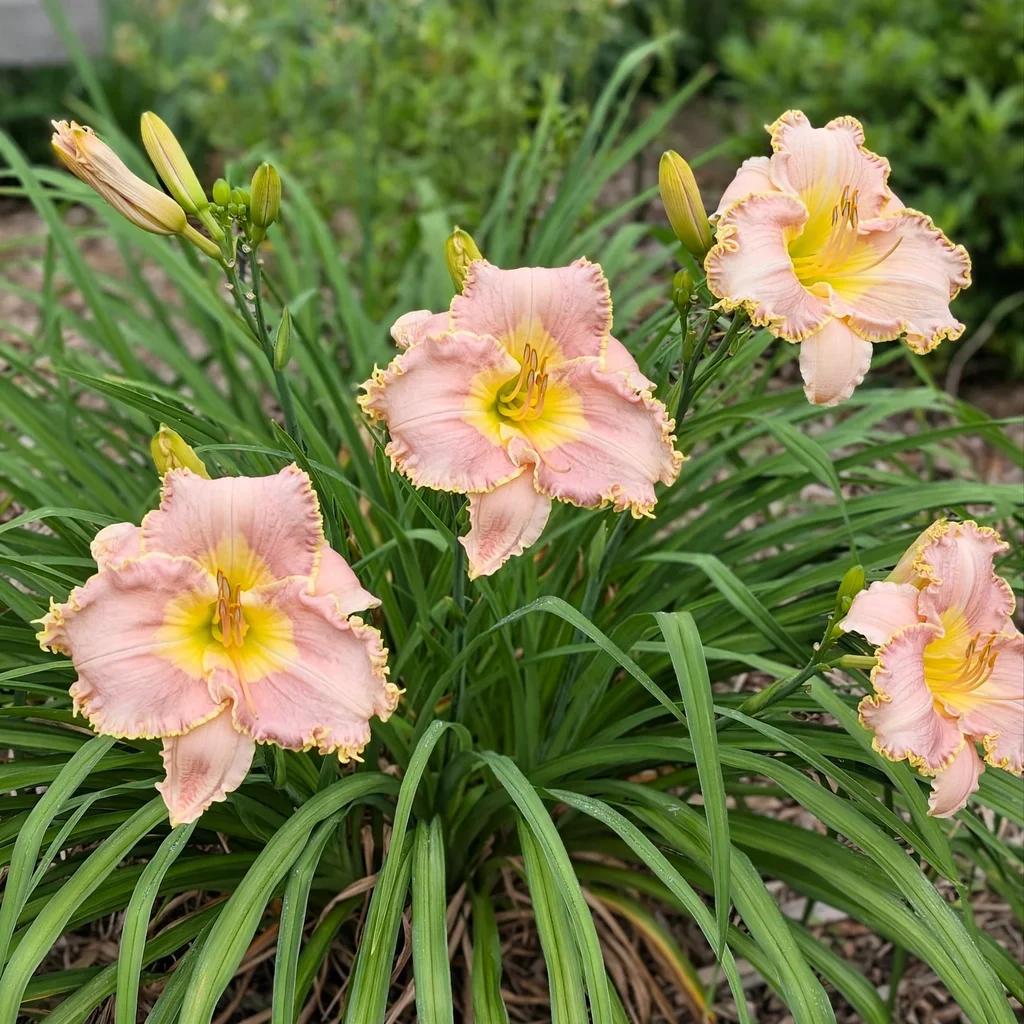 ‘Ruffled Pastel Cheers’Daylily Ruffled Pastel Cheers
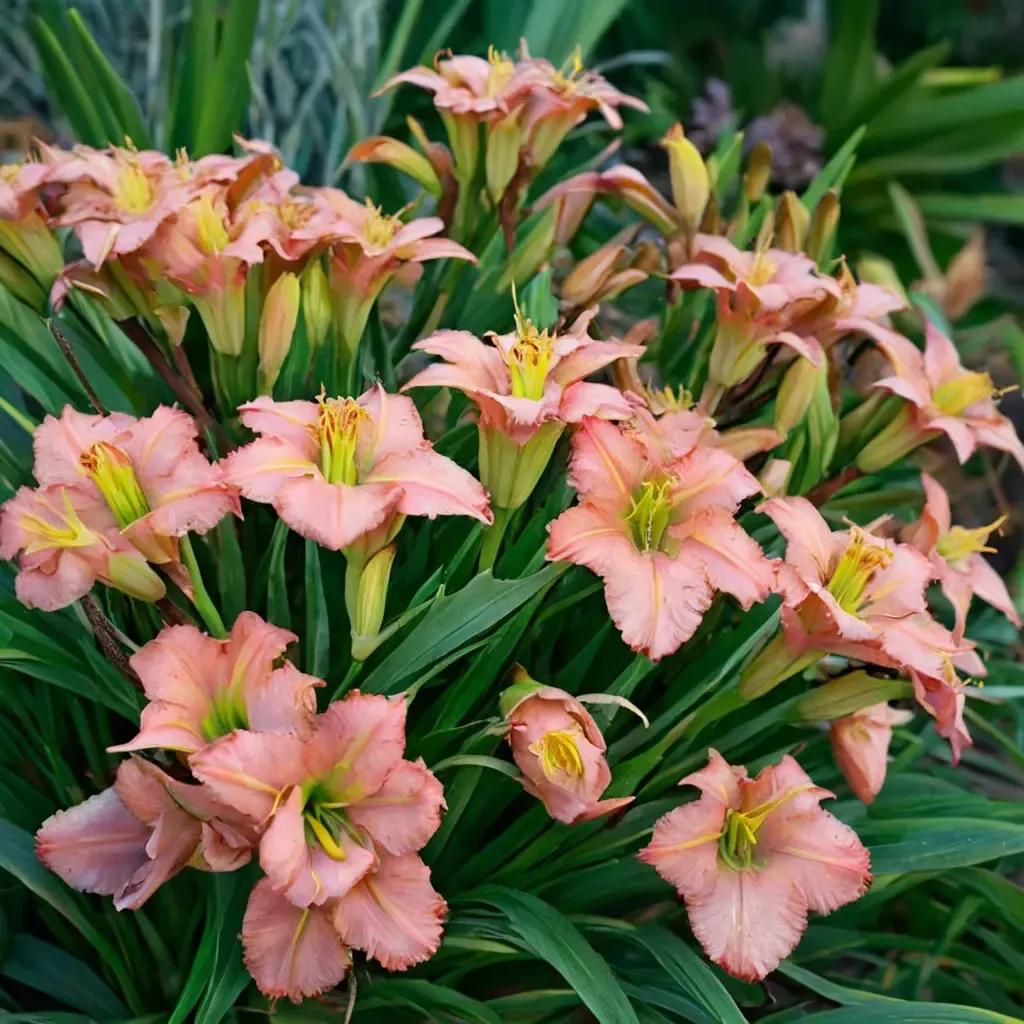 ‘Elegant Candy’Elegant Candy Daylily
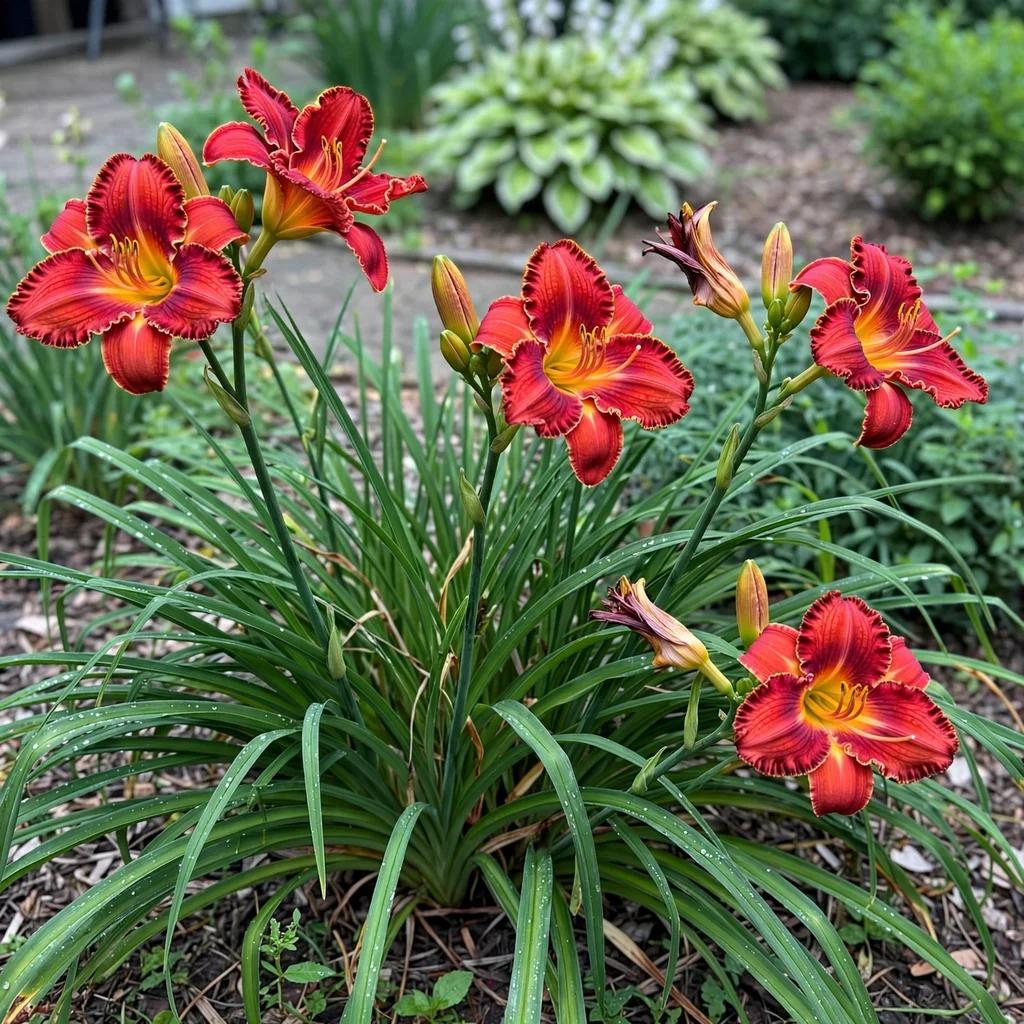 ‘Moses Fire’Moses Fire Daylily
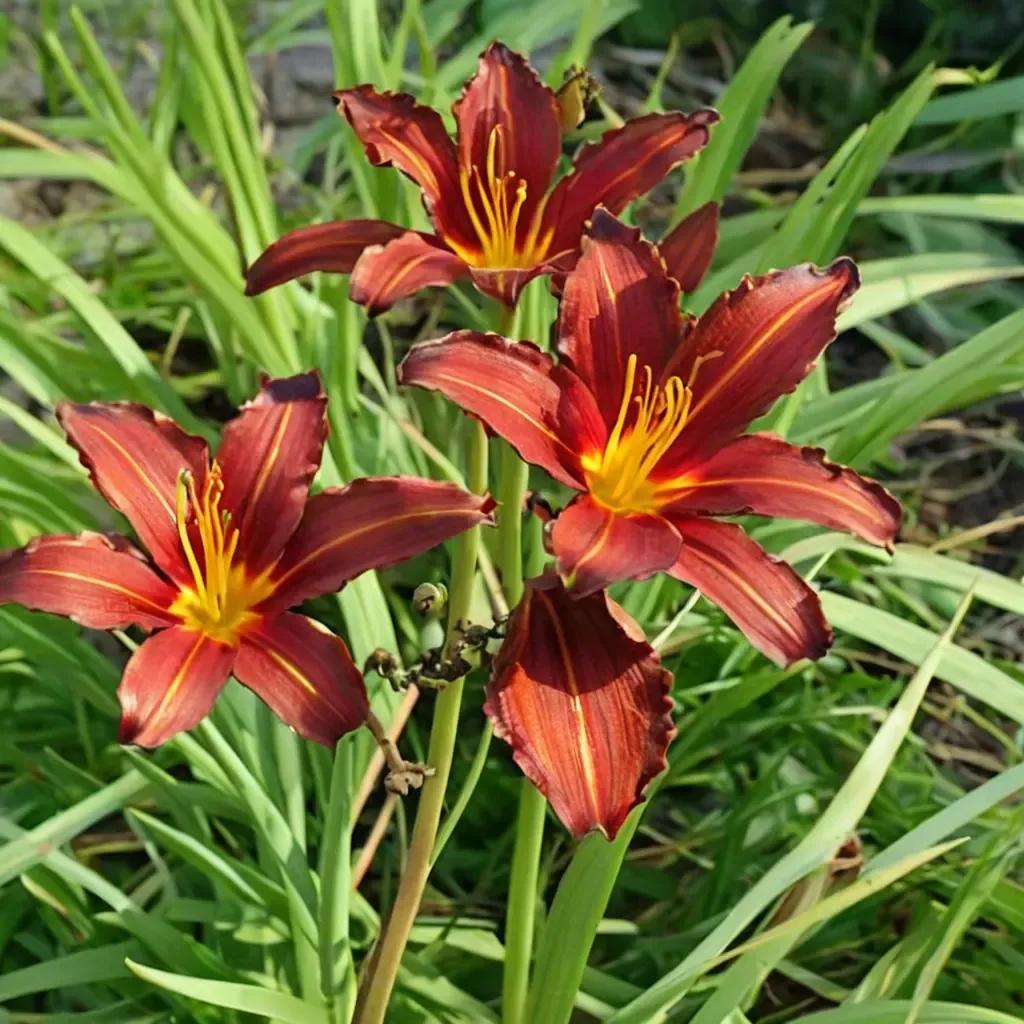 ‘Sammy Russell’Sammy Russell Daylily
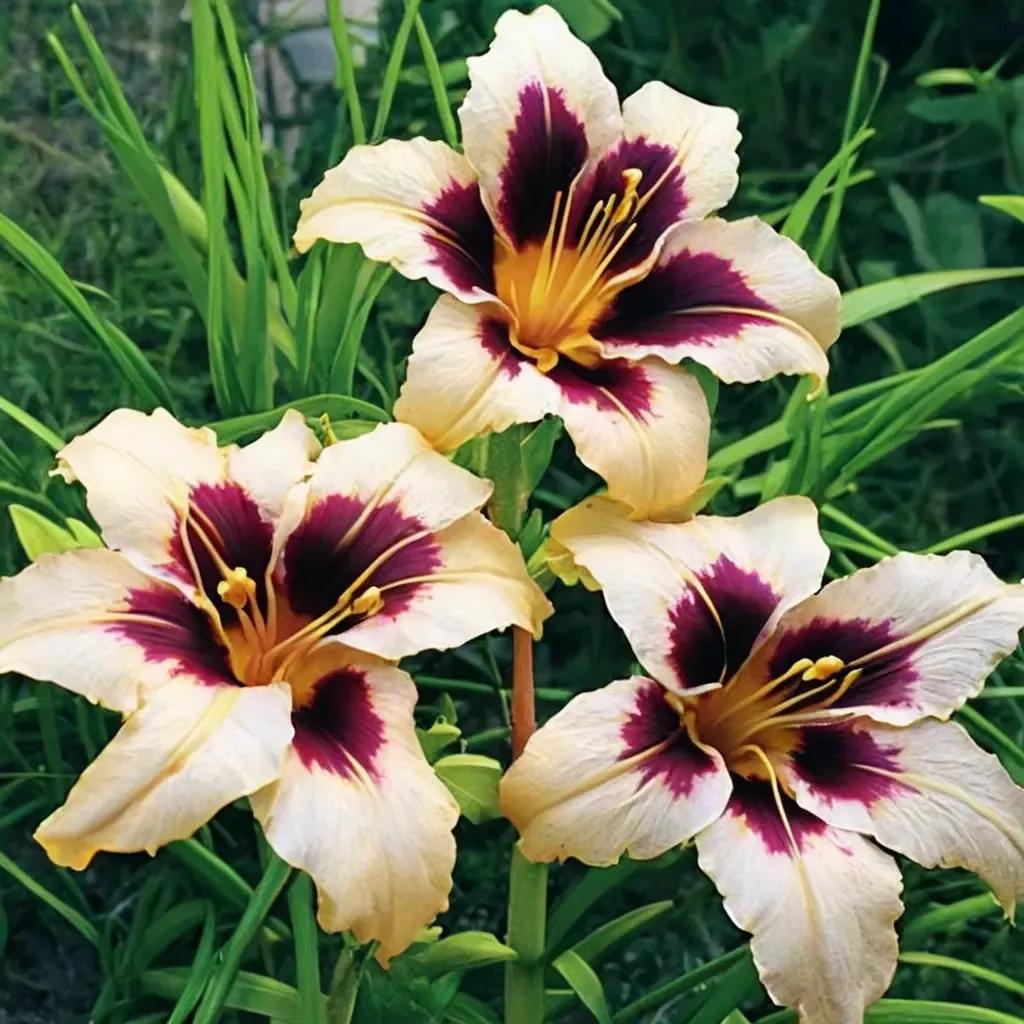 ‘Wild Horses’Daylily 'Wild Horses'
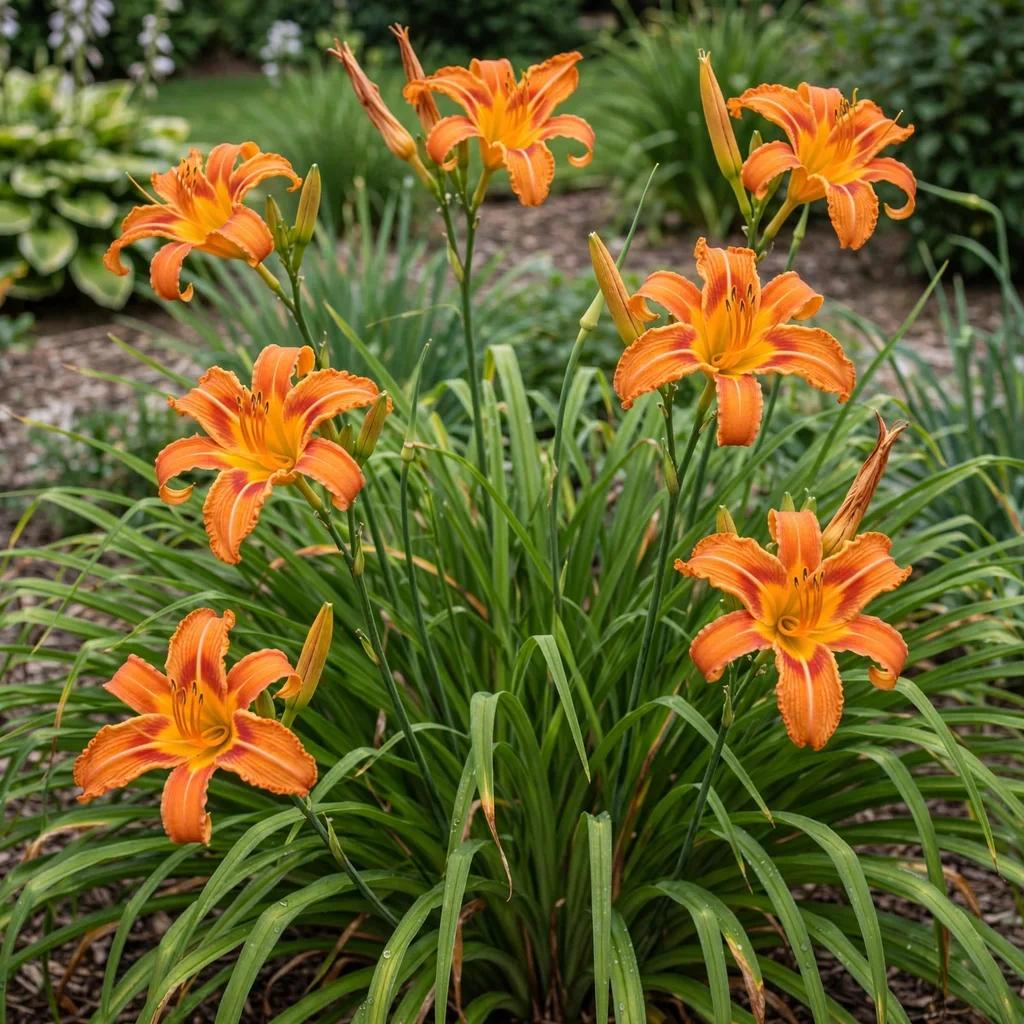 ‘Primal Scream’Primal Scream Daylily
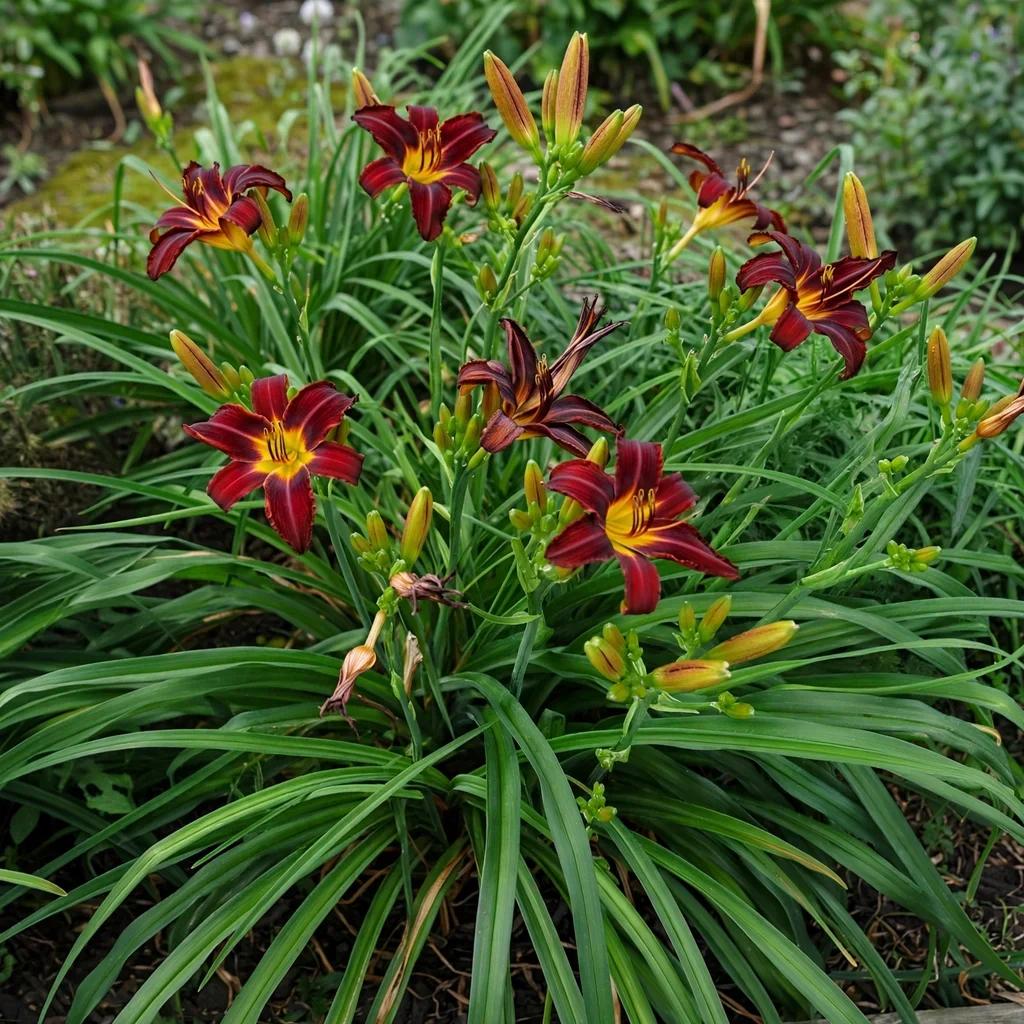 ‘Autumn Red’Autumn Red Daylily
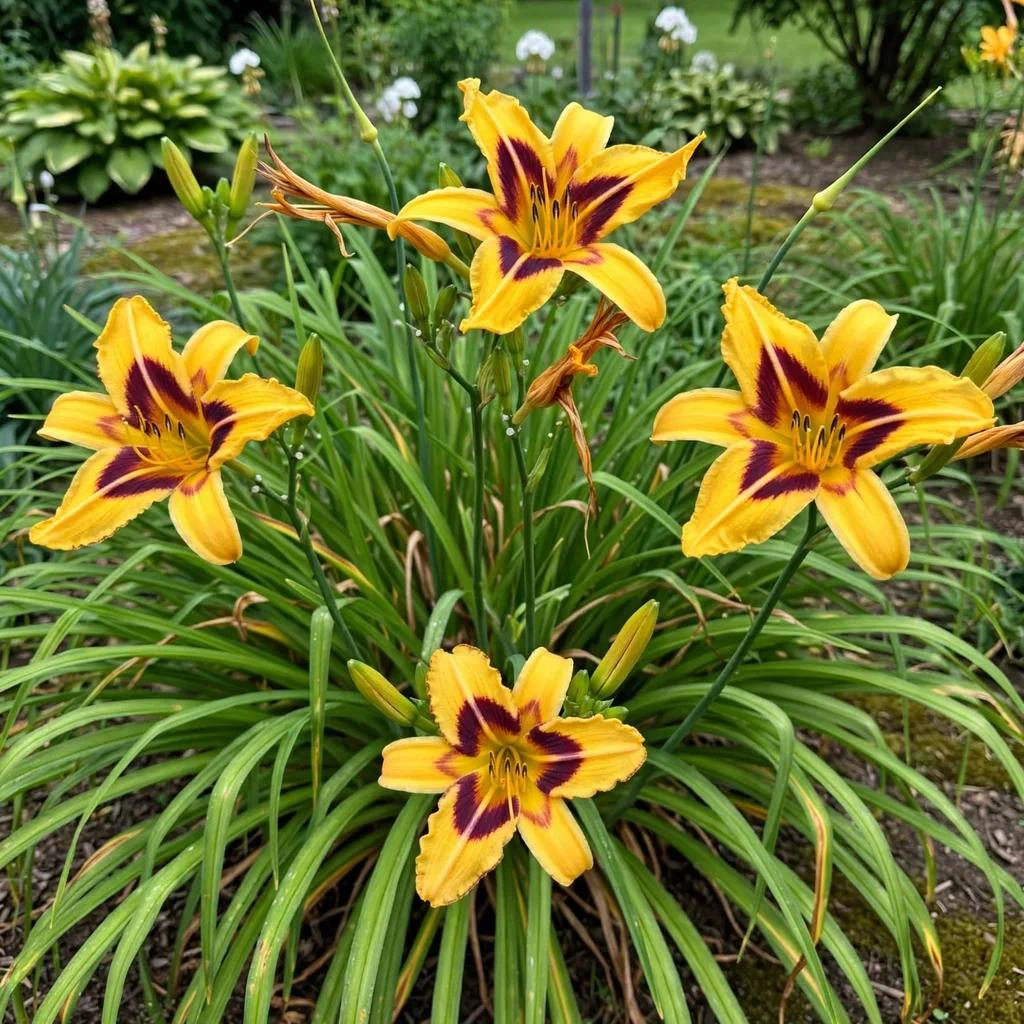 ‘Bonanza’Daylily 'Bonanza'
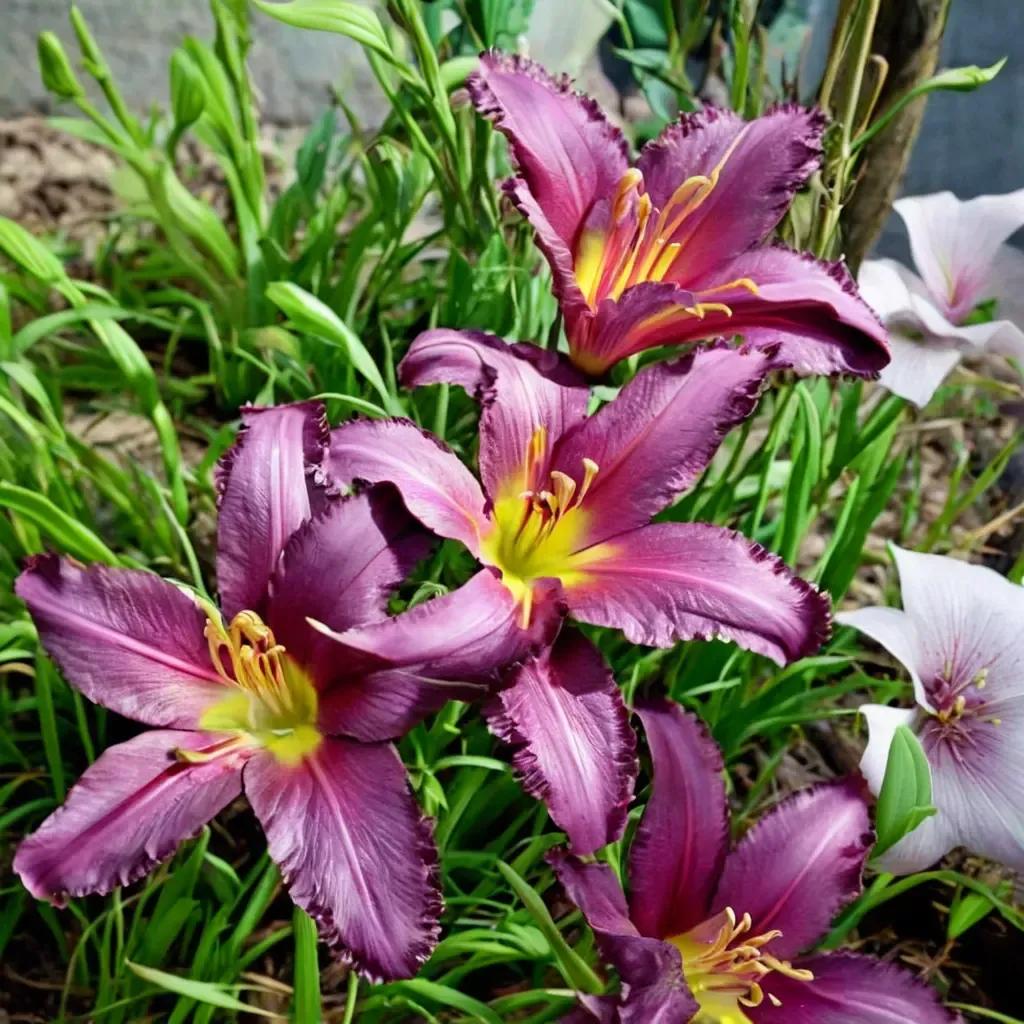 ‘Garden Show’Garden Show Tawny Daylily
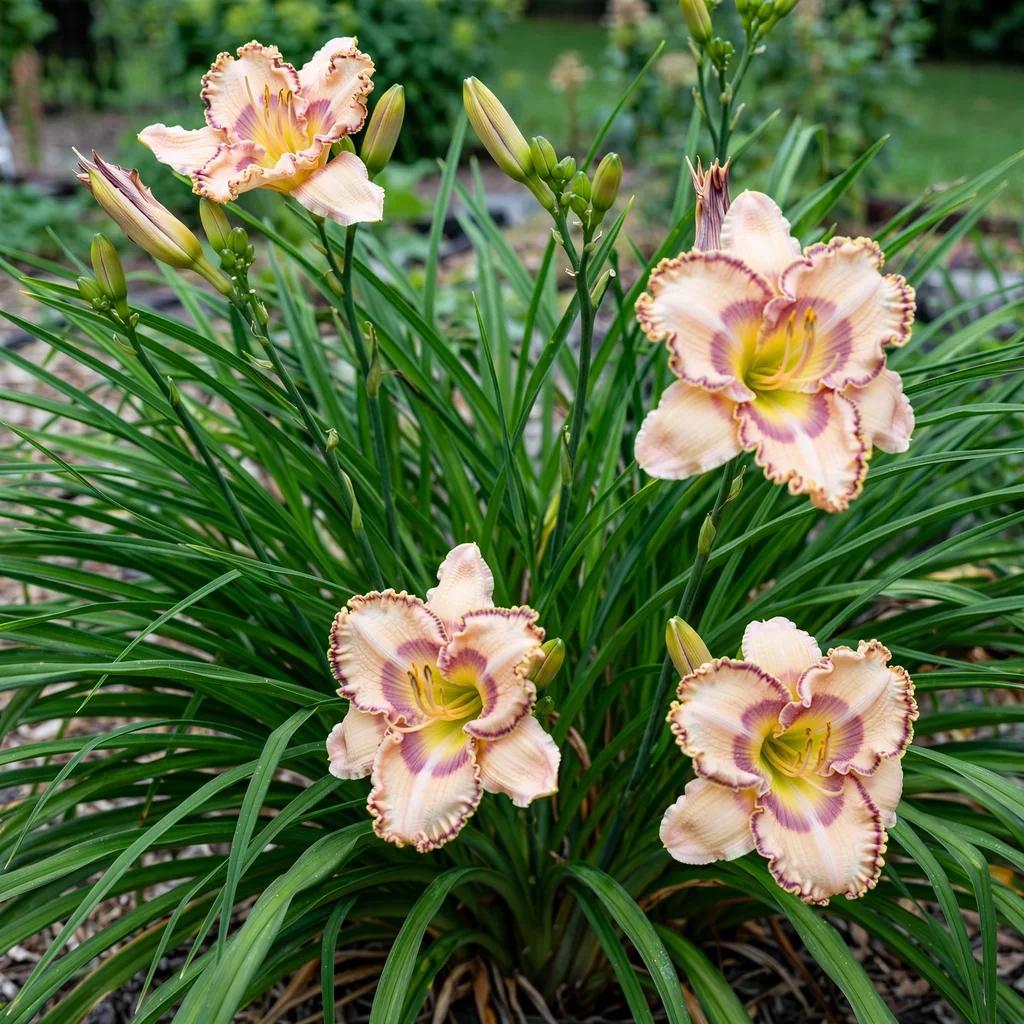 ‘Sink Into Your Eyes’Sink Into Your Eyes Daylily
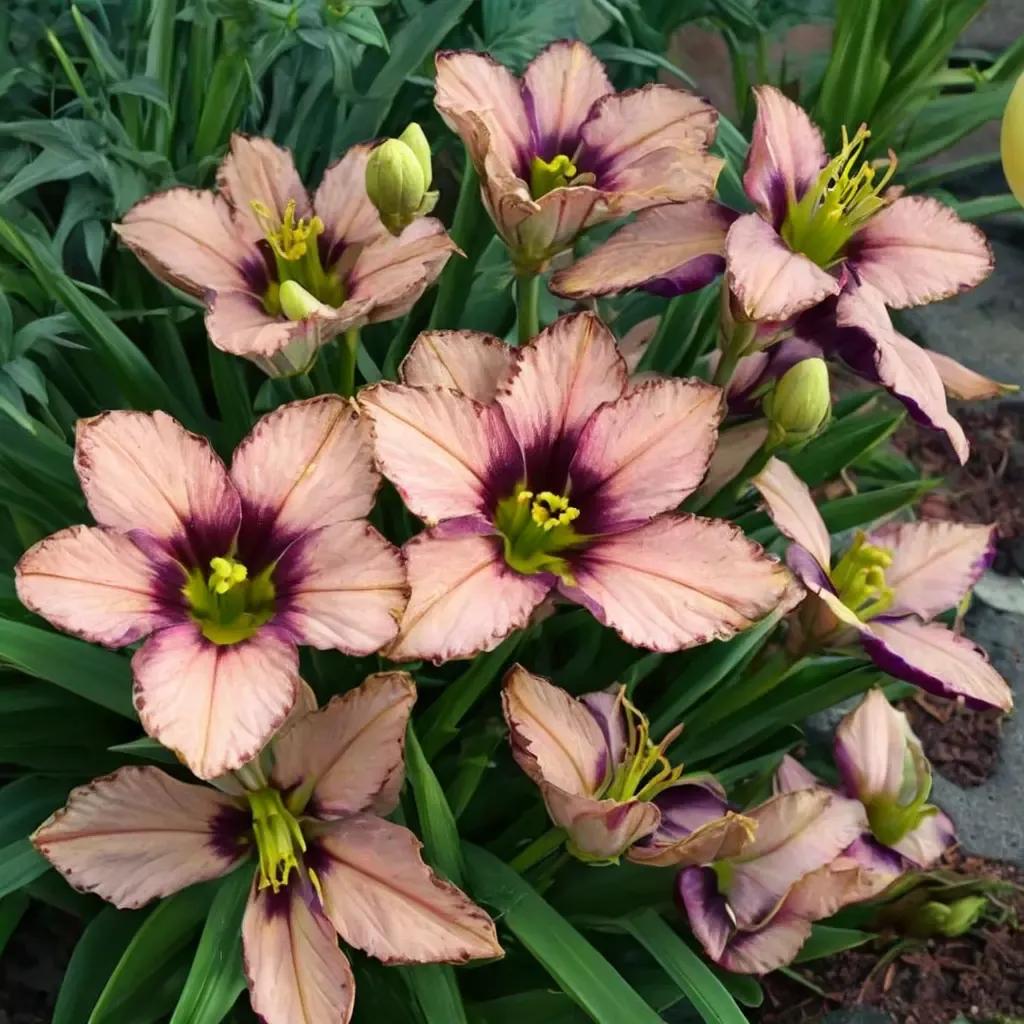 ‘Daring Deception’Daring Deception Daylily
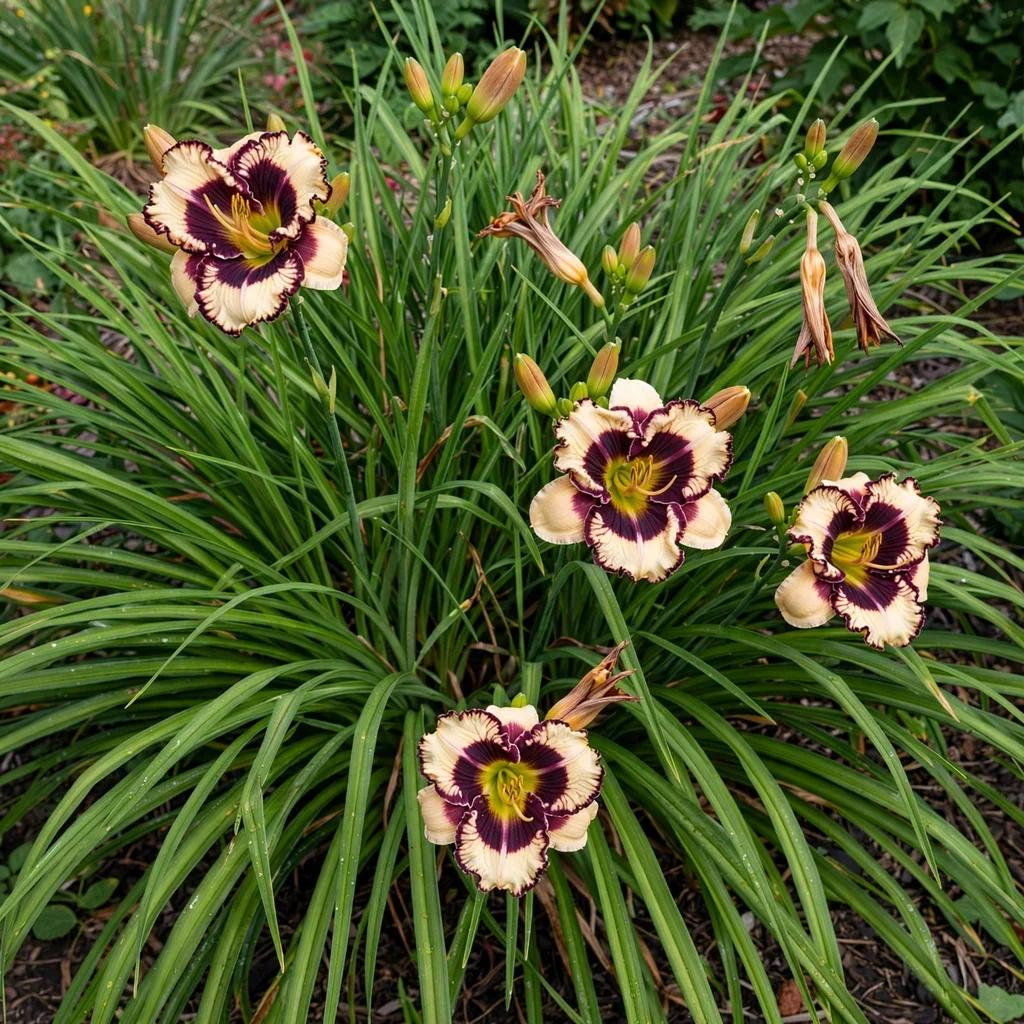 ‘Moussaka’Moussaka Daylily
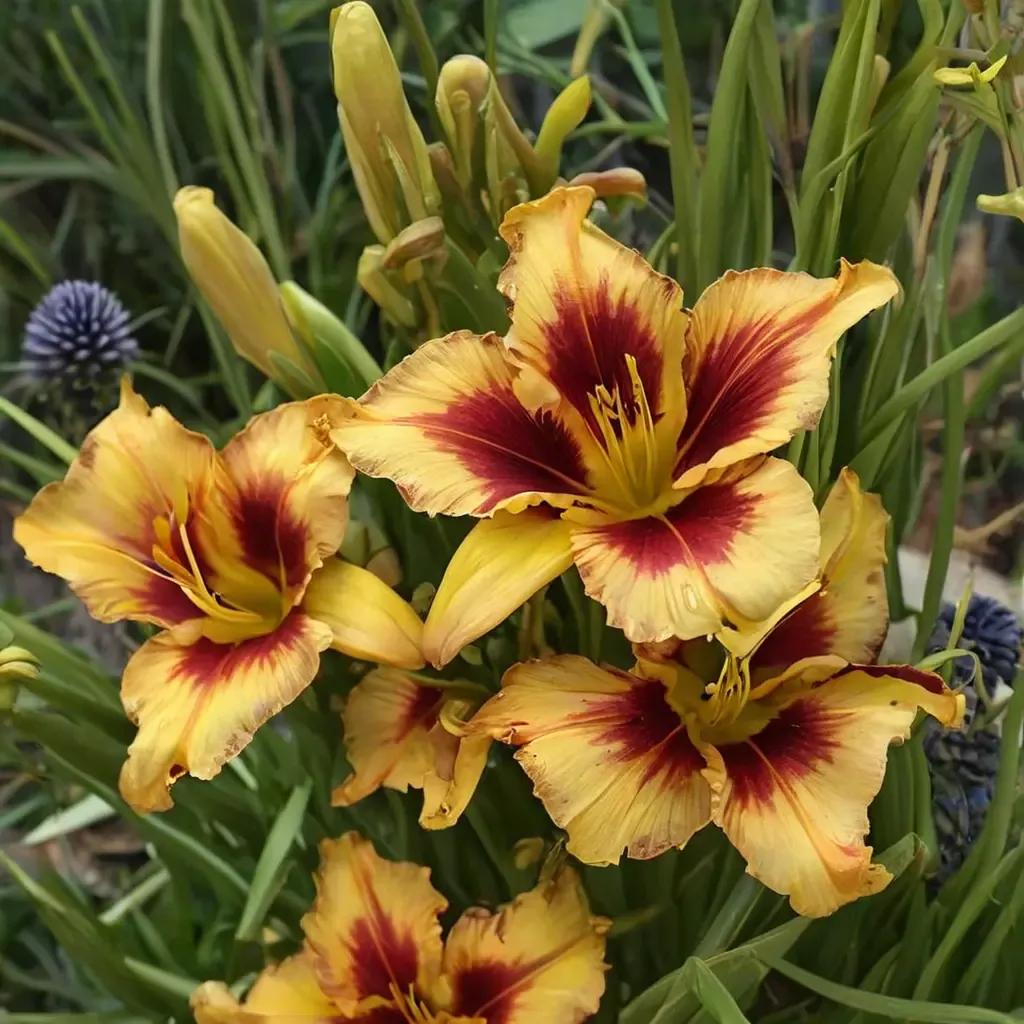 ‘Tiger Swirl’Tiger Swirl Daylily
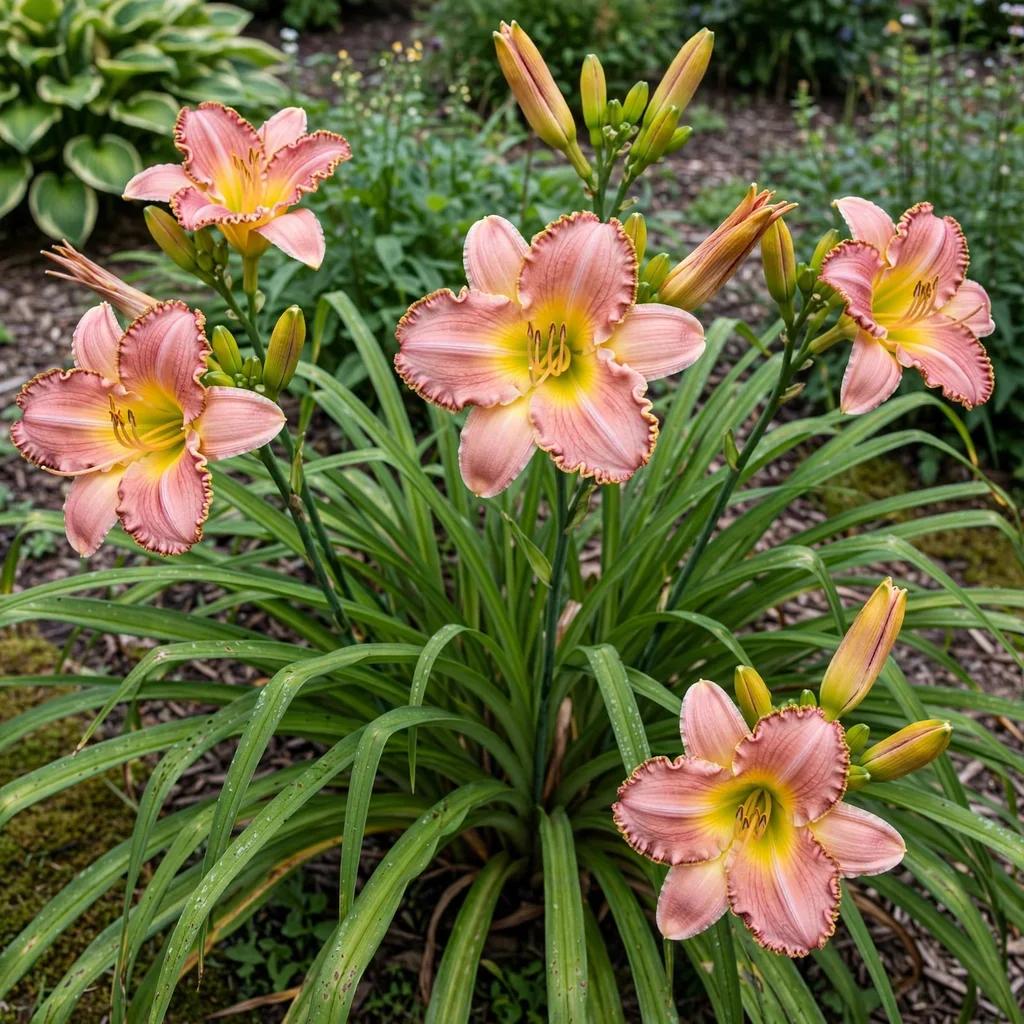 ‘Country Melody’Daylily Country Melody
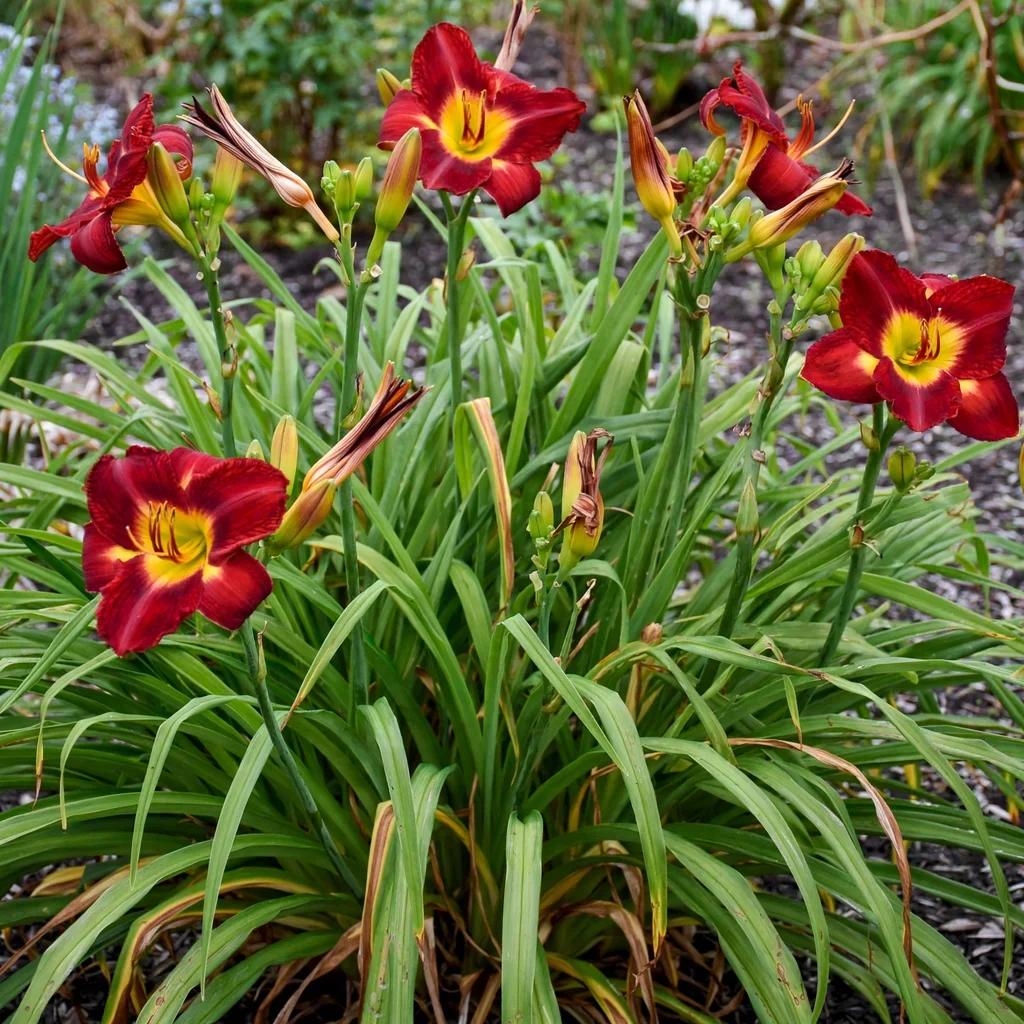 ‘Passion for Red’Passion for Red Daylily
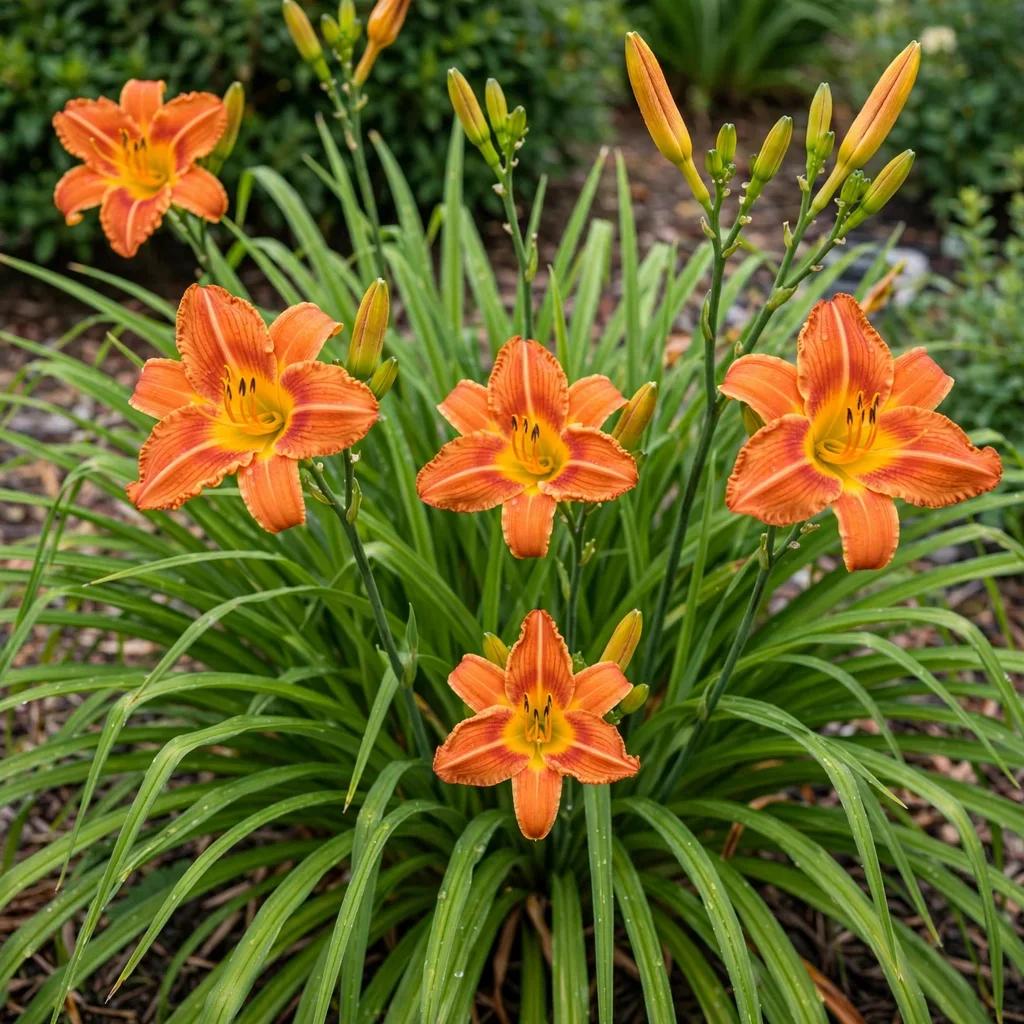 ‘Bright Sunset’Daylily Bright Sunset
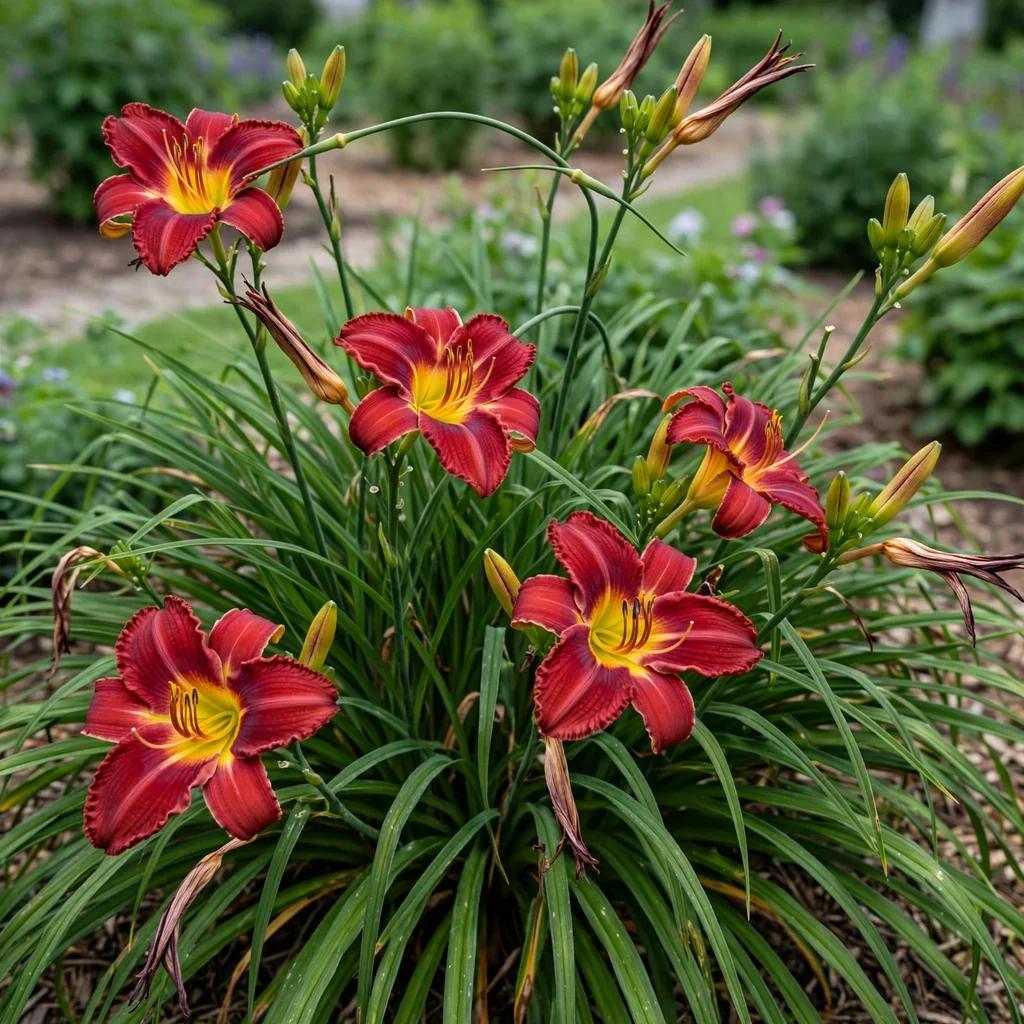 ‘Charles Johnston’Daylily 'Charles Johnston'
 ‘Little Business’Little Business Daylily
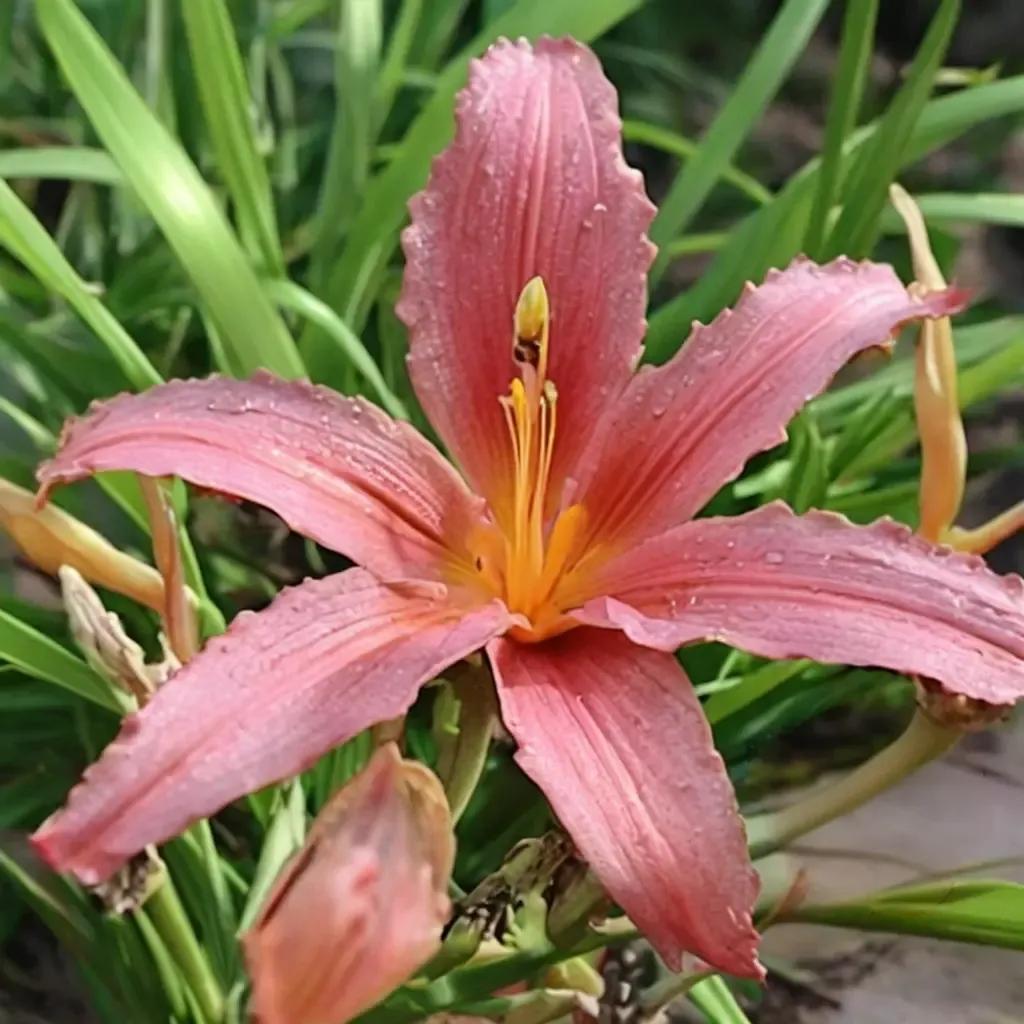 ‘Pink Damask’Pink Damask Daylily
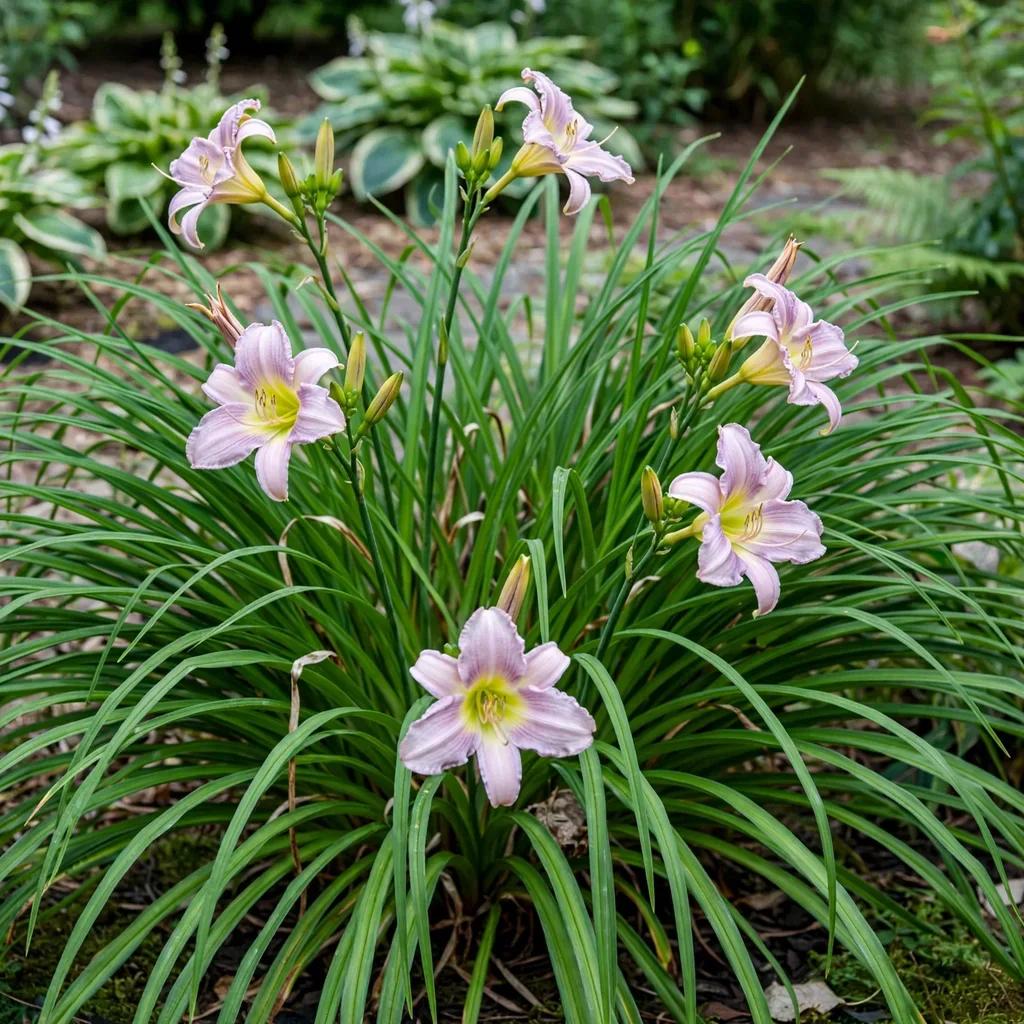 ‘Catherine Woodbury’Catherine Woodbury Daylily
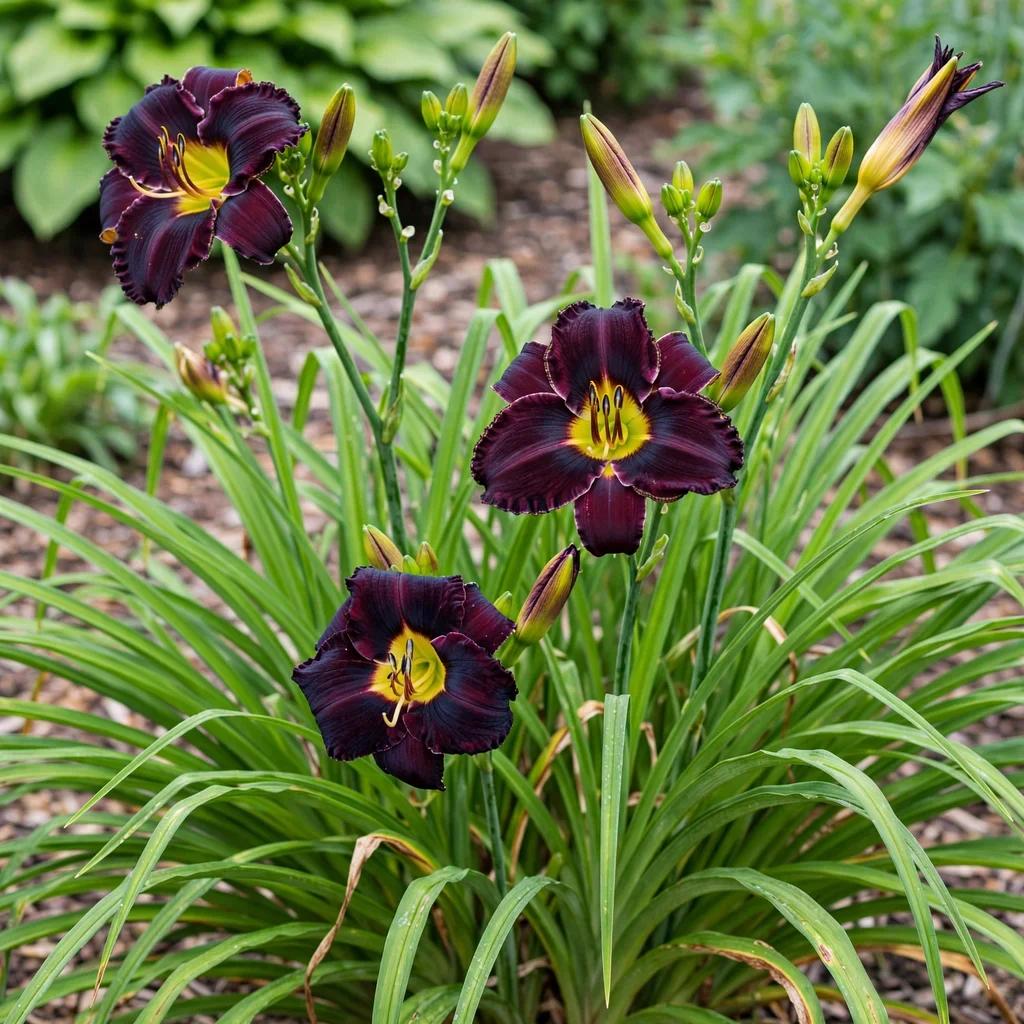 ‘Black Ambrosia’Black Ambrosia Daylily
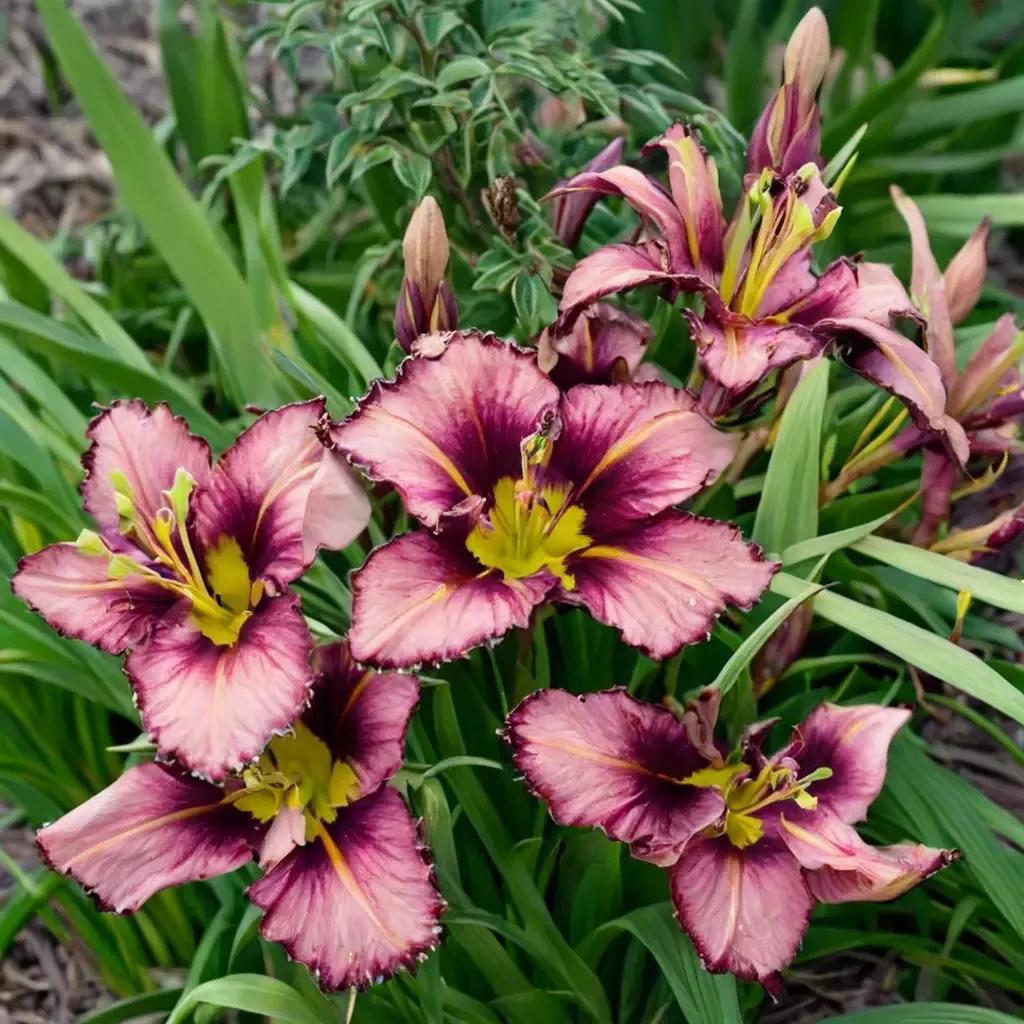 ‘Be Fruitful and Multiply’Be Fruitful and Multiply Daylily
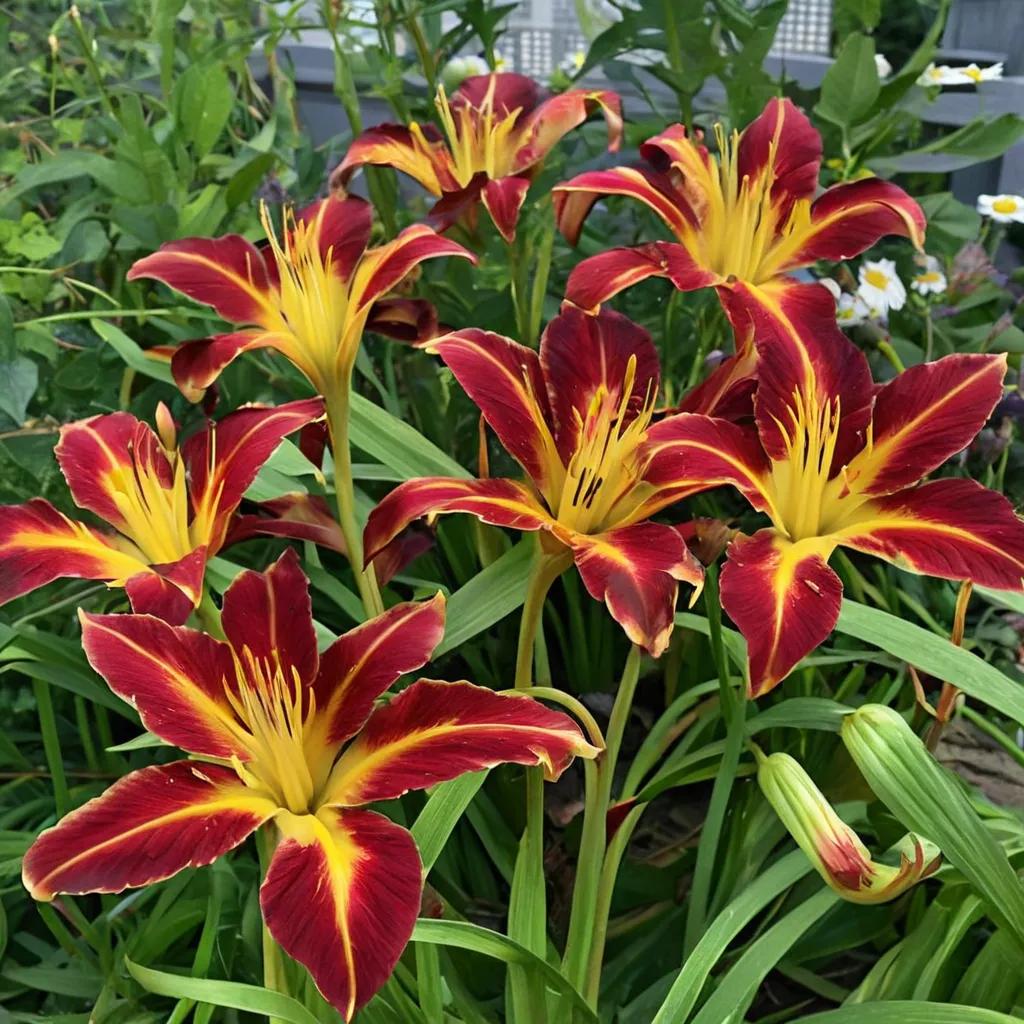 ‘Rainbow Rhythm Ruby Spider’Rainbow Rhythm Ruby Spider Daylily
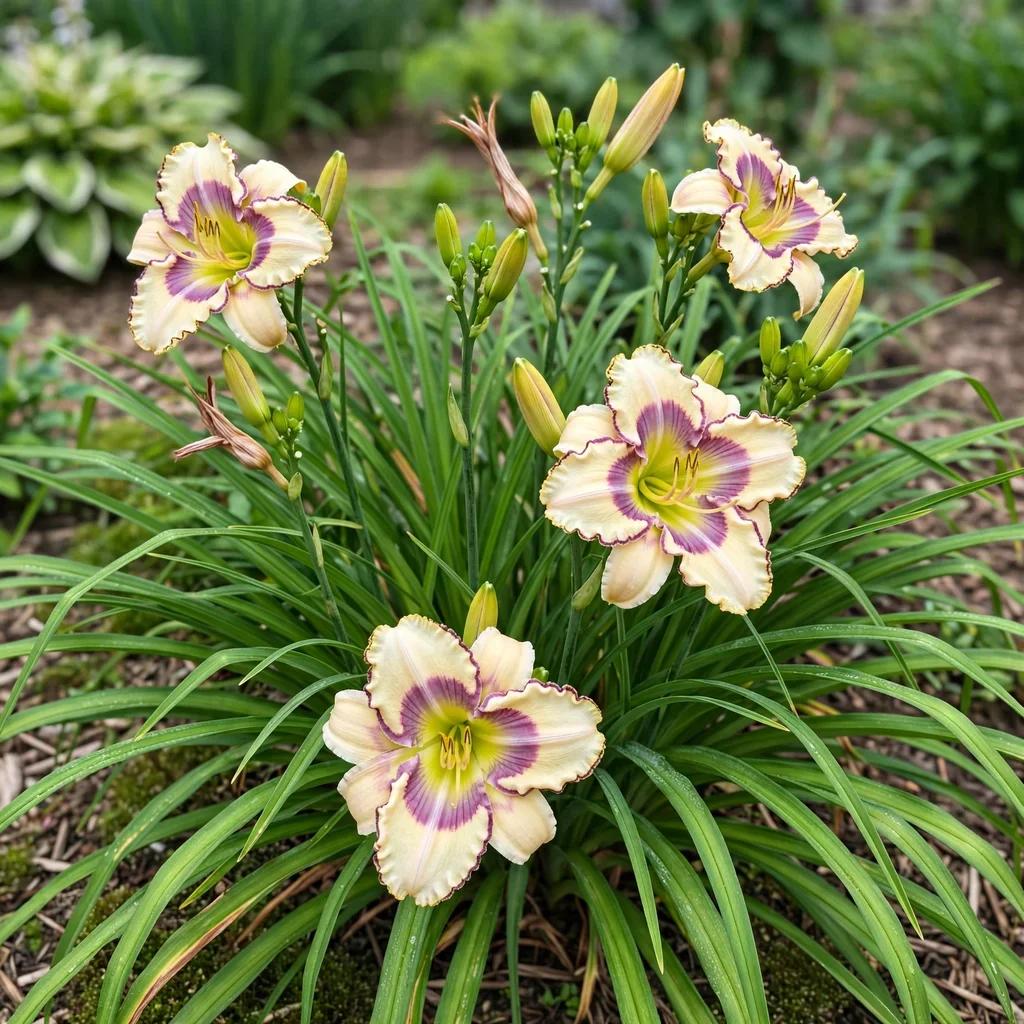 ‘Destined To See Fragrant’Destined To See Daylily
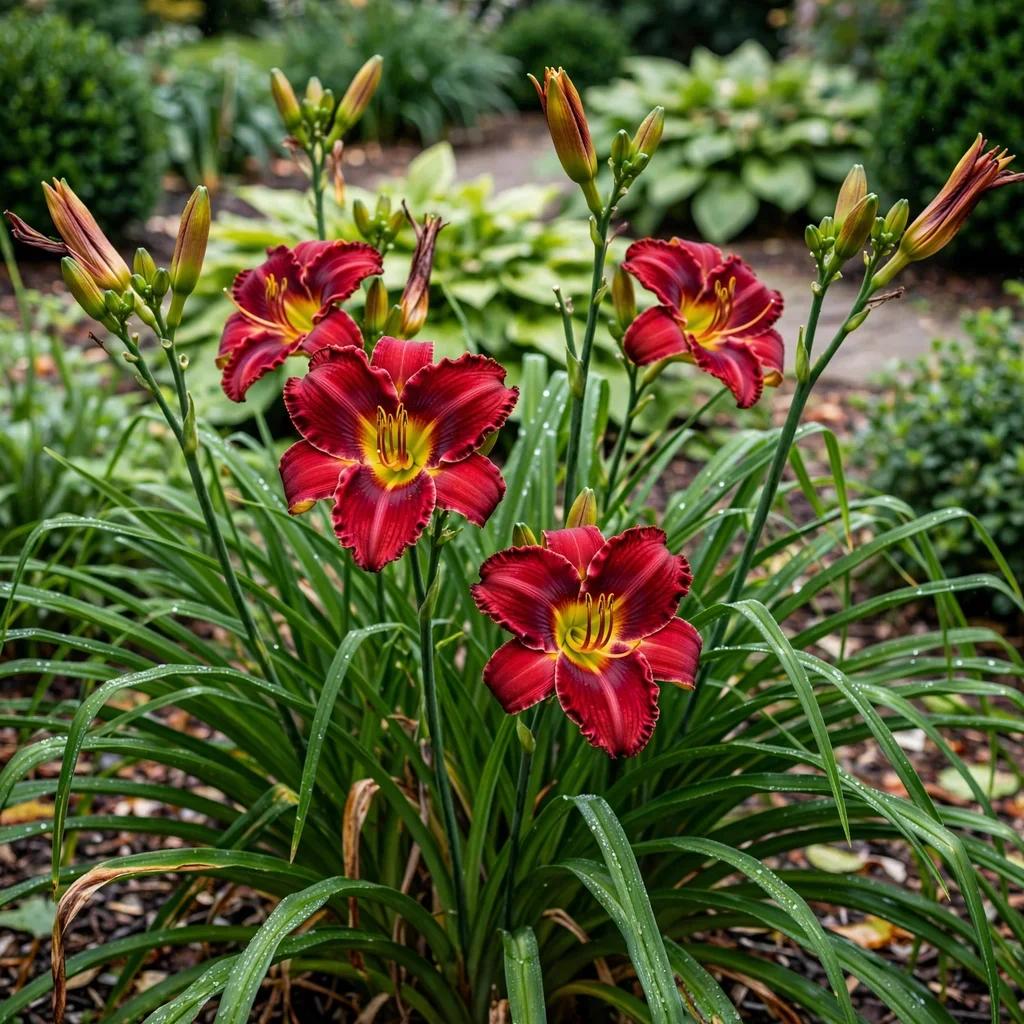 ‘Sundried Tomatoes’Sundried Tomatoes Daylily
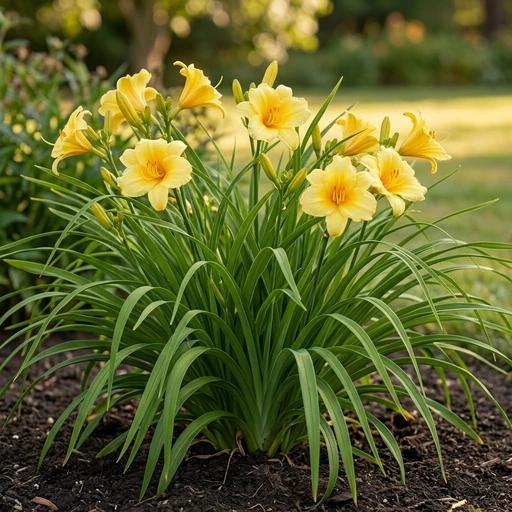 ‘Big Time Happy’Big Time Happy Daylily
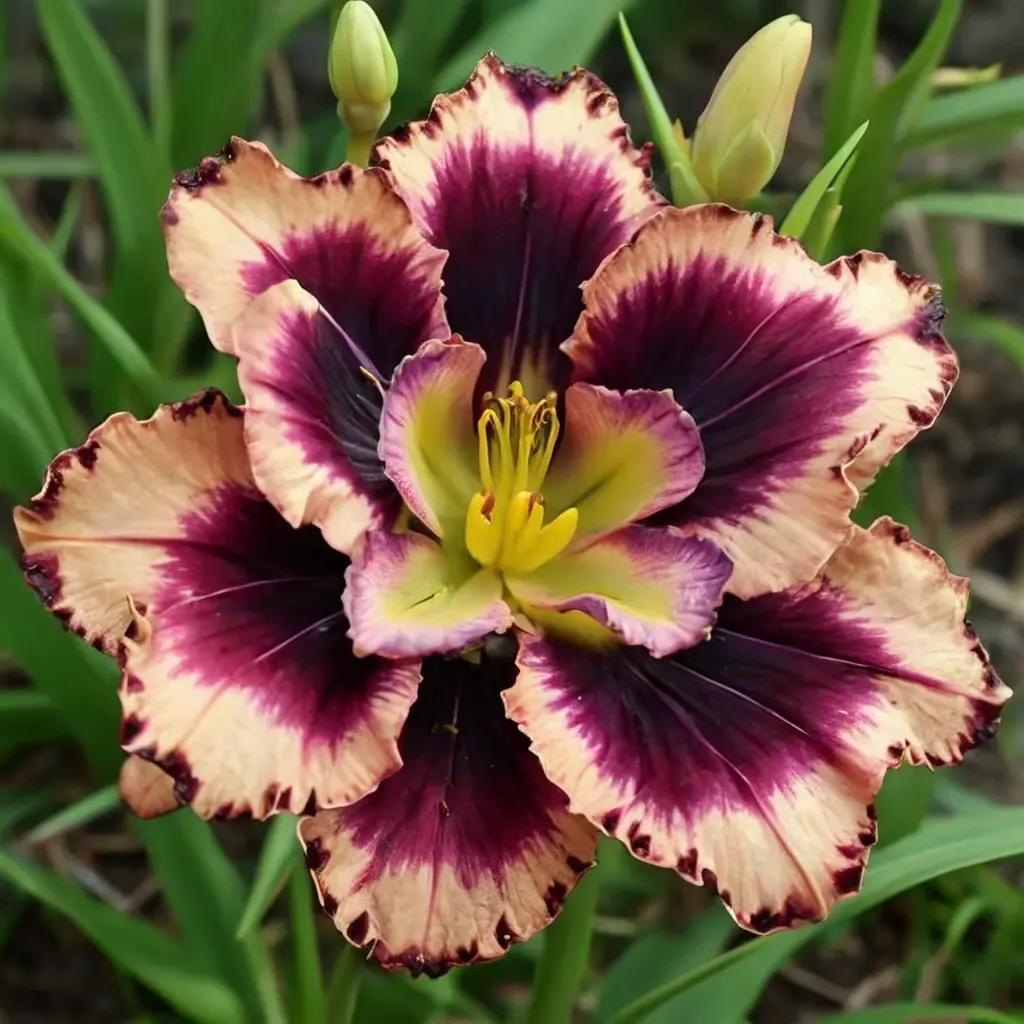 ‘Rock Solid’Rock Solid Daylily
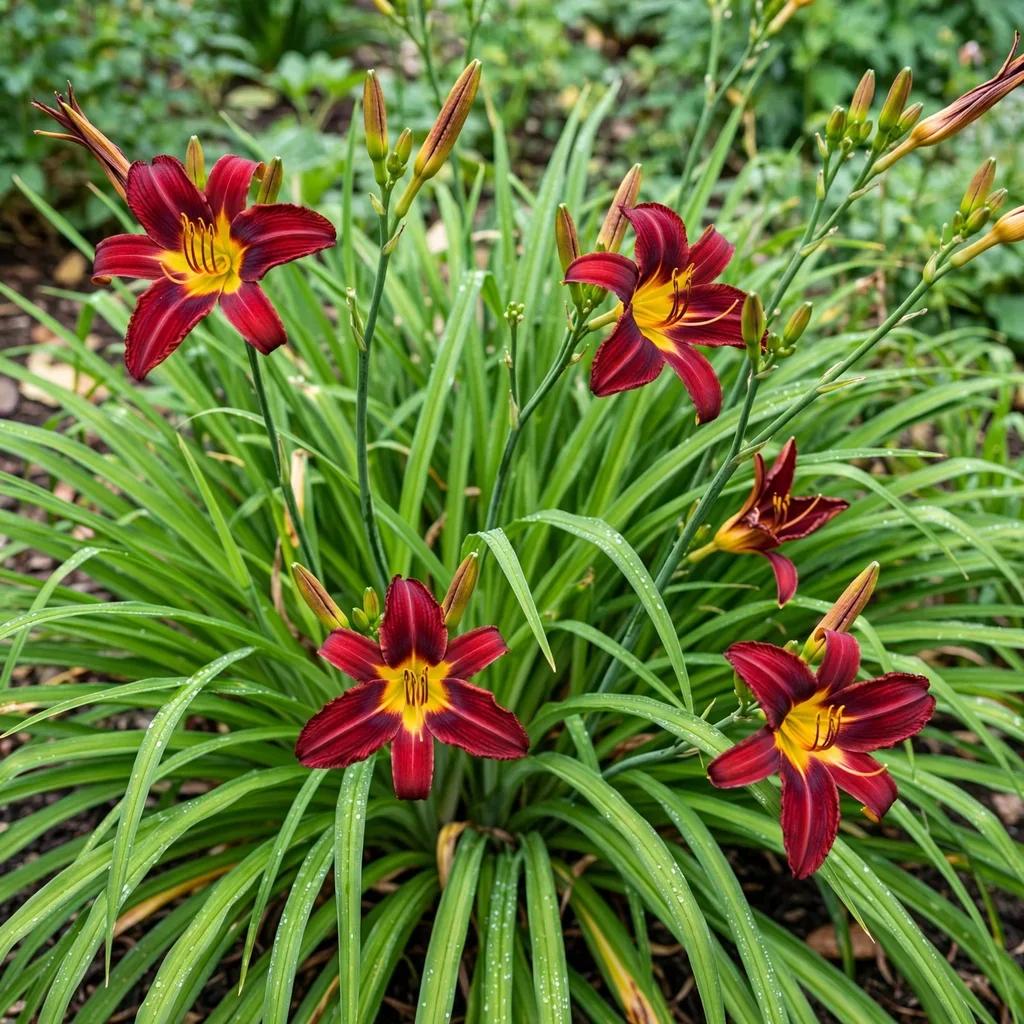 ‘Stafford’Stafford Daylily
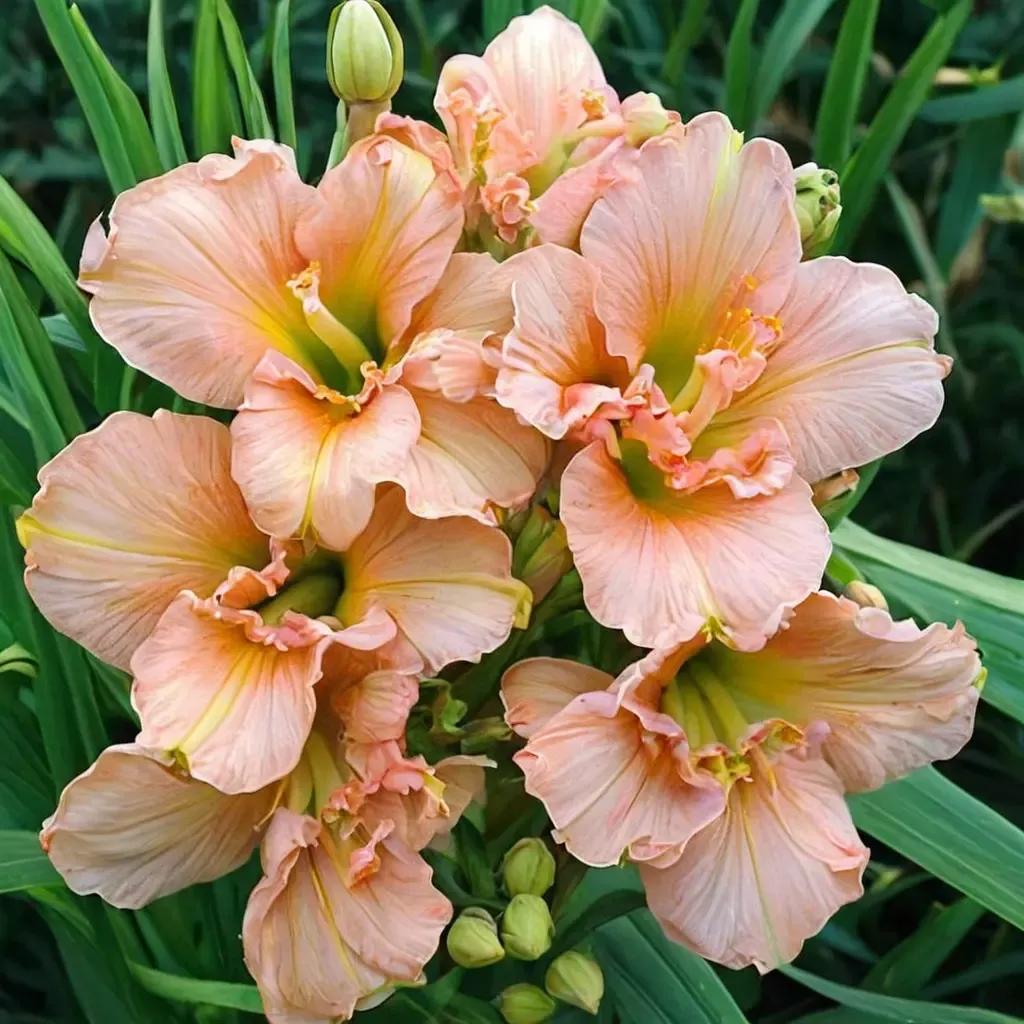 ‘Siloam Double Classic’Siloam Double Classic Daylily
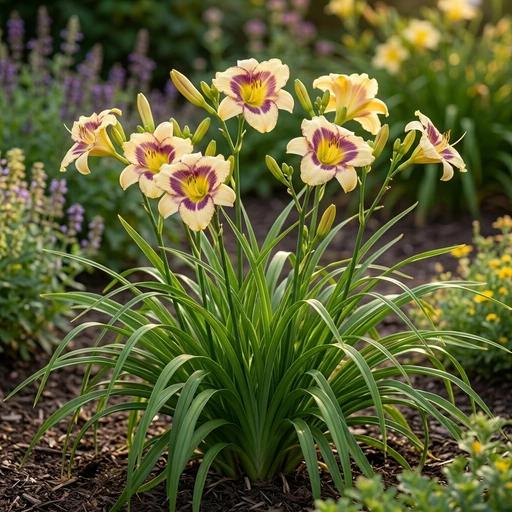 ‘Pandora'S Box’Pandora's Box Daylily
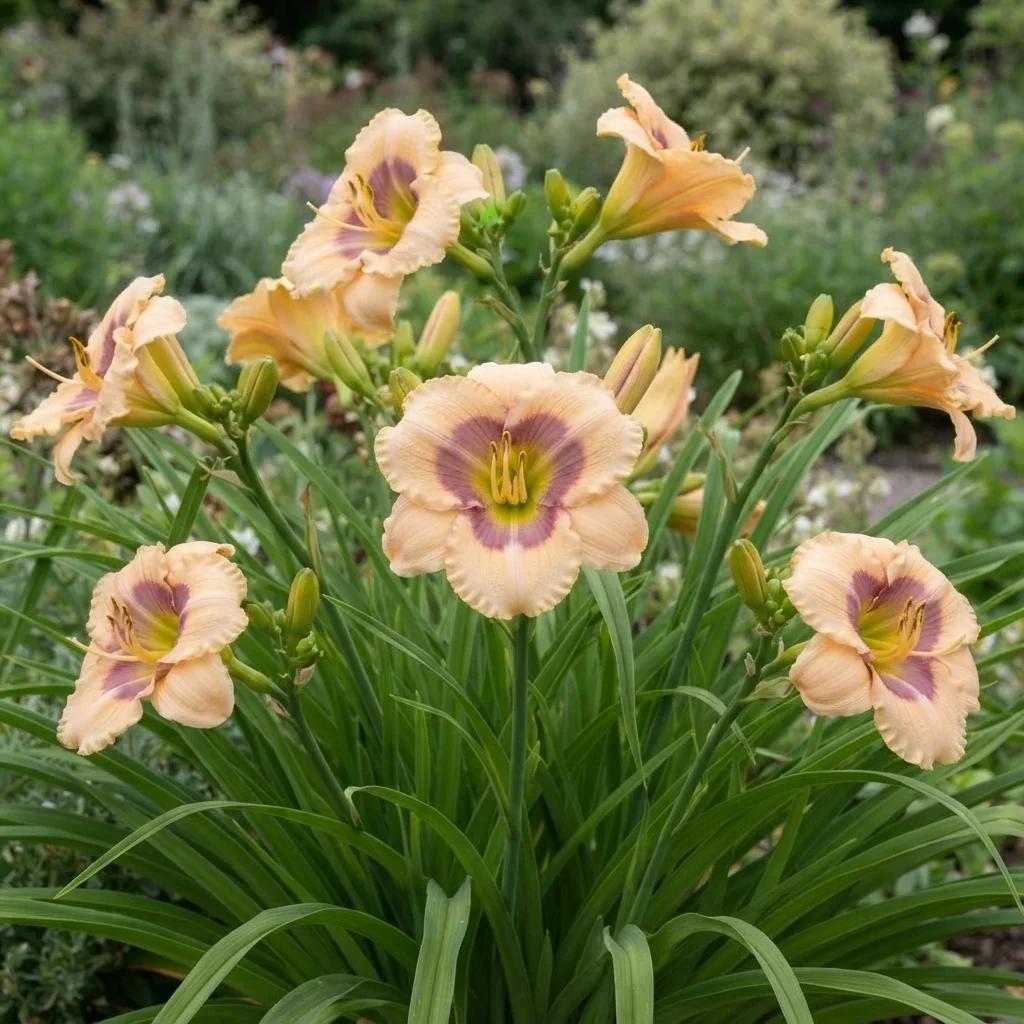 ‘Baby Moon Café’Baby Moon Caf Jumbo Daylily
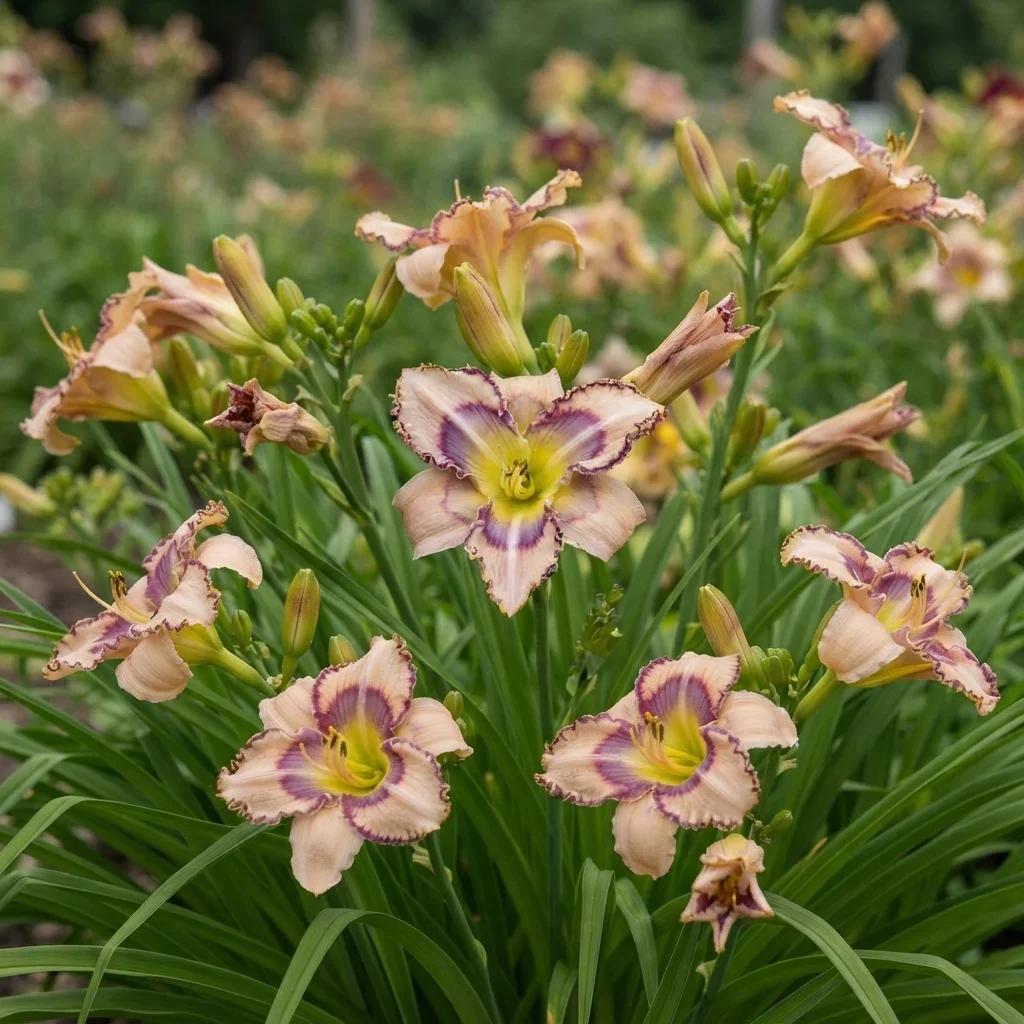 ‘Handwriting On The Wall’Handwriting On The Wall Daylily
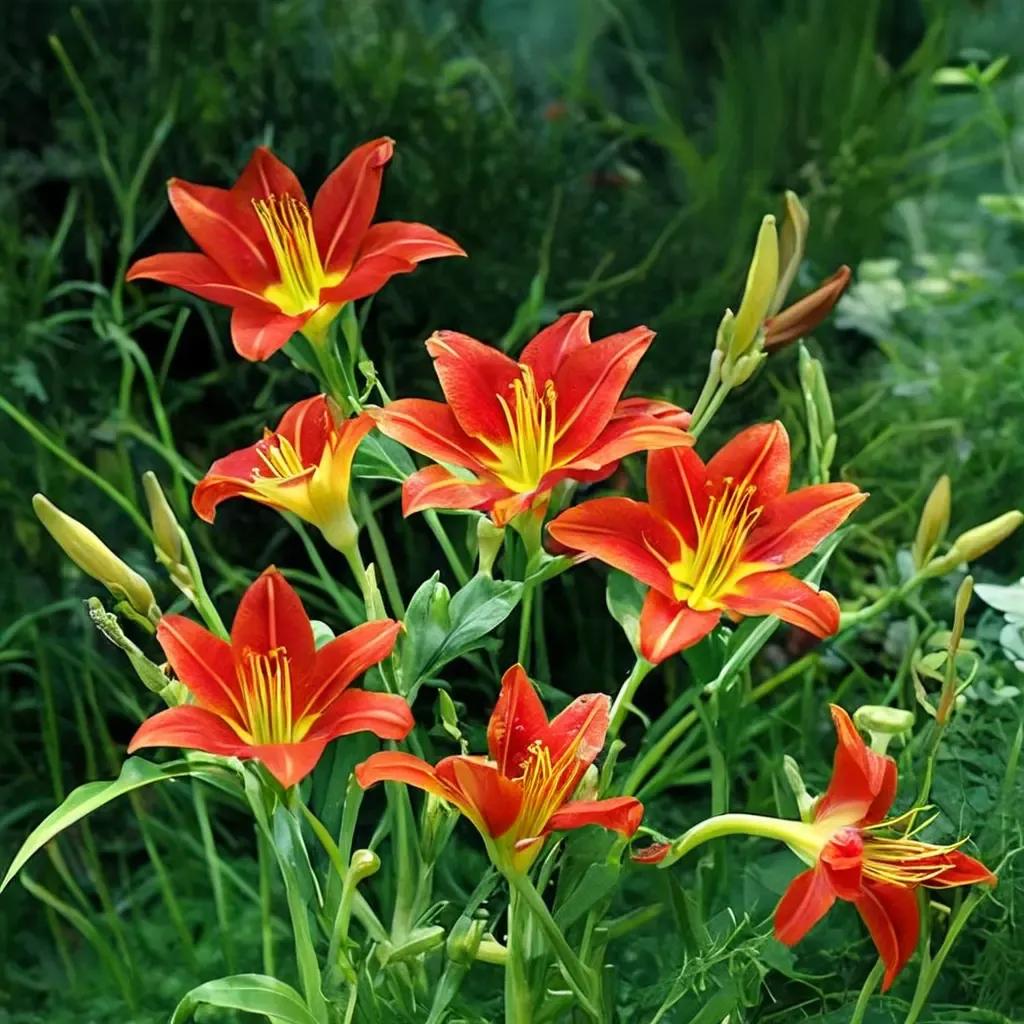 ‘August Flame’August Flame Orange Daylily
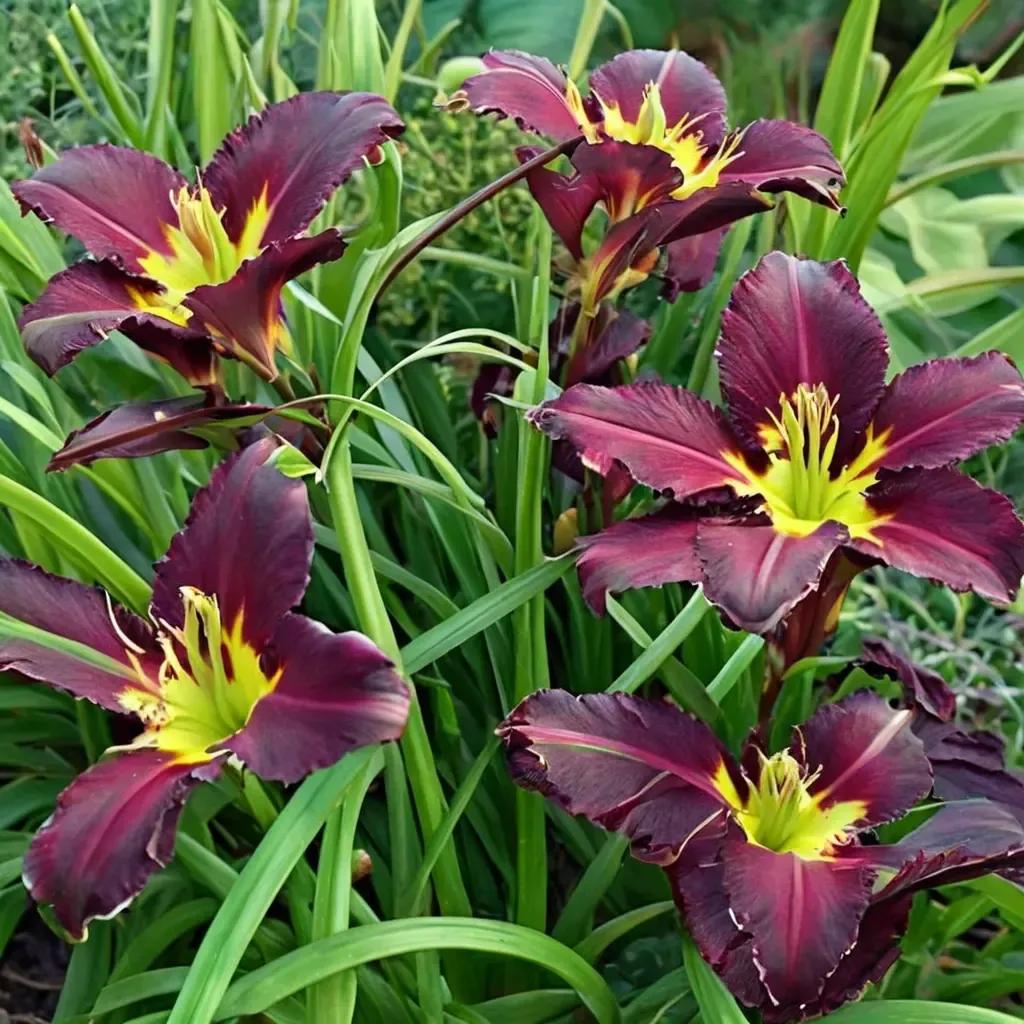 ‘Bela Lugosi’Bela Lugosi Daylily
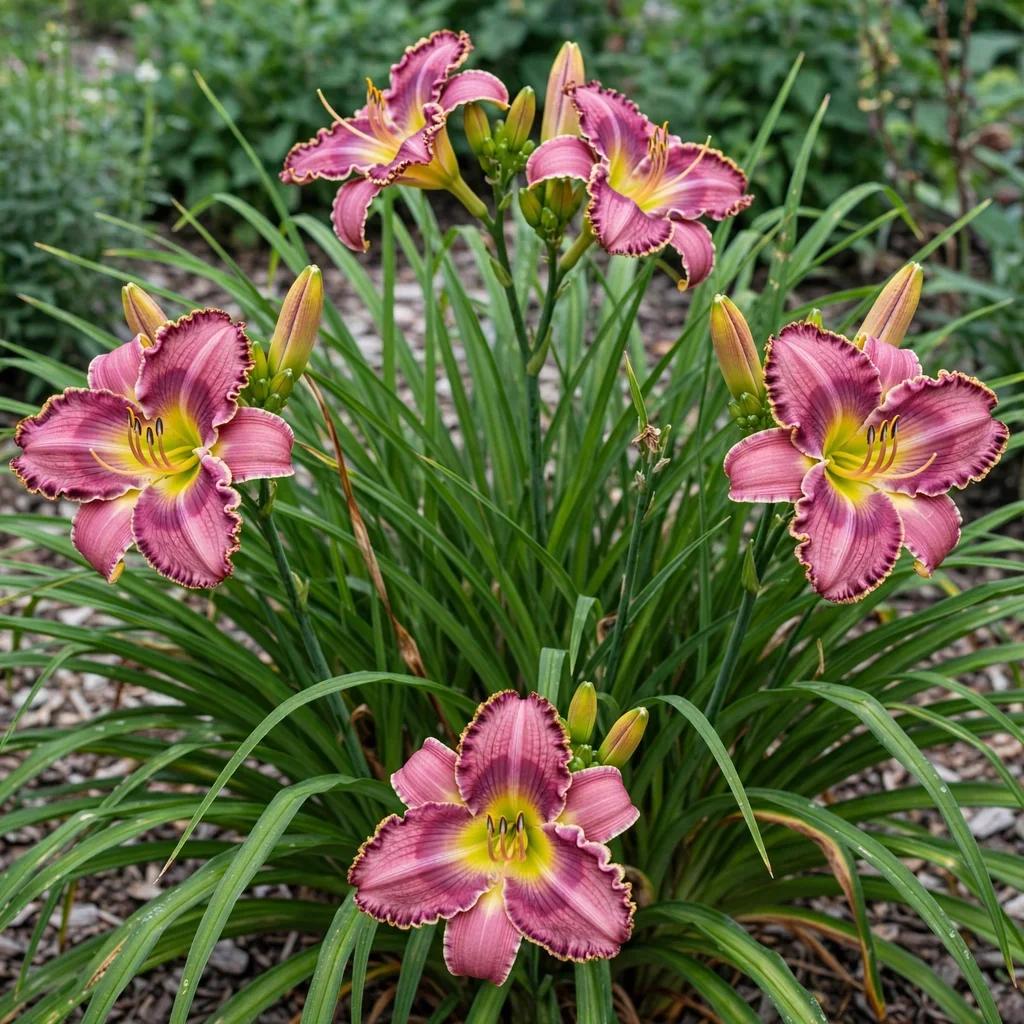 ‘French Lingerie’French Lingerie Daylily
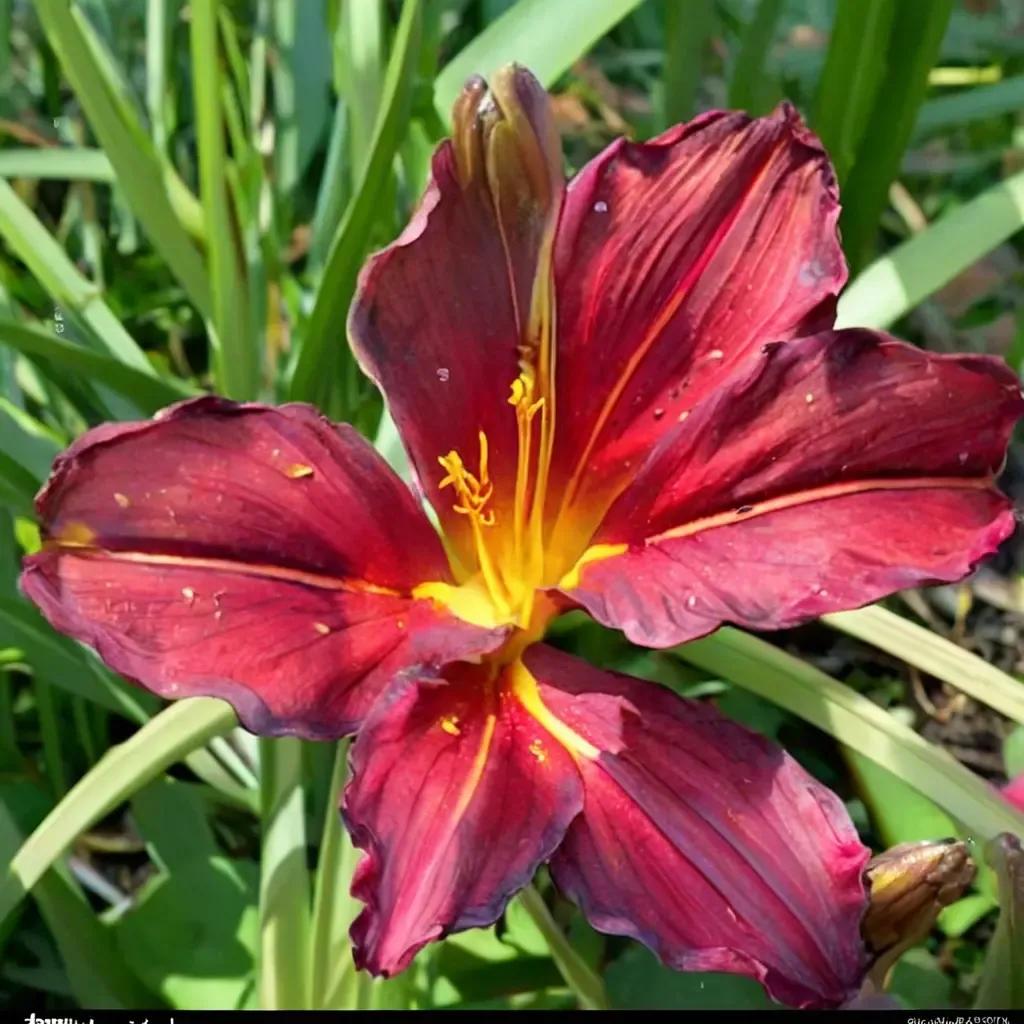 ‘Anzac’Anzac Day Lily
 ‘Going Bananas’Going Bananas Daylily
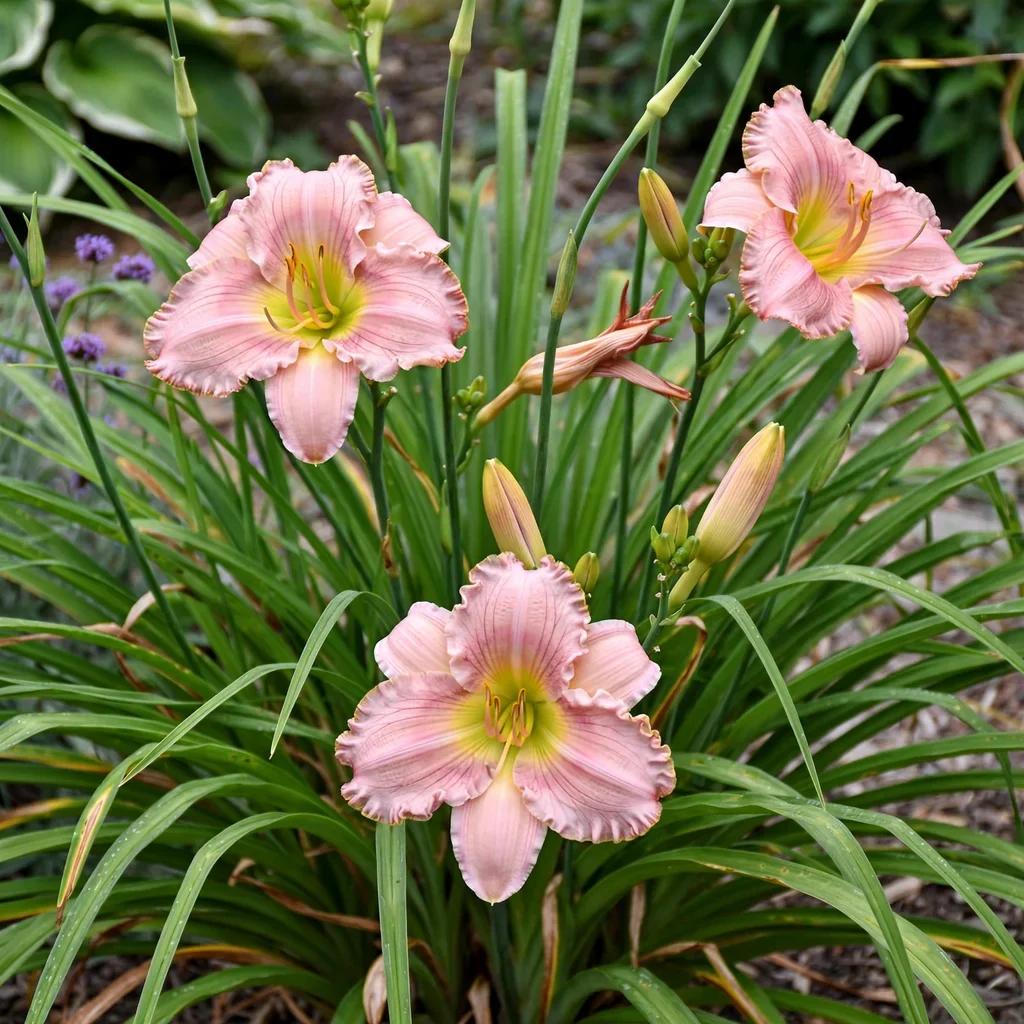 ‘Jolyene Nichole’Jolyene Nichole Daylily
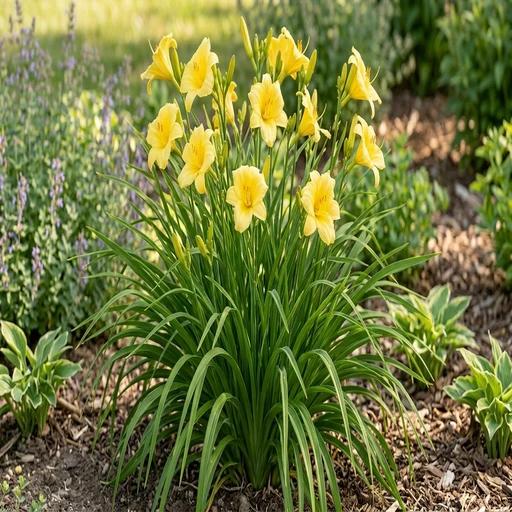 ‘Stella Supreme’Stella Supreme Daylily
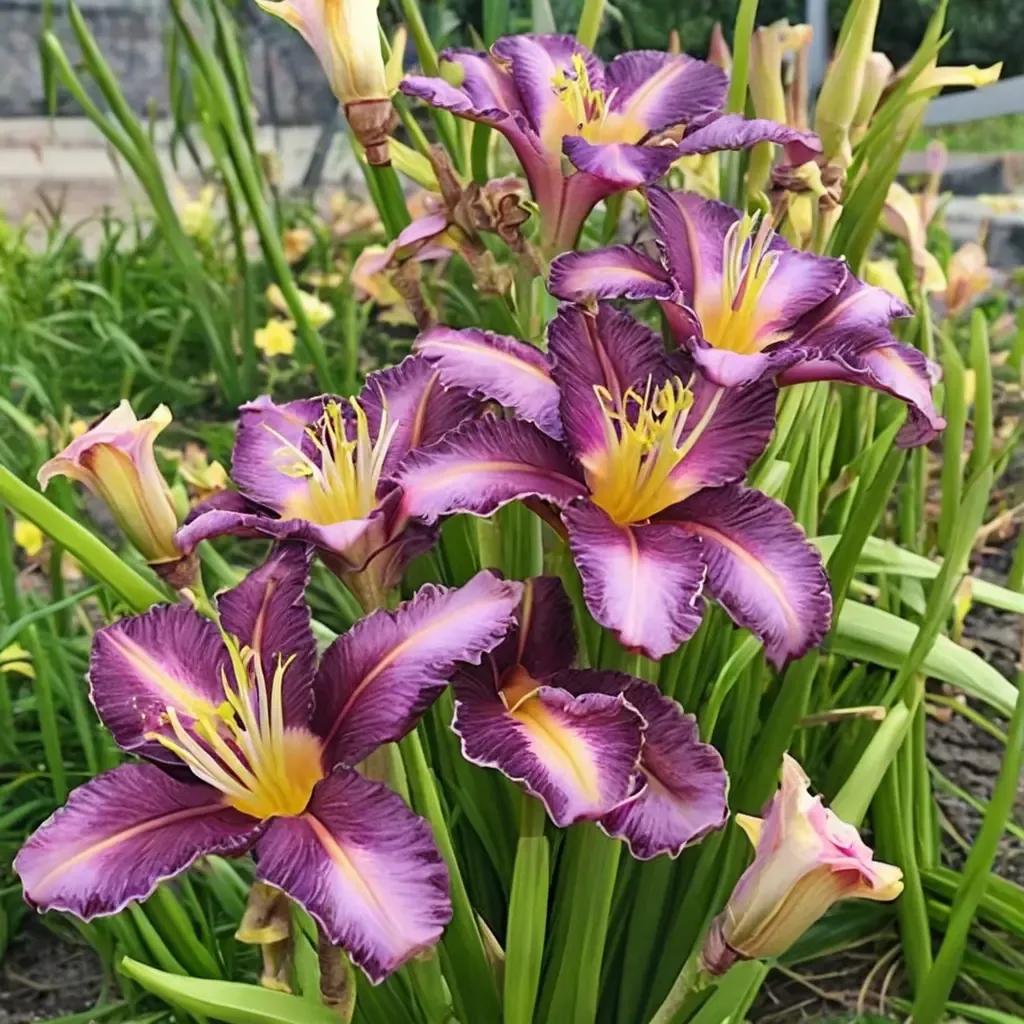 ‘Entrapment’Entrapment Daylily
 ‘Gentle Shepherd’Gentle Shepherd Daylily
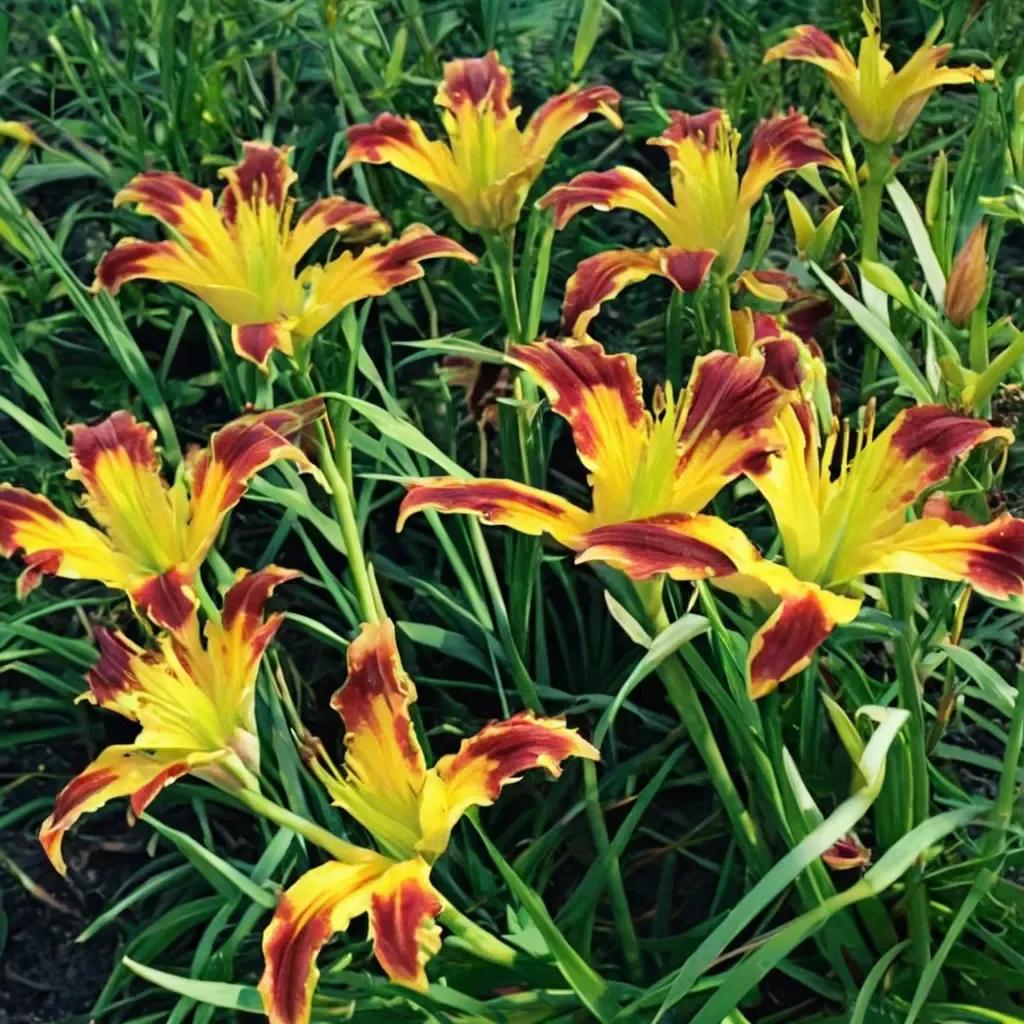 ‘Marse Connell’Marse Connell Daylily Orange Daylily
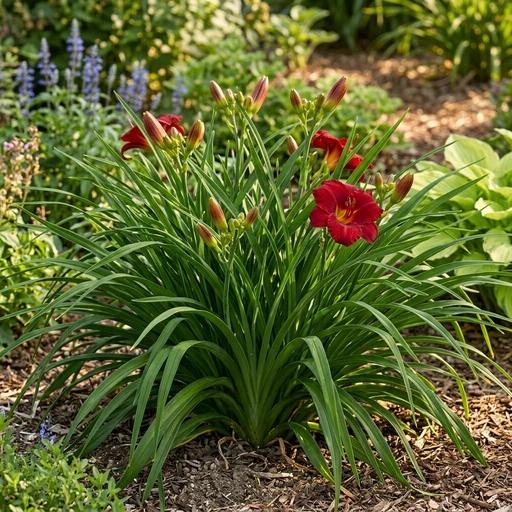 ‘Happy Ever Appster’Happy Ever Appster Passionate Returns
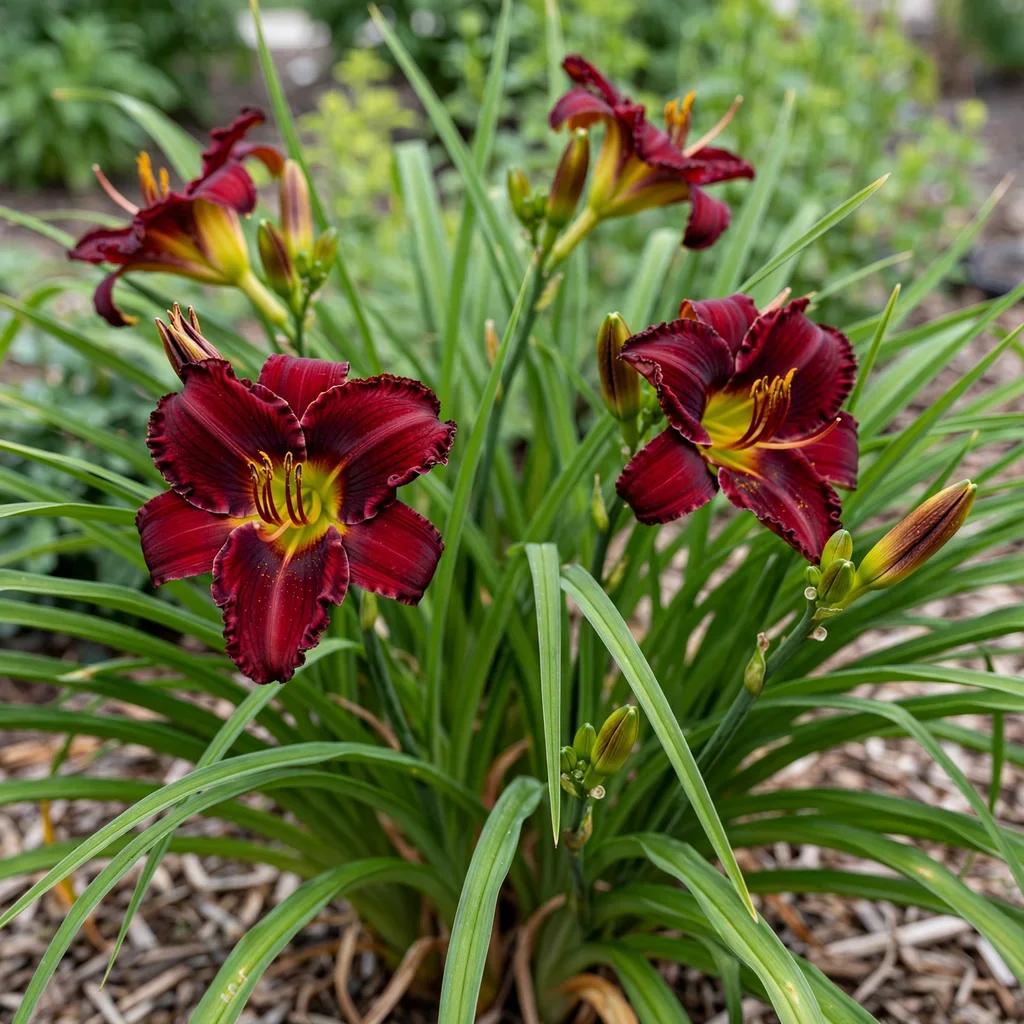 ‘Funny Valentine’Funny Valentine Daylily
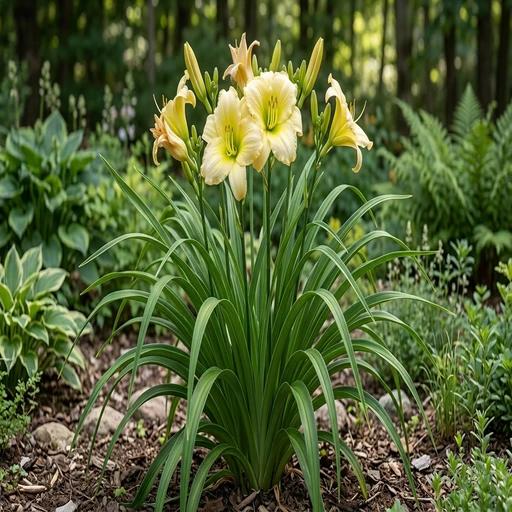 ‘Fragrant Bouquet’Fragrant Bouquet Daylily
 ‘South Seas’South Seas Daylily
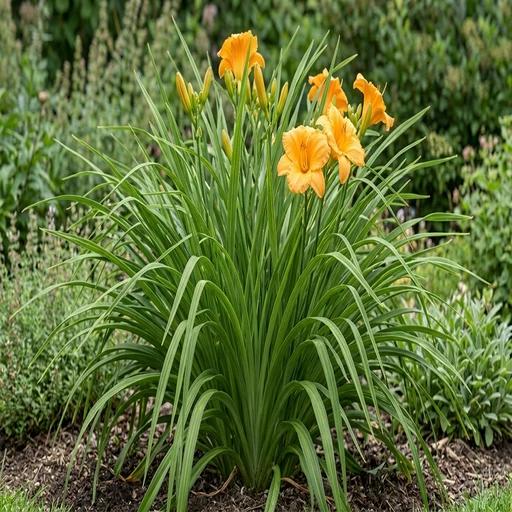 ‘Apricot Sparkles’Apricot Sparkles Daylily
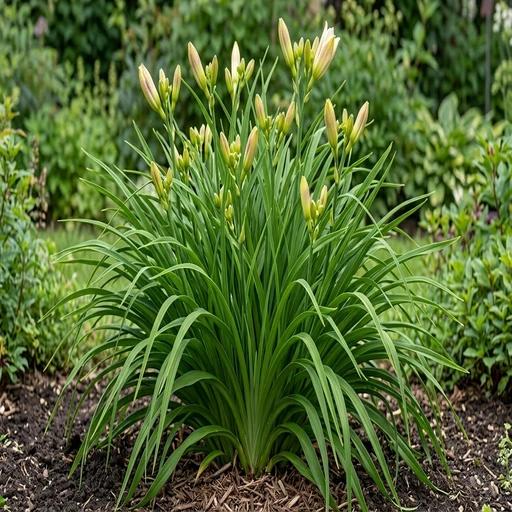 ‘Sunday Gloves’Sunday Gloves Daylily
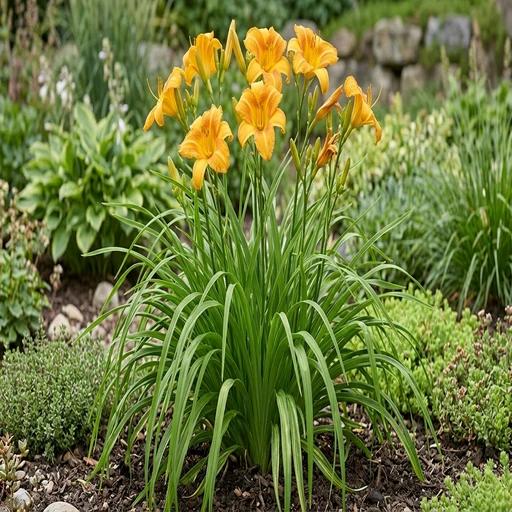 ‘Mauna Loa’Mauna Loa Daylily
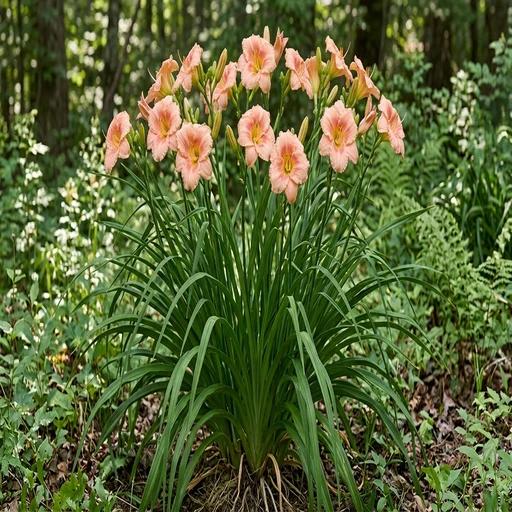 ‘Barbara Mitchell’Barbara Mitchell Daylily
 ‘Irish Envy’Irish Envy Daylily
The Story
Plant Bio
Hemerocallis, or daylilies, are clump-forming perennials with arching, strap-like leaves. They are prized for their showy, trumpet-shaped flowers which last only a day but are produced in succession over several weeks.
This midseason-blooming cultivar features large, 5.5-inch raspberry-purple flowers with a distinct, darker purple eyezone and a contrasting chartreuse-green throat. It is known to be a rebloomer.
Uses & Benefits:
Essentials
At a Glance
Plant Type
Perennial
Height
28"
Width
24"
Light
Full Sun, Partial Sun
Zones
4, 5, 6, 7, 8, 9
Water
Moderate
Humidity
Average
Lifespan
Perennial
Native To
Eastern Asia
Toxicity
Toxic to cats. Generally considered non-toxic to humans and dogs.
Bloom period
Mid-summer – Late summer
In flower about 2 months of the year
Marketplace
Where to Buy
Shipping costs Year-round shipping Free shipping
Planting
How to Grow
- Tuck healthy rhizomes 1 inch deep in well-draining soil.
- Water thoroughly after planting to settle soil.
- Place in full sun for optimal blooming.
- Mulch around base to retain moisture and suppress weeds.
- Fertilize with balanced fertilizer in early spring.
- Divide every 3-4 years to maintain vigor.
Pro Tip
Ensure well-drained soil and full sun for best blooms.
Keep It Thriving
Care Guide
Do
- Water regularly during dry spells 🌱
- Divide every 3-4 years to rejuvenate
- Remove spent flowers to encourage new blooms
Don't
- Avoid overwatering to prevent rot ❌
- Do not plant in poorly drained soil
- Skip fertilizing in late fall
Seasonal Care Calendar
| Task | Jan | Feb | Mar | Apr | May | Jun | Jul | Aug | Sep | Oct | Nov | Dec |
|---|---|---|---|---|---|---|---|---|---|---|---|---|
| Deadhead | ||||||||||||
| Divide | ||||||||||||
| Fertilize | ||||||||||||
| Mulch | ||||||||||||
| Spring Cleanup |
Watch Out For
Pests & Diseases
Common Pests
Common Diseases
In the Garden
Landscape Uses & Companions
Landscape Uses
Multiply
Propagation Methods
Good to Know
Common Questions
Kansas Kitten Daylily questions
What zones can Kansas Kitten Daylily grow in?
Kansas Kitten Daylily is hardy in USDA Zones 4–9. Inside that range it survives winter in the ground; outside it, grow it as an annual or a container plant you protect.
Is Kansas Kitten Daylily deer resistant?
Not reliably. Deer may browse Kansas Kitten Daylily, especially tender spring growth — plan on repellents or fencing where pressure is high.
When does Kansas Kitten Daylily bloom?
Kansas Kitten Daylily typically blooms in mid-summer through late summer. Exact timing shifts a week or two with your zone — Sow's bloom calendar maps it to your garden.
Does Kansas Kitten Daylily need full sun?
Kansas Kitten Daylily does best in full sun to part shade. In hot climates, afternoon shade keeps blooms fresher longer.
Is Kansas Kitten Daylily drought tolerant?
Yes — once established (usually after the first full season), Kansas Kitten Daylily handles dry spells with minimal watering. Water deeply its first year to build the root system that makes that possible.
More Hemerocallis to compare
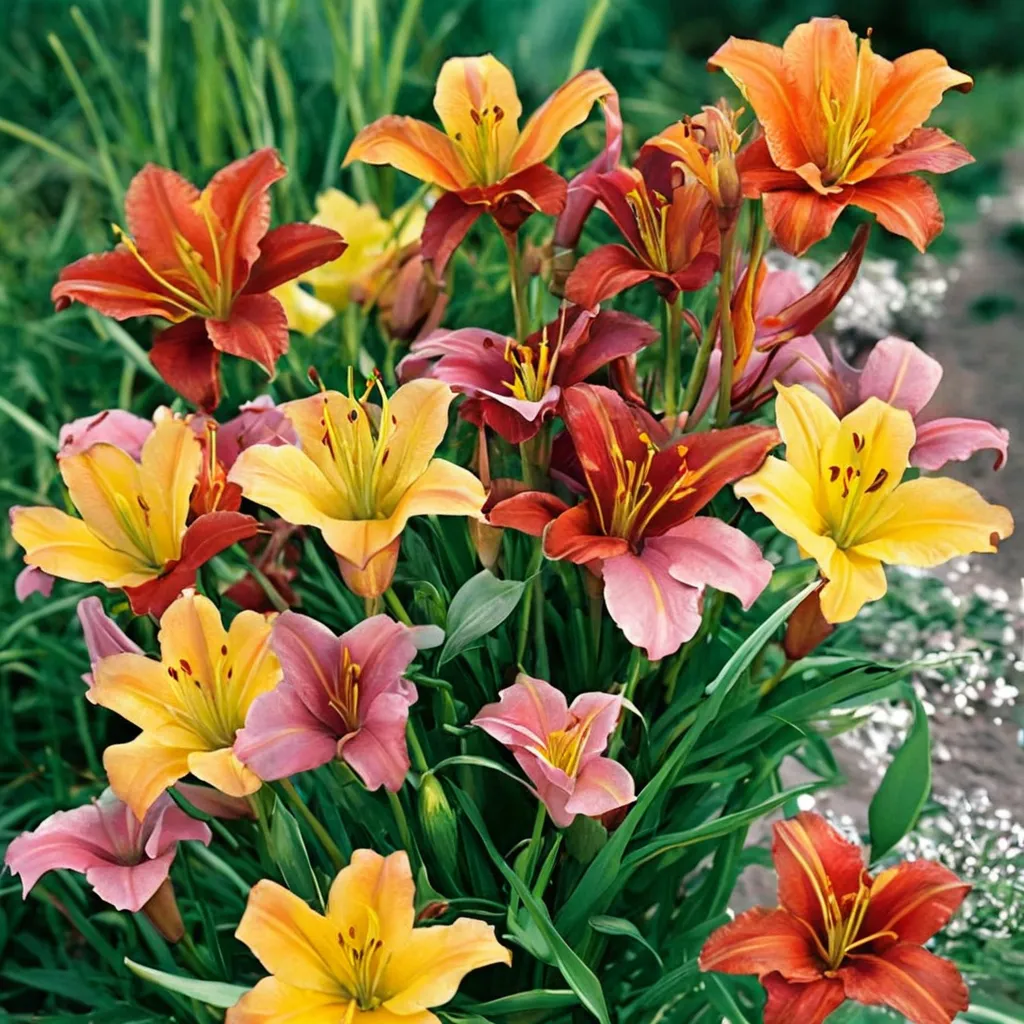
Daylily Mix
Hemerocallis x hybrida 'Mix'
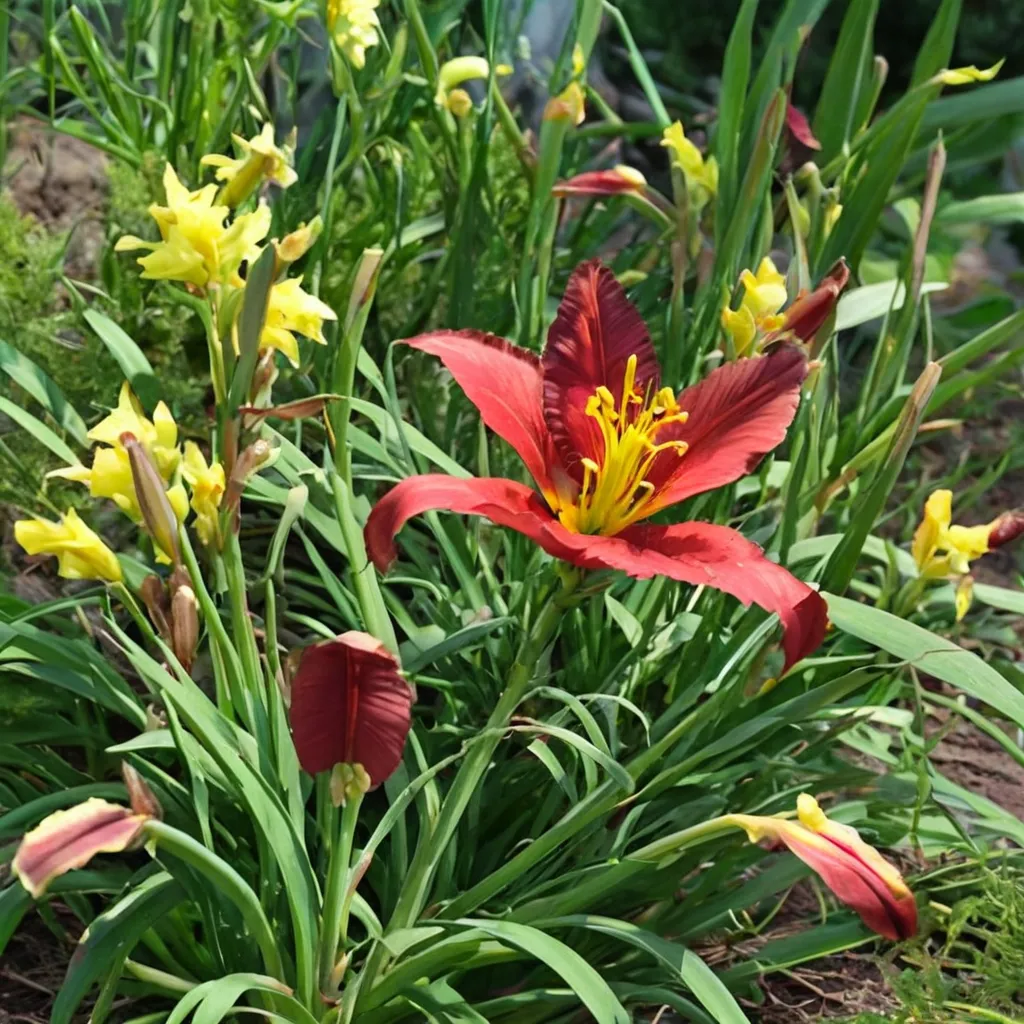
Design Daylily
Hemerocallis x hybrida 'Daylily Design'
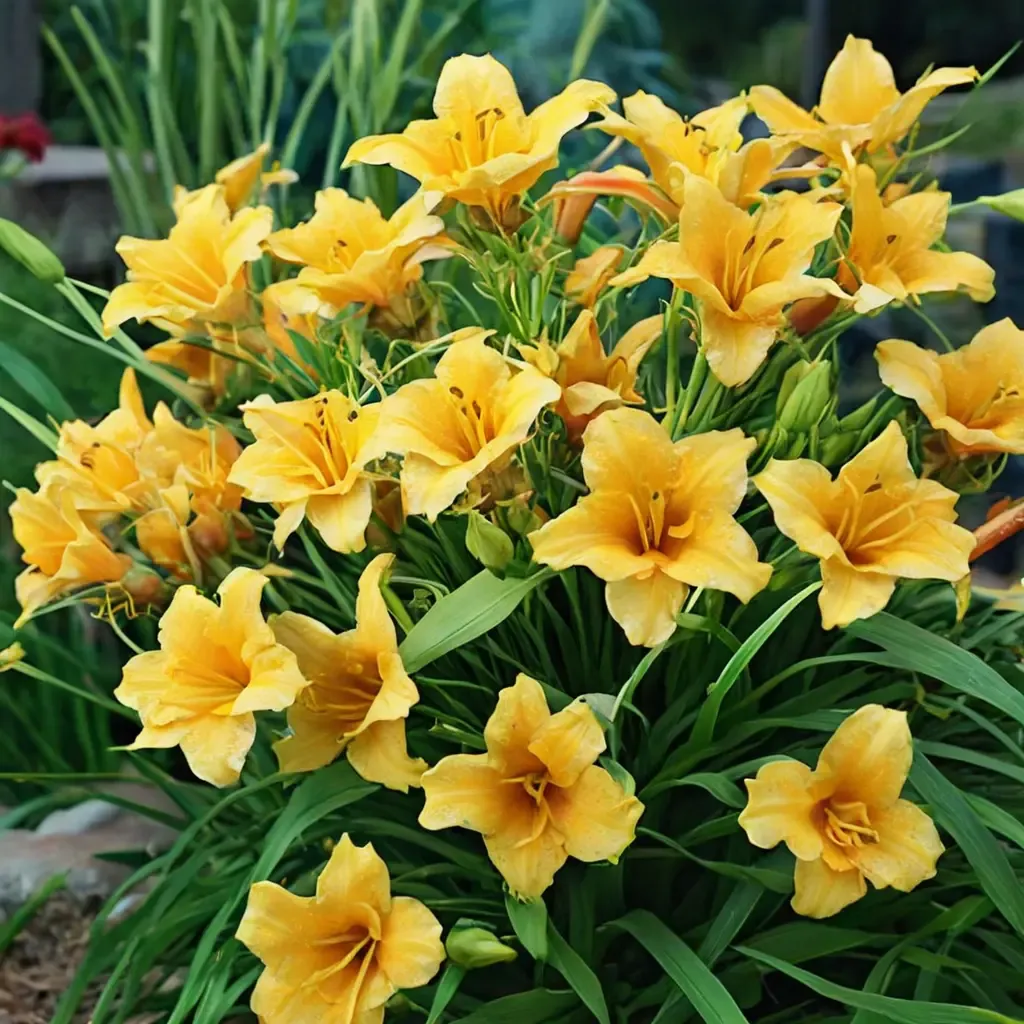
Stella de Oro Daylily
Hemerocallis flava 'Stella de Oro'
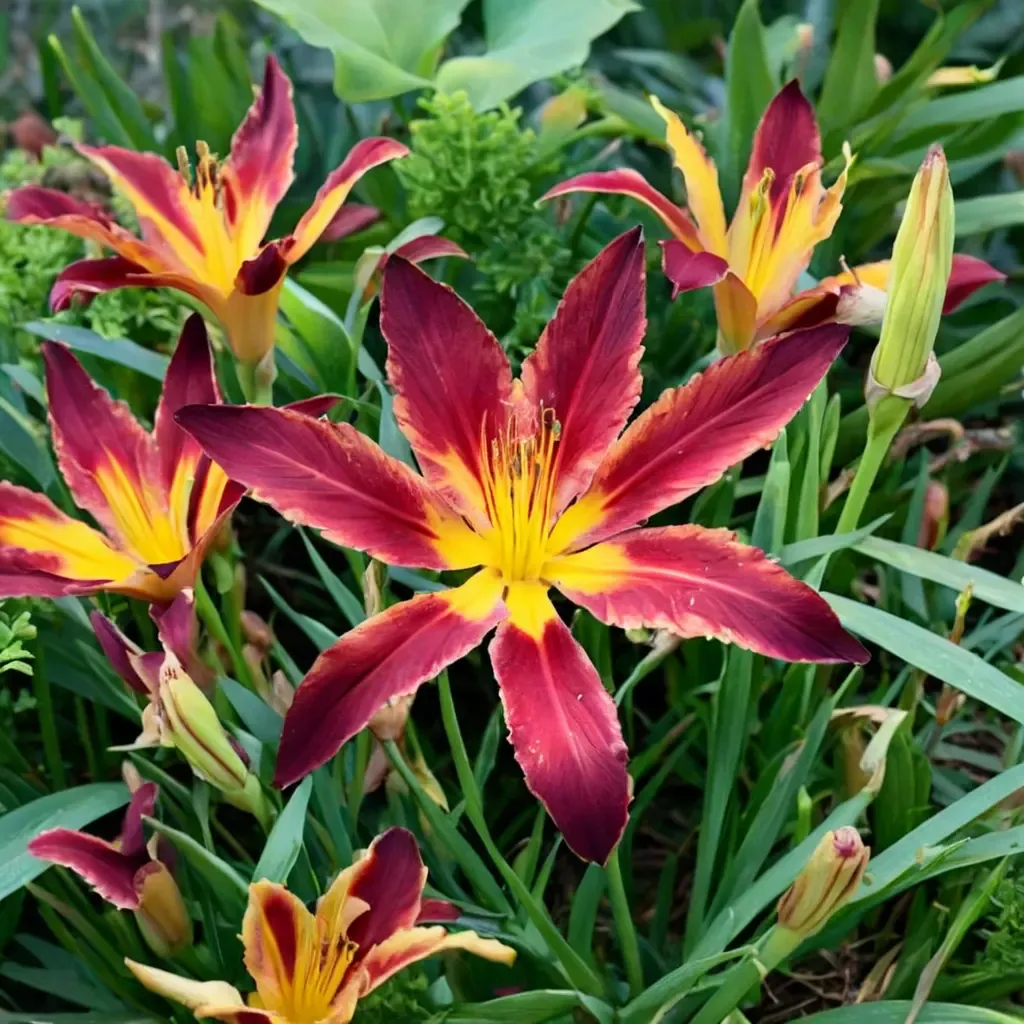
Ruby Spider Daylily
Hemerocallis x hybrida 'Ruby Spider'
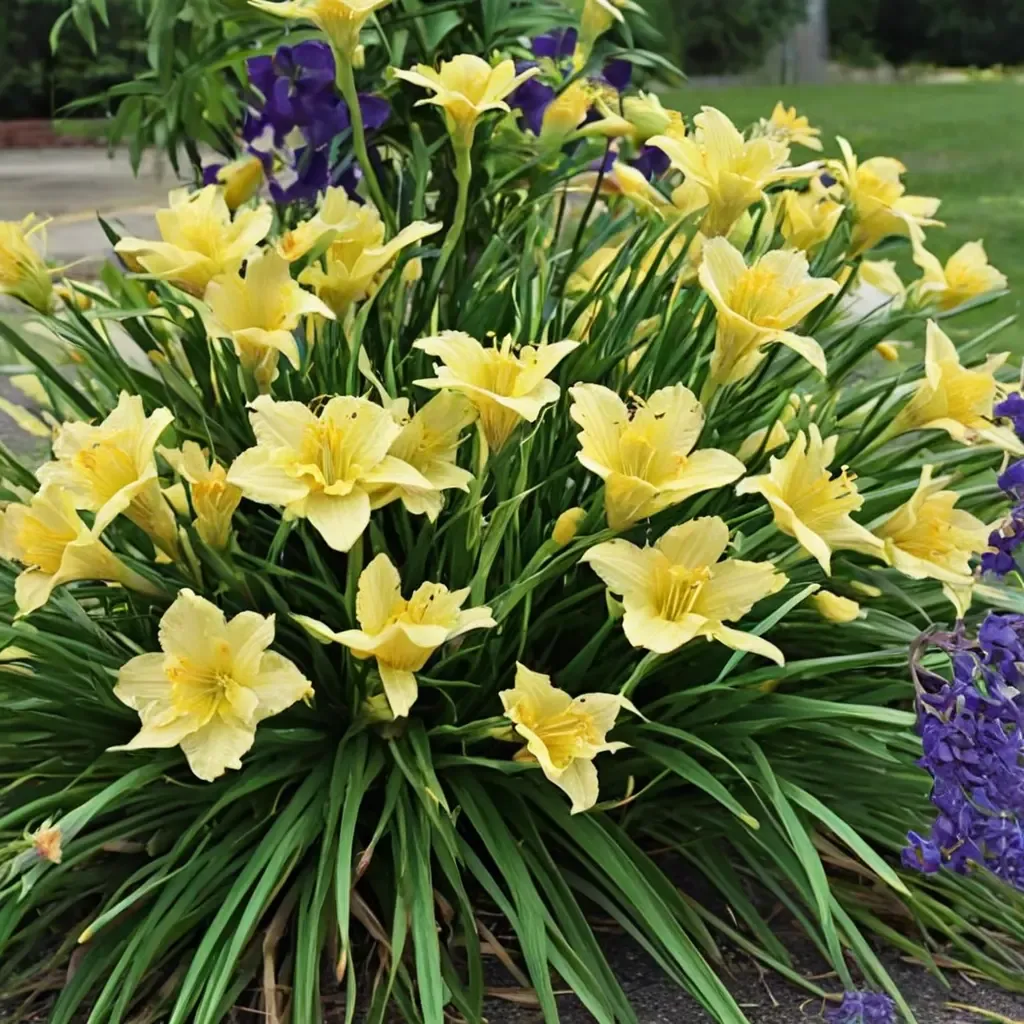
Happy Returns Daylily
Hemerocallis x hybrida 'Happy Returns'
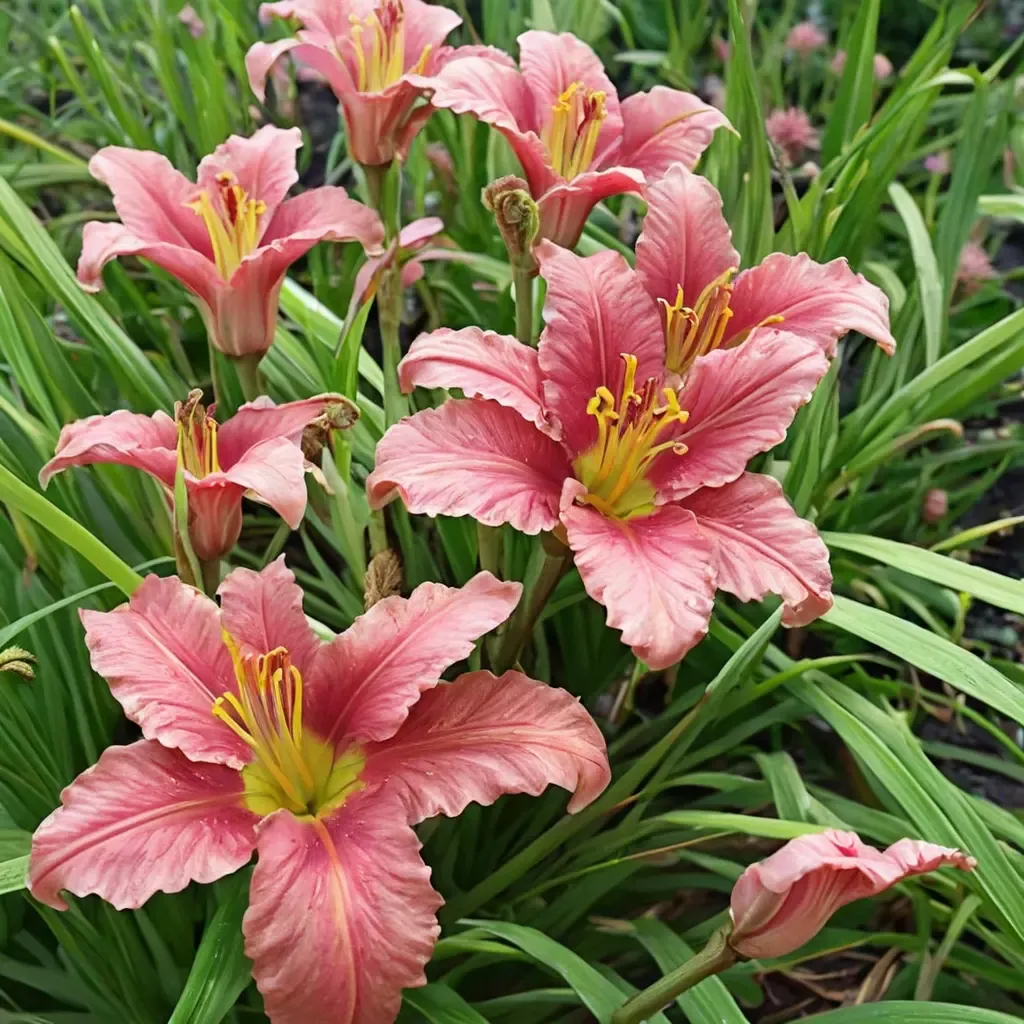
Rosy Returns Daylily
Hemerocallis x hybrida 'Rosy Returns'
Keep exploring
Explore the genus
Grow Kansas Kitten Daylily with confidence
See it in a design of your actual yard, get zone-matched care reminders, and track it season by season in your garden journal.