The Story
Plant Bio
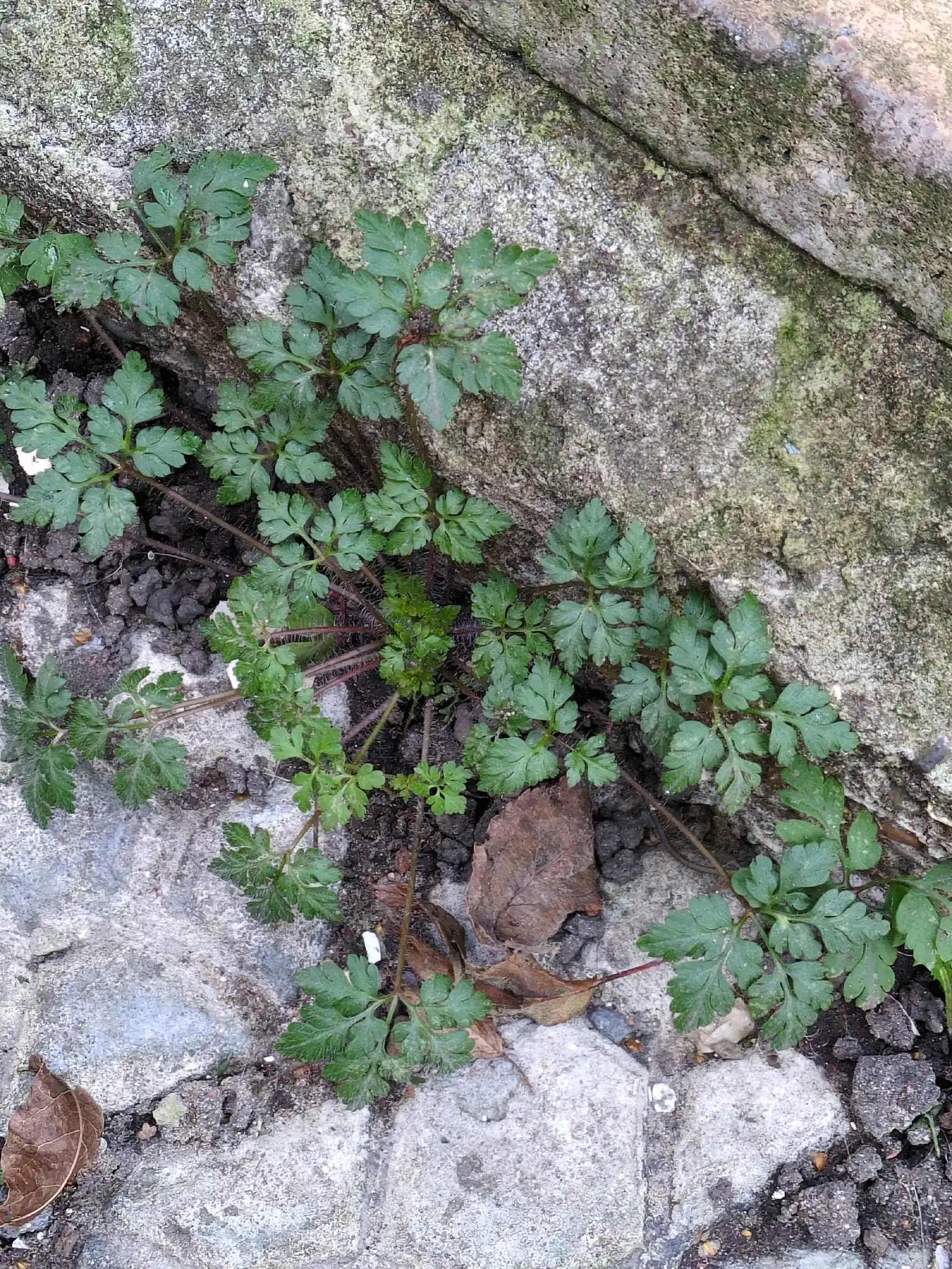
Geranium robertianum is a low-growing, branching annual to short-lived perennial herb with sprawling to erect stems that frequently flush reddish-purple. The deeply divided, fern-like foliage emits a strong, musky odor when crushed, and pairs of small, deep pink to magenta flowers appear from spring through fall.
This species is distinguished by its highly active self-seeding mechanism, utilizing explosive seed capsules to project seeds several yards. In many regions outside its native northeastern North American range, such as the Pacific Northwest, it behaves as an aggressive, carpet-forming woodland weed.
Uses & Benefits:
Essentials
At a Glance
Plant Type
Perennial
Height
16"
Width
16"
Light
Full Sun, Partial Sun, Shade
Zones
4, 5, 6, 7, 8
Water
Moderate to low
Humidity
Moderate to high
Lifespan
Annual, biennial, or short-lived perennial
Native To
Europe, temperate Asia, North Africa
Toxicity
Skin irritant
Bloom period
Spring – Fall
In flower about 9 months of the year
Planting
How to Grow
- Select a site with partial to full shade and well-drained soil, though it tolerates full sun if consistent moisture is provided.
- Sow seeds directly onto the soil surface in spring, as they germinate readily without deep burial.
- Water moderately to maintain moist soil conditions, especially during dry spells, though established plants tolerate brief dry periods.
- Monitor the planting area closely after flowering and hand-pull plants before the seed capsules mature to prevent unwanted spreading.
Pro Tip
Do not mistake this species for a benign woodland wildflower; its schizocarps eject seeds several meters, allowing it to rapidly colonize and displace delicate understory flora if not selectively pulled before seed set.
Keep It Thriving
Care Guide
Do
- Grow in well-drained soil to prevent fungal root rot.
- Hand-pull plants selectively after flowering to control self-seeding.
- Wear gloves when handling the foliage if you have sensitive skin to avoid contact dermatitis.
Don't
- Do not apply heavy fertilizer, as excess nutrients promote weak, rank growth.
- Do not prune heavily into old, leafless wood.
- Do not allow plants to set seed freely near delicate native understory species.
Seasonal Care Calendar
| Task | Jan | Feb | Mar | Apr | May | Jun | Jul | Aug | Sep | Oct | Nov | Dec |
|---|---|---|---|---|---|---|---|---|---|---|---|---|
| Pest Check | ||||||||||||
| Plant | ||||||||||||
| Prune | ||||||||||||
| Spring Cleanup |
Watch Out For
Pests & Diseases
Common Pests
Common Diseases
In the Garden
Landscape Uses & Companions
Landscape Uses
Companion Plants
Multiply
Propagation Methods
Good to Know
Common Questions
Herb-Robert questions
What zones can Herb-Robert grow in?
Herb-Robert is hardy in USDA Zones 4–8. Inside that range it survives winter in the ground; outside it, grow it as an annual or a container plant you protect.
Is Herb-Robert deer resistant?
Not reliably. Deer may browse Herb-Robert, especially tender spring growth — plan on repellents or fencing where pressure is high.
When does Herb-Robert bloom?
Herb-Robert typically blooms in spring through fall. Exact timing shifts a week or two with your zone — Sow's bloom calendar maps it to your garden.
Does Herb-Robert need full sun?
Herb-Robert does best in full sun to part shade. In hot climates, afternoon shade keeps blooms fresher longer.
More Geranium to compare
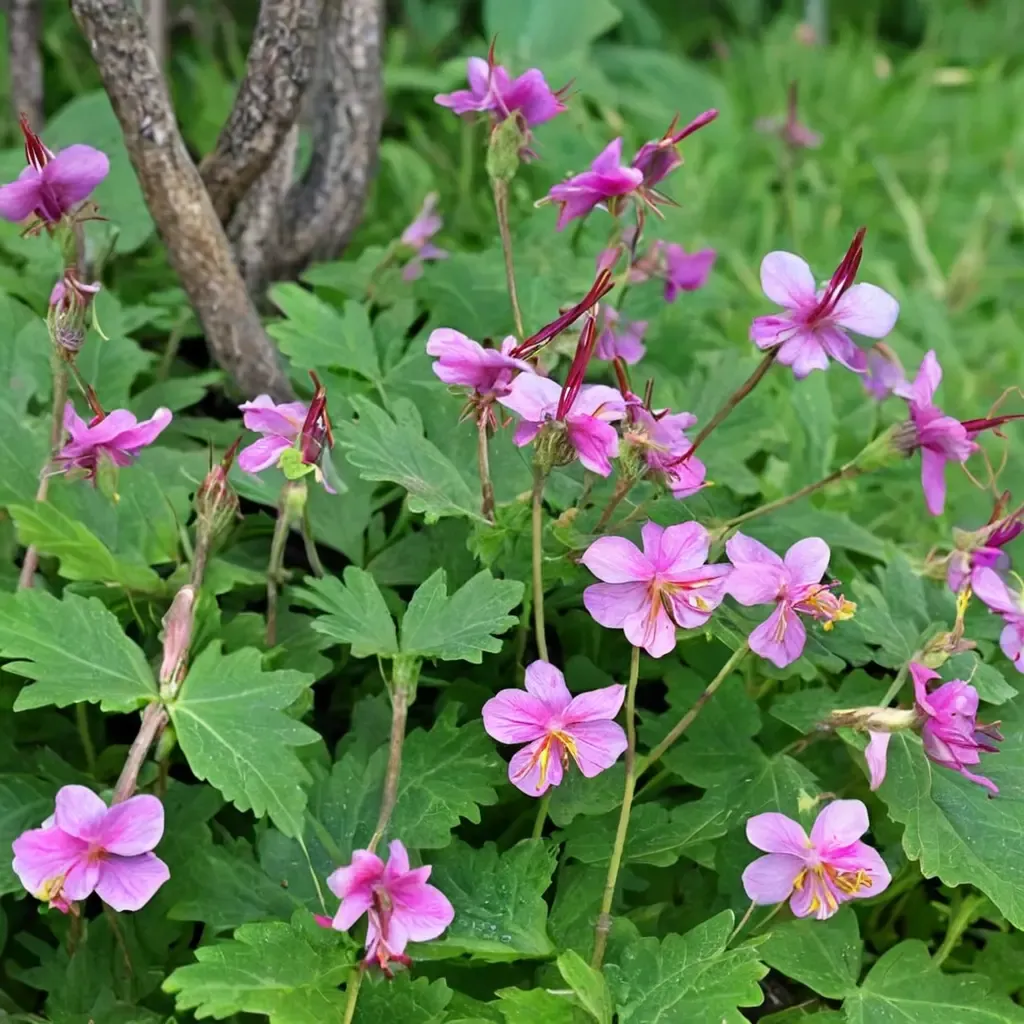
Bigroot Geranium
Geranium macrorrhizum
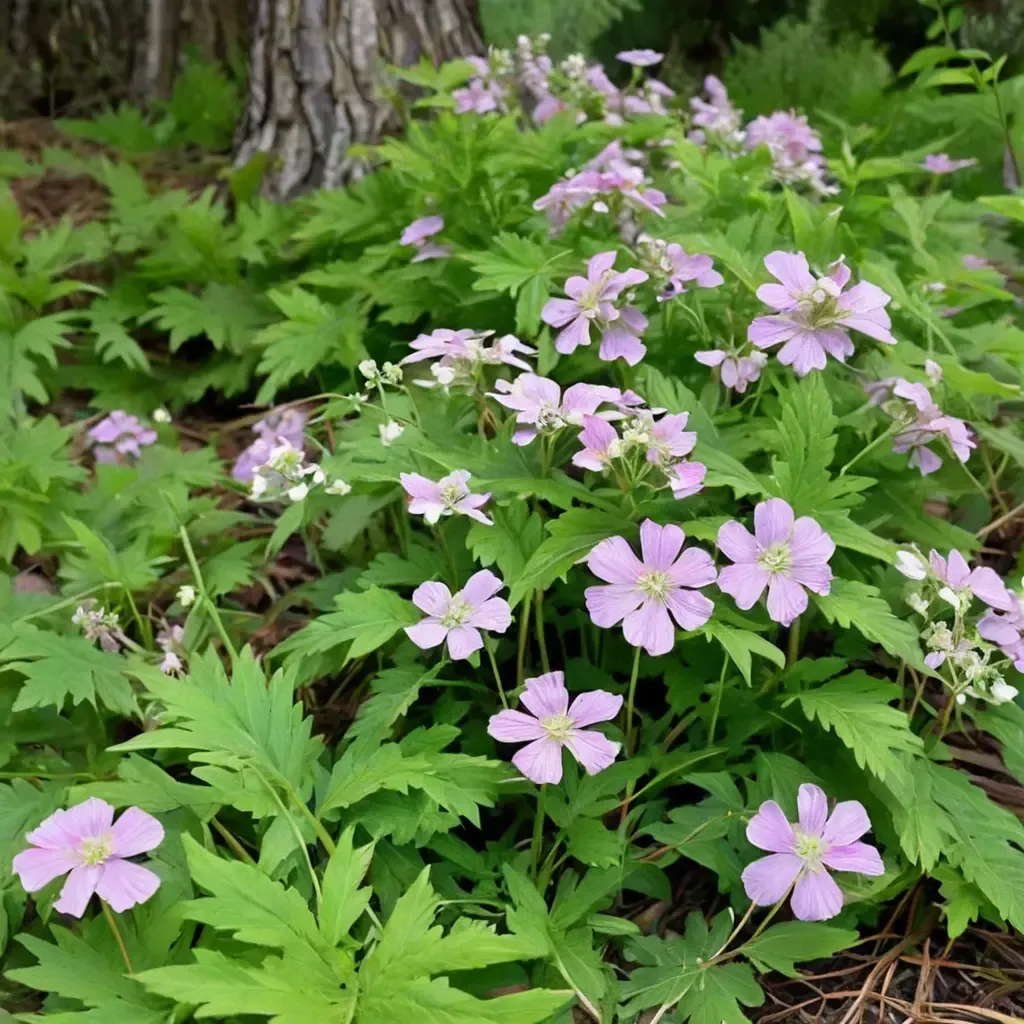
Wild Geranium
Geranium maculatum
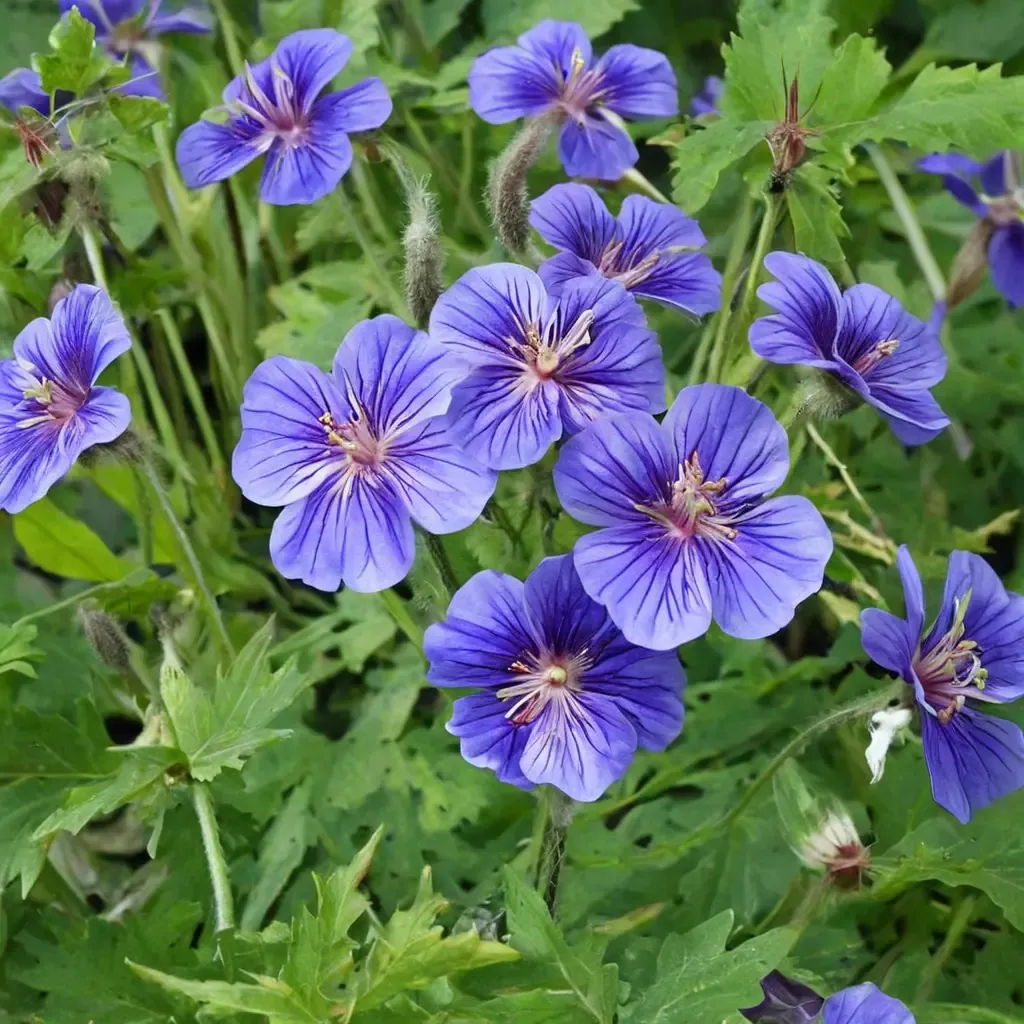
Cranesbill 'Rozanne'
Geranium x magnificum 'Rozanne'
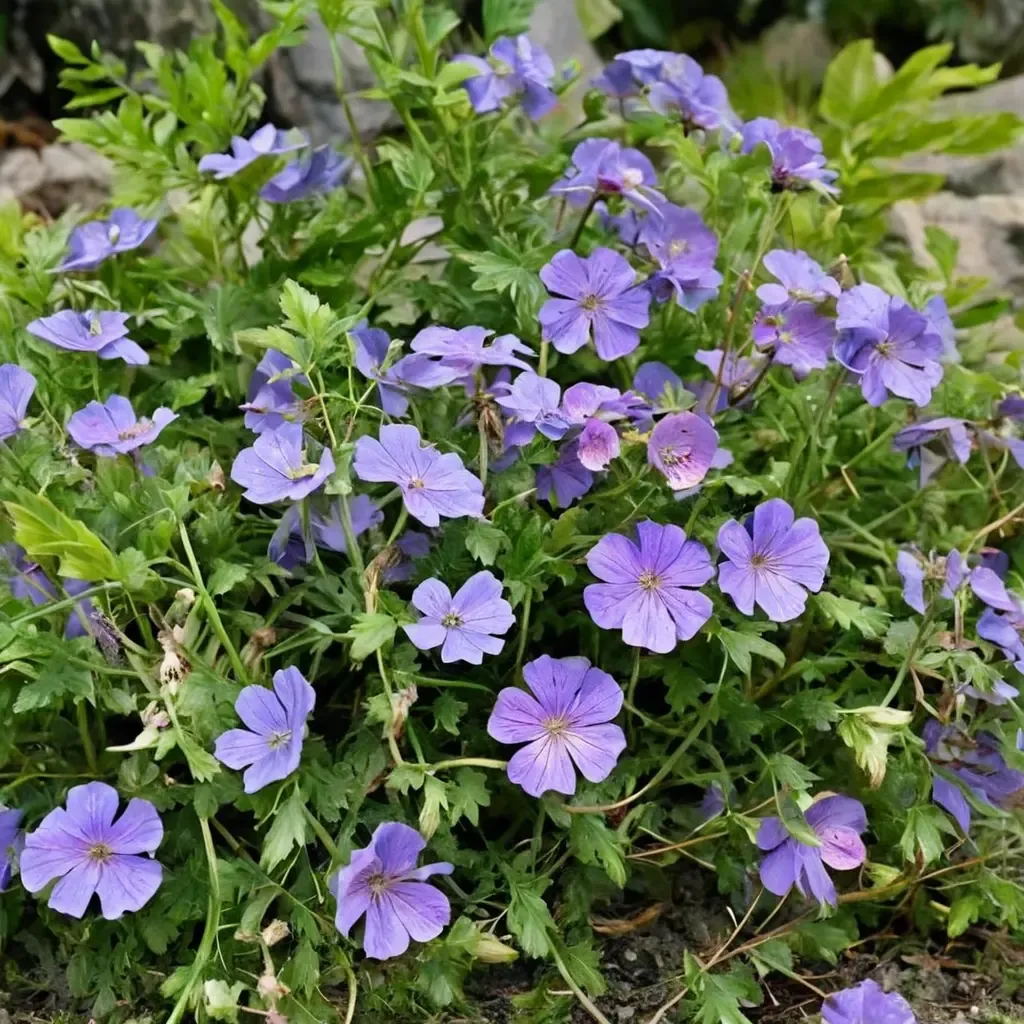
Azure Rush Geranium
Geranium incanum 'Azure Rush'
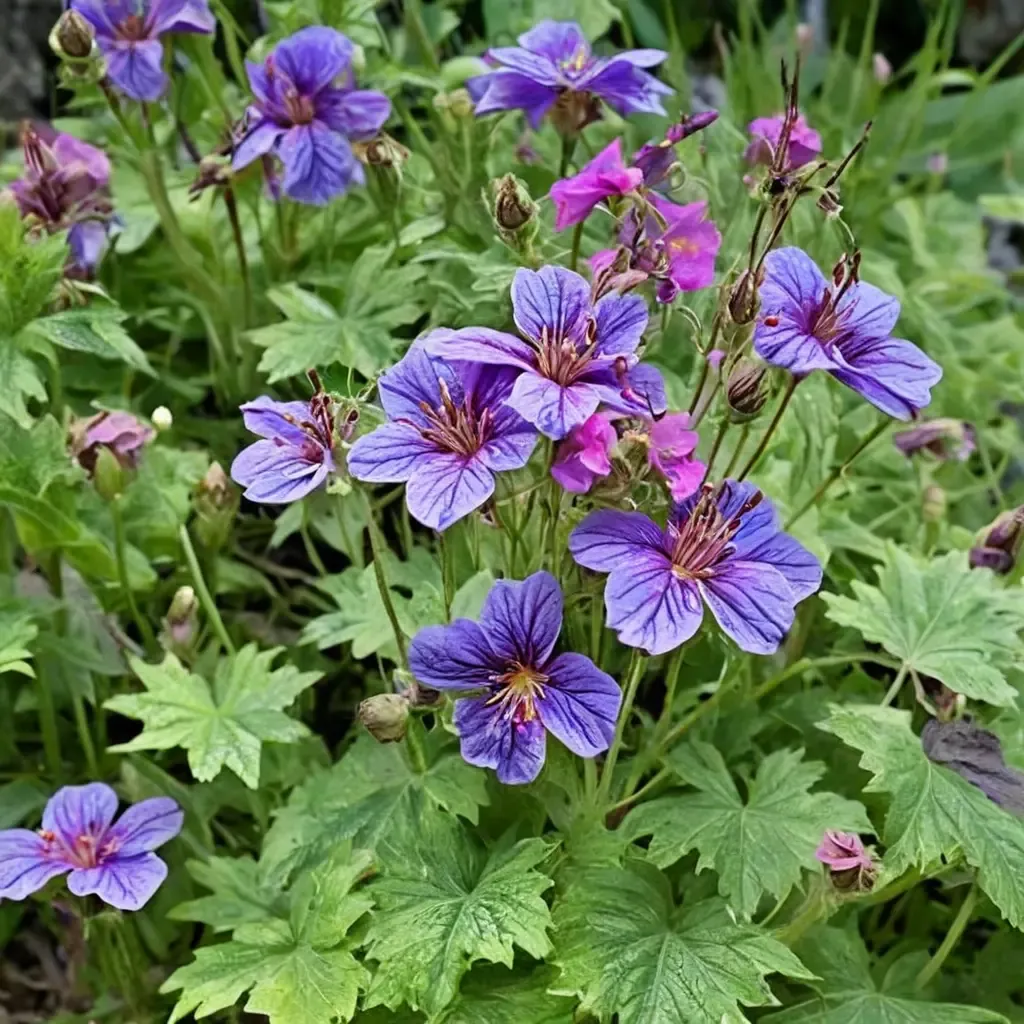
Showy Cranesbill
Geranium x magnificum 'Bevan's Variety'
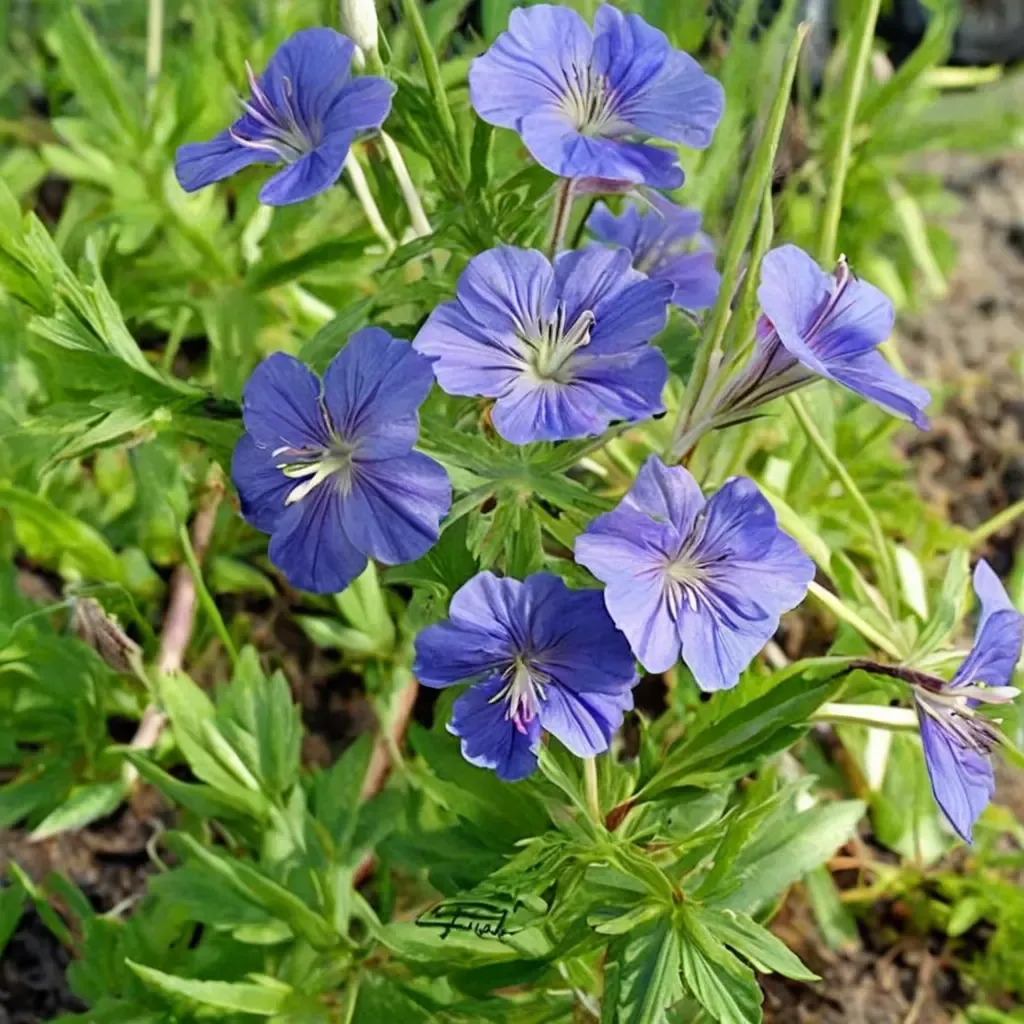
Cranesbill 'Orion'
Geranium maculatum 'Orion'
Keep exploring
Explore the genus
Hardy in your zone?
Grow Herb-Robert with confidence
See it in a design of your actual yard, get zone-matched care reminders, and track it season by season in your garden journal.