The Story
Plant Bio
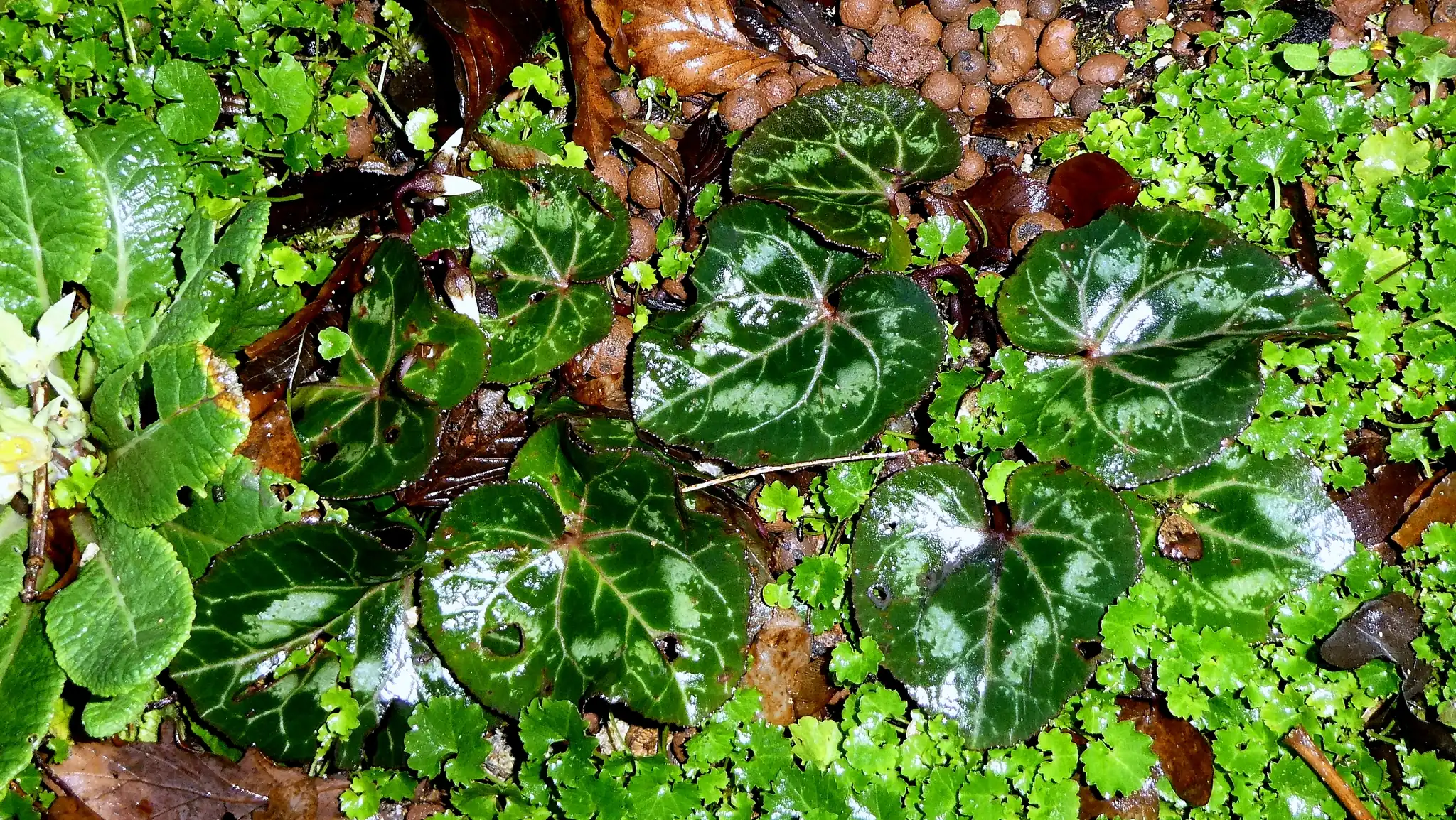
Cyclamen persicum is a compact, mounded herbaceous perennial growing from a flattened round tuber, native to the Mediterranean region. The upright form features heart-shaped, deep green leaves heavily marbled with silver, alongside nodding flowers borne on individual leafless stalks.
The species is distinguished by its winter-blooming flowers with five sharply reflexed, twisted petals that sweep backward. New foliage emerges in autumn with intense silver patterning, providing ornamental interest before the buds open.
Uses & Benefits:
Essentials
At a Glance
Plant Type
Bulb Corm Tuber
Height
9"
Width
9"
Light
Partial Sun, Shade
Zones
9, 10
Water
Regular during active growth, dry in summer
Humidity
Moderate
Lifespan
Perennial
Native To
Mediterranean region
Toxicity
Toxic to humans and pets
Bloom period
Winter – Spring
In flower about 6 months of the year
Planting
How to Grow
- Select a light, organically rich, humus-rich potting medium with exceptional drainage.
- Plant the tuber so the top crown sits flush with or slightly above the soil line.
- Position the plant in bright indirect light or partial shade, protected from harsh afternoon sun.
- Water around the perimeter of the pot or from the bottom to keep the crown dry.
Pro Tip
Keep the upper third of the tuber flush with or slightly above the soil surface when potting; completely burying the crown traps moisture and triggers rapid rot.
Keep It Thriving
Care Guide
Do
- Water regularly during the active fall-to-spring growing season, allowing the soil surface to dry slightly between waterings.
- Apply a balanced, water-soluble fertilizer every two to four weeks while the plant is actively growing.
- Gently tug spent leaves and faded flower stalks at the base of the tuber to remove them cleanly.
- Dry down the soil gradually in late spring as the leaves yellow to allow the tuber to enter its natural summer dormancy.
Don't
- Do not bury the tuber completely under heavy soil, which invites stem and crown rot.
- Do not water directly into the center of the crown.
- Do not discard the plant when foliage drops in spring, as this is a natural dormancy phase.
- Do not fertilize the plant during its summer dormancy period.
Seasonal Care Calendar
| Task | Jan | Feb | Mar | Apr | May | Jun | Jul | Aug | Sep | Oct | Nov | Dec |
|---|---|---|---|---|---|---|---|---|---|---|---|---|
| Deadhead | ||||||||||||
| Fertilize | ||||||||||||
| Lift Store | ||||||||||||
| Pest Check | ||||||||||||
| Propagate |
Watch Out For
Pests & Diseases
Common Pests
Common Diseases
In the Garden
Landscape Uses & Companions
Landscape Uses
Companion Plants
Multiply
Propagation Methods
Good to Know
Common Questions
Persian Cyclamen questions
What zones can Persian Cyclamen grow in?
Persian Cyclamen is hardy in USDA Zones 9–10. Inside that range it survives winter in the ground; outside it, grow it as an annual or a container plant you protect.
Is Persian Cyclamen deer resistant?
Not reliably. Deer may browse Persian Cyclamen, especially tender spring growth — plan on repellents or fencing where pressure is high.
When does Persian Cyclamen bloom?
Persian Cyclamen typically blooms in winter through spring. Exact timing shifts a week or two with your zone — Sow's bloom calendar maps it to your garden.
Does Persian Cyclamen need full sun?
Persian Cyclamen does best in part shade.
Is Persian Cyclamen drought tolerant?
Yes — once established (usually after the first full season), Persian Cyclamen handles dry spells with minimal watering. Water deeply its first year to build the root system that makes that possible.
More Cyclamen to compare
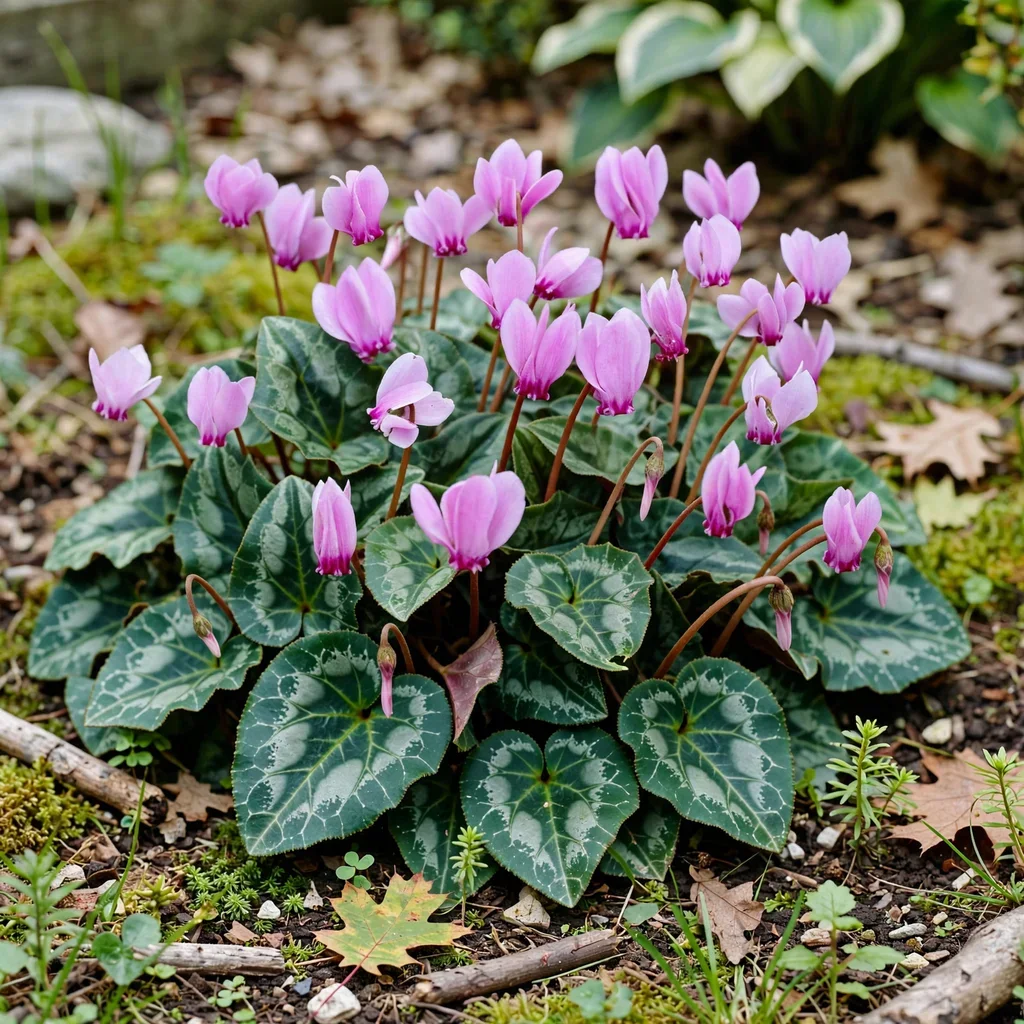
Ivy-leaved Cyclamen
Cyclamen hederifolium ssp crassifolium
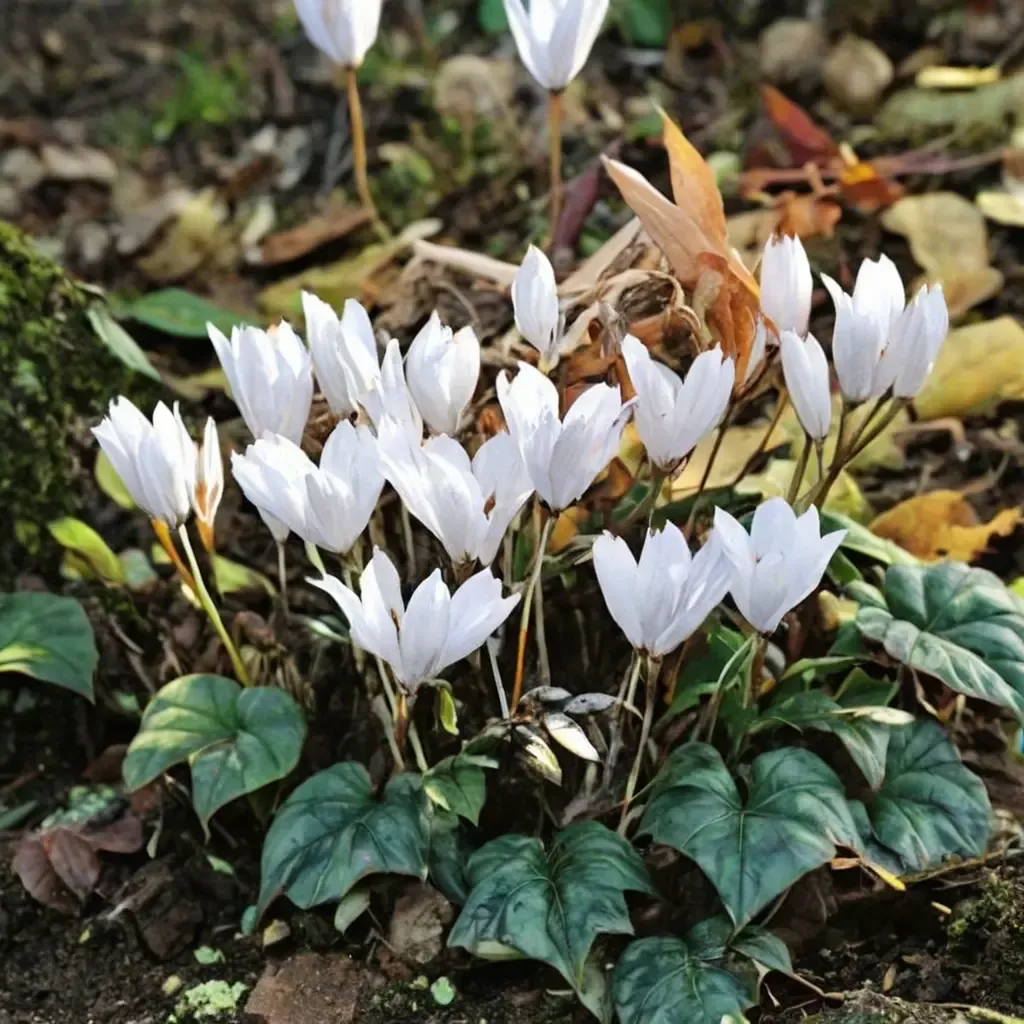
Hardy Cyclamen
Cyclamen hederifolium 'Album'
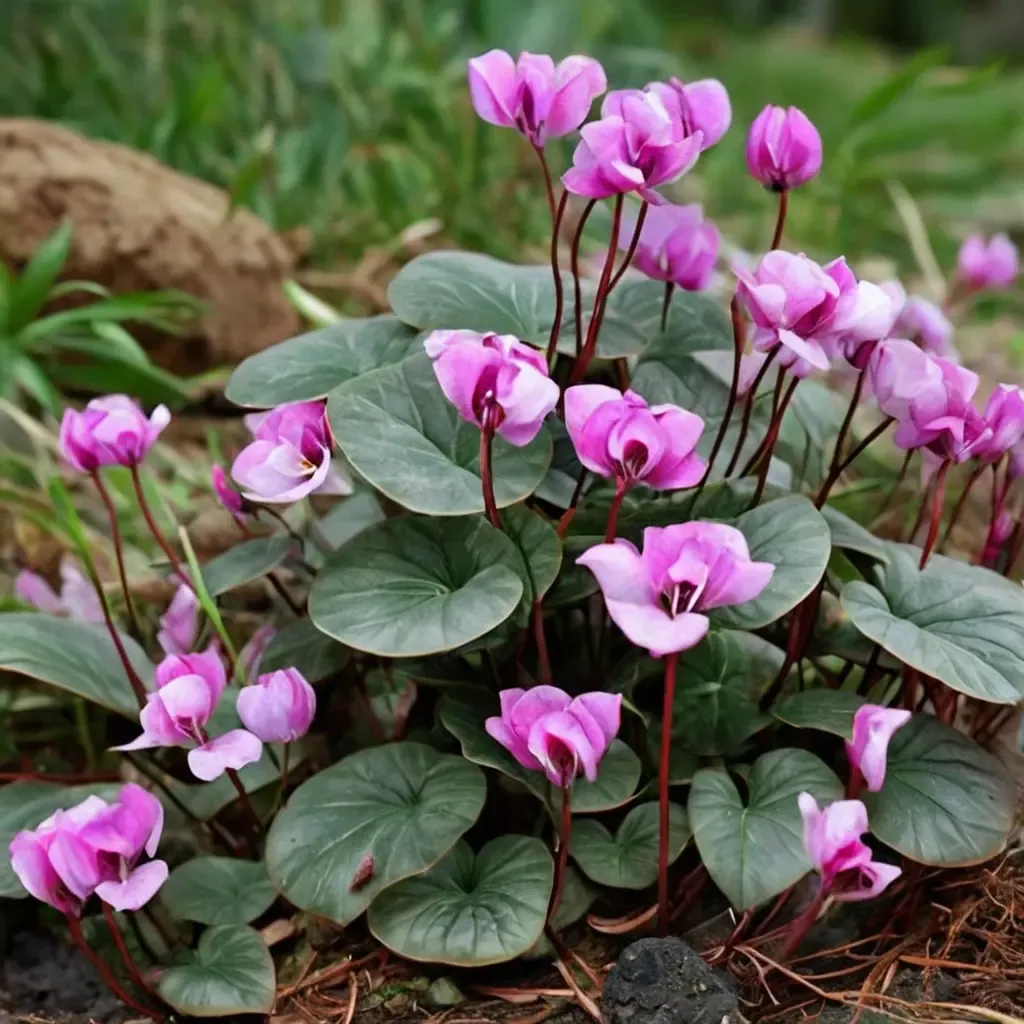
Eastern Cyclamen
Cyclamen coum
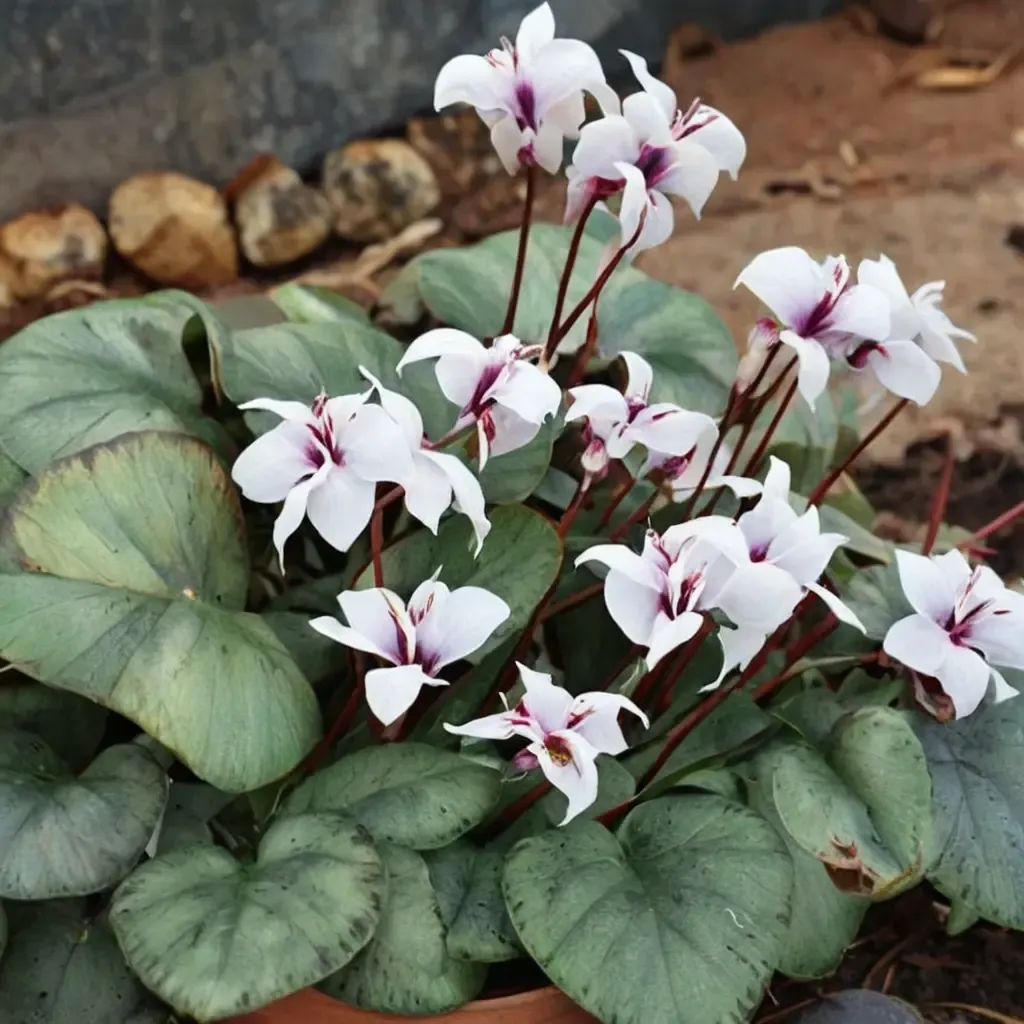
Maurice Dryden Eastern Cyclamen
Cyclamen coum 'Maurice Dryden'
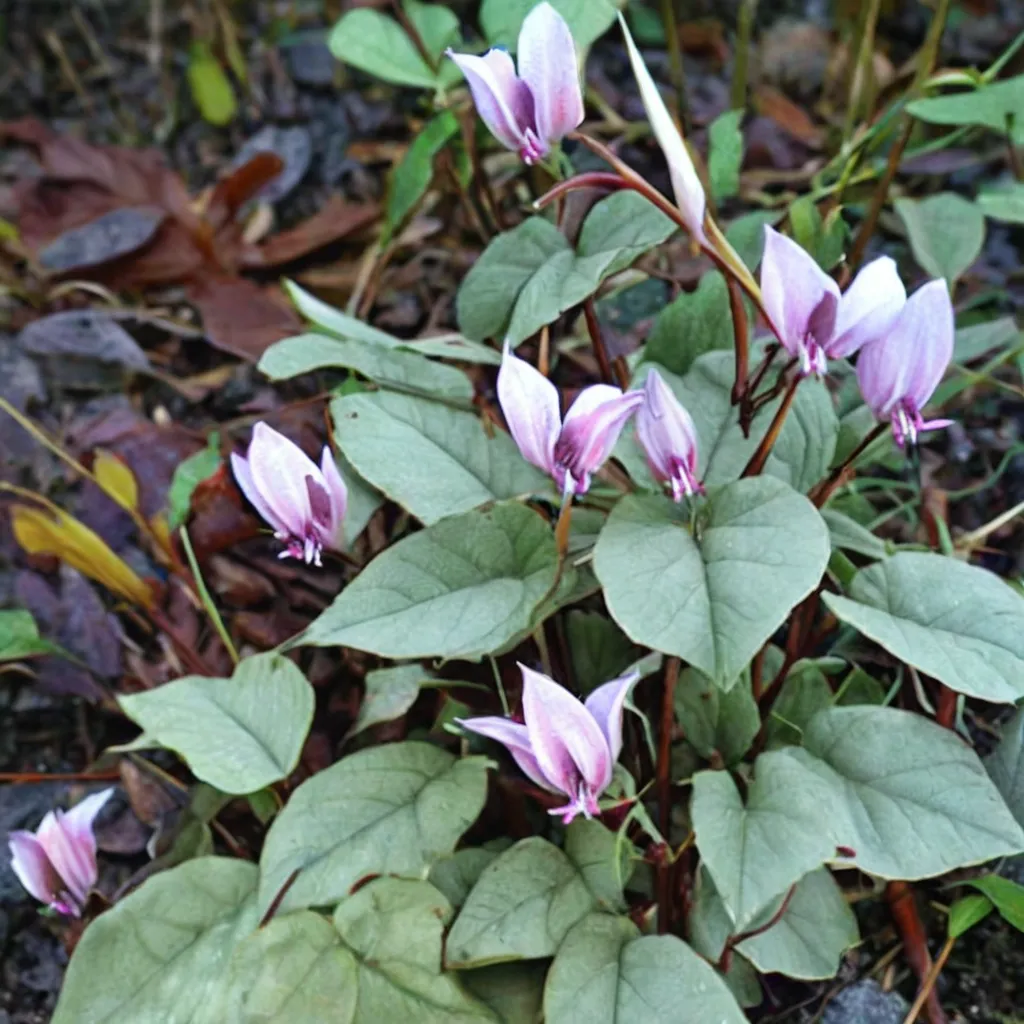
Nettleton Silver Cyclamen
Cyclamen hederifolium 'Nettleton Silver'
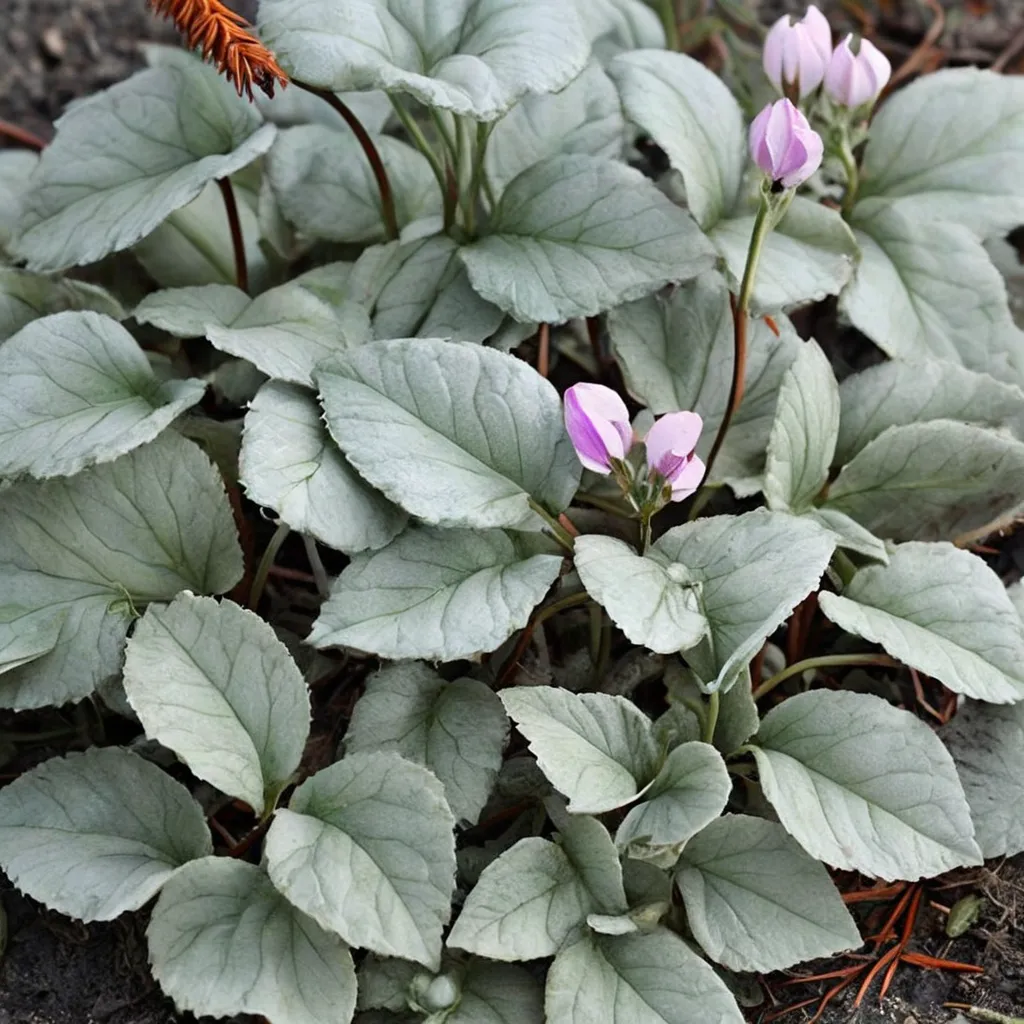
Silver Leaf Forms Ivy-leaved Cyclamen
Cyclamen hederifolium 'Silver Leaf Forms'
Keep exploring
Explore the genus
Hardy in your zone?
Grow Persian Cyclamen with confidence
See it in a design of your actual yard, get zone-matched care reminders, and track it season by season in your garden journal.