


The Story
Plant Bio
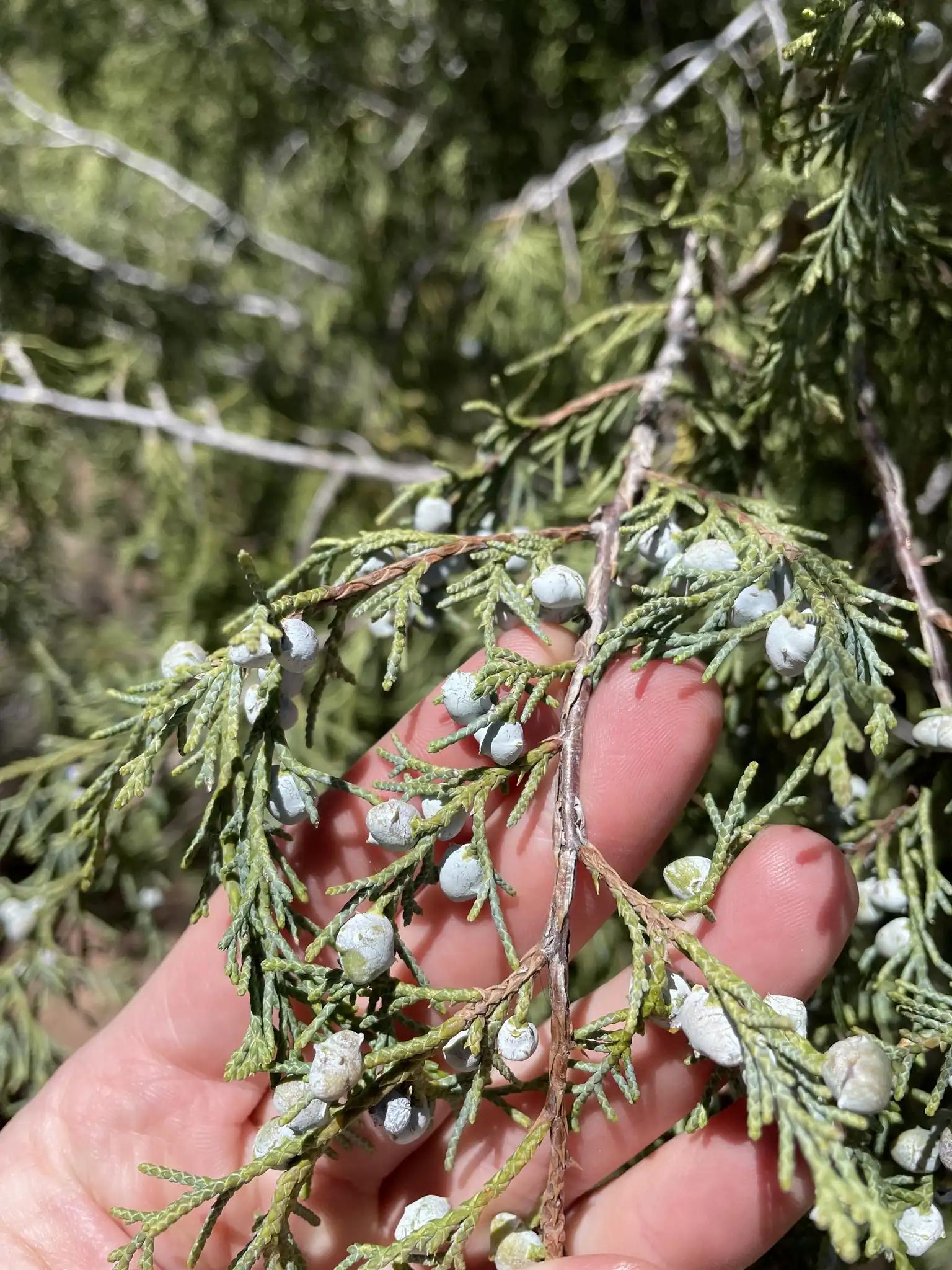
Juniperus scopulorum, or Rocky Mountain juniper, is a coniferous evergreen native to western North America. It is known for its tolerance of dry, rocky soils and its aromatic foliage.
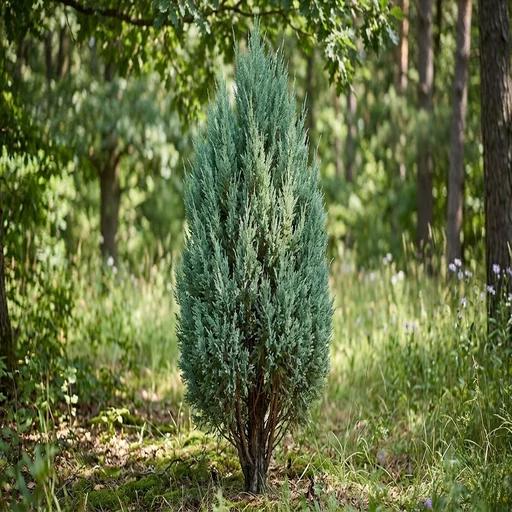
'Wichita Blue' is a popular cultivar celebrated for its striking, bright silver-blue foliage that retains its color throughout the year. It has a dense, pyramidal form.
Uses & Benefits:
Essentials
At a Glance
Plant Type
Shrub
Height
180"
Width
60"
Light
Full Sun
Zones
4, 5, 6, 7
Water
Low
Humidity
Low to moderate
Lifespan
Long-lived evergreen
Native To
Western North America (species)
Toxicity
Mildly toxic if ingested
Bloom period
Late spring
In flower about 1 month of the year
Marketplace
Where to Buy
Shipping costs Year-round shipping Free shipping
Planting
How to Grow
- Choose a location with at least 6 hours of direct sun daily.
- Dig a hole twice the width of the root ball, but no deeper.
- Place the plant in the hole, ensuring the root flare is at soil level.
- Backfill with the original soil, gently firming it around the roots.
- Water thoroughly after planting to settle the soil.
- Mulch lightly to retain moisture, keeping it away from the trunk.
Pro Tip
Ensure excellent drainage; junipers detest 'wet feet' which can lead to root rot.
Keep It Thriving
Care Guide
Do
- Provide full sun for best color.
- Water deeply but infrequently once established.
- Allow soil to dry out between waterings.
- Ensure excellent soil drainage.
Don't
- Don't overwater or plant in poorly drained soil.
- Avoid heavy pruning into old, non-leafy wood.
- Don't plant in shady locations, which causes sparse growth.
Seasonal Care Calendar
| Task | Jan | Feb | Mar | Apr | May | Jun | Jul | Aug | Sep | Oct | Nov | Dec |
|---|---|---|---|---|---|---|---|---|---|---|---|---|
| Mulch | ||||||||||||
| Plant | ||||||||||||
| Prune |
Watch Out For
Pests & Diseases
Common Pests
Common Diseases
In the Garden
Landscape Uses & Companions
Landscape Uses
Multiply
Propagation Methods
Good to Know
Common Questions
Wichita Blue Juniper questions
What zones can Wichita Blue Juniper grow in?
Wichita Blue Juniper is hardy in USDA Zones 4–7. Inside that range it survives winter in the ground; outside it, grow it as an annual or a container plant you protect.
Is Wichita Blue Juniper deer resistant?
Yes — Wichita Blue Juniper is rated deer-resistant. Deer typically pass it over, though extreme hunger can override any plant's defenses.
When does Wichita Blue Juniper bloom?
Wichita Blue Juniper typically blooms in late spring through late spring. Exact timing shifts a week or two with your zone — Sow's bloom calendar maps it to your garden.
Does Wichita Blue Juniper need full sun?
Wichita Blue Juniper does best in full sun (6+ hours).
Is Wichita Blue Juniper drought tolerant?
Yes — once established (usually after the first full season), Wichita Blue Juniper handles dry spells with minimal watering. Water deeply its first year to build the root system that makes that possible.
More Juniperus to compare
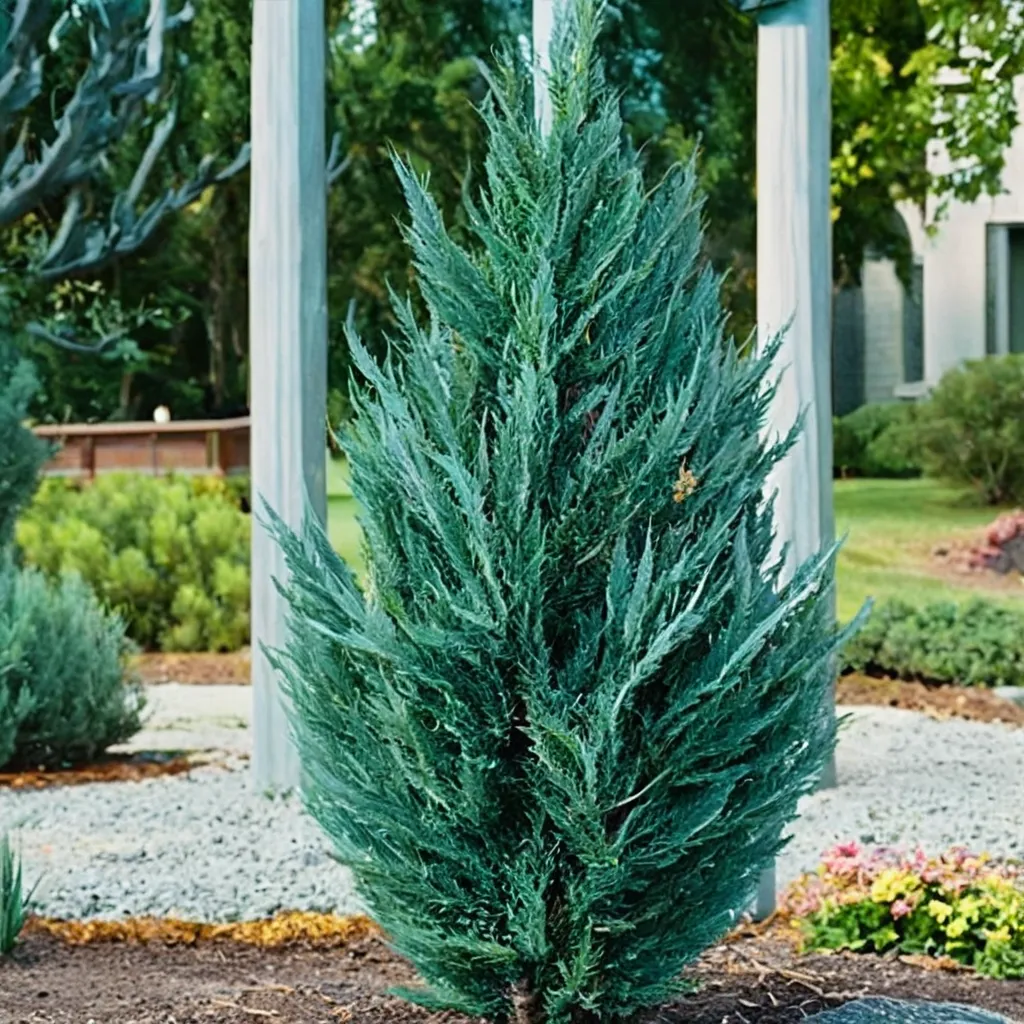
Blue Point Juniper
Juniperus chinensis 'Blue Point'
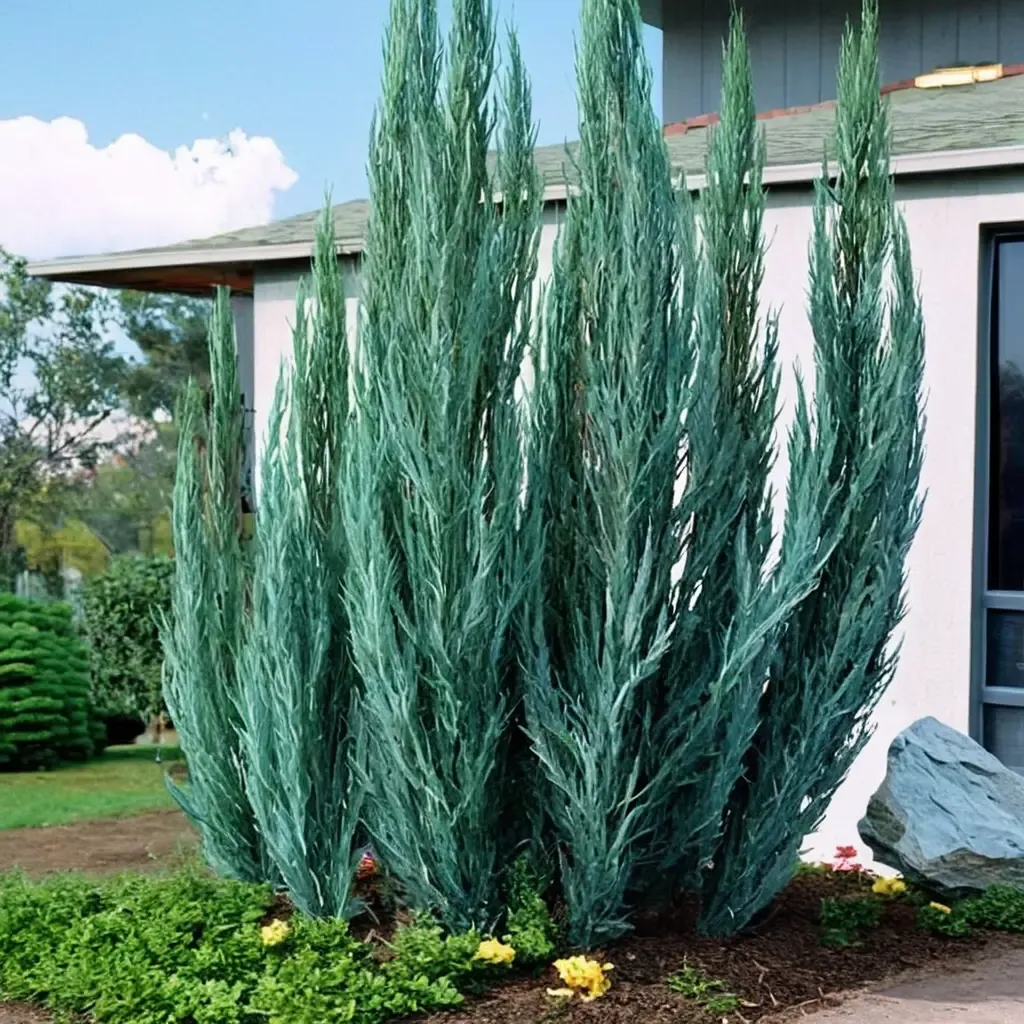
Skyrocket Juniper
Juniperus horizontalis 'Skyrocket'
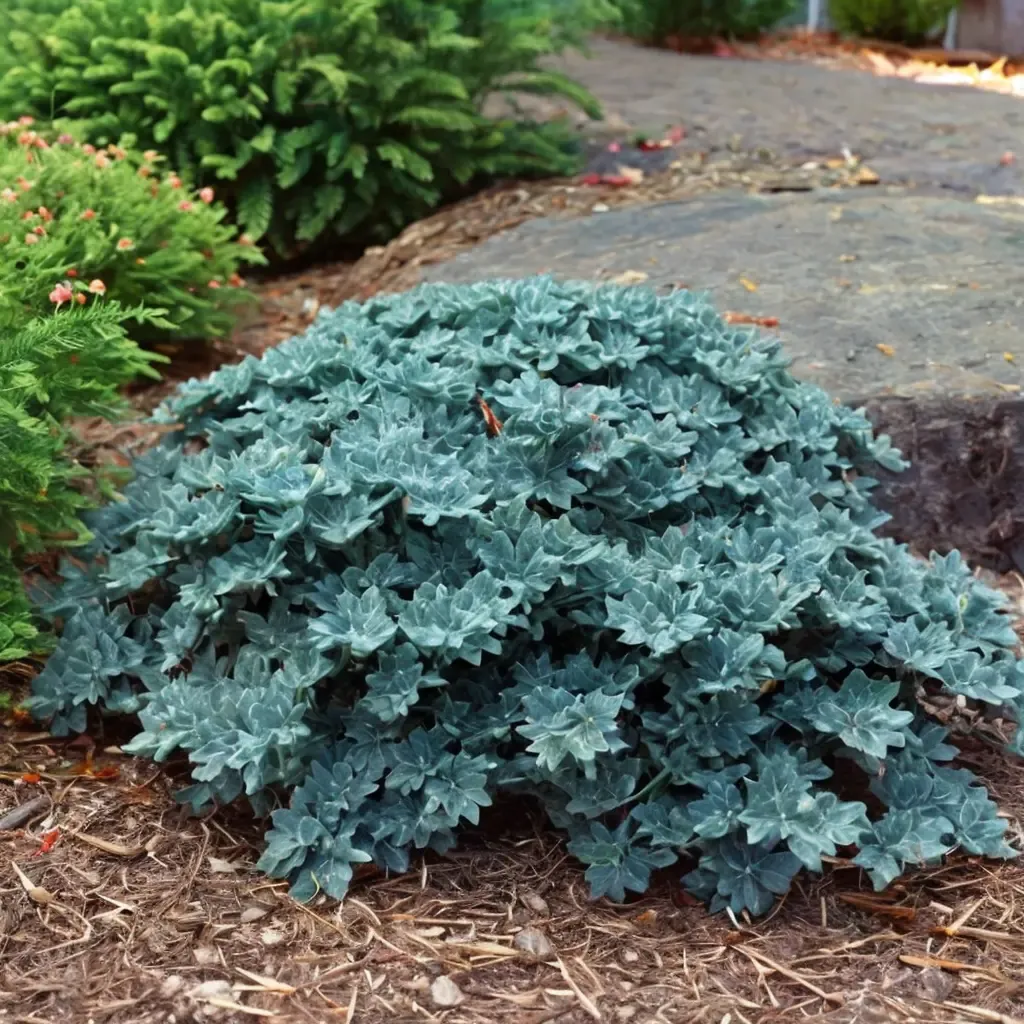
Blue Star Juniper
Juniperus squamata 'Blue Star'
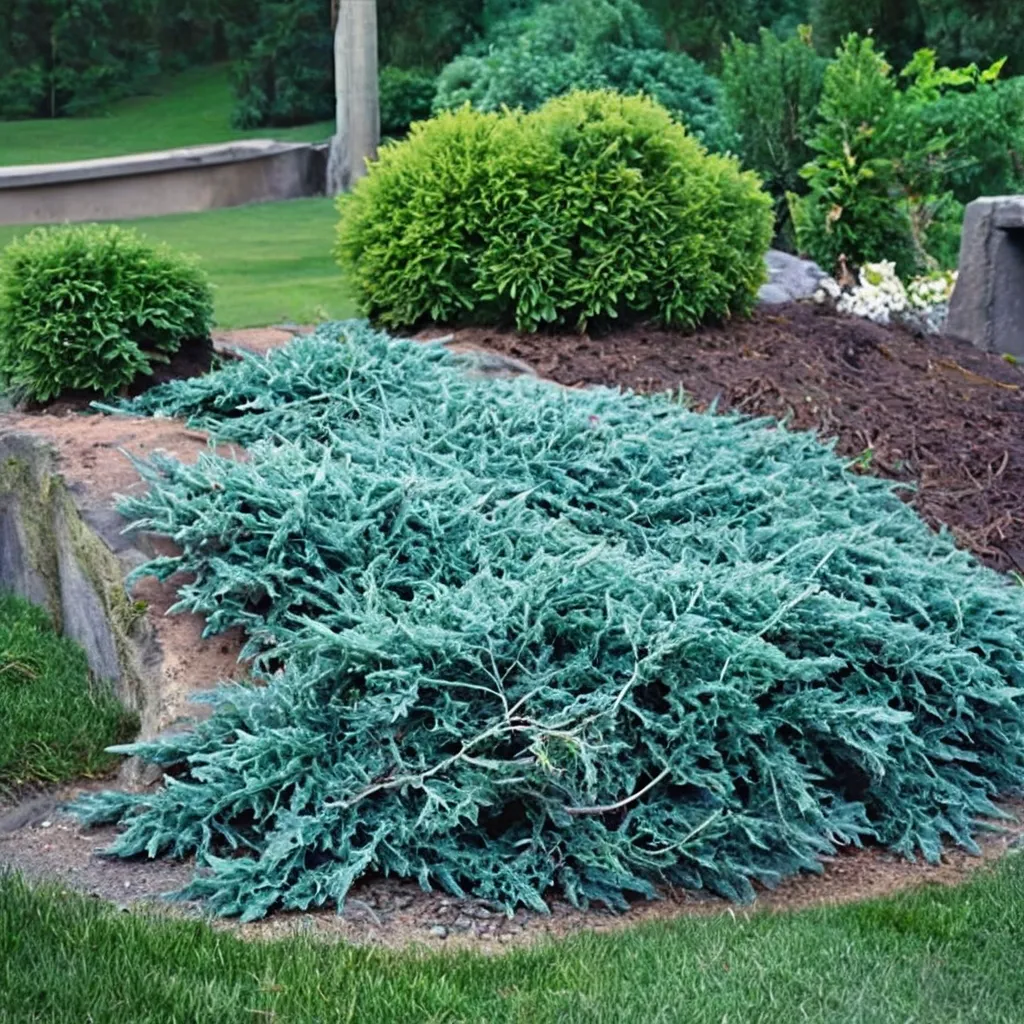
Blue Rug Juniper
Juniperus horizontalis 'Blue Rug'
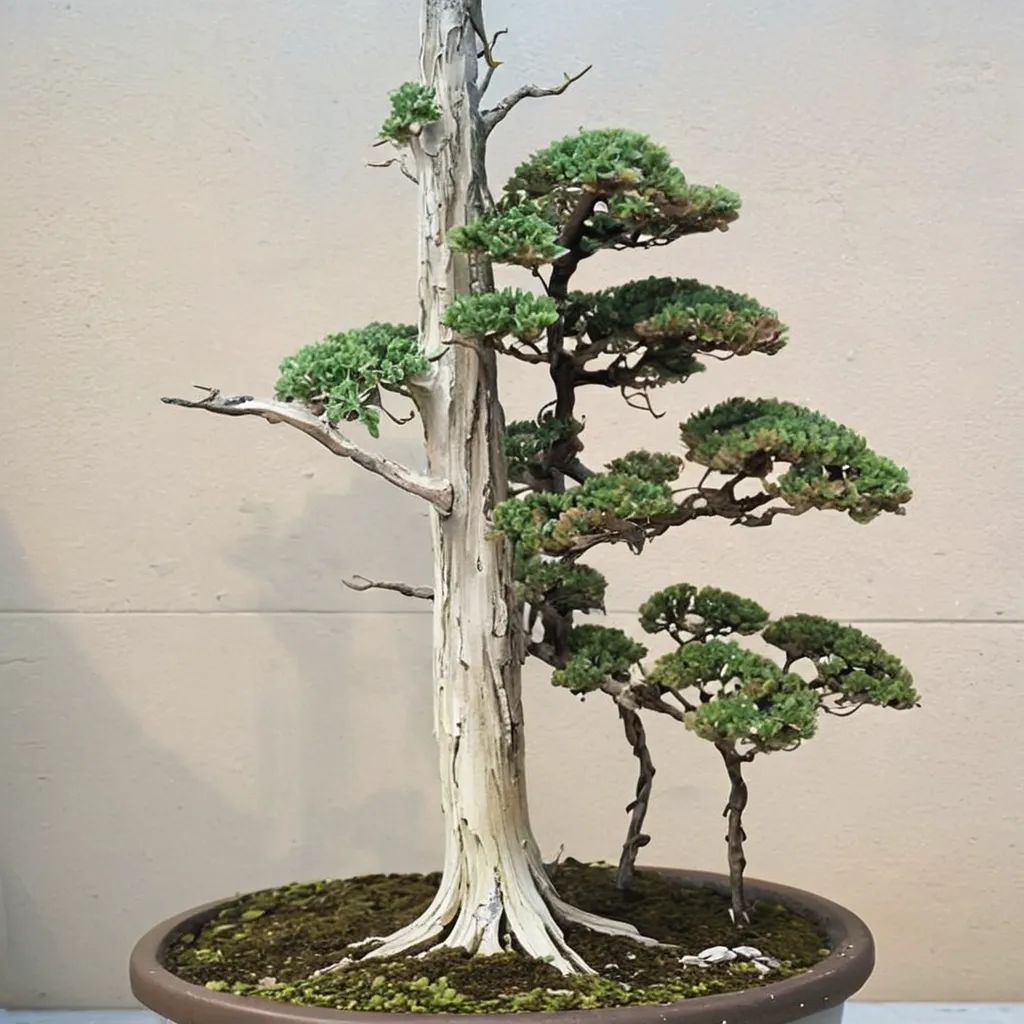
Foemina Chinese Juniper
Juniperus chinensis 'Foemina'
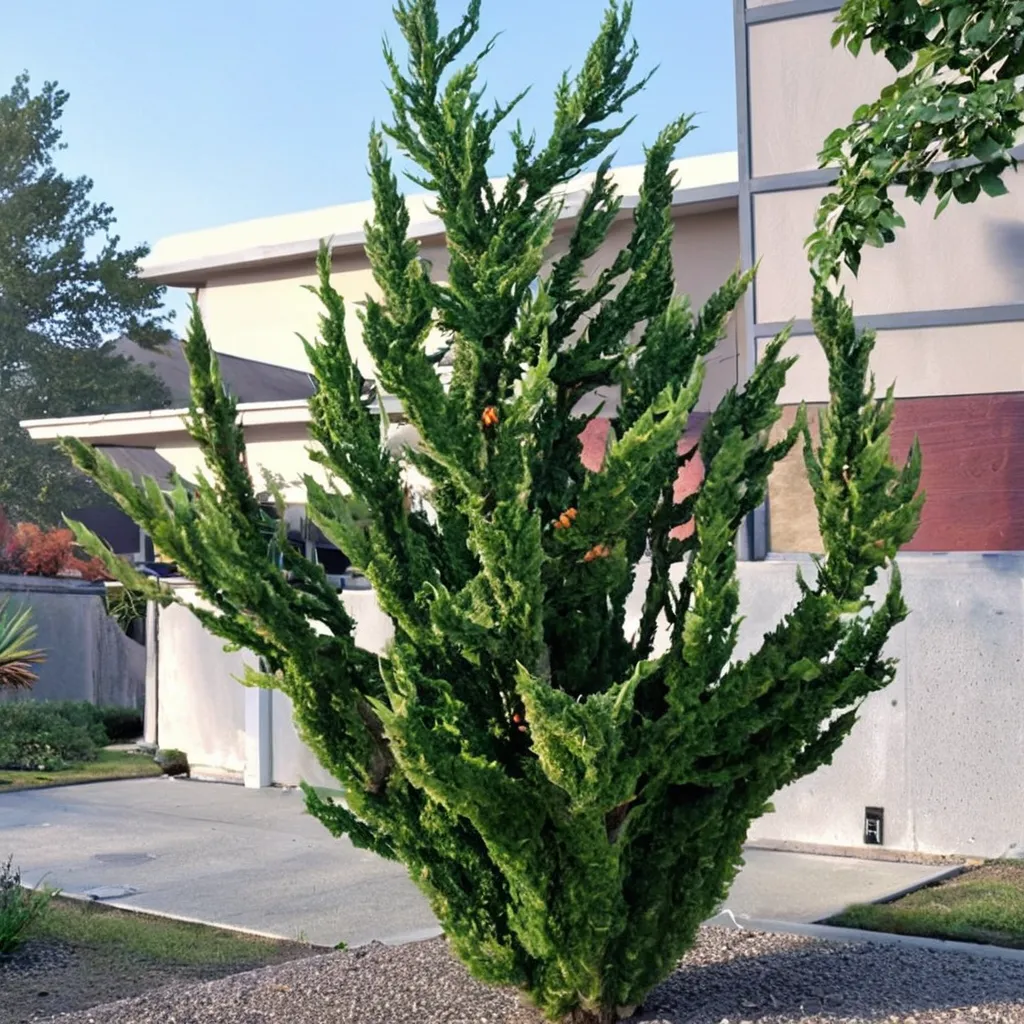
Hollywood Juniper
Juniperus chinensis 'Kaizuka'
Keep exploring
Explore the genus
Hardy in your zone?
Grow Wichita Blue Juniper with confidence
See it in a design of your actual yard, get zone-matched care reminders, and track it season by season in your garden journal.