

The Story
Plant Bio
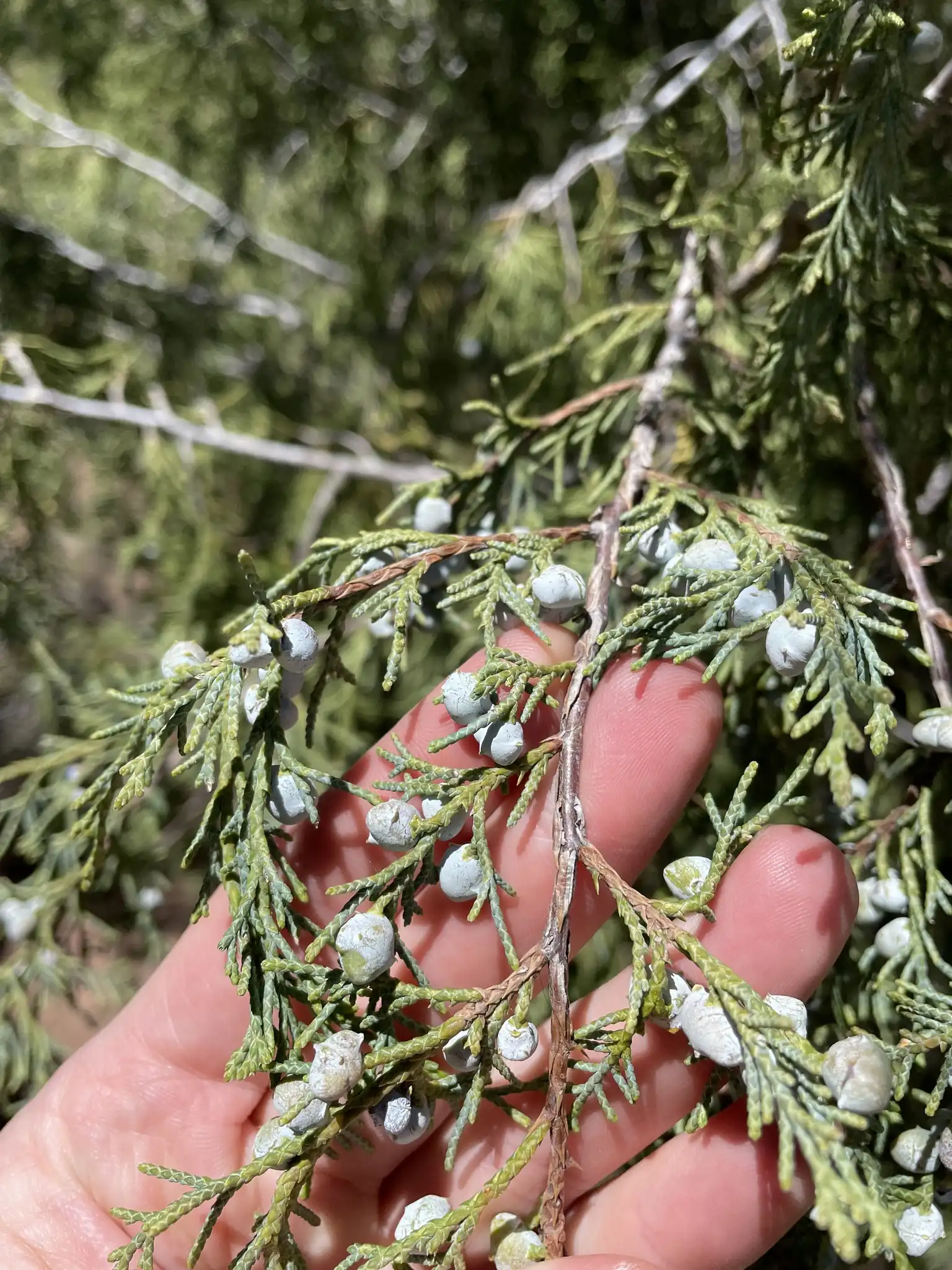
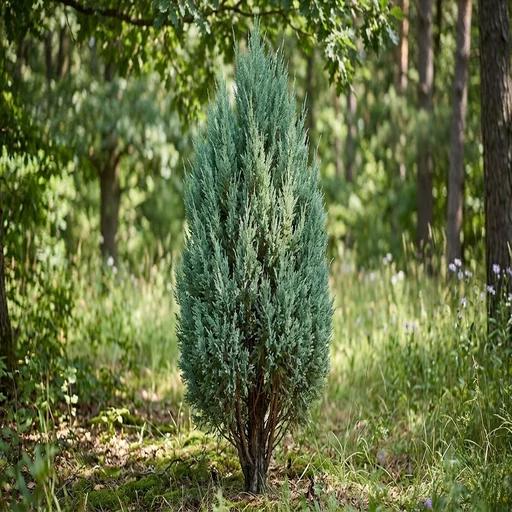
Juniperus scopulorum, the Rocky Mountain juniper, is a slow-growing needled evergreen native from western Canada through the western United States into northern Mexico. It forms a narrow columnar to broadly pyramidal tree of about 30 to 40 ft, clothed to the ground in scale-like blue-green foliage. The reddish-brown bark sheds in thin vertical strips.
Female plants carry waxy blue berry-like cones that birds strip through winter, and the dense interior gives good nesting cover. It is markedly more drought and cold hardy than most garden junipers, and is the parent of many narrow silver-blue selections. Deer generally leave it alone.
Uses & Benefits:
Essentials
At a Glance
Plant Type
Tree
Height
420"
Width
108"
Light
Full Sun
Zones
4, 5, 6, 7
Water
Low once established
Humidity
Prefers dry air; dislikes humid heat
Lifespan
Long-lived; centuries in the wild
Native To
Western Canada, western USA and northern Mexico
Toxicity
Not classed as poisonous, though foliage can irritate skin
Planting
How to Grow
- Choose an open site in full sun with free-draining soil.
- Avoid low ground where water sits after rain.
- Plant with the root flare level, never buried.
- Water weekly for the first season only, then taper off.
- Keep mulch pulled back a hand's width from the trunk.
- Prune only to remove dead wood; it does not resprout from bare wood.
Pro Tip
Never cut back into bare brown wood; junipers carry no dormant buds there and the gap will not close.
Keep It Thriving
Care Guide
Do
- Give it all-day sun and moving air to keep foliage dry 🌞
- Plant on a slope or raised ground where drainage is poor ⛰️
- Shake heavy snow off columnar forms before it splays them ❄️
- Tie multi-stemmed plants loosely to hold their shape 🪢
Don't
- Do not plant it in heavy wet clay or a shaded corner ❌
- Do not shear it into a formal shape; the habit never recovers ❌
- Do not site it beside apples or hawthorns if rust is common locally ❌
Seasonal Care Calendar
| Task | Jan | Feb | Mar | Apr | May | Jun | Jul | Aug | Sep | Oct | Nov | Dec |
|---|---|---|---|---|---|---|---|---|---|---|---|---|
| Inspect For Scale And Rust Galls |
Watch Out For
Pests & Diseases
Common Pests
Common Diseases
In the Garden
Landscape Uses & Companions
Landscape Uses
Multiply
Propagation Methods
Good to Know
Common Questions
Rocky Mountain Juniper questions
What zones can Rocky Mountain Juniper grow in?
Rocky Mountain Juniper is hardy in USDA Zones 4–7. Inside that range it survives winter in the ground; outside it, grow it as an annual or a container plant you protect.
Is Rocky Mountain Juniper deer resistant?
Yes — Rocky Mountain Juniper is rated deer-resistant. Deer typically pass it over, though extreme hunger can override any plant's defenses.
When does Rocky Mountain Juniper bloom?
Rocky Mountain Juniper typically blooms in spring, insignificant through late spring. Exact timing shifts a week or two with your zone — Sow's bloom calendar maps it to your garden.
Does Rocky Mountain Juniper need full sun?
Rocky Mountain Juniper does best in full sun (6+ hours).
Is Rocky Mountain Juniper drought tolerant?
Yes — once established (usually after the first full season), Rocky Mountain Juniper handles dry spells with minimal watering. Water deeply its first year to build the root system that makes that possible.
More Juniperus to compare
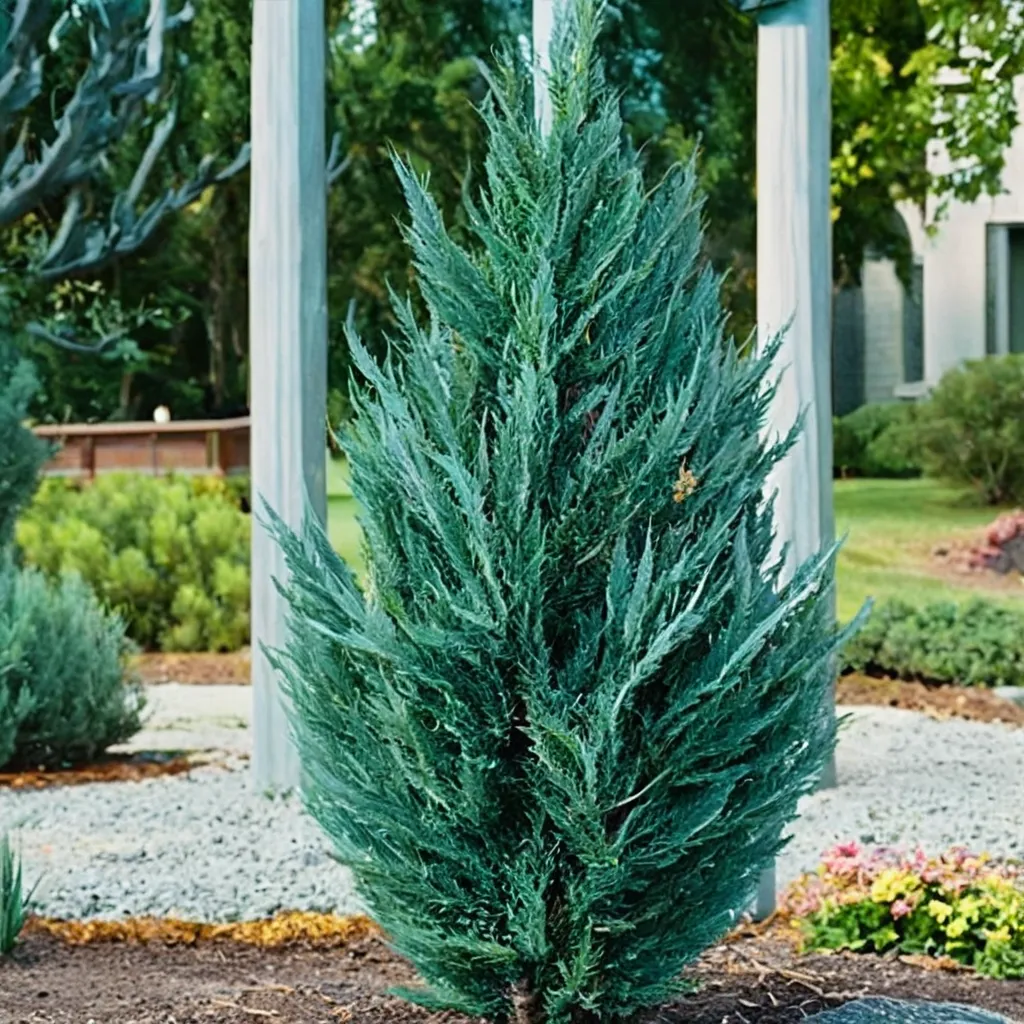
Blue Point Juniper
Juniperus chinensis 'Blue Point'
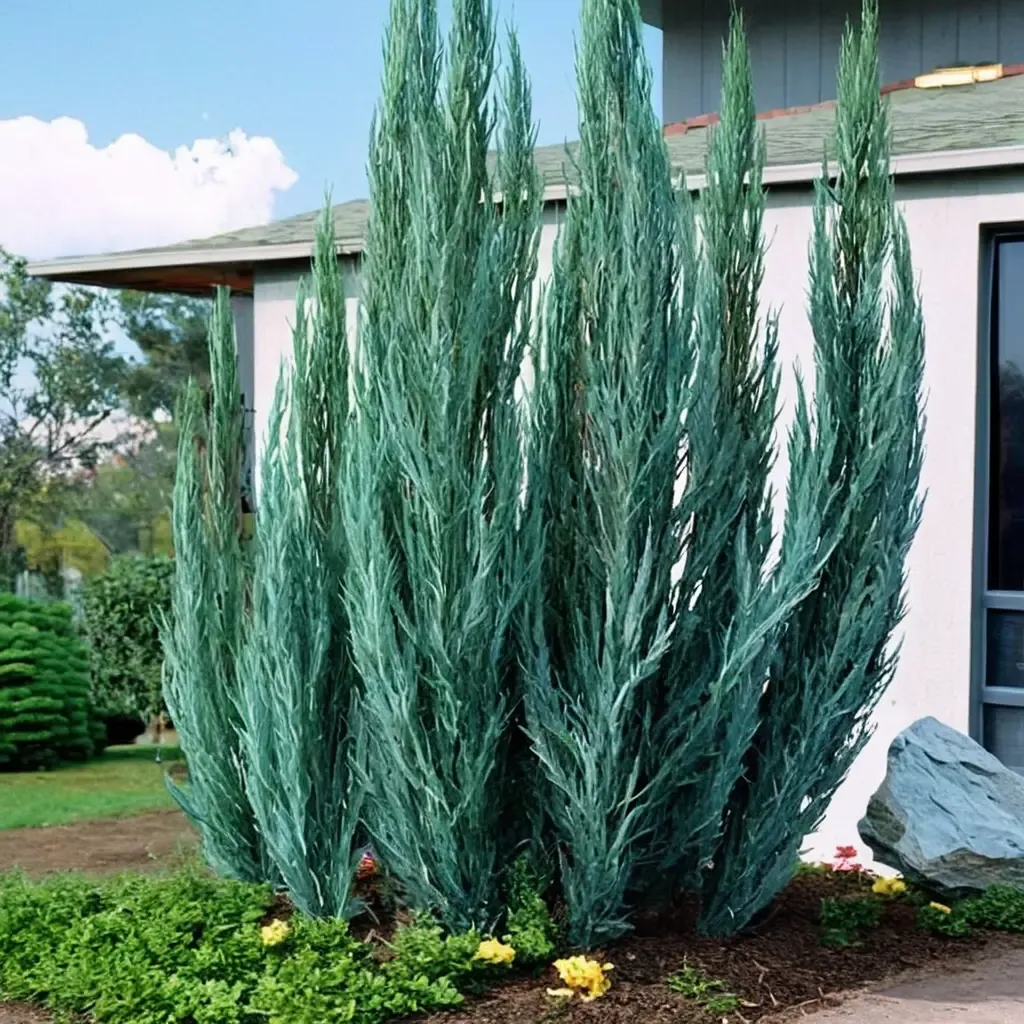
Skyrocket Juniper
Juniperus horizontalis 'Skyrocket'
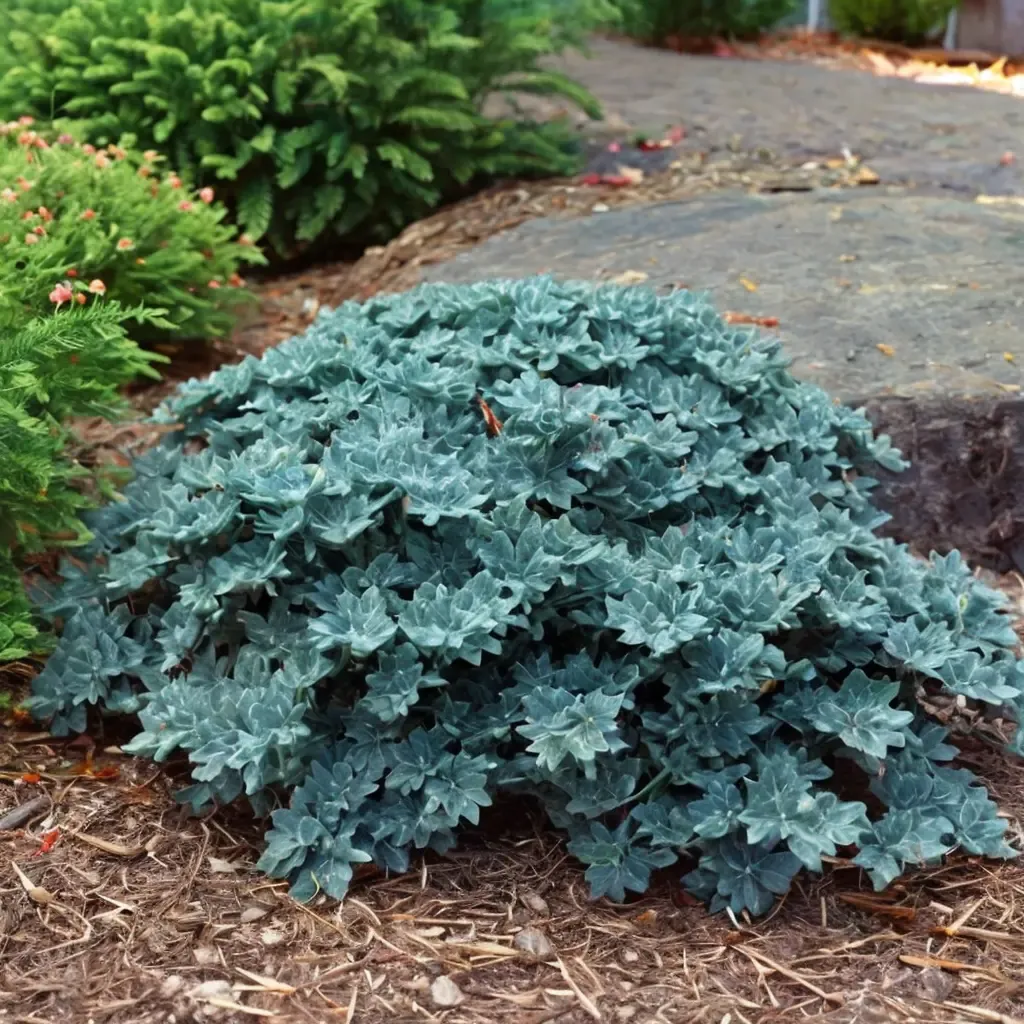
Blue Star Juniper
Juniperus squamata 'Blue Star'
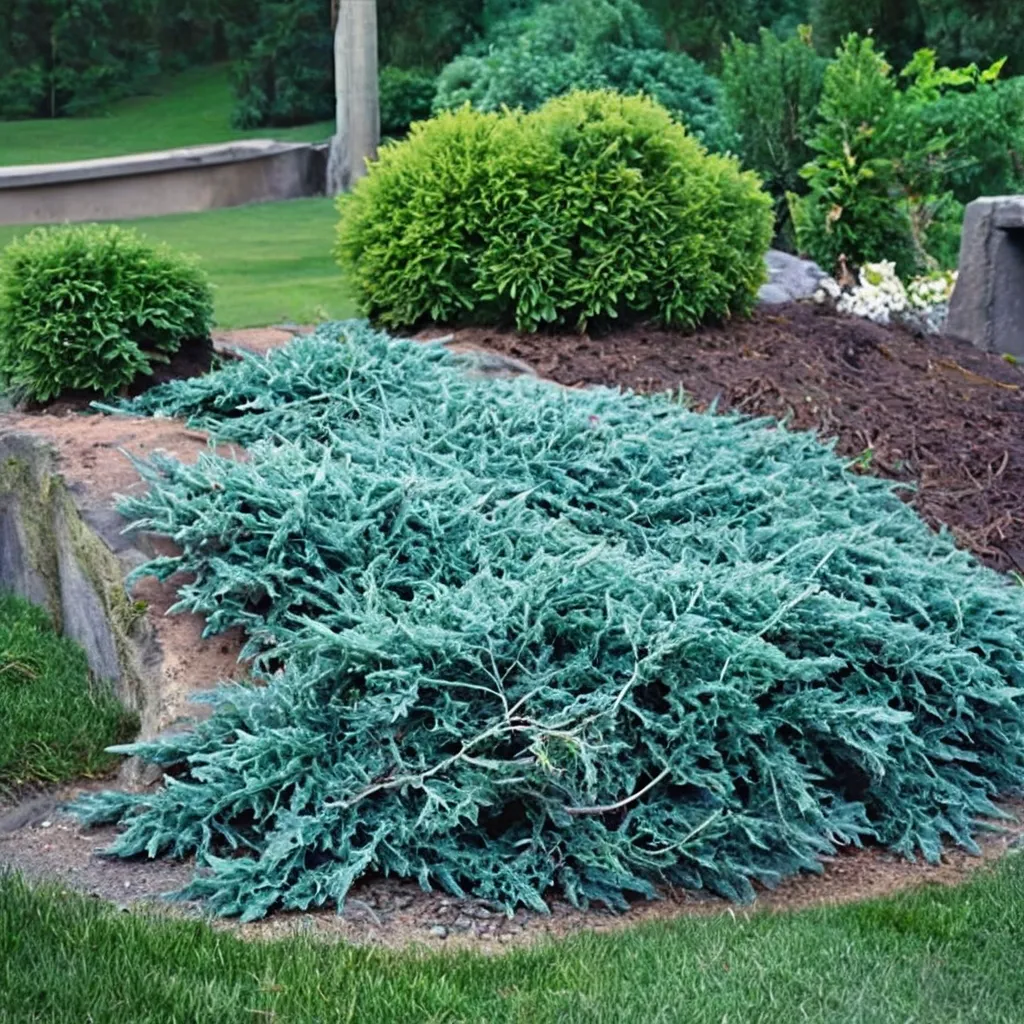
Blue Rug Juniper
Juniperus horizontalis 'Blue Rug'
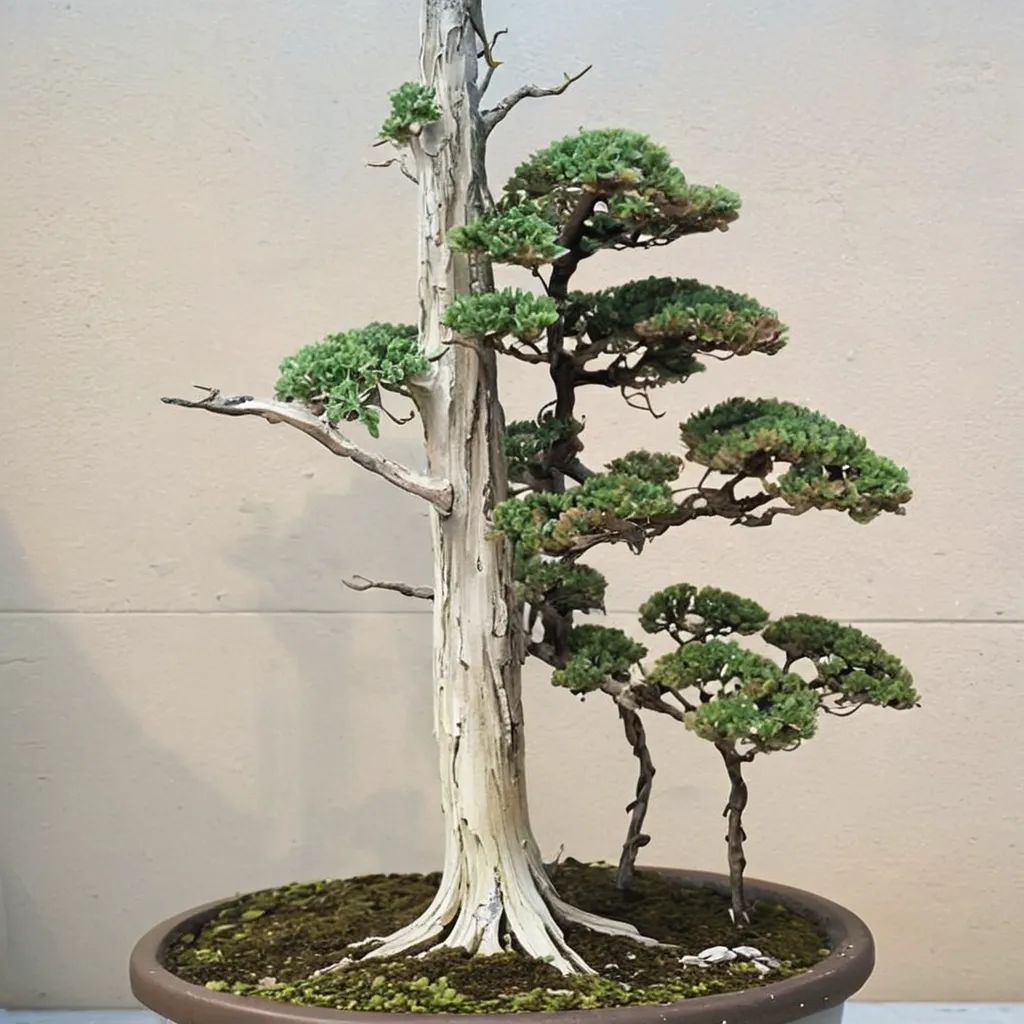
Foemina Chinese Juniper
Juniperus chinensis 'Foemina'
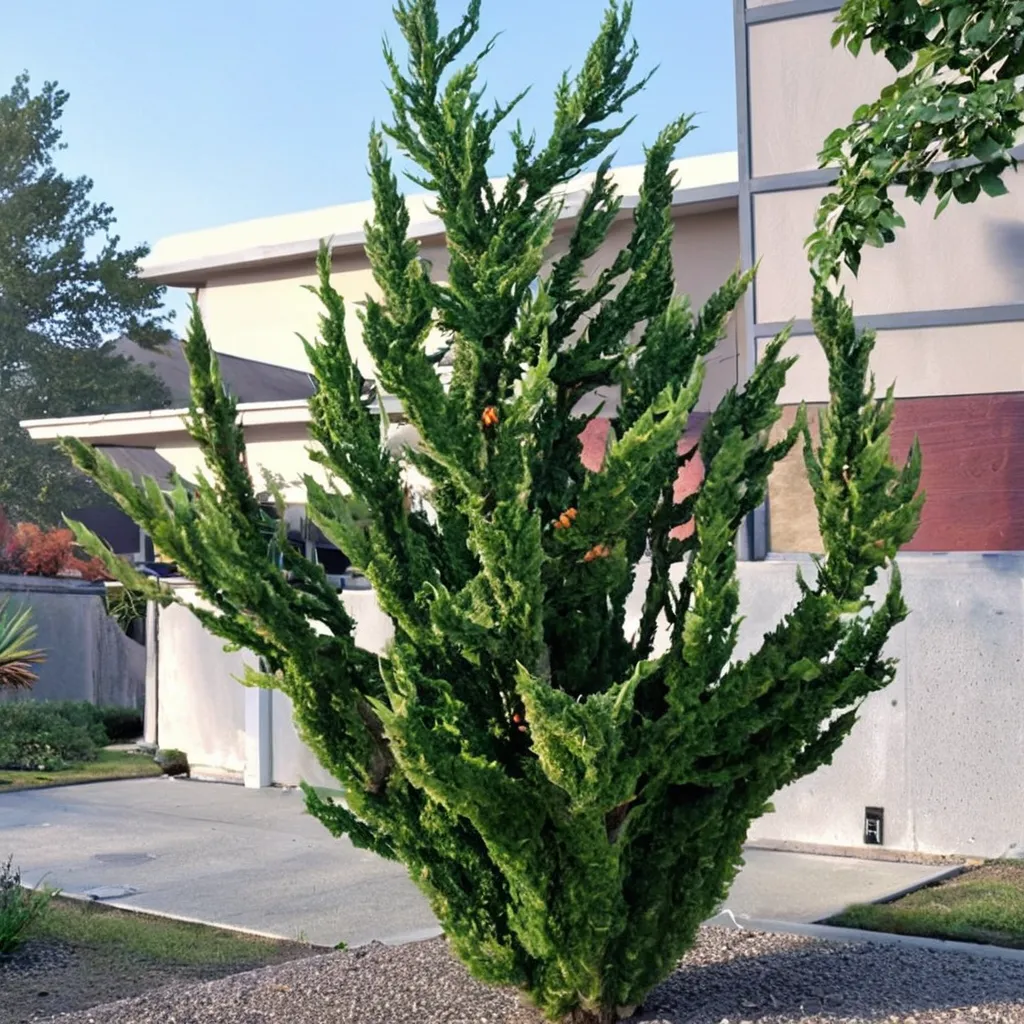
Hollywood Juniper
Juniperus chinensis 'Kaizuka'
Keep exploring
Explore the genus
Hardy in your zone?
Grow Rocky Mountain Juniper with confidence
See it in a design of your actual yard, get zone-matched care reminders, and track it season by season in your garden journal.