Species
 Maclura pomiferaOsage Orange
The Story
Plant Bio
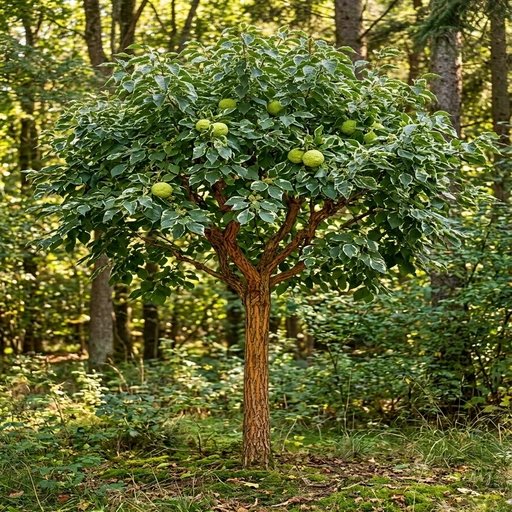
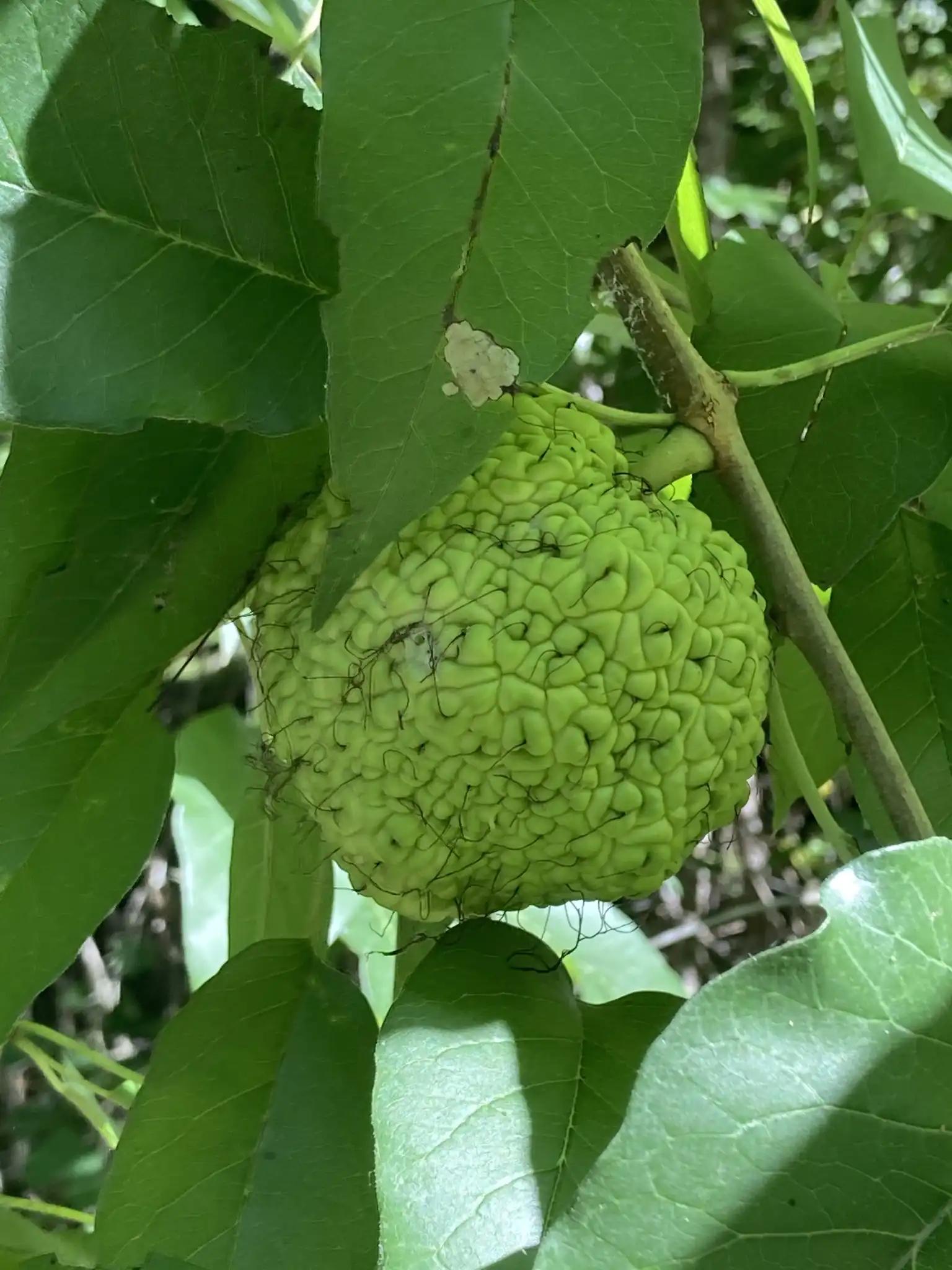
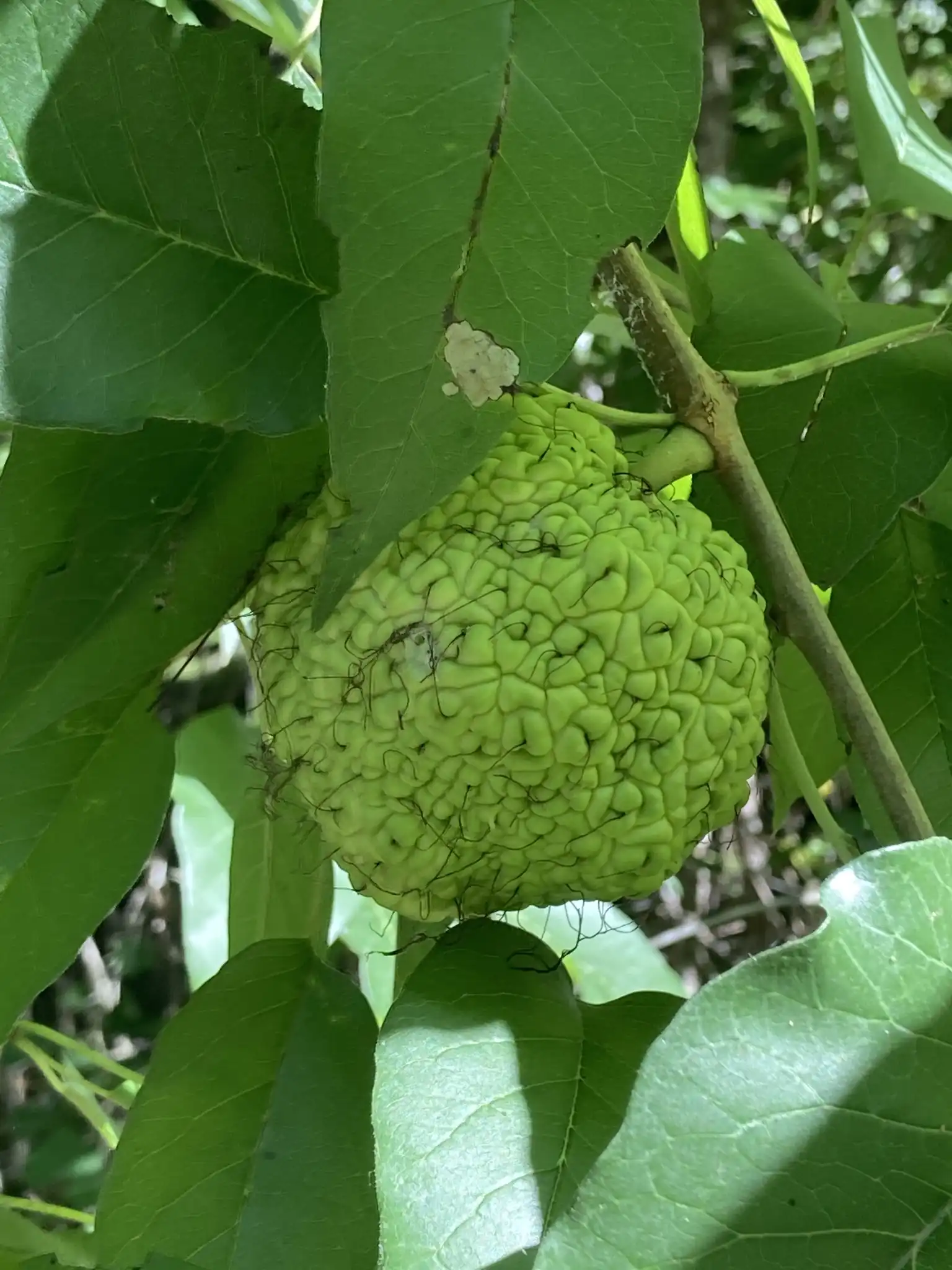
Maclura pomifera, the Osage Orange, is a tough, fast-growing deciduous tree native to the south-central United States. The species is known for its formidable thorns, dense wood, and large, bumpy, inedible green fruit on female trees.
'White Shield' is a highly desirable cultivar because it is a male selection that is both thornless and fruitless. This makes it a much more suitable and low-mess shade or street tree, retaining the species' toughness without its drawbacks.
Uses & Benefits:
Essentials
At a Glance
Plant Type
Tree
Height
480"
Width
420"
Light
Full Sun
Zones
4, 5, 6, 7, 8, 9
Water
Low to medium
Humidity
Adaptable to dry or humid
Lifespan
75+ years
Native To
South-central United States
Toxicity
Sap can cause skin irritation
Bloom period
Late spring – Early summer
In flower about 2 months of the year
Planting
How to Grow
- Select a site in full sun with ample room to grow.
- This tree is highly adaptable to almost any soil.
- Dig a hole that is twice the width of the root ball.
- Set the tree in the hole, ensuring it is straight.
- Backfill with the soil removed from the hole.
- Water thoroughly after planting to establish good root-to-soil contact.
Pro Tip
Give this fast-growing tree plenty of space to develop its broad, rounded crown; do not plant it near buildings or under power lines.
Keep It Thriving
Care Guide
Do
- Water regularly for the first year to get it established.
- Prune when young to develop a strong structure.
- Appreciate its extreme tolerance of heat, drought, and poor soil.
- Provide ample space for its mature size.
Don't
- Do not plant the straight species near pedestrian areas due to thorns and fruit.
- Avoid planting in deep shade.
- Don't worry about fertilizing; it thrives in poor soil.
- Refrain from planting in small, confined spaces.
Seasonal Care Calendar
| Task | Jan | Feb | Mar | Apr | May | Jun | Jul | Aug | Sep | Oct | Nov | Dec |
|---|---|---|---|---|---|---|---|---|---|---|---|---|
| Plant | ||||||||||||
| Prune |
Watch Out For
Pests & Diseases
Common Pests
Common Diseases
In the Garden
Landscape Uses & Companions
Landscape Uses
Multiply
Propagation Methods
Good to Know
Common Questions
White Shield Osage Orange questions
What zones can White Shield Osage Orange grow in?
White Shield Osage Orange is hardy in USDA Zones 4–9. Inside that range it survives winter in the ground; outside it, grow it as an annual or a container plant you protect.
Is White Shield Osage Orange deer resistant?
Yes — White Shield Osage Orange is rated deer-resistant. Deer typically pass it over, though extreme hunger can override any plant's defenses.
When does White Shield Osage Orange bloom?
White Shield Osage Orange typically blooms in late spring through early summer. Exact timing shifts a week or two with your zone — Sow's bloom calendar maps it to your garden.
Does White Shield Osage Orange need full sun?
White Shield Osage Orange does best in full sun (6+ hours).
Is White Shield Osage Orange drought tolerant?
Yes — once established (usually after the first full season), White Shield Osage Orange handles dry spells with minimal watering. Water deeply its first year to build the root system that makes that possible.
More Maclura to compare
Keep exploring
Explore the genus
Grow White Shield Osage Orange with confidence
See it in a design of your actual yard, get zone-matched care reminders, and track it season by season in your garden journal.