Also known as Osage Orange · 48 saves
Maclura
Maclura, the genus most gardeners know as osage orange. We track 3 varieties; the ones most used by real gardeners.
The 3 most-saved Maclura varieties
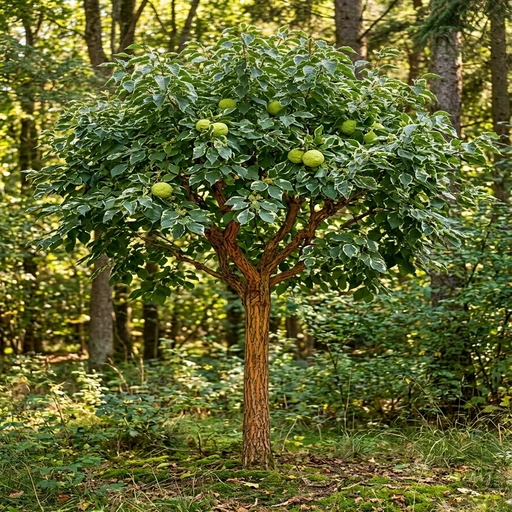
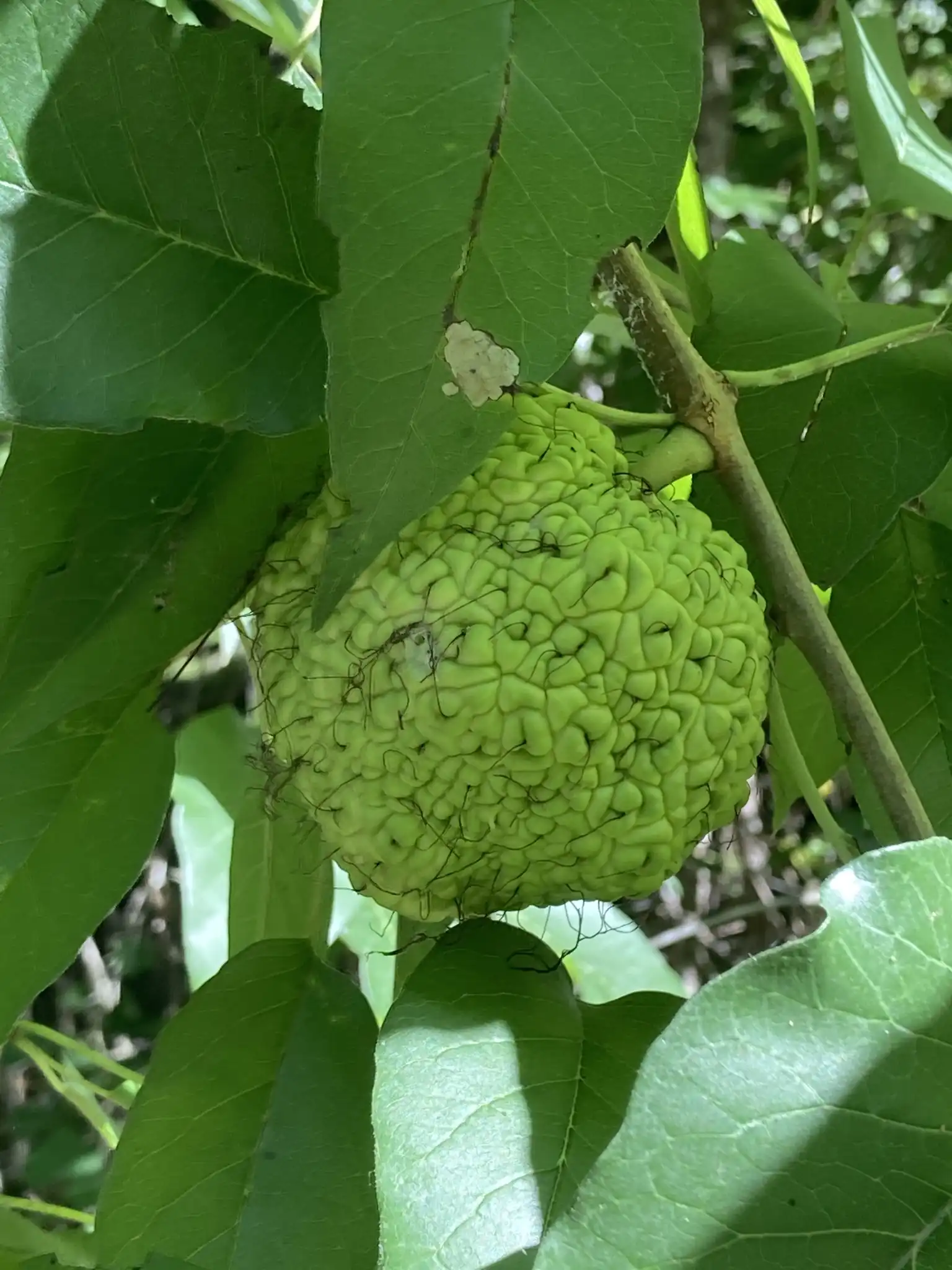
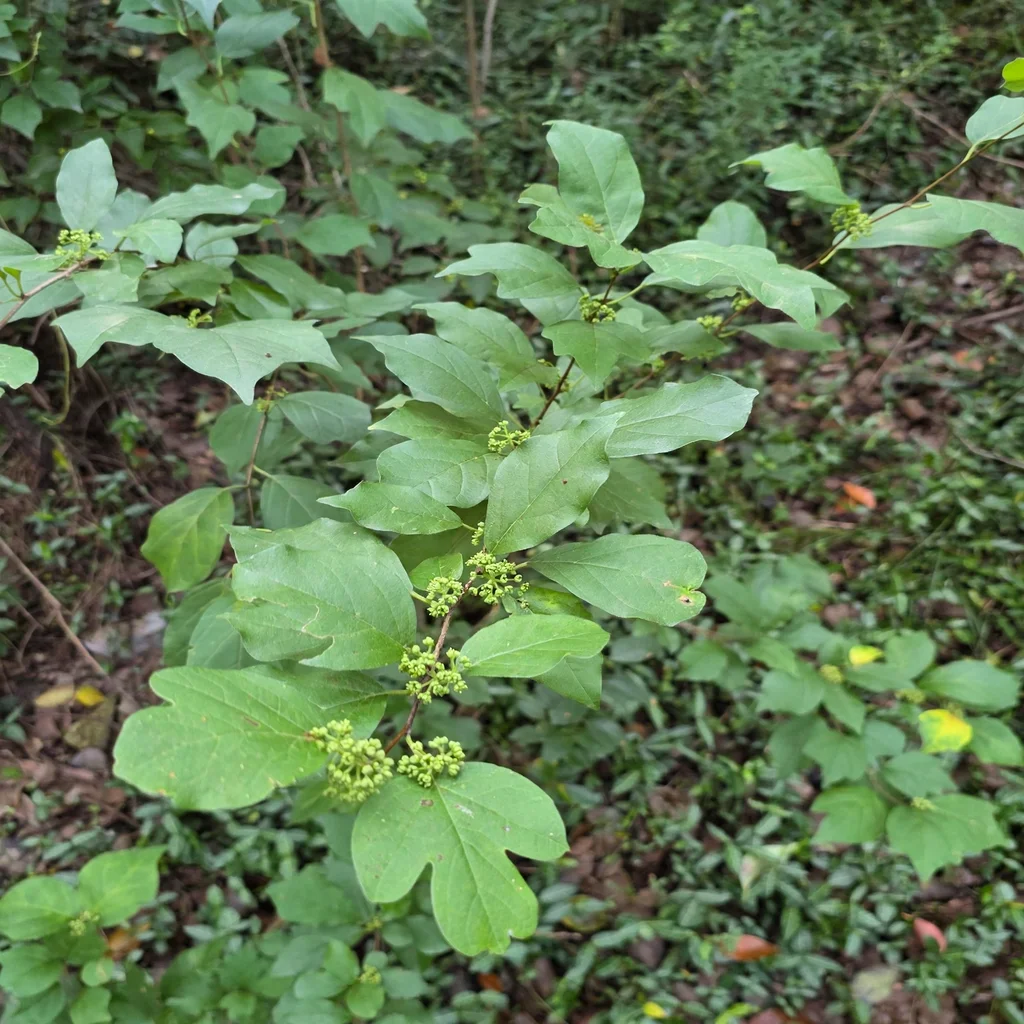
2 species of Maclura
Each one is a parent of the varieties above.
Track your Maclura in Sow
Save the Maclura you grow and get care reminders timed to your zone.
How to grow Maclura
Whats common across all Maclura varieties in our catalog — drawn from the care records of the 3 most-grown of them.
The Maclura year
- PlantApril67% of varieties
Set out potted or bare-root plants in a warm full-sun spot after hard frost.
- PruneFebruary and March67% of varieties
Thin lightly while dormant to shape; avoid hard cutting into old wood.


Do
- Plant male and female plants together if you want fruit
- Give full sun and sharp drainage, even in rocky soil
- Net ripening fruit if birds take them
- Water regularly for the first year to get it established.
- Prune when young to develop a strong structure.
Avoid
- Do not expect fruit from a single seedling grown alone
- Do not over-prune young thorny wood or cull it for thorns
- Do not eat unripe fruit or handle milky sap with bare skin
- Do not plant the straight species near pedestrian areas due to thorns and fruit.
What goes wrong with Maclura
| Problem | What you'll see | What to do |
|---|---|---|
| Deer | Browsed shoots, leaves and missing fruit | Fence young plantings and drape netting over ripening branches; harvest promptly when ripe |
| Birds | Pecked or missing ripe fruit | Cover fruiting branches with netting as fruit colors in fall |
| None significant | This tree is famously pest-free. | No pest control is typically required. |
| Generally pest-free | No significant insect damage is typical | Monitor only; no routine treatment needed |
| Root rot | Wilting and crown decline in soggy soil | Plant in well-drained soil; do not overwater or allow standing water |
| None significant | This tree is remarkably disease-resistant. | No disease control is typically required. |
| American mistletoe (Phoradendron leucarpum) | Dense evergreen tufts lodged in the branches, most obvious once the tree is bare in winter, slowly weakening the limbs that carry them | Cut infested limbs out well below the point of attachment in winter; simply pulling the shoots off leaves the embedded haustoria to regrow |
Making more Maclura
Seed
- Collect fully ripe fruit from a female tree with a male nearby
- Clean pulp from seed and sow fresh in pots of well-drained mix
- Grow on in full sun until sex can be identified at flowering
- Plant out a female with a male pollinator for fruit
Root Cuttings
- In late winter, carefully excavate and take 4-6 inch sections of pencil-thick roots.
- Lay the cuttings horizontally in a tray of moist sand or potting mix.
- Cover lightly with more mix and keep in a warm place.
- Shoots should emerge in 6-8 weeks.
Maclura questions
How many types of Maclura are there?
The Sow catalog tracks 3 distinct Maclura varieties. The most popular — ranked by 48 real gardeners — are shown first above.
What zones does Maclura grow in?
Across its varieties, Maclura covers USDA Zones 4–10. Individual varieties differ — each plant page lists its exact range, and Sow filters the catalog to your zone automatically.
When does Maclura bloom?
Most Maclura varieties bloom from late spring to early summer.
Which Maclura should I choose?
Start from the most-saved varieties above — popularity across thousands of gardens is a strong signal of reliability — then filter by your zone and sun. In the Sow app you can preview any of them in a photo of your actual yard before you buy.