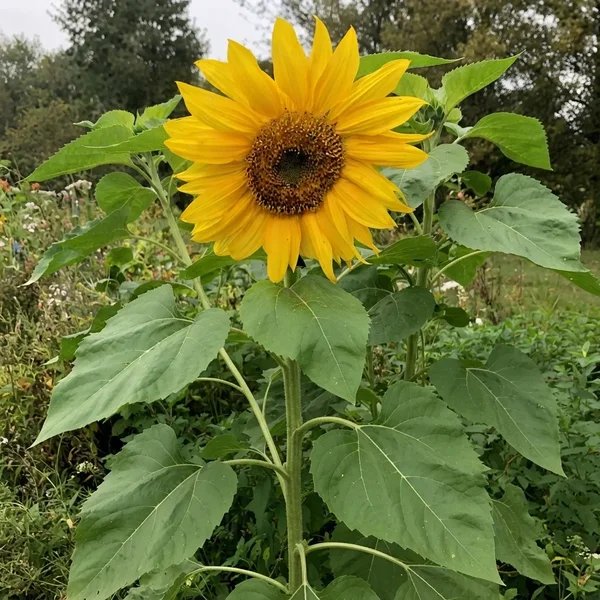
Species
 Helianthus annuusCommon Sunflower
15 other cultivars
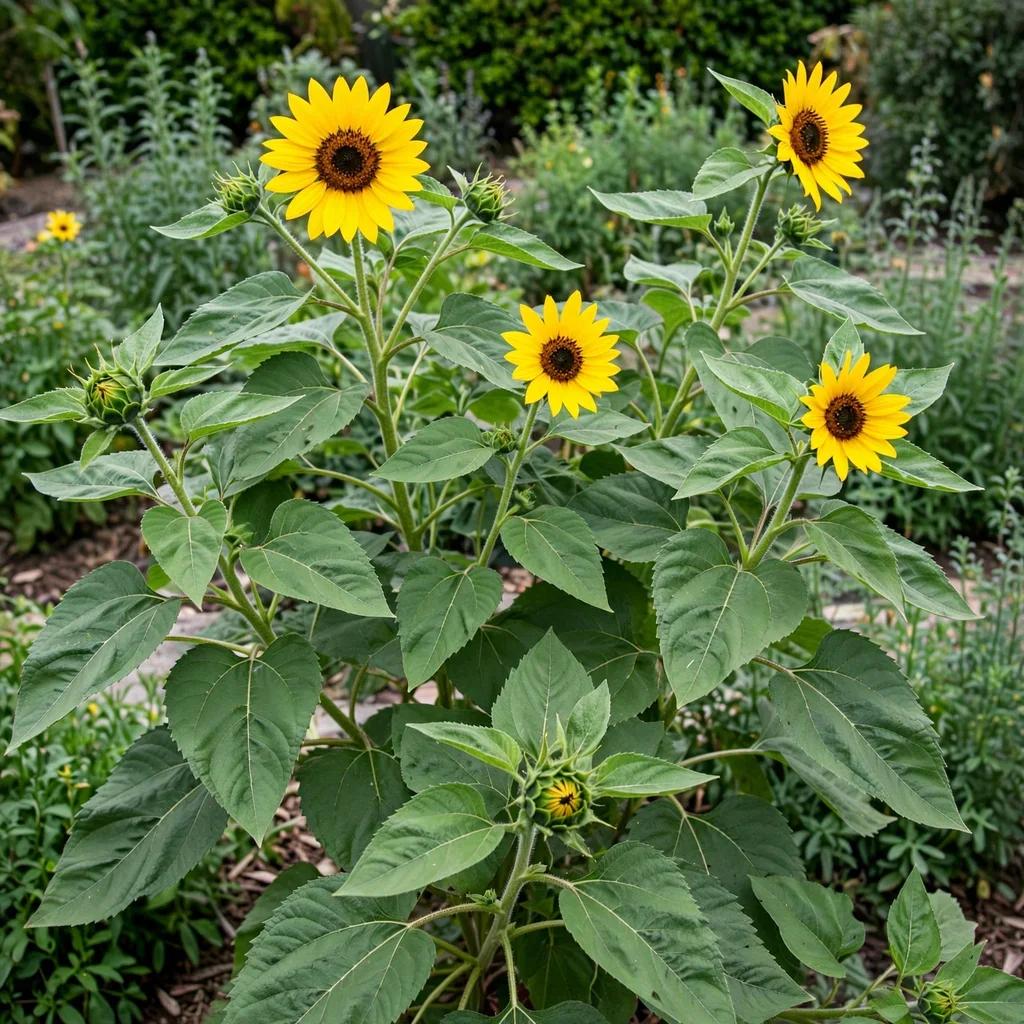 ‘Table Mountain’Table Mountain Sunflower
 ‘White Lite’White Lite Sunflower
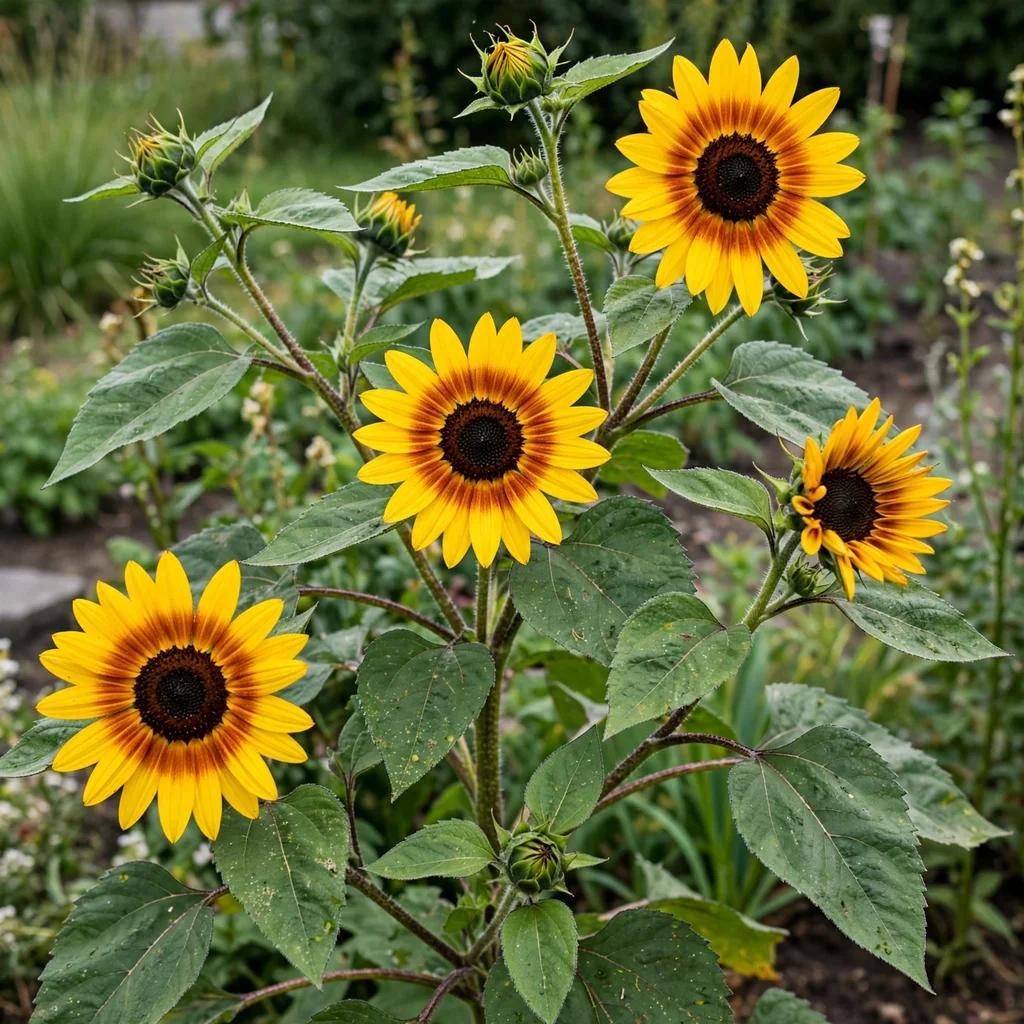 ‘Autumn Gold’Sunflower Autumn Gold
 ‘Big Bear’Big Bear Sunflower
 ‘Flore Pleno’Double-Flowered Sunflower
 ‘Lemon Queen’Lemon Queen Sunflower
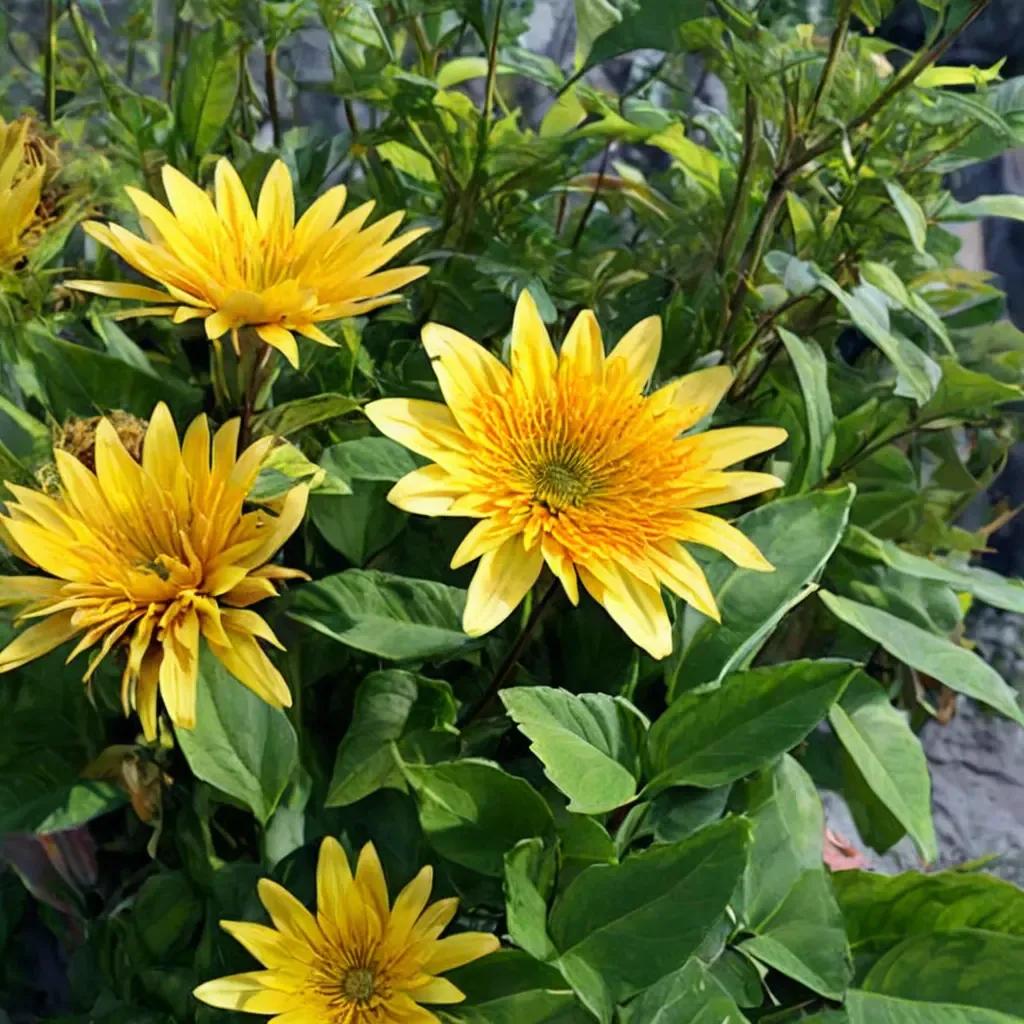 ‘Aura Gold’Aura Gold Sunflower
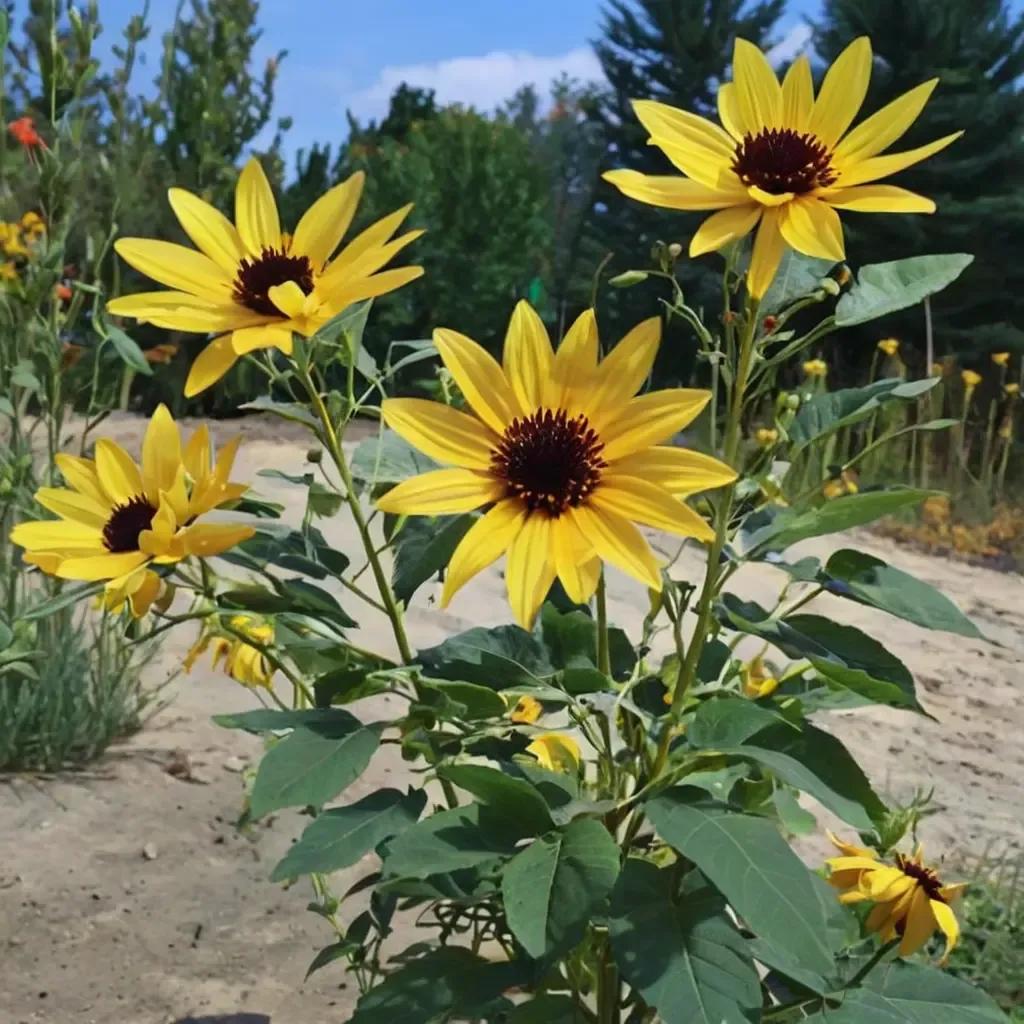 ‘Delta Sunflower’Delta Sunflower
 ‘Happy Days’Happy Days Sunflower
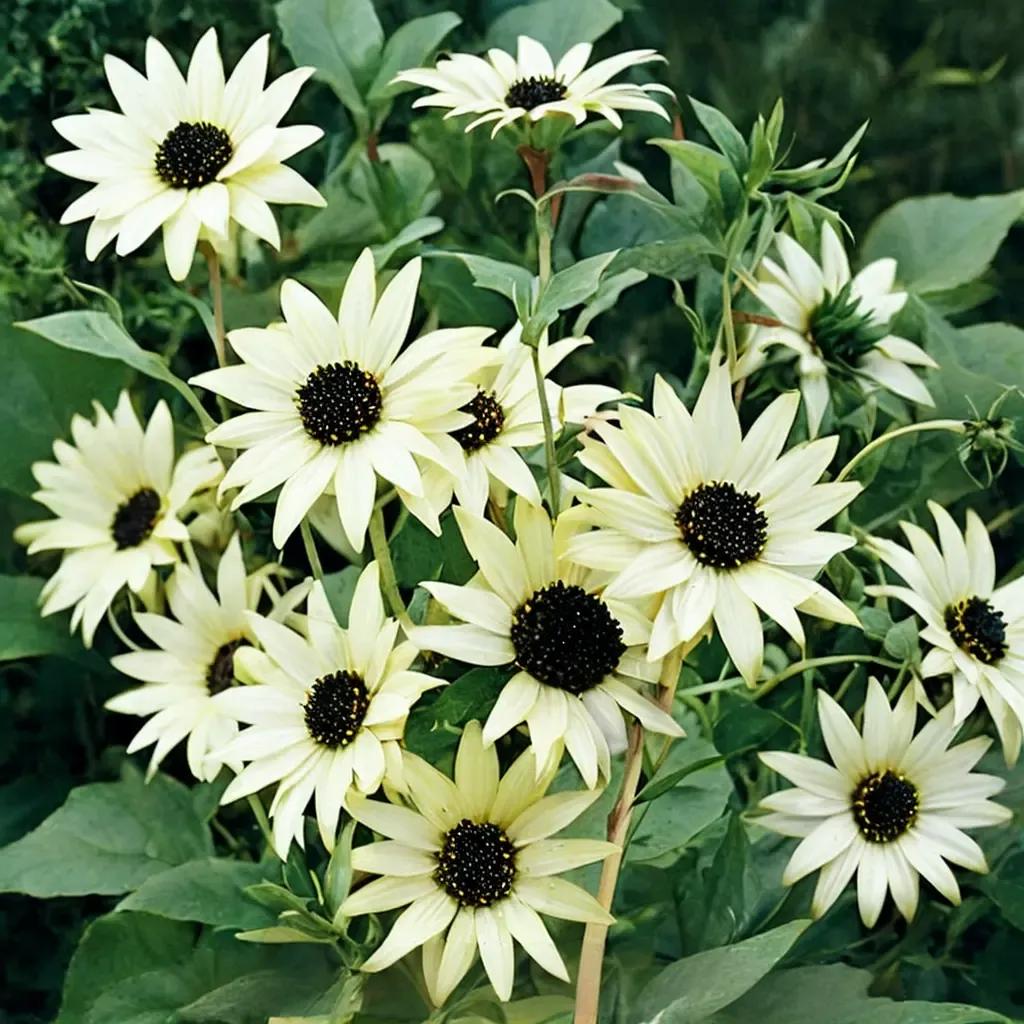 ‘Italian White’Italian White Sunflower
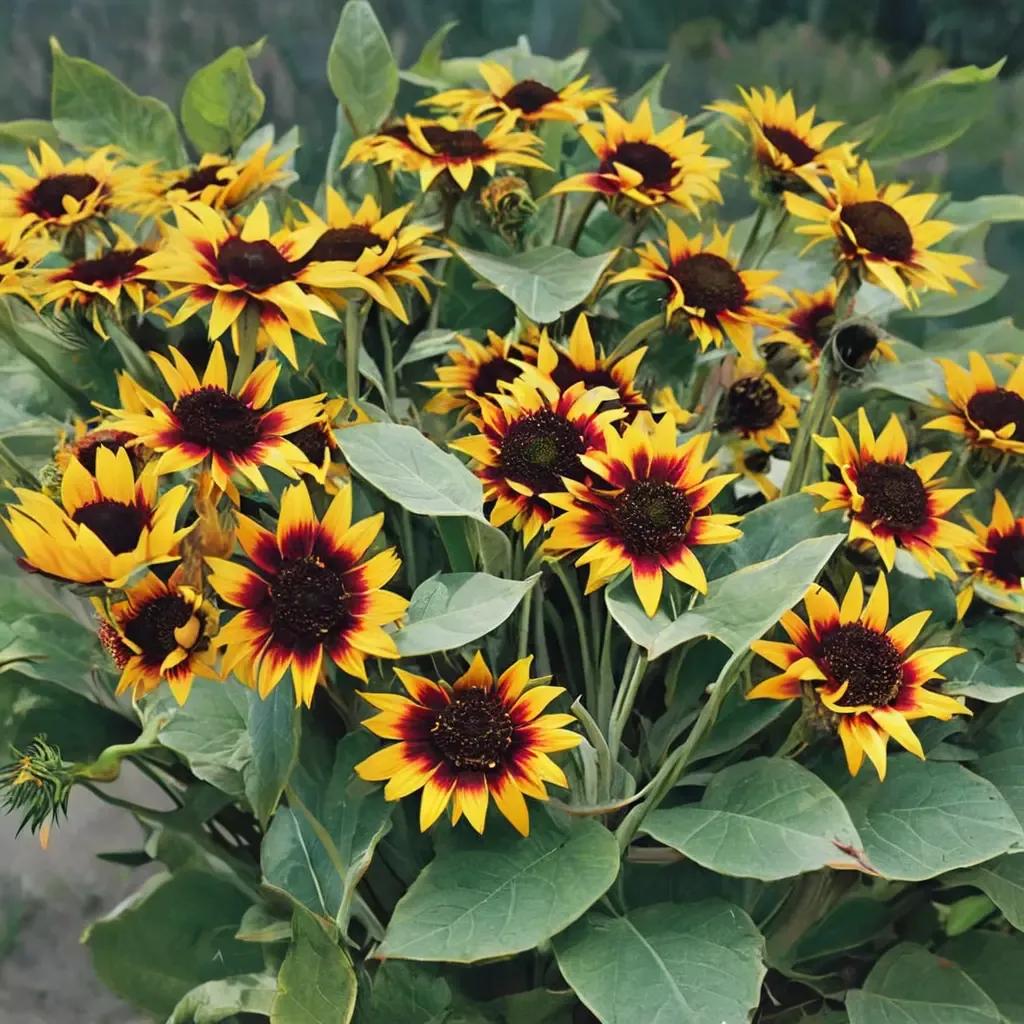 ‘Ring of Fire’Ring of Fire Sunflower
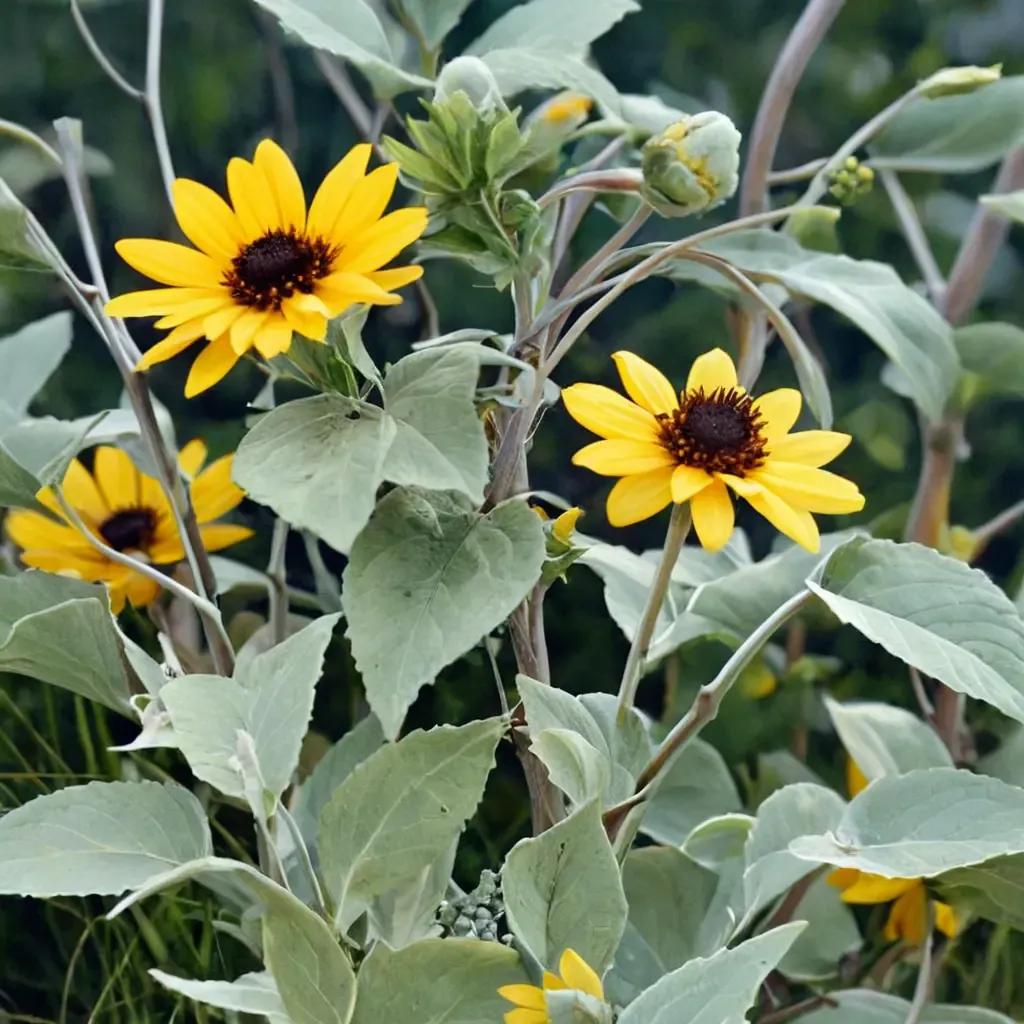 ‘Japanese Silver-Leaf’Japanese Silver-Leaf Sunflower
 ‘Red Courtesan’Red Courtesan Sunflower
 ‘Arikara’Arikara sunflower
 ‘Starter Garden’Starter Garden Common Sunflower
The Story
Plant Bio
Tall sunflowers known for their large seed heads and edible seeds.
Mammoth cultivar produces some of the largest sunflowers, often reaching heights of 8 feet or more.
Uses & Benefits:
Essentials
At a Glance
Plant Type
Annual
Height
126"
Width
24"
Light
Full Sun
Zones
10
Water
Moderate
Humidity
Average
Lifespan
Annual
Native To
Americas
Toxicity
Non-toxic to humans and pets
Bloom period
Late summer – Early fall
In flower about 2 months of the year
Planting
How to Grow
- Tuck seeds 1 inch deep into well-draining soil in full sun.
- Water regularly to keep soil moist but not waterlogged.
- Thin seedlings to 12-18 inches apart for optimal growth.
- Stake young plants if necessary to support tall stems.
- Fertilize monthly with a balanced fertilizer during the growing season.
- Harvest when the back of the flower head turns yellow and petals fade.
Pro Tip
Plant in early spring after the last frost for best blooms and growth.
Keep It Thriving
Care Guide
Do
- Water consistently to keep soil moist 🌱
- Provide full sun for at least 6 hours daily
- Fertilize monthly during active growth
- Deadhead spent flowers for prolonged bloom
- Support tall stems with stakes if needed
Don't
- Avoid overwatering to prevent root rot ❌
- Do not plant in shady areas, as sun is essential
- Refrain from using high nitrogen fertilizer that promotes foliage over flowers
- Don't forget to remove weeds around plants
Seasonal Care Calendar
| Task | Jan | Feb | Mar | Apr | May | Jun | Jul | Aug | Sep | Oct | Nov | Dec |
|---|---|---|---|---|---|---|---|---|---|---|---|---|
| Fertilize | ||||||||||||
| Harvest | ||||||||||||
| Pest Check | ||||||||||||
| Plant | ||||||||||||
| Stake |
Watch Out For
Pests & Diseases
Common Pests
Common Diseases
In the Garden
Landscape Uses & Companions
Landscape Uses
Companion Plants
Multiply
Propagation Methods
Good to Know
Common Questions
Mammoth Sunflower questions
What zones can Mammoth Sunflower grow in?
Mammoth Sunflower is hardy in USDA Zone 10. Inside that range it survives winter in the ground; outside it, grow it as an annual or a container plant you protect.
Is Mammoth Sunflower deer resistant?
Not reliably. Deer may browse Mammoth Sunflower, especially tender spring growth — plan on repellents or fencing where pressure is high.
When does Mammoth Sunflower bloom?
Mammoth Sunflower typically blooms in late summer through early fall. Exact timing shifts a week or two with your zone — Sow's bloom calendar maps it to your garden.
Does Mammoth Sunflower need full sun?
Mammoth Sunflower does best in full sun (6+ hours).
Is Mammoth Sunflower drought tolerant?
Yes — once established (usually after the first full season), Mammoth Sunflower handles dry spells with minimal watering. Water deeply its first year to build the root system that makes that possible.
More Helianthus to compare
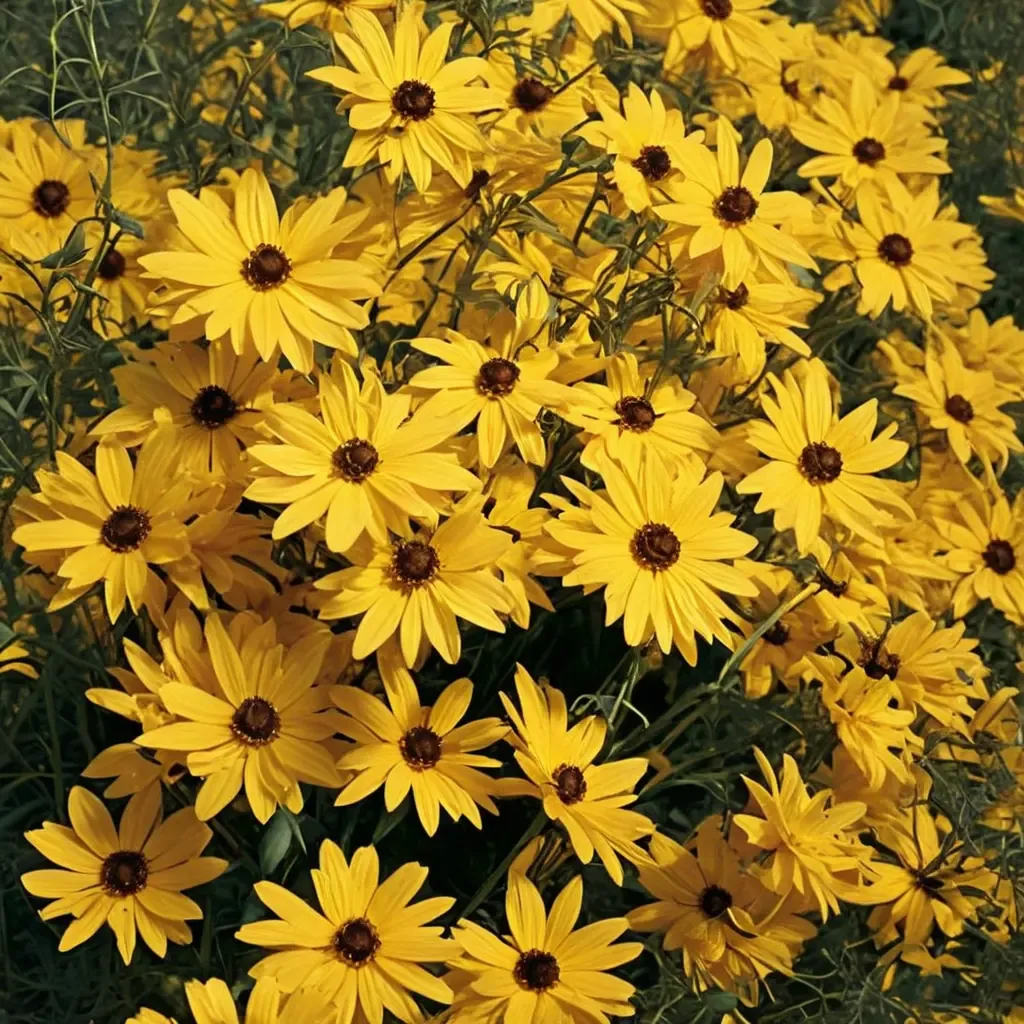
Swamp Sunflower
Helianthus angustifolius 'First Light'
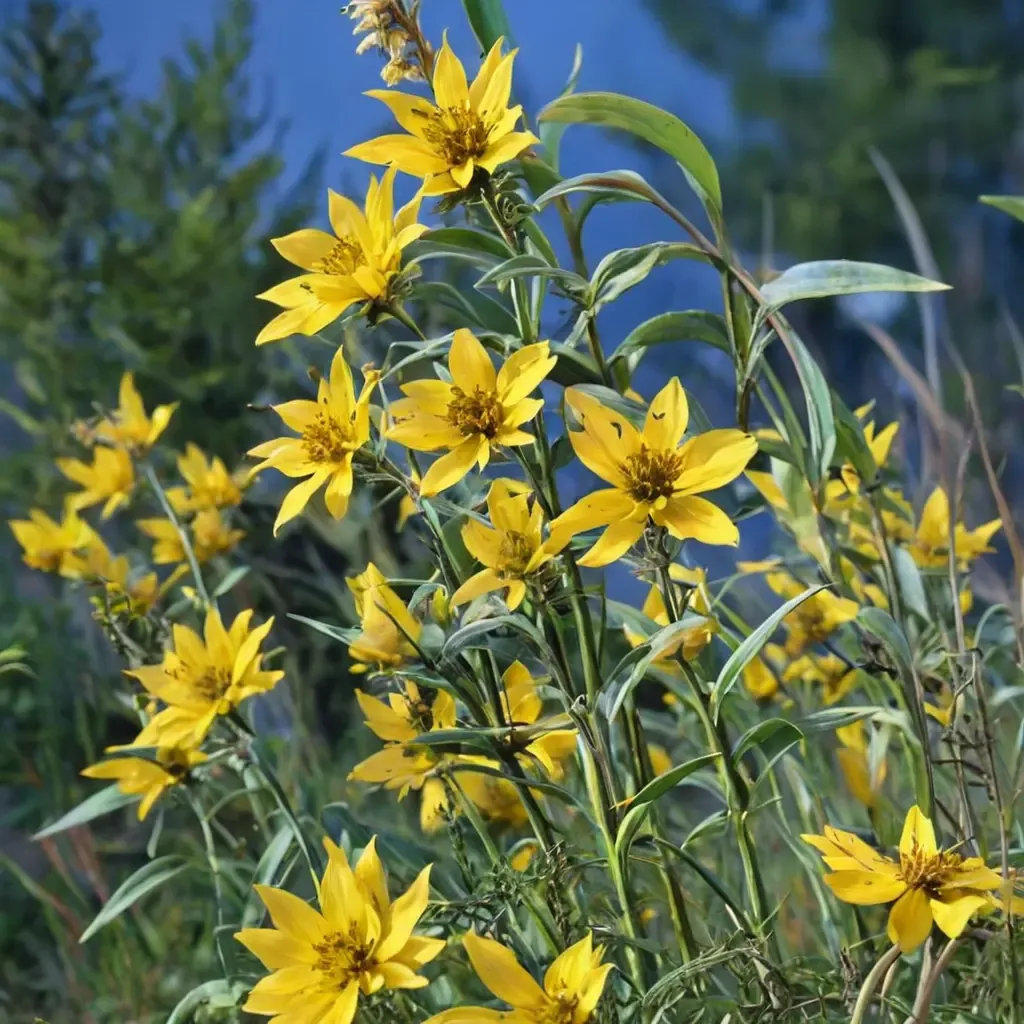
Maximilian sunflower
Helianthus maximiliani
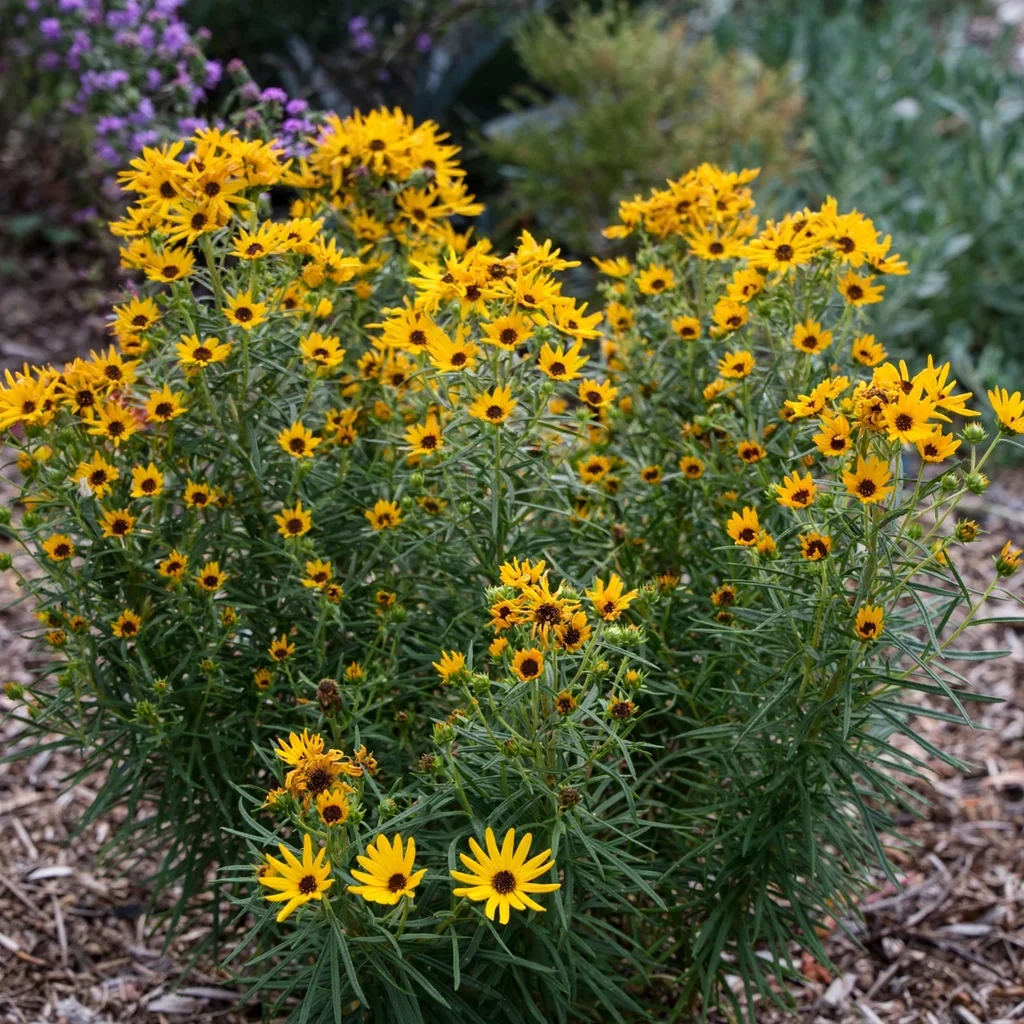
Narrow-Leaf Sunflower Low Down
Helianthus angustifolius 'Low Down'
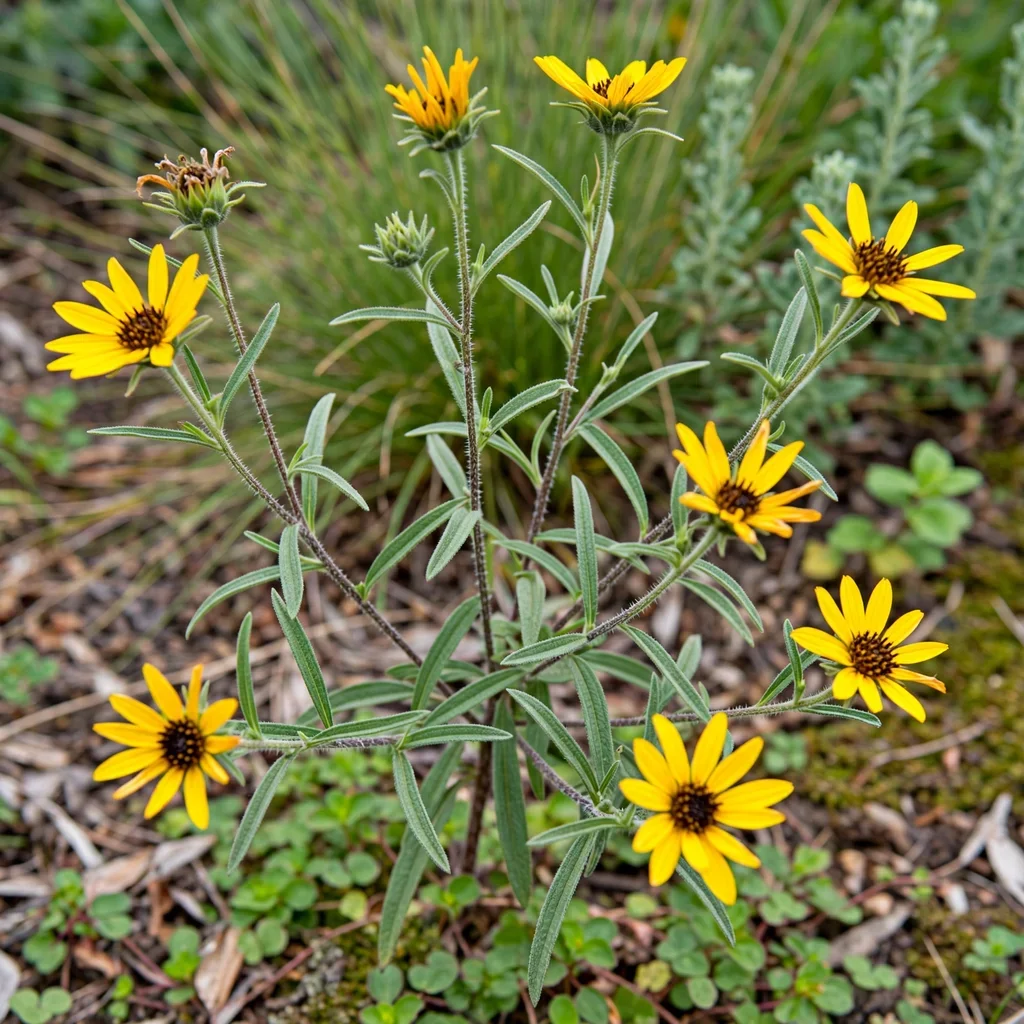
Bolander's Sunflower
Helianthus bolanderi
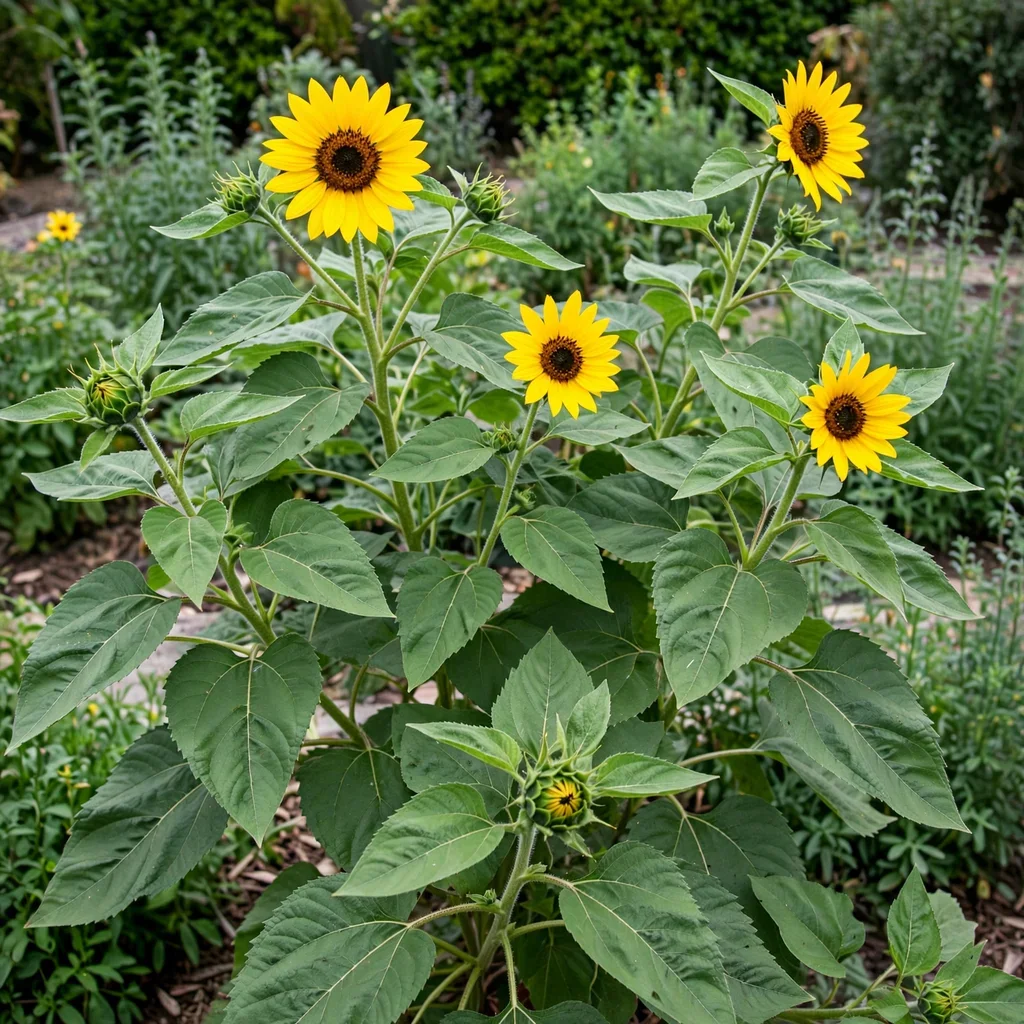
Table Mountain Sunflower
Helianthus annuus 'Table Mountain'
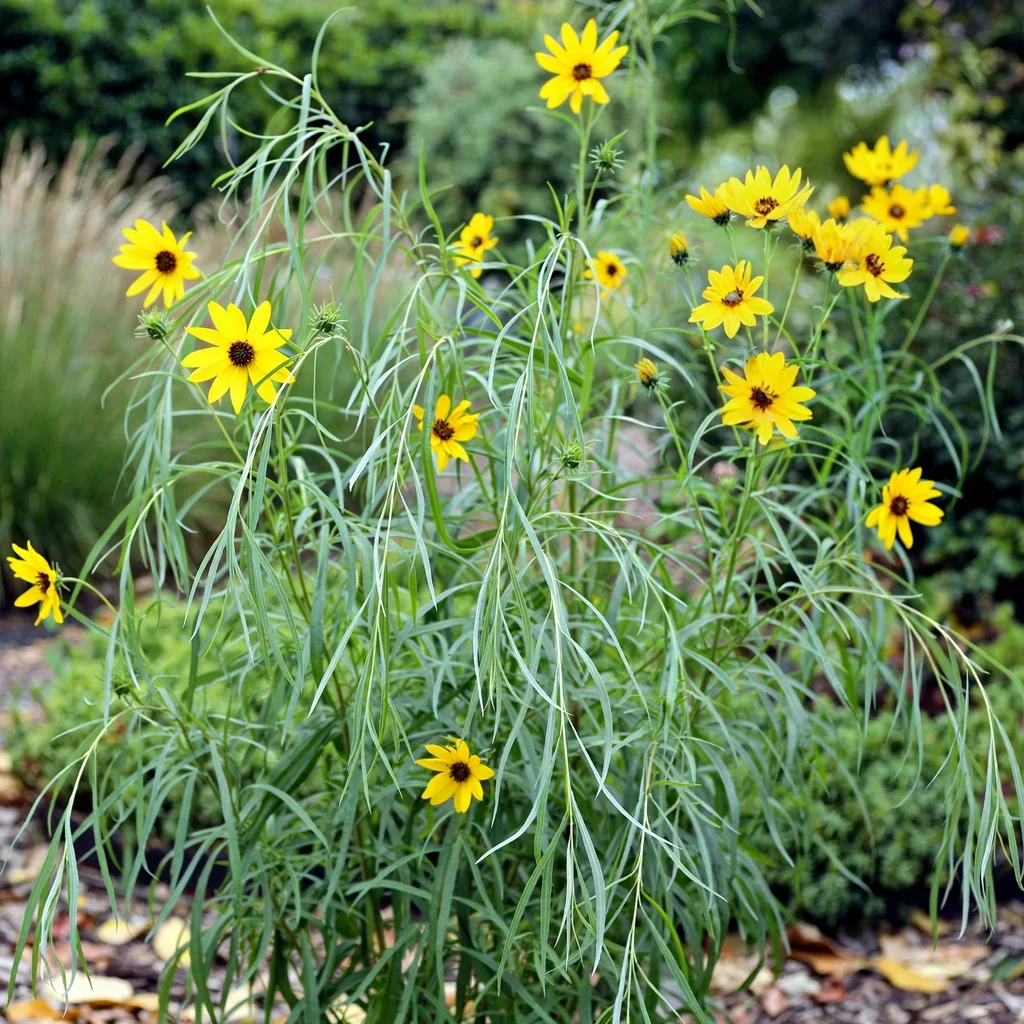
Salicifolius Sunflower Willowleaf Sunflower
Helianthus salicifolius
Keep exploring
Explore the genus
Hardy in your zone?
Grow Mammoth Sunflower with confidence
See it in a design of your actual yard, get zone-matched care reminders, and track it season by season in your garden journal.