The Story
Plant Bio
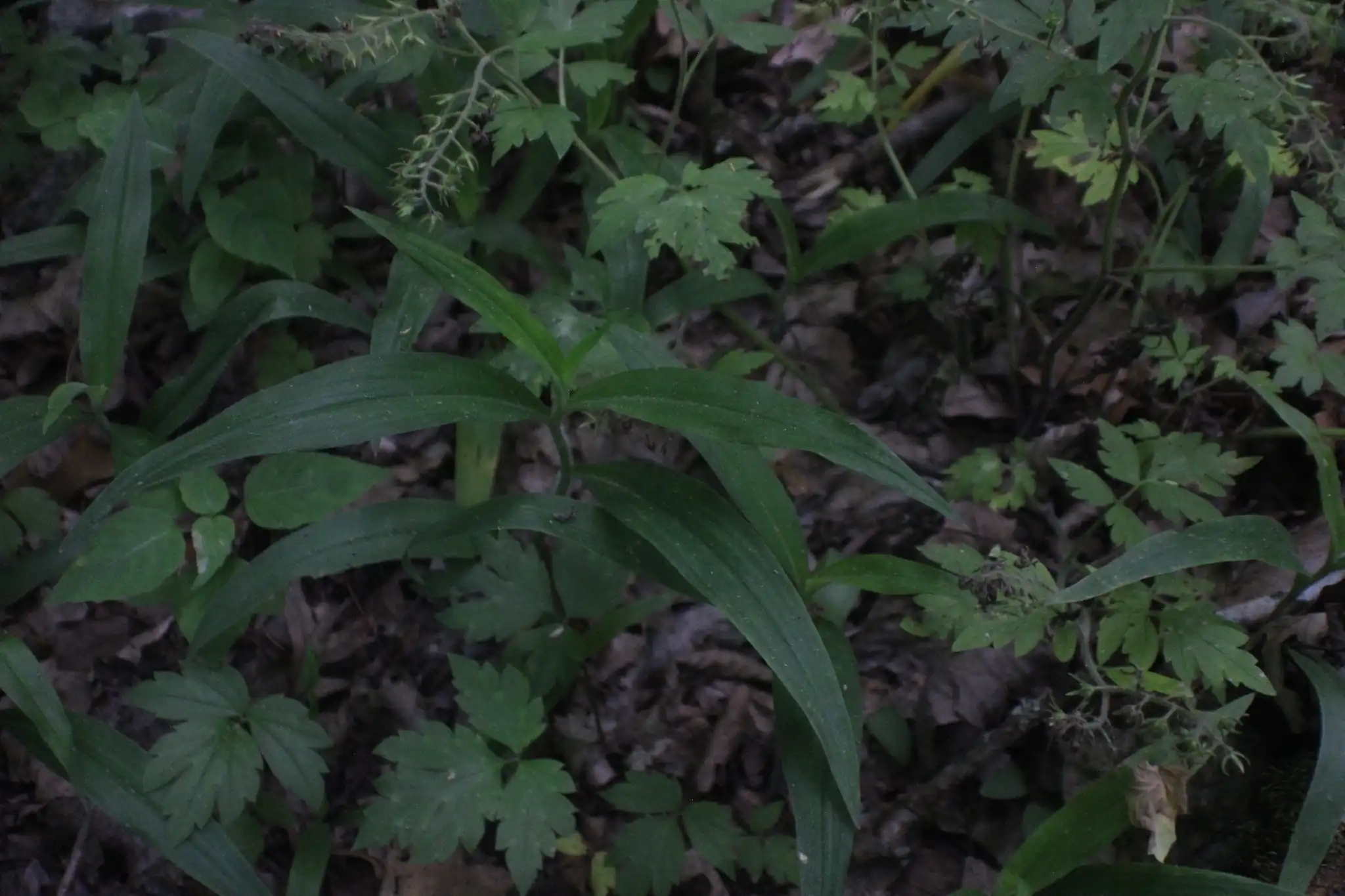
Tradescantia subaspera is an upright, clump-forming herbaceous perennial native to rich woodland settings across the eastern and central United States. It produces broad, dark green, arching leaves up to ten inches long with a central groove and a distinctly rough foliage texture.
Unlike standard sun-loving spiderworts, this species is adapted to partial and deep shade, carrying stem joints that bend slightly to create a signature zigzagging habit. Clusters of three-petaled violet-blue to purple flowers open sequentially at the stem tips, each lasting a single day from late spring into early fall.
Uses & Benefits:
Essentials
At a Glance
Plant Type
Perennial
Height
35"
Width
30"
Light
Partial Sun, Shade
Zones
5, 6, 7, 8, 9
Water
Medium to High
Humidity
High
Lifespan
Perennial
Native To
North America
Toxicity
Mildly toxic if ingested; sap can cause skin irritation
Bloom period
Late spring – Early fall
In flower about 5 months of the year
Planting
How to Grow
- Select a site in partial to full shade with rich, moist, organic soil.
- Amend the planting hole with compost or leaf mold to ensure adequate moisture retention.
- Set the root crown flush with the surrounding soil surface and firm gently.
- Water deeply at planting and maintain consistent soil moisture throughout the first growing season.
Pro Tip
Shear all stems back hard to near ground level when midsummer foliage becomes untidy or sprawls; this instantly rejuvenates the plant and induces a clean flush of leaves followed by autumn rebloom.
Keep It Thriving
Care Guide
Do
- Maintain consistent soil moisture, especially during warm summer spells.
- Shear plants back to ground level mid-season when foliage begins to decline.
- Top-dress surrounding soil with organic compost or leaf mold each spring.
Don't
- Do not plant in bright full sun or dry, unamended sandy soils.
- Do not skip midsummer pruning out of fear of harming the plant crown.
- Do not over-fertilize, as excess nitrogen leads to weak, floppy stems.
Seasonal Care Calendar
| Task | Jan | Feb | Mar | Apr | May | Jun | Jul | Aug | Sep | Oct | Nov | Dec |
|---|---|---|---|---|---|---|---|---|---|---|---|---|
| Divide | ||||||||||||
| Mulch | ||||||||||||
| Prune | ||||||||||||
| Spring Cleanup |
Watch Out For
Pests & Diseases
Common Pests
Common Diseases
In the Garden
Landscape Uses & Companions
Landscape Uses
Multiply
Propagation Methods
Good to Know
Common Questions
Zigzag Spiderwort questions
What zones can Zigzag Spiderwort grow in?
Zigzag Spiderwort is hardy in USDA Zones 5–9. Inside that range it survives winter in the ground; outside it, grow it as an annual or a container plant you protect.
When does Zigzag Spiderwort bloom?
Zigzag Spiderwort typically blooms in late spring through early fall. Exact timing shifts a week or two with your zone — Sow's bloom calendar maps it to your garden.
Does Zigzag Spiderwort need full sun?
Zigzag Spiderwort does best in part shade.
More Tradescantia to compare
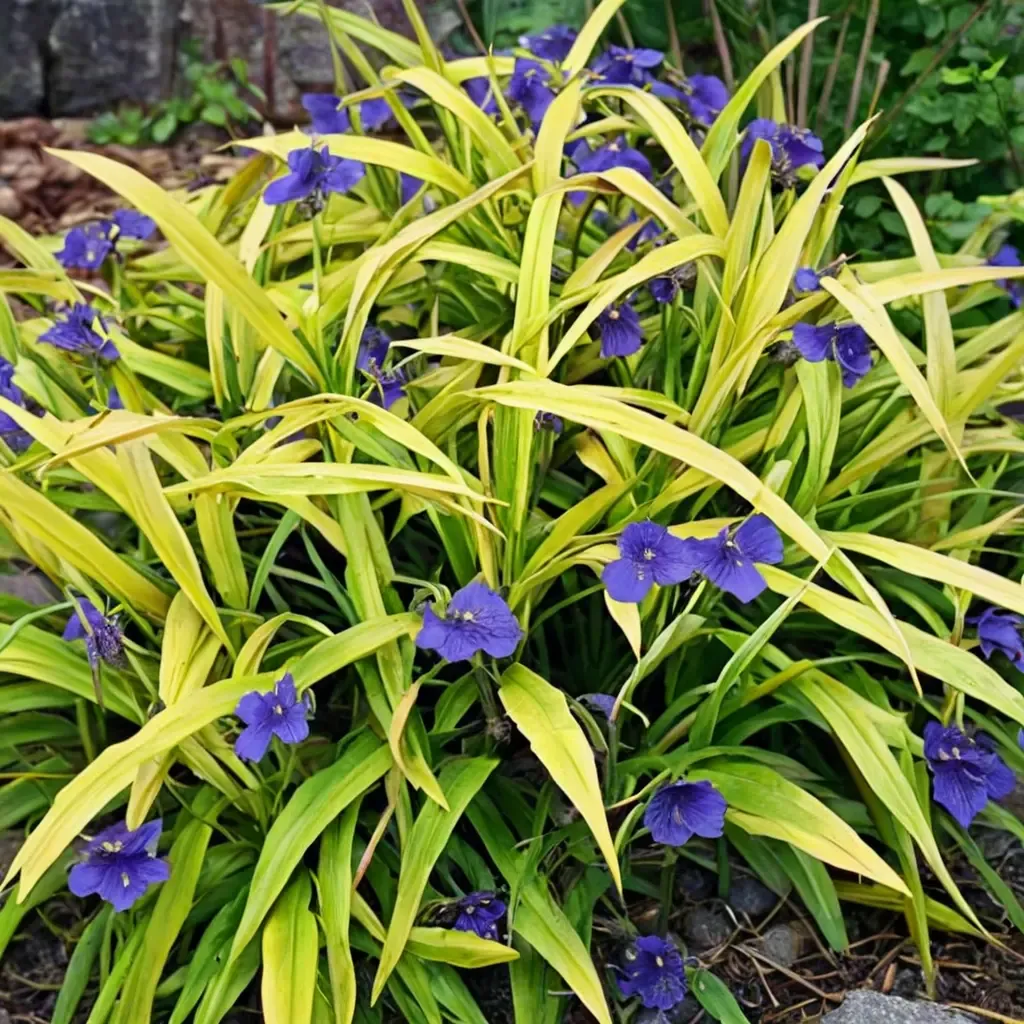
Sweet Kate Spiderwort
Tradescantia occidentalis 'Sweet Kate'
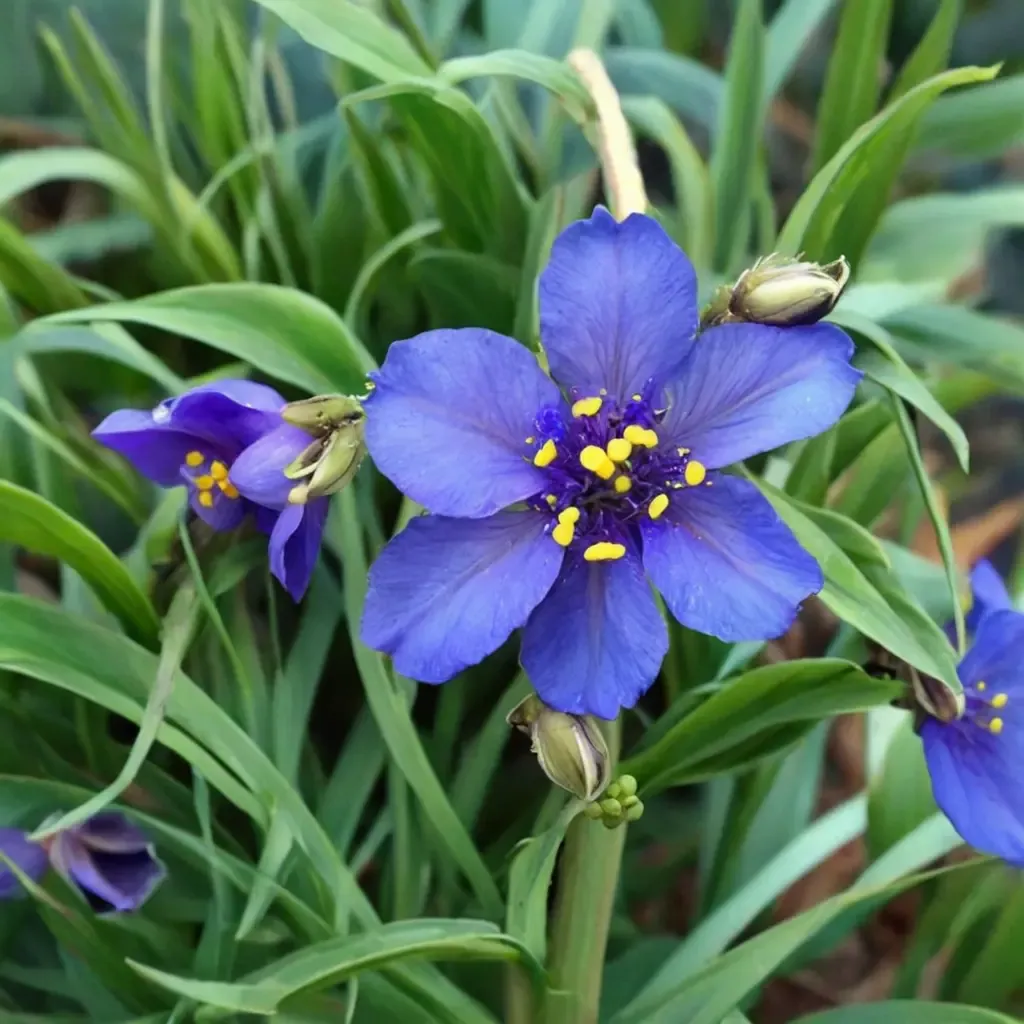
Virginia Spiderwort
Tradescantia virginiana
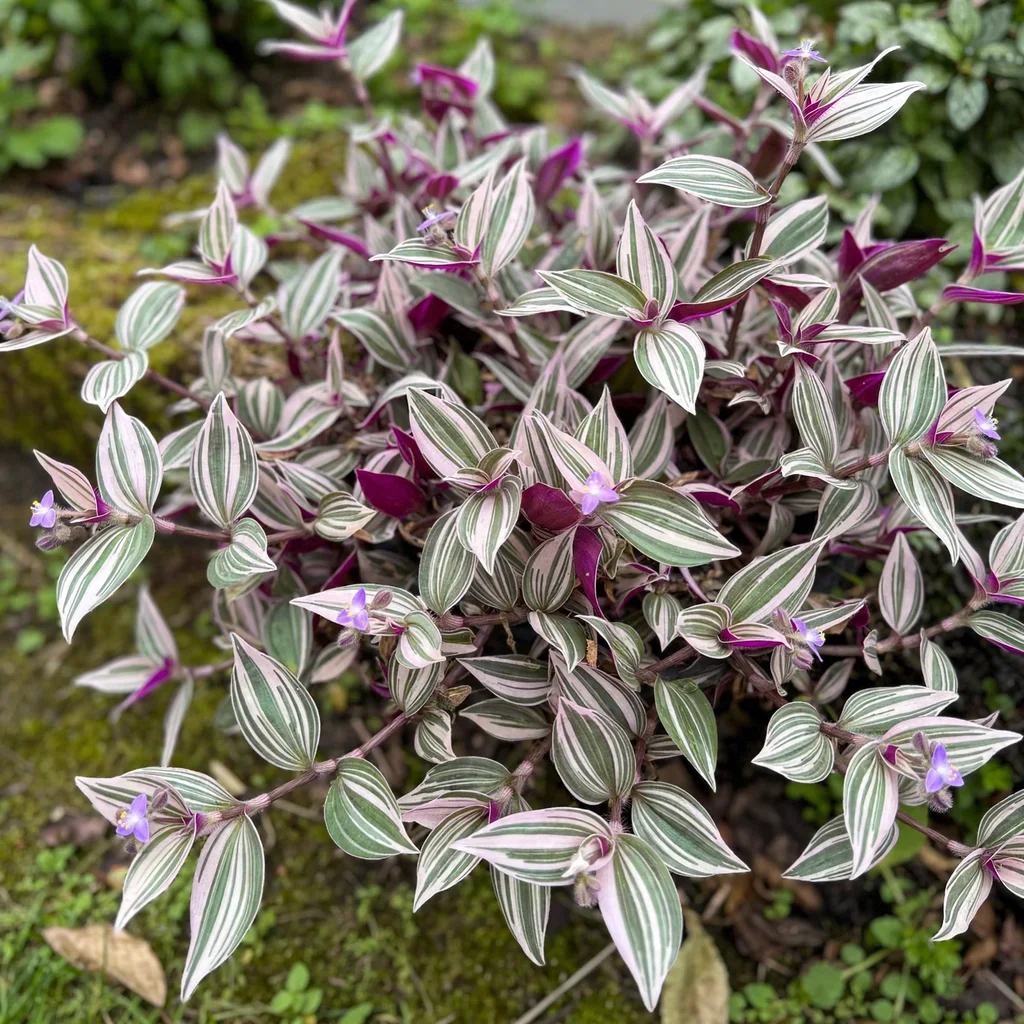
Variegated Wandering Jew
Tradescantia pallida 'Variegata'
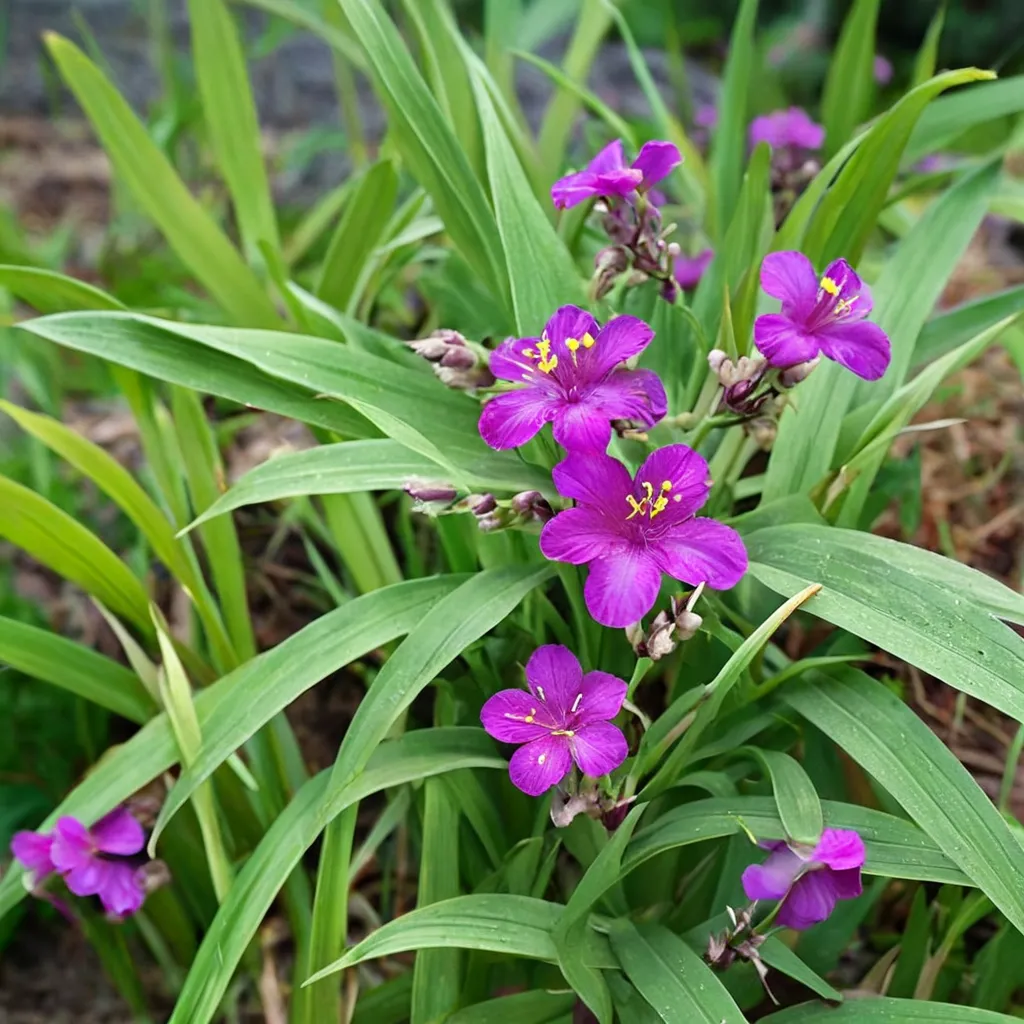
Carmine Glow Spiderwort
Tradescantia x andersoniana 'Karminglut'
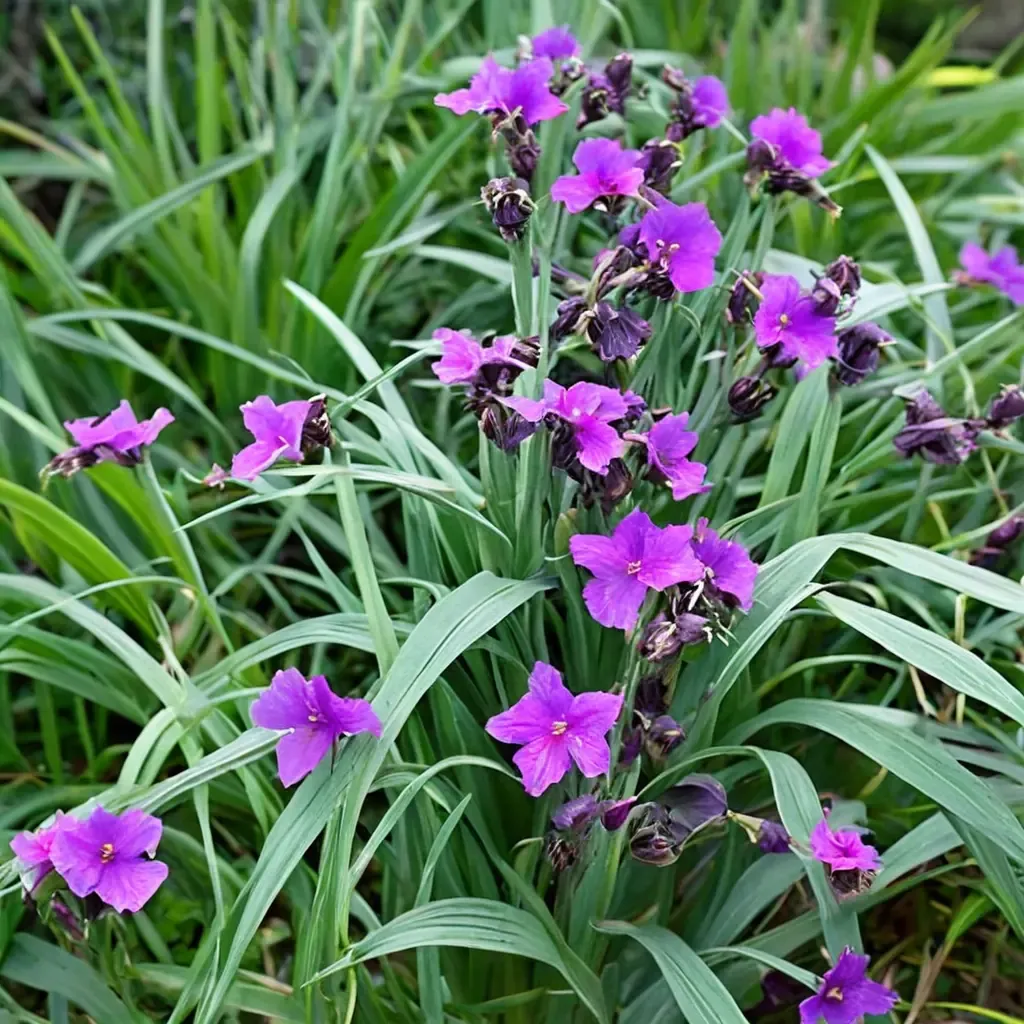
Concord Grape Spiderwort
Tradescantia x andersoniana 'Concord Grape'
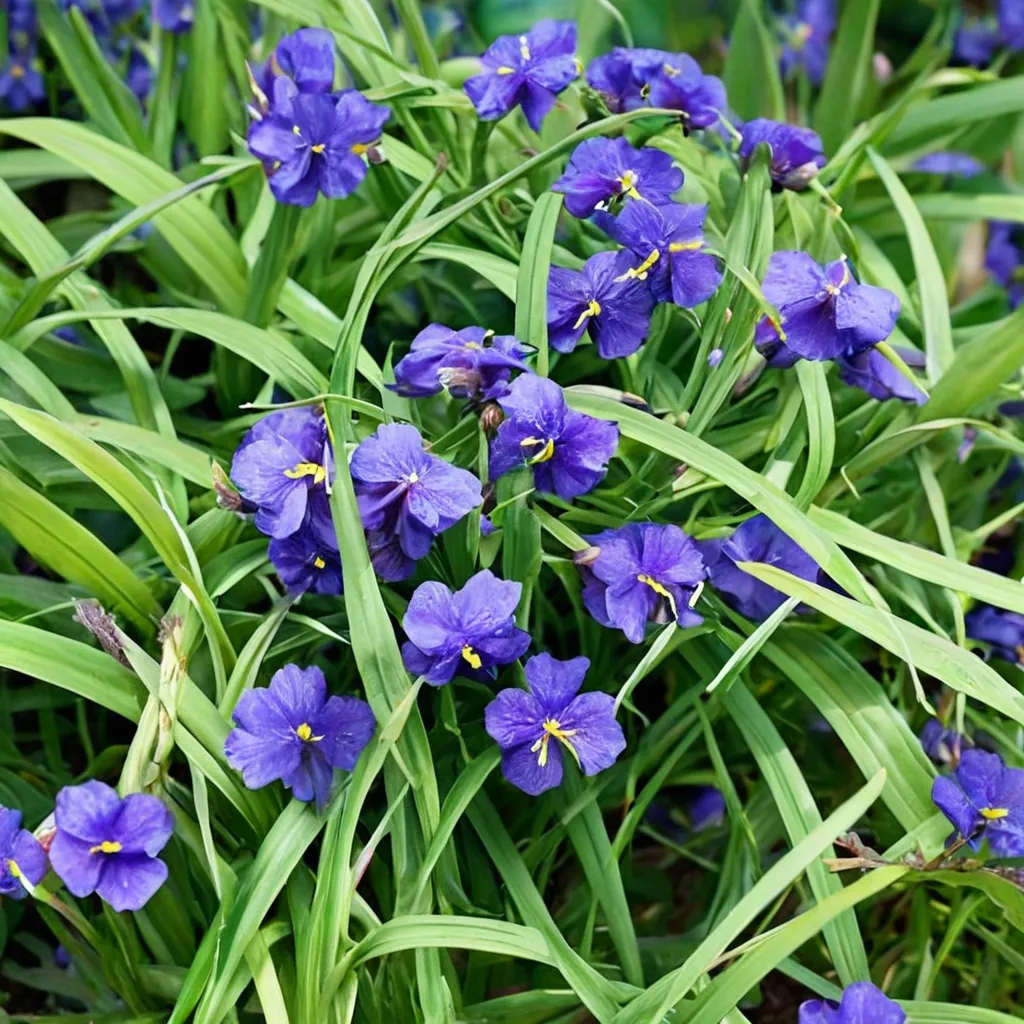
Leonora Spiderwort
Tradescantia x andersoniana 'Leonora'
Keep exploring
Explore the genus
Hardy in your zone?
Grow Zigzag Spiderwort with confidence
See it in a design of your actual yard, get zone-matched care reminders, and track it season by season in your garden journal.