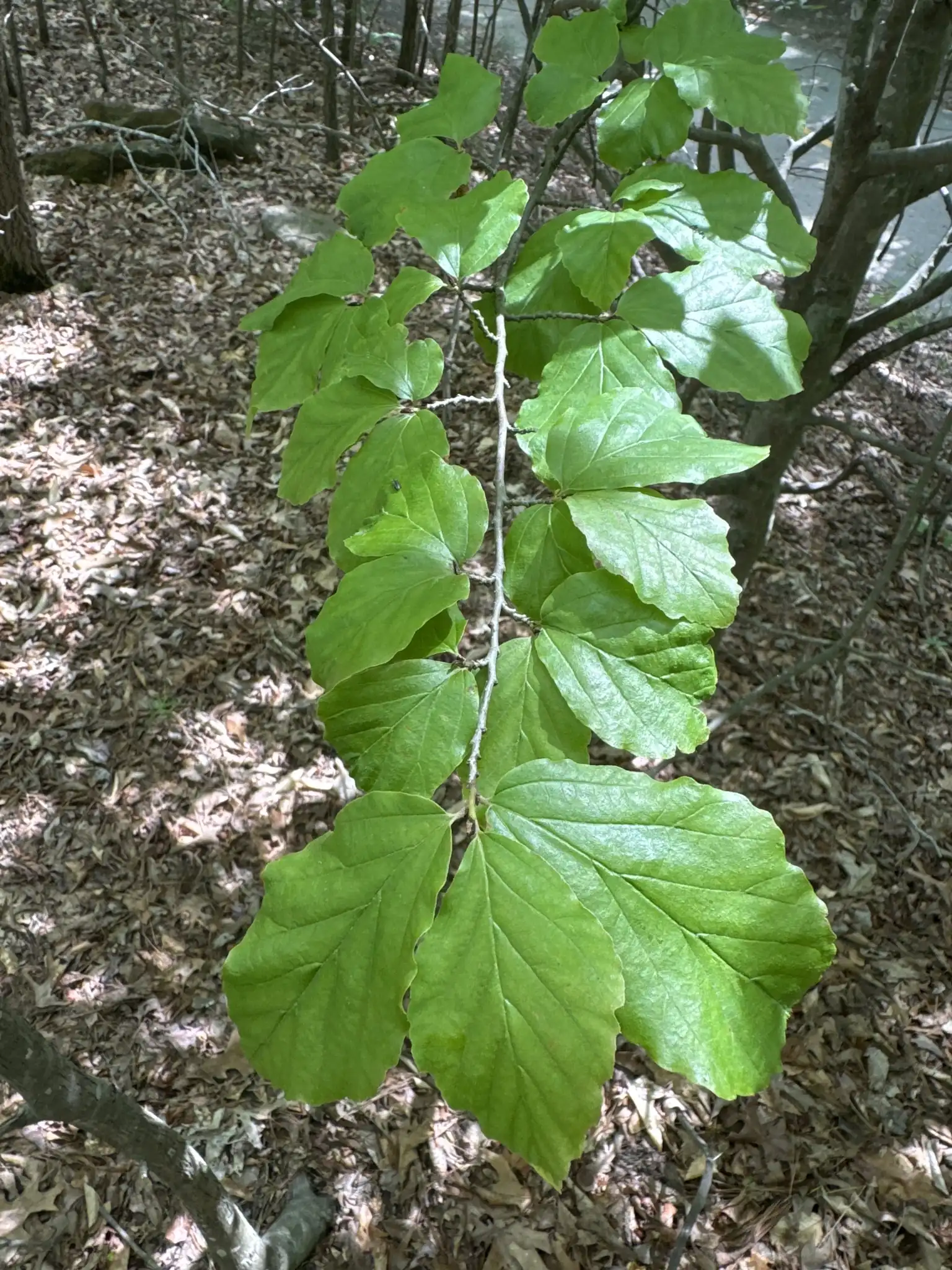
2 named cultivars


The Story
Plant Bio
Parrotia persica is a small to medium-sized deciduous tree in the witch hazel family, typically growing with a low-branching, rounded habit. It is prized for its incredible multi-hued fall color and its exfoliating bark.
This tree offers exceptional four-season interest, with unique, spidery red flowers blooming on bare stems in late winter, followed by handsome summer foliage, a spectacular fall color display of yellow, orange, and red, and beautiful exfoliating bark.
Uses & Benefits:
Essentials
At a Glance
Plant Type
Tree
Height
360"
Width
240"
Light
Full Sun, Partial Sun
Zones
4, 5, 6, 7, 8
Water
Moderate
Humidity
Average
Lifespan
Long-lived
Native To
Northern Iran
Toxicity
Non-toxic
Planting
How to Grow
- Choose a location with full sun for best fall color.
- Ensure the soil is well-drained; it tolerates clay.
- Dig a planting hole that is twice as wide as the root ball.
- Set the tree so the root flare is at or slightly above grade.
- Backfill with the original soil and water in well.
- Provide regular water for the first year until it is established.
Pro Tip
Train it as a single-trunk tree when young if a higher canopy is desired for clearance over a walkway or patio.
Keep It Thriving
Care Guide
Do
- Give it ample space to develop its natural, broad-spreading habit.
- Prune when young to develop a good branch structure.
- Appreciate its subtle red flowers against a snowy backdrop in late winter.
- Water deeply during prolonged summer droughts.
Don't
- Do not plant in a confined space.
- Avoid planting in alkaline soils, which can cause chlorosis.
- Don't perform heavy pruning on a mature tree.
- Don't forget to look at the beautiful exfoliating bark in winter.
Seasonal Care Calendar
| Task | Jan | Feb | Mar | Apr | May | Jun | Jul | Aug | Sep | Oct | Nov | Dec |
|---|---|---|---|---|---|---|---|---|---|---|---|---|
| Mulch | ||||||||||||
| Plant | ||||||||||||
| Prune |
Watch Out For
Pests & Diseases
Common Pests
Common Diseases
In the Garden
Landscape Uses & Companions
Landscape Uses
Multiply
Propagation Methods
Good to Know
Common Questions
Persian Ironwood questions
What zones can Persian Ironwood grow in?
Persian Ironwood is hardy in USDA Zones 4–8. Inside that range it survives winter in the ground; outside it, grow it as an annual or a container plant you protect.
Is Persian Ironwood deer resistant?
Yes — Persian Ironwood is rated deer-resistant. Deer typically pass it over, though extreme hunger can override any plant's defenses.
When does Persian Ironwood bloom?
Persian Ironwood typically blooms in late winter through early spring. Exact timing shifts a week or two with your zone — Sow's bloom calendar maps it to your garden.
Does Persian Ironwood need full sun?
Persian Ironwood does best in full sun to part shade. In hot climates, afternoon shade keeps blooms fresher longer.
Is Persian Ironwood drought tolerant?
Yes — once established (usually after the first full season), Persian Ironwood handles dry spells with minimal watering. Water deeply its first year to build the root system that makes that possible.
More Parrotia to compare
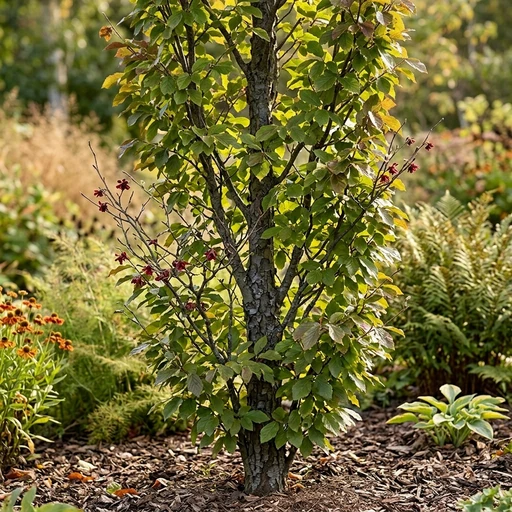
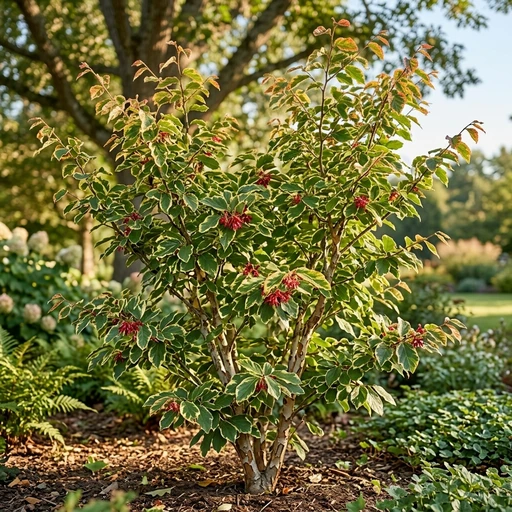
Keep exploring
Explore the genus
Hardy in your zone?
Grow Persian Ironwood with confidence
See it in a design of your actual yard, get zone-matched care reminders, and track it season by season in your garden journal.