Also known as Persian Ironwood · 55 saves
Parrotia
Parrotia, the genus most gardeners know as persian ironwood. We track 3 varieties; the ones most used by real gardeners.
The 3 most-saved Parrotia varieties
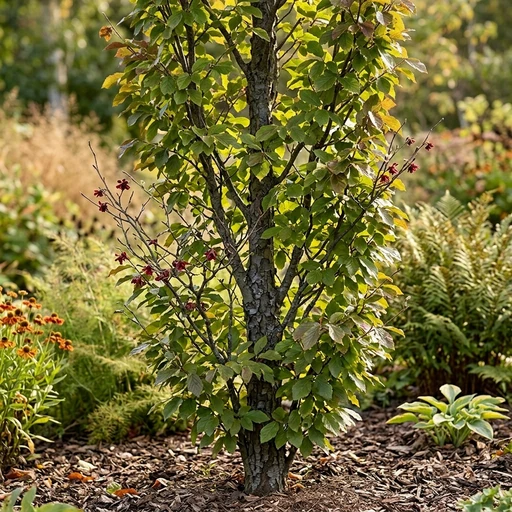
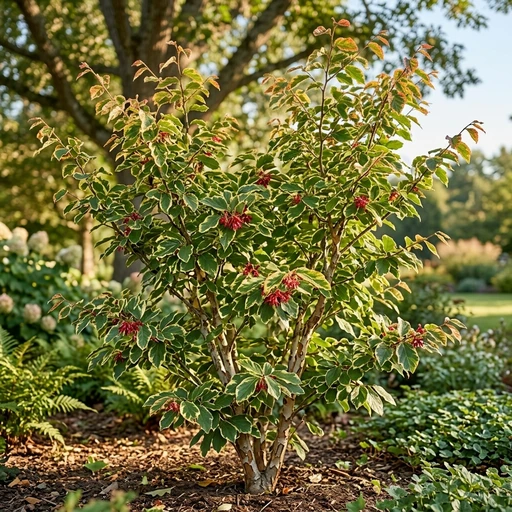
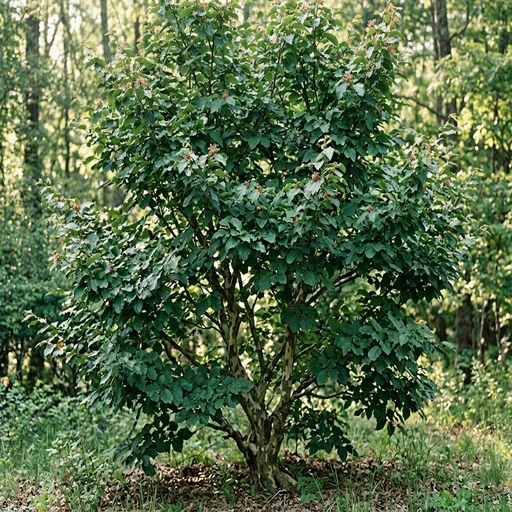
Track your Parrotia in Sow
Save the Parrotia you grow and get care reminders timed to your zone.
How to grow Parrotia
Whats common across all Parrotia varieties in our catalog — drawn from the care records of the 3 most-grown of them.
The Parrotia year
- MulchMay and November100% of varieties
Maintain a 2-3 inch layer of mulch to conserve soil moisture.
- PruneMarch100% of varieties
Prune in late winter only to remove dead or damaged branches; requires minimal pruning.
- PlantApril, May, October and November67% of varieties
Plant in spring or fall in well-drained soil.


Do
- Provide well-drained, acidic soil.
- Water regularly during the first few seasons to encourage establishment.
- Allow the tree to develop its natural columnar form with minimal pruning.
- Protect from harsh winter winds in the northern parts of its range.
- Appreciate its four seasons of interest.
Avoid
- Do not plant in alkaline (high pH) soil, which can cause chlorosis.
- Avoid planting in poorly drained or waterlogged locations.
- Don't perform heavy pruning, which can ruin its natural shape.
- Avoid planting the species form in small spaces; choose this columnar type instead.
What goes wrong with Parrotia
| Problem | What you'll see | What to do |
|---|---|---|
| None | Parrotia is known for being exceptionally free of any serious insect pests. | No action is typically required. |
| Japanese Beetles | May feed on foliage, but damage is rarely severe. | Hand-pick beetles in the morning. Most infestations do not warrant chemical control on this tree. |
| Japanese Beetle | Skeletonized leaves in mid-summer. | Hand-pick beetles in the morning. Generally, damage is minor and doesn't require chemical control on established trees. |
| Canker | Sunken, dead areas on branches or trunk, sometimes leading to dieback. | Generally not a major issue. Prune out affected branches during dry weather. Avoid wounding the bark and maintain good plant health to prevent infection. |
Making more Parrotia
Softwood Cuttings
- Take 4-6 inch cuttings of new growth in late spring or early summer.
- Wound the base of the cutting and dip in rooting hormone.
- Stick in a well-drained medium like perlite and peat.
- Place under mist or cover with plastic to maintain high humidity.
- Rooting is slow and can take 8-12 weeks.
Seed
- Collect seeds in fall and give them a warm, then cold stratification.
- Sow seeds in a protected seedbed outdoors.
- Germination can be erratic and take up to 18 months.
- Protect seedlings from rodents.
Parrotia questions
How many types of Parrotia are there?
The Sow catalog tracks 3 distinct Parrotia varieties. The most popular — ranked by 55 real gardeners — are shown first above.
What zones does Parrotia grow in?
Across its varieties, Parrotia covers USDA Zones 4–8. Individual varieties differ — each plant page lists its exact range, and Sow filters the catalog to your zone automatically.
When does Parrotia bloom?
Most Parrotia varieties bloom in late winter. Staggering early, mid, and late varieties extends the genus's season in one bed.
Which Parrotia should I choose?
Start from the most-saved varieties above — popularity across thousands of gardens is a strong signal of reliability — then filter by your zone and sun. In the Sow app you can preview any of them in a photo of your actual yard before you buy.