The Story
Plant Bio
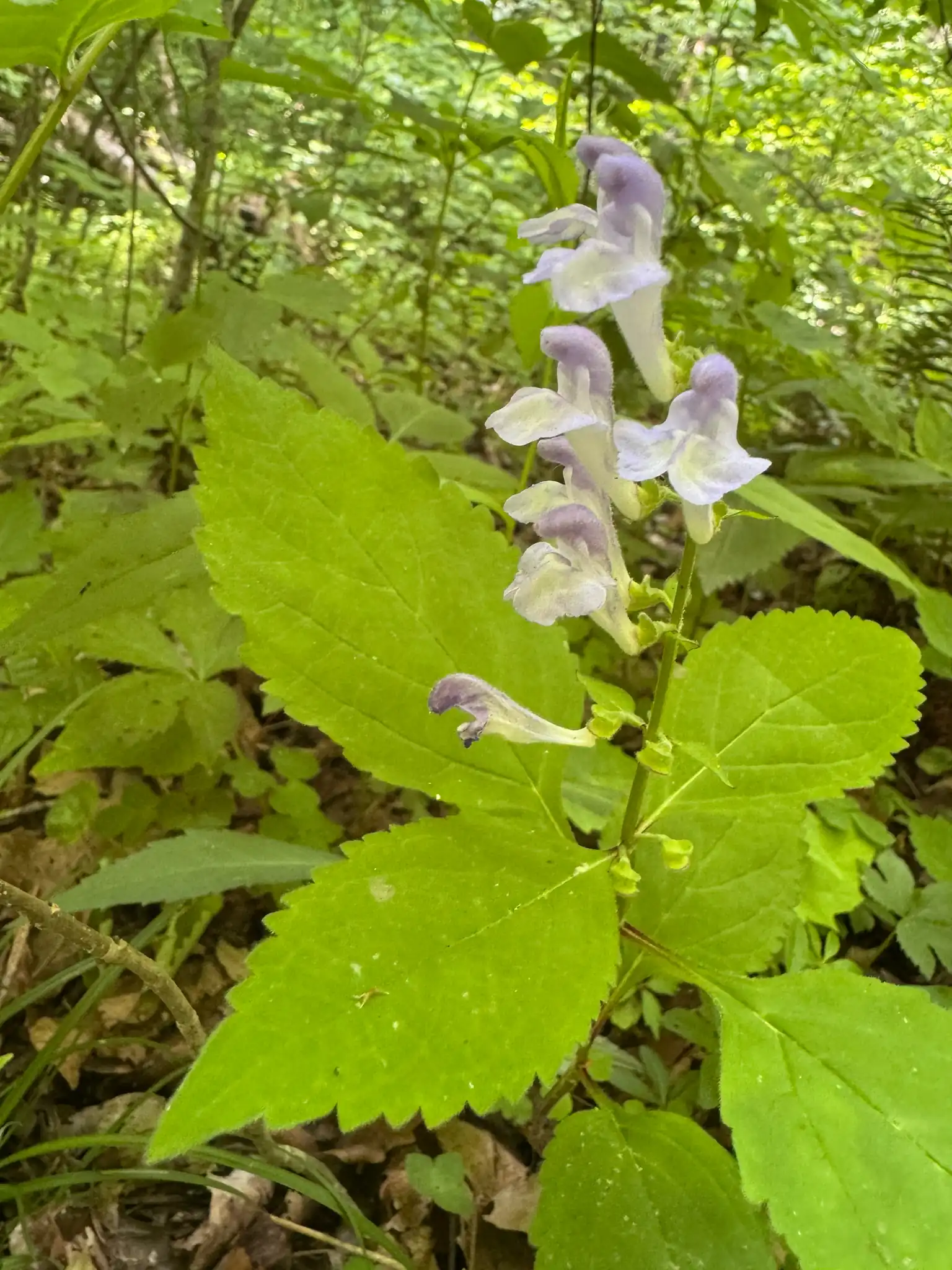
Scutellaria serrata is an upright, clump-forming herbaceous perennial native to rich woodland margins across the eastern United States. It grows one to three feet tall on square stems, producing two-lipped blue flowers held in upright terminal spikes.
The species features egg-shaped leaves with sharply serrated margins edged in dark brownish-purple in spring, deepening to purple by autumn. Unlike many aggressive mint family relatives, showy skullcap expands slowly without spreading runners or invasive rhizomes.
Uses & Benefits:
Essentials
At a Glance
Plant Type
Perennial
Height
36"
Width
30"
Light
Partial Sun, Shade
Zones
4, 5, 6, 7, 8, 9
Water
Moderate
Humidity
Moderate to high
Lifespan
Perennial
Native To
Eastern United States
Toxicity
Non-toxic
Bloom period
Late spring – Early summer
In flower about 2 months of the year
Marketplace
Where to Buy
Shipping costs Year-round shipping Free shipping
Planting
How to Grow
- Select a planting location in dappled shade or partial morning sun with well-drained, organic soil.
- Incorporate leaf mold or aged compost into the soil to mimic woodland forest floor conditions.
- Set the root crown level with the surrounding soil surface and water thoroughly to settle.
- Apply a two-inch mulch layer of shredded leaves to keep roots cool and retain soil moisture.
- Provide supplemental water during prolonged dry periods until roots establish.
Pro Tip
Plant in leaf-mold-rich, moist soil under shifting dappled shade; placing this species in open afternoon sun scorches leaf margins, while saturated muck causes root rot.
Keep It Thriving
Care Guide
Do
- Grow in organic, free-draining soil under dappled shade.
- Top-dress annually with leaf compost to maintain soil texture.
- Cut back dead stems in late winter before spring growth begins.
Don't
- Do not plant in heavy, waterlogged clay soils.
- Do not expose plants to hot, direct mid-afternoon sun.
- Do not shear stems back hard into old leafless woody crown tissue.
Seasonal Care Calendar
| Task | Jan | Feb | Mar | Apr | May | Jun | Jul | Aug | Sep | Oct | Nov | Dec |
|---|---|---|---|---|---|---|---|---|---|---|---|---|
| Divide | ||||||||||||
| Mulch | ||||||||||||
| Plant | ||||||||||||
| Propagate | ||||||||||||
| Spring Cleanup |
Watch Out For
Pests & Diseases
Common Pests
Common Diseases
In the Garden
Landscape Uses & Companions
Landscape Uses
Multiply
Propagation Methods
Good to Know
Common Questions
Showy Skullcap questions
What zones can Showy Skullcap grow in?
Showy Skullcap is hardy in USDA Zones 4–9. Inside that range it survives winter in the ground; outside it, grow it as an annual or a container plant you protect.
Is Showy Skullcap deer resistant?
Yes — Showy Skullcap is rated deer-resistant. Deer typically pass it over, though extreme hunger can override any plant's defenses.
When does Showy Skullcap bloom?
Showy Skullcap typically blooms in late spring through early summer. Exact timing shifts a week or two with your zone — Sow's bloom calendar maps it to your garden.
Does Showy Skullcap need full sun?
Showy Skullcap does best in part shade.
Is Showy Skullcap drought tolerant?
Yes — once established (usually after the first full season), Showy Skullcap handles dry spells with minimal watering. Water deeply its first year to build the root system that makes that possible.
More Scutellaria to compare
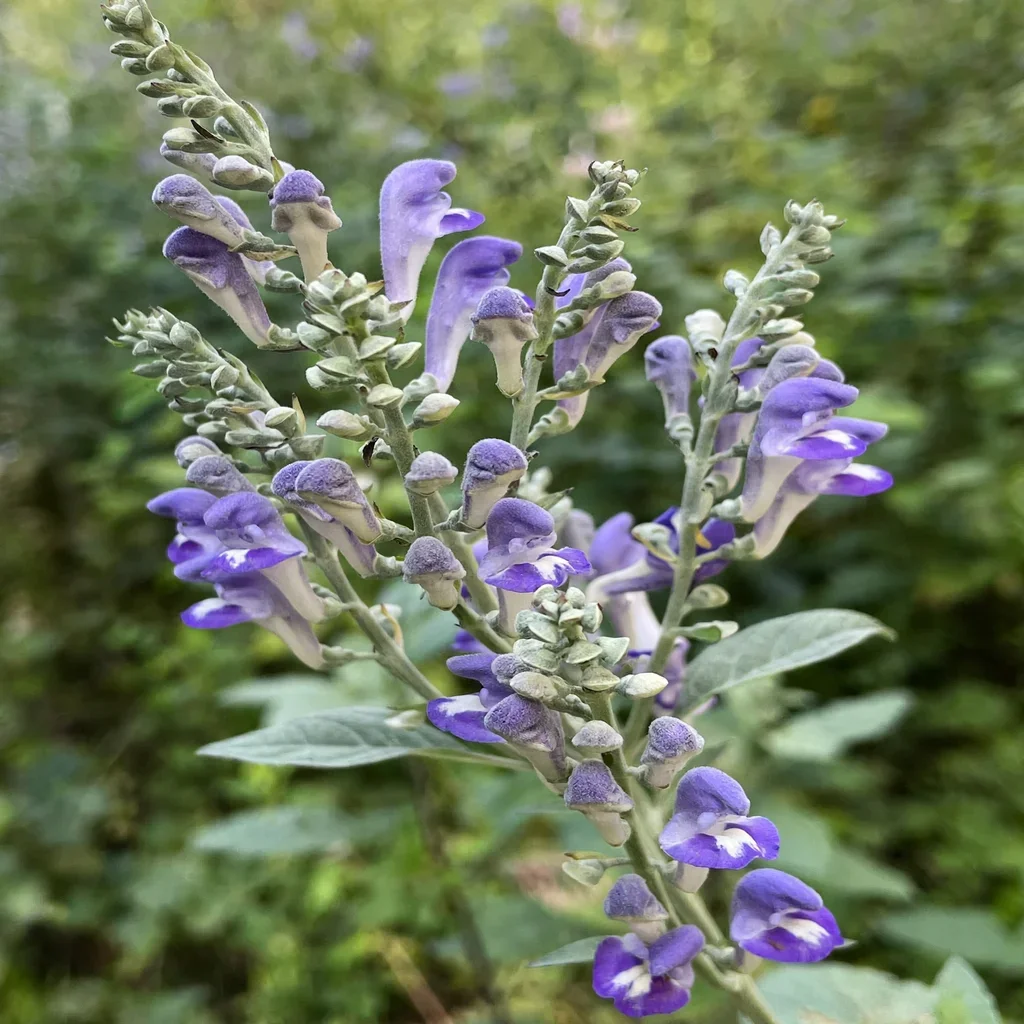
Hoary Skullcap
Scutellaria incana
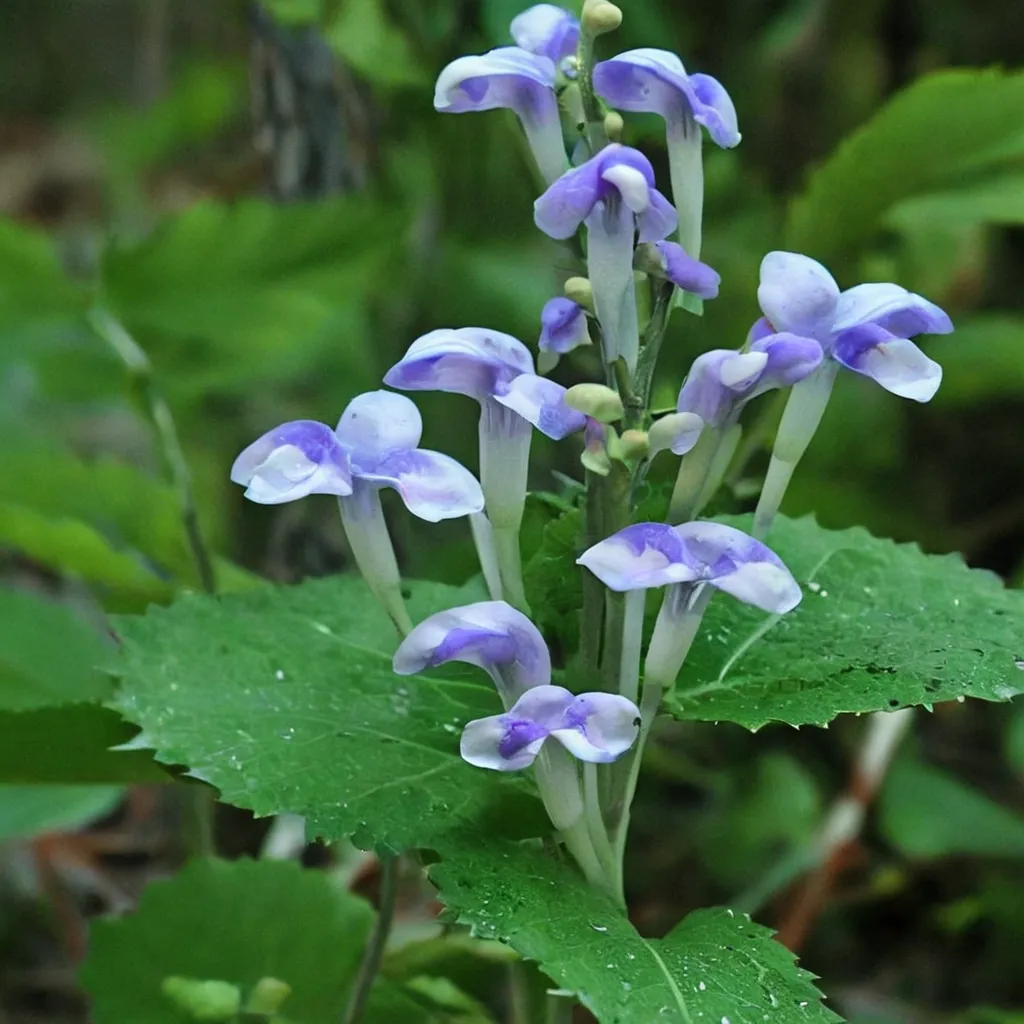
Blue Sky Skullcap
Scutellaria montana 'Blue Sky'
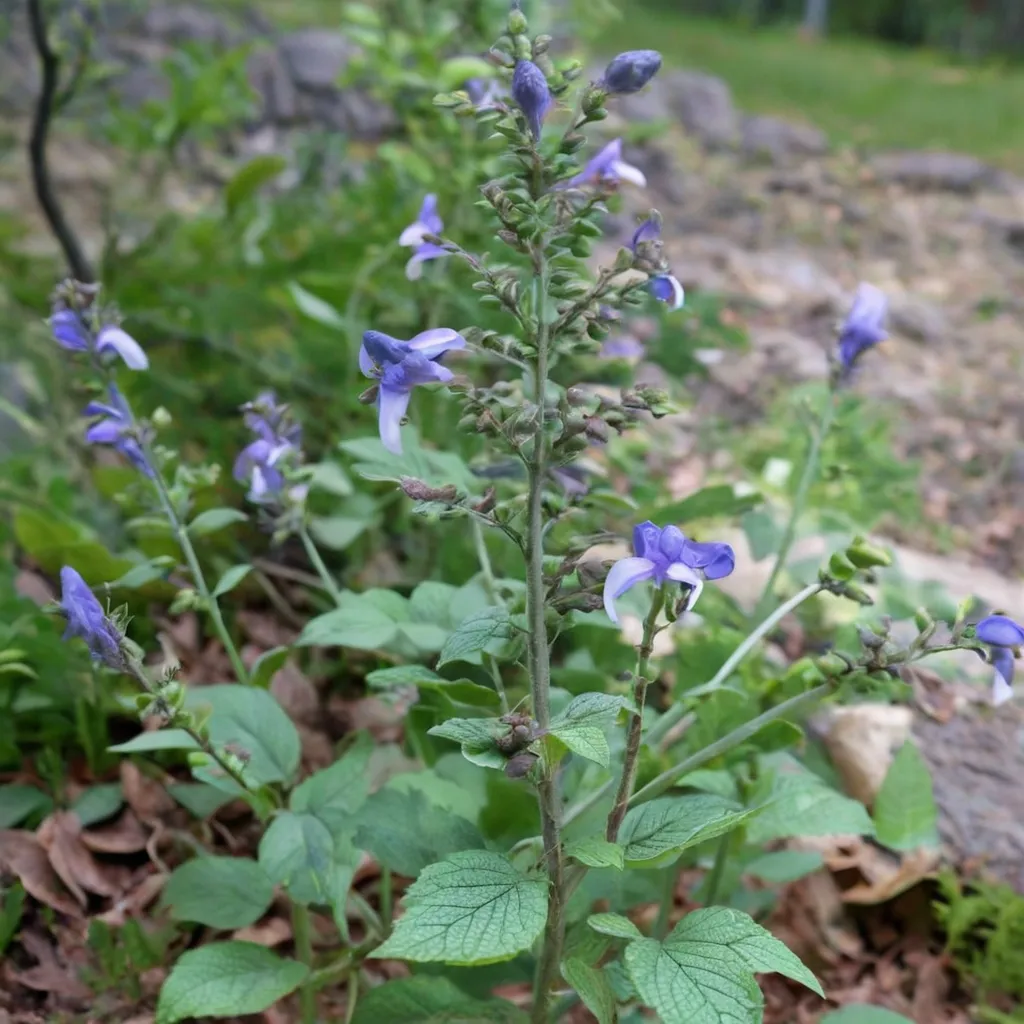
Heart-leaved Skullcap
Scutellaria ovata
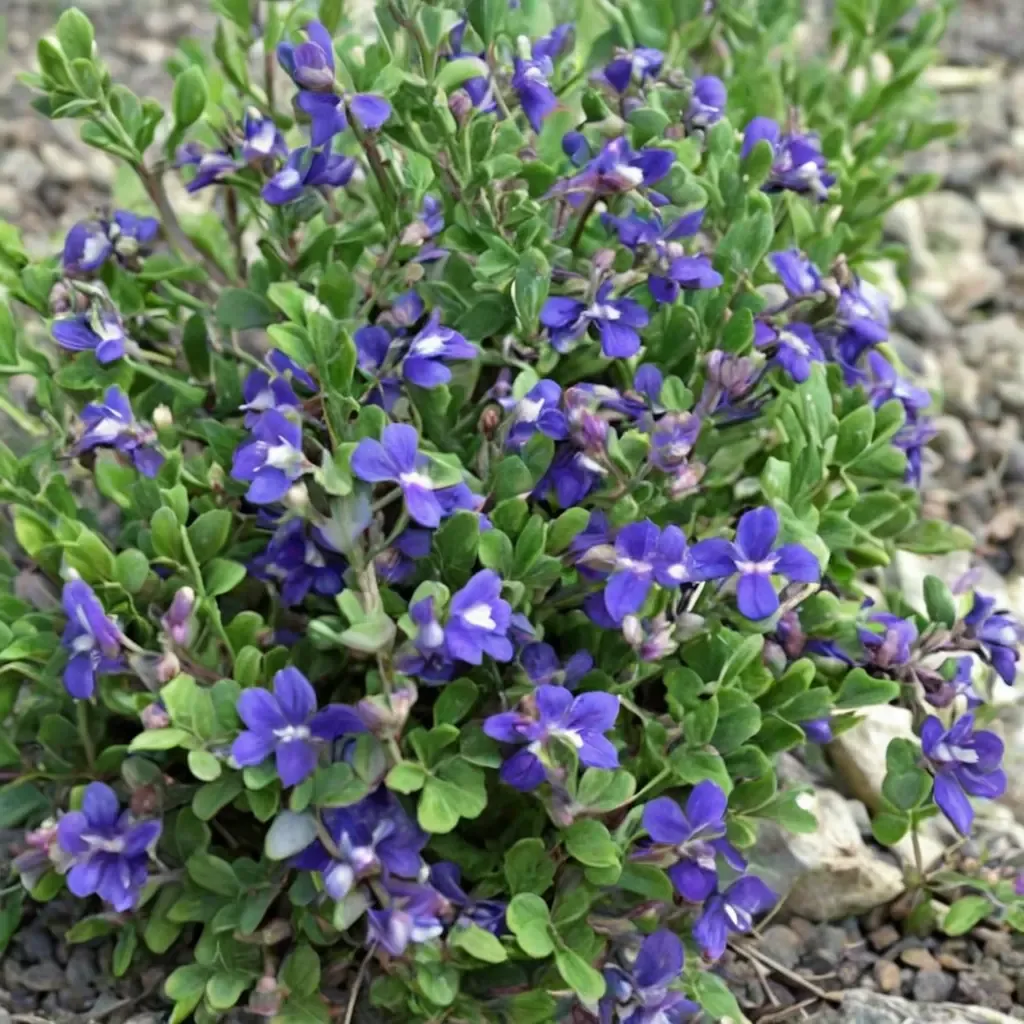
Resinous Skullcap
Scutellaria resinosa
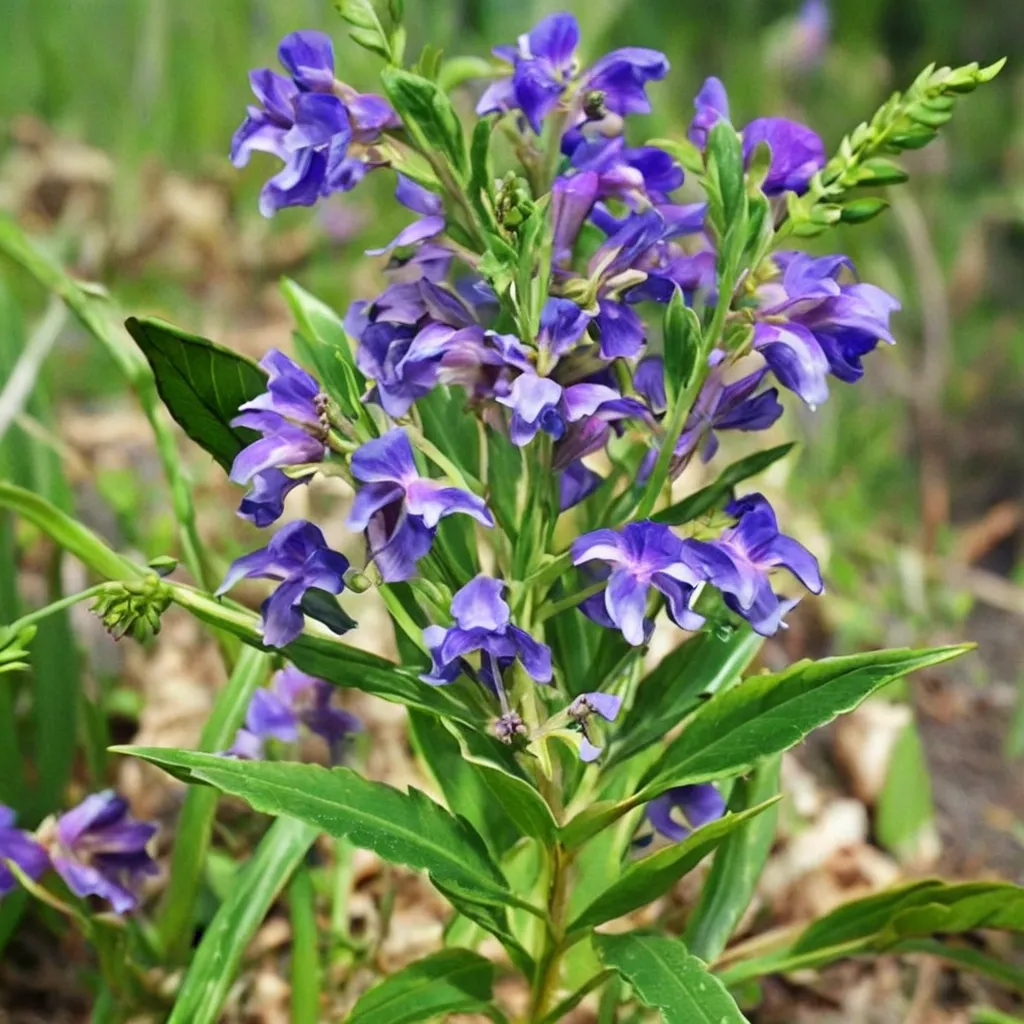
Baikal Skullcap
Scutellaria baicalensis
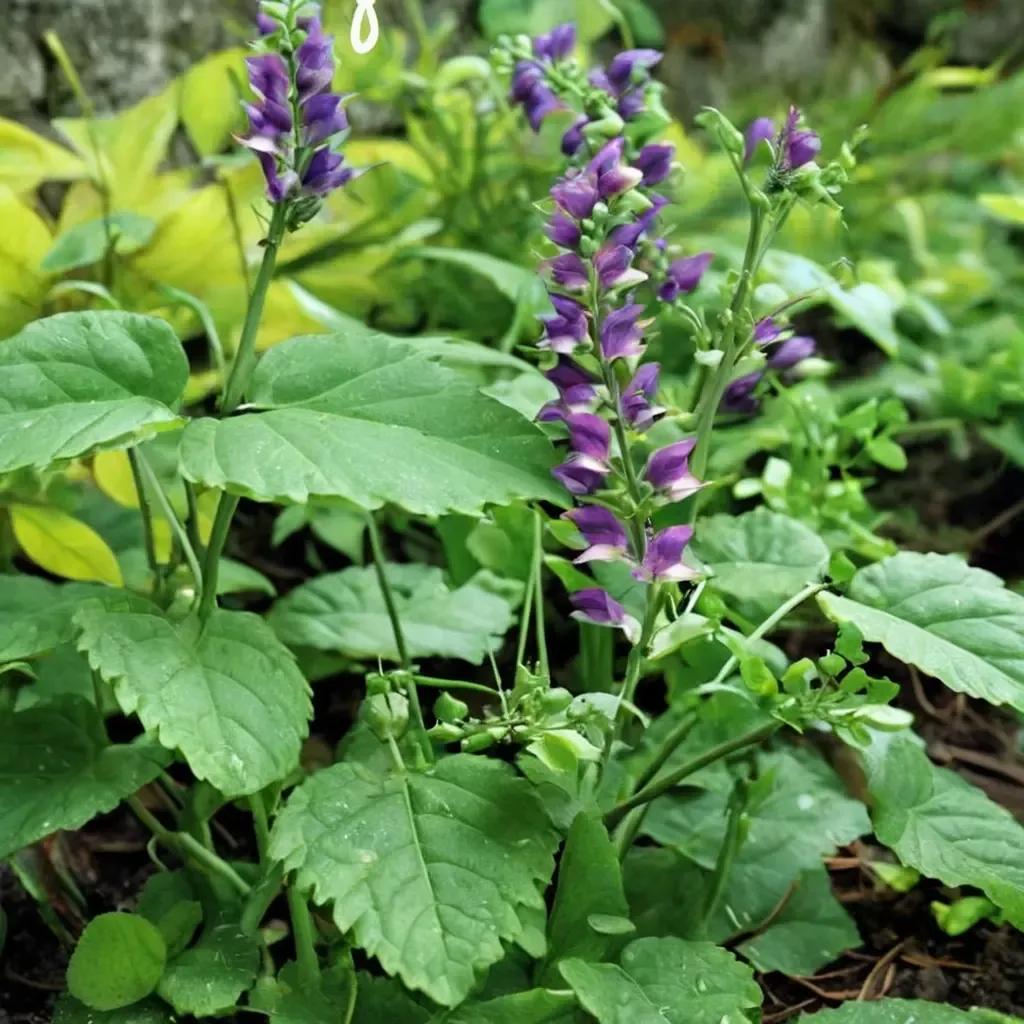
Somerset Skullcap
Scutellaria altissima
Keep exploring
Explore the genus
Grow Showy Skullcap with confidence
See it in a design of your actual yard, get zone-matched care reminders, and track it season by season in your garden journal.