
Garden hybrid
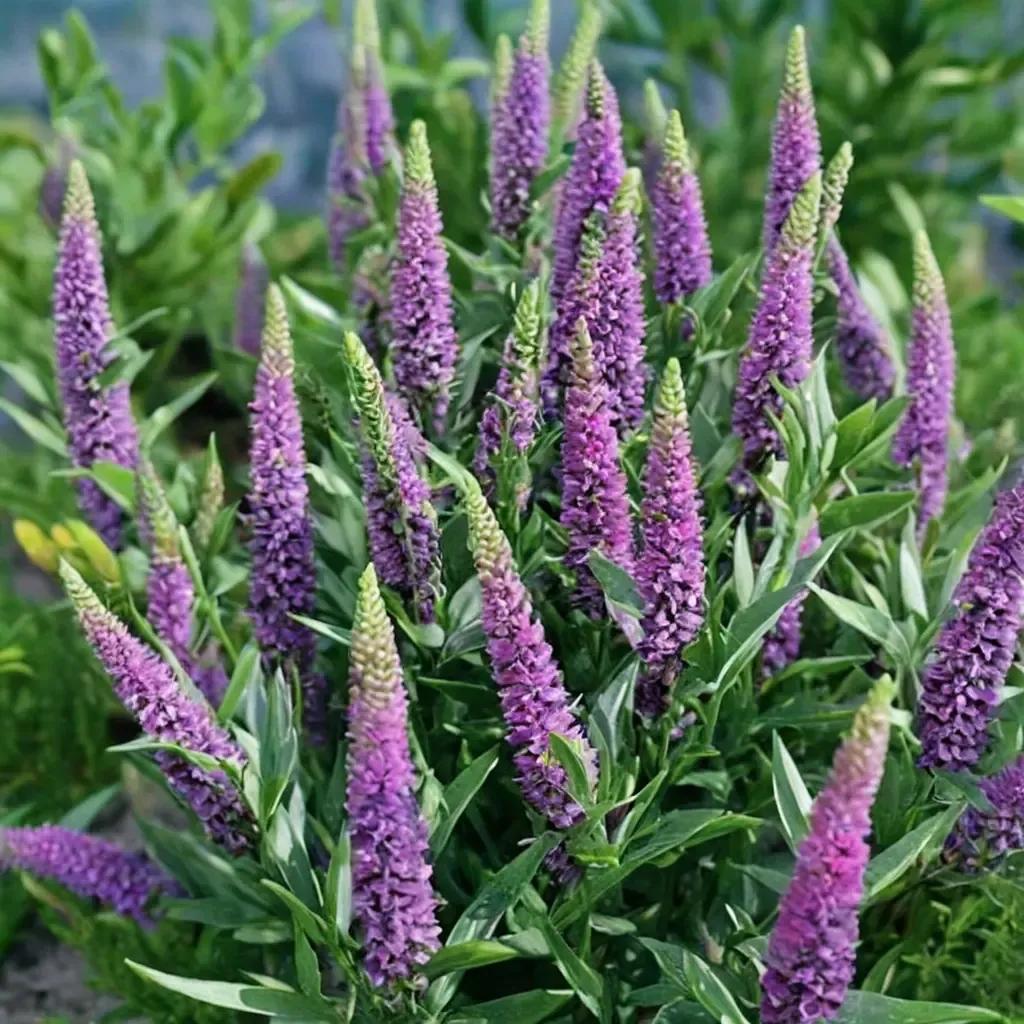 Veronica x hybridaSpeedwell
11 other cultivars
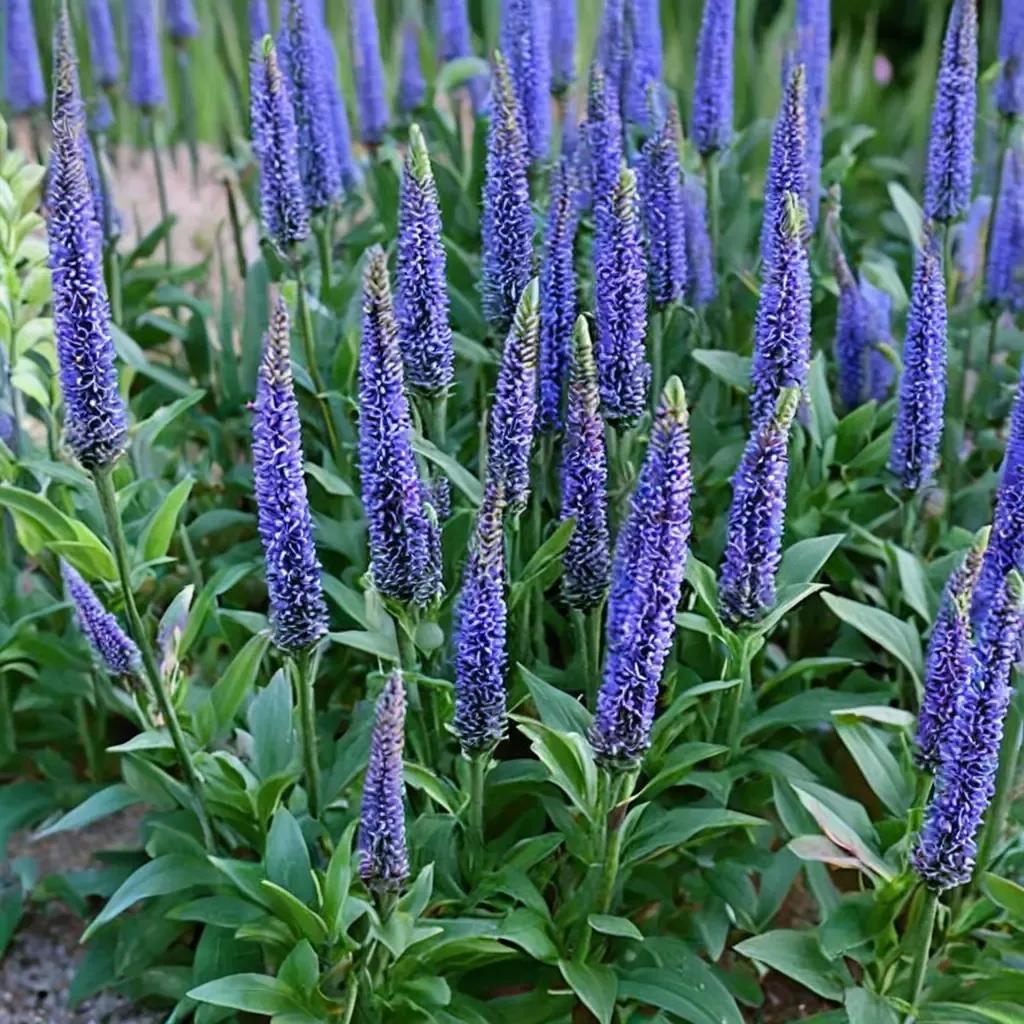 ‘Blue Skywalker’Blue Skywalker Speedwell
 ‘Tidal Pool’Tidal Pool Speedwell
 ‘Pink Panther’Pink Panther Veronica
 ‘Sunshine’Sunshine Speedwell
 ‘Bubblegum’Bubblegum Speedwell
 ‘Pink Potion’Pink Potion Speedwell
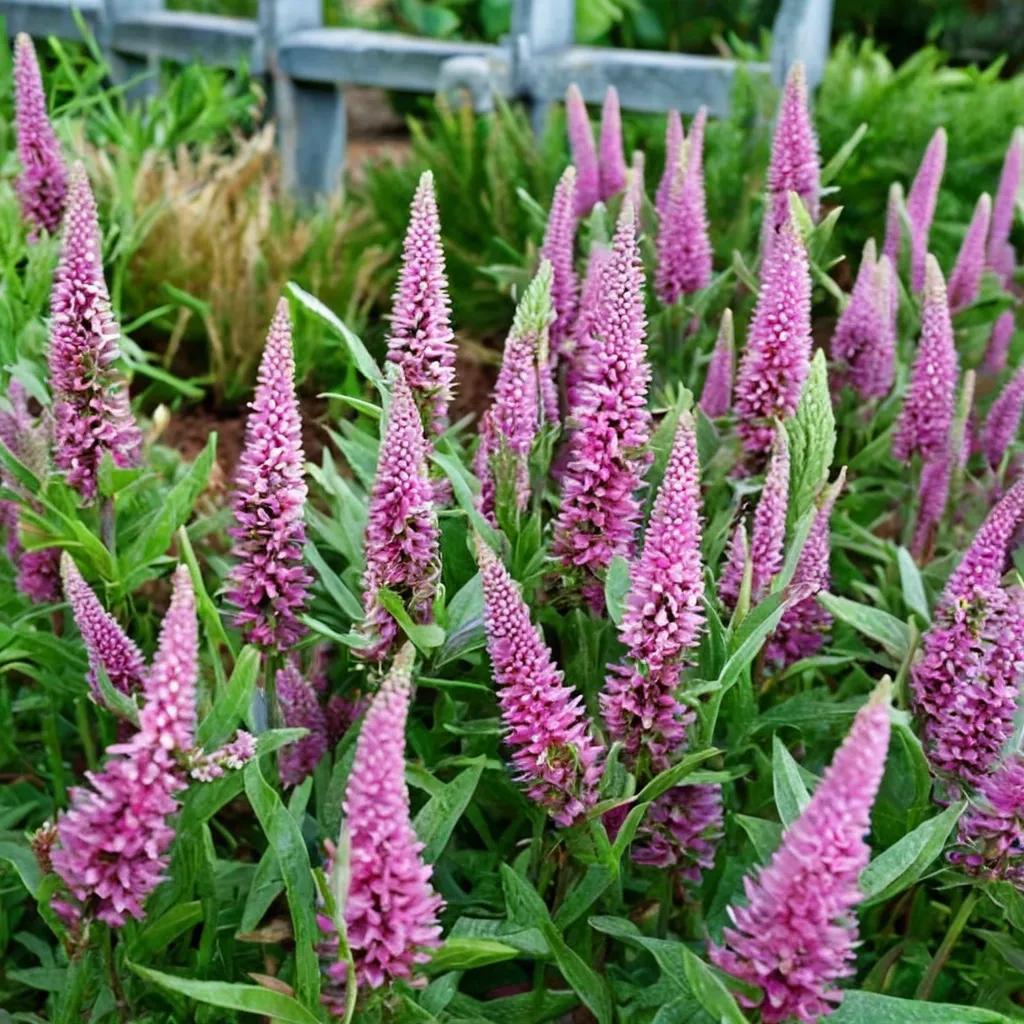 ‘Pink Marshmallow’Pink Marshmallow Veronica
 ‘Purple Illusion’Veronica 'Purple Illusion'
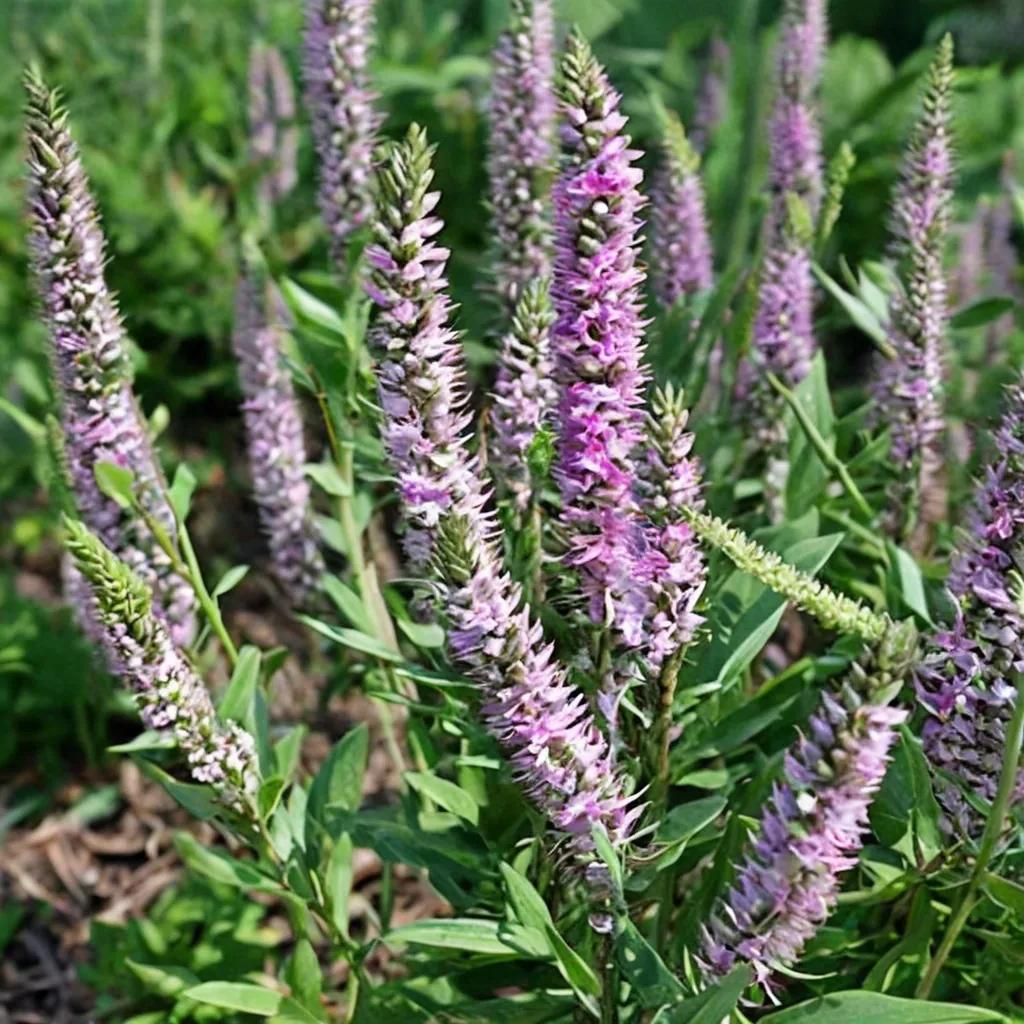 ‘Fairytale’Virginia Creeper
 ‘Bicolor Explosion’Explosion Speedwell
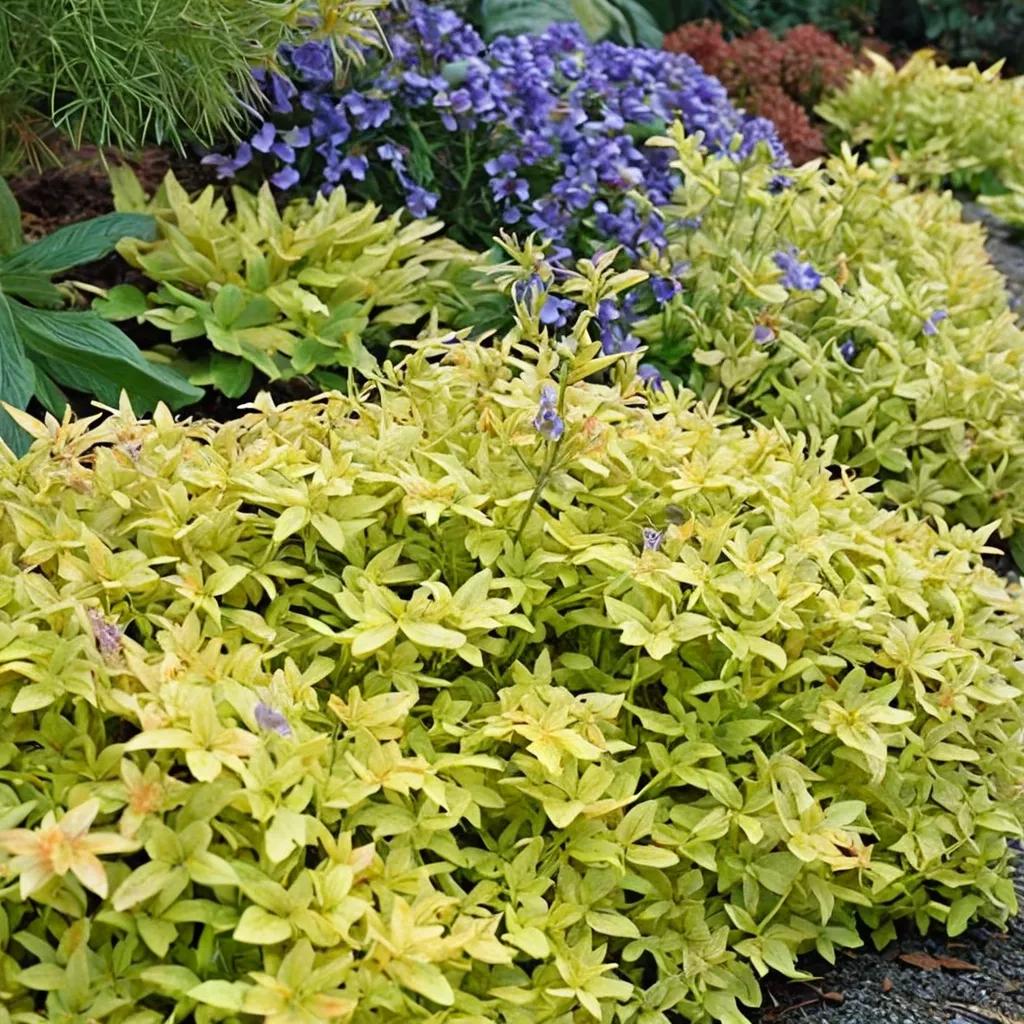 ‘Aztec Gold’Aztec Gold Speedwell
The Story
Plant Bio
The genus Veronica, which now includes the former genus Hebe, consists of diverse evergreen shrubs and perennials native primarily to New Zealand's alpine and coastal zones. These plants are characterized by opposite, decussate leaves and structural growth habits that range from leafy bushes to scale-leaved whipcords.
'Emerald Green' is a dwarf, slow-growing cultivar that forms a naturally neat, globular mound of tightly packed, scale-like foliage. The glossy, apple-green leaves mimic conifers in appearance, while tiny, sparse white flowers appear only sporadically during the summer months.
Uses & Benefits:
Essentials
At a Glance
Plant Type
Shrub
Height
16"
Width
18"
Light
Full Sun, Partial Sun
Zones
7, 8, 9
Water
Medium
Humidity
Moderate
Lifespan
Perennial
Native To
New Zealand
Toxicity
Non-toxic
Bloom period
Summer
In flower about 3 months of the year
Planting
How to Grow
- Select a planting site in full sun to partial shade with exceptionally well-drained soil.
- Dig a hole twice as wide as the root ball but no deeper, ensuring the crown sits slightly above the surrounding soil level to prevent collar rot.
- Backfill with native soil amended with organic matter, pressing gently to remove air pockets without compacting the root zone.
- Water thoroughly at planting, then establish a regular watering schedule that allows the top inch of soil to dry out between applications.
Pro Tip
Never shear this shrub back into the bare, leafless interior wood, as whipcord veronicas lack latent buds on old stems and will fail to regenerate.
Keep It Thriving
Care Guide
Do
- Plant in raised beds or containers if your garden has heavy, poorly drained clay soil.
- Clear away dead interior leaves and debris annually to maintain air circulation and prevent fungal issues.
- Apply a balanced, slow-release fertilizer sparingly in early spring to support steady growth.
Don't
- Do not overwater or allow the plant to sit in waterlogged soil, which triggers rapid root rot.
- Do not prune hard into old, brown, leafless wood, as the plant cannot regenerate from old stems.
- Do not over-fertilize, as excess nutrients produce weak, floppy growth that is highly susceptible to frost damage.
Seasonal Care Calendar
| Task | Jan | Feb | Mar | Apr | May | Jun | Jul | Aug | Sep | Oct | Nov | Dec |
|---|---|---|---|---|---|---|---|---|---|---|---|---|
| Fertilize | ||||||||||||
| Pest Check | ||||||||||||
| Prune | ||||||||||||
| Winter Prep |
Watch Out For
Pests & Diseases
Common Pests
Common Diseases
In the Garden
Landscape Uses & Companions
Landscape Uses
Companion Plants
Multiply
Propagation Methods
Good to Know
Common Questions
Shrubby Veronica questions
What zones can Shrubby Veronica grow in?
Shrubby Veronica is hardy in USDA Zones 7–9. Inside that range it survives winter in the ground; outside it, grow it as an annual or a container plant you protect.
When does Shrubby Veronica bloom?
Shrubby Veronica typically blooms in summer through summer. Exact timing shifts a week or two with your zone — Sow's bloom calendar maps it to your garden.
Does Shrubby Veronica need full sun?
Shrubby Veronica does best in full sun to part shade. In hot climates, afternoon shade keeps blooms fresher longer.
Is Shrubby Veronica drought tolerant?
Yes — once established (usually after the first full season), Shrubby Veronica handles dry spells with minimal watering. Water deeply its first year to build the root system that makes that possible.
More Veronica to compare
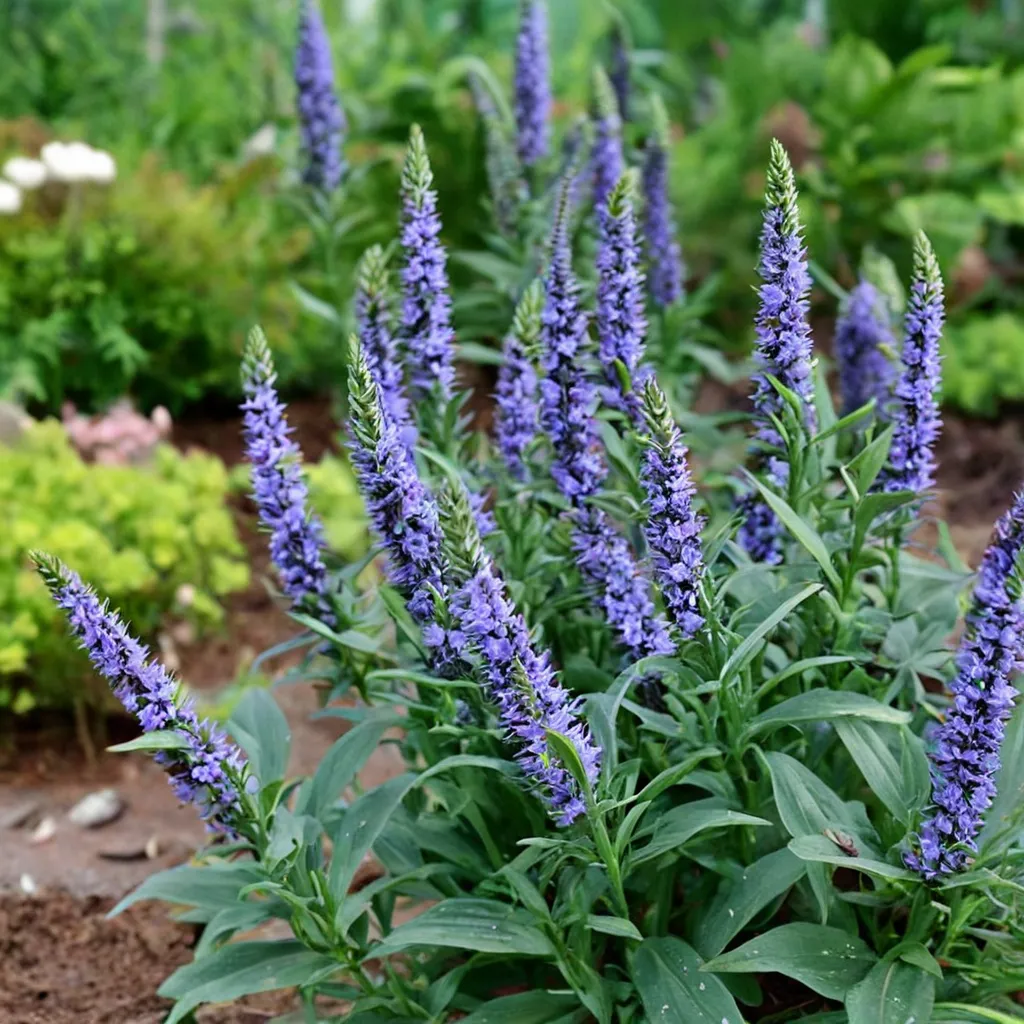
Moody Blues Sky Blue Veronica
Veronica spicata 'Moody Blues Sky Blue'
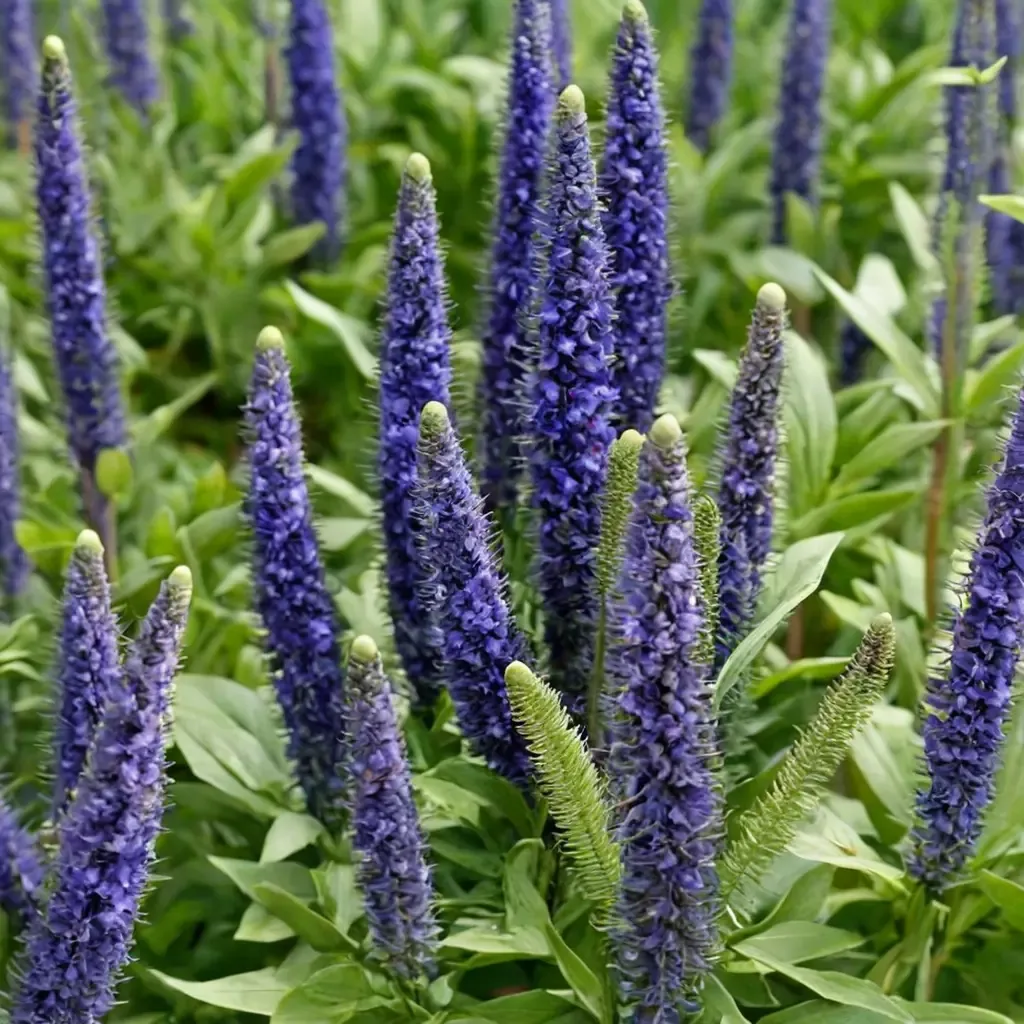
Royal Candles Speedwell
Veronica spicata 'Royal Candles'
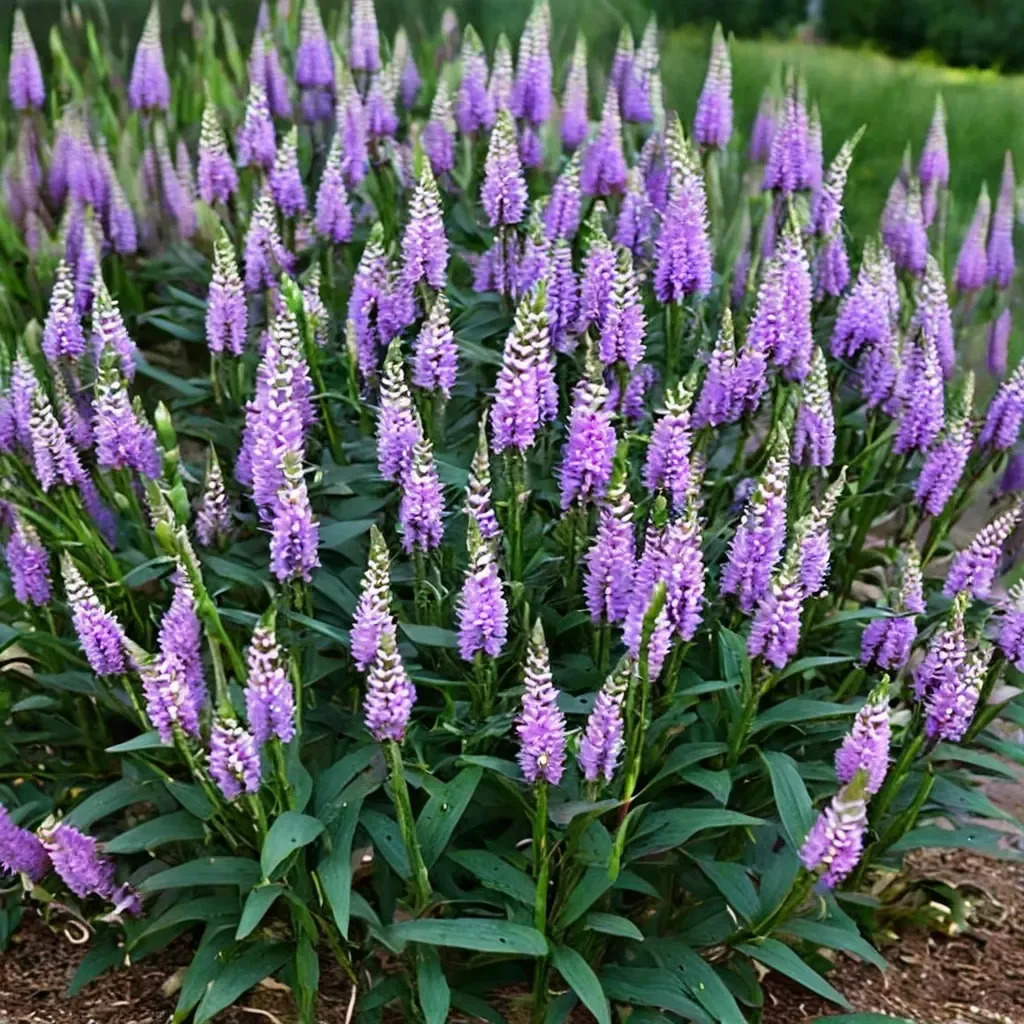
Lavender Lightsaber Speedwell
Veronica spicata 'Lavender Lightsaber'
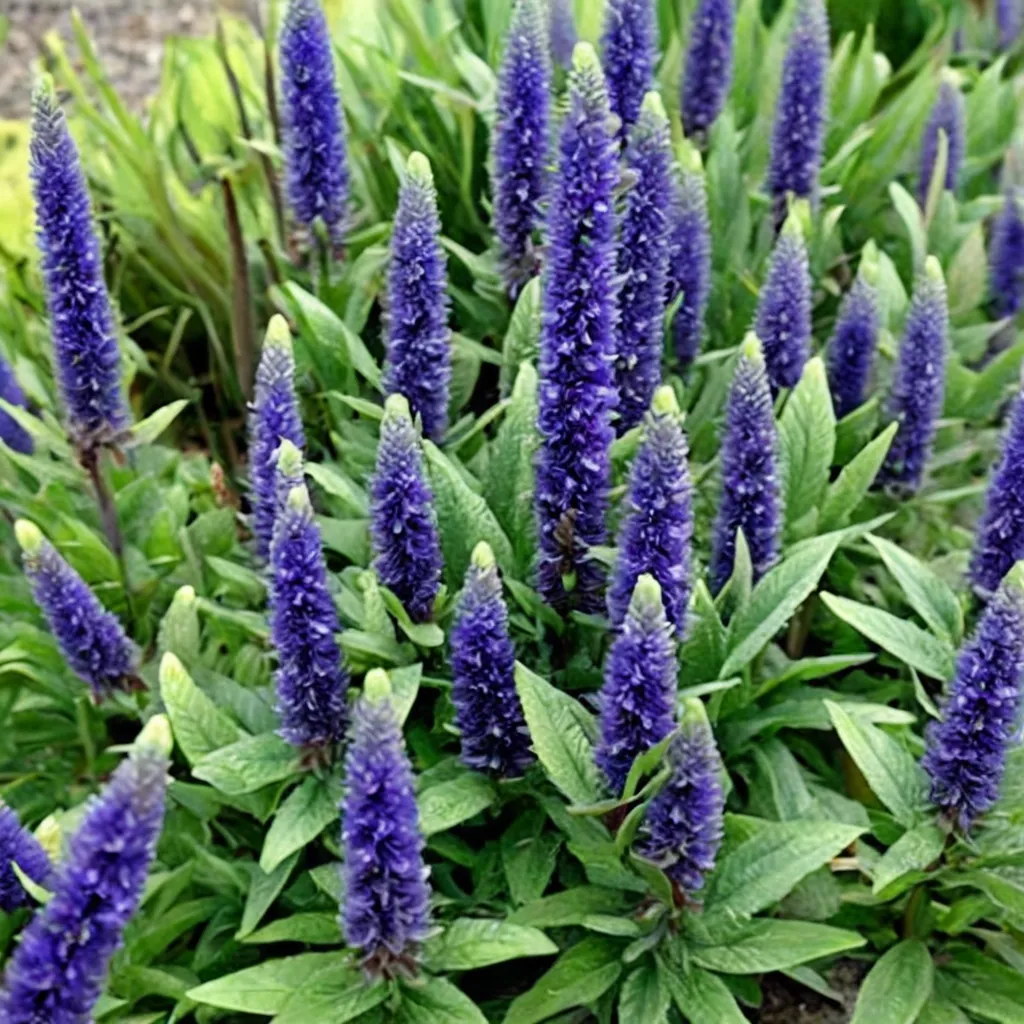
Royal Candles Spike Speedwell
Veronica spicata 'Glory'
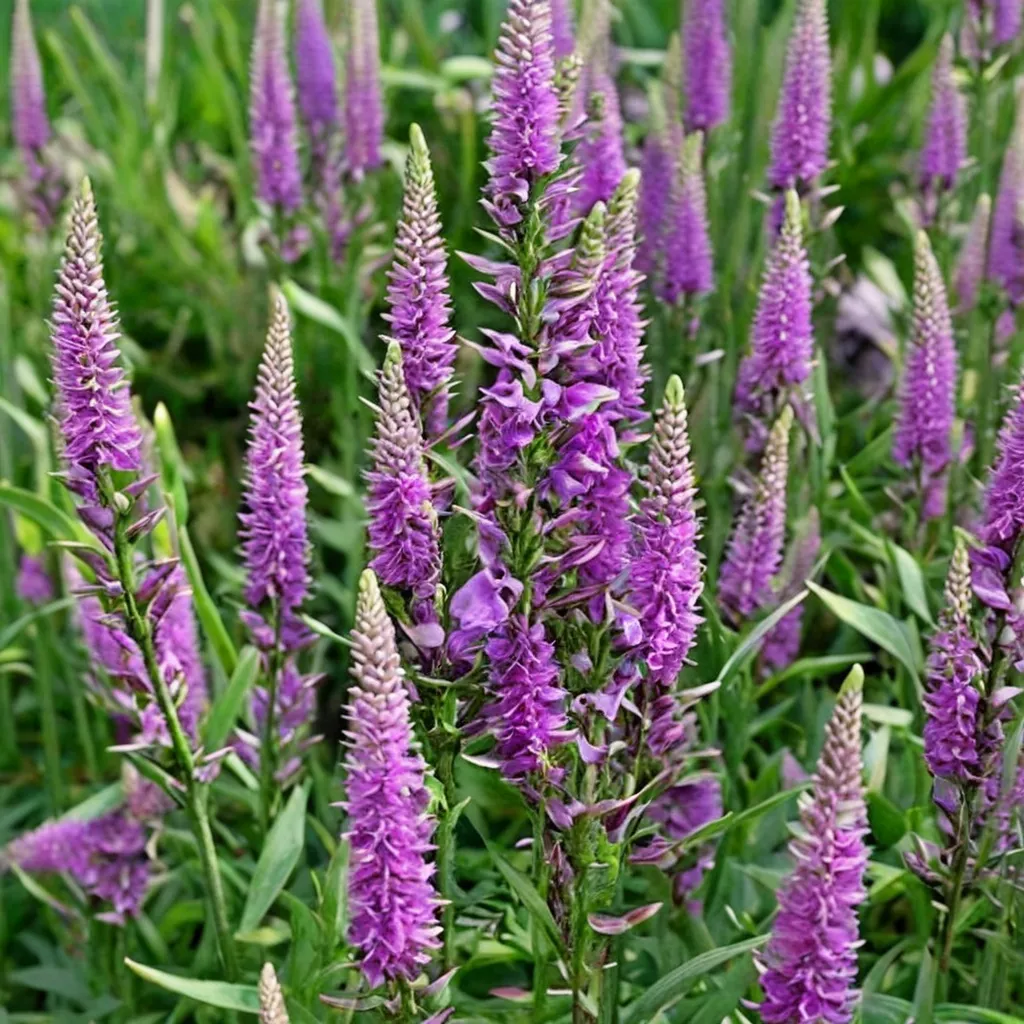
Longifolia Veronica Eveline
Veronica longifolia 'Eveline'
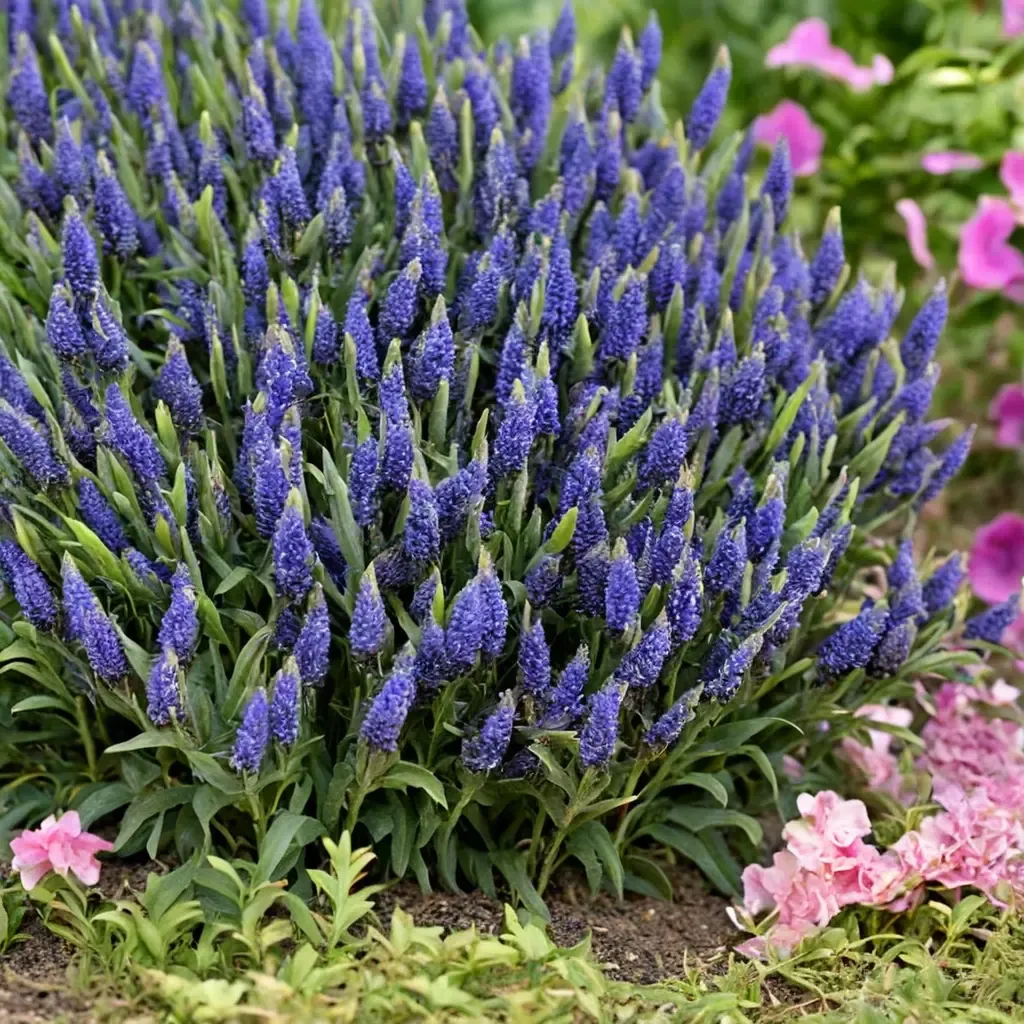
Wizard of Ahhs Speedwell
Veronica spicata 'Wizard Of Ahhs'
Keep exploring
Explore the genus
Hardy in your zone?
Grow Shrubby Veronica with confidence
See it in a design of your actual yard, get zone-matched care reminders, and track it season by season in your garden journal.