The Story
Plant Bio
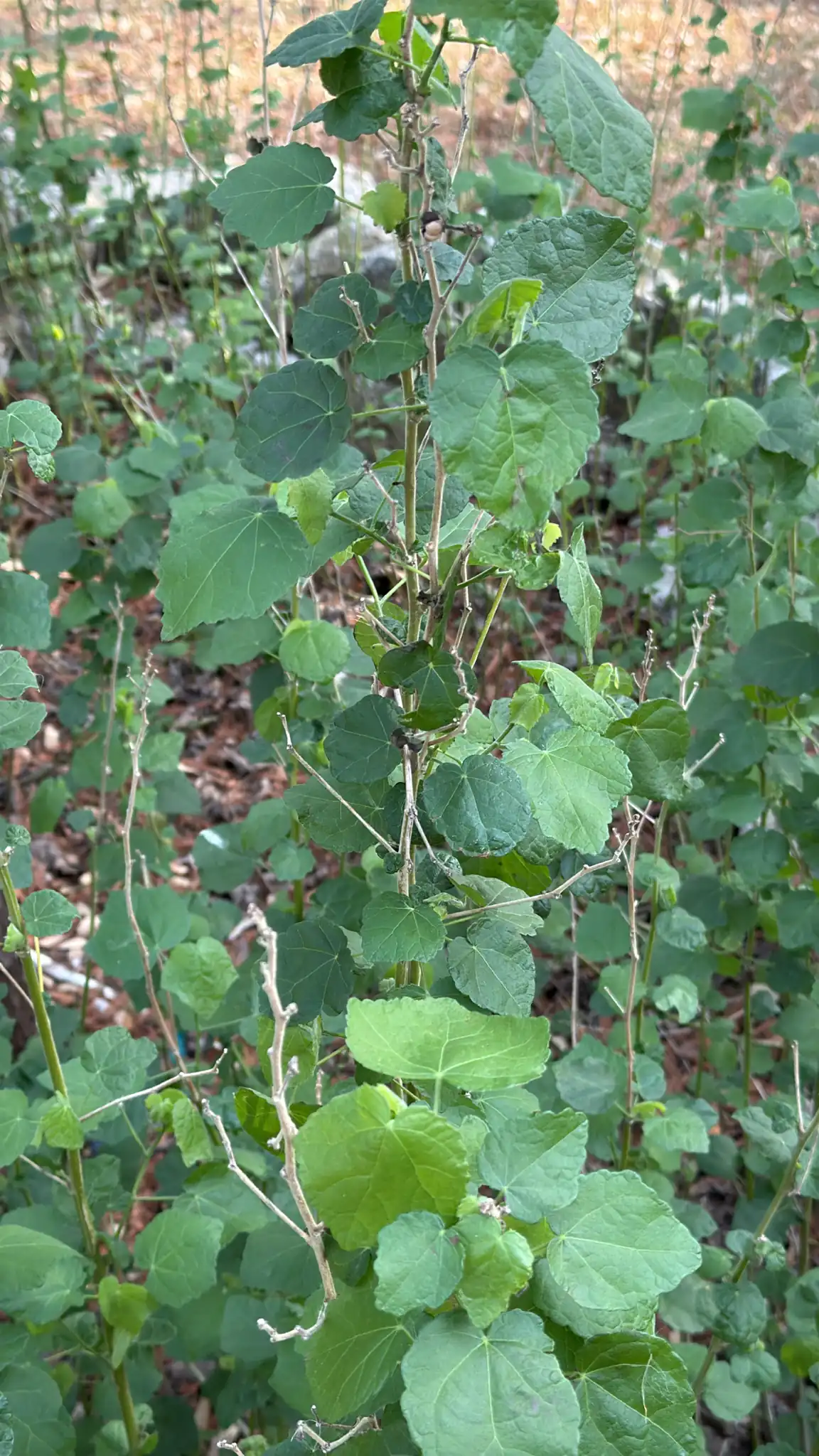
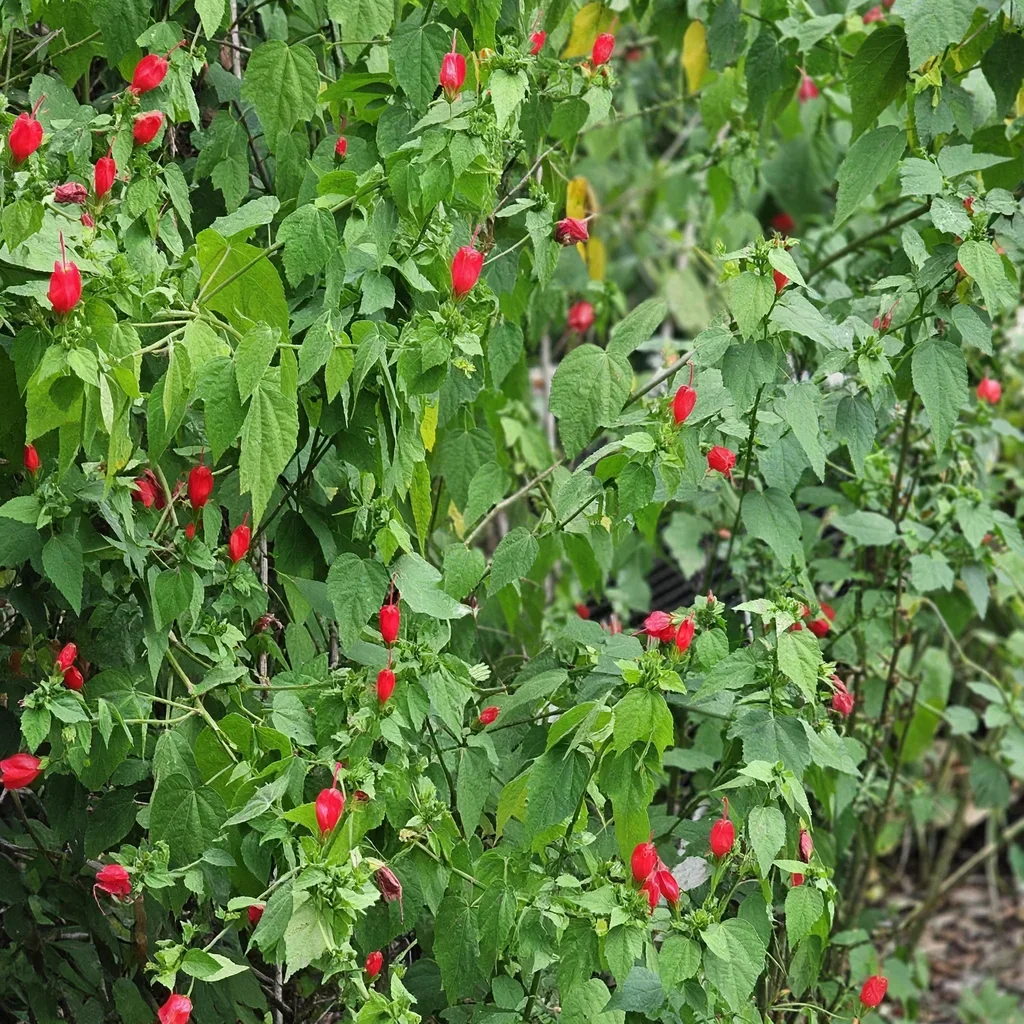
Malvaviscus arboreus is an upright, multi-stemmed shrub native to the southeastern United States and tropical America, characterized by its velvety, heart-shaped leaves and arching branches. The scarlet-red flowers feature petals that remain tightly swirled around a prominent, protruding staminal column, never fully opening.
This species functions as a die-back herbaceous perennial in colder zones, returning from the roots each spring, while remaining fully evergreen in frost-free climates. The fleshy red fruits that follow flowering provide an important food source for local birds and small mammals.
Uses & Benefits:
Essentials
At a Glance
Plant Type
Shrub
Height
120"
Width
96"
Light
Full Sun, Partial Sun
Zones
7, 8, 9, 10
Water
Moderate
Humidity
High
Lifespan
Perennial
Native To
The Americas
Toxicity
Non-toxic
Bloom period
Summer – Fall
In flower about 6 months of the year
Marketplace
Where to Buy
Shipping costs Year-round shipping Free shipping
Planting
How to Grow
- Select a planting site in full sun to partial shade with well-drained loam, sand, or clay soil.
- Dig a hole twice as wide as the root ball and set the plant at the same depth it was growing in the container.
- Water deeply at planting and maintain consistent moisture until the root system is established.
- Apply a balanced, slow-release organic fertilizer in early spring to support vigorous new growth.
Pro Tip
In USDA Zones 7 and 8, cut the entire plant back to the ground in late winter; flowering occurs on new wood, and failing to prune hard results in a sparse, woody framework with fewer blooms.
Keep It Thriving
Care Guide
Do
- Cut stems back to ground level in late winter to stimulate fresh, floriferous growth.
- Mulch the root zone heavily in colder zones to protect the crown from severe winter freezes.
- Provide at least four to six hours of direct sunlight daily for maximum flower production.
Don't
- Do not plant in poorly drained sites or low spots where water pools, as wet soils cause root rot.
- Avoid overhead watering in humid, shady conditions to minimize the risk of powdery mildew.
- Do not prune late in the summer, which removes developing flower buds.
Seasonal Care Calendar
| Task | Jan | Feb | Mar | Apr | May | Jun | Jul | Aug | Sep | Oct | Nov | Dec |
|---|---|---|---|---|---|---|---|---|---|---|---|---|
| Fertilize | ||||||||||||
| Mulch | ||||||||||||
| Pest Check | ||||||||||||
| Prune |
Watch Out For
Pests & Diseases
Common Pests
Common Diseases
In the Garden
Landscape Uses & Companions
Landscape Uses
Companion Plants
Multiply
Propagation Methods
Good to Know
Common Questions
Turk's cap questions
What zones can Turk's cap grow in?
Turk's cap is hardy in USDA Zones 7–10. Inside that range it survives winter in the ground; outside it, grow it as an annual or a container plant you protect.
Is Turk's cap deer resistant?
Yes — Turk's cap is rated deer-resistant. Deer typically pass it over, though extreme hunger can override any plant's defenses.
When does Turk's cap bloom?
Turk's cap typically blooms in summer through fall. Exact timing shifts a week or two with your zone — Sow's bloom calendar maps it to your garden.
Does Turk's cap need full sun?
Turk's cap does best in full sun to part shade. In hot climates, afternoon shade keeps blooms fresher longer.
Is Turk's cap drought tolerant?
Yes — once established (usually after the first full season), Turk's cap handles dry spells with minimal watering. Water deeply its first year to build the root system that makes that possible.
More Malvaviscus to compare
Keep exploring
Explore the genus
Hardy in your zone?
Grow Turk's cap with confidence
See it in a design of your actual yard, get zone-matched care reminders, and track it season by season in your garden journal.