The Story
Plant Bio
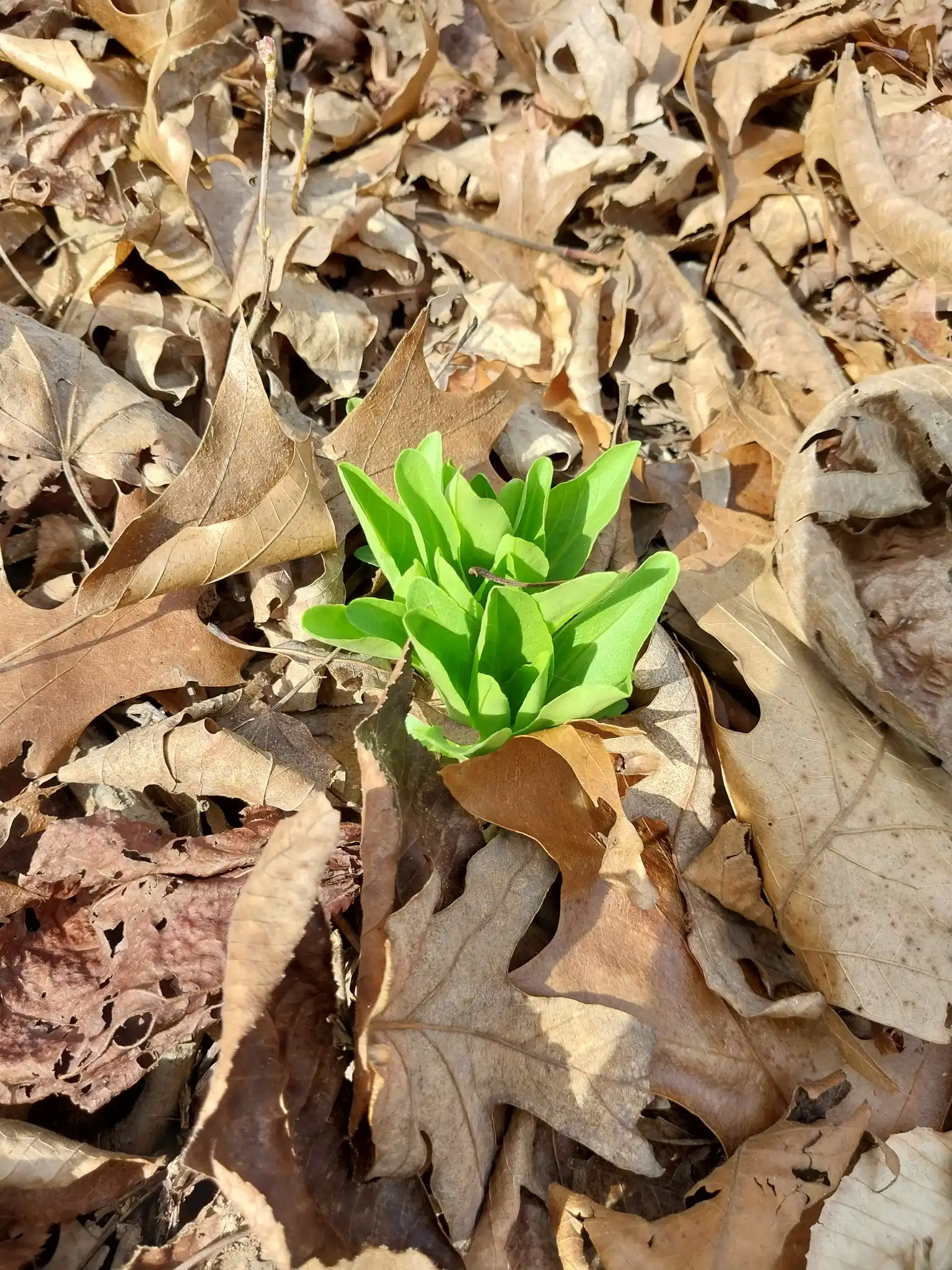
Primula meadia, commonly known as shooting star, is a spring-active herbaceous perennial native to eastern and central North American woodlands, forming a basal rosette of smooth, light green leaves. In mid-to-late spring, it sends up leafless upright scapes bearing nodding, cyclamen-like flowers with reflexed petals and a protruding dark beak.
This species is notable for its strict summer dormancy, completely dying back to the ground after seed set to survive dry summer conditions. The flowers range from white to lavender-magenta, each featuring a distinct yellow and dark-ringed throat that guides native buzz-pollinating bees.
Uses & Benefits:
Essentials
At a Glance
Plant Type
Perennial
Height
24"
Width
12"
Light
Partial Sun, Shade
Zones
4, 5, 6, 7, 8
Water
Consistent spring moisture; dry summer dormancy
Humidity
Moderate
Lifespan
Perennial
Native To
North America
Toxicity
Non-toxic
Bloom period
Spring – Late spring
In flower about 3 months of the year
Planting
How to Grow
- Plant crowns in fall or early spring in a shaded site with rich, organic, well-draining soil.
- Maintain consistent moisture through the spring growing and flowering period.
- Allow the foliage to yellow and wither completely after flowering; do not cut green leaves.
- Stop watering during summer dormancy to prevent the underground tubers from rotting.
Pro Tip
Keep the soil completely unwatered and well-drained during the summer dormant phase; excess moisture when the foliage has died back triggers fatal crown rot.
Keep It Thriving
Care Guide
Do
- Allow foliage to die back naturally to nourish the rootstock.
- Ensure exceptional drainage during the summer dormant period.
- Top-dress with organic compost or leaf mold in the fall.
Don't
- Do not water the plant during its summer dormant phase.
- Do not cut back green leaves prematurely.
- Do not apply heavy chemical fertilizers to the root zone.
Seasonal Care Calendar
| Task | Jan | Feb | Mar | Apr | May | Jun | Jul | Aug | Sep | Oct | Nov | Dec |
|---|---|---|---|---|---|---|---|---|---|---|---|---|
| Divide | ||||||||||||
| Fertilize | ||||||||||||
| Pest Check | ||||||||||||
| Spring Cleanup |
Watch Out For
Pests & Diseases
Common Pests
Common Diseases
In the Garden
Landscape Uses & Companions
Landscape Uses
Multiply
Propagation Methods
Good to Know
Common Questions
Shooting star questions
What zones can Shooting star grow in?
Shooting star is hardy in USDA Zones 4–8. Inside that range it survives winter in the ground; outside it, grow it as an annual or a container plant you protect.
Is Shooting star deer resistant?
Not reliably. Deer may browse Shooting star, especially tender spring growth — plan on repellents or fencing where pressure is high.
When does Shooting star bloom?
Shooting star typically blooms in spring through late spring. Exact timing shifts a week or two with your zone — Sow's bloom calendar maps it to your garden.
Does Shooting star need full sun?
Shooting star does best in part shade.
Keep exploring
Explore the genus
Hardy in your zone?
Grow Shooting star with confidence
See it in a design of your actual yard, get zone-matched care reminders, and track it season by season in your garden journal.