The Story
Plant Bio
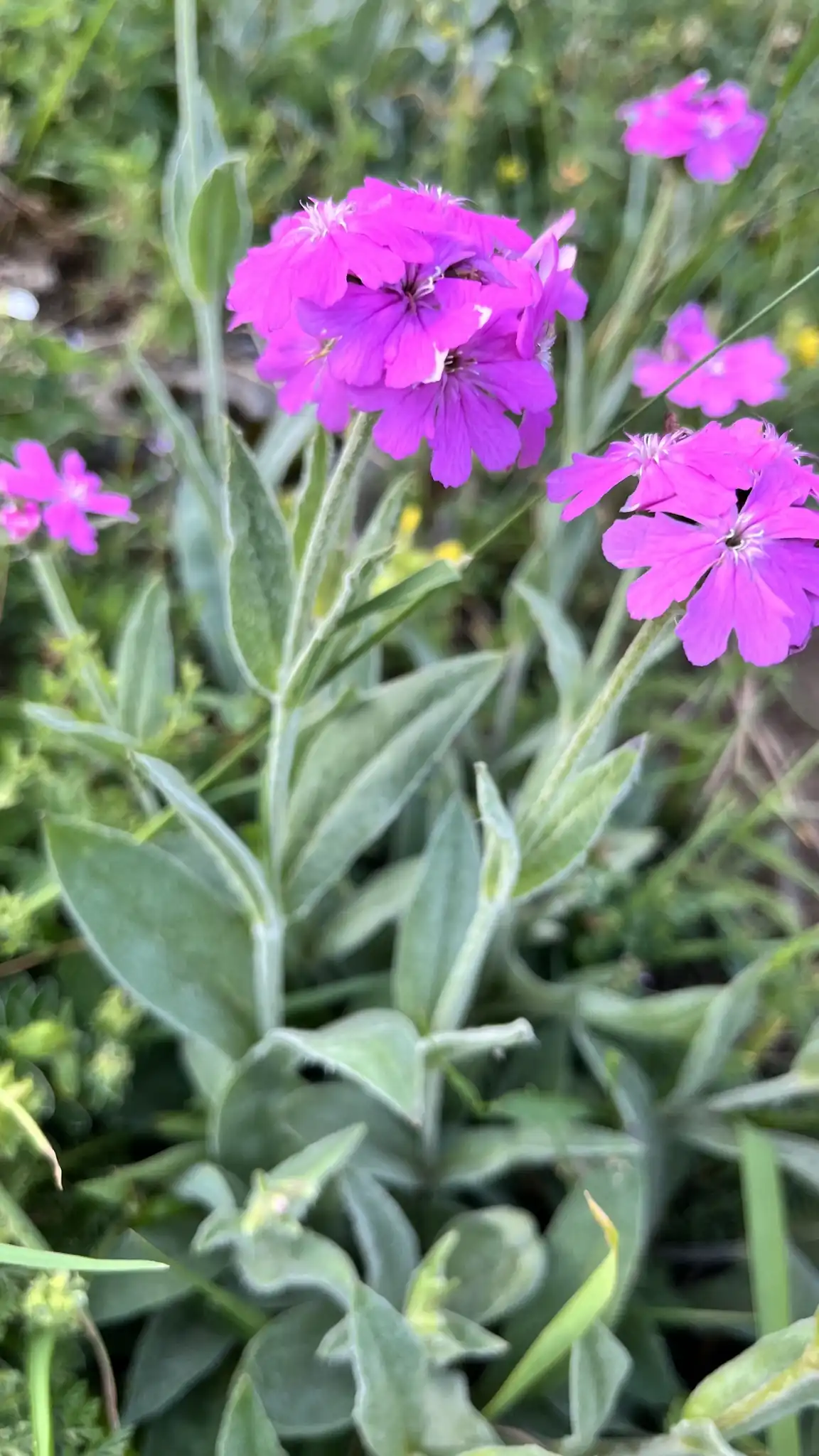
Silene flos-jovis, commonly known as the flower of Jove, is a mat-forming alpine perennial native to the mountainous regions of central Europe. It forms dense rosettes of woolly, gray-green leaves covered in fine hairs, providing a soft, textured ground cover even when not in bloom.
In summer, the plant produces dense clusters of bright pink to purple-red flowers with deeply notched petals held on upright, sticky stems. The woolly foliage and vibrant blossoms make it a distinctive choice for sharply drained rock gardens and alpine troughs.
Uses & Benefits:
Essentials
At a Glance
Plant Type
Perennial
Height
24"
Width
18"
Light
Full Sun, Partial Sun
Zones
4, 5, 6, 7, 8, 9
Water
Low to Moderate
Humidity
Low to Moderate
Lifespan
Perennial
Native To
Europe
Toxicity
Skin Irritant
Bloom period
Summer
In flower about 3 months of the year
Planting
How to Grow
- Select a planting site in full sun that receives at least six hours of direct daily sunlight.
- Amend the planting area with grit, gravel, or coarse sand to ensure rapid drainage, avoiding rich loams or heavy clays.
- Dig a hole twice the width of the root ball, set the plant so the crown sits slightly above the soil line, and backfill.
- Water moderately to settle the soil, then limit watering to periods of active growth, allowing the soil to dry completely between applications.
Pro Tip
Plant in lean, gritty, exceptionally well-drained media under full sun; excess soil nutrients or trapped winter moisture will rapidly rot the crown.
Keep It Thriving
Care Guide
Do
- Cut back spent flowering stems after the summer bloom to tidy the clump and encourage neat basal rosettes.
- Ensure excellent air circulation around the foliage to prevent fungal issues in humid climates.
- Grow in lean, rocky, or sandy soils to maintain a compact, sturdy growth habit.
Don't
- Do not over-fertilize, as rich soils cause weak, leggy growth and reduce the plant's lifespan.
- Do not plant in heavy clay or low-lying areas where water collects, which triggers fatal root rot.
- Avoid overhead watering; wet foliage combined with stagnant air encourages powdery mildew.
Seasonal Care Calendar
| Task | Jan | Feb | Mar | Apr | May | Jun | Jul | Aug | Sep | Oct | Nov | Dec |
|---|---|---|---|---|---|---|---|---|---|---|---|---|
| Deadhead | ||||||||||||
| Pest Check | ||||||||||||
| Propagate | ||||||||||||
| Spring Cleanup |
Watch Out For
Pests & Diseases
Common Pests
Common Diseases
In the Garden
Landscape Uses & Companions
Landscape Uses
Companion Plants
Multiply
Propagation Methods
Good to Know
Common Questions
Flower of Jove questions
What zones can Flower of Jove grow in?
Flower of Jove is hardy in USDA Zones 4–9. Inside that range it survives winter in the ground; outside it, grow it as an annual or a container plant you protect.
Is Flower of Jove deer resistant?
Yes — Flower of Jove is rated deer-resistant. Deer typically pass it over, though extreme hunger can override any plant's defenses.
When does Flower of Jove bloom?
Flower of Jove typically blooms in summer through summer. Exact timing shifts a week or two with your zone — Sow's bloom calendar maps it to your garden.
Does Flower of Jove need full sun?
Flower of Jove does best in full sun to part shade. In hot climates, afternoon shade keeps blooms fresher longer.
Is Flower of Jove drought tolerant?
Yes — once established (usually after the first full season), Flower of Jove handles dry spells with minimal watering. Water deeply its first year to build the root system that makes that possible.
More Silene to compare
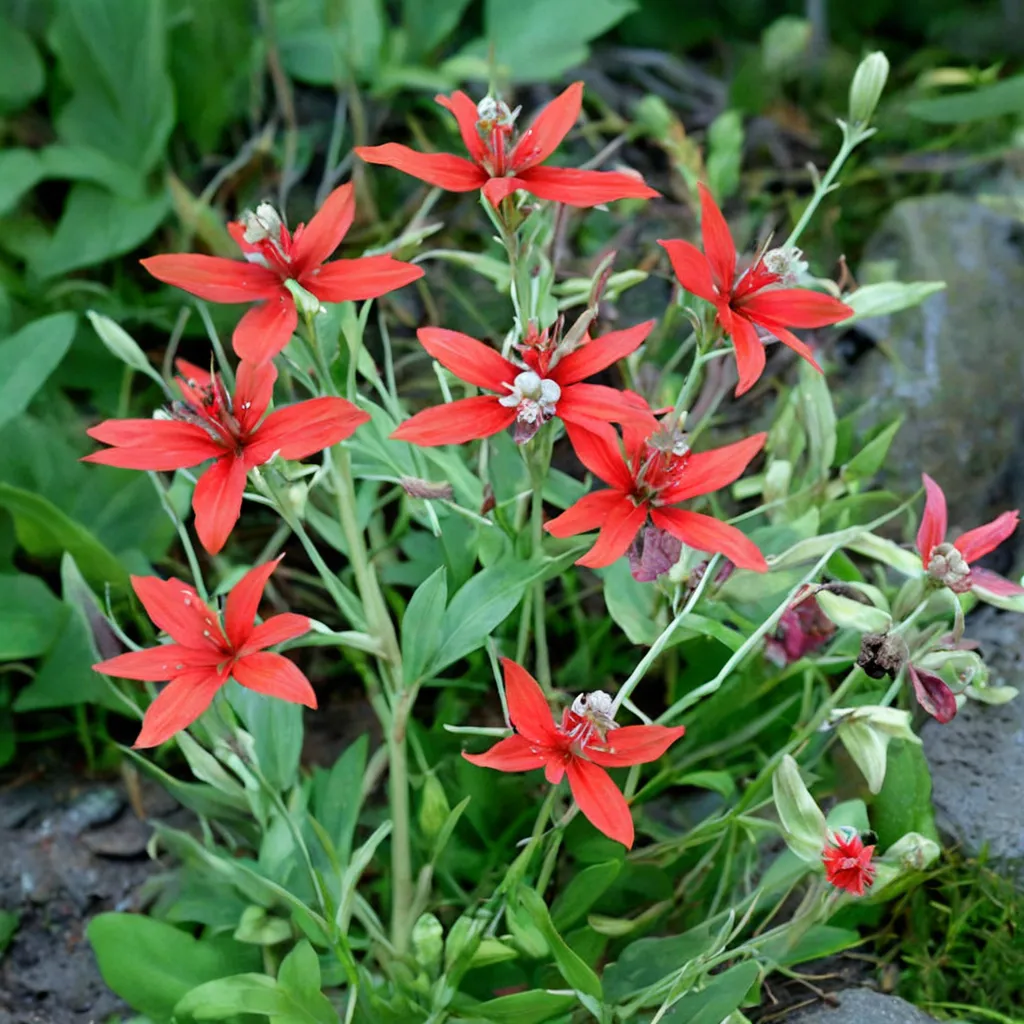
Fire Pink
Silene virginica 'Fire Pinks'
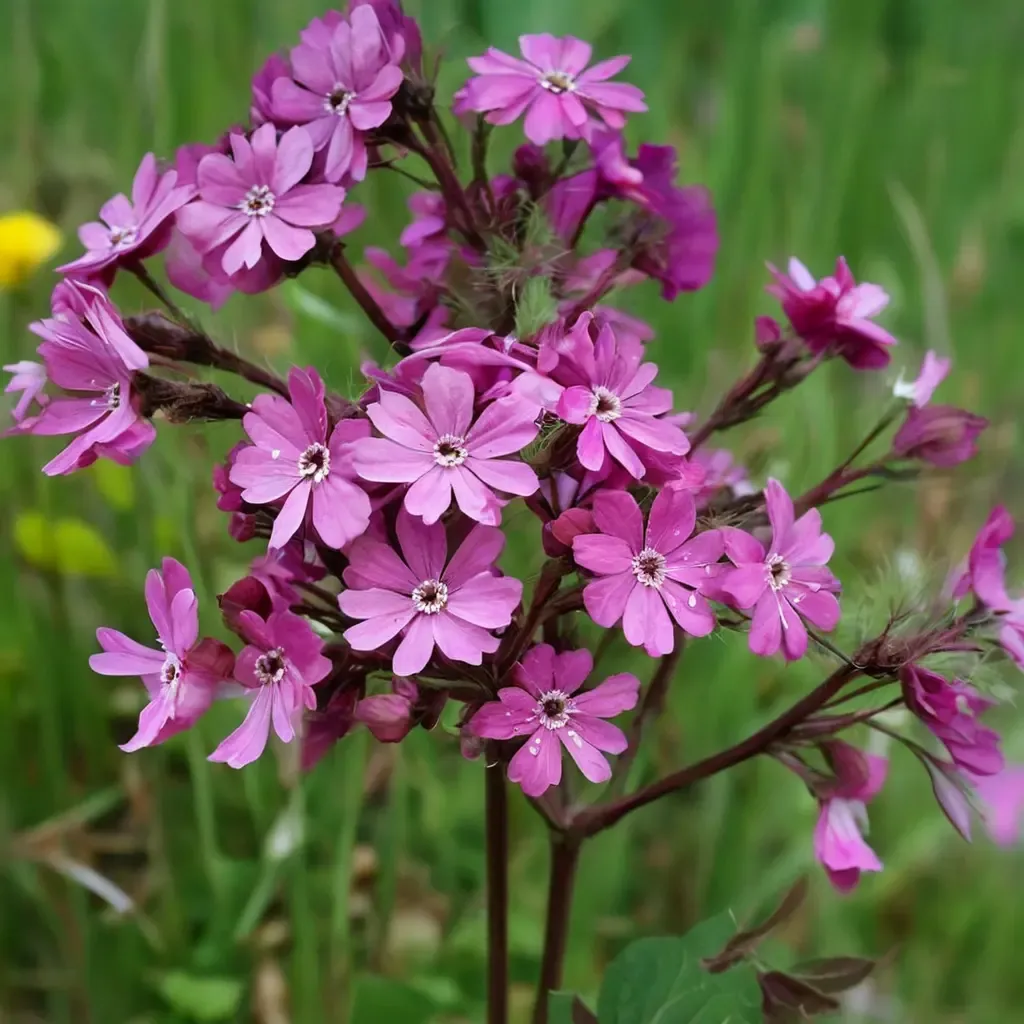
Red Campion
Silene dioica
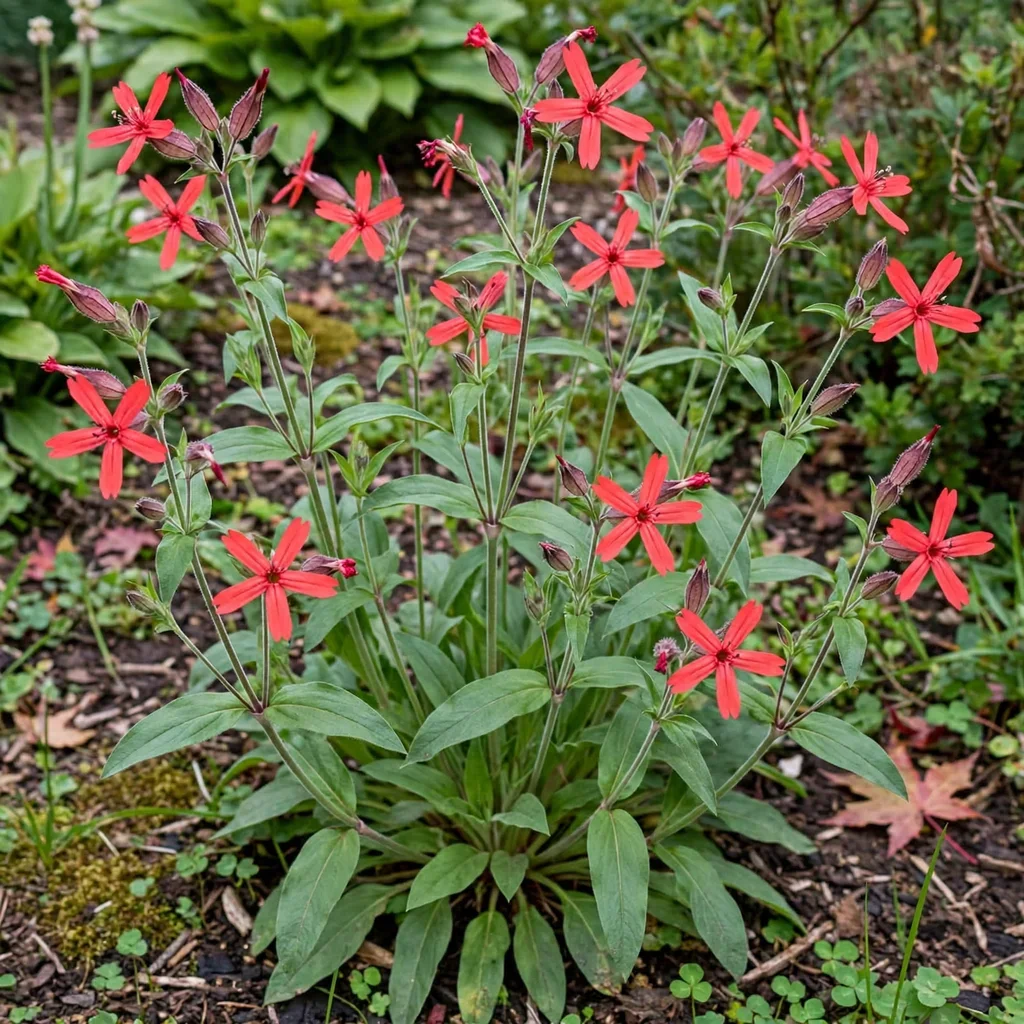
Jackson Valentine Fire Pink
Silene virginica 'Jackson Valentine'
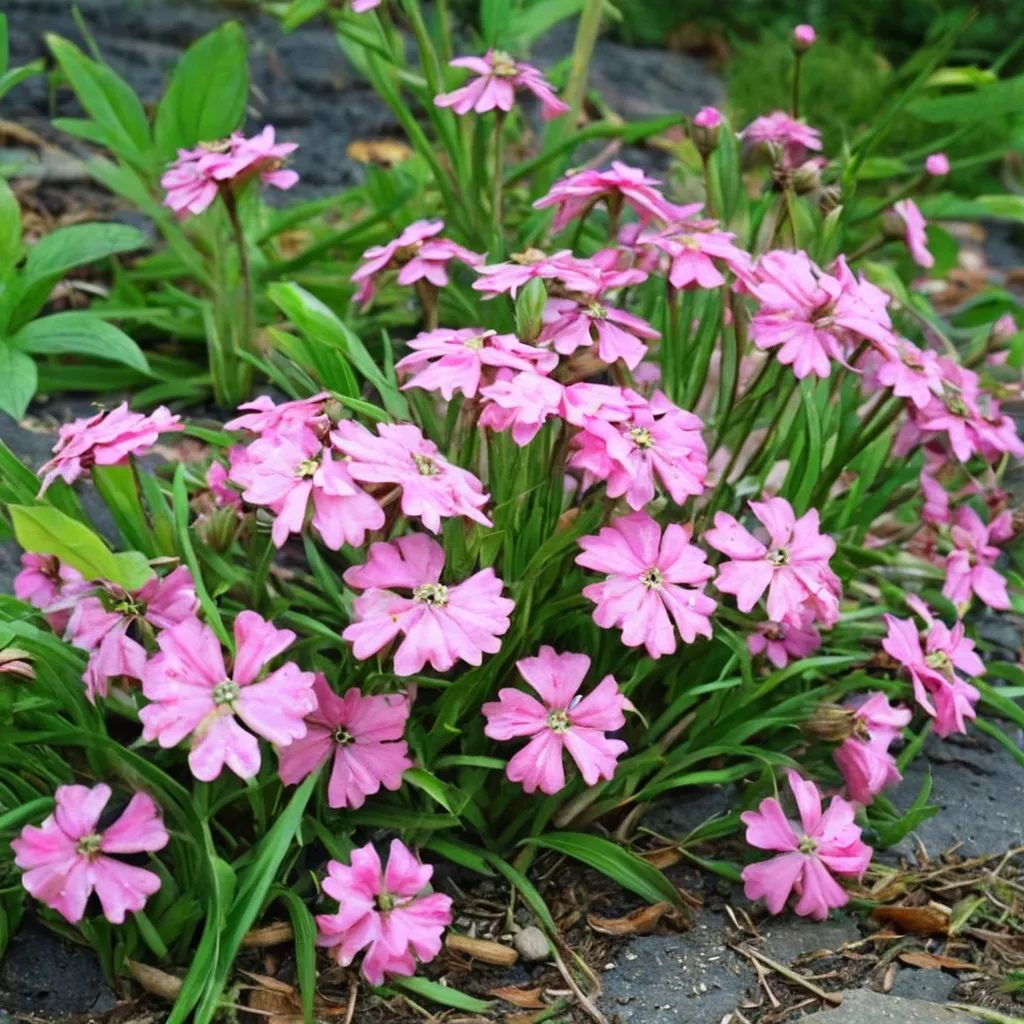
Wild Pink
Silene caroliniana 'Short and Sweet'
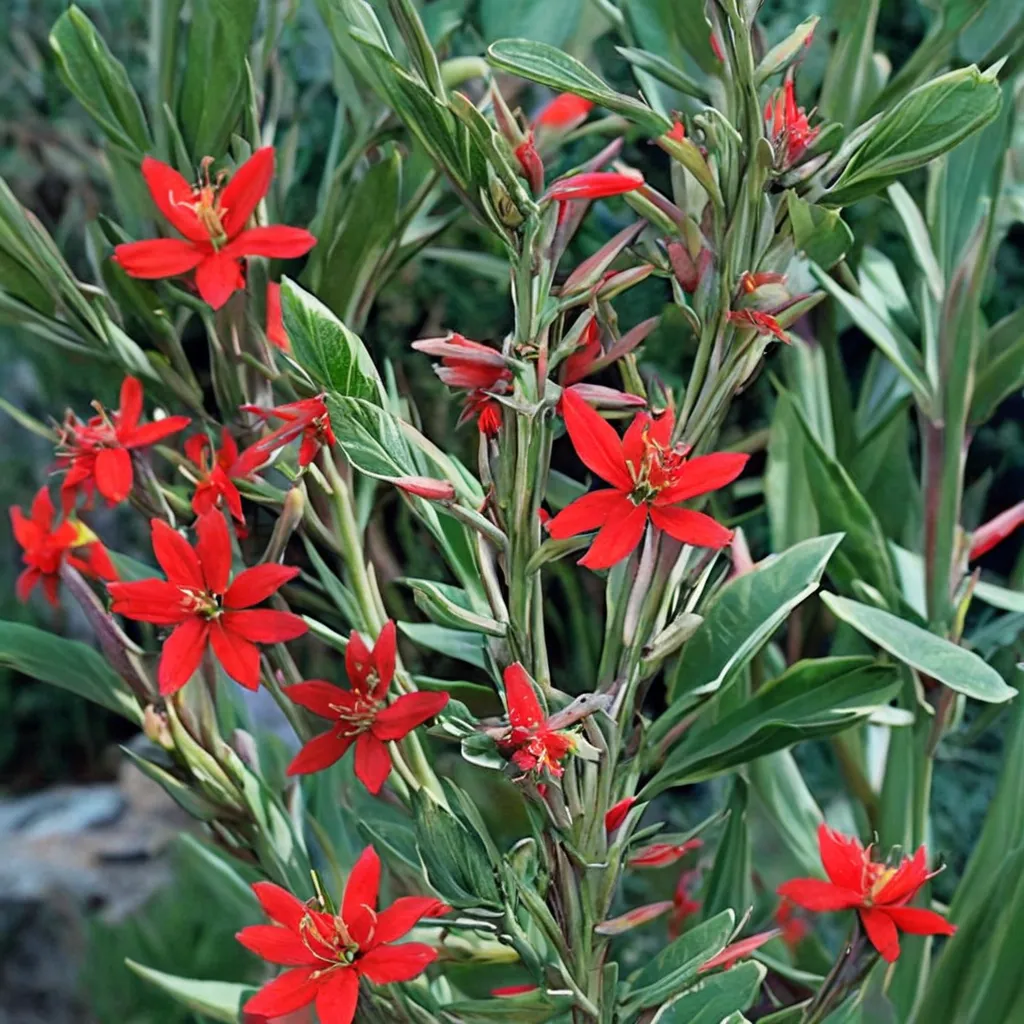
Prairie Fire Royal Catchfly
Silene regia 'Prairie Fire'
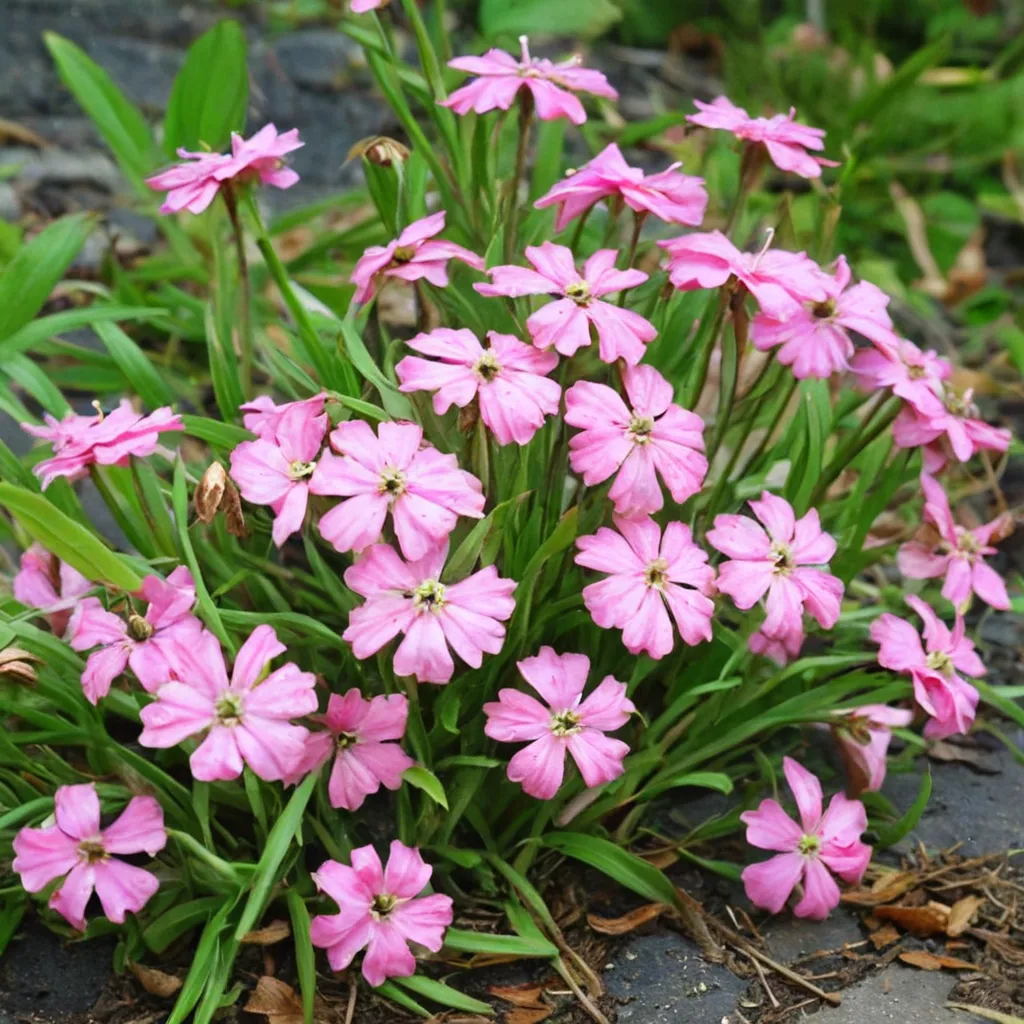
Short and Sweet Wild Pinks
Silene caroliniana 'Short Sweet'
Keep exploring
Explore the genus
Grow Flower of Jove with confidence
See it in a design of your actual yard, get zone-matched care reminders, and track it season by season in your garden journal.