The Story
Plant Bio
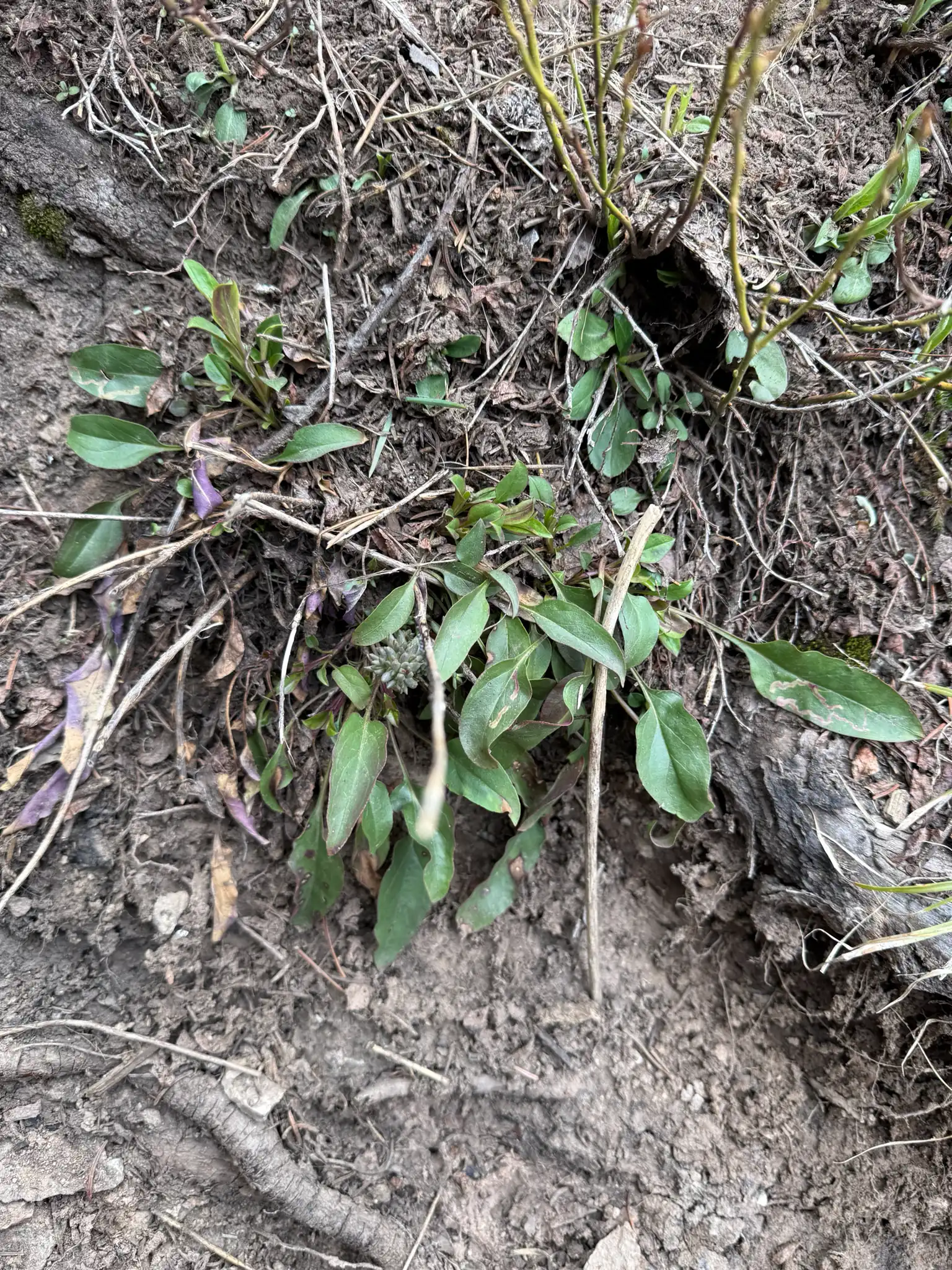
Penstemon whippleanus, known as dusky penstemon, is a cold-hardy herbaceous to semi-woody perennial native to high-elevation mountain regions of the western United States. It forms dense basal mats of glossy dark green leaves that give rise to erect stems bearing clusters of tubular, deep wine-purple flowers.
Unlike desert beardtongues, this subalpine species originates from mountain meadows and thrives with light summer moisture and afternoon shade in warm climates. Its blooms feature distinctive bearded staminodes and dark, near-black purple tones rarely encountered in wild perennials.
Uses & Benefits:
Essentials
At a Glance
Plant Type
Perennial
Height
35"
Width
24"
Light
Full Sun, Partial Sun
Zones
4, 5, 6, 7, 8, 9
Water
Moderate
Humidity
Low
Lifespan
Perennial
Native To
North America
Toxicity
Non-toxic
Bloom period
Late spring – Early fall
In flower about 5 months of the year
Marketplace
Where to Buy
Shipping costs Year-round shipping Free shipping
Planting
How to Grow
- Select a planting site in full sun or partial shade, preferring afternoon shade in hot low-elevation climates.
- Amend gritty, rocky, or sandy soil to ensure fast drainage, avoiding low spots where water pools.
- Plant container stock at the same depth as in the pot, firming soil gently around the crown.
- Water regularly during the first season to establish roots, then transition to moderate watering as needed.
Pro Tip
Provide sharply draining soil with modest summer moisture, and avoid heavy pruning into old leafless wood near the base.
Keep It Thriving
Care Guide
Do
- Plant in sharply draining soil to prevent winter root rot.
- Provide afternoon shade in warmer low-elevation regions.
- Deadhead spent flower spikes to encourage secondary blooms.
Don't
- Do not over-fertilize, as excess nutrients cause weak, floppy stems.
- Do not allow soil to stay waterlogged or poorly drained.
- Do not prune deeply into old, woody stem bases.
Seasonal Care Calendar
| Task | Jan | Feb | Mar | Apr | May | Jun | Jul | Aug | Sep | Oct | Nov | Dec |
|---|---|---|---|---|---|---|---|---|---|---|---|---|
| Deadhead | ||||||||||||
| Plant | ||||||||||||
| Propagate | ||||||||||||
| Prune | ||||||||||||
| Spring Cleanup |
Watch Out For
Pests & Diseases
Common Pests
Common Diseases
In the Garden
Landscape Uses & Companions
Landscape Uses
Companion Plants
Multiply
Propagation Methods
Good to Know
Common Questions
Dusky Penstemon questions
What zones can Dusky Penstemon grow in?
Dusky Penstemon is hardy in USDA Zones 4–9. Inside that range it survives winter in the ground; outside it, grow it as an annual or a container plant you protect.
Is Dusky Penstemon deer resistant?
Yes — Dusky Penstemon is rated deer-resistant. Deer typically pass it over, though extreme hunger can override any plant's defenses.
When does Dusky Penstemon bloom?
Dusky Penstemon typically blooms in late spring through early fall. Exact timing shifts a week or two with your zone — Sow's bloom calendar maps it to your garden.
Does Dusky Penstemon need full sun?
Dusky Penstemon does best in full sun to part shade. In hot climates, afternoon shade keeps blooms fresher longer.
Is Dusky Penstemon drought tolerant?
Yes — once established (usually after the first full season), Dusky Penstemon handles dry spells with minimal watering. Water deeply its first year to build the root system that makes that possible.
More Penstemon to compare
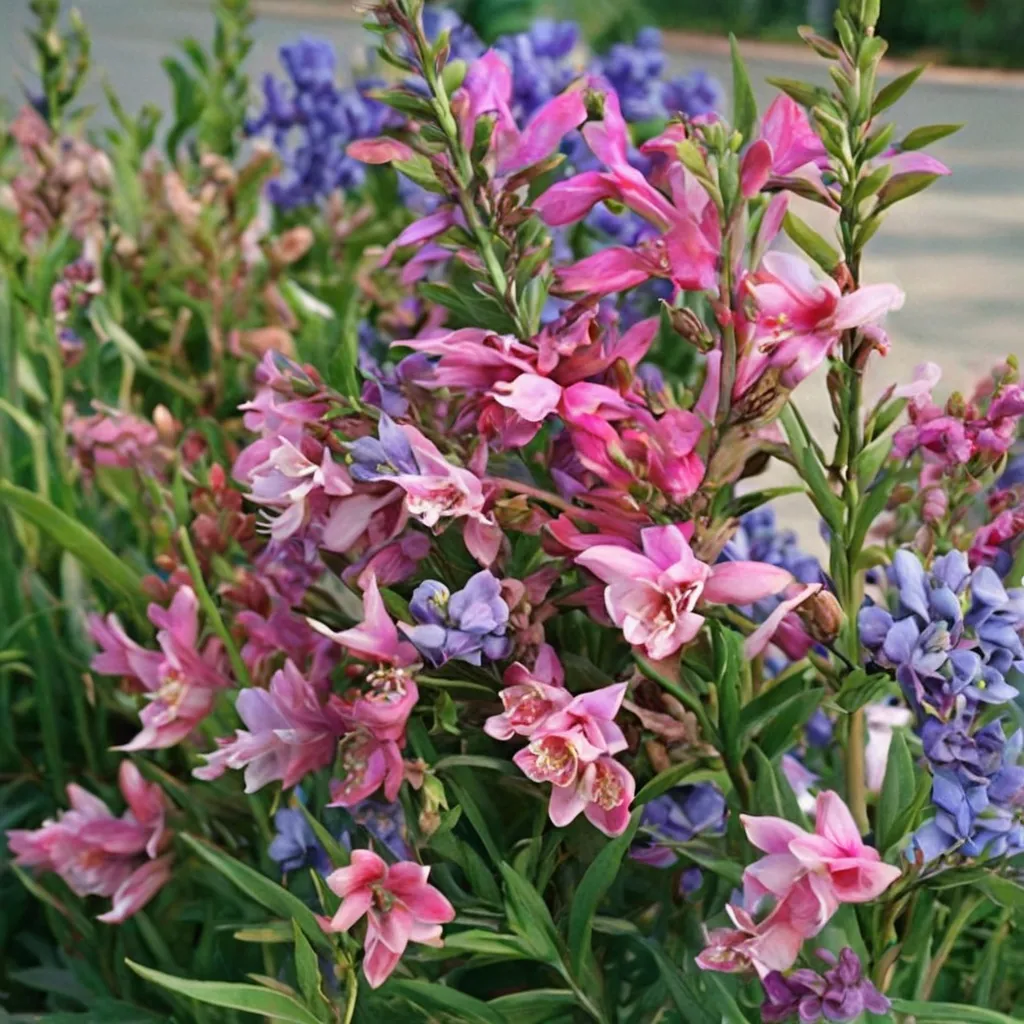
Beardtongue Rondo
Penstemon barbatus 'Rondo'
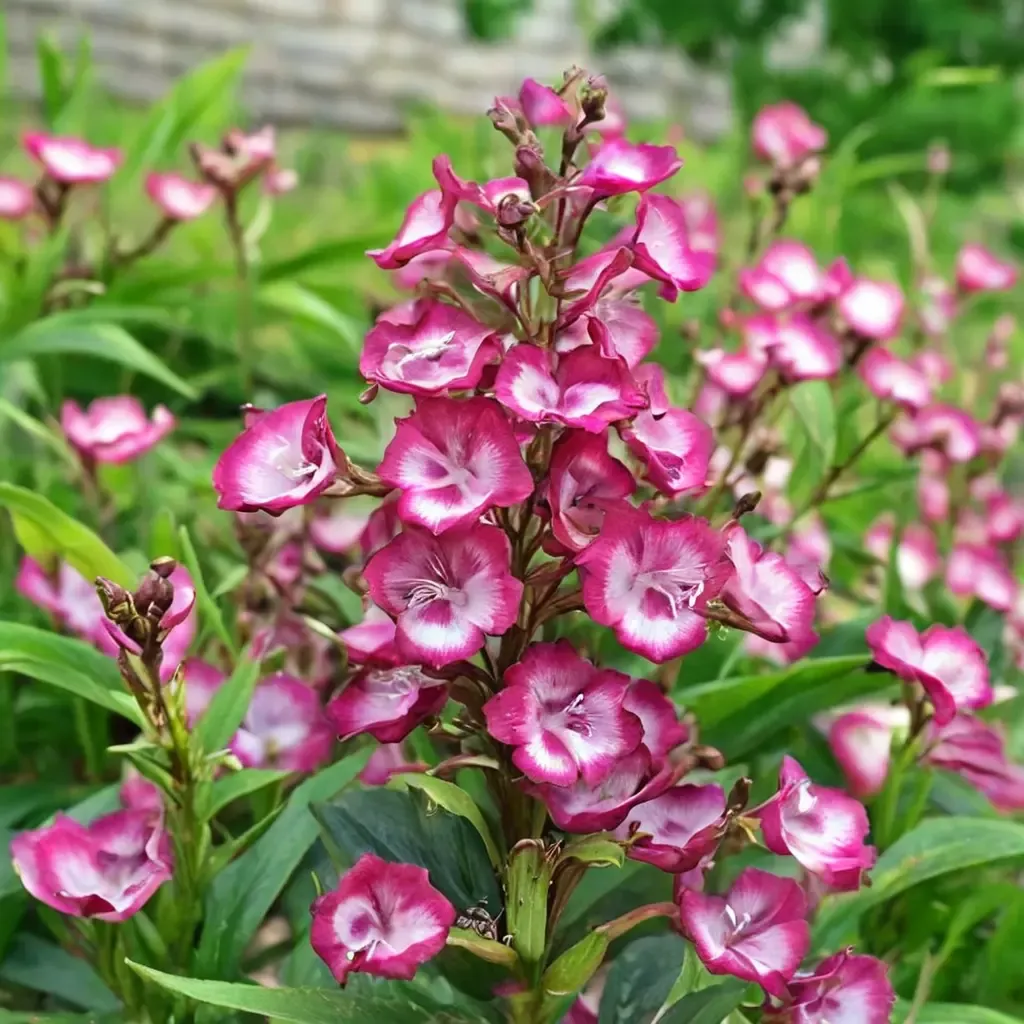
George Home Penstemon
Penstemon digitalis 'George Home'
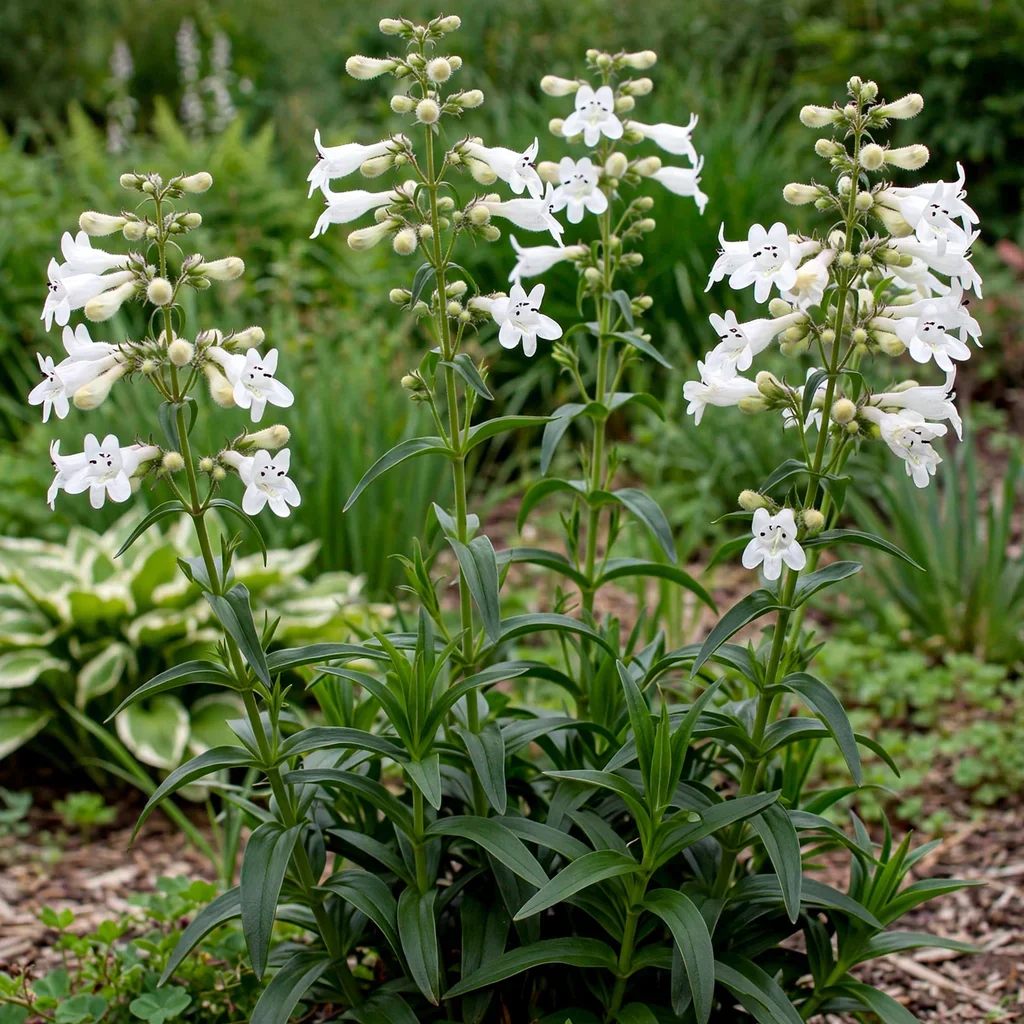
Foxglove Beardtongue
Penstemon digitalis
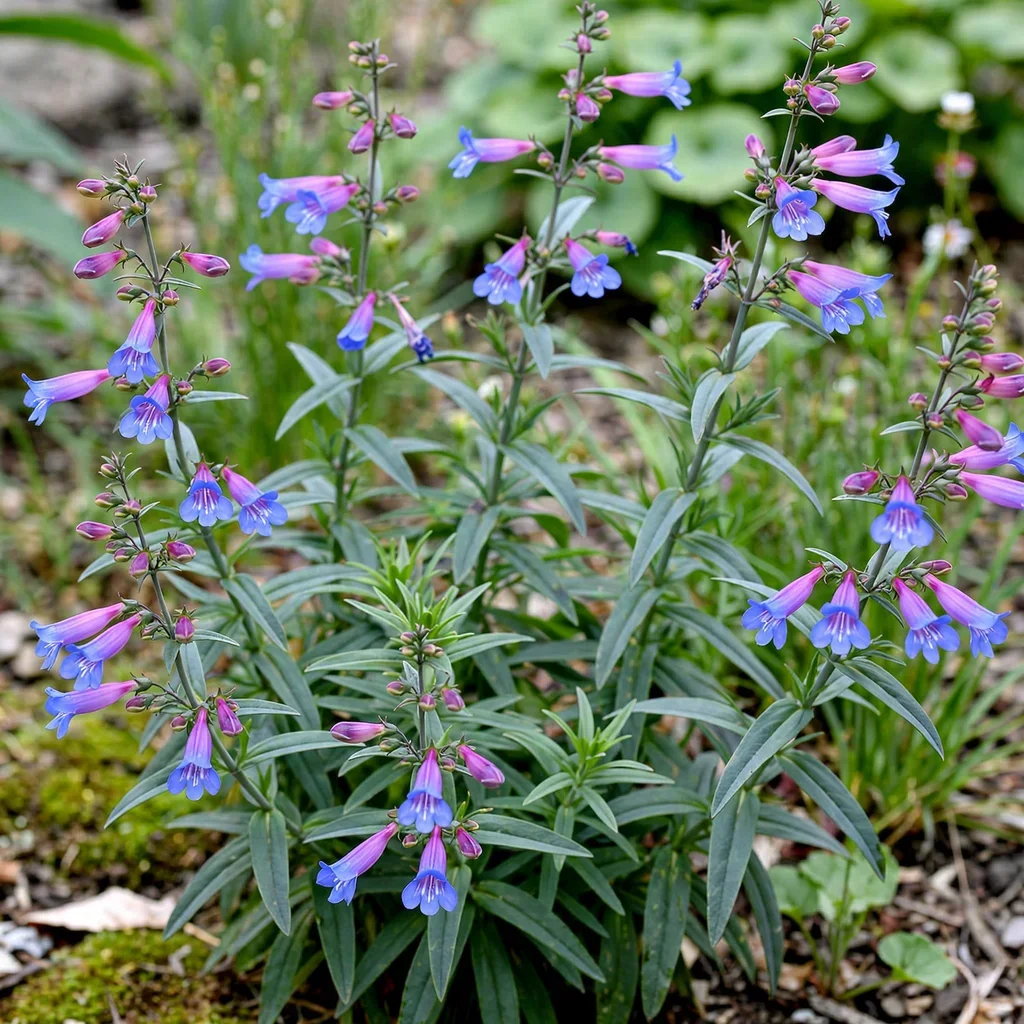
Blue Springs Penstemon
Penstemon heterophyllus 'Blue Springs'
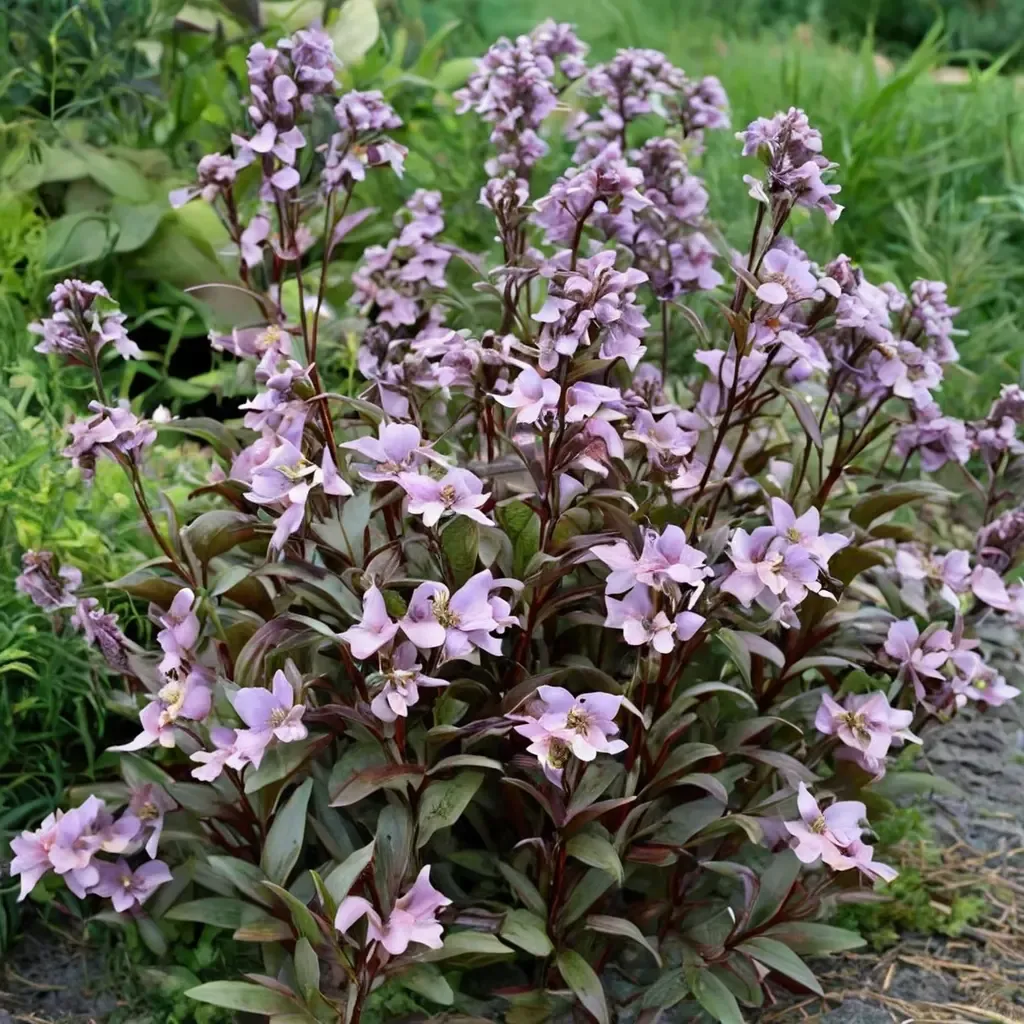
Blackbeard Beardtongue
Penstemon digitalis 'Blackbeard'
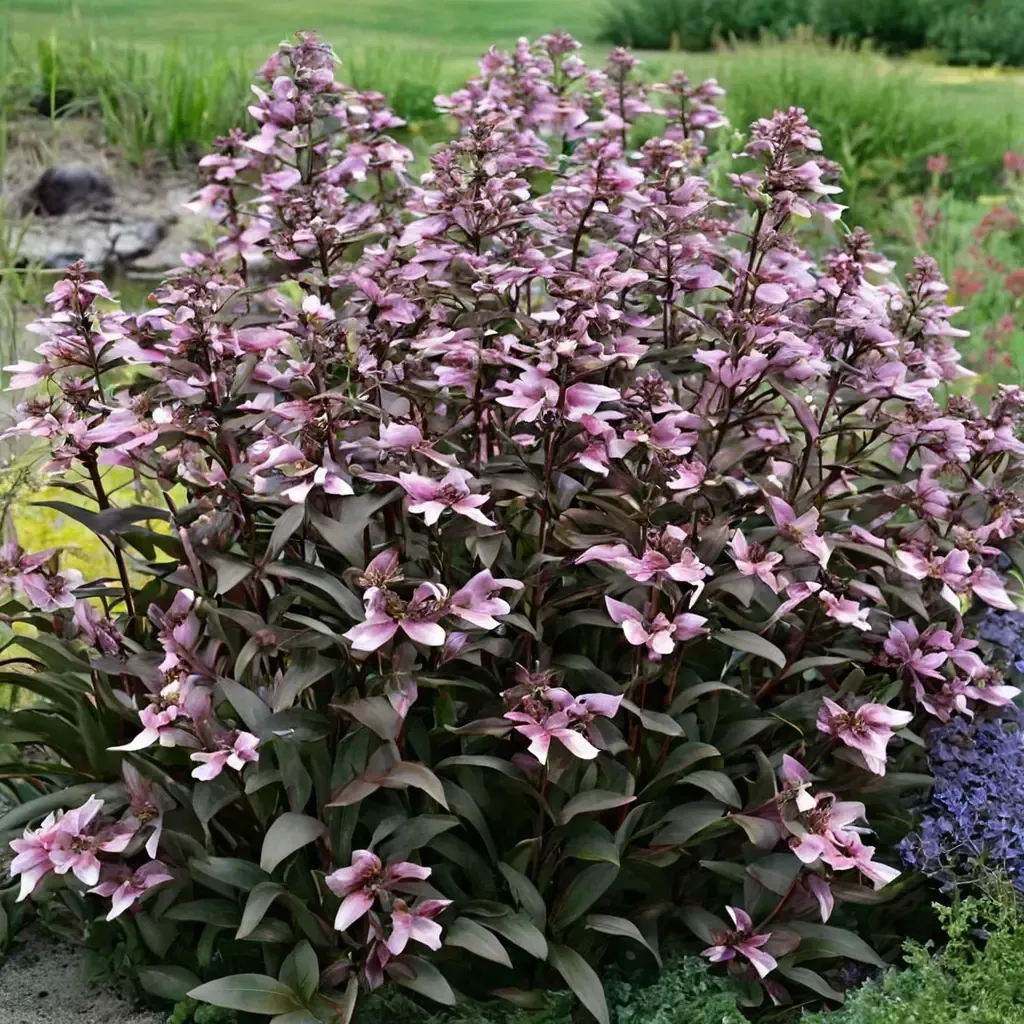
Dark Towers Penstemon
Penstemon digitalis 'Dark Towers'
Keep exploring
Explore the genus
Grow Dusky Penstemon with confidence
See it in a design of your actual yard, get zone-matched care reminders, and track it season by season in your garden journal.