The Story
Plant Bio
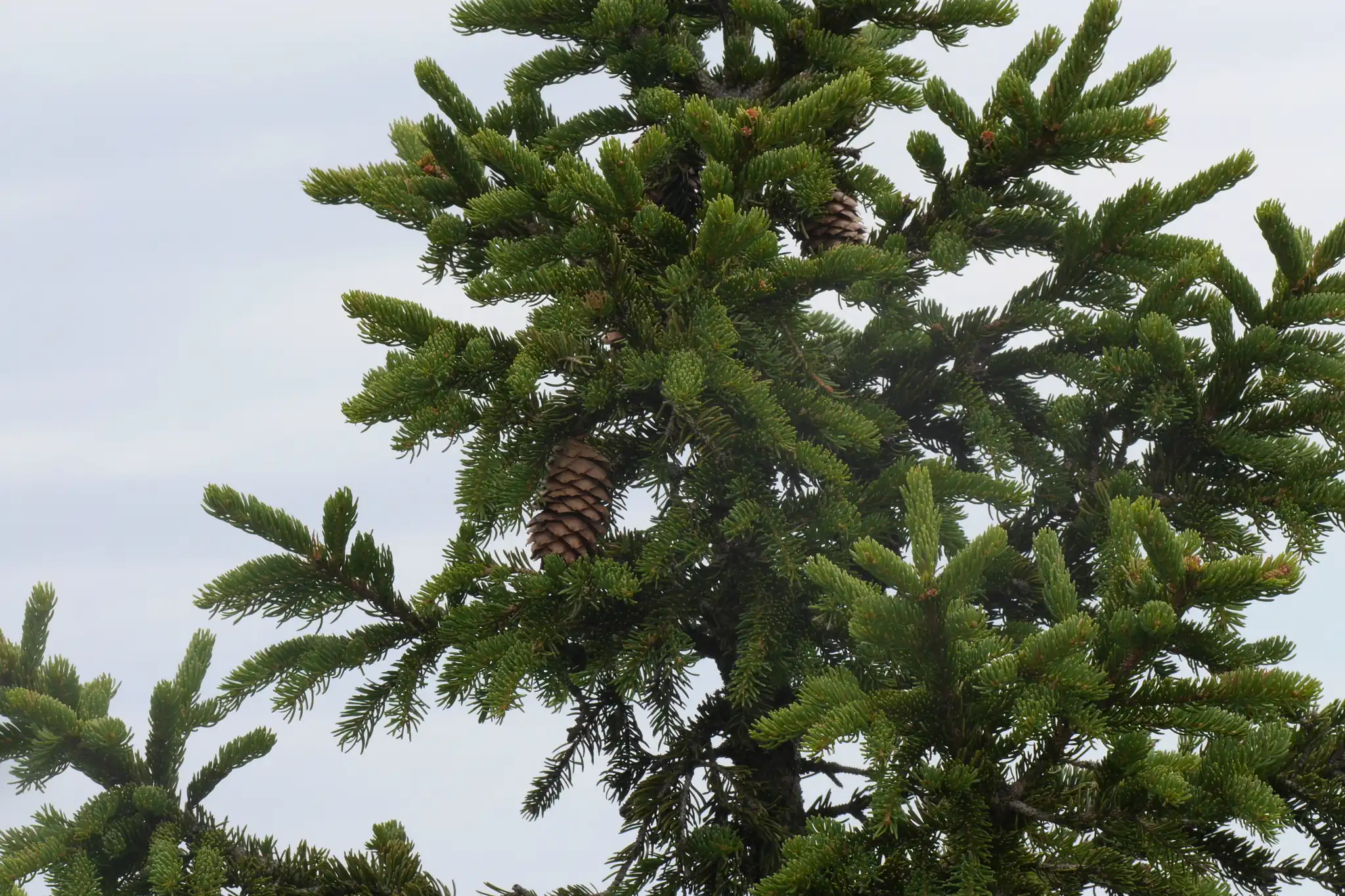
Picea omorika is a graceful, medium to large-sized coniferous evergreen tree native to a very small area in the Drina River valley in eastern Bosnia and western Serbia. It is known for its slender, elegant, pyramidal form.
This spruce is prized for its exceptionally graceful habit, with arching upper branches and pendulous lower branches that sweep upwards at the tips. The needles are two-toned, dark green above and silvery-blue below, creating a shimmering effect.
Uses & Benefits:
Essentials
At a Glance
Plant Type
Tree
Height
660"
Width
300"
Light
Full Sun, Partial Sun
Zones
4, 5, 6, 7
Water
Medium
Humidity
Prefers cool climates
Lifespan
Long-lived
Native To
Balkans (Serbia, Bosnia)
Toxicity
Non-toxic
Marketplace
Where to Buy
Shipping costs Year-round shipping Free shipping
Planting
How to Grow
- Choose a site with full sun and good air circulation
- Ensure the soil is well-drained; it tolerates various soil types
- Dig a hole twice as wide as the root ball
- Set the tree so the top of the root ball is level with the soil
- Backfill with native soil and water thoroughly
- Mulch to conserve moisture and regulate soil temperature
Pro Tip
More tolerant of urban conditions and a wider range of soils than many other spruces.
Keep It Thriving
Care Guide
Do
- Provide adequate space for its mature size, though it is narrow
- Water during extended periods of drought, especially when young
- Appreciate its natural, graceful form without shearing
Don't
- Don't plant in hot, humid climates (southern Zone 7 and 8) where it struggles
- Avoid poorly drained, constantly wet soils
- Don't shear the branches, as this ruins the natural, elegant form
Seasonal Care Calendar
| Task | Jan | Feb | Mar | Apr | May | Jun | Jul | Aug | Sep | Oct | Nov | Dec |
|---|---|---|---|---|---|---|---|---|---|---|---|---|
| Pest Check | ||||||||||||
| Plant |
Watch Out For
Pests & Diseases
Common Pests
Common Diseases
In the Garden
Landscape Uses & Companions
Landscape Uses
Multiply
Propagation Methods
Good to Know
Common Questions
Serbian Spruce questions
What zones can Serbian Spruce grow in?
Serbian Spruce is hardy in USDA Zones 4–7. Inside that range it survives winter in the ground; outside it, grow it as an annual or a container plant you protect.
Is Serbian Spruce deer resistant?
Yes — Serbian Spruce is rated deer-resistant. Deer typically pass it over, though extreme hunger can override any plant's defenses.
Does Serbian Spruce need full sun?
Serbian Spruce does best in full sun to part shade. In hot climates, afternoon shade keeps blooms fresher longer.
More Picea to compare
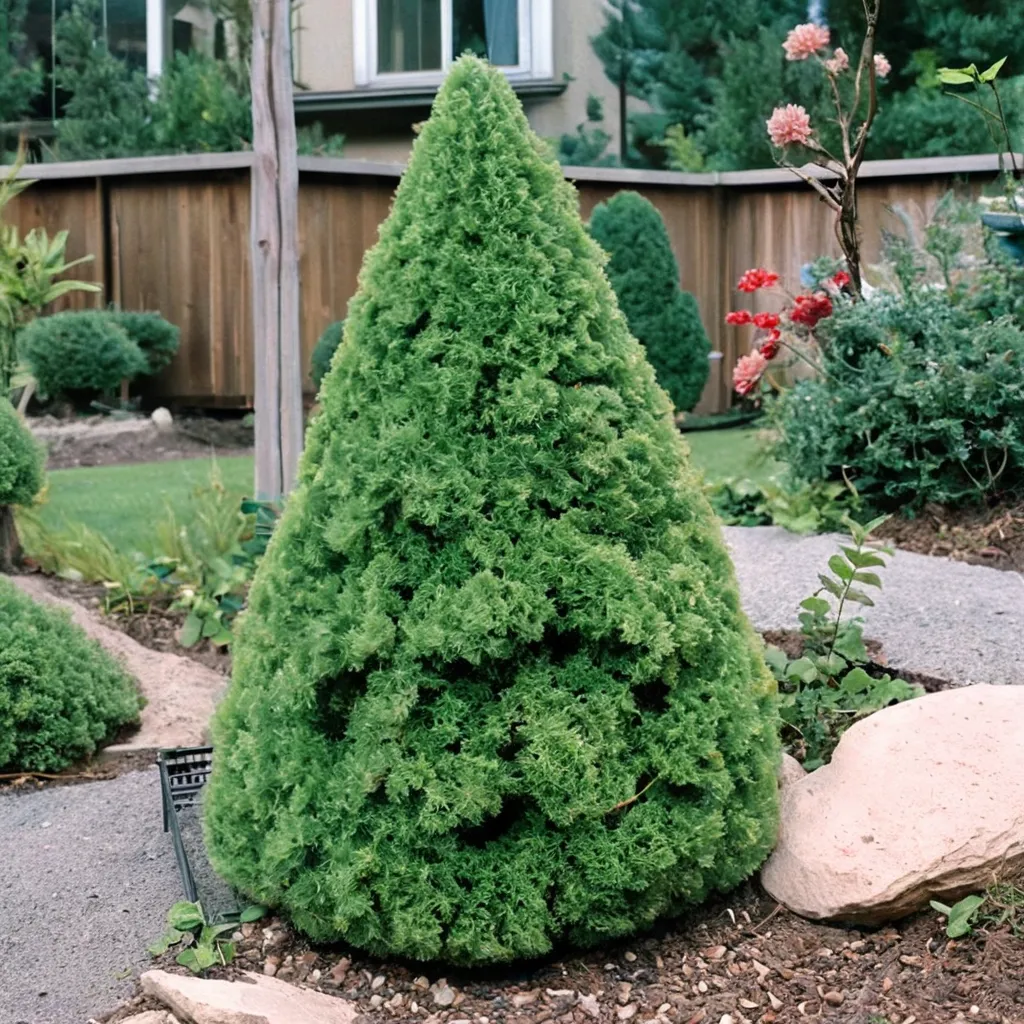
Dwarf Alberta Spruce
Picea glauca 'Conica'
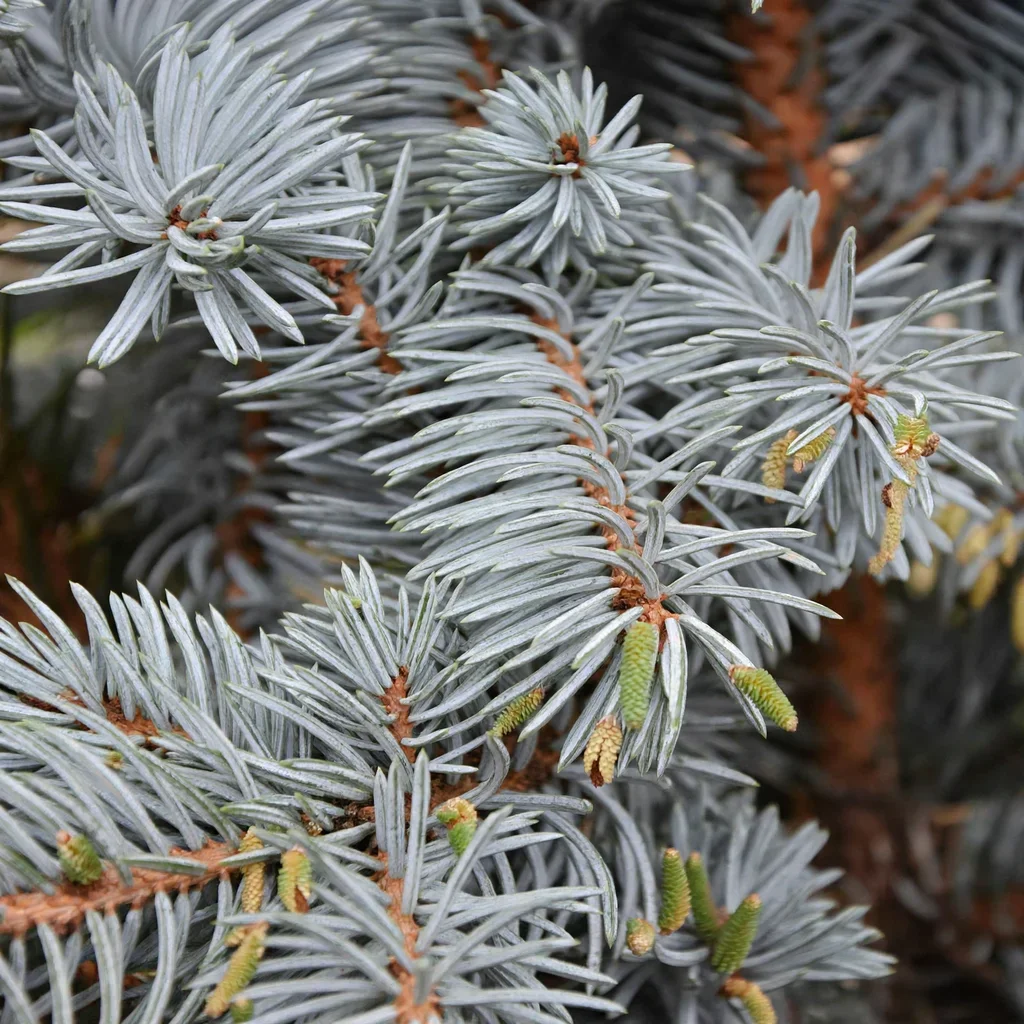
Koster Blue Spruce
Picea pungens 'Koster'
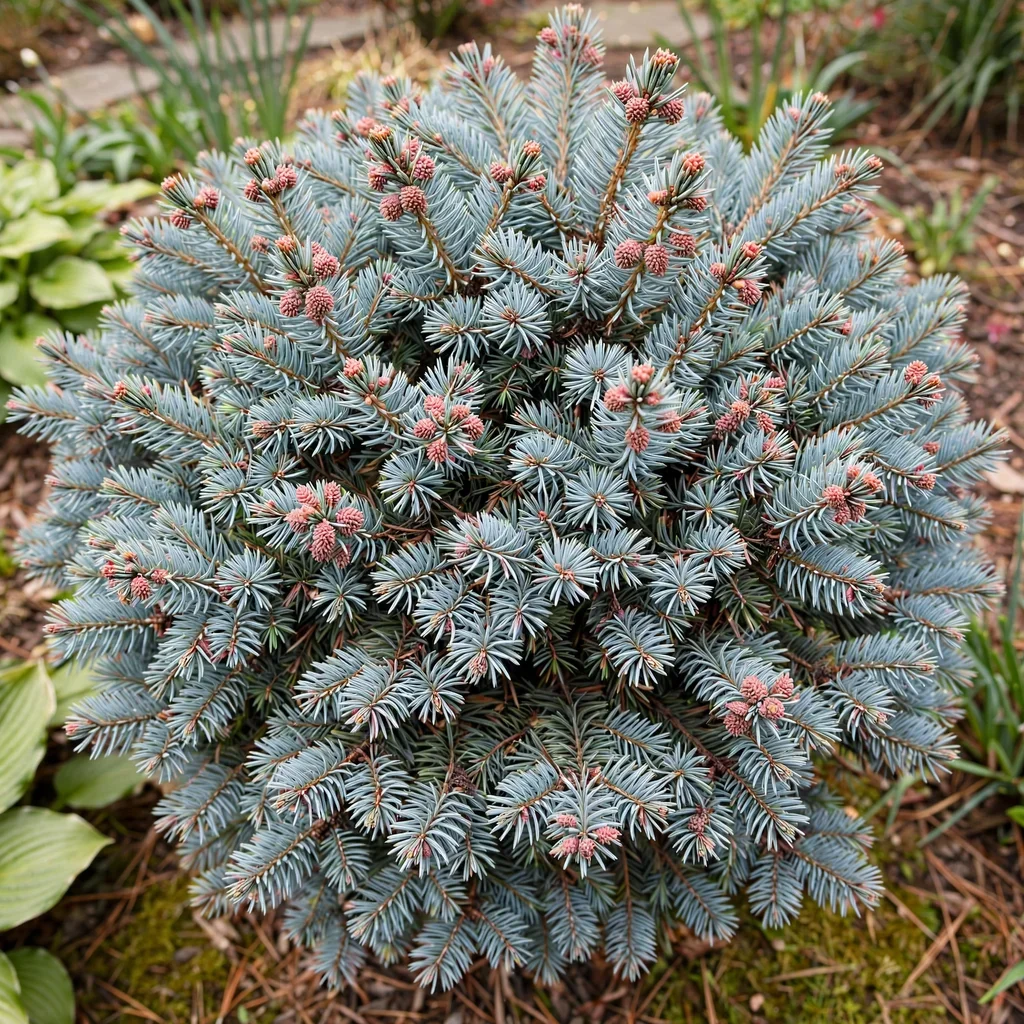
Globe Blue Spruce
Picea pungens 'Globosa'
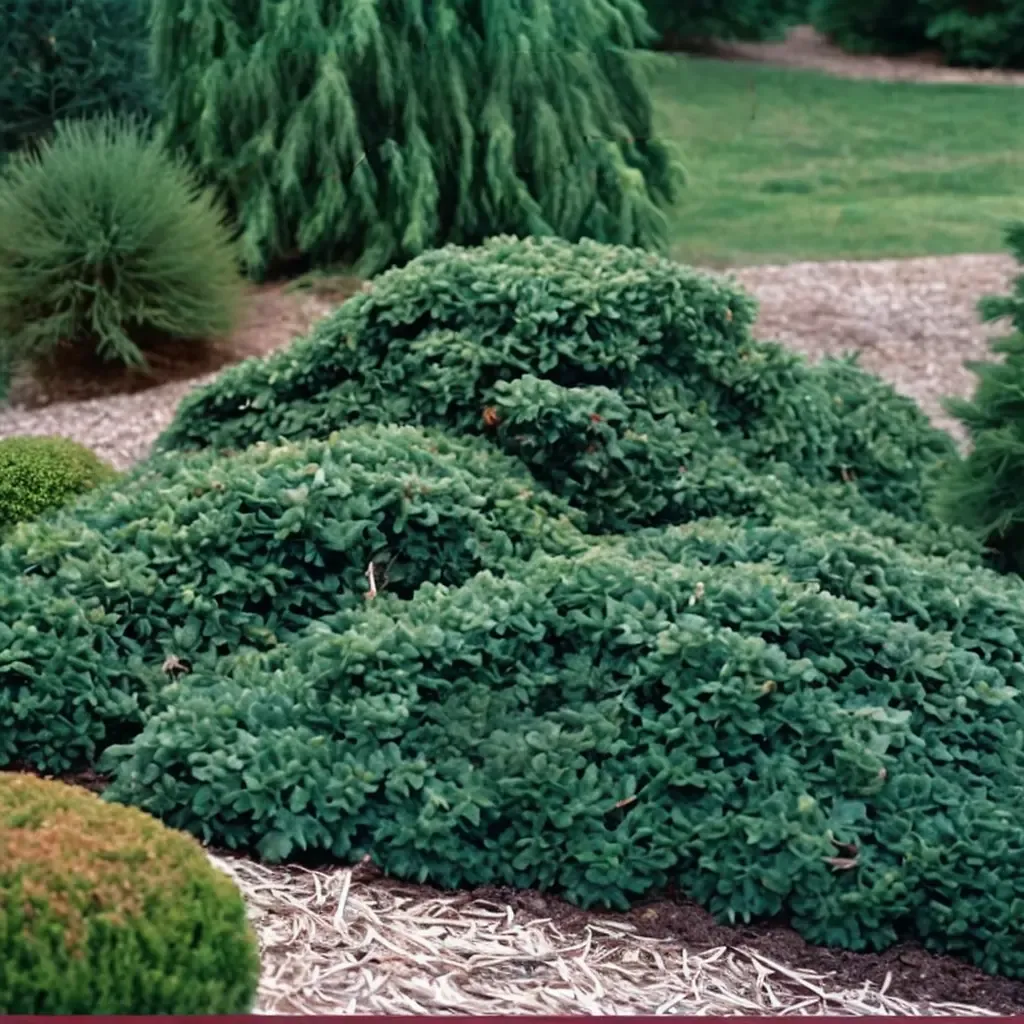
Hedgehog Dwarf White Spruce
Picea glauca 'Echiniformis'
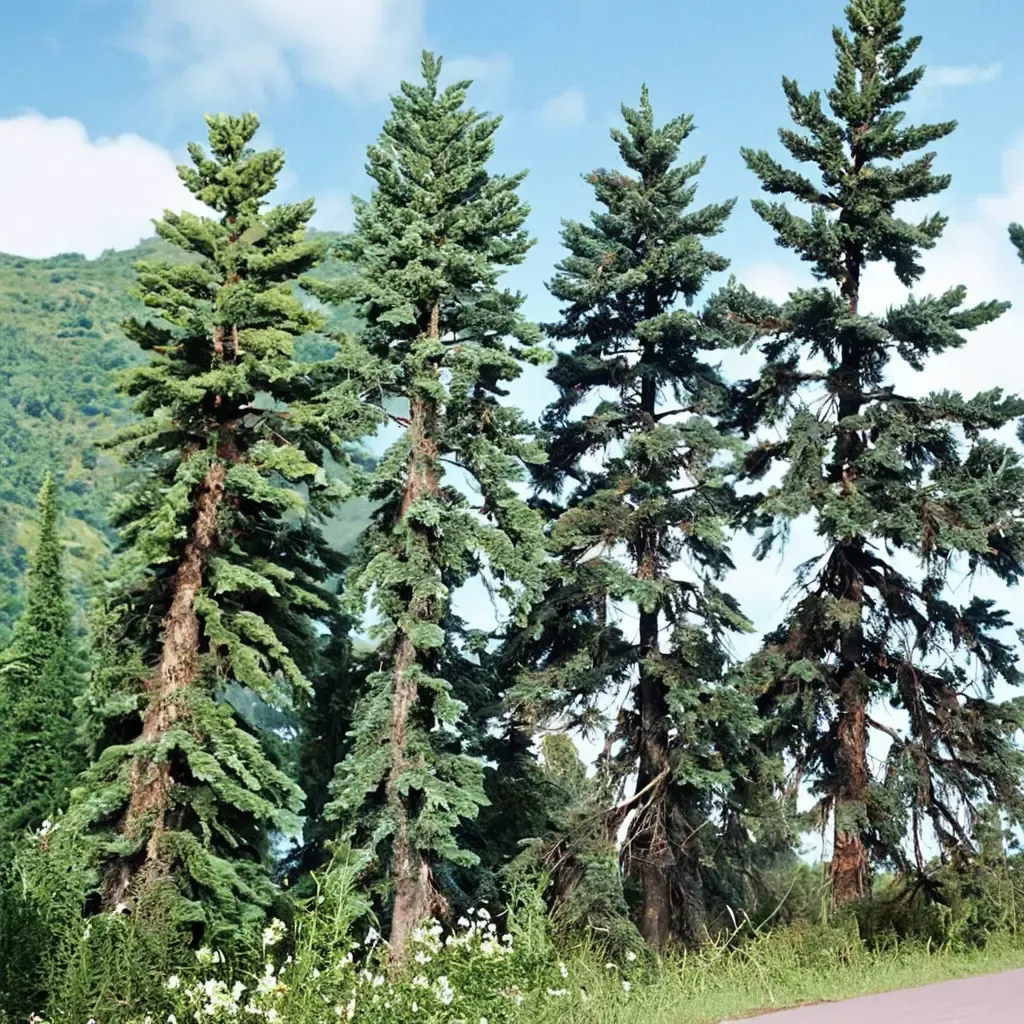
White Spruce
Picea glauca
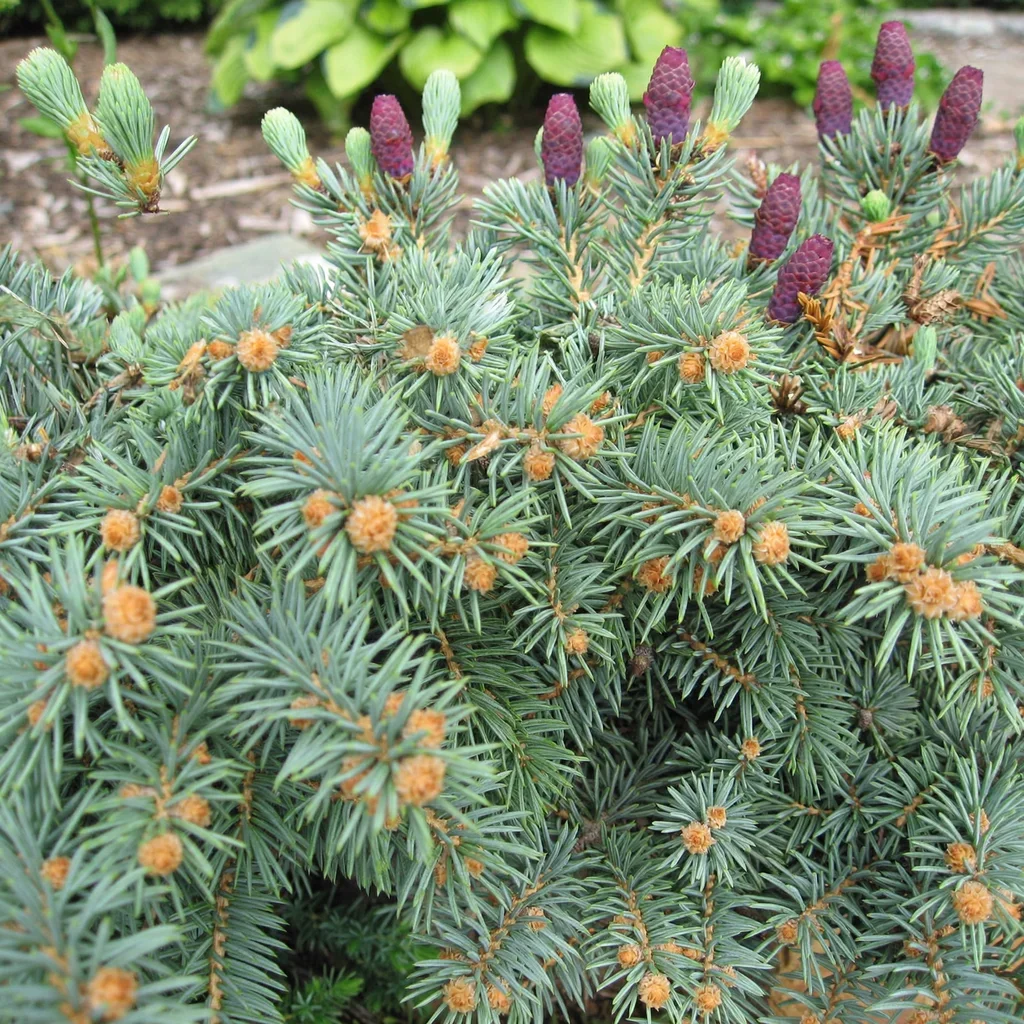
Colorado Spruce
Picea pungens
Keep exploring
Explore the genus
Hardy in your zone?
Grow Serbian Spruce with confidence
See it in a design of your actual yard, get zone-matched care reminders, and track it season by season in your garden journal.