Also known as Pine · 571 saves
Pinus
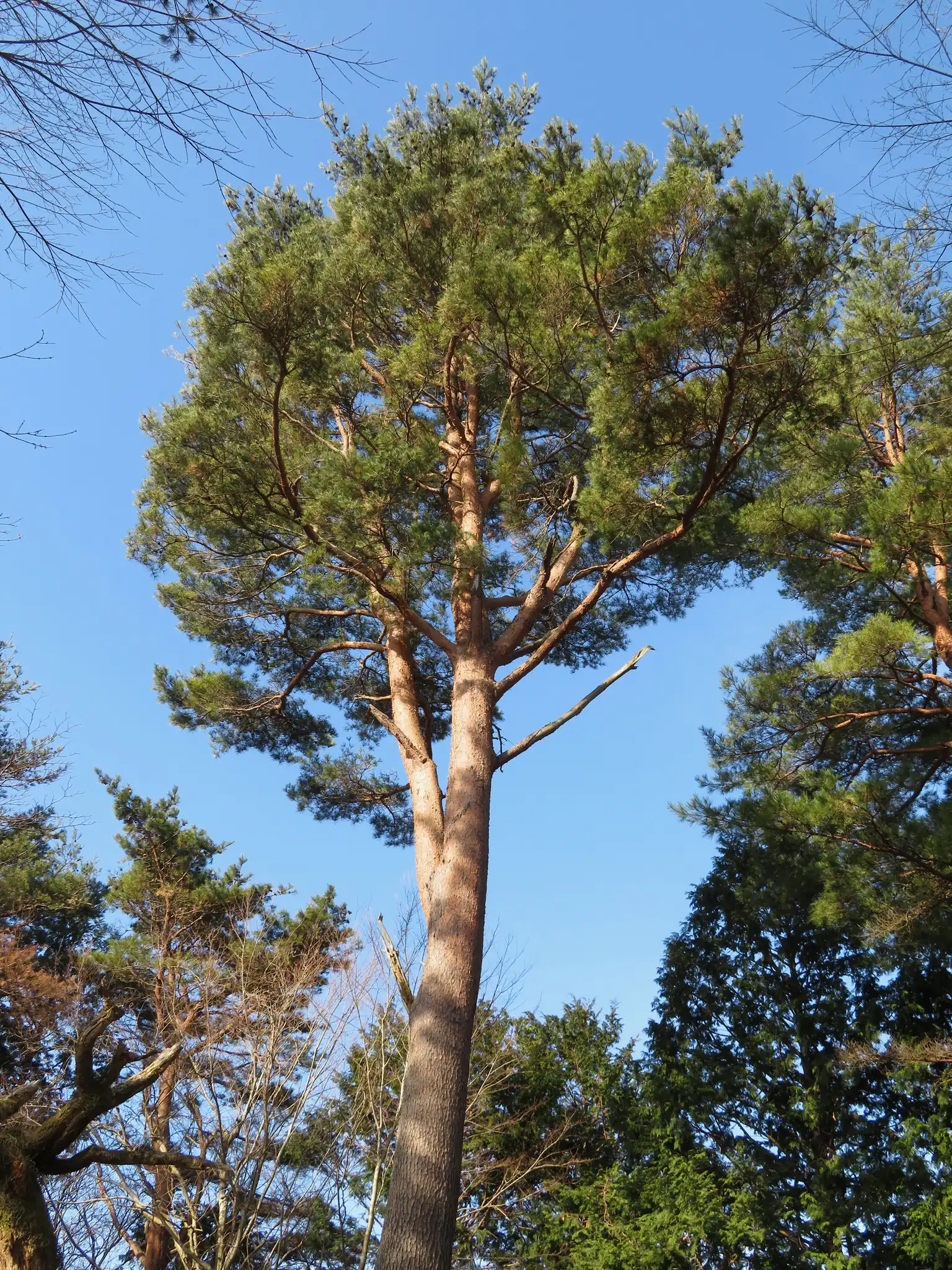
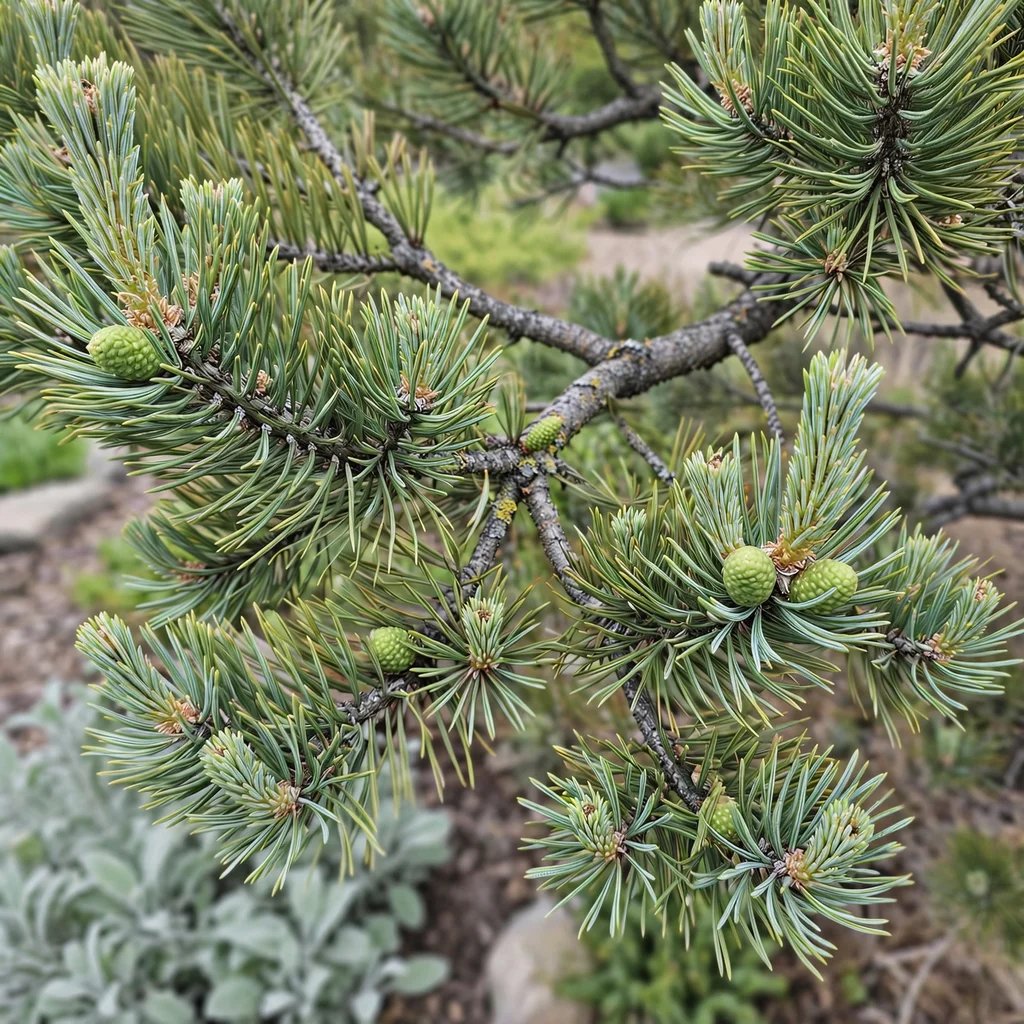
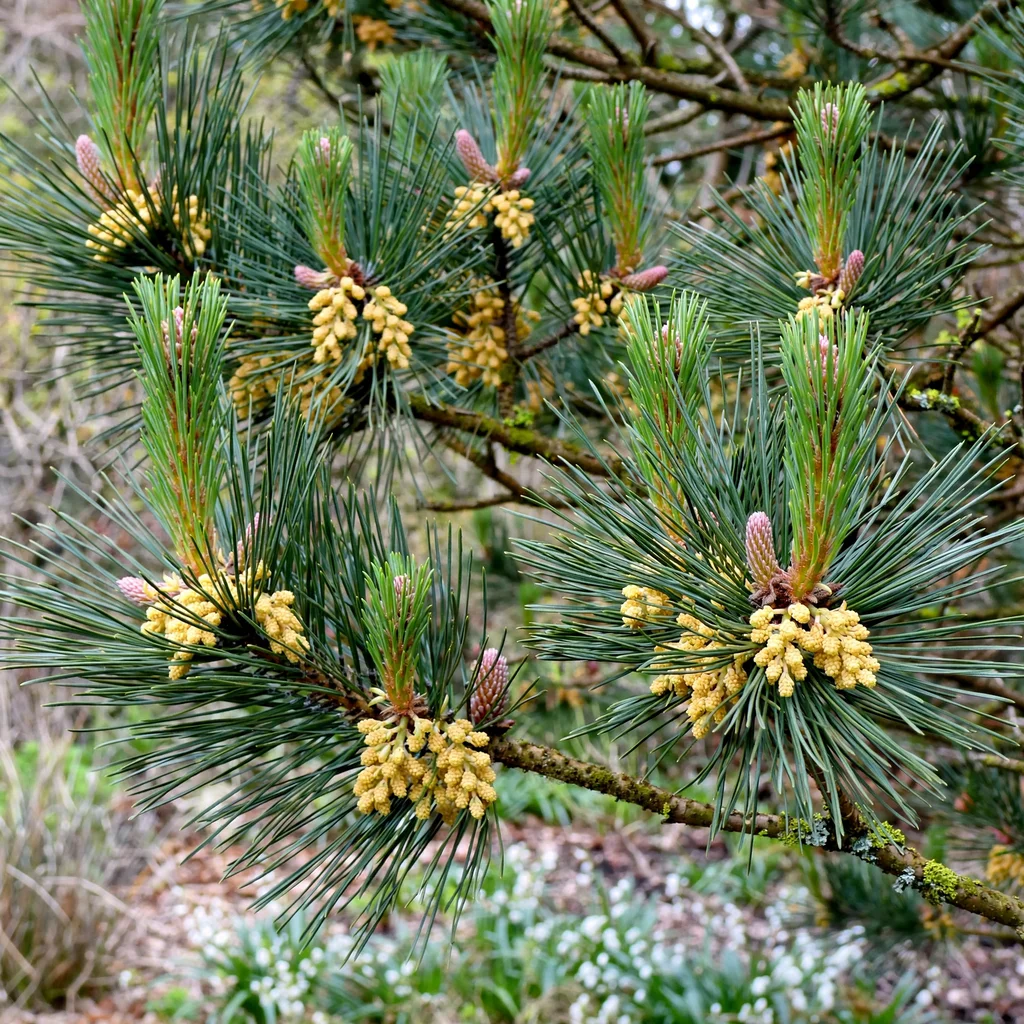
Pinus, the genus most gardeners know as pine. We track 31 varieties; the ones most used by real gardeners.
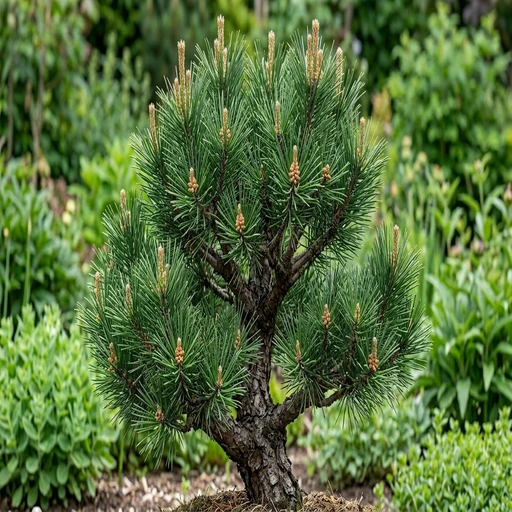
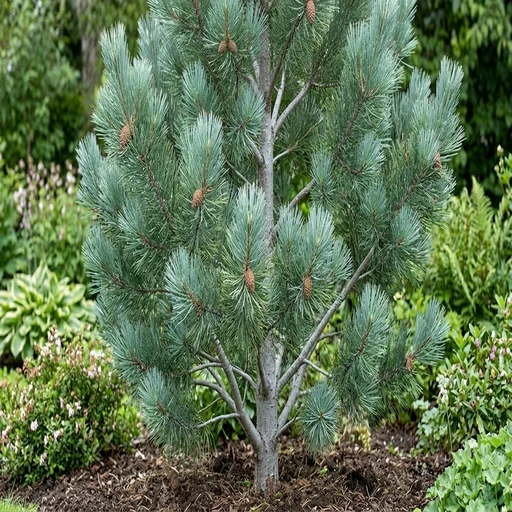
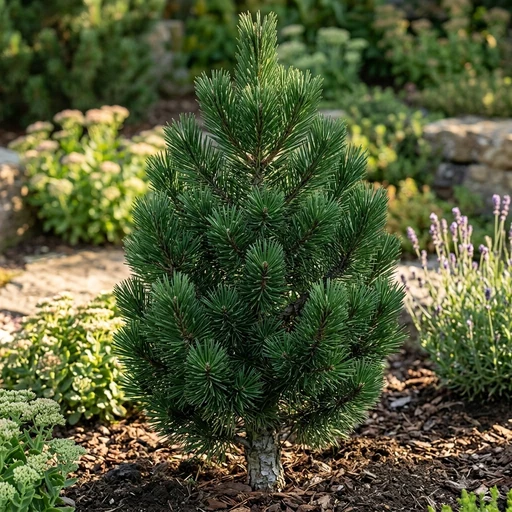
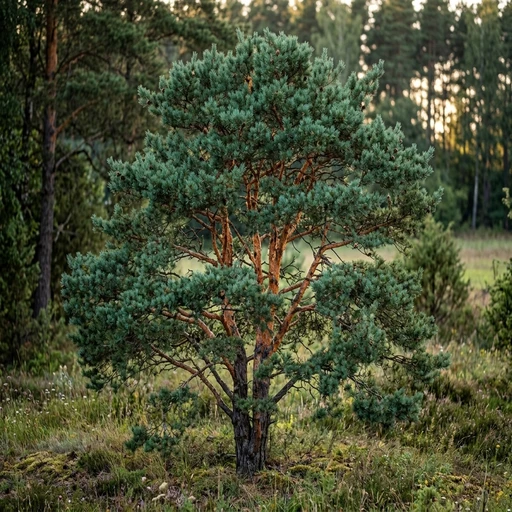
The 24 most-saved Pinus varieties
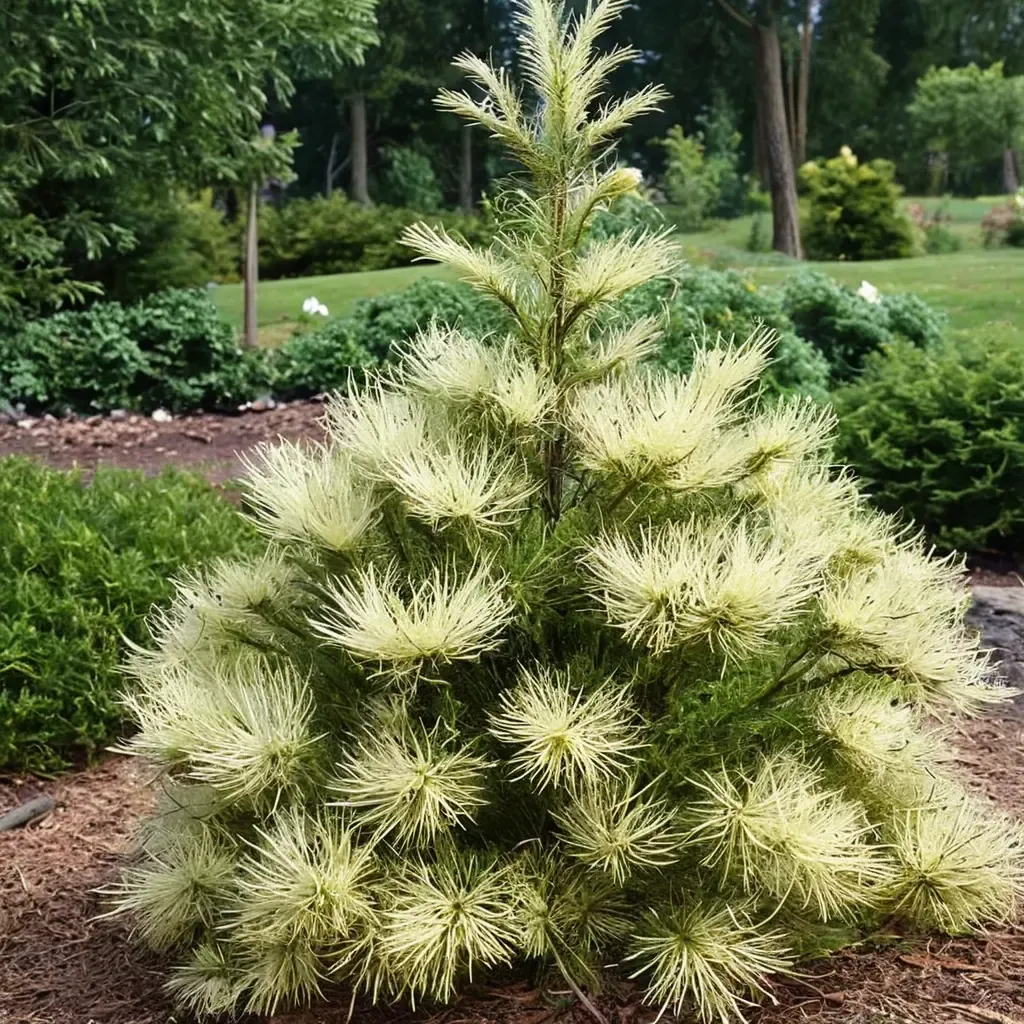
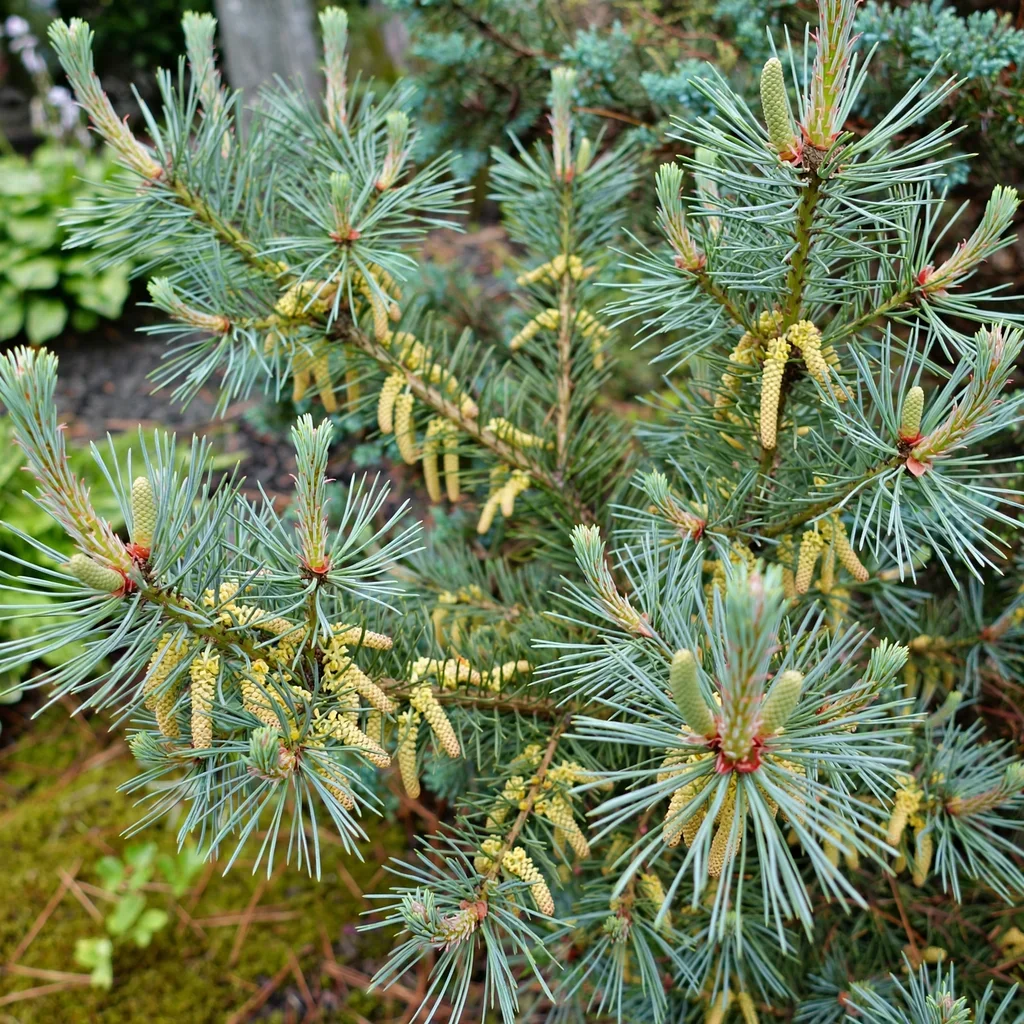
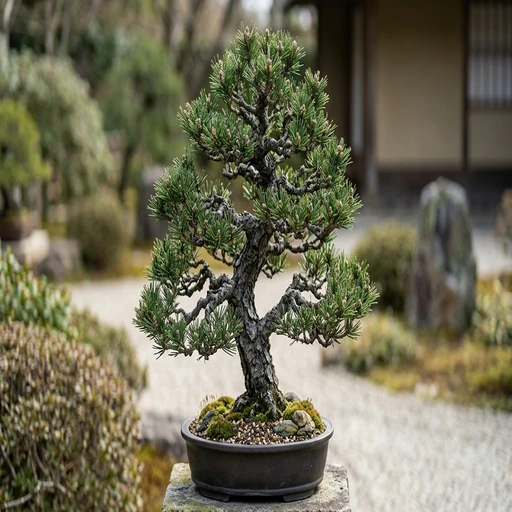
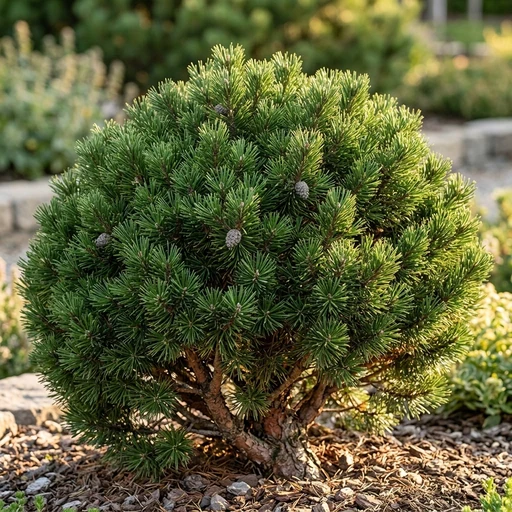
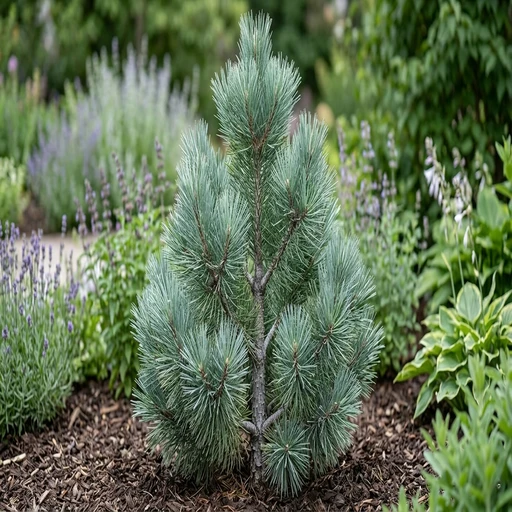
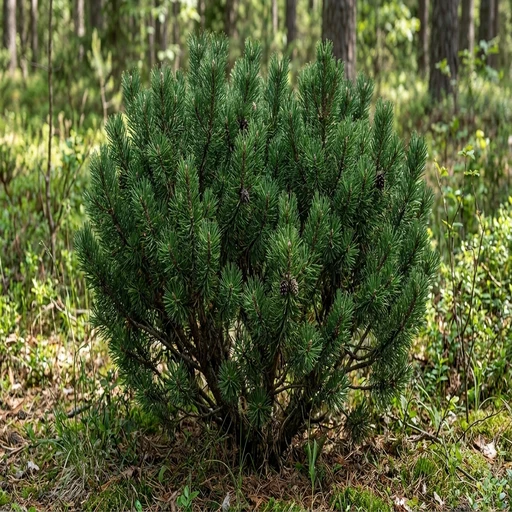
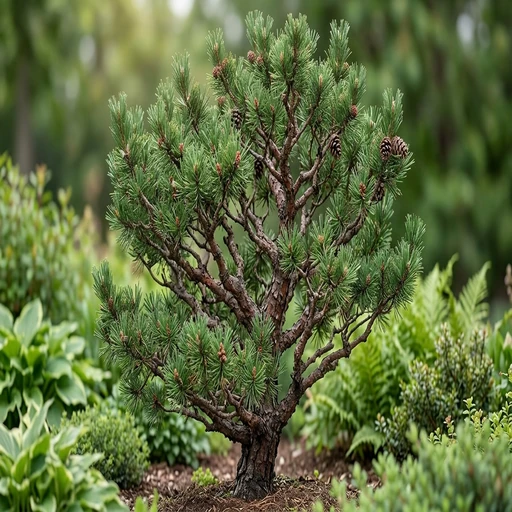
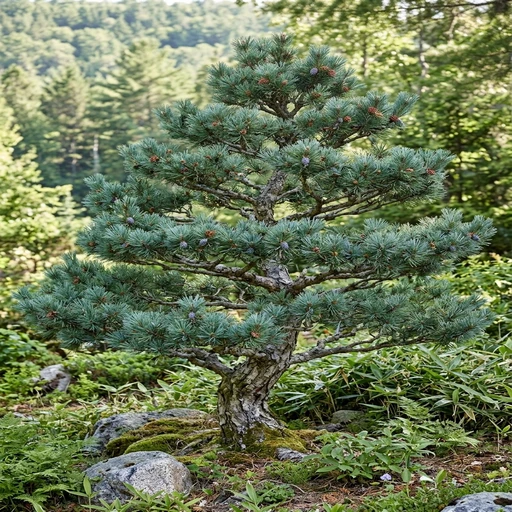
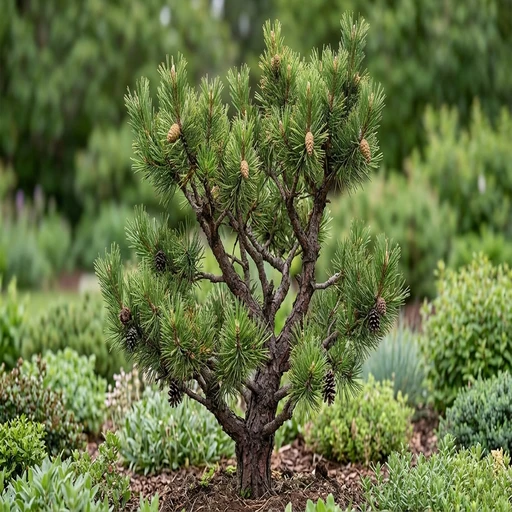
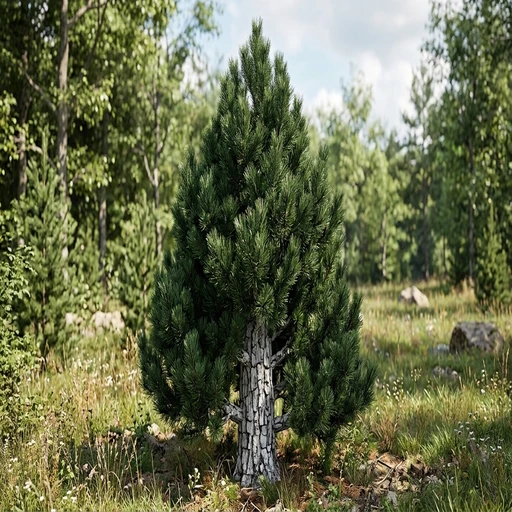
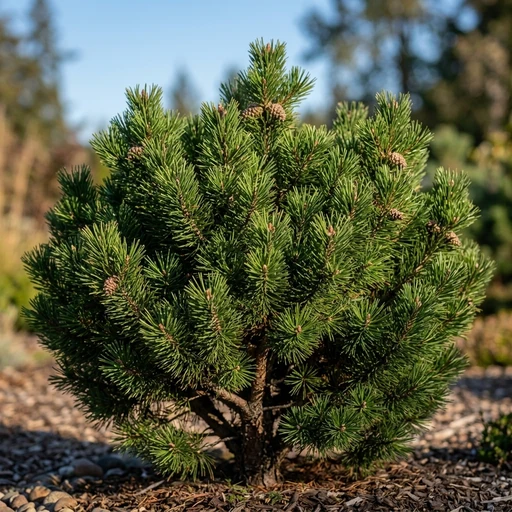
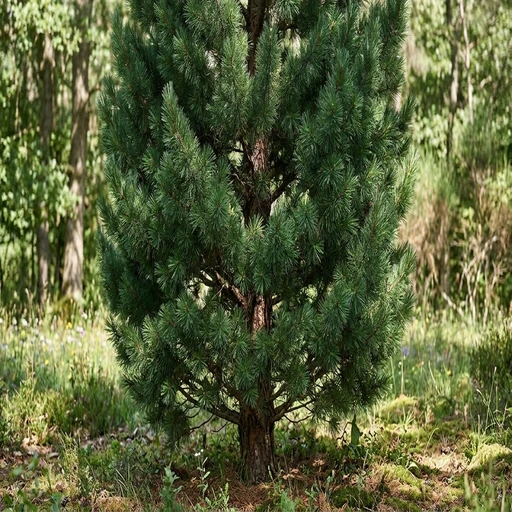
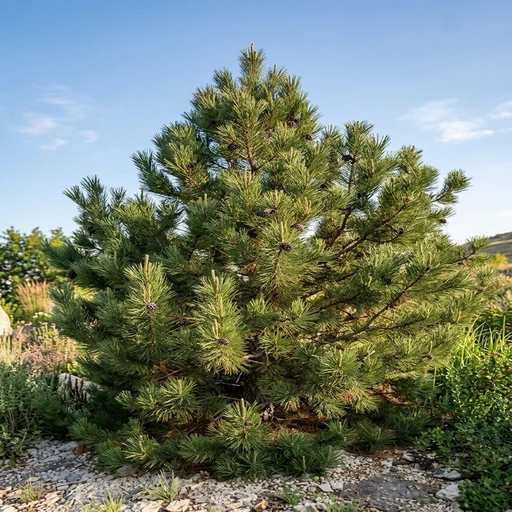
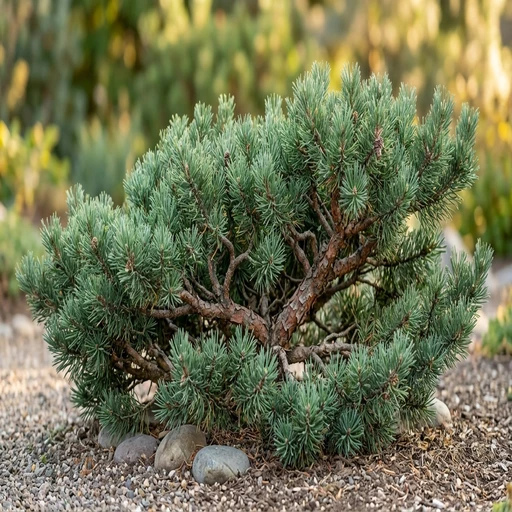
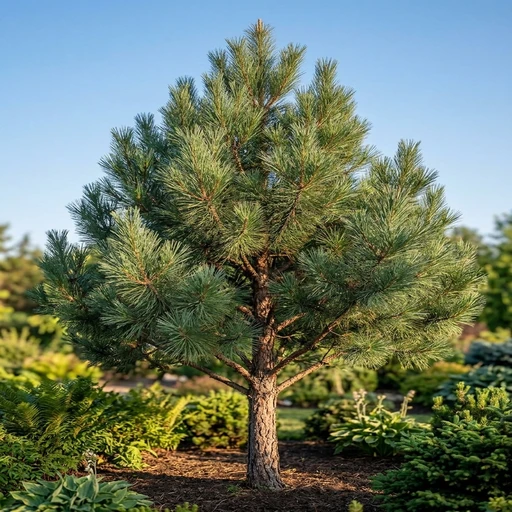
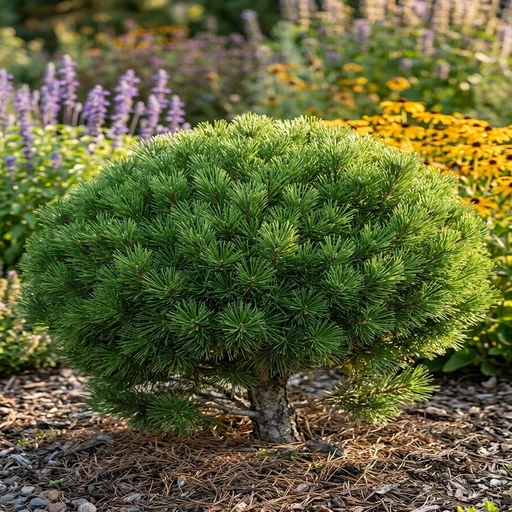
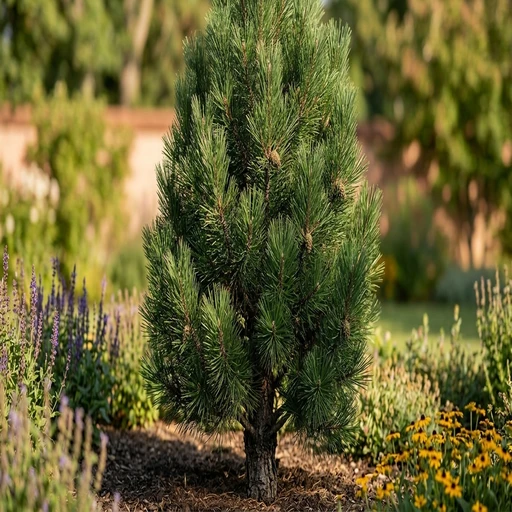
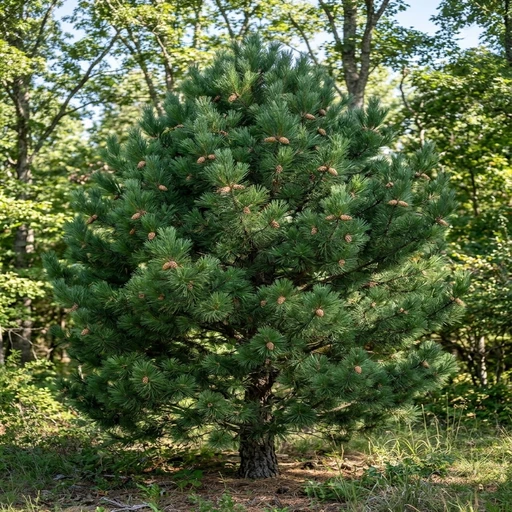
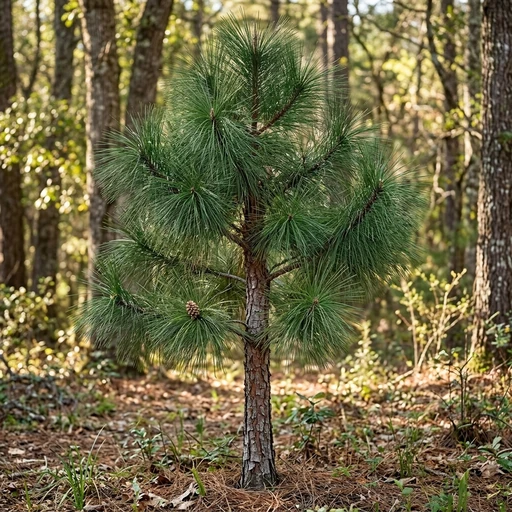
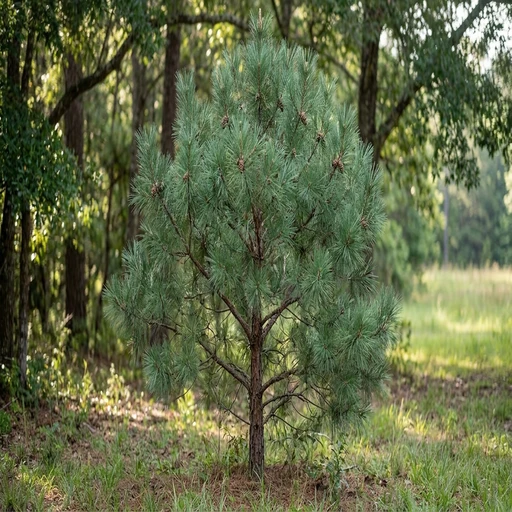
See all 31 Pinus varieties →Search this genus →
8 species of Pinus
Each one is a parent of the varieties above.
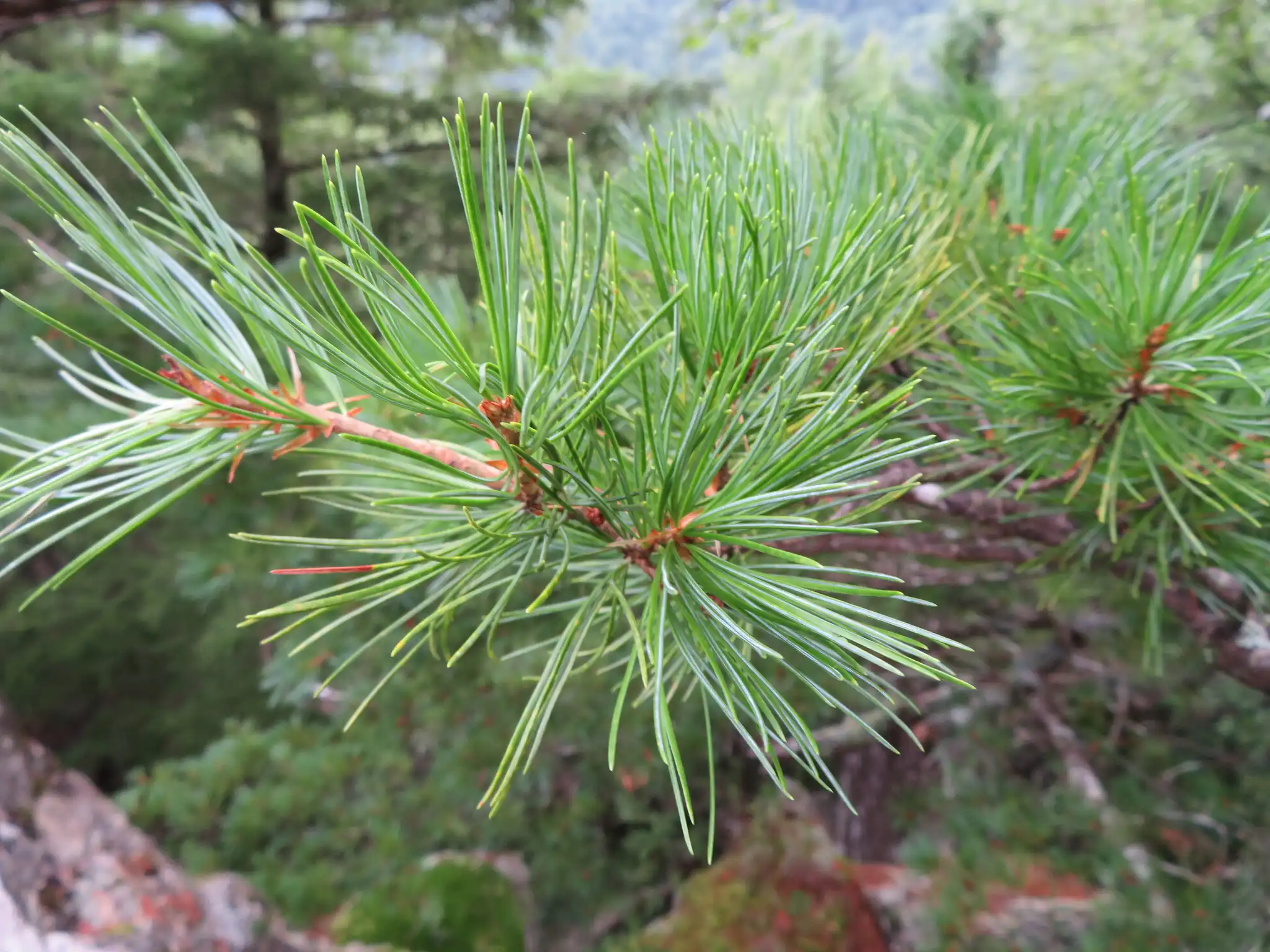
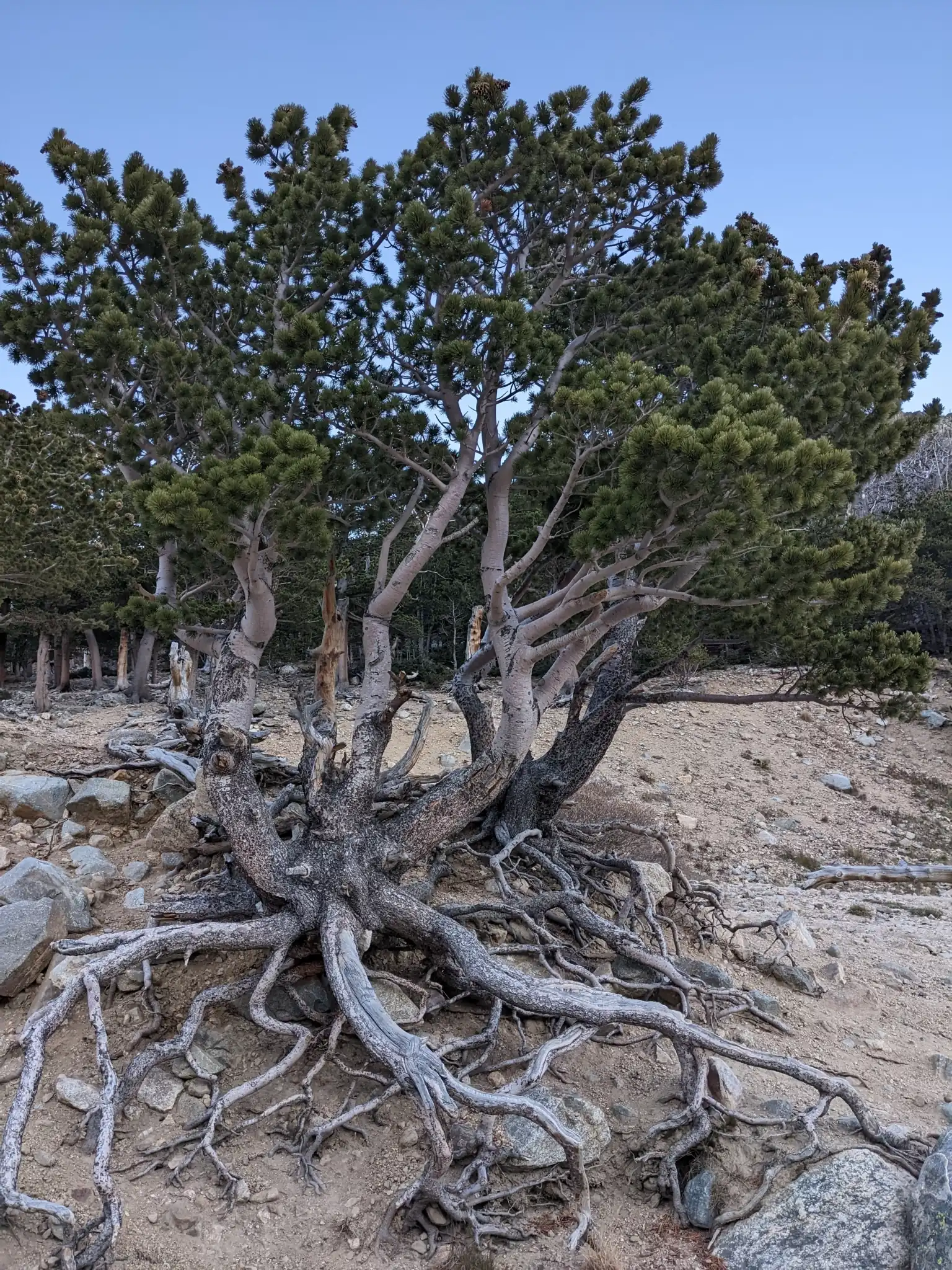
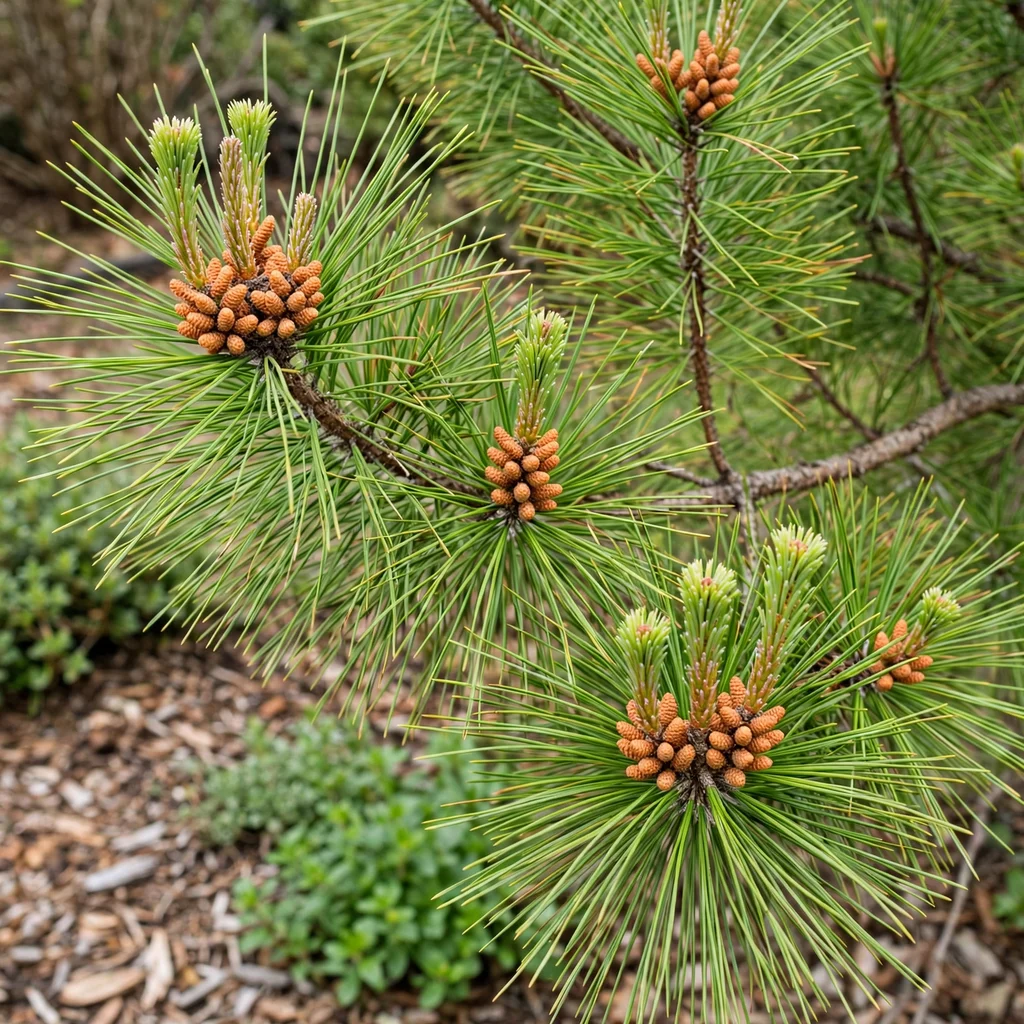
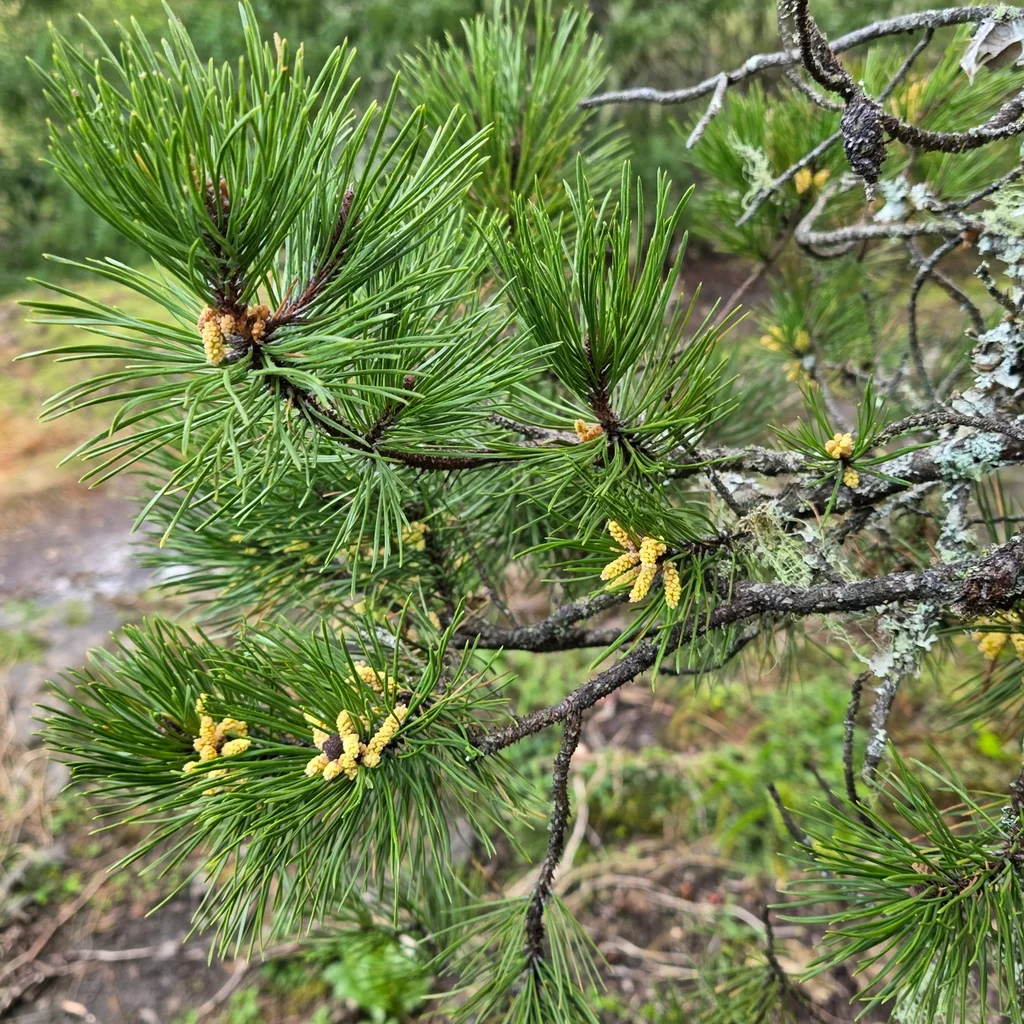
Track your Pinus in Sow
Save the Pinus you grow and get care reminders timed to your zone.
How to grow Pinus
Whats common across all Pinus varieties in our catalog — drawn from the care records of the 31 most-grown of them.
The Pinus year
- PlantMarch, April, May, October and November74% of varieties
Plant in spring or early autumn so roots establish before extremes of heat or cold.
- PruneFebruary and March65% of varieties
Pinch or candle prune new growth in spring to control size and increase density.
- Check for PestsMay–July61% of varieties
Inspect needles for scale insects and sawfly larvae.


Do
- Allow soil to dry out between waterings once established.
- Water deeply but infrequently once established.
- Give it plenty of sun for dense growth.
- Provide full, all-day sun.
- Provide at least 6 hours of direct sunlight daily.
Avoid
- Shear it like a hedge ❌
- Plant it in wet or heavy soil ❌
- Avoid planting in deep shade, which leads to sparse growth.
- Plant it near currants or gooseberries ❌
What goes wrong with Pinus
| Problem | What you'll see | What to do |
|---|---|---|
| Pine Needle Scale | Small, white, oyster-shell shaped scales on needles, causing yellowing. | Apply dormant horticultural oil in late winter. Use insecticides when crawlers are active. |
| Pine Sawflies | Caterpillar-like larvae feeding in groups, rapidly stripping needles. | Hand-pick or spray with insecticidal soap or spinosad when larvae are small. |
| Pine Sawfly | Groups of caterpillar-like larvae that can rapidly defoliate branches. | Hand-pick or spray with insecticidal soap or spinosad when larvae are small. |
| Pine needle scale | Small white flecks along the needles, with yellowing and thinning where numbers are high | Treat with horticultural oil when the crawlers are active; vigorous trees are rarely badly affected |
| Diplodia Tip Blight | Stunted, brown new growth (candles) that die back. Black fungal structures may be visible. | Prune and destroy infected tips. Apply preventative fungicides as new growth emerges. |
| Dothistroma Needle Blight | Yellow to tan spots on needles, which then turn brown from the tip down, premature needle drop. | Increase air circulation. Rake and destroy fallen needles. Apply copper-based fungicides in spring as new needles are emerging. |
| White Pine Blister Rust | Swollen cankers on branches that ooze resin, yellowing of needles, and branch dieback. Requires an alternate host (Ribes species). | Prune out and destroy infected branches. Remove any currant or gooseberry bushes (Ribes) within 1000 feet. No chemical cure. |
Making more Pinus
Seed
- Collect seed from mature cones in autumn.
- Stratify cold and moist for one to three months.
- Sow in free-draining compost and grow on two seasons.
Grafting
- Collect scion wood from 'Thunderhead' in late winter.
- Use 2-year-old Pinus thunbergii seedlings as rootstock.
- Perform a side-veneer graft near the base of the rootstock.
- Wrap the union with grafting tape and wax.
- Keep in a humid greenhouse until the graft takes, typically 8-12 weeks.
Pinus questions
How many types of Pinus are there?
The Sow catalog tracks 31 distinct Pinus varieties. The most popular — ranked by 571 real gardeners — are shown first above.
What zones does Pinus grow in?
Across its varieties, Pinus covers USDA Zones 4–10. Individual varieties differ — each plant page lists its exact range, and Sow filters the catalog to your zone automatically.
When does Pinus bloom?
Most Pinus varieties bloom in spring, mid-spring, late spring. Staggering early, mid, and late varieties extends the genus's season in one bed.
Which Pinus should I choose?
Start from the most-saved varieties above — popularity across thousands of gardens is a strong signal of reliability — then filter by your zone and sun. In the Sow app you can preview any of them in a photo of your actual yard before you buy.