

The Story
Plant Bio
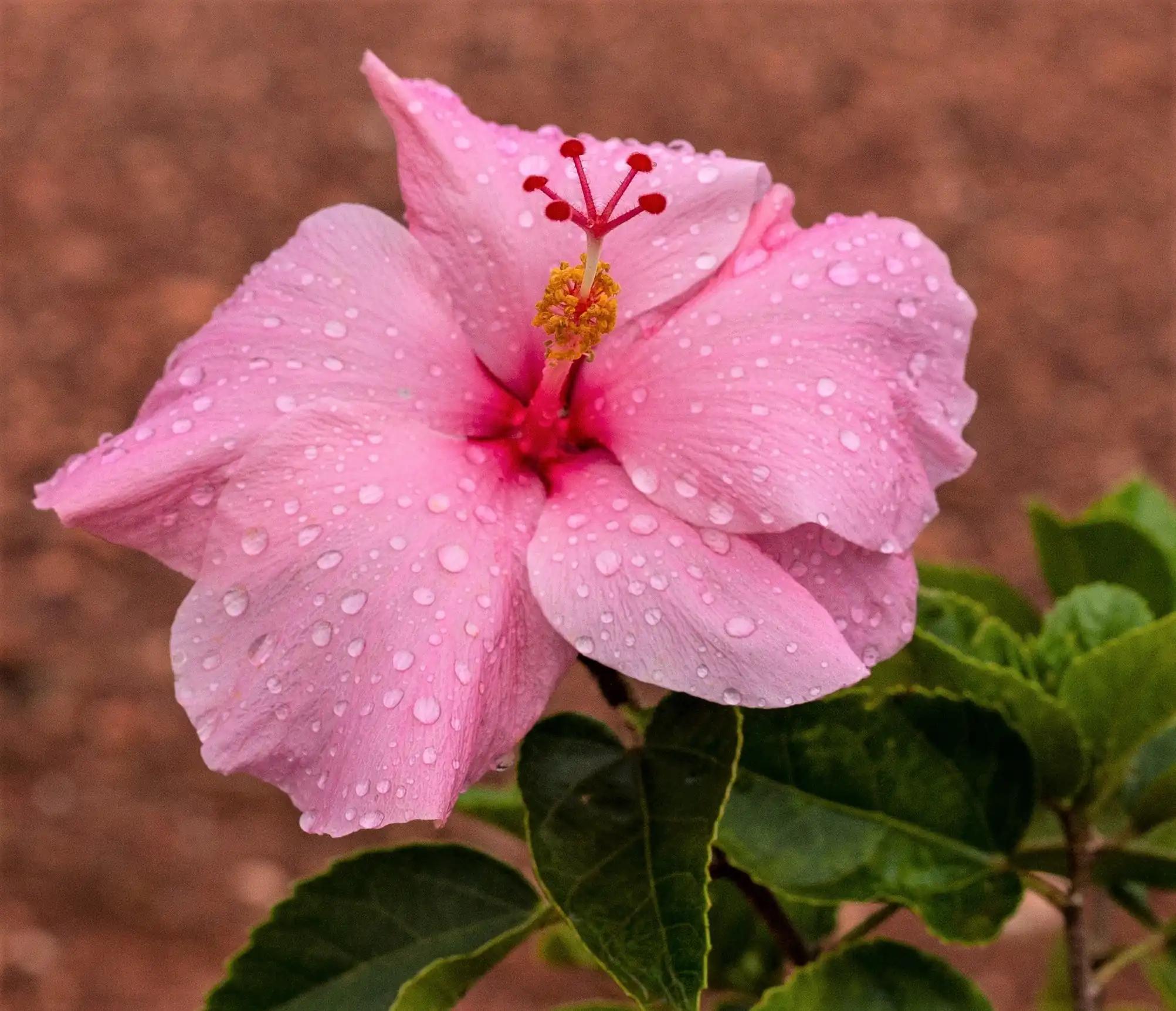
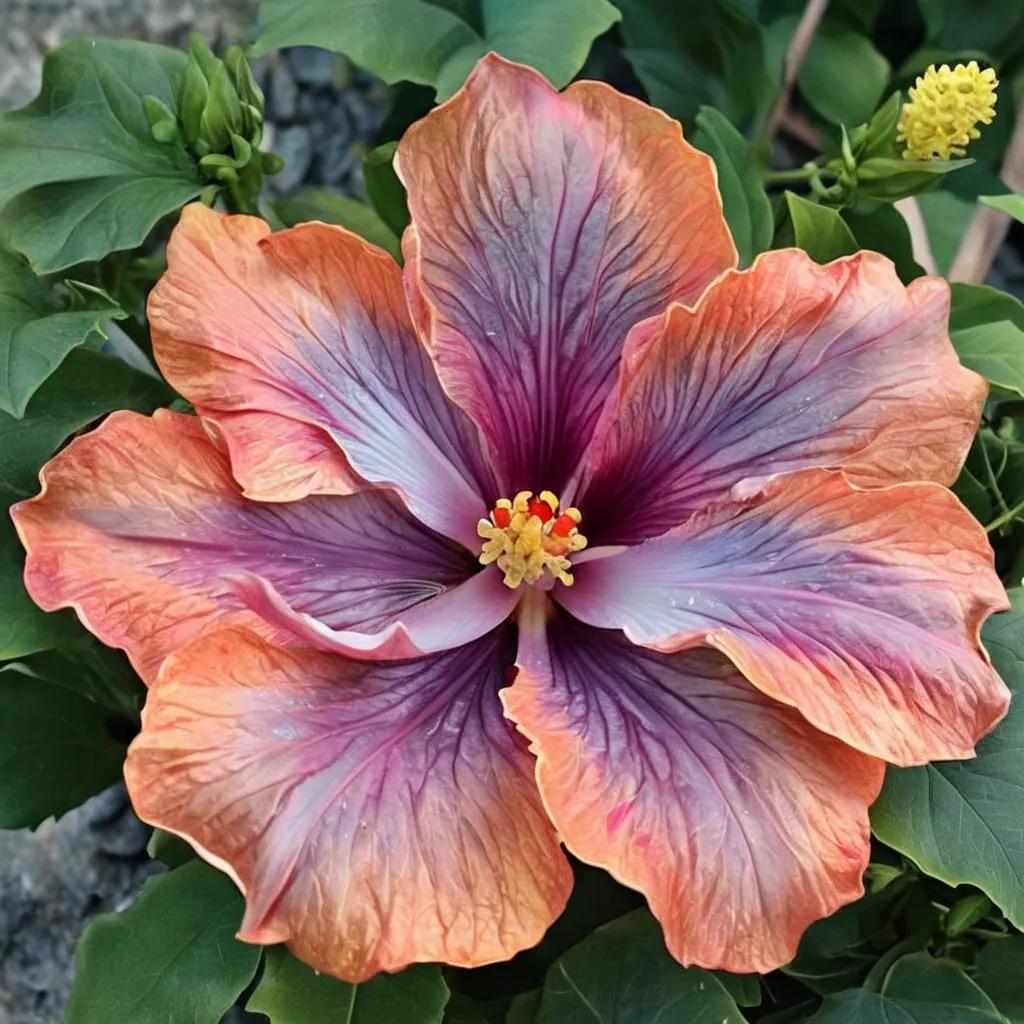
Hibiscus rosa-sinensis is an upright, multi-stemmed evergreen shrub native to the tropical South Pacific, widely cultivated across warm temperate and tropical zones. It produces single, funnel-shaped flowers with a prominent central staminal column from summer through fall.
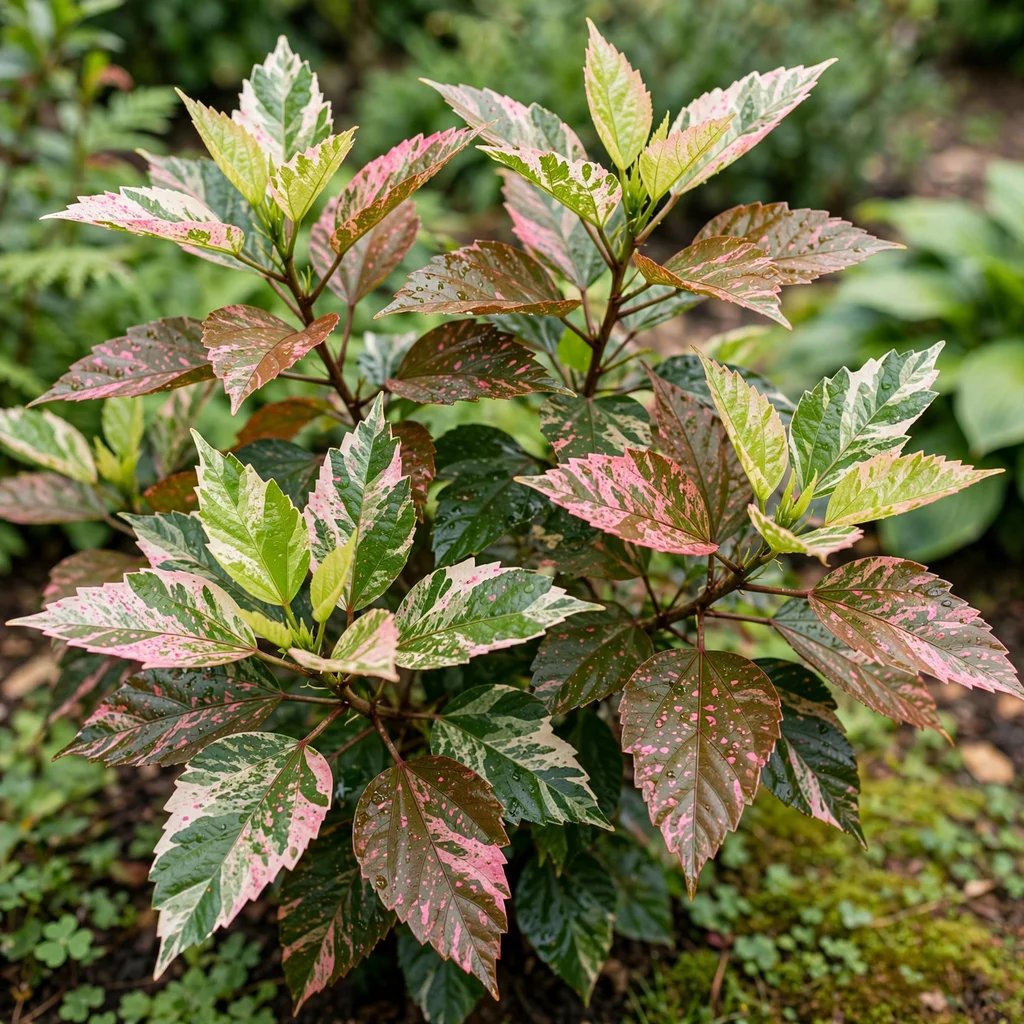
'Cooperi' is distinguished by its striking, multi-colored foliage featuring ovate, glossy leaves irregularly splashed with creamy white, green, pink, and bronze-red. High light levels and warm temperatures intensify these vivid pink and burgundy highlights on new growth.
Uses & Benefits:
Essentials
At a Glance
Plant Type
Shrub
Height
118"
Width
83"
Light
Full Sun, Partial Sun
Zones
9, 10
Water
Regular
Humidity
High
Lifespan
Perennial
Native To
South Pacific
Toxicity
Non-toxic
Bloom period
Summer – Fall
In flower about 6 months of the year
Planting
How to Grow
- Plant in rich, organically enriched, well-draining loamy or sandy soil with a slightly acidic to neutral pH.
- Position in full sun to maximize foliage variegation and encourage heavy blooming.
- Maintain regular, even moisture throughout the growing season, avoiding waterlogged conditions that cause root rot.
- Bring containers indoors before temperatures drop below 4°C (40°F) to protect the frost-tender wood.
Pro Tip
Avoid moving containerized plants abruptly from bright outdoor summer positions to dim indoor winter environments, which triggers a massive shock response of leaf yellowing and bud drop. Transition the plants gradually over several weeks or install supplemental grow lights to maintain consistent light levels.
Keep It Thriving
Care Guide
Do
- Keep soil evenly moist but well-drained.
- Provide full sun for the brightest foliage colors.
- Prune back by one-third to one-half in early spring to shape.
- Use a balanced or high-potassium, low-phosphorus fertilizer during active growth.
Don't
- Do not allow the soil to dry out completely, which causes bud and leaf drop.
- Do not prune deep into old, leafless wood lacking dormant eyes.
- Do not irrigate with softened water containing sodium salts.
- Do not leave plants outdoors during hard freezes.
Seasonal Care Calendar
| Task | Jan | Feb | Mar | Apr | May | Jun | Jul | Aug | Sep | Oct | Nov | Dec |
|---|---|---|---|---|---|---|---|---|---|---|---|---|
| Fertilize | ||||||||||||
| Pest Check | ||||||||||||
| Prune | ||||||||||||
| Winter Prep |
Watch Out For
Pests & Diseases
Common Pests
Common Diseases
In the Garden
Landscape Uses & Companions
Landscape Uses
Companion Plants
Multiply
Propagation Methods
Good to Know
Common Questions
Cooper's Variegated Hibiscus questions
What zones can Cooper's Variegated Hibiscus grow in?
Cooper's Variegated Hibiscus is hardy in USDA Zones 9–10. Inside that range it survives winter in the ground; outside it, grow it as an annual or a container plant you protect.
Is Cooper's Variegated Hibiscus deer resistant?
Not reliably. Deer may browse Cooper's Variegated Hibiscus, especially tender spring growth — plan on repellents or fencing where pressure is high.
When does Cooper's Variegated Hibiscus bloom?
Cooper's Variegated Hibiscus typically blooms in summer through fall. Exact timing shifts a week or two with your zone — Sow's bloom calendar maps it to your garden.
Does Cooper's Variegated Hibiscus need full sun?
Cooper's Variegated Hibiscus does best in full sun to part shade. In hot climates, afternoon shade keeps blooms fresher longer.
More Hibiscus to compare
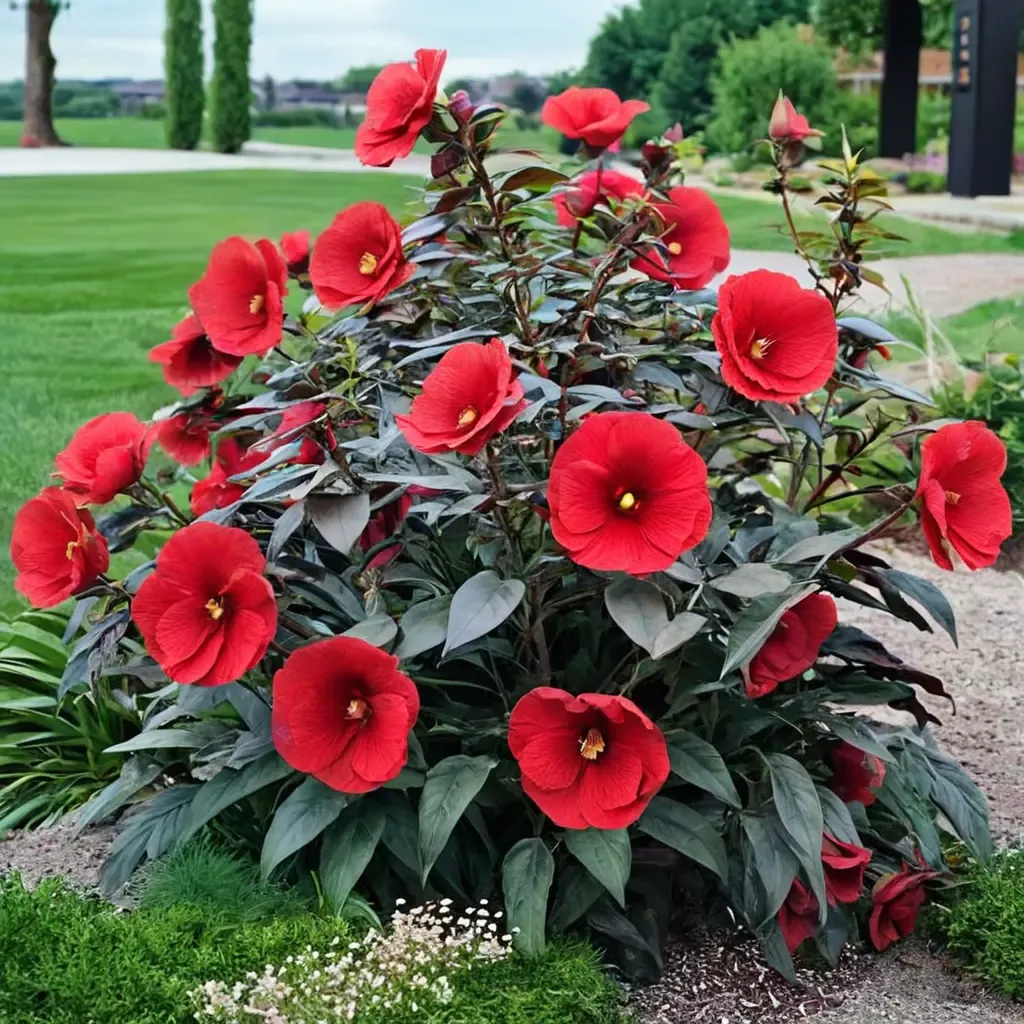
Midnight Marvel Swamp Hibiscus
Hibiscus moscheutos 'Midnight Marvel'
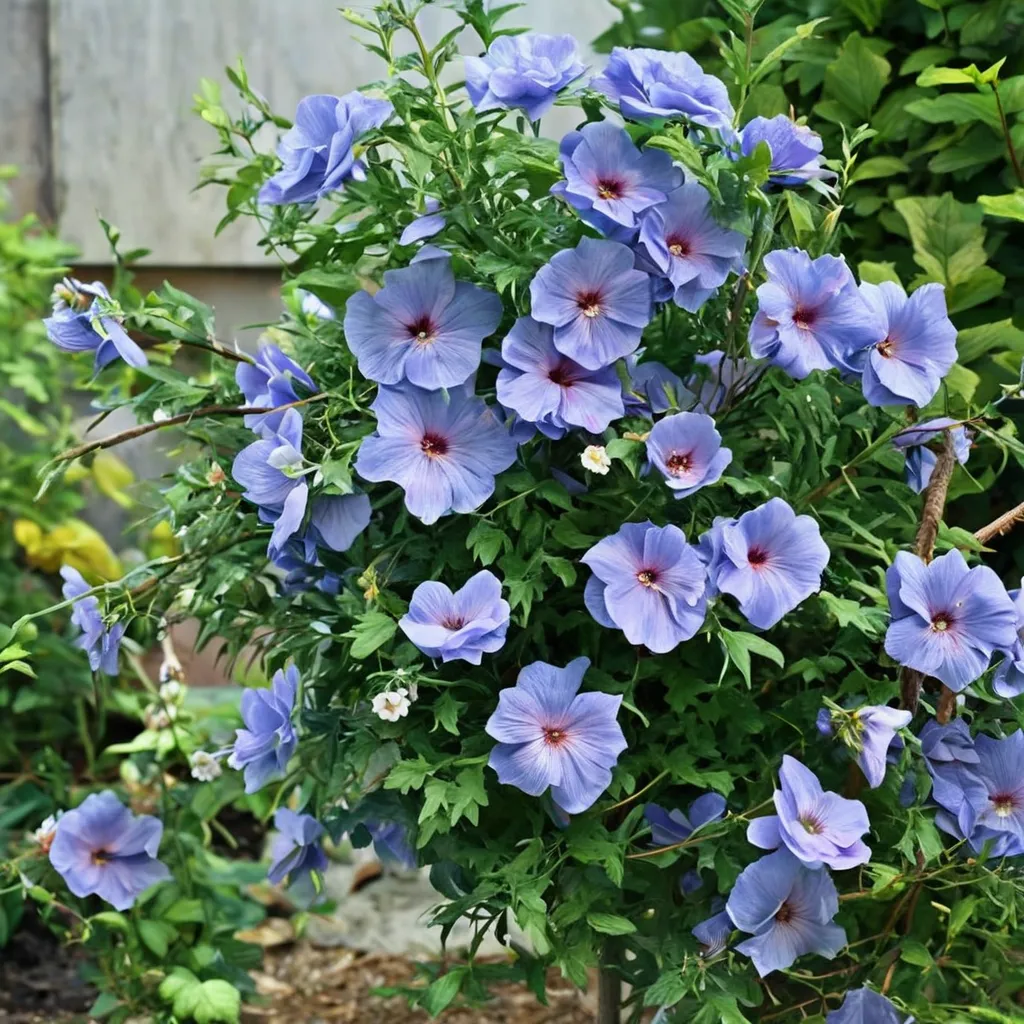
Rose of Sharon Hibiscus
Hibiscus syriacus 'Azurri Blue Satin'
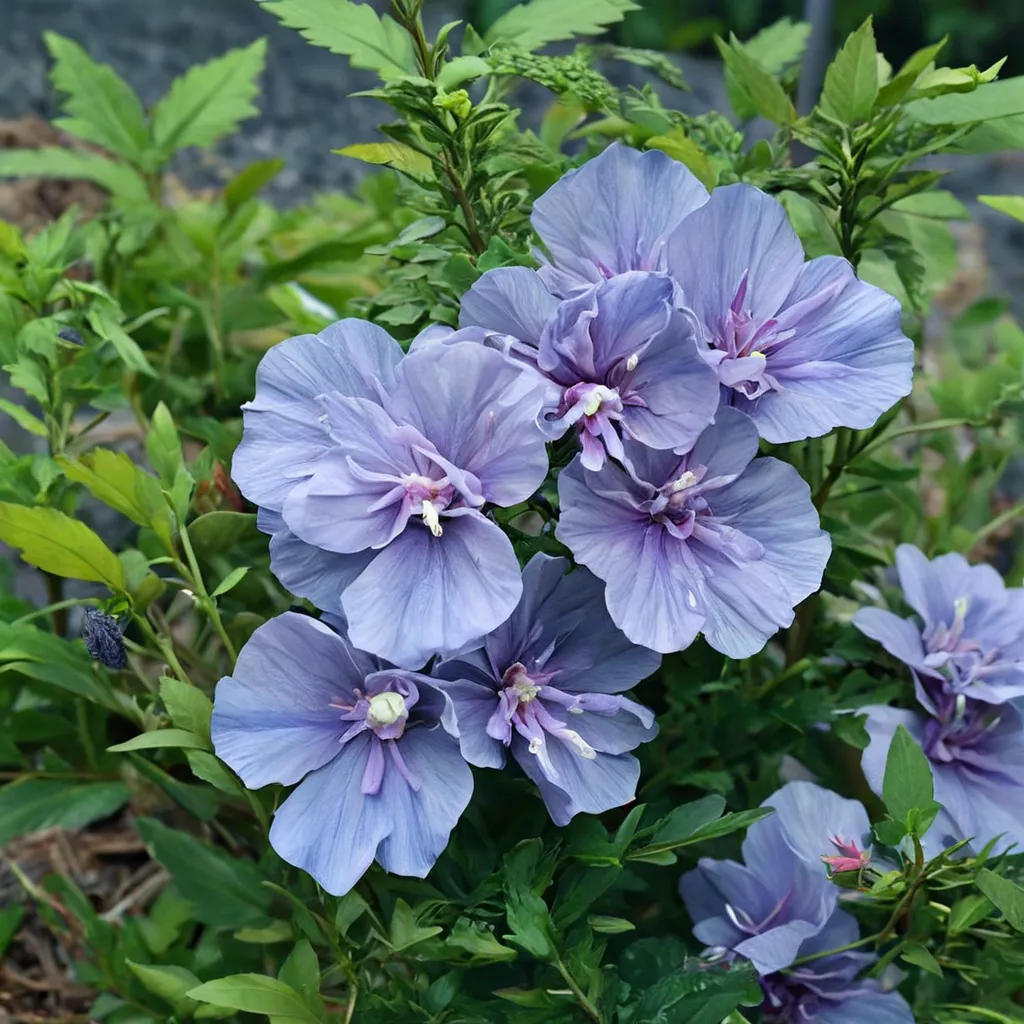
Blue Chiffon Rose of Sharon
Hibiscus syriacus 'Blue Chiffon'
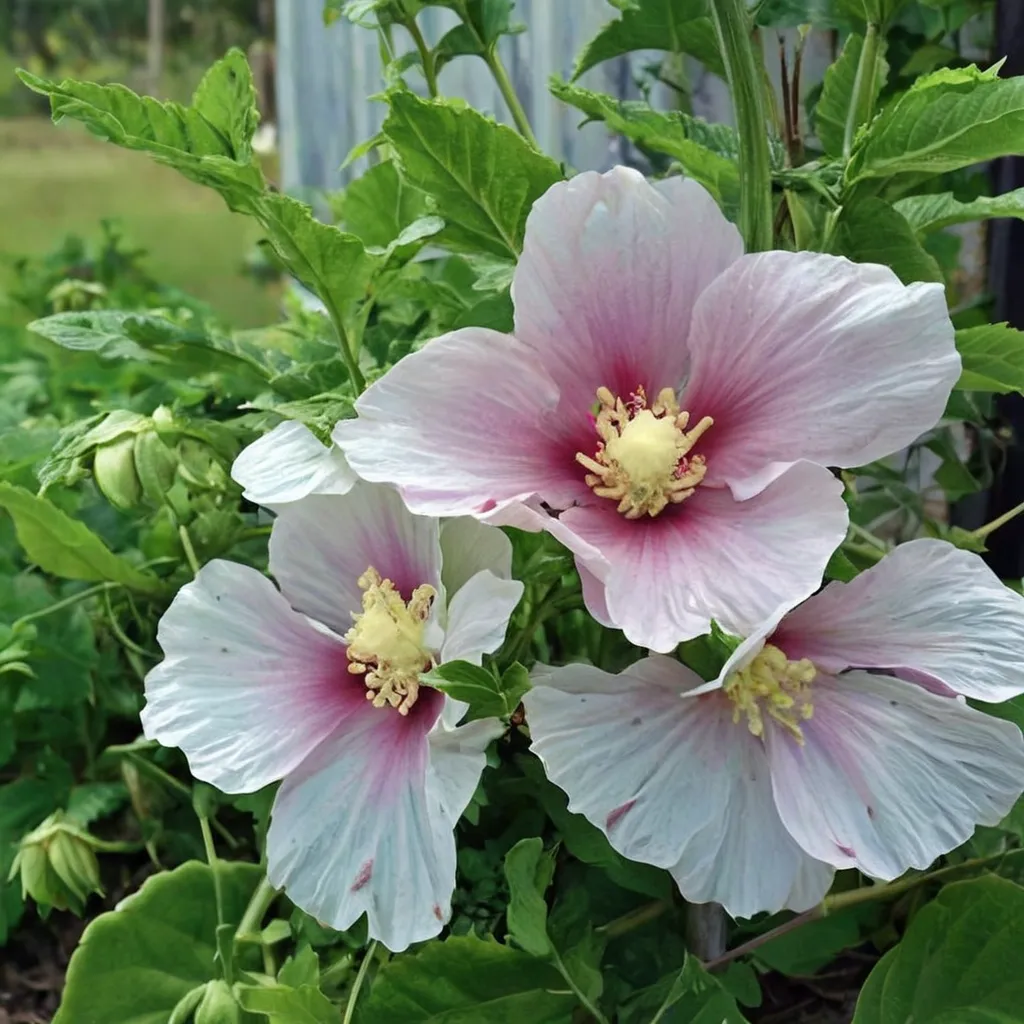
Confederate Rose
Hibiscus paramutabilis
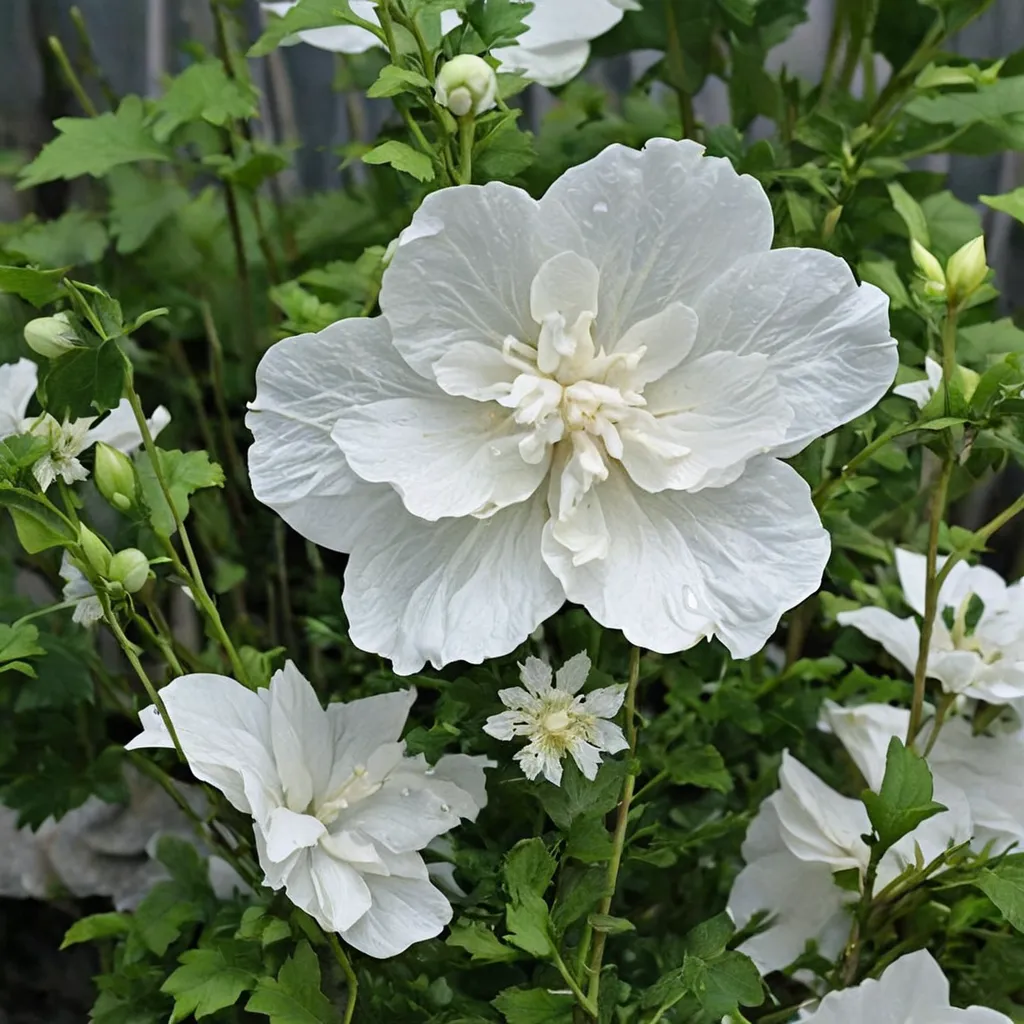
White Chiffon Hibiscus
Hibiscus syriacus 'White Chiffon'
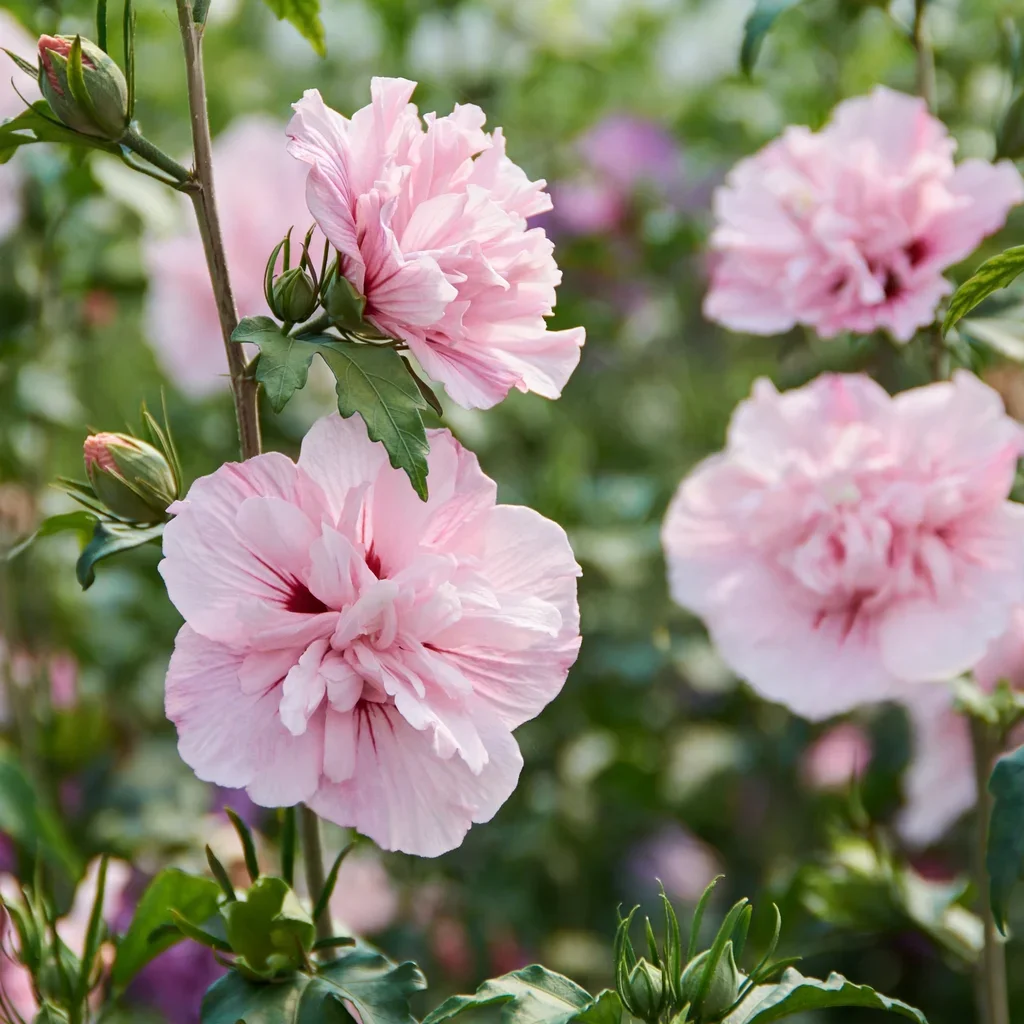
Pink Chiffon Rose of Sharon
Hibiscus syriacus 'Pink Chiffon'
Keep exploring
Explore the genus
Hardy in your zone?
Grow Cooper's Variegated Hibiscus with confidence
See it in a design of your actual yard, get zone-matched care reminders, and track it season by season in your garden journal.