The Story
Plant Bio
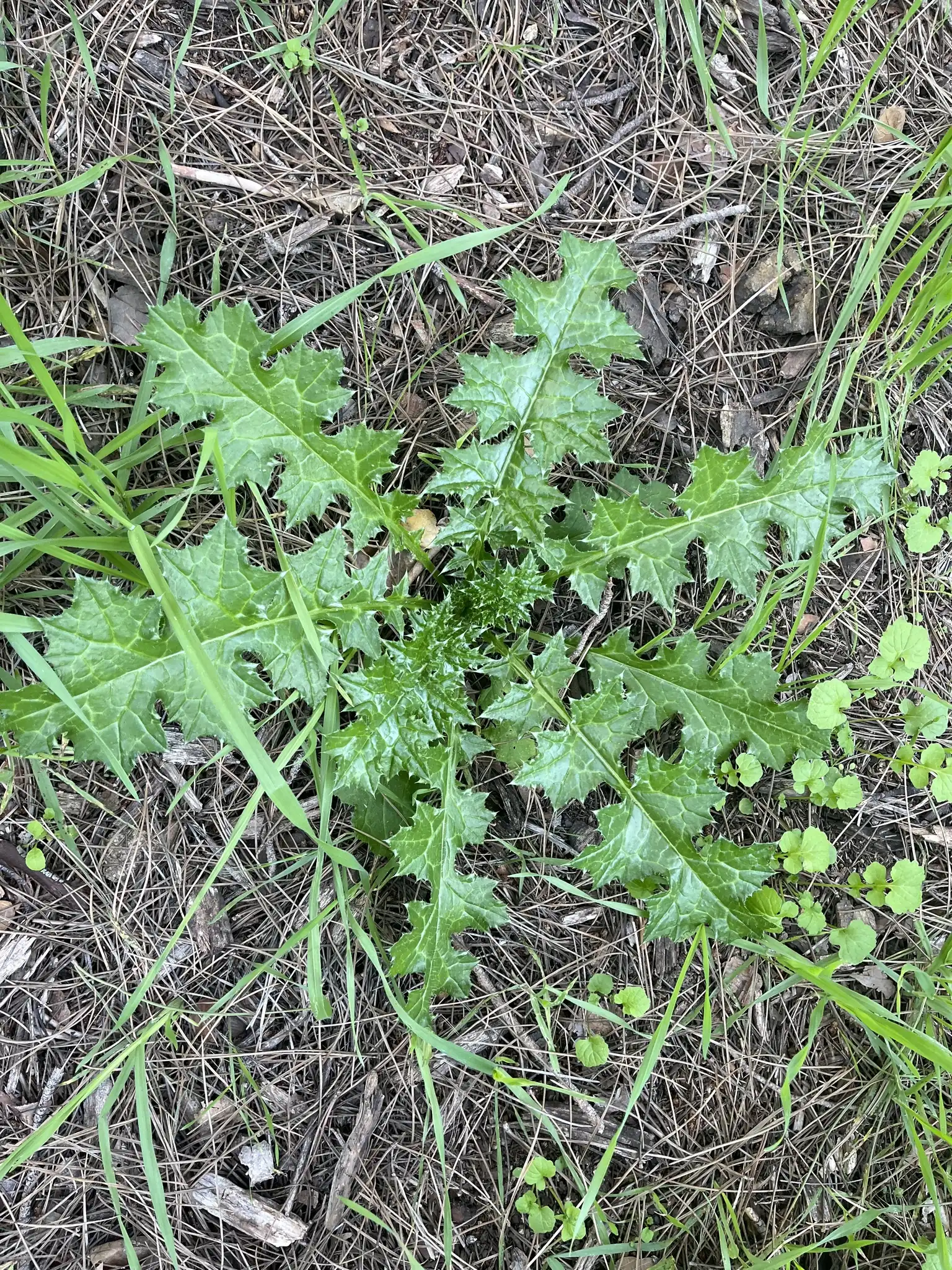
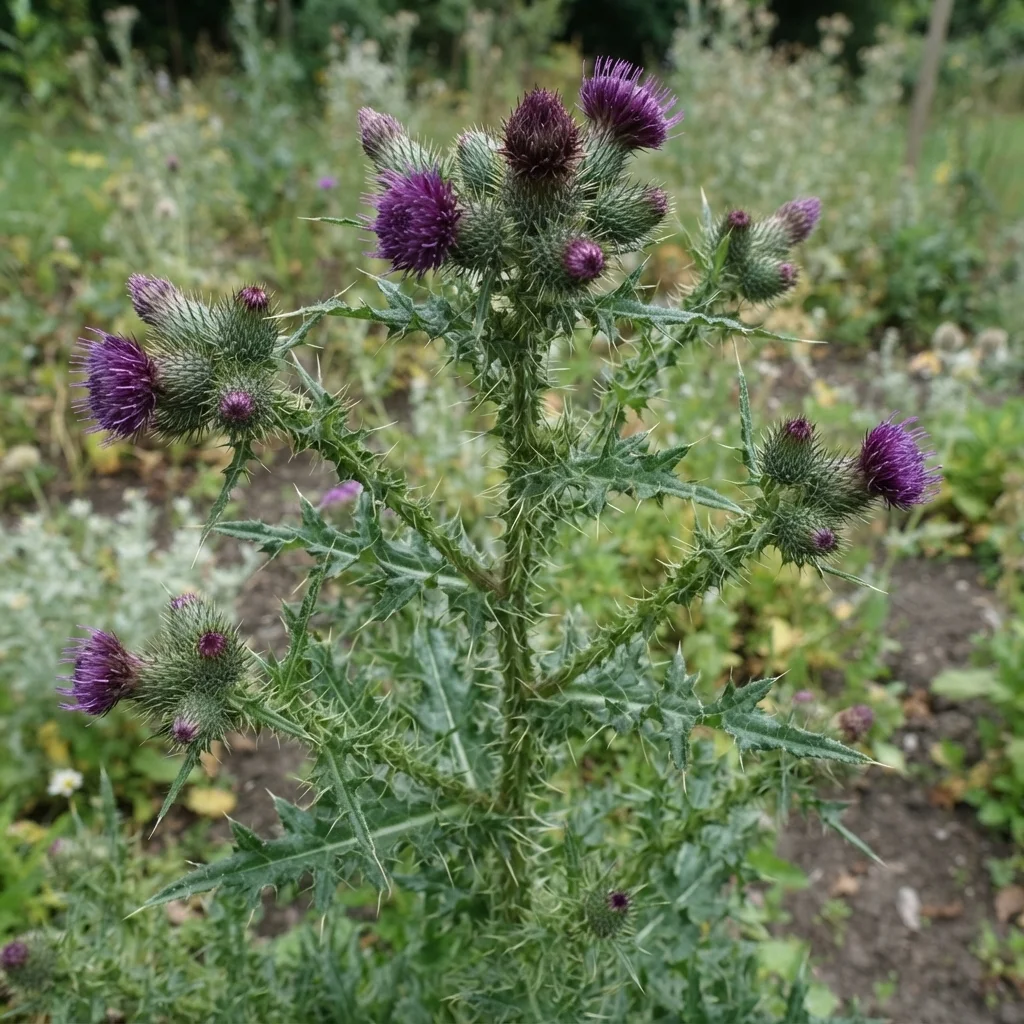
Carduus pycnocephalus, commonly known as Italian thistle, is a winter annual or biennial herb native to the Mediterranean region that has become a widespread invasive weed in disturbed soils and rangelands. The plant begins its life cycle as a flat basal rosette of deeply lobed, spiny leaves before bolting into erect, rigidly branched stems with spiny-winged margins.
This species is distinguished by its cylindrical pink-to-purple flower heads borne in tight clusters of two to five, which feature bracts densely matted with cobwebby hairs. The undersides of the deeply lobed foliage are covered in a distinctive white-matted woolly pubescence.
Uses & Benefits:
Essentials
At a Glance
Plant Type
Annual
Height
78"
Width
20"
Light
Full Sun
Zones
6, 7, 8, 9, 10
Water
Low
Humidity
Moderate
Lifespan
Annual or biennial
Native To
Mediterranean region, Southern Europe, North Africa, Western Asia
Toxicity
Non-toxic but physically hazardous (spines)
Bloom period
Spring – Summer
In flower about 6 months of the year
Planting
How to Grow
- Identify the flat, spiny green rosettes during the winter months.
- Sever the taproot at least two inches below the soil surface using a spade before the plant bolts.
- Bag and dispose of any stems that have already developed flower buds.
- Monitor the cleared area for several seasons to exhaust the soil seed bank.
Pro Tip
To eradicate established plants, sever the deep taproot at least two inches below the soil line before flowering; simply cutting the stems allows the severed seed heads to mature and disperse viable seeds on the ground.
Keep It Thriving
Care Guide
Do
- Sever the taproot well below the soil line.
- Dispose of cut flowering stems securely.
- Monitor disturbed ground for new rosettes after winter rains.
Don't
- Do not leave cut flower heads on the ground as they can still mature seeds.
- Do not mow plants after they have begun to flower.
- Do not use contaminated soil or wildflower seed mixes.
Seasonal Care Calendar
| Task | Jan | Feb | Mar | Apr | May | Jun | Jul | Aug | Sep | Oct | Nov | Dec |
|---|---|---|---|---|---|---|---|---|---|---|---|---|
| Pest Check | ||||||||||||
| Prune | ||||||||||||
| Spray | ||||||||||||
| Spring Cleanup |
Watch Out For
Pests & Diseases
Common Pests
Common Diseases
In the Garden
Landscape Uses & Companions
Landscape Uses
Multiply
Propagation Methods
Good to Know
Common Questions
Italian Thistle questions
What zones can Italian Thistle grow in?
Italian Thistle is hardy in USDA Zones 6–10. Inside that range it survives winter in the ground; outside it, grow it as an annual or a container plant you protect.
Is Italian Thistle deer resistant?
Yes — Italian Thistle is rated deer-resistant. Deer typically pass it over, though extreme hunger can override any plant's defenses.
When does Italian Thistle bloom?
Italian Thistle typically blooms in spring through summer. Exact timing shifts a week or two with your zone — Sow's bloom calendar maps it to your garden.
Does Italian Thistle need full sun?
Italian Thistle does best in full sun (6+ hours).
Is Italian Thistle drought tolerant?
Yes — once established (usually after the first full season), Italian Thistle handles dry spells with minimal watering. Water deeply its first year to build the root system that makes that possible.
More Carduus to compare
Keep exploring
Explore the genus
Hardy in your zone?
Grow Italian Thistle with confidence
See it in a design of your actual yard, get zone-matched care reminders, and track it season by season in your garden journal.