The Story
Plant Bio
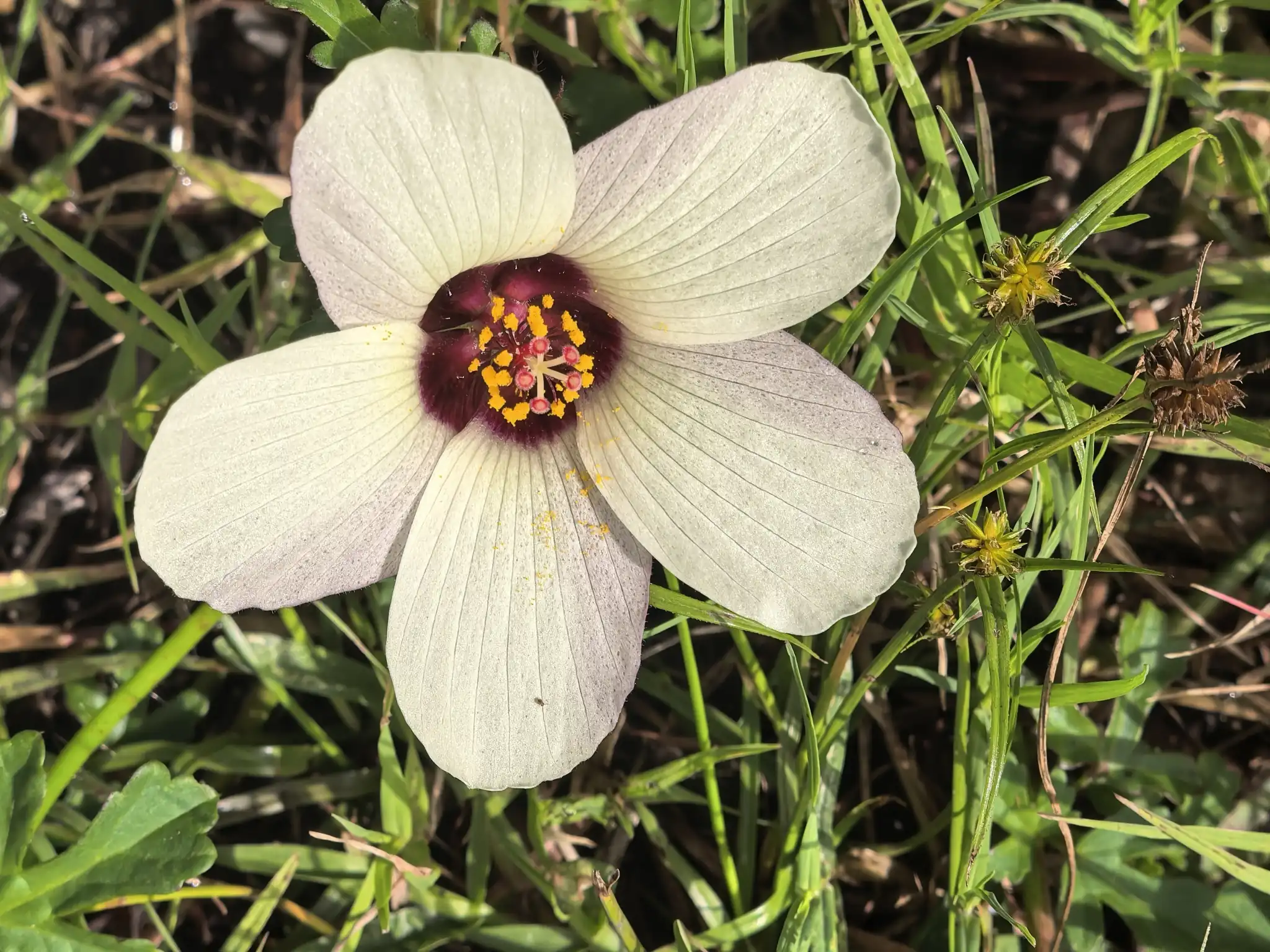
Hibiscus trionum, commonly known as flower-of-an-hour, is a low-growing herbaceous annual or short-lived perennial forming a branched, mounding bush from a deep taproot. The dark green leaves are palmately divided into coarsely toothed lobes, providing a textured backdrop for solitary flowers that open for only a few hours on sunny days.
Each cream to pale yellow blossom features a deep maroon to black center and is followed by an inflated, bladder-like calyx that resembles a paper lantern. These hairy, translucent seed pods dry on the plant and release numerous seeds, allowing the species to self-sow aggressively in warm soils.
Uses & Benefits:
Essentials
At a Glance
Plant Type
Annual
Height
40"
Width
40"
Light
Full Sun
Zones
4, 5, 6, 7, 8, 9, 10
Water
Moderate
Humidity
Wide range
Lifespan
Annual or short-lived perennial
Native To
Old World tropics and subtropics
Toxicity
Non-toxic (hairs cause mild skin irritation)
Bloom period
Summer – Autumn
In flower about 6 months of the year
Planting
How to Grow
- Select a planting site in full sun with fertile, humus-rich, well-drained soil.
- Sow seeds directly into warm soil after the last frost, pressing them lightly into the surface.
- Water regularly to keep the soil moist but not waterlogged while the taproot establishes.
- Apply a balanced general-purpose fertilizer sparingly in spring to avoid excessive foliage growth at the expense of blooms.
Pro Tip
Deadhead spent flowers daily before the inflated calyces mature and dry; failure to remove these pods leads to prolific self-seeding that can quickly overwhelm garden beds.
Keep It Thriving
Care Guide
Do
- Deadhead regularly to control aggressive self-seeding.
- Wear gloves when handling the plant to avoid skin irritation from fine hairs.
- Grow in full sun to maximize the brief daily flowering window.
- Ensure the soil is well-drained to prevent root rot.
Don't
- Do not over-fertilize, as excess nutrients promote foliage at the expense of flowers.
- Do not prune back into old, leafless wood.
- Do not allow seed pods to dry on the plant if you wish to prevent spreading.
Seasonal Care Calendar
| Task | Jan | Feb | Mar | Apr | May | Jun | Jul | Aug | Sep | Oct | Nov | Dec |
|---|---|---|---|---|---|---|---|---|---|---|---|---|
| Deadhead | ||||||||||||
| Fertilize | ||||||||||||
| Pest Check | ||||||||||||
| Plant | ||||||||||||
| Propagate |
Watch Out For
Pests & Diseases
Common Pests
Common Diseases
In the Garden
Landscape Uses & Companions
Landscape Uses
Companion Plants
Multiply
Propagation Methods
Good to Know
Common Questions
Flower-of-an-hour questions
What zones can Flower-of-an-hour grow in?
Flower-of-an-hour is hardy in USDA Zones 4–10. Inside that range it survives winter in the ground; outside it, grow it as an annual or a container plant you protect.
Is Flower-of-an-hour deer resistant?
Not reliably. Deer may browse Flower-of-an-hour, especially tender spring growth — plan on repellents or fencing where pressure is high.
When does Flower-of-an-hour bloom?
Flower-of-an-hour typically blooms in summer through autumn. Exact timing shifts a week or two with your zone — Sow's bloom calendar maps it to your garden.
Does Flower-of-an-hour need full sun?
Flower-of-an-hour does best in full sun (6+ hours).
Is Flower-of-an-hour drought tolerant?
Yes — once established (usually after the first full season), Flower-of-an-hour handles dry spells with minimal watering. Water deeply its first year to build the root system that makes that possible.
More Hibiscus to compare
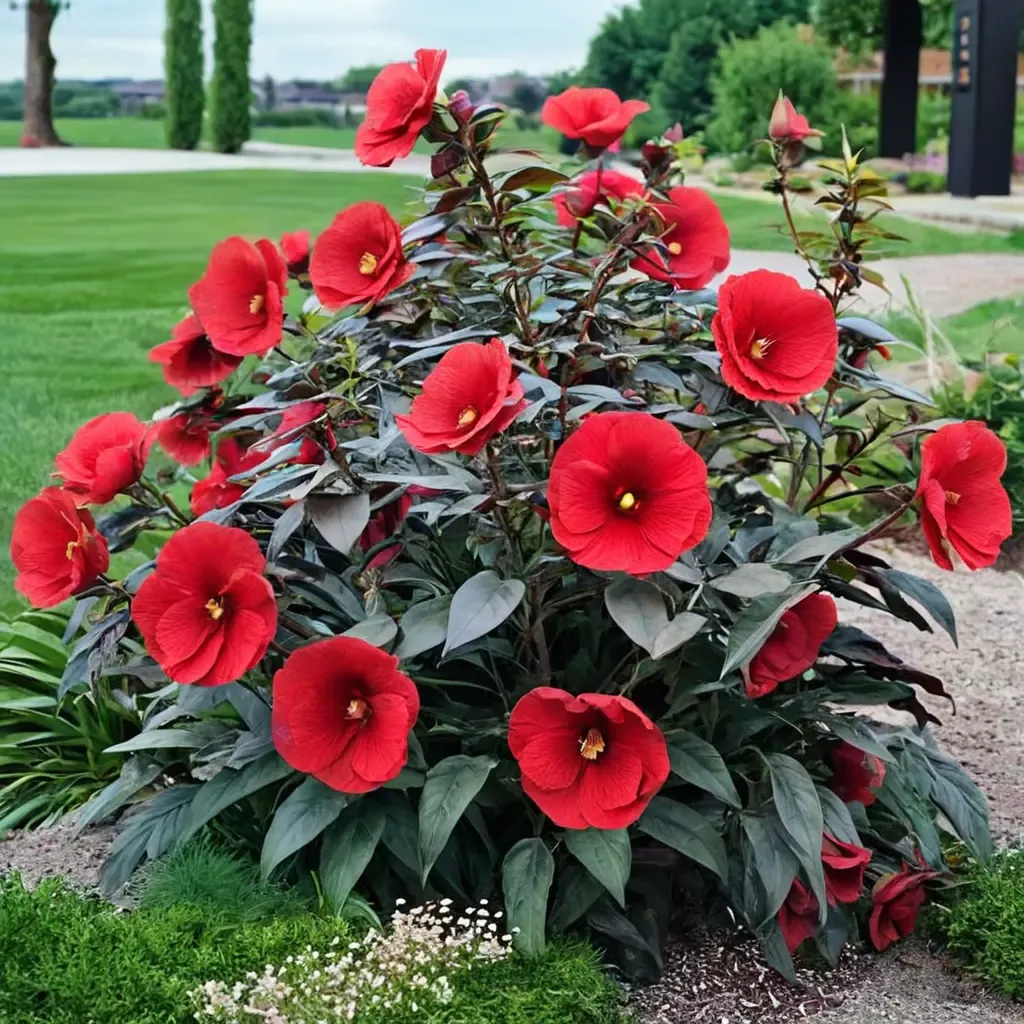
Midnight Marvel Swamp Hibiscus
Hibiscus moscheutos 'Midnight Marvel'
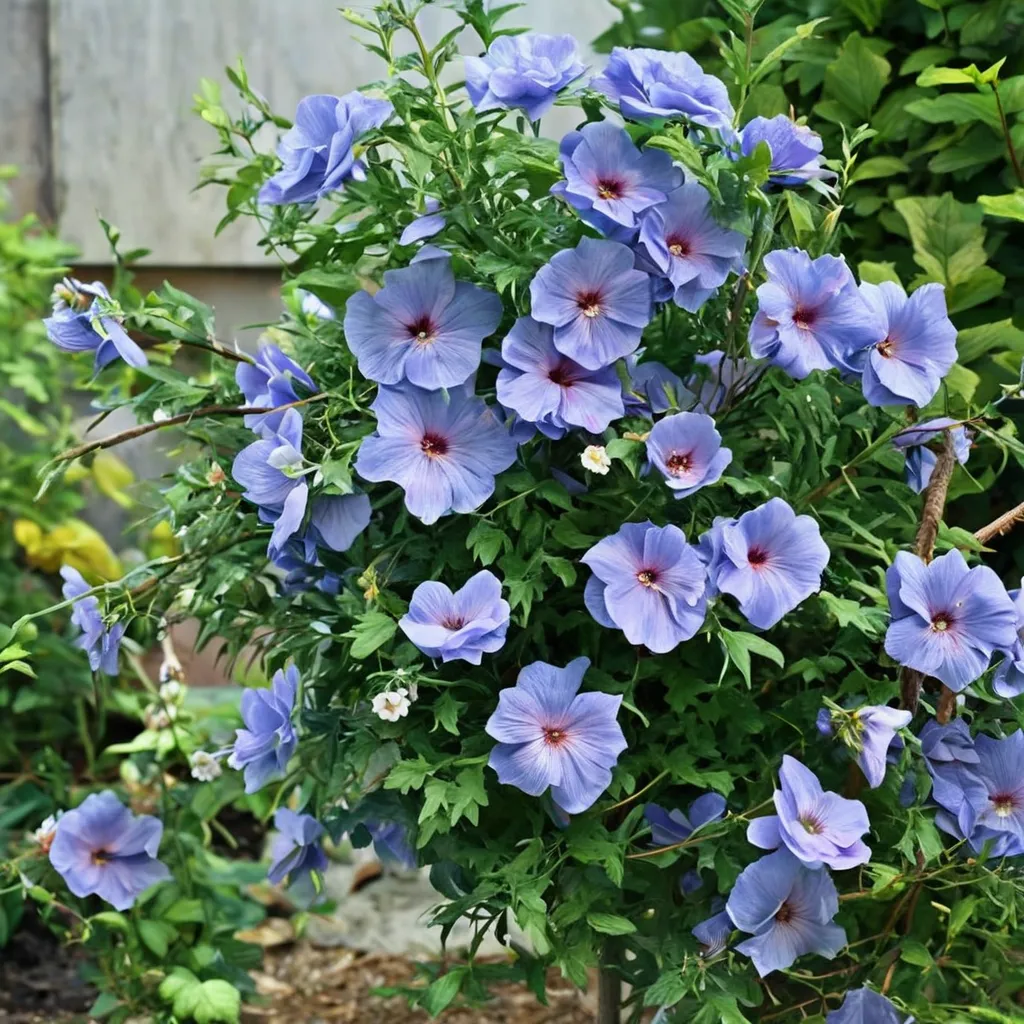
Rose of Sharon Hibiscus
Hibiscus syriacus 'Azurri Blue Satin'
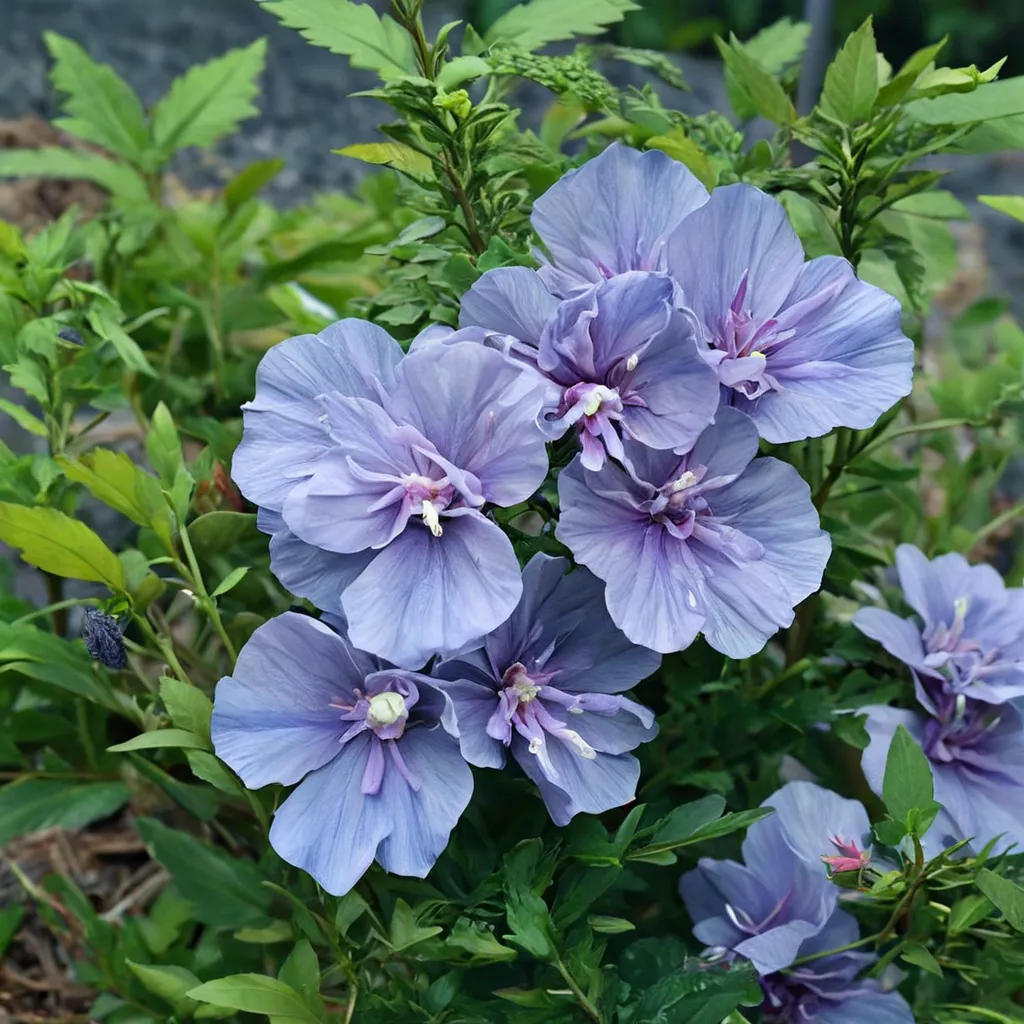
Blue Chiffon Rose of Sharon
Hibiscus syriacus 'Blue Chiffon'
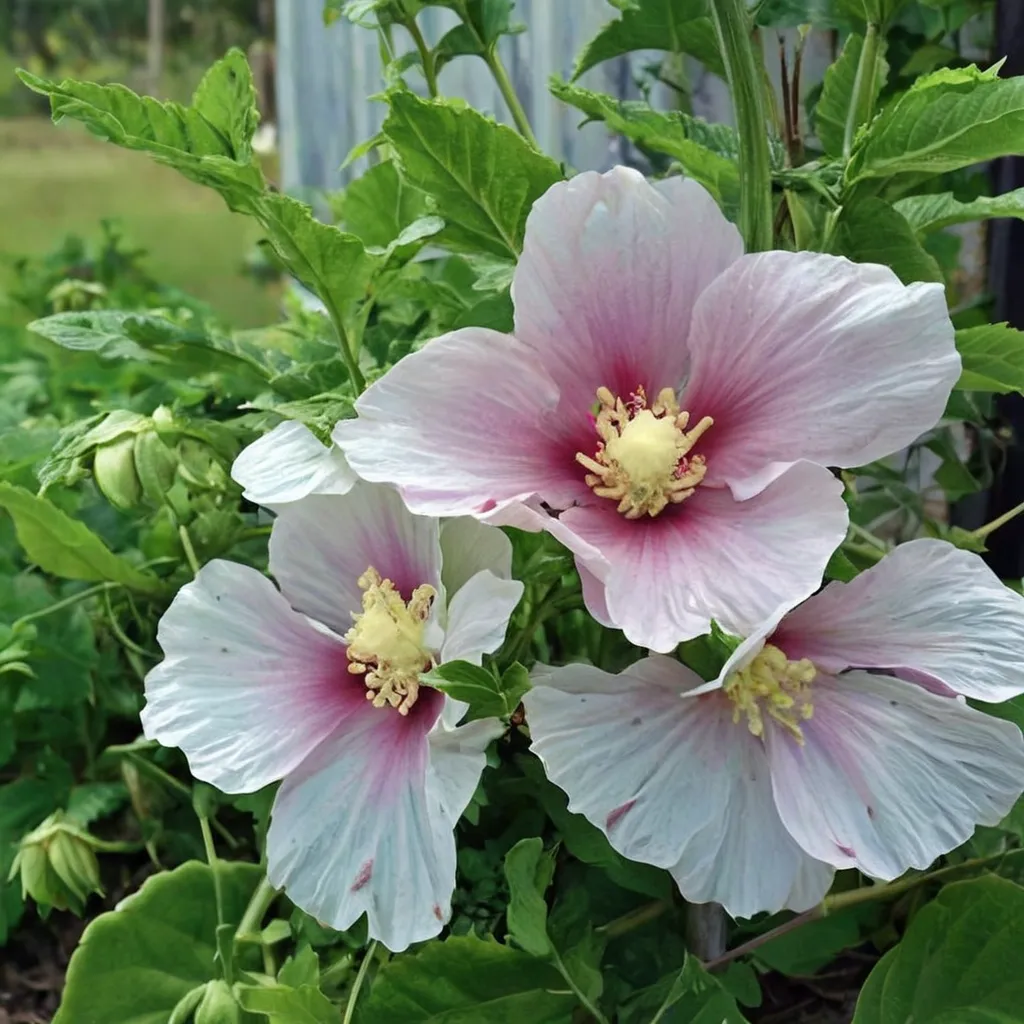
Confederate Rose
Hibiscus paramutabilis
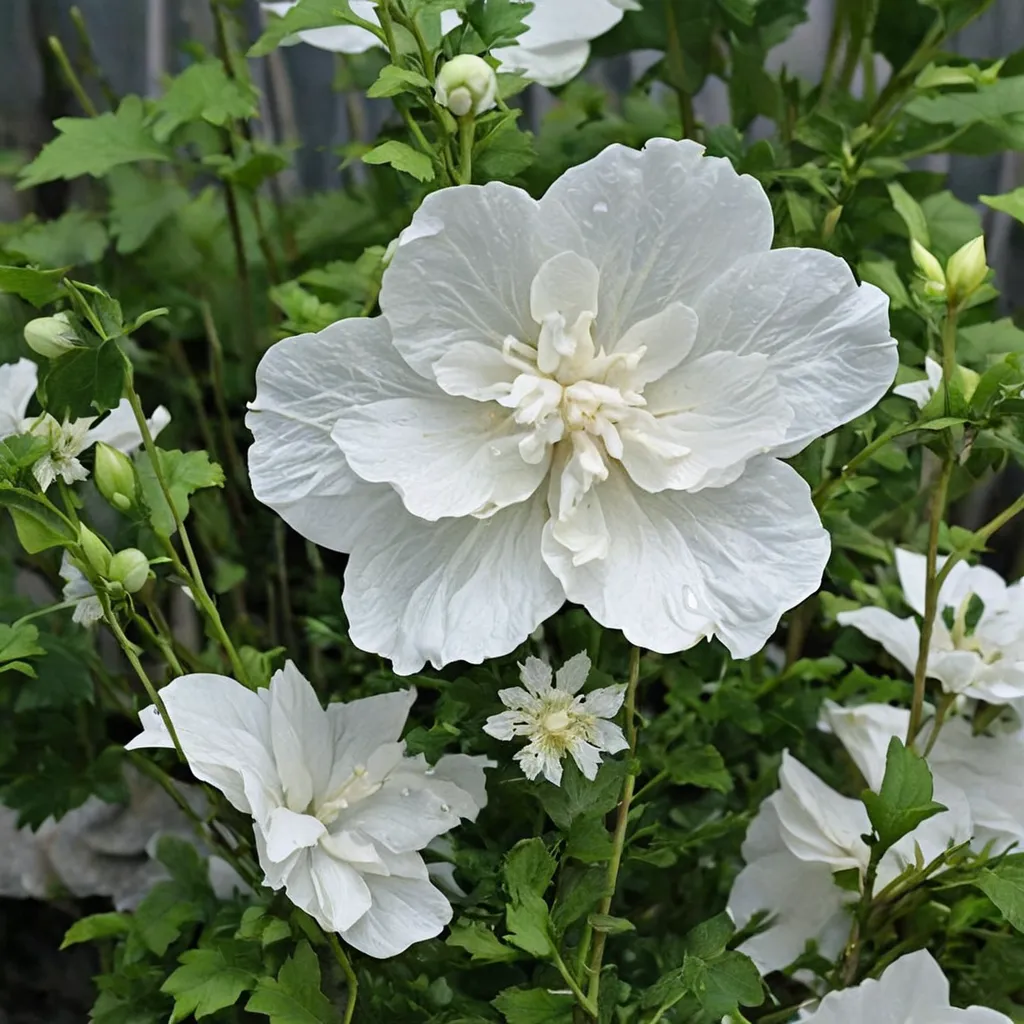
White Chiffon Hibiscus
Hibiscus syriacus 'White Chiffon'
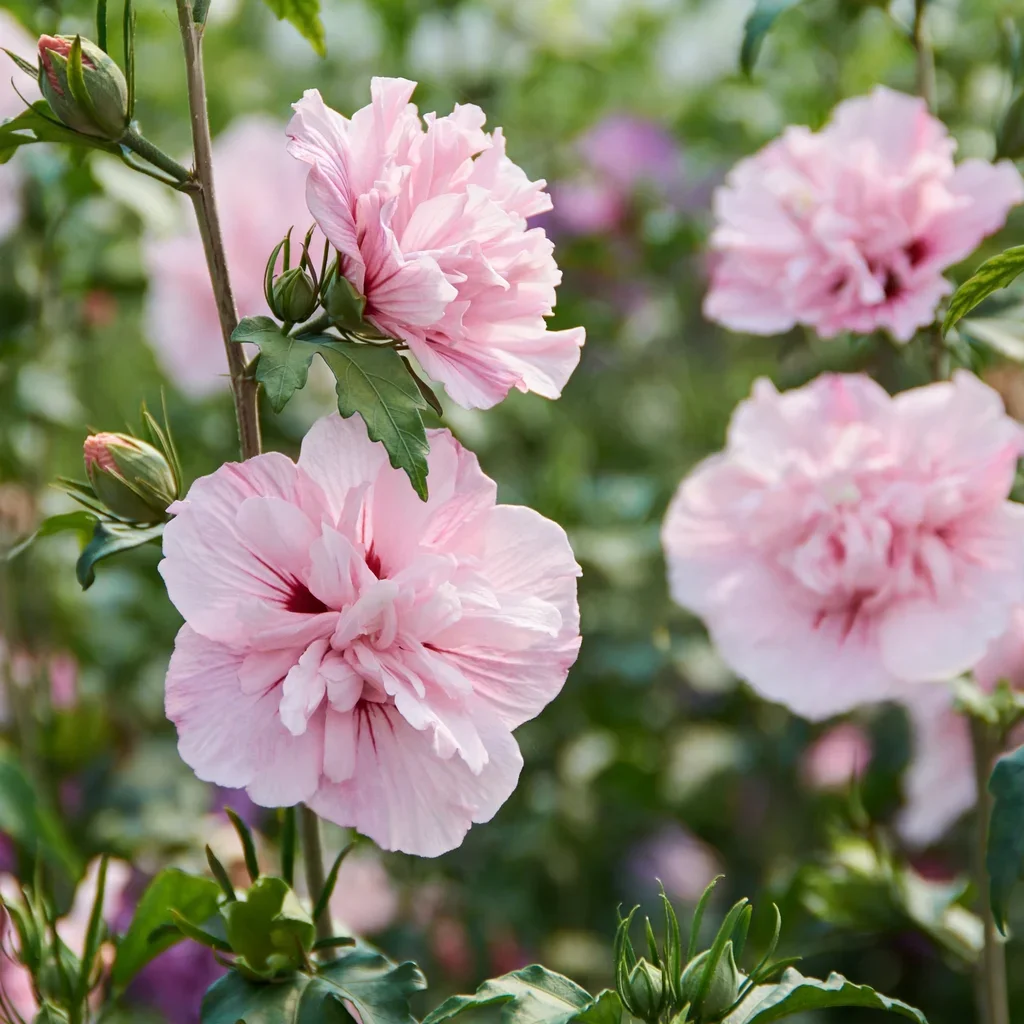
Pink Chiffon Rose of Sharon
Hibiscus syriacus 'Pink Chiffon'
Keep exploring
Explore the genus
Grow Flower-of-an-hour with confidence
See it in a design of your actual yard, get zone-matched care reminders, and track it season by season in your garden journal.