The Story
Plant Bio
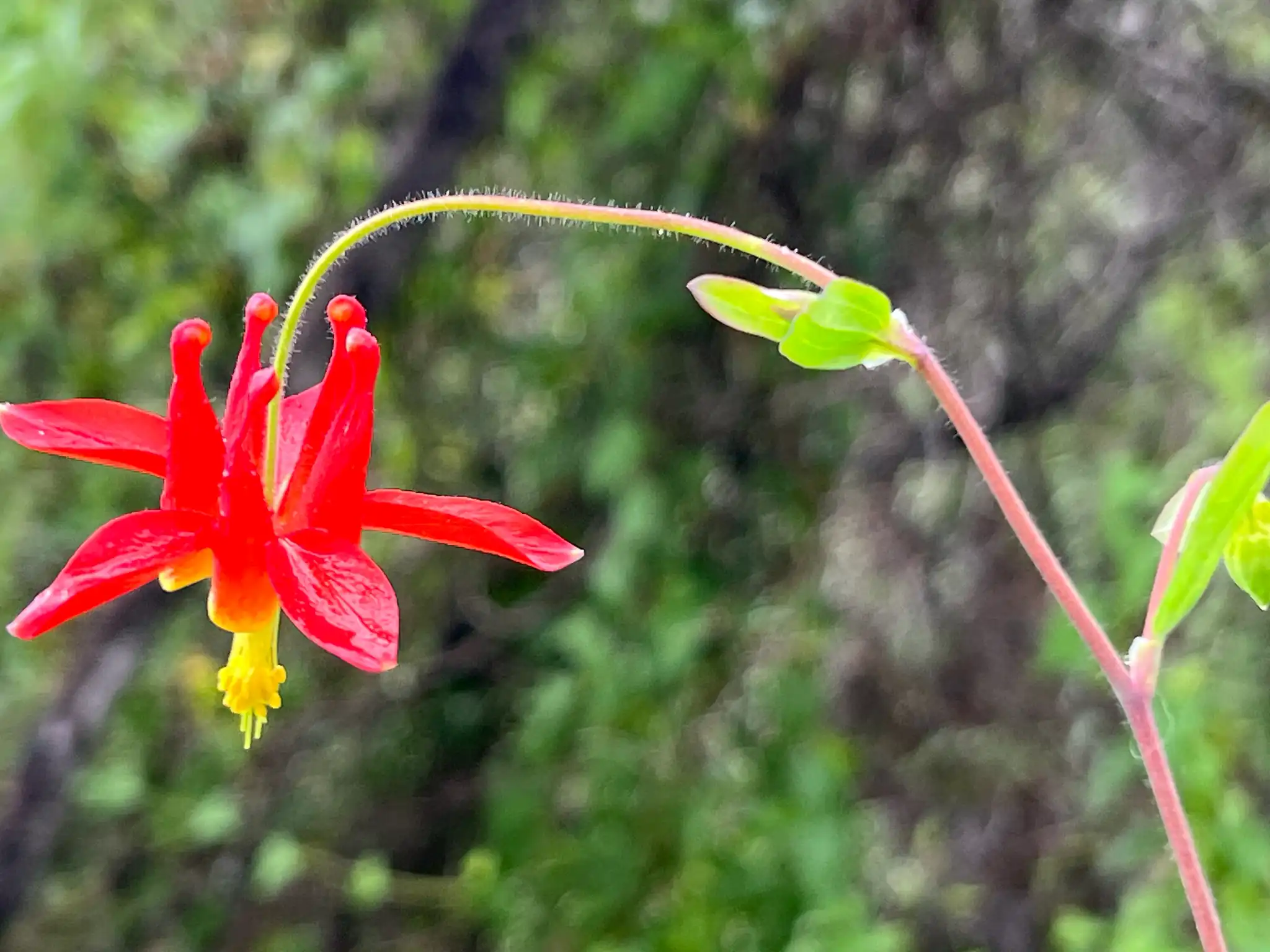
Aquilegia formosa, the western columbine, is an upright, clump-forming herbaceous perennial native to moist woodlands, streambanks, and meadows of western North America. The delicate, deeply lobed blue-green compound foliage forms a basal rosette from which slender, branching stems arise to display nodding, spurred flowers.
The distinctive blooms feature striking red to reddish-orange sepals and straight spurs that contrast sharply with short yellow petals and protruding golden stamens. These nectar-rich flowers serve as a vital food source for migrating hummingbirds and native bees throughout the spring and summer.
Uses & Benefits:
Essentials
At a Glance
Plant Type
Perennial
Height
30"
Width
18"
Light
Full Sun, Partial Sun
Zones
4, 5, 6, 7, 8, 9
Water
Medium
Humidity
Moderate
Lifespan
Short-lived perennial (3-4 years)
Native To
Western North America
Toxicity
Toxic if ingested
Bloom period
Spring – Summer
In flower about 6 months of the year
Marketplace
Where to Buy
Shipping costs Year-round shipping Free shipping
Planting
How to Grow
- Select a site with partial shade and moist, organically rich soil that drains rapidly.
- Dig a hole twice the width of the root ball and set the crown level with the surrounding soil surface.
- Water thoroughly after planting and maintain consistent moisture, never letting the soil dry out completely.
- Apply a thin layer of organic compost around the base in spring to provide light nutrients without burying the crown.
Pro Tip
Plant in moist, organic soil with sharp drainage; these perennials are relatively short-lived but will reliably persist in the garden for years by self-seeding if the soil is not heavily mulched.
Keep It Thriving
Care Guide
Do
- Provide regular water during dry summer spells to prevent the foliage from going dormant early.
- Allow some flower heads to go to seed if you want the colony to self-perpetuate.
- Ensure the planting site has excellent drainage to prevent winter crown rot.
Don't
- Do not plant in heavy, waterlogged clay or areas where standing water collects.
- Do not let the soil dry out completely during the active growing season.
- Do not bury the crown too deeply when planting or mulching, as this invites rot.
Seasonal Care Calendar
| Task | Jan | Feb | Mar | Apr | May | Jun | Jul | Aug | Sep | Oct | Nov | Dec |
|---|---|---|---|---|---|---|---|---|---|---|---|---|
| Deadhead | ||||||||||||
| Fertilize | ||||||||||||
| Pest Check | ||||||||||||
| Prune | ||||||||||||
| Spring Cleanup |
Watch Out For
Pests & Diseases
Common Pests
Common Diseases
In the Garden
Landscape Uses & Companions
Landscape Uses
Companion Plants
Multiply
Propagation Methods
Good to Know
Common Questions
Western Columbine questions
What zones can Western Columbine grow in?
Western Columbine is hardy in USDA Zones 4–9. Inside that range it survives winter in the ground; outside it, grow it as an annual or a container plant you protect.
Is Western Columbine deer resistant?
Not reliably. Deer may browse Western Columbine, especially tender spring growth — plan on repellents or fencing where pressure is high.
When does Western Columbine bloom?
Western Columbine typically blooms in spring through summer. Exact timing shifts a week or two with your zone — Sow's bloom calendar maps it to your garden.
Does Western Columbine need full sun?
Western Columbine does best in full sun to part shade. In hot climates, afternoon shade keeps blooms fresher longer.
More Aquilegia to compare
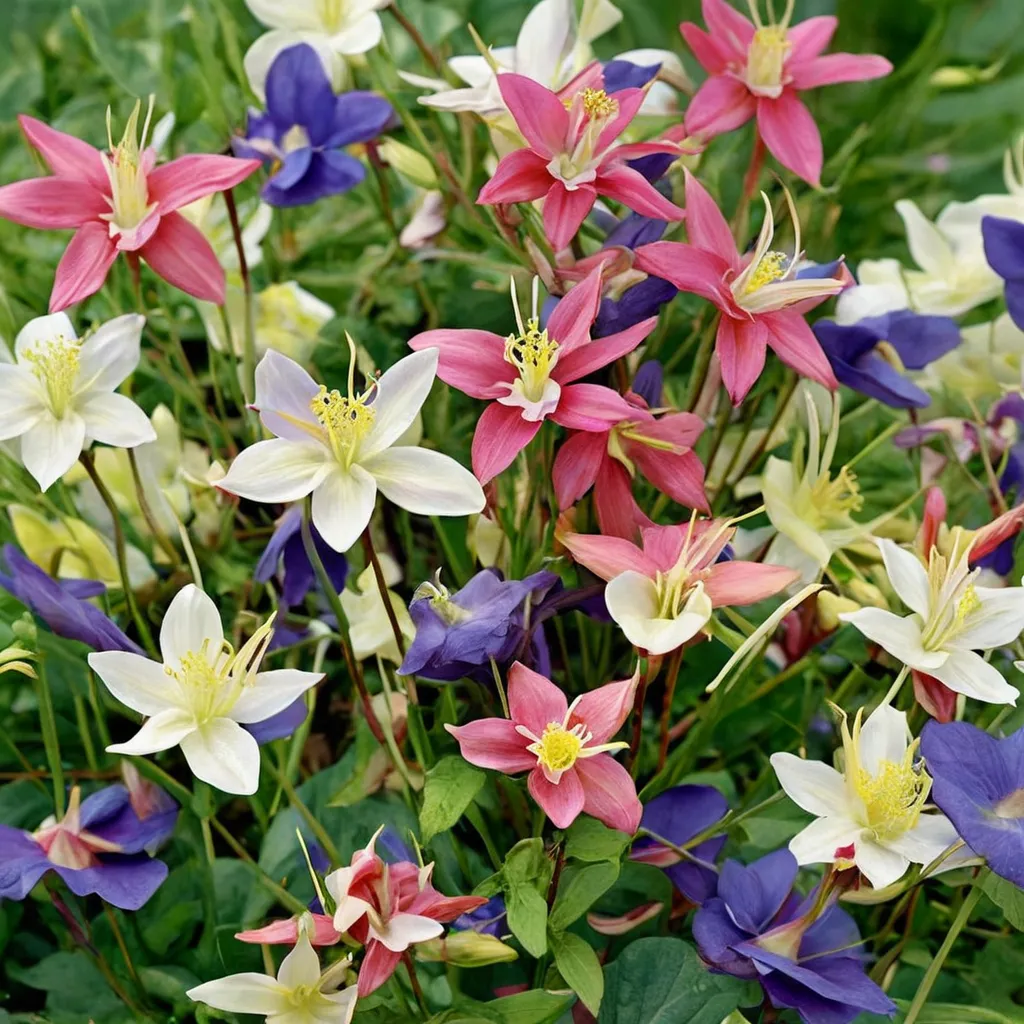
Columbine Mix
Aquilegia x hybrida 'Mix'
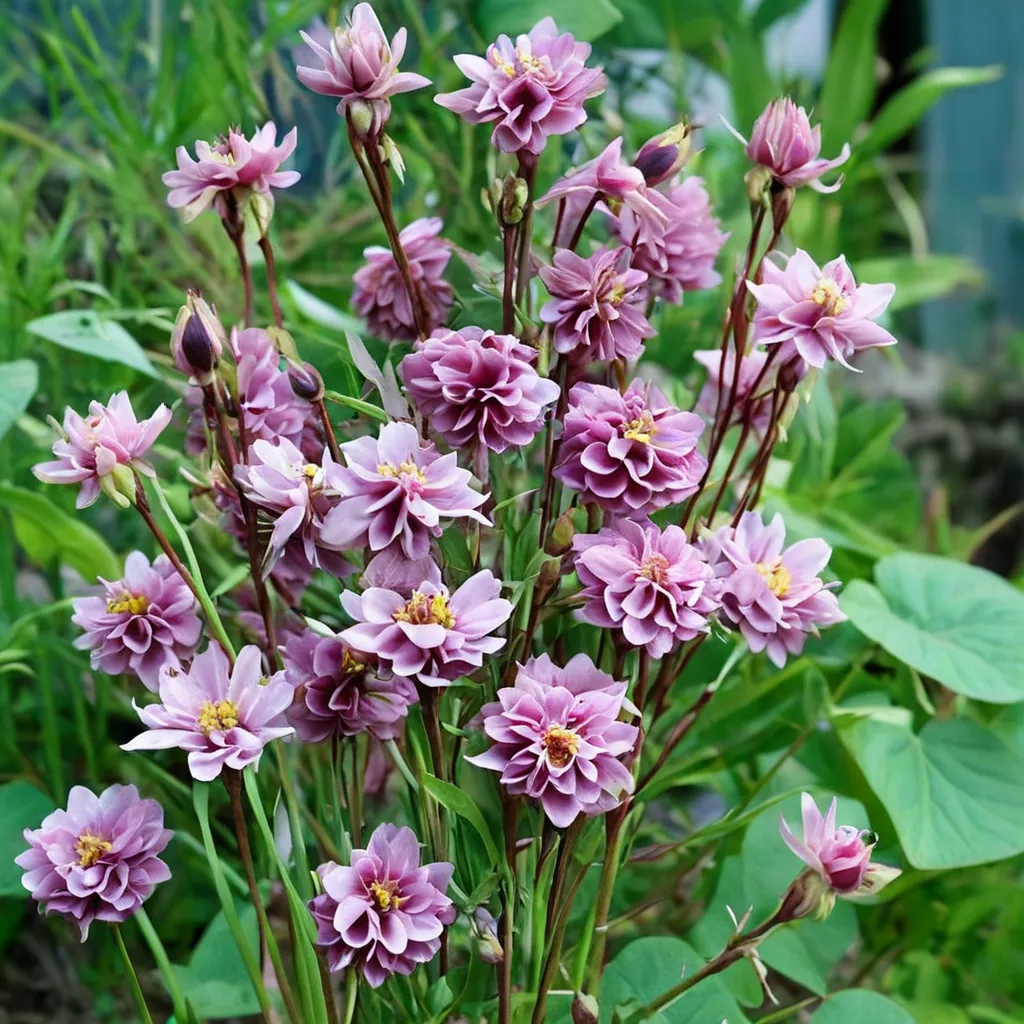
Columbine Double Flowers
Aquilegia vulgaris 'Double Flowers'
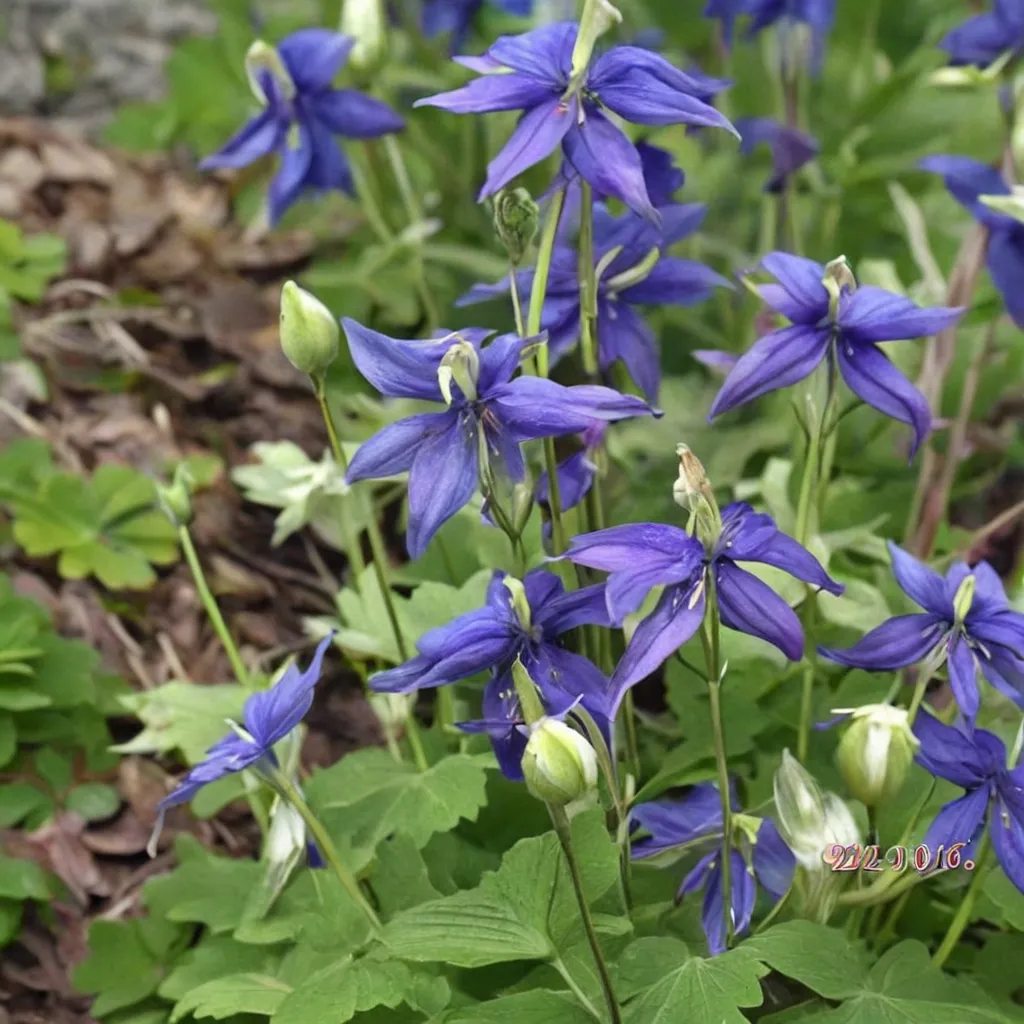
Melba Higgins Columbine
Aquilegia x hybrida 'Melba Higgins'
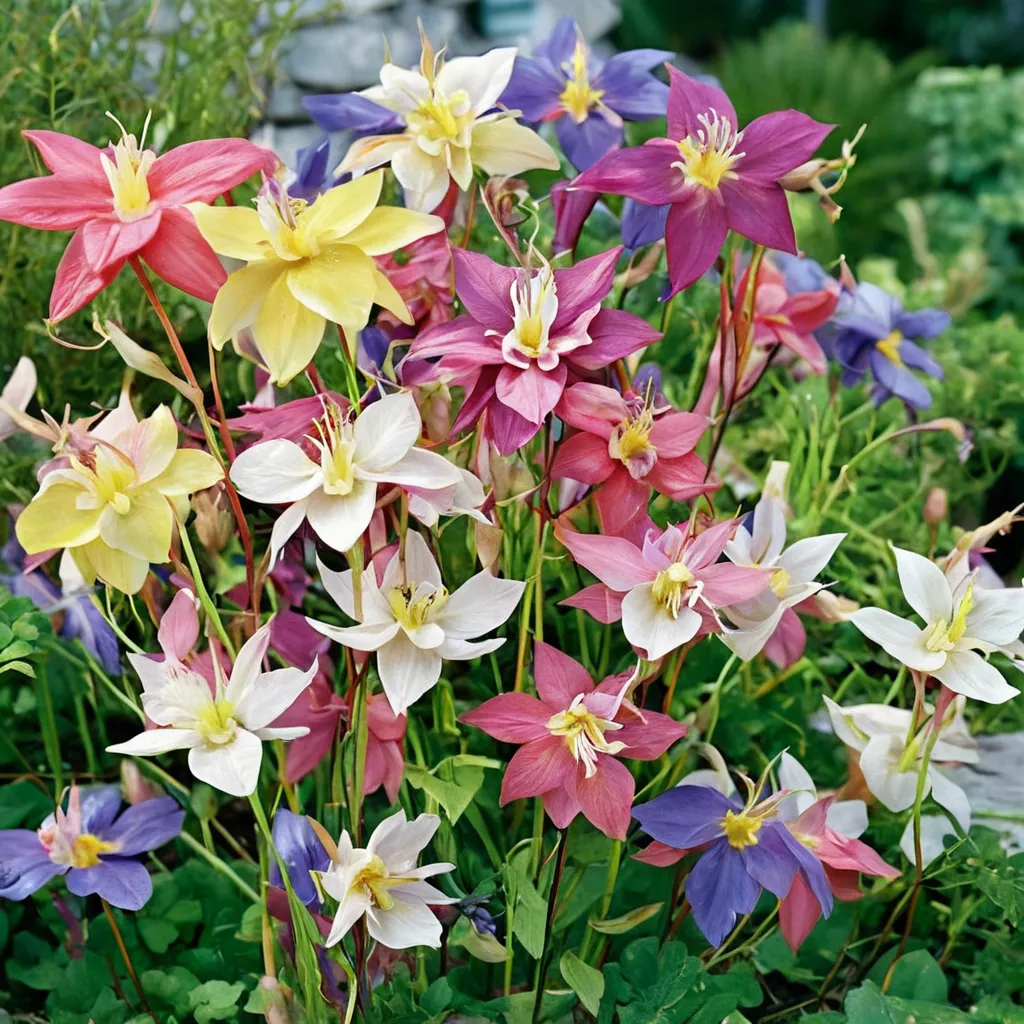
Columbine McKana Hybrids
Aquilegia vulgaris 'McKana Hybrids'
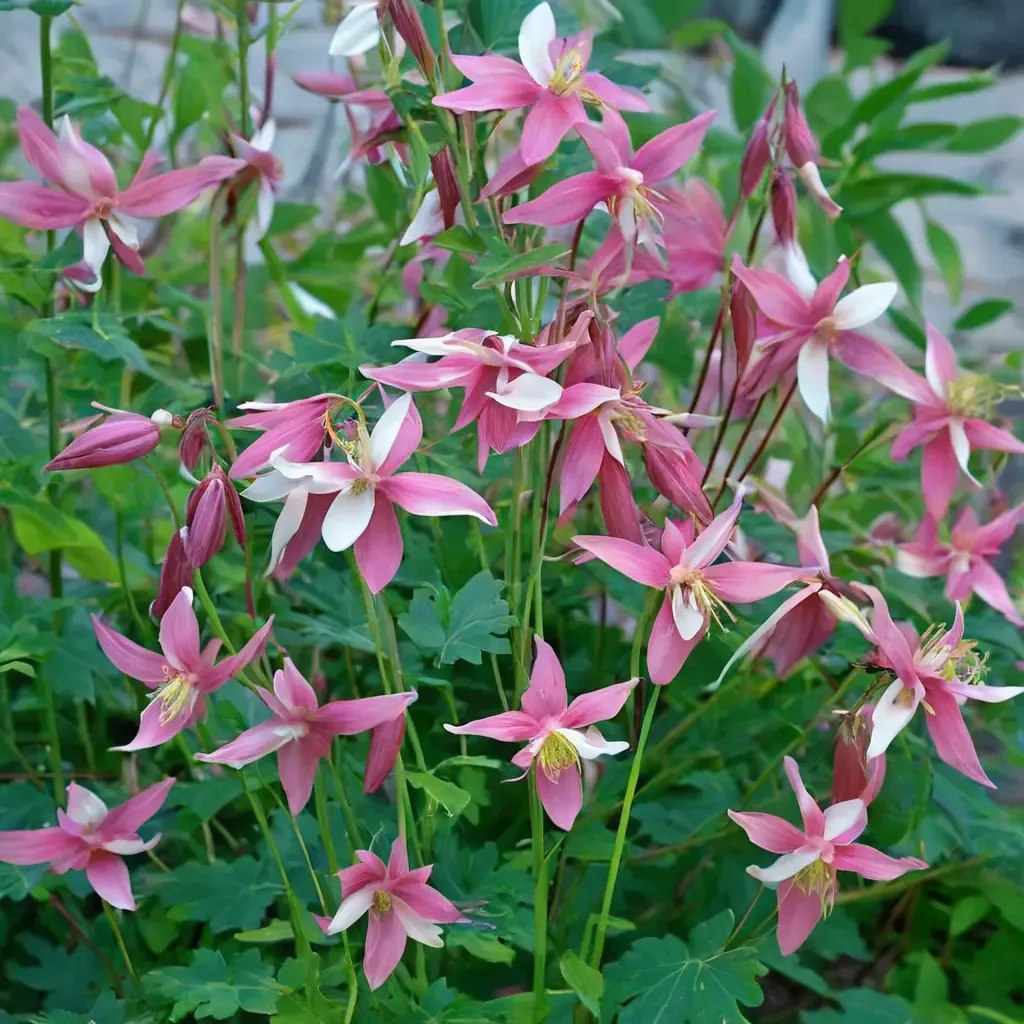
Biedermeier Columbine
Aquilegia vulgaris 'Biedermeier'
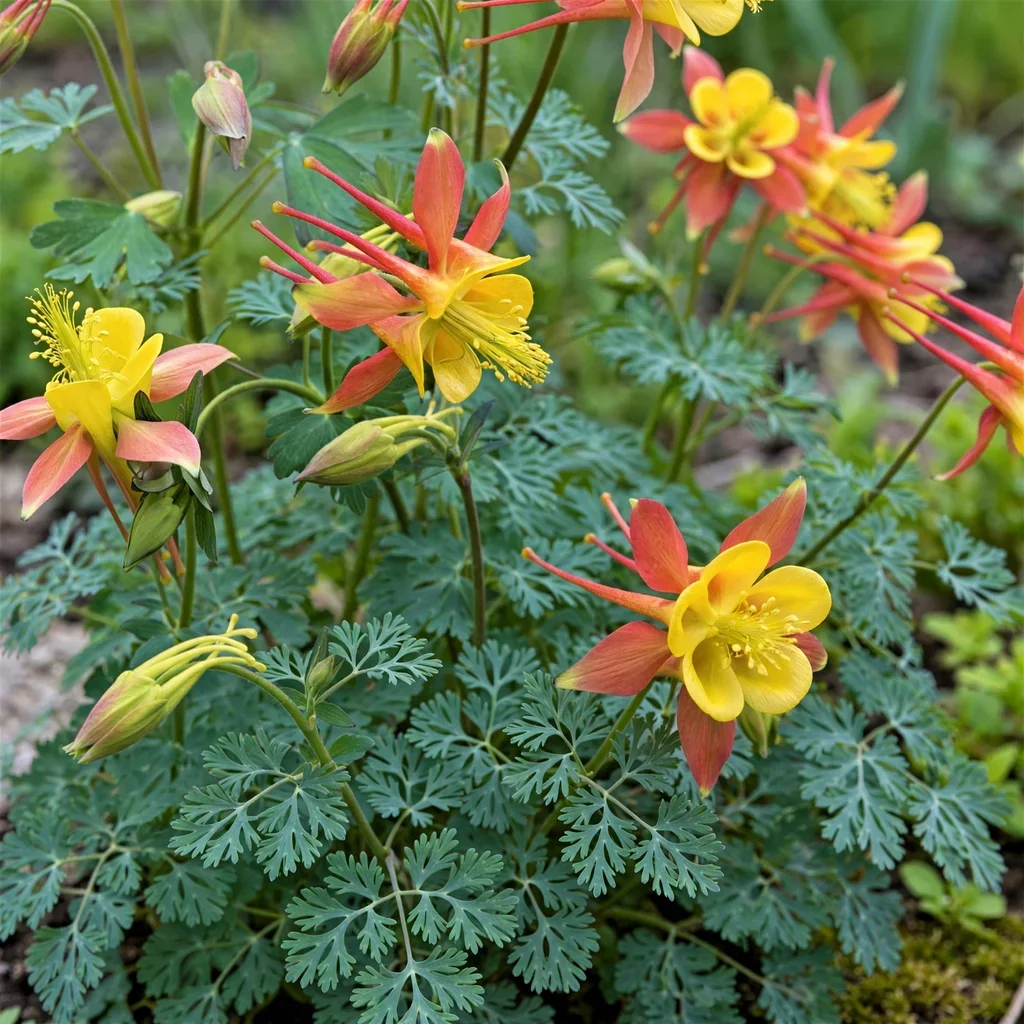
Tequila Sunrise Columbine
Aquilegia x hybrida 'Tequila Sunrise'
Keep exploring
Explore the genus
Grow Western Columbine with confidence
See it in a design of your actual yard, get zone-matched care reminders, and track it season by season in your garden journal.