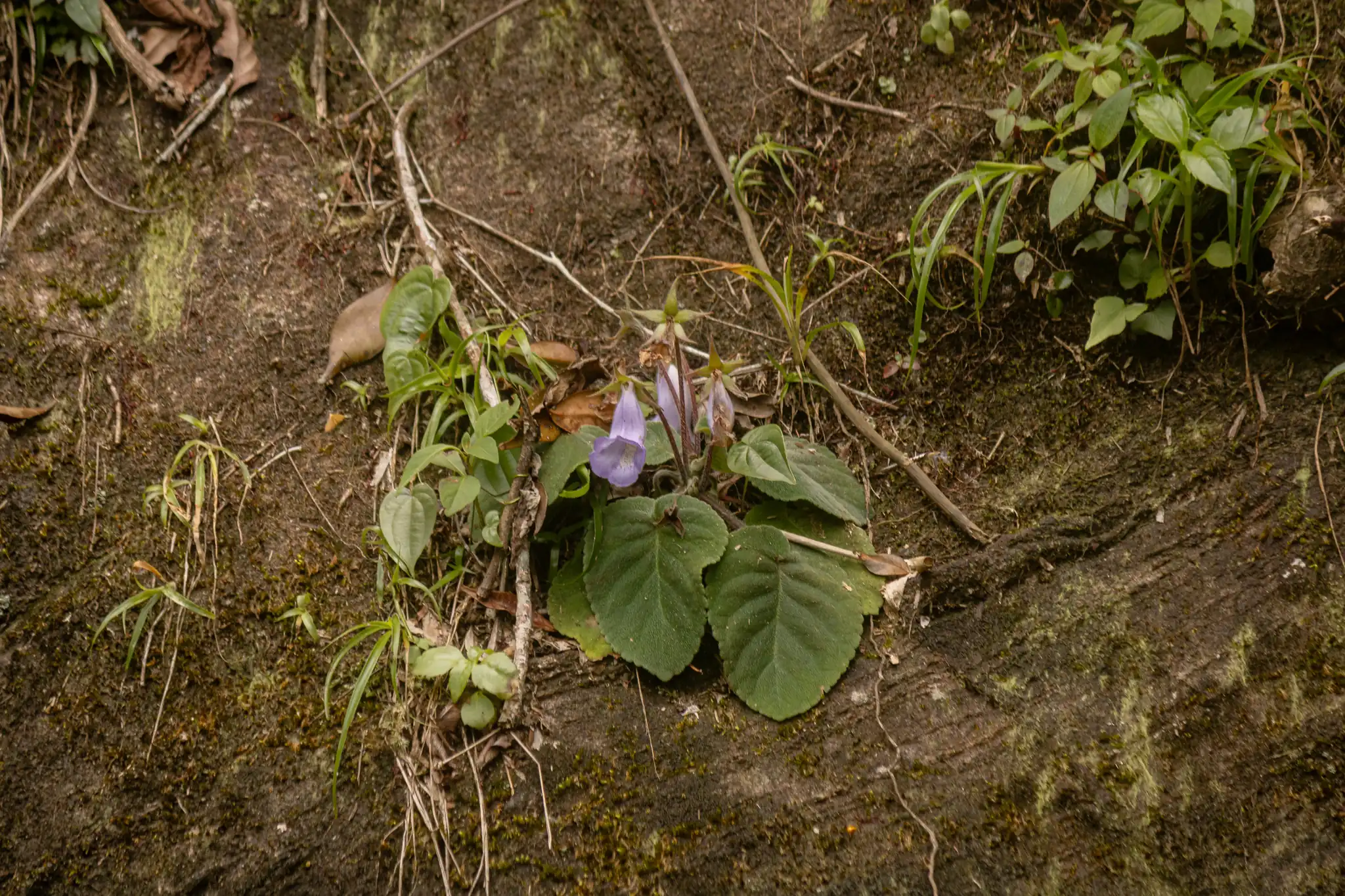
1 named cultivar
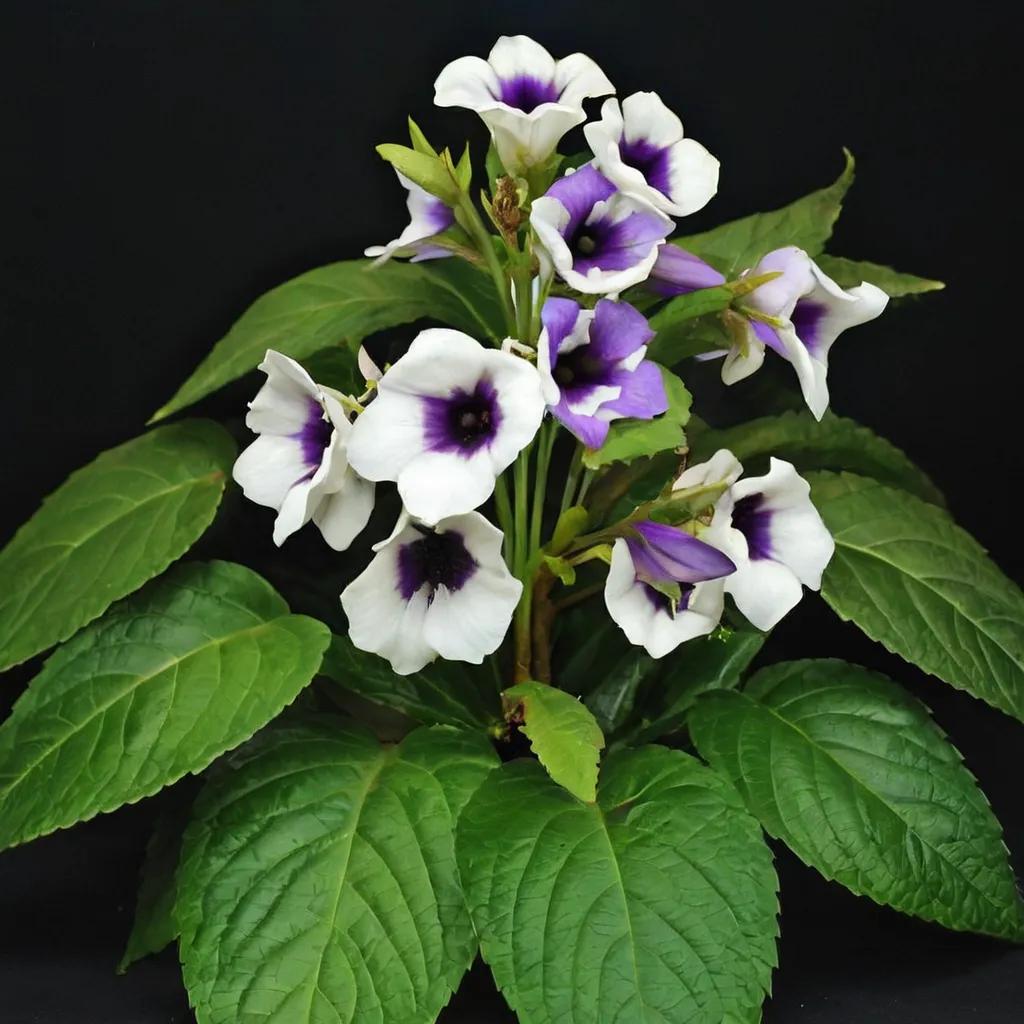
The Story
Plant Bio
Sinningia speciosa, florist's gloxinia, is a tuberous perennial from Brazil, six to twelve inches high and wide. Large scalloped velvety leaves form a low rosette, and enormous bell or trumpet flowers three to six inches across open above them in violet, red, pink or white, often with contrasting speckled throats.
After flowering it dies back completely and needs a genuine dormant rest — most plants are thrown away at that point in the belief they are dead. Store the tuber dry and cool for two or three months, then restart it and it flowers again. Water the compost rather than the crown: water sitting on those velvety leaves marks and rots them.
Uses & Benefits:
Essentials
At a Glance
Plant Type
Perennial
Height
12"
Width
9"
Light
Partial Sun, Shade
Zones
10
Water
Moderate
Humidity
High
Lifespan
Perennial
Native To
Brazil
Toxicity
Non-toxic
Planting
How to Grow
- Give it bright indirect light, never direct sun.
- Water the compost, not the crown or leaves.
- Use tepid water; cold water marks the foliage.
- Feed while in growth and flower.
- Let it die back after flowering and store the tuber dry.
- Restart the tuber after two or three months rest.
Pro Tip
It is not dead when it collapses after flowering — dry the tuber off, rest it for a couple of months, and it grows again.
Keep It Thriving
Care Guide
Do
- Water the compost, not the leaves 💧
- Use tepid water 🌡️
- Rest the tuber dry after flowering 😴
- Give it bright indirect light 🪟
Don't
- Throw it away when it dies back ❌
- Splash the velvety leaves ❌
- Stand it in direct sun ❌
Seasonal Care Calendar
| Task | Jan | Feb | Mar | Apr | May | Jun | Jul | Aug | Sep | Oct | Nov | Dec |
|---|---|---|---|---|---|---|---|---|---|---|---|---|
| Feed | ||||||||||||
| Rest |
Watch Out For
Pests & Diseases
Common Pests
Common Diseases
In the Garden
Landscape Uses & Companions
Landscape Uses
Companion Plants
Multiply
Propagation Methods
Good to Know
Common Questions
Florist's Gloxinia questions
What zones can Florist's Gloxinia grow in?
Florist's Gloxinia is hardy in USDA Zone 10. Inside that range it survives winter in the ground; outside it, grow it as an annual or a container plant you protect.
Is Florist's Gloxinia deer resistant?
Not reliably. Deer may browse Florist's Gloxinia, especially tender spring growth — plan on repellents or fencing where pressure is high.
When does Florist's Gloxinia bloom?
Florist's Gloxinia typically blooms in summer through late summer. Exact timing shifts a week or two with your zone — Sow's bloom calendar maps it to your garden.
Does Florist's Gloxinia need full sun?
Florist's Gloxinia does best in part shade.
More Sinningia to compare
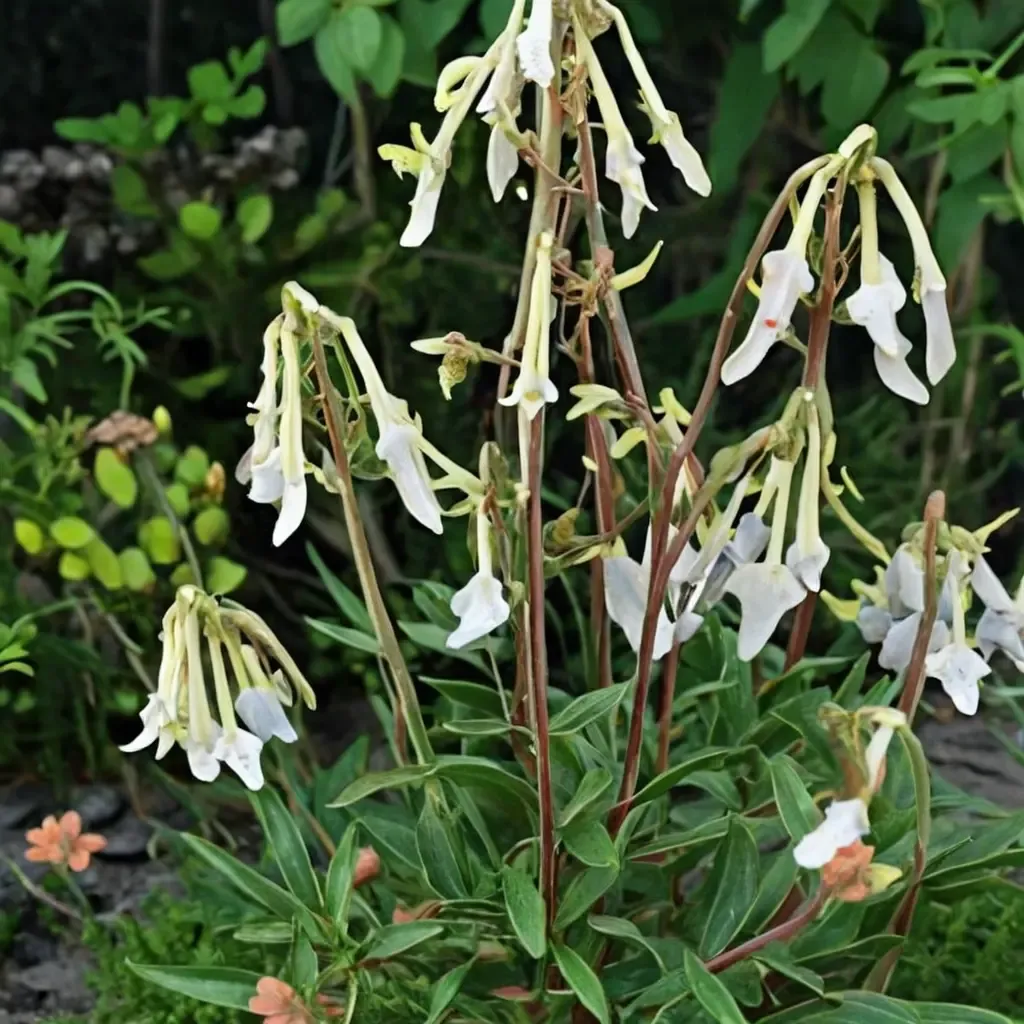
Hardy White Gloxinia
Sinningia tubiflora
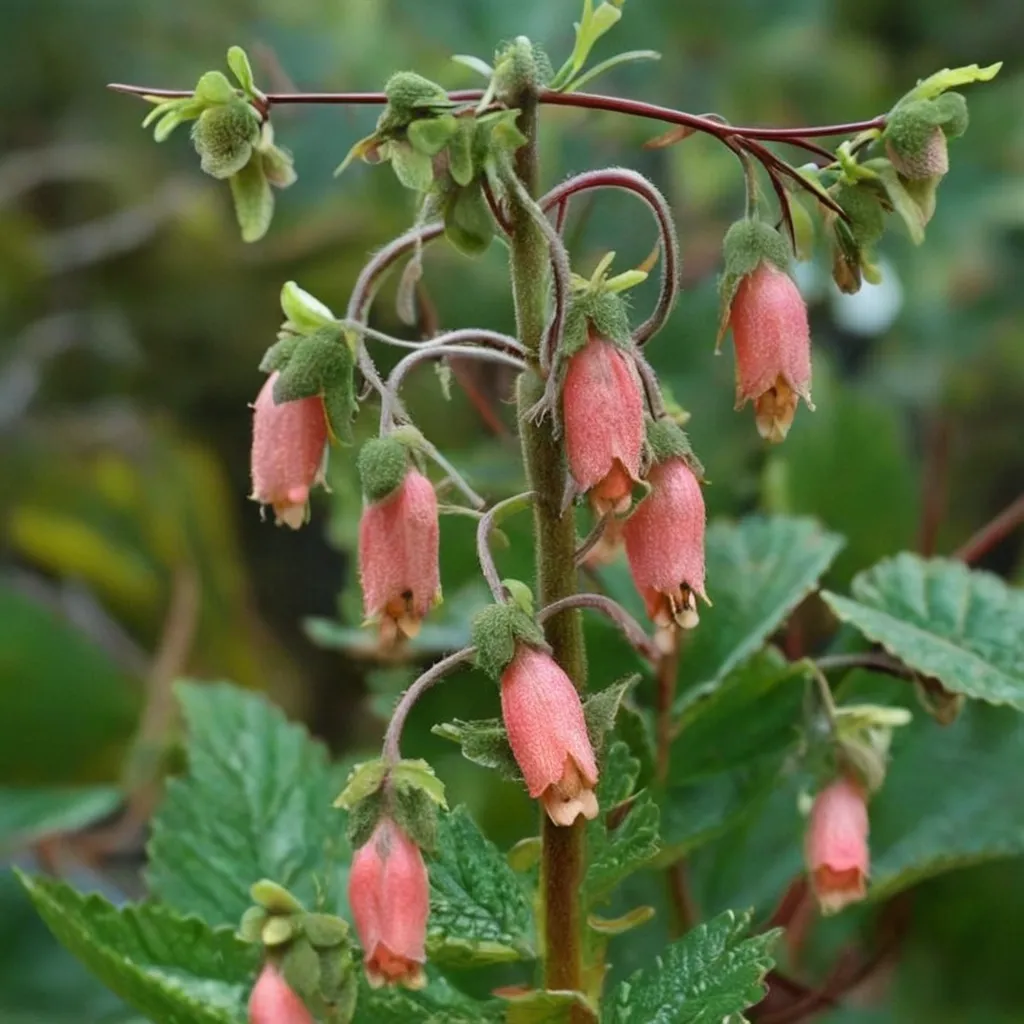
Hardy Red Gloxinia
Sinningia sellovii
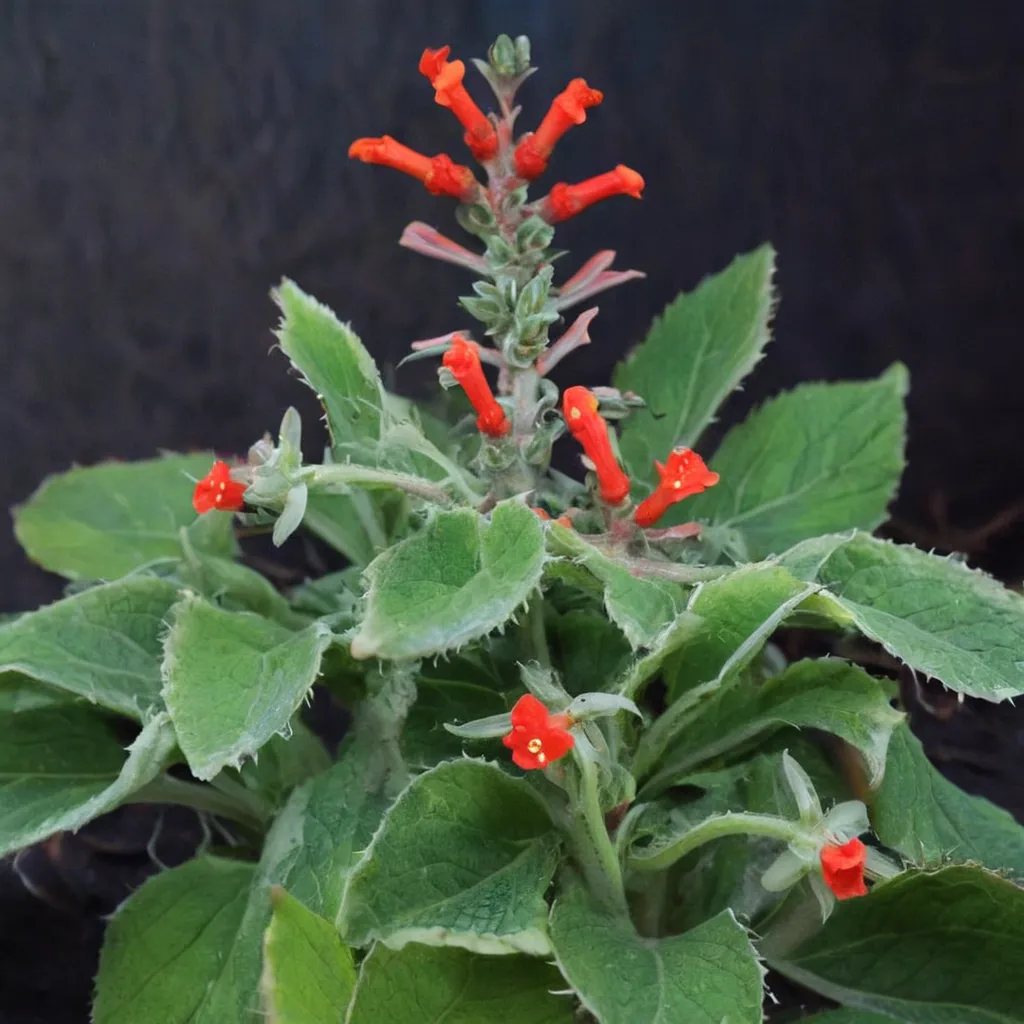
Sinningia araneosa
Sinningia araneosa
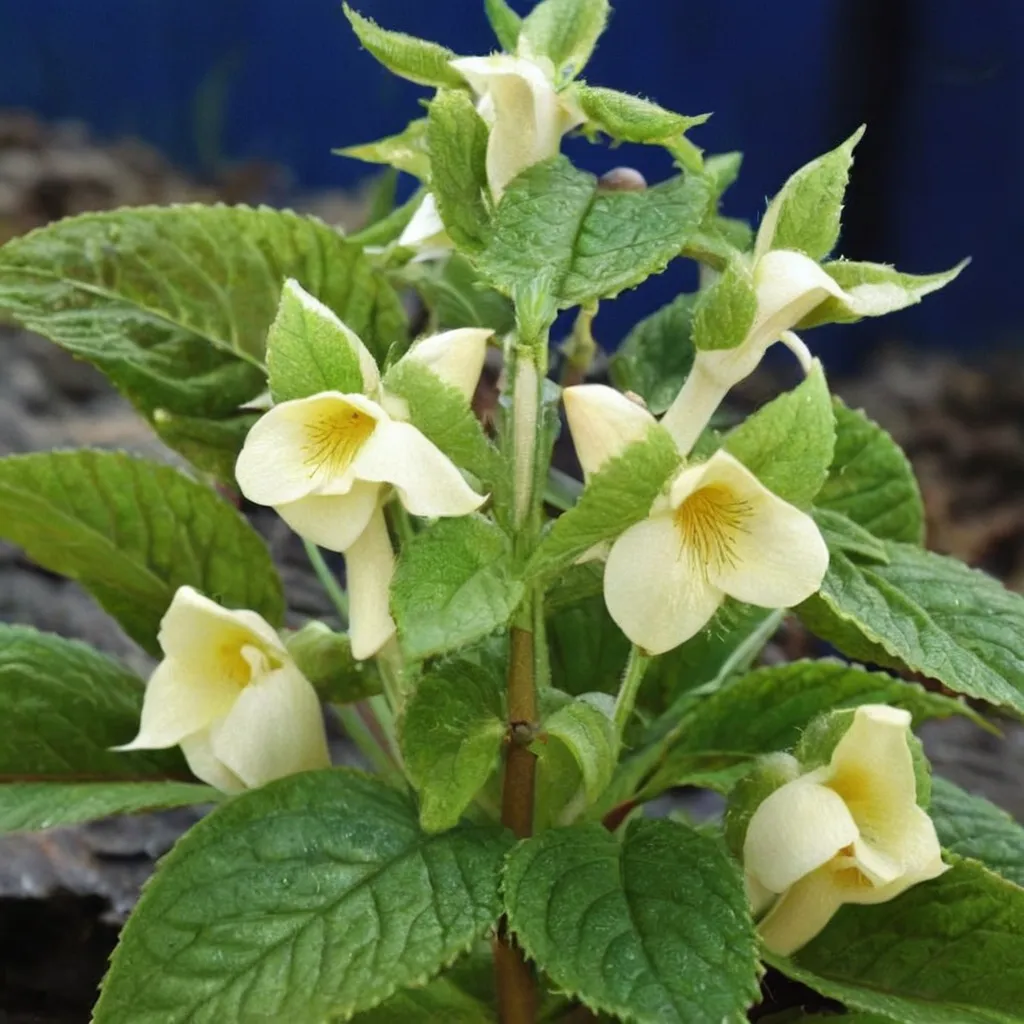
Sinningia conspicua
Sinningia conspicua
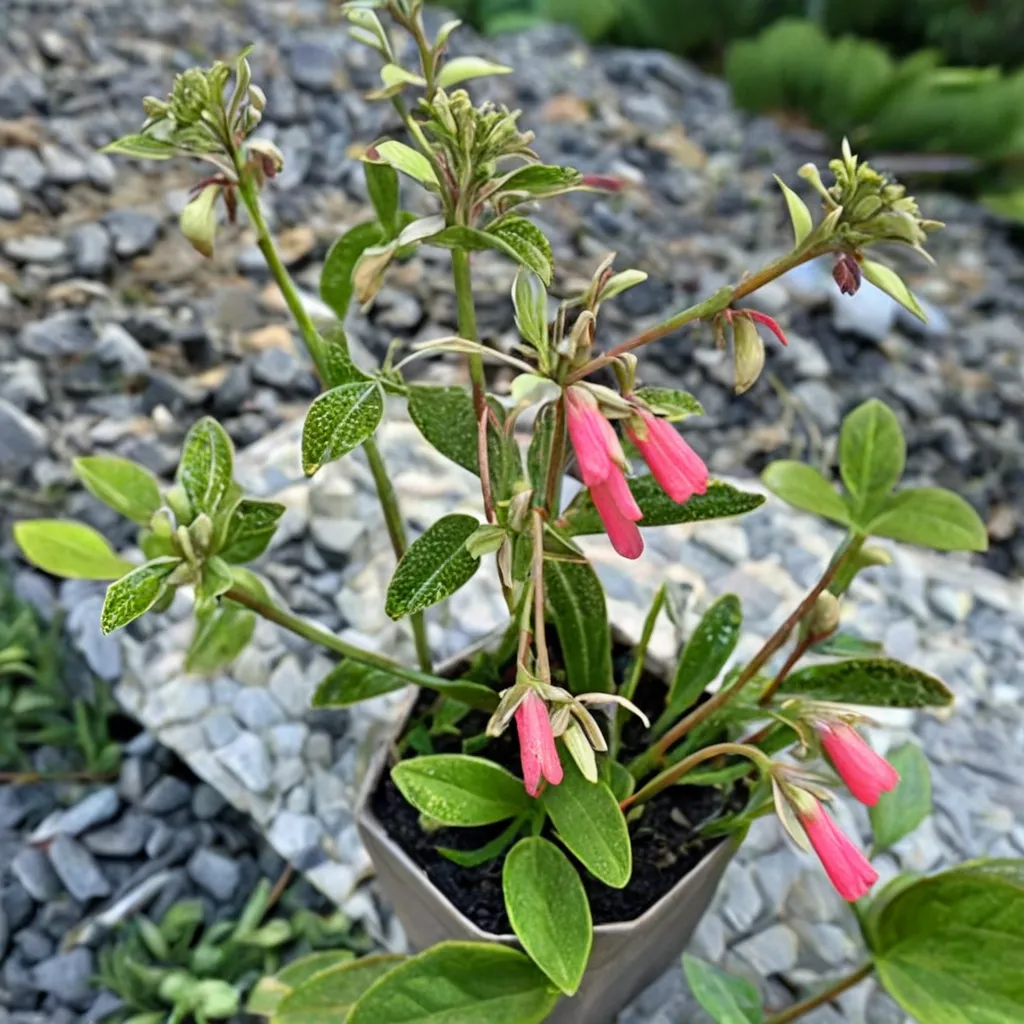
Sinningia Hybrid Towering Inferno
Sinningia x hybrida 'Towering Inferno'
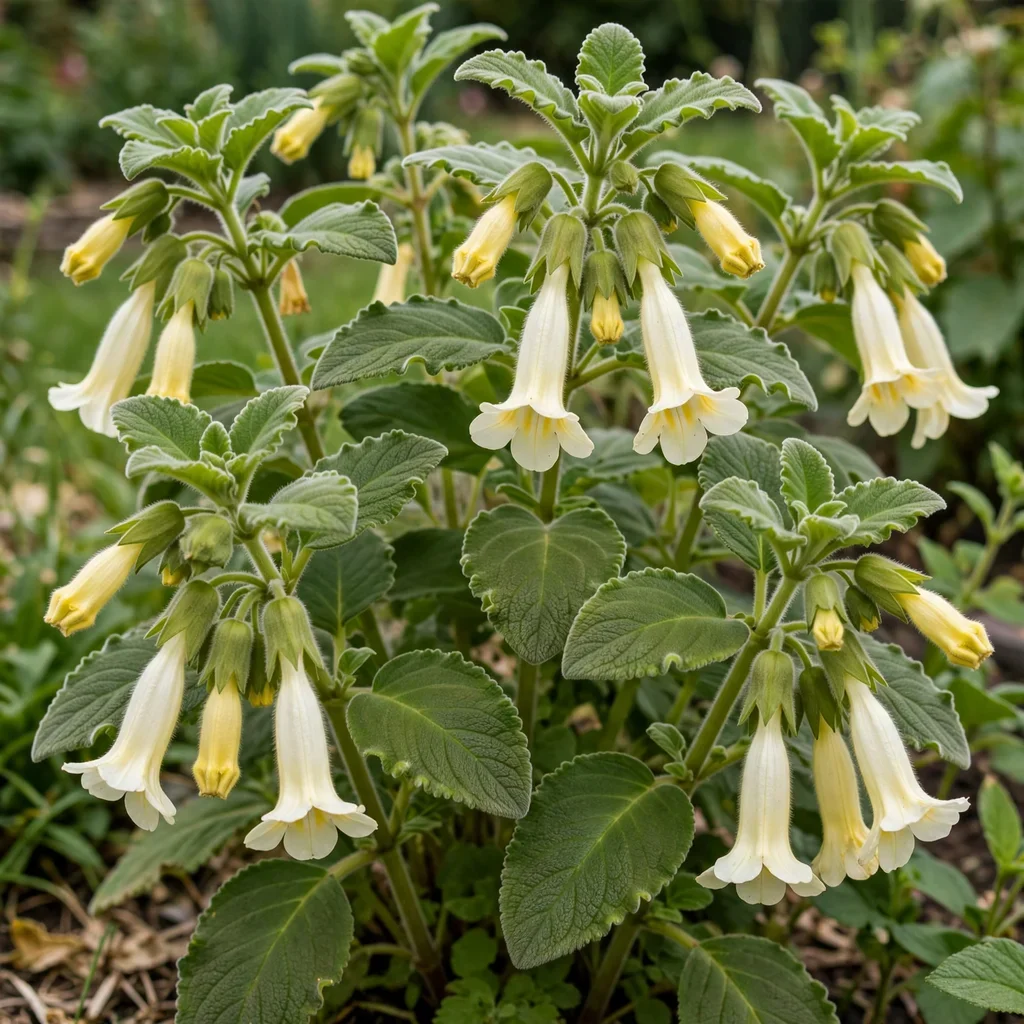
Sinningia Butter and Cream
Sinningia x hybrida 'Butter and Cream'
Keep exploring
Explore the genus
Hardy in your zone?
Grow Florist's Gloxinia with confidence
See it in a design of your actual yard, get zone-matched care reminders, and track it season by season in your garden journal.