The Story
Plant Bio
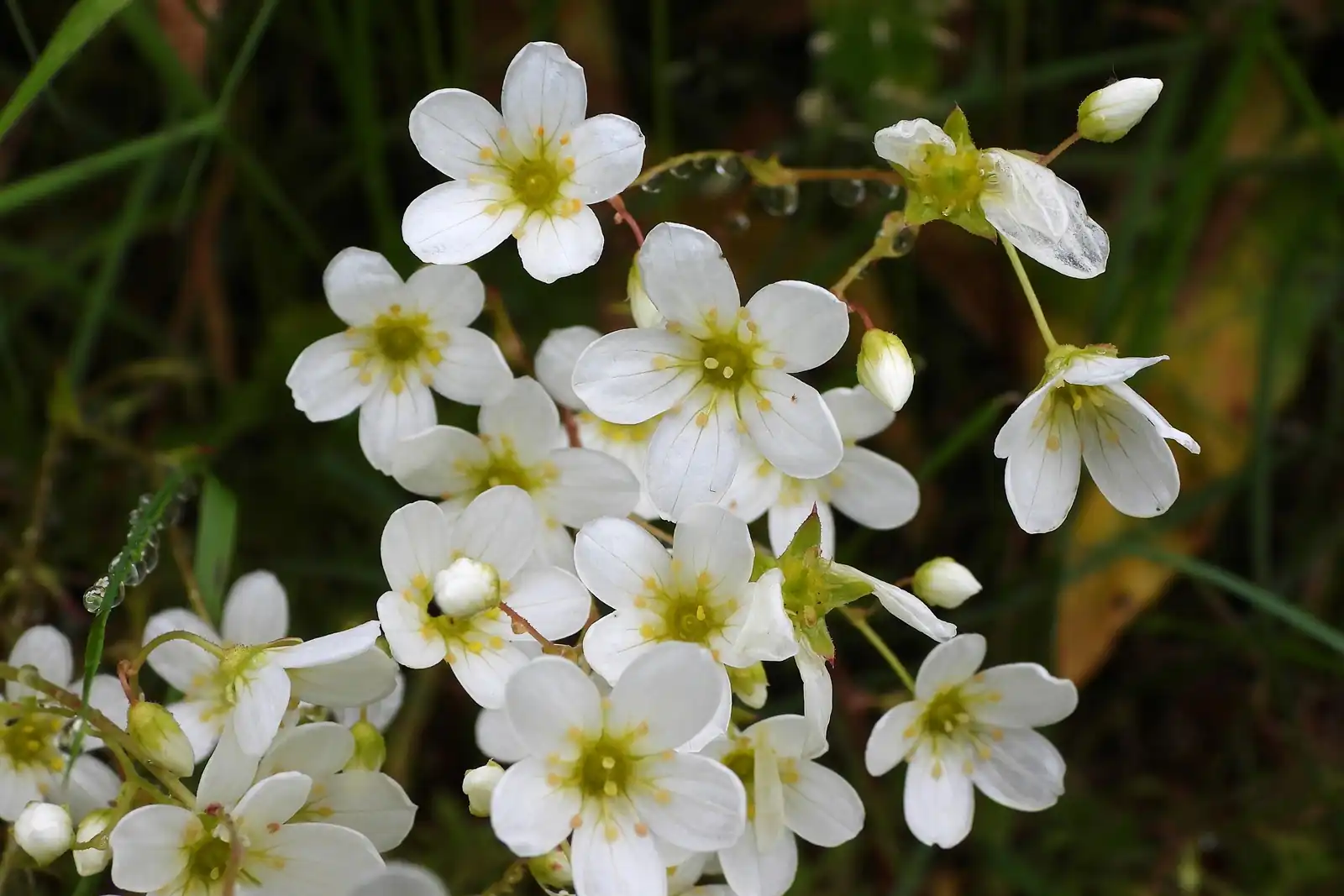
Saxifraga rosacea, the Irish saxifrage, is a low, mat-forming evergreen perennial that produces dense cushions of tightly packed basal rosettes. In spring and early summer, slender flowering stems rise above the lobed foliage to carry small, cup-shaped white to pale pink flowers.
The palmate green leaves often develop distinct reddish or bronze tones during cold winter weather or when exposed to high light levels. Creeping stolons allow the plant to slowly expand into a tight, weed-suppressing carpet in cool, shaded rock crevices.
Uses & Benefits:
Essentials
At a Glance
Plant Type
Perennial
Height
6"
Width
12"
Light
Partial Sun, Shade
Zones
4, 5, 6, 7, 8
Water
Consistent moisture
Humidity
Low
Lifespan
Perennial
Native To
Europe
Toxicity
Non-toxic
Bloom period
Spring – Early summer
In flower about 4 months of the year
Planting
How to Grow
- Select a planting site with partial to full shade, ensuring protection from hot afternoon sun.
- Incorporate abundant grit, sand, and leaf mold into the soil to guarantee exceptional drainage.
- Plant the rosettes so the crown sits slightly above the surrounding soil level.
- Spread a layer of gravel or stone chippings around the base of the plant to keep the foliage off damp soil.
Pro Tip
Apply a top-dressing of sharp grit or gravel directly beneath the rosettes to keep the foliage collar dry and prevent rot while keeping the roots cool and evenly moist.
Keep It Thriving
Care Guide
Do
- Provide consistent moisture to keep the soil evenly damp but never waterlogged.
- Top-dress annually in spring with a thin layer of well-rotted leaf mold mixed with grit.
- Clear away fallen tree leaves in autumn to prevent the rosettes from smothering and rotting.
Don't
- Do not plant in heavy clay or rich, moisture-retentive loam.
- Never cut back hard into old, leafless woody stems as they will not regenerate.
- Avoid overhead watering, which can trap moisture within the dense rosettes and induce rot.
Seasonal Care Calendar
| Task | Jan | Feb | Mar | Apr | May | Jun | Jul | Aug | Sep | Oct | Nov | Dec |
|---|---|---|---|---|---|---|---|---|---|---|---|---|
| Divide | ||||||||||||
| Fertilize | ||||||||||||
| Pest Check | ||||||||||||
| Prune |
Watch Out For
Pests & Diseases
Common Pests
Common Diseases
In the Garden
Landscape Uses & Companions
Landscape Uses
Multiply
Propagation Methods
Good to Know
Common Questions
Irish Saxifrage questions
What zones can Irish Saxifrage grow in?
Irish Saxifrage is hardy in USDA Zones 4–8. Inside that range it survives winter in the ground; outside it, grow it as an annual or a container plant you protect.
When does Irish Saxifrage bloom?
Irish Saxifrage typically blooms in spring through early summer. Exact timing shifts a week or two with your zone — Sow's bloom calendar maps it to your garden.
Does Irish Saxifrage need full sun?
Irish Saxifrage does best in part shade.
More Saxifraga to compare
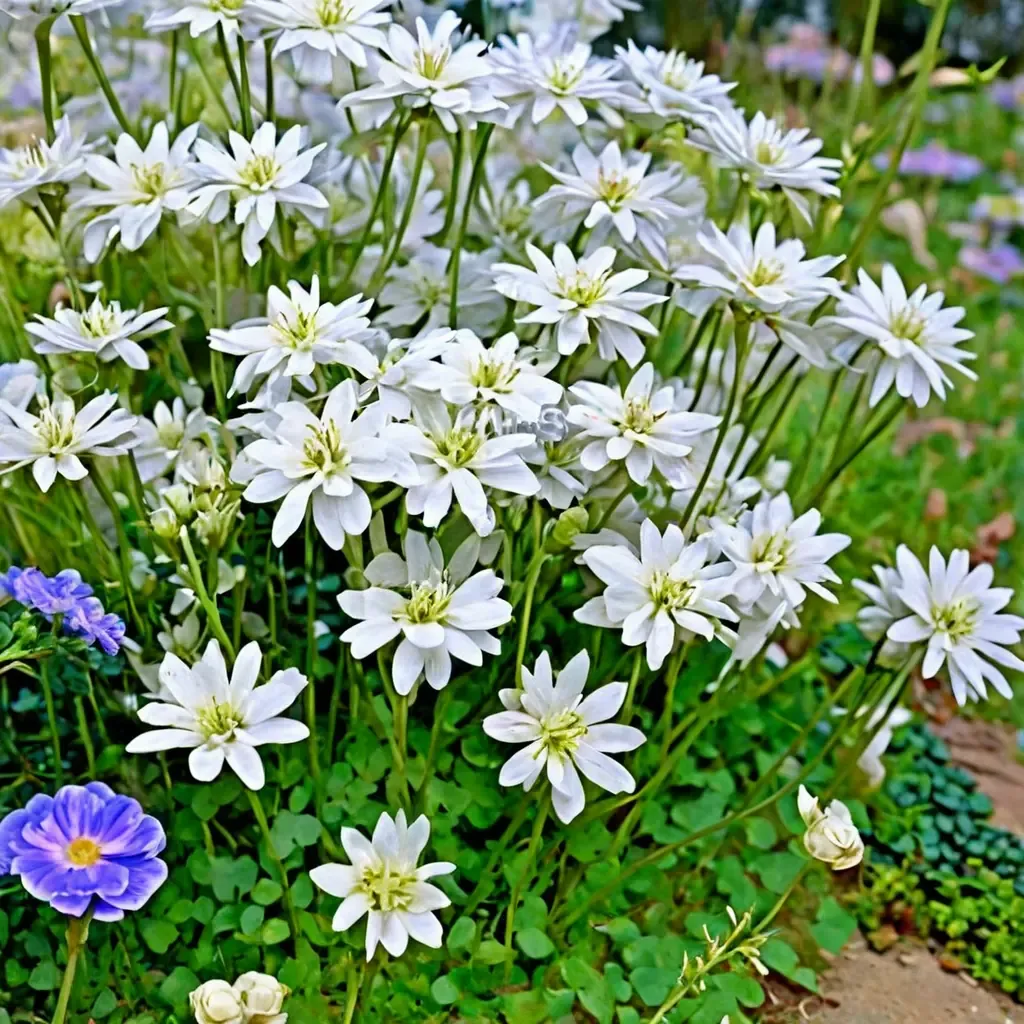
London Pride
Saxifraga x urbium 'Fair Maids of France'
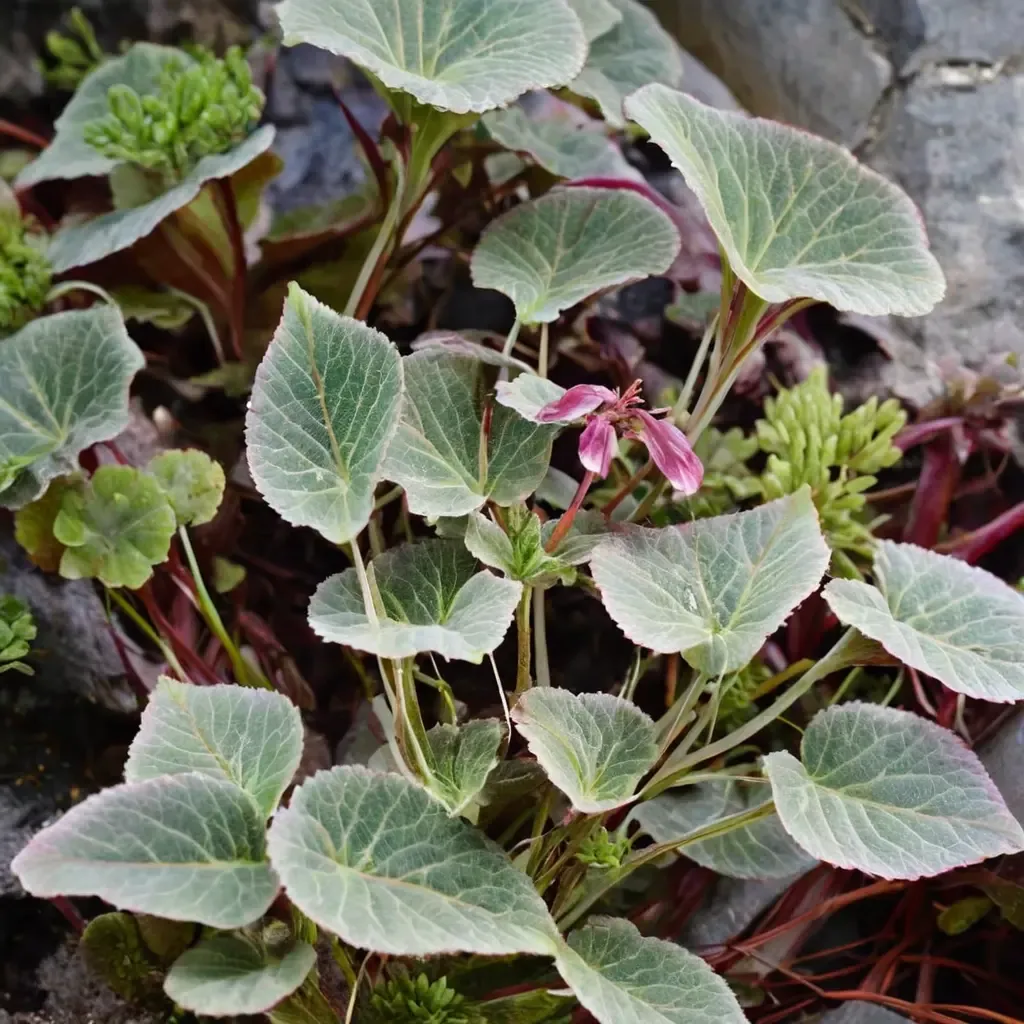
Hope's Wine Creeping Saxifrage
Saxifraga stolonifera 'Hope's Wine'
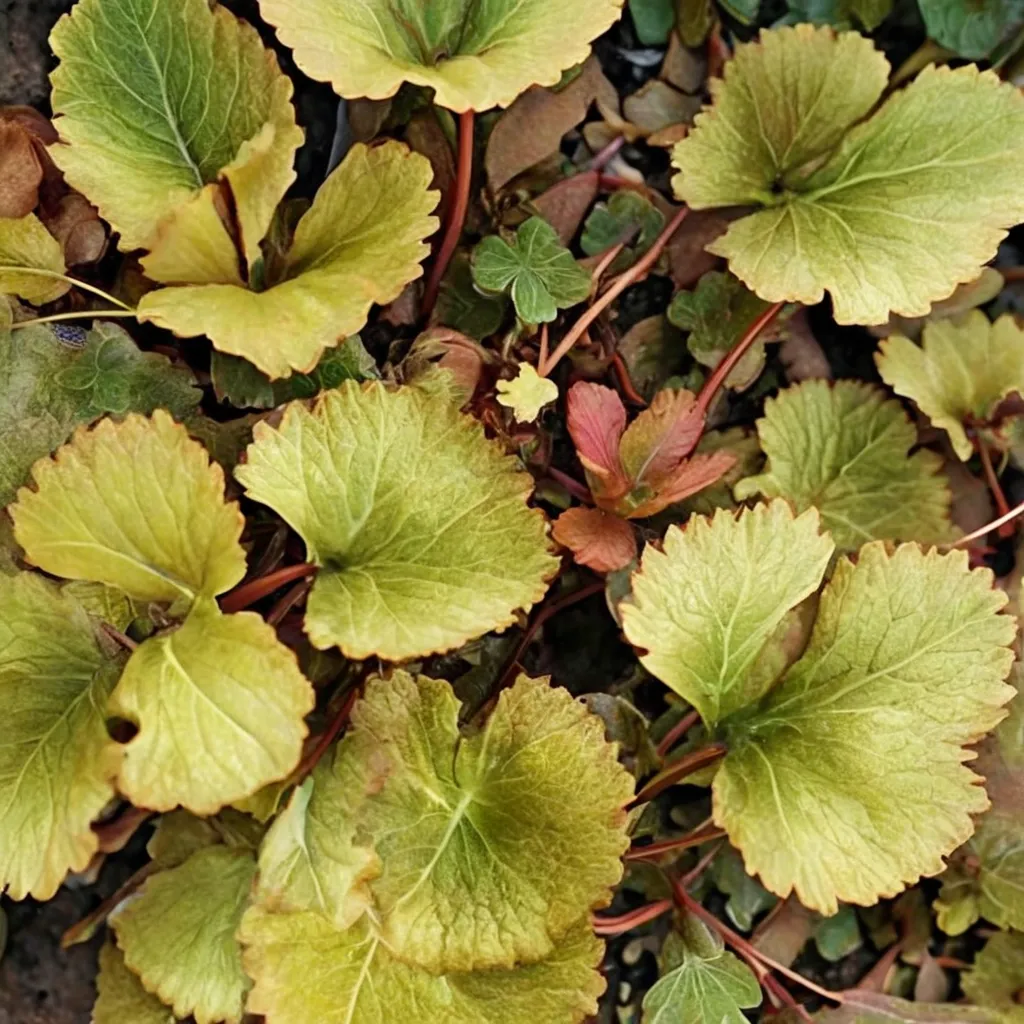
Saxifraga Harvest Moon
Saxifraga stolonifera 'Harvest Moon'
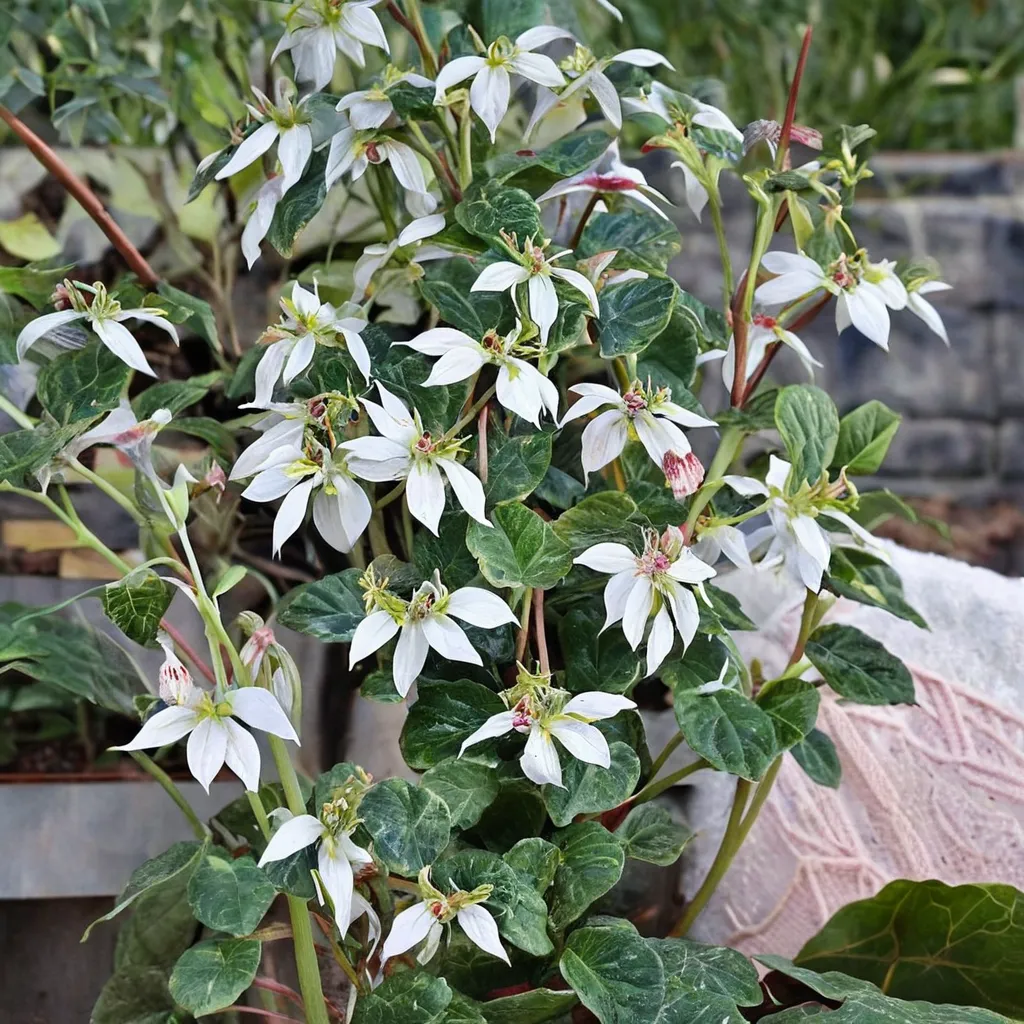
Fernleaf Saxifrage
Saxifraga stolonifera
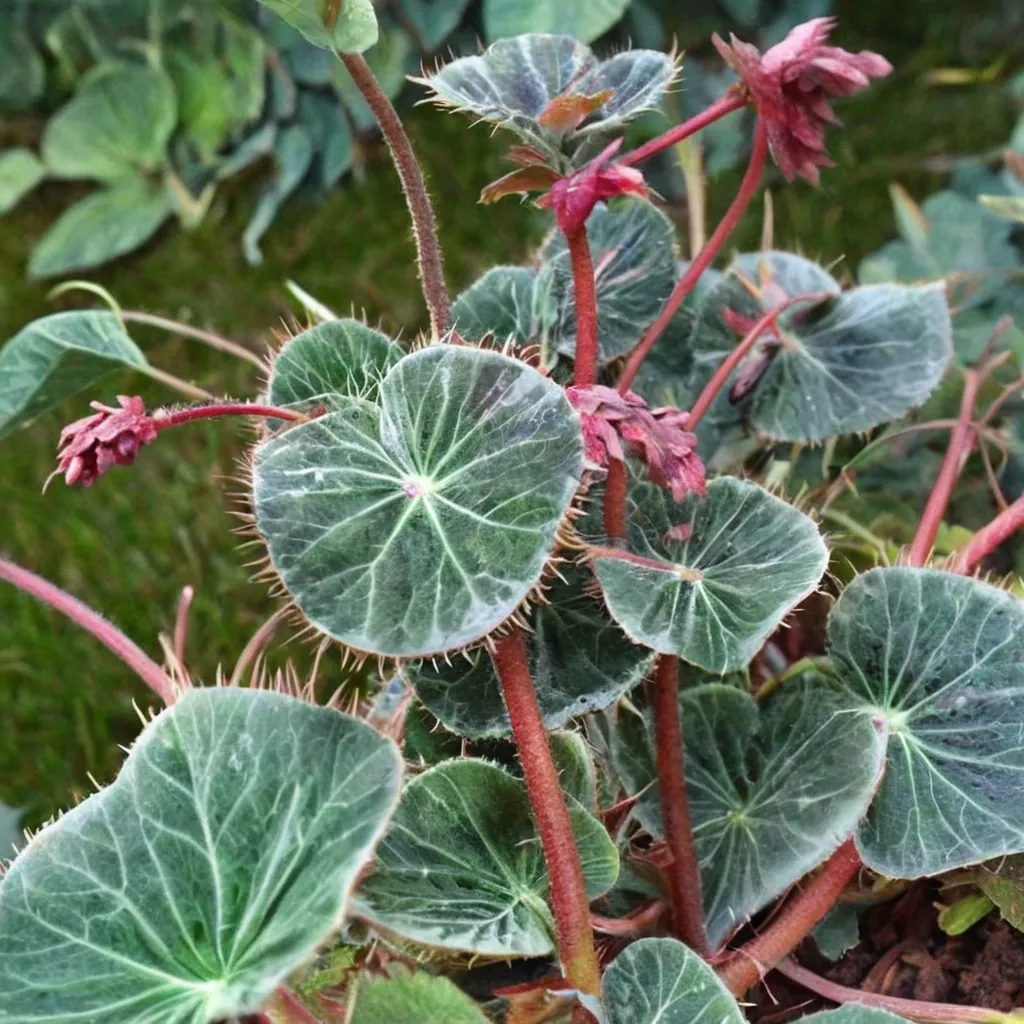
Kinki Purple Strawberry Begonia
Saxifraga stolonifera 'Kinki Purple'
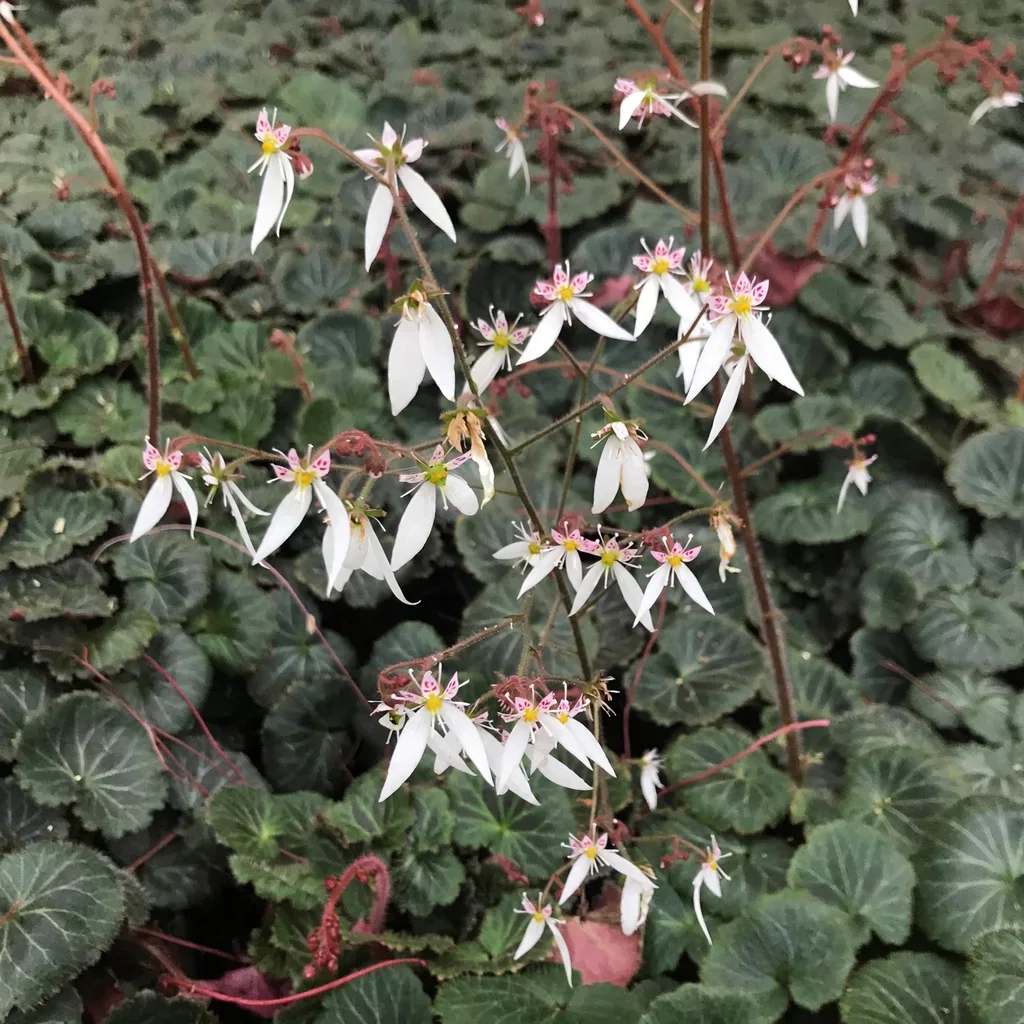
Strawberry Begonia
Saxifraga stolonifera 'Veitchiana'
Keep exploring
Explore the genus
Hardy in your zone?
Grow Irish Saxifrage with confidence
See it in a design of your actual yard, get zone-matched care reminders, and track it season by season in your garden journal.