The Story
Plant Bio
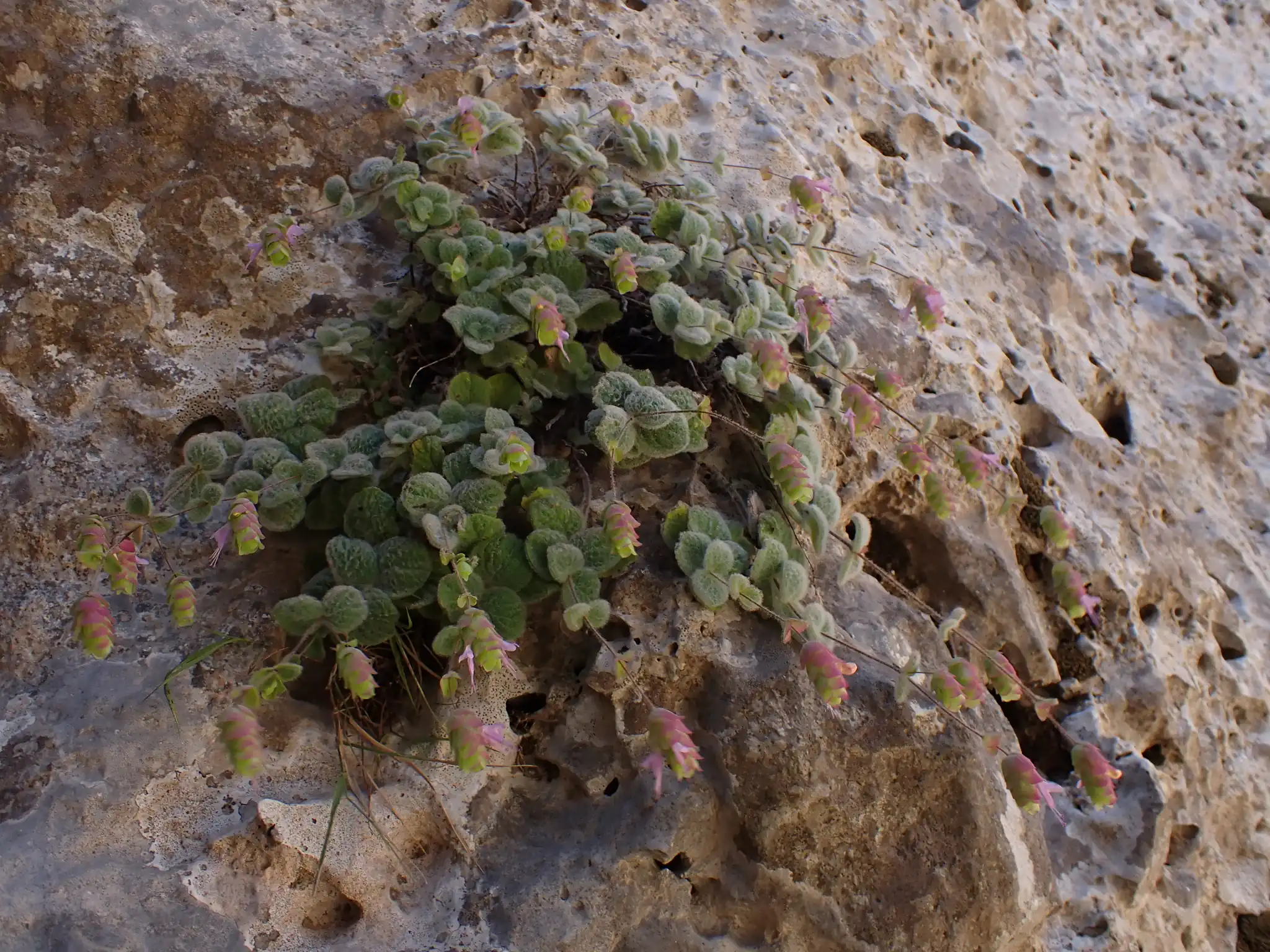
Origanum dictamnus, commonly known as Dittany of Crete, is a low-growing, spreading woody subshrub endemic to the rocky cliffs and gorges of Crete. The arching, trailing stems are densely covered in white-woolly hairs that give the rounded foliage a distinct silvery-gray, velvety appearance.
This species is distinguished by its hop-like, pendant bracts that start pale green and mature to a rich reddish-purple, encasing tiny pink to purplish flowers. The dense woolly coating on the leaves acts as a natural adaptation to conserve moisture and reflect intense Mediterranean sunlight.
Uses & Benefits:
Essentials
At a Glance
Plant Type
Perennial
Height
12"
Width
24"
Light
Full Sun, Partial Sun
Zones
7, 8, 9, 10
Water
Low
Humidity
Low
Lifespan
Perennial
Native To
Crete (Greece)
Toxicity
Non-toxic
Bloom period
Summer – Autumn
In flower about 6 months of the year
Planting
How to Grow
- Select a planting site in full sun with gritty, sandy, or rocky soil that provides exceptional drainage.
- Elevate the planting crown slightly above the surrounding soil level to prevent water from pooling around the base.
- Water sparingly, allowing the soil to dry out completely between waterings, and avoid overhead watering to keep the foliage dry.
- Avoid applying organic mulches near the crown; use coarse gravel or chicken grit instead to suppress weeds and keep the foliage off damp soil.
Pro Tip
Elevate the plant's crown and ring it with coarse grit or pea gravel to prevent moisture from trapping against the woolly foliage, which quickly induces rot.
Keep It Thriving
Care Guide
Do
- Grow in sharply drained, mineral-rich soil.
- Provide full sun to maintain the dense, silvery-white woolliness of the leaves.
- Prune back spent flower stems after blooming to maintain a compact, bushy shape.
- Overwinter indoors in a bright, cool room if growing in a zone colder than USDA Zone 7.
Don't
- Do not overwater or allow the plant to sit in waterlogged soil, which causes fatal root rot.
- Do not apply heavy organic mulch directly against the woolly crown.
- Do not cut back hard into old, leafless, brown wood, as it rarely sprouts from dormant nodes.
- Do not over-fertilize, as excess nutrients cause weak, lush growth prone to rotting.
Seasonal Care Calendar
| Task | Jan | Feb | Mar | Apr | May | Jun | Jul | Aug | Sep | Oct | Nov | Dec |
|---|---|---|---|---|---|---|---|---|---|---|---|---|
| Fertilize | ||||||||||||
| Pest Check | ||||||||||||
| Prune | ||||||||||||
| Winter Prep |
Watch Out For
Pests & Diseases
Common Pests
Common Diseases
In the Garden
Landscape Uses & Companions
Landscape Uses
Multiply
Propagation Methods
Good to Know
Common Questions
Dittany of Crete questions
What zones can Dittany of Crete grow in?
Dittany of Crete is hardy in USDA Zones 7–10. Inside that range it survives winter in the ground; outside it, grow it as an annual or a container plant you protect.
Is Dittany of Crete deer resistant?
Yes — Dittany of Crete is rated deer-resistant. Deer typically pass it over, though extreme hunger can override any plant's defenses.
When does Dittany of Crete bloom?
Dittany of Crete typically blooms in summer through autumn. Exact timing shifts a week or two with your zone — Sow's bloom calendar maps it to your garden.
Does Dittany of Crete need full sun?
Dittany of Crete does best in full sun to part shade. In hot climates, afternoon shade keeps blooms fresher longer.
Is Dittany of Crete drought tolerant?
Yes — once established (usually after the first full season), Dittany of Crete handles dry spells with minimal watering. Water deeply its first year to build the root system that makes that possible.
More Origanum to compare
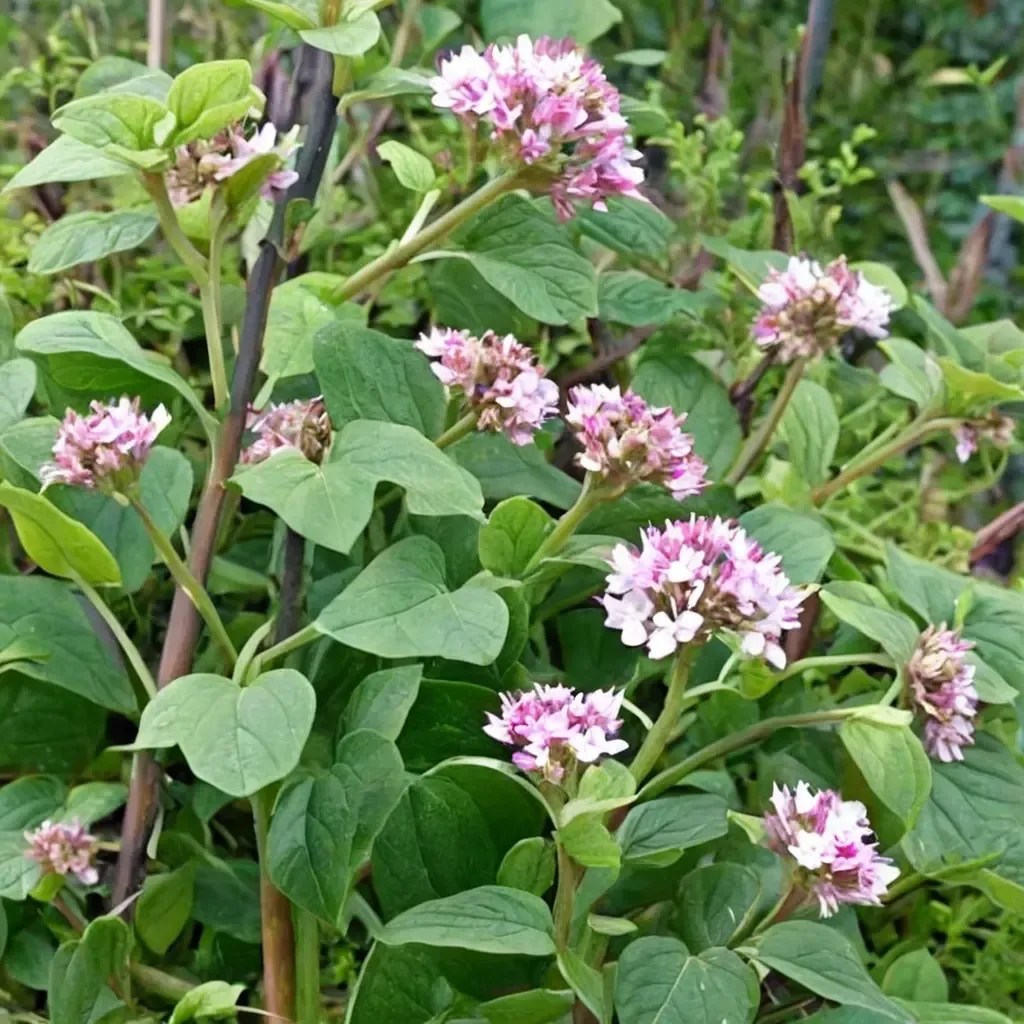
Italian Oregano
Origanum vulgare 'Italian'
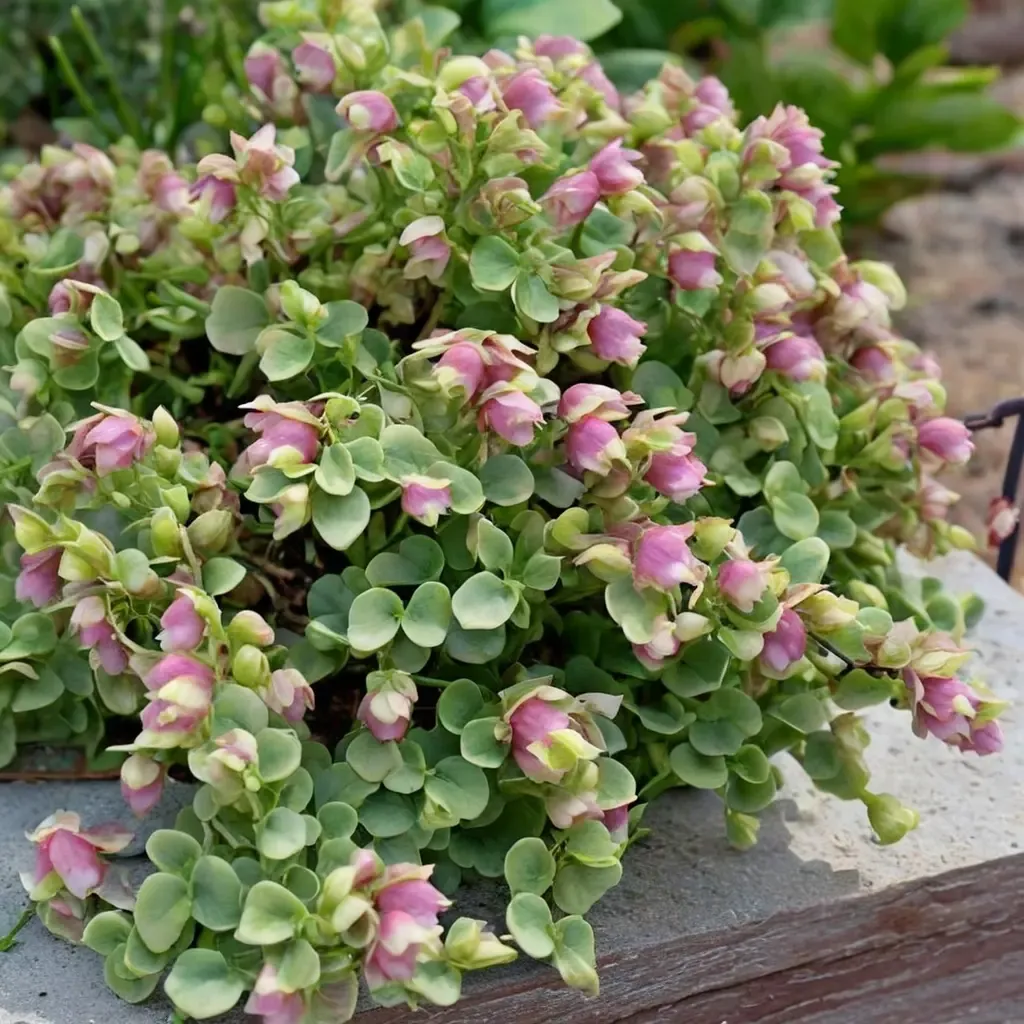
Kirigami Oregano
Origanum vulgare 'Kirigami'
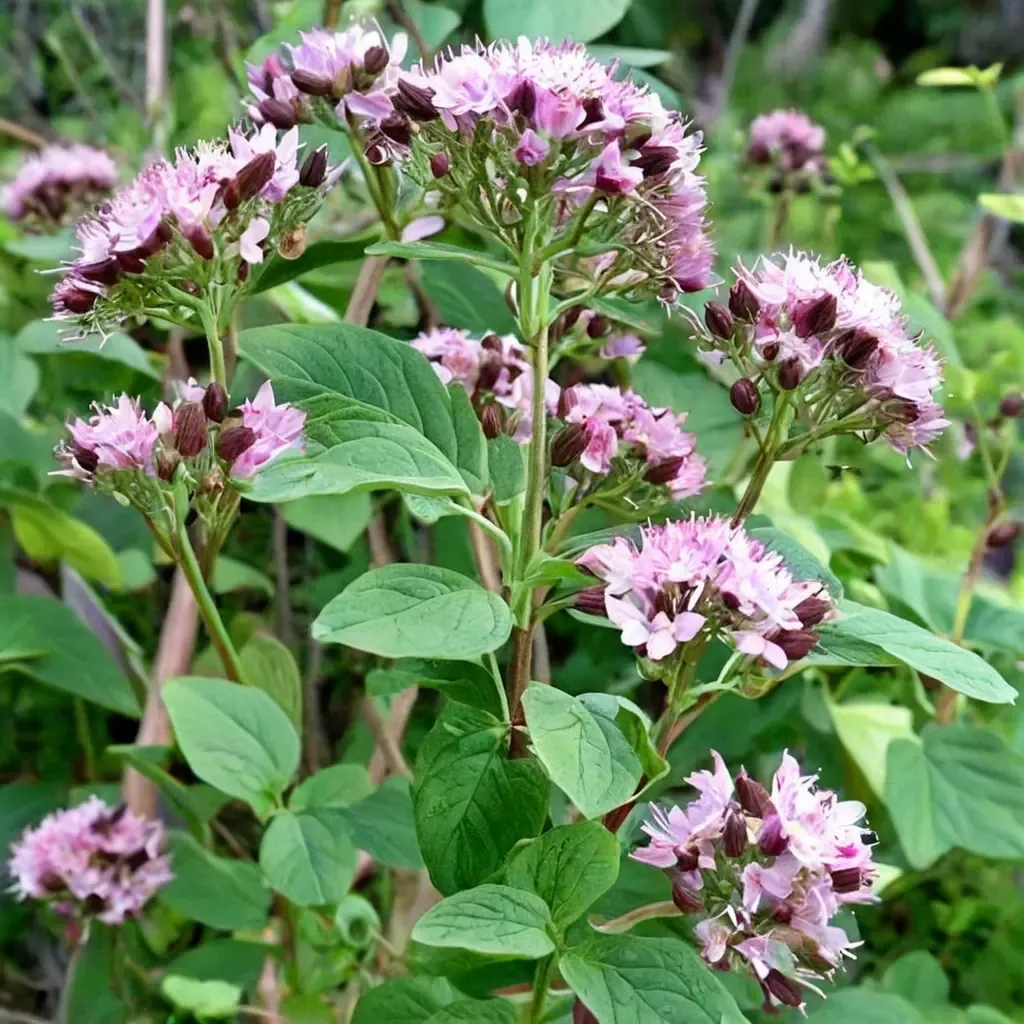
Oregano
Origanum vulgare
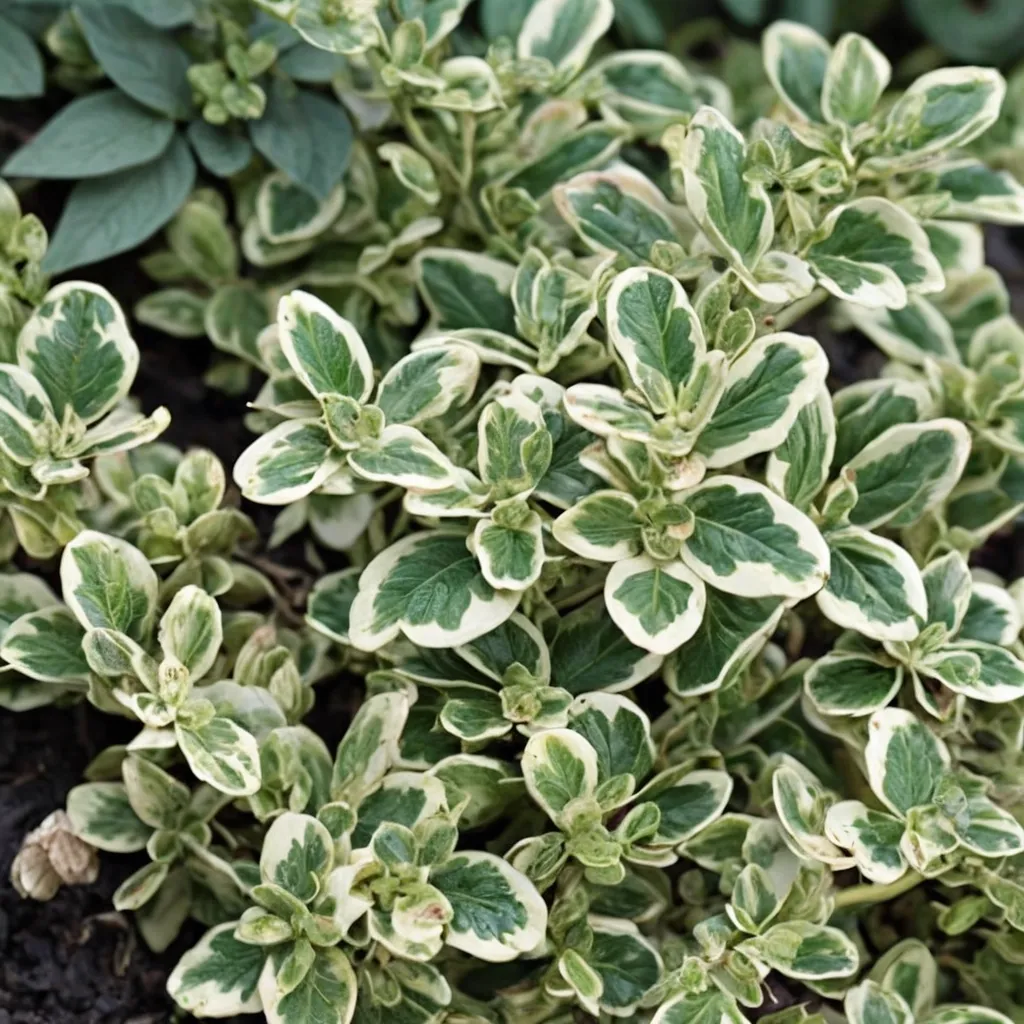
Variegated Oregano
Origanum vulgare 'Variegata'
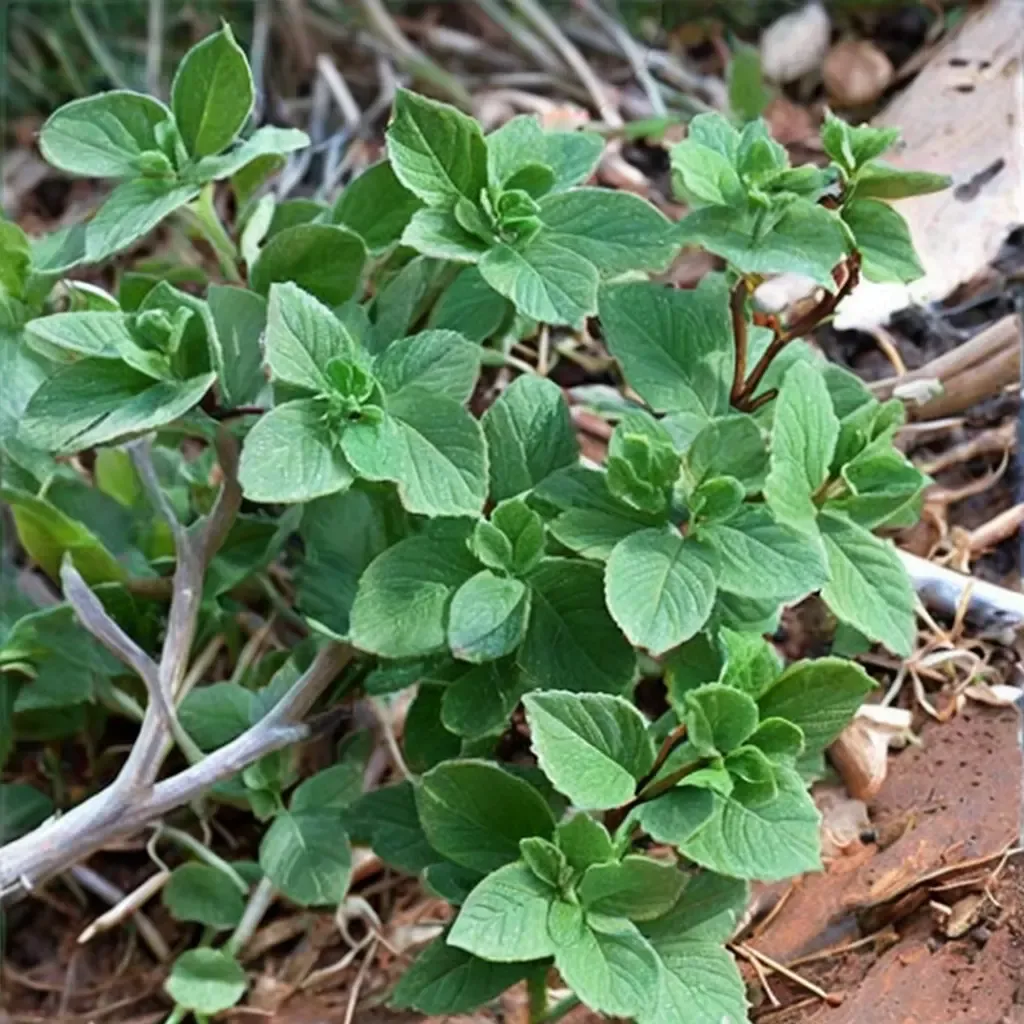
True Greek Oregano
Origanum vulgare 'True Greek'
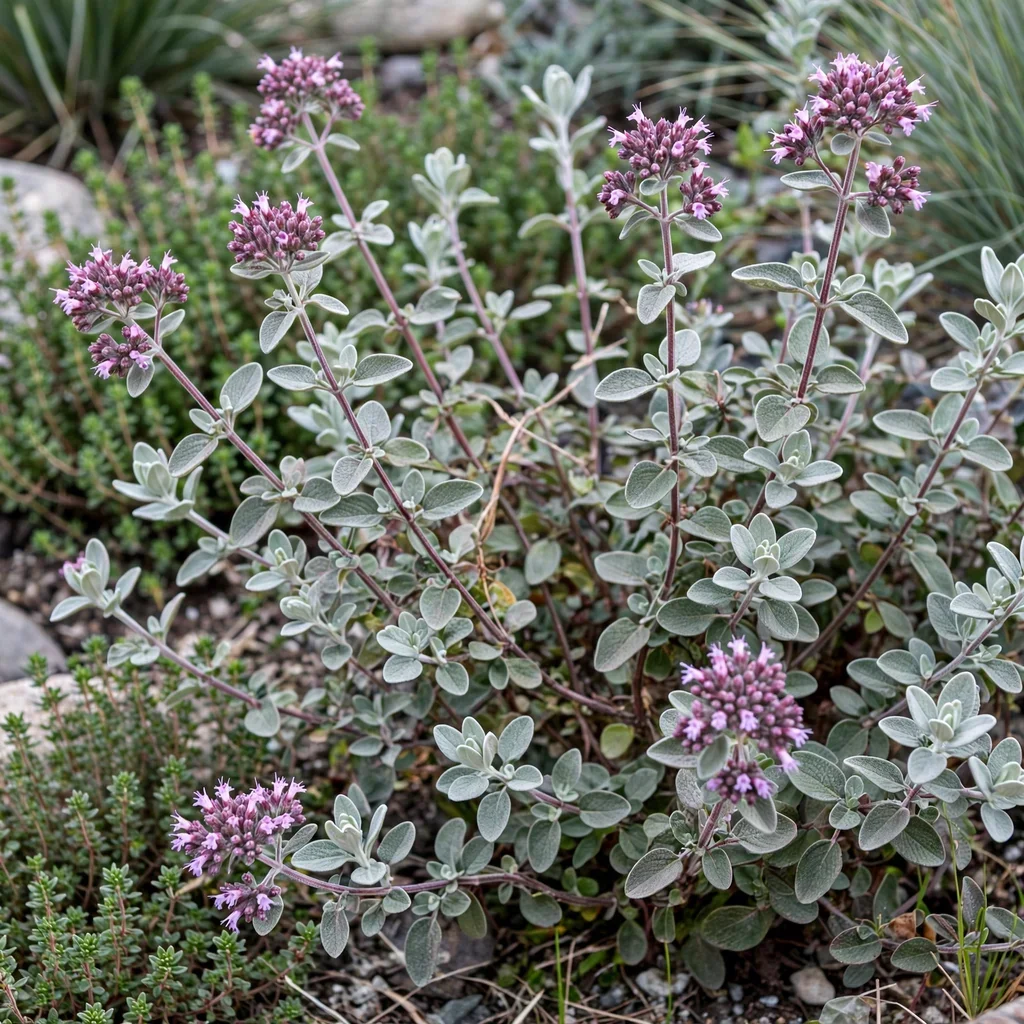
Ornamental Oregano
Origanum laevigatum
Keep exploring
Explore the genus
Hardy in your zone?
Grow Dittany of Crete with confidence
See it in a design of your actual yard, get zone-matched care reminders, and track it season by season in your garden journal.