
Species
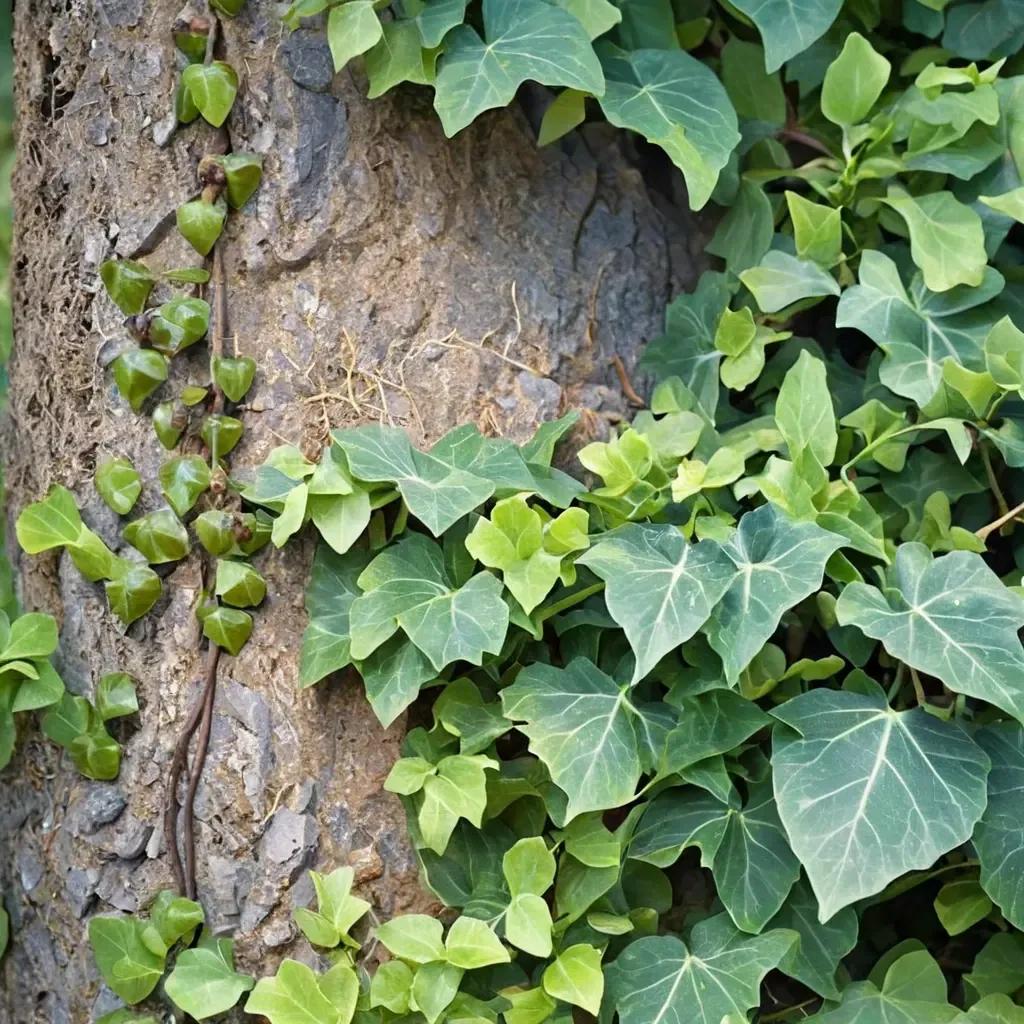 Hedera helixEnglish Ivy
23 other cultivars
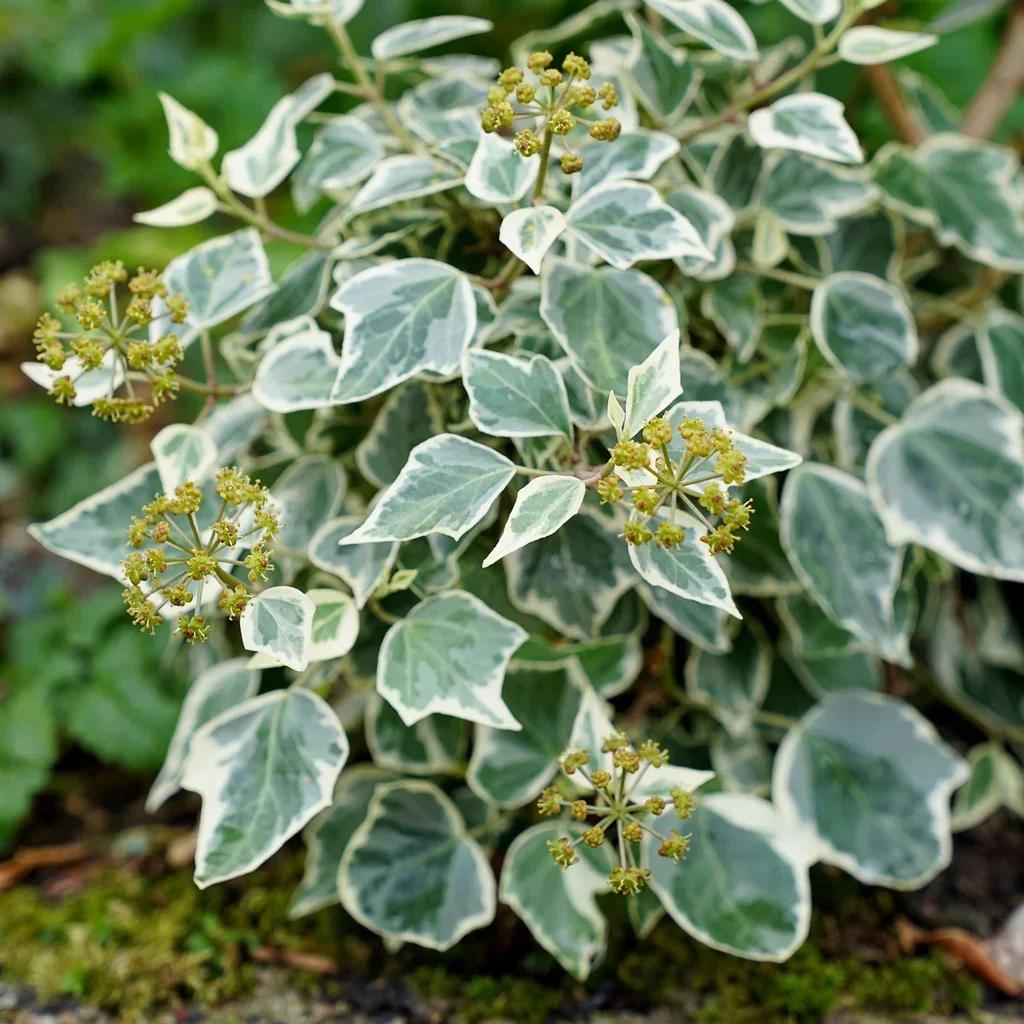 ‘Little Diamond’'Little Diamond' English Ivy
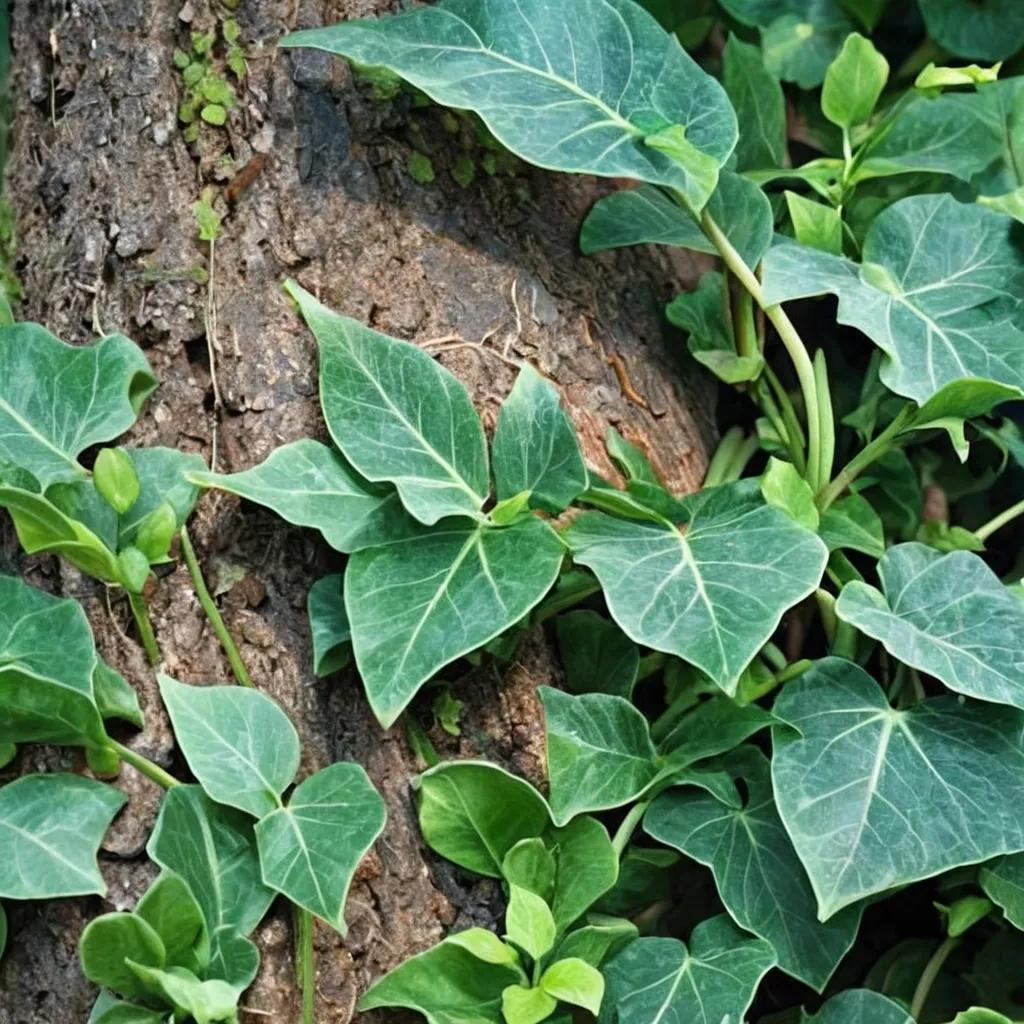 ‘English Ivy’English Ivy
 ‘Spetchley’Spetchley English Ivy
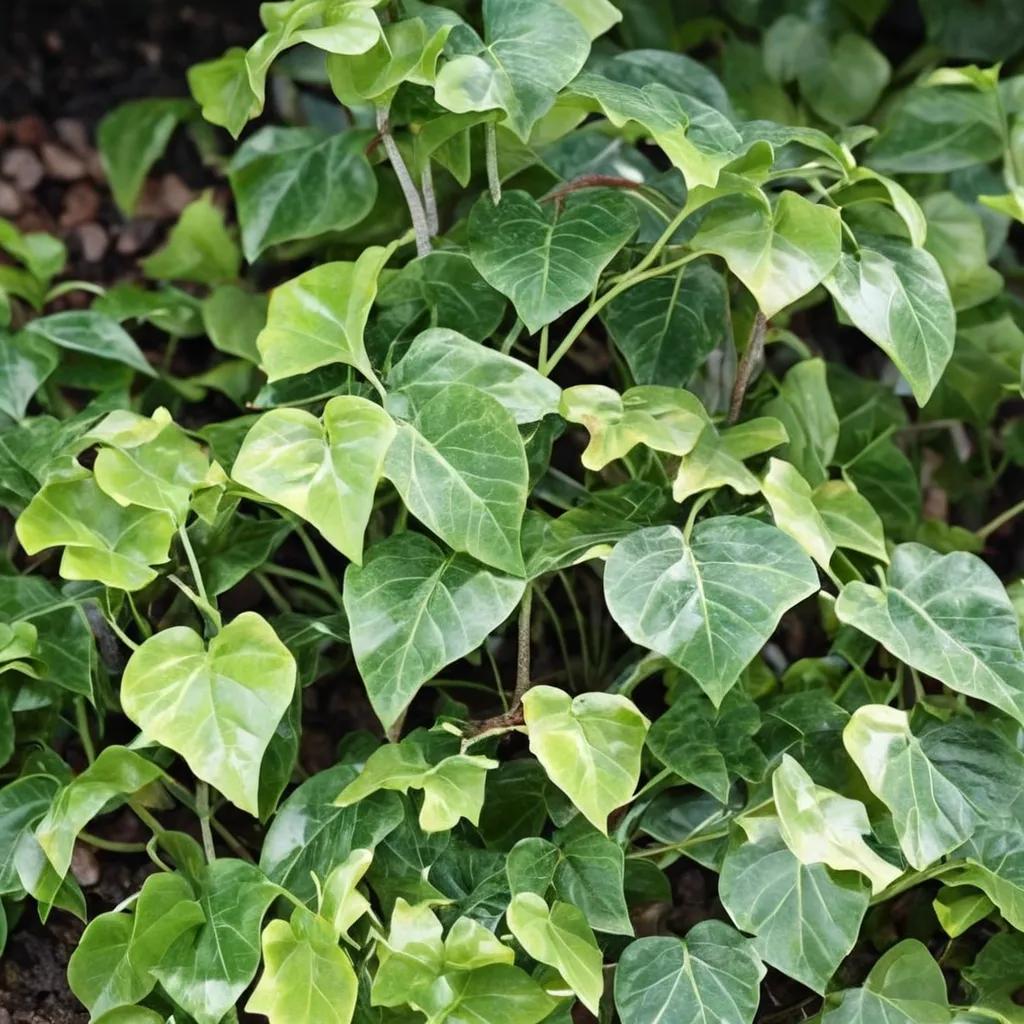 ‘Trident’Trident English Ivy
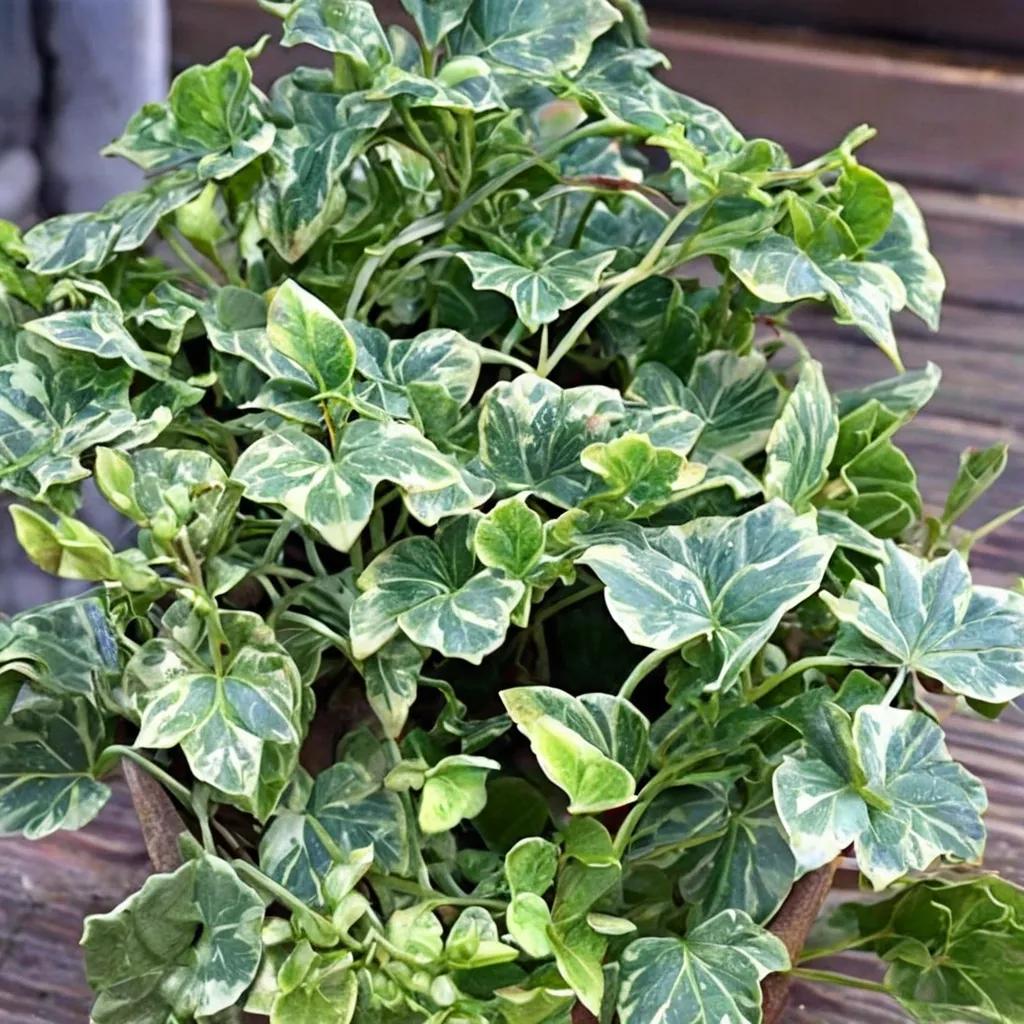 ‘Mint Kolibri’English Ivy Mint Kolibri
 ‘Goldheart’Goldheart Ivy
 ‘Fantasy’Fantasy English Ivy
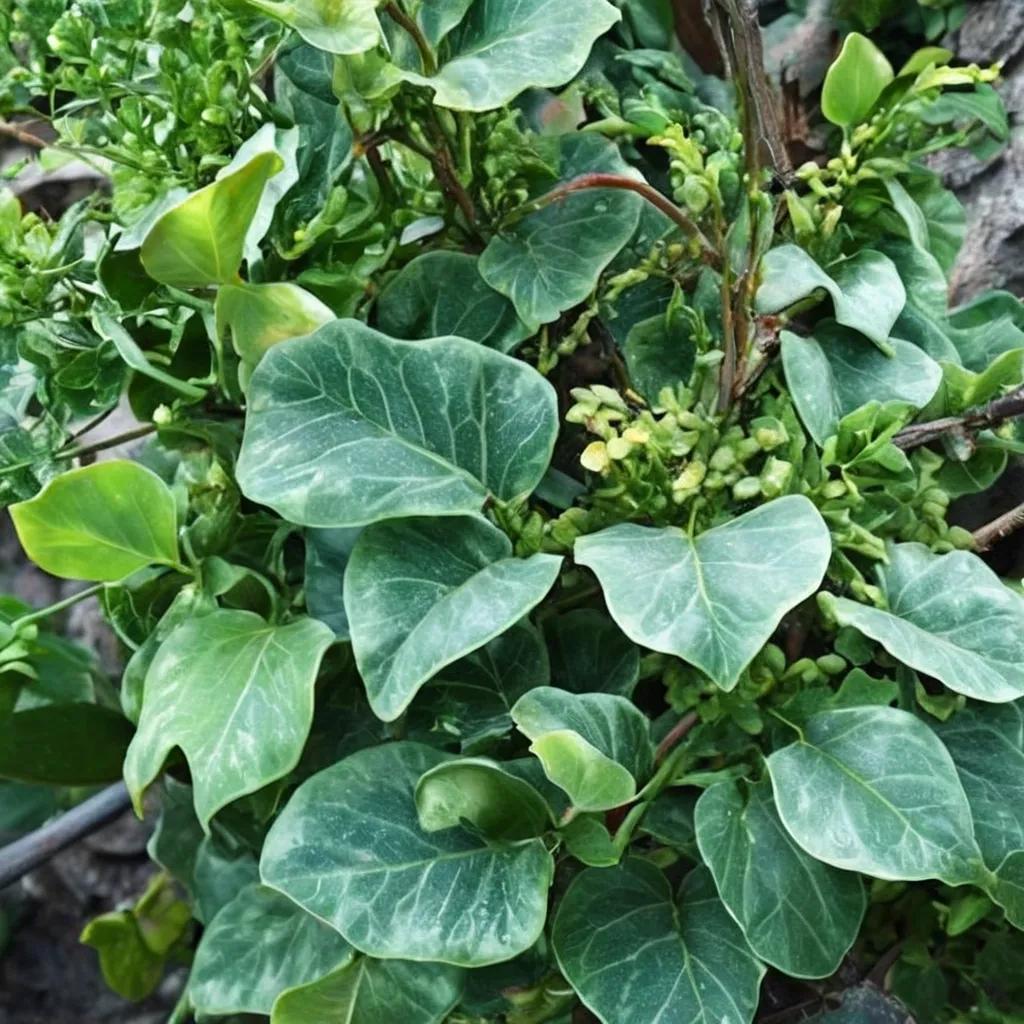 ‘Flamenco’English Ivy Flamenco
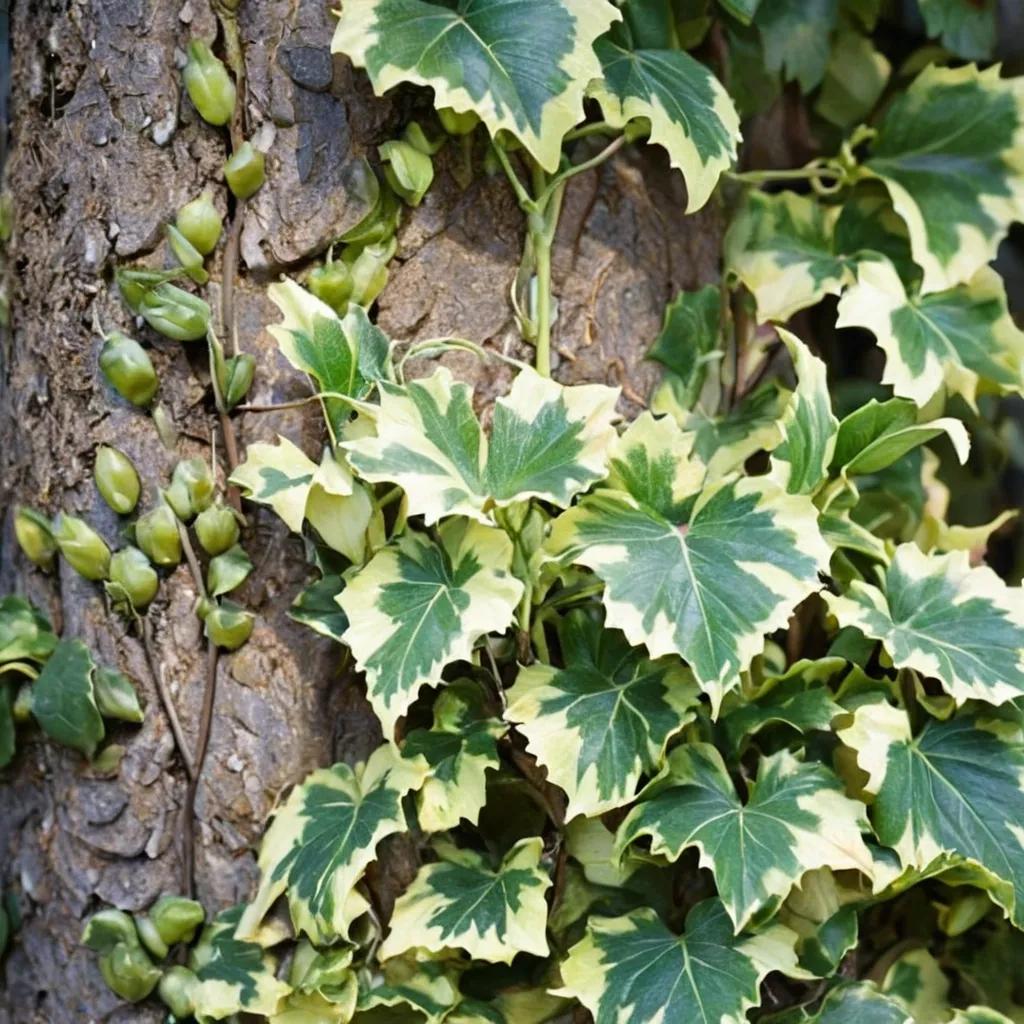 ‘Caecilia’Caecilia English Ivy
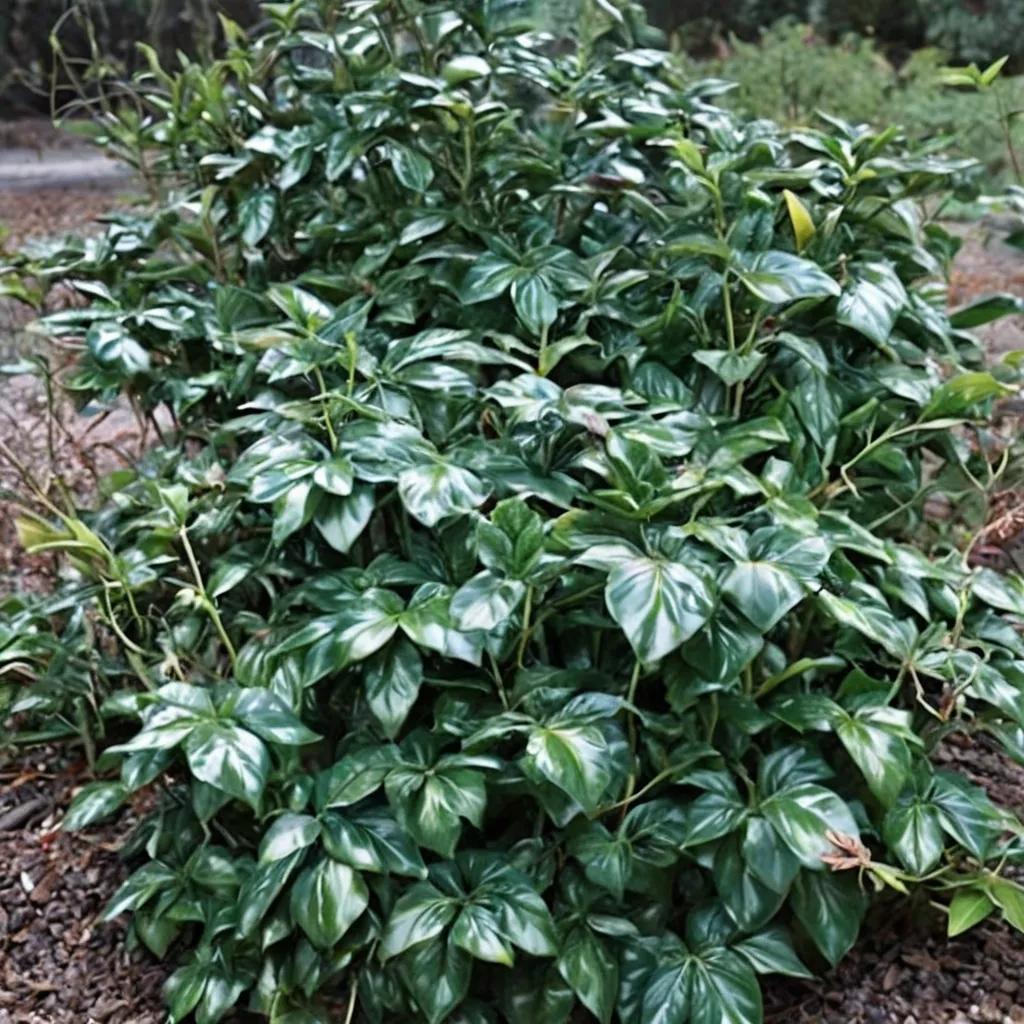 ‘Prince Avenue’English Ivy Prince Avenue
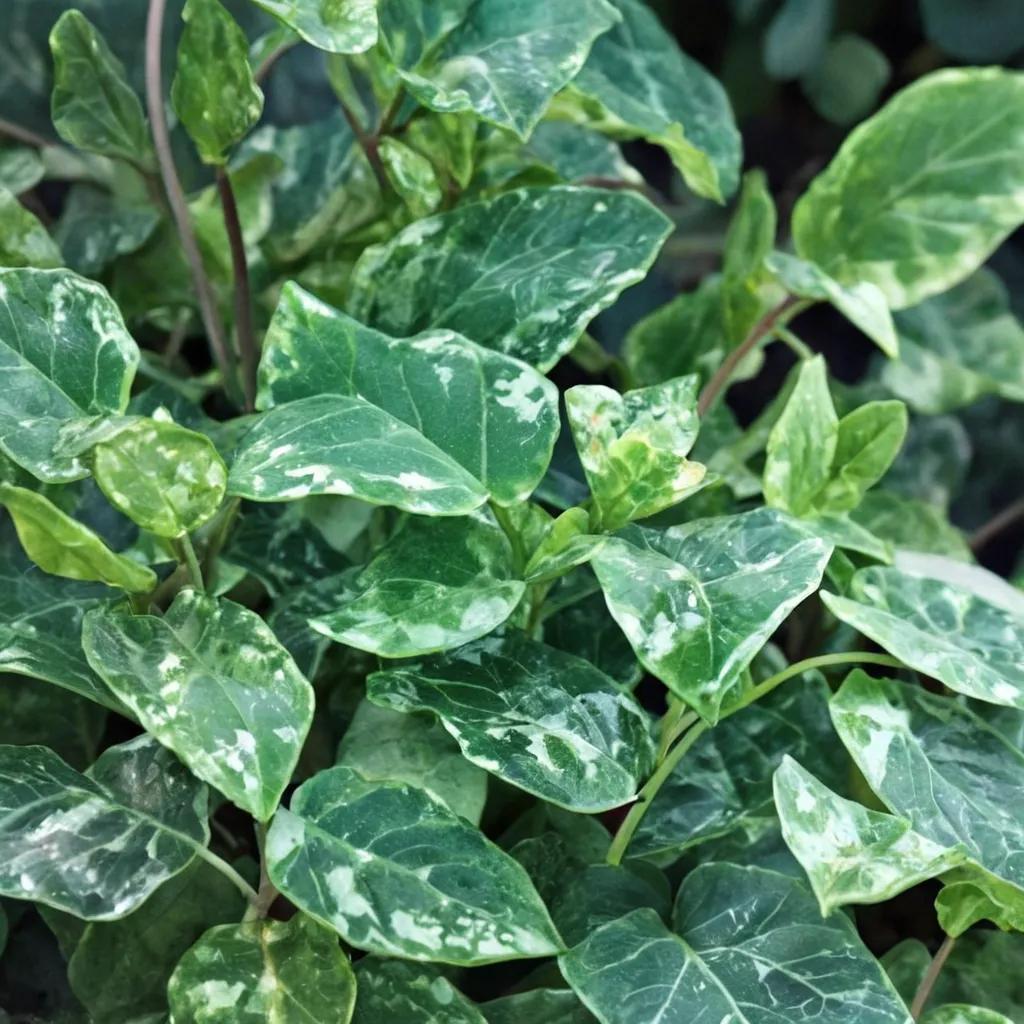 ‘Schaffer Three’Schaffer Three English Ivy
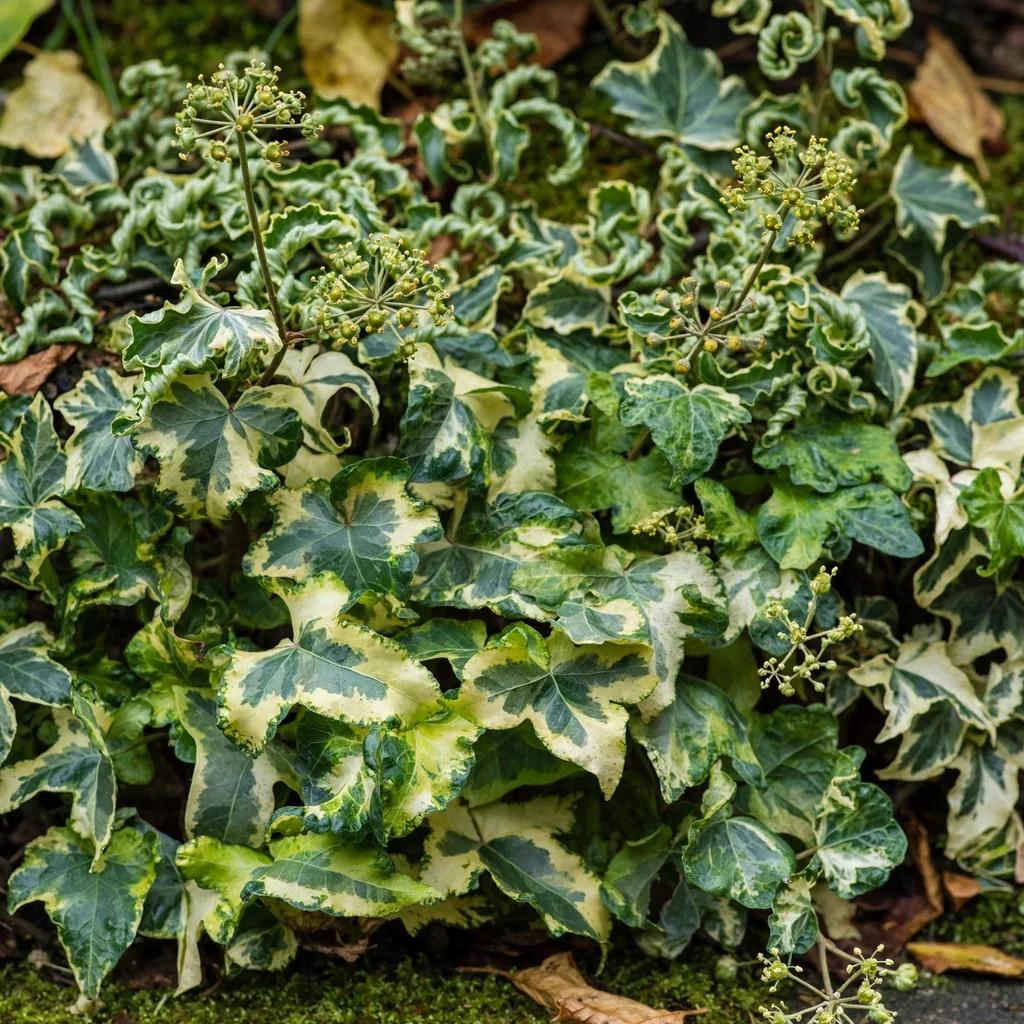 ‘Curly Leaf’English Ivy Curly Leaf
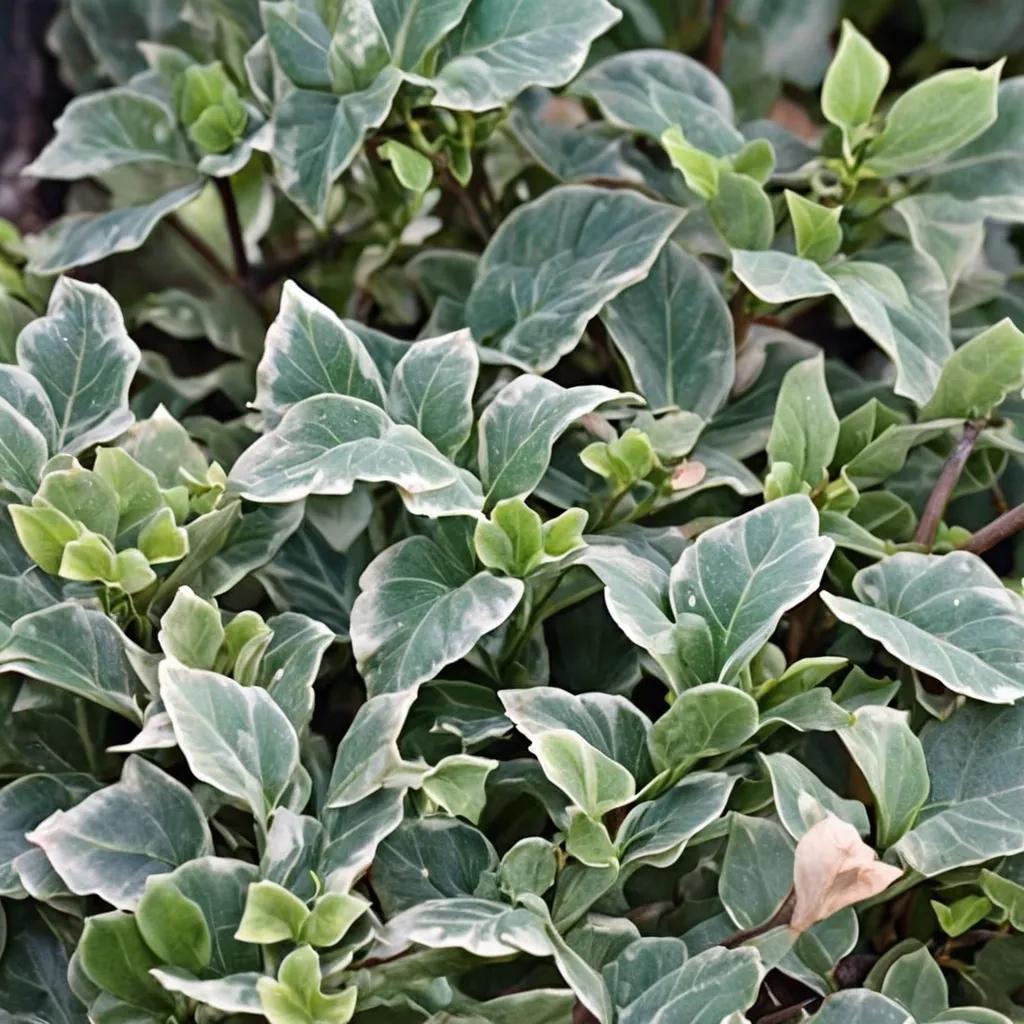 ‘Glacier’English Ivy 'Glacier'
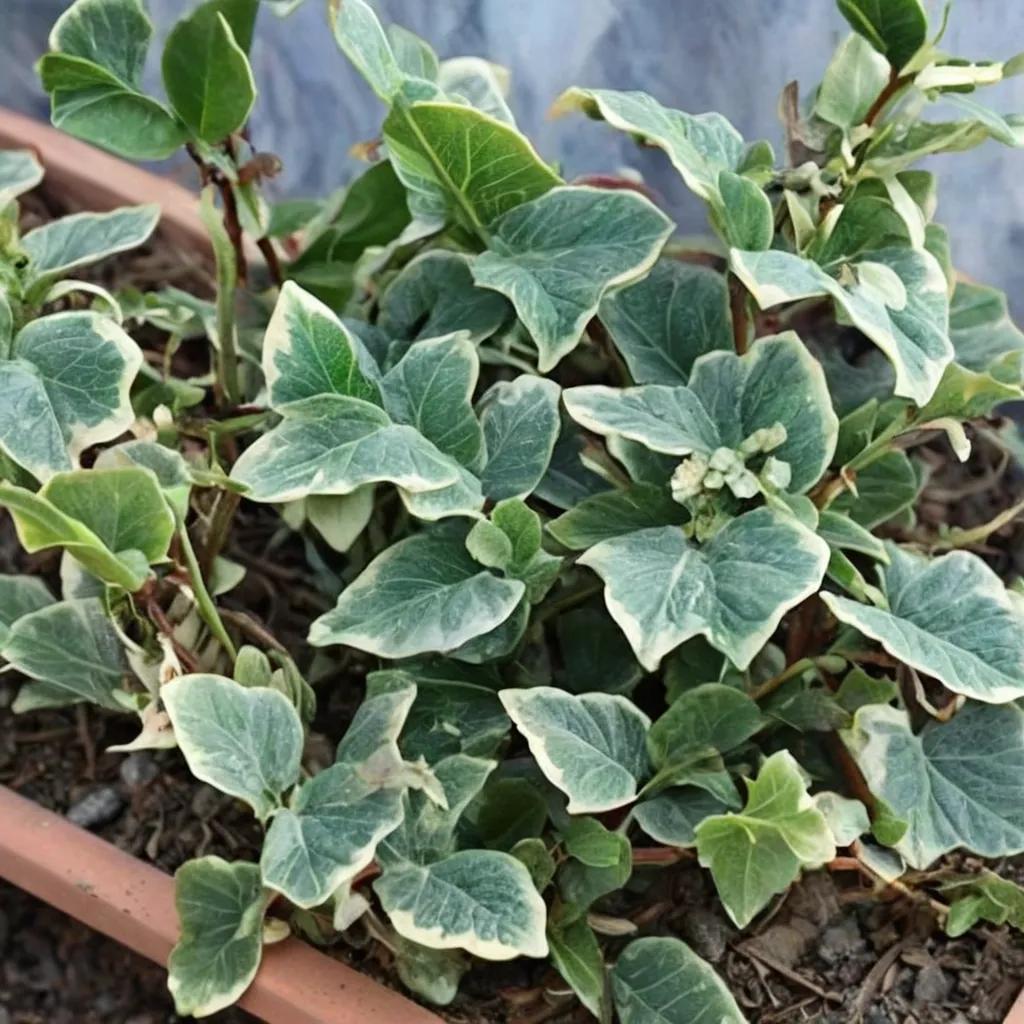 ‘Jubilee’English Ivy Jubilee
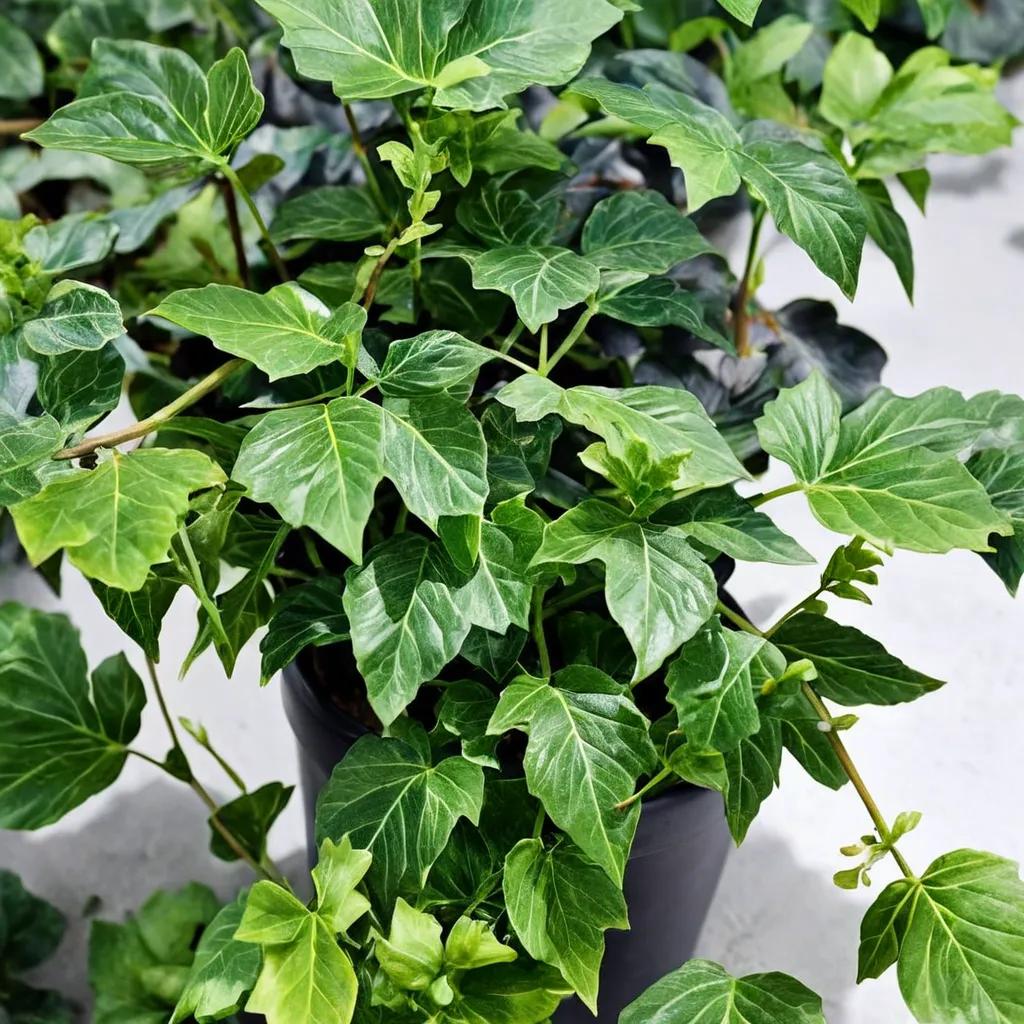 ‘Miniature Green Ripples’'Miniature Green Ripples' English Ivy
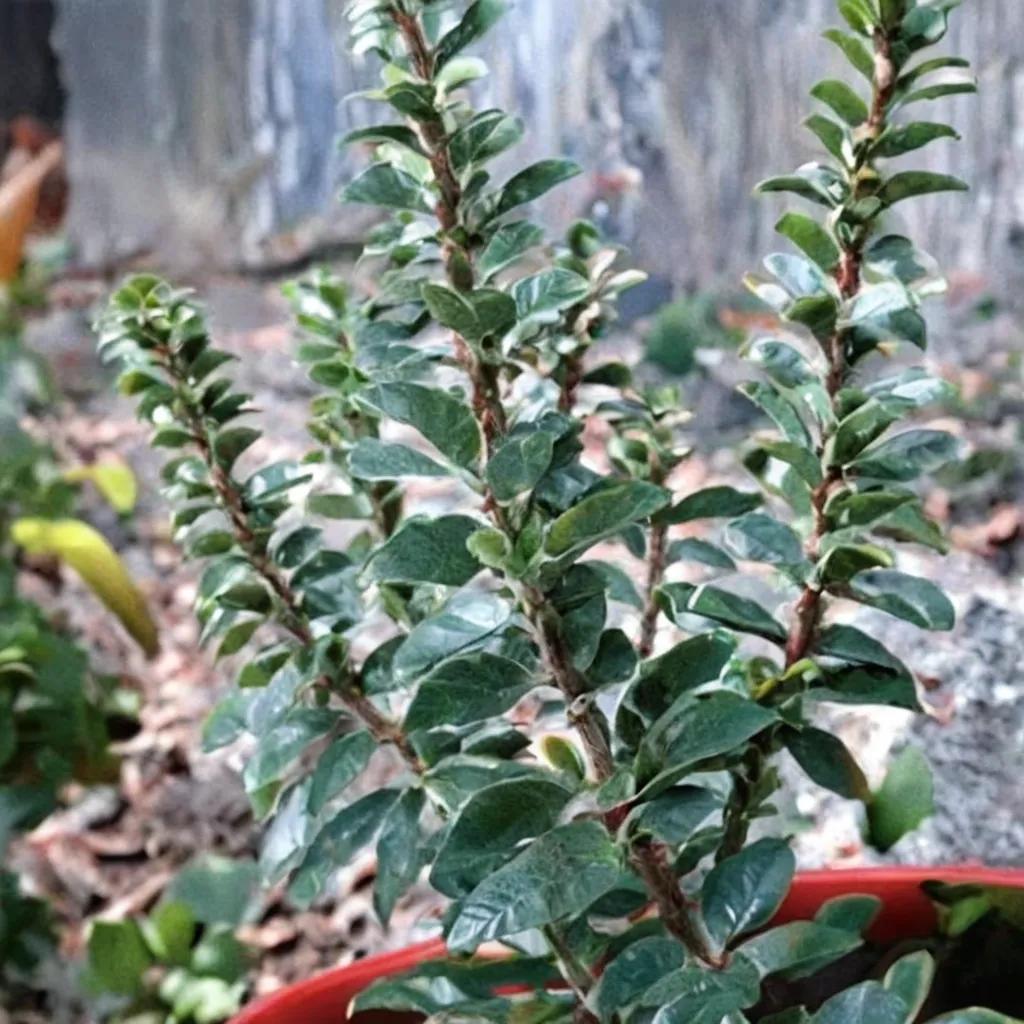 ‘Erecta’Upright English Ivy
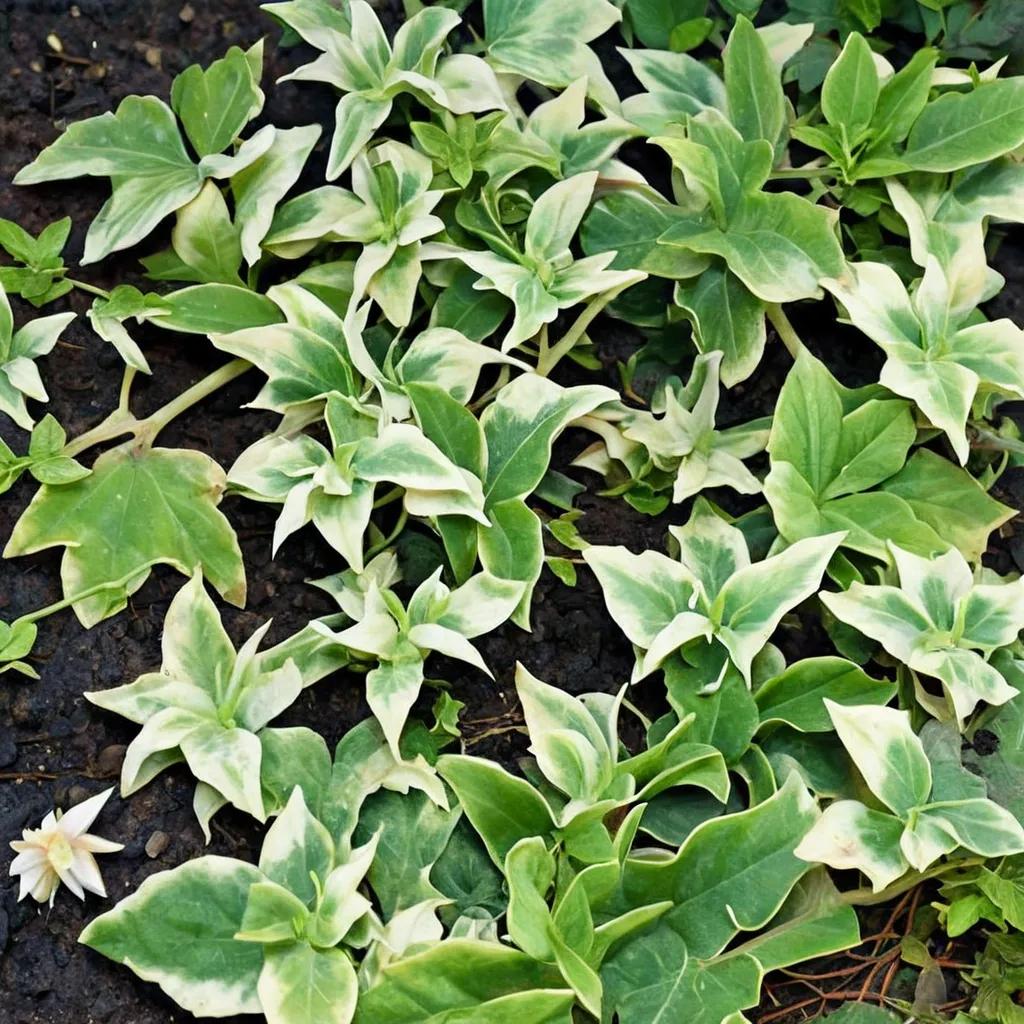 ‘Sagittaefolia Variegata’Variegated Arrowhead Ivy
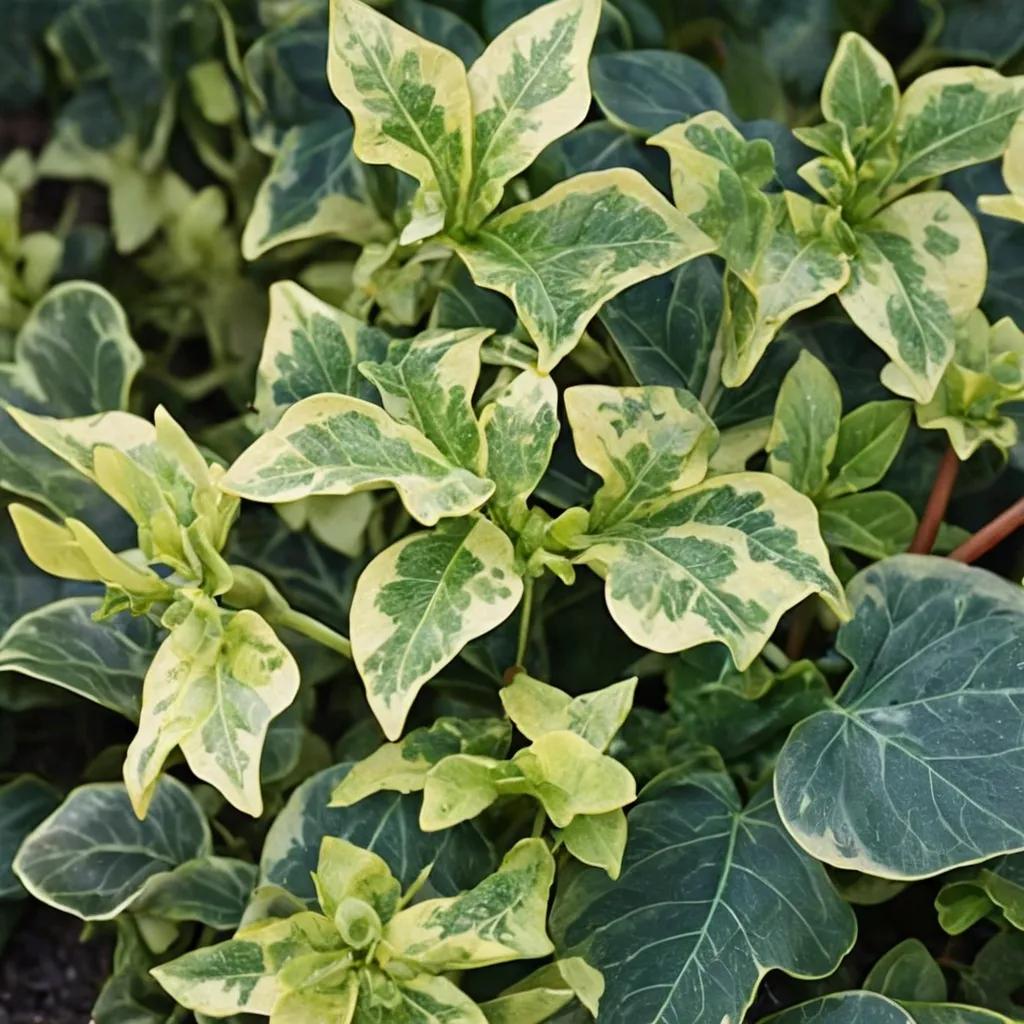 ‘California Gold’California Gold Ivy
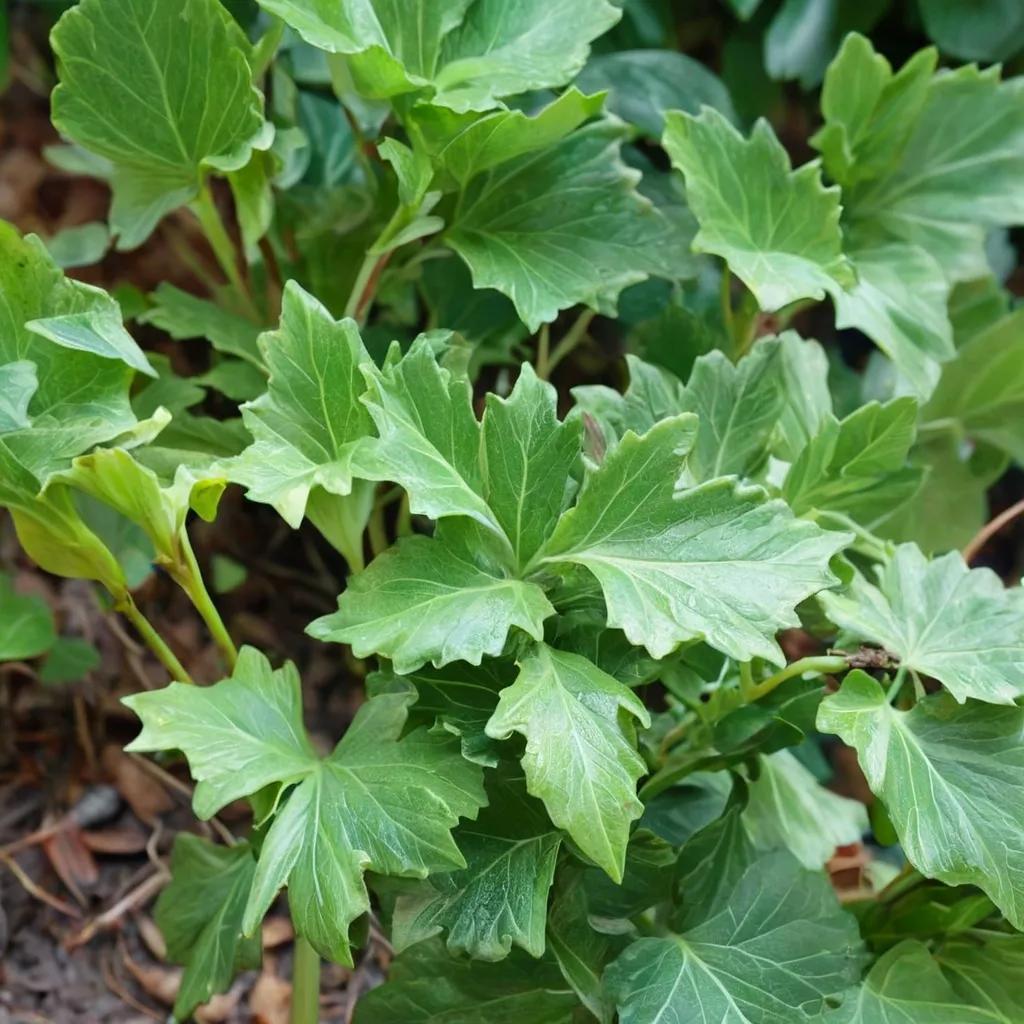 ‘California Fan’California Fan Ivy
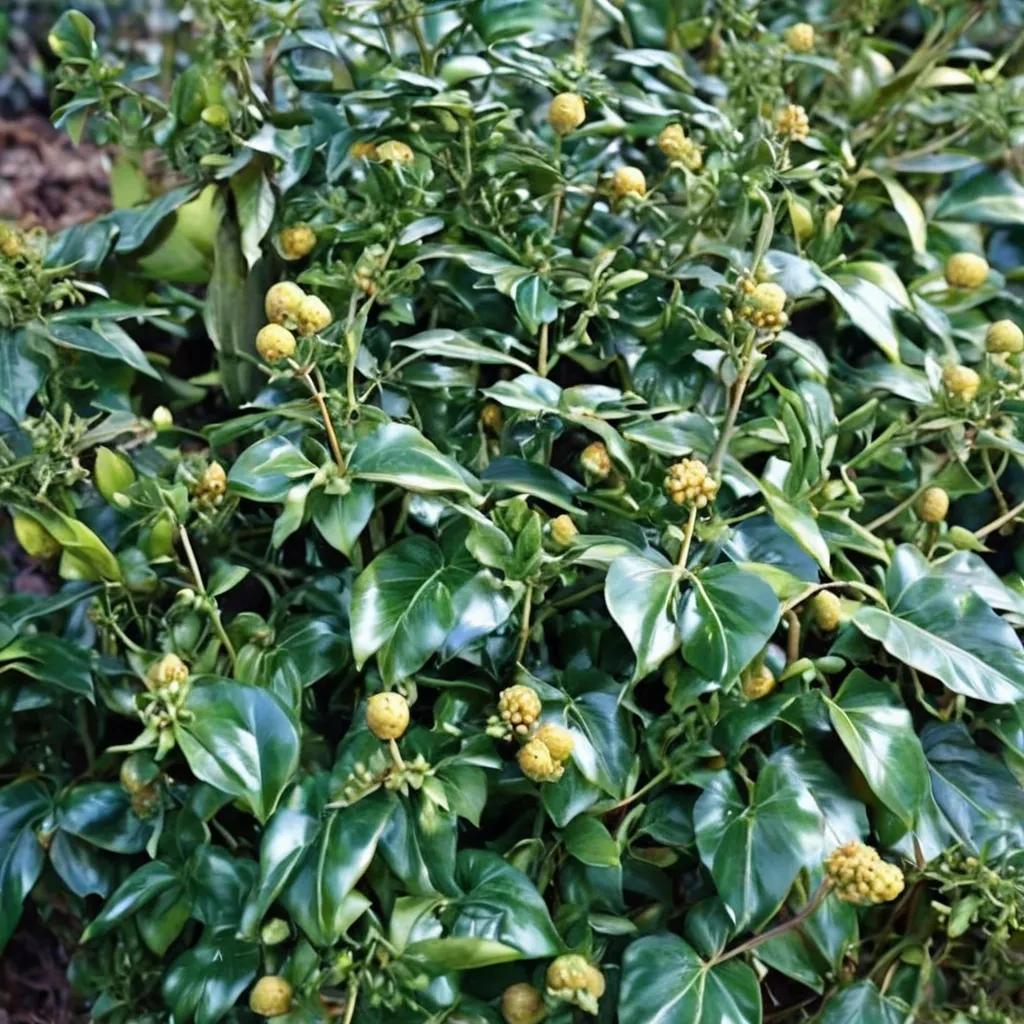 ‘Poetica Arboreum’Poet's Ivy
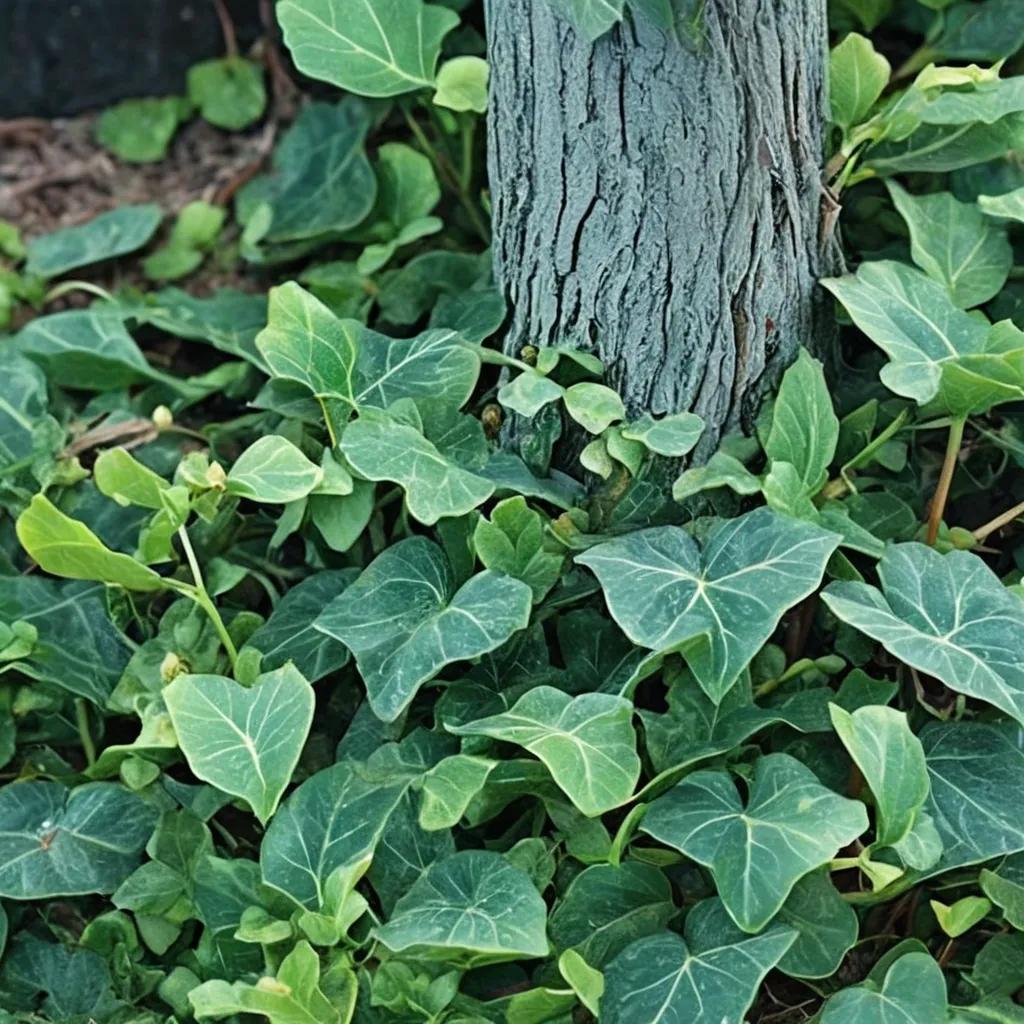 ‘Baltic Ivy’Baltic Ivy
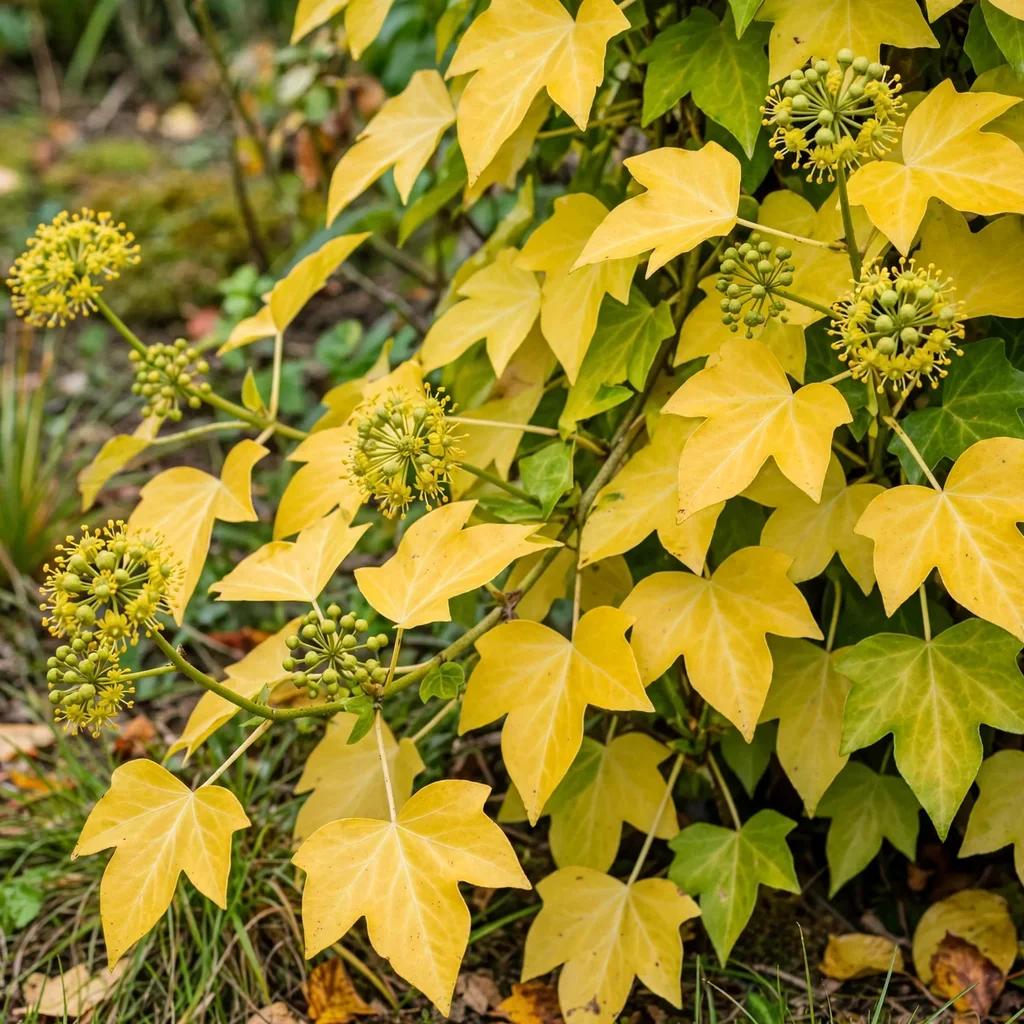 ‘Buttercup’English Ivy Buttercup
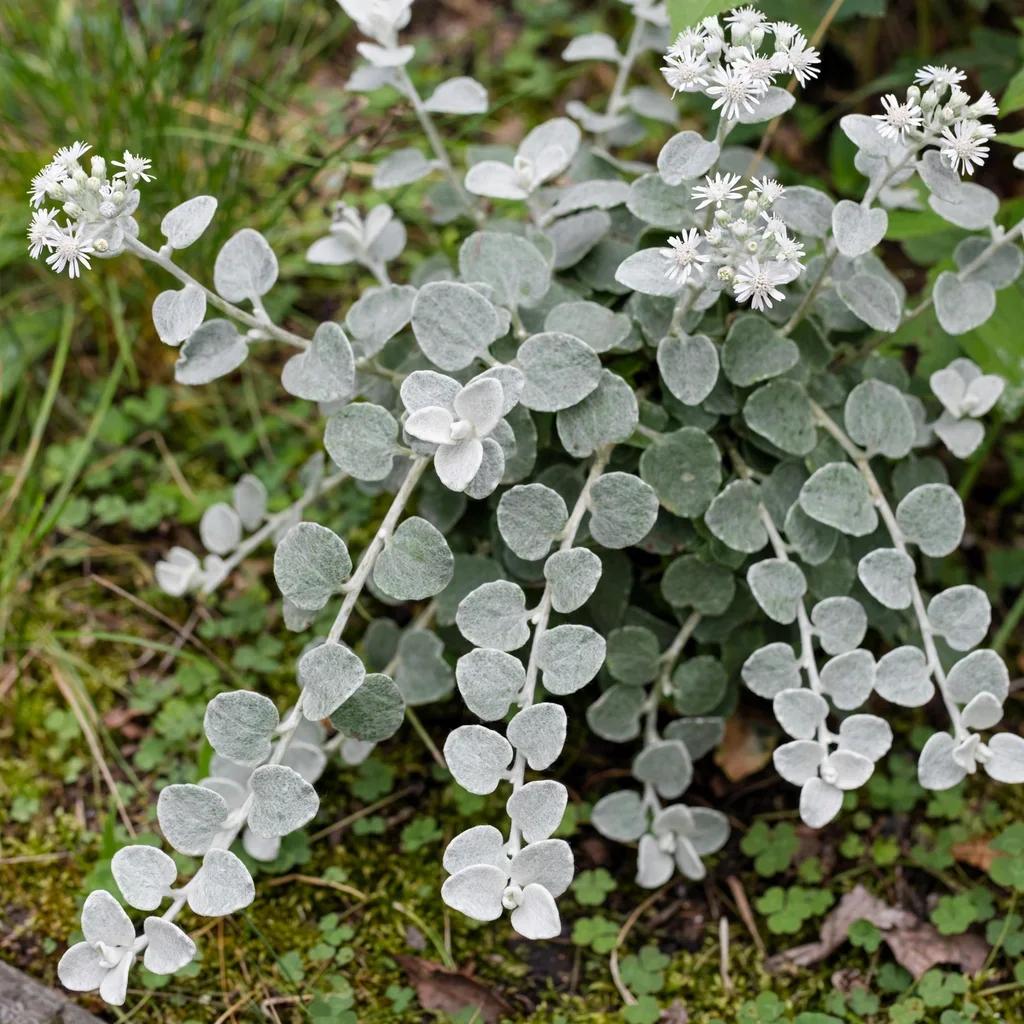 ‘Trailing White Licorice’Licorice Plant
The Story
Plant Bio
Hedera helix 'Duckfoot' is a vigorous evergreen climbing or ground-covering vine with distinctive, broad, three-lobed leaves that are often variegated, and small, inconspicuous flowers in late summer.
This cultivar is notable for its uniquely shaped, broad, duckfoot-like leaves, which provide a striking visual contrast and enhance its ornamental appeal in shaded garden areas.
Uses & Benefits:
Essentials
At a Glance
Plant Type
Vine
Height
8"
Width
72"
Light
Partial Sun, Shade
Zones
4, 5, 6, 7, 8, 9, 10
Water
Moderate
Humidity
Moderate
Lifespan
Perennial
Native To
Europe and Western Asia
Toxicity
Toxic to humans and pets if ingested
Bloom period
Late summer – Late fall
In flower about 4 months of the year
Planting
How to Grow
- Tuck cuttings into moist soil in spring
- Keep soil consistently moist for 4 weeks
- Provide partial shade during hot summer days
- Support vines on trellises or walls
- Mulch around base to retain moisture
- Fertilize lightly in early spring
Pro Tip
Use well-draining soil and avoid overwatering to prevent root rot.
Keep It Thriving
Care Guide
Do
- Water regularly during dry periods 🌱
- Prune to control growth and shape
- Mulch to conserve moisture
- Fertilize with balanced fertilizer in spring
Don't
- Avoid overwatering, which can cause root rot ❌
- Don’t allow excessive direct sunlight in hot climates
- Never let soil stay waterlogged
- Do not prune in late fall to prevent stress
Seasonal Care Calendar
| Task | Jan | Feb | Mar | Apr | May | Jun | Jul | Aug | Sep | Oct | Nov | Dec |
|---|---|---|---|---|---|---|---|---|---|---|---|---|
| Plant | ||||||||||||
| Propagate | ||||||||||||
| Prune | ||||||||||||
| Spring Cleanup |
Watch Out For
Pests & Diseases
Common Pests
Common Diseases
In the Garden
Landscape Uses & Companions
Landscape Uses
Companion Plants
Multiply
Propagation Methods
Good to Know
Common Questions
English Ivy Duckfoot questions
What zones can English Ivy Duckfoot grow in?
English Ivy Duckfoot is hardy in USDA Zones 4–10. Inside that range it survives winter in the ground; outside it, grow it as an annual or a container plant you protect.
Is English Ivy Duckfoot deer resistant?
Yes — English Ivy Duckfoot is rated deer-resistant. Deer typically pass it over, though extreme hunger can override any plant's defenses.
When does English Ivy Duckfoot bloom?
English Ivy Duckfoot typically blooms in late summer through late fall. Exact timing shifts a week or two with your zone — Sow's bloom calendar maps it to your garden.
Does English Ivy Duckfoot need full sun?
English Ivy Duckfoot does best in part shade.
Is English Ivy Duckfoot drought tolerant?
Yes — once established (usually after the first full season), English Ivy Duckfoot handles dry spells with minimal watering. Water deeply its first year to build the root system that makes that possible.
More Hedera to compare
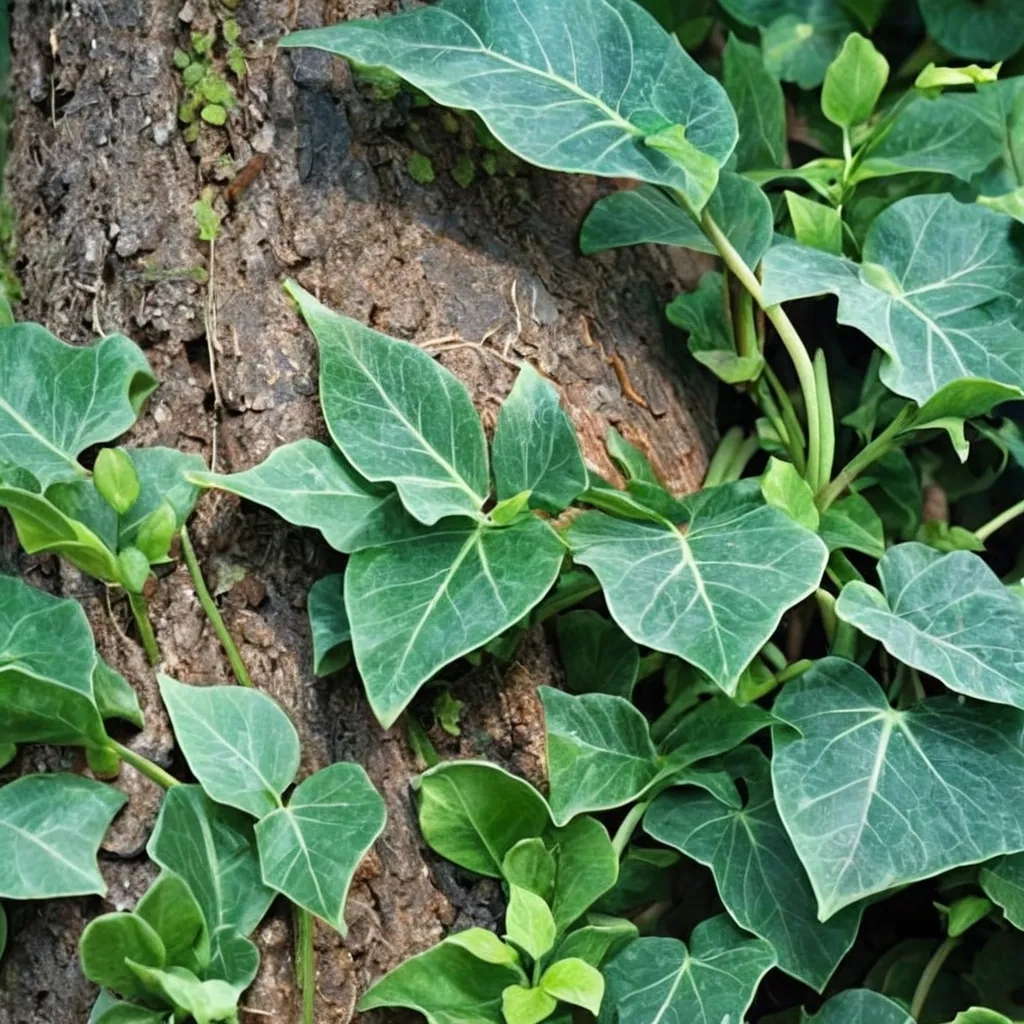
English Ivy
Hedera helix 'English Ivy'
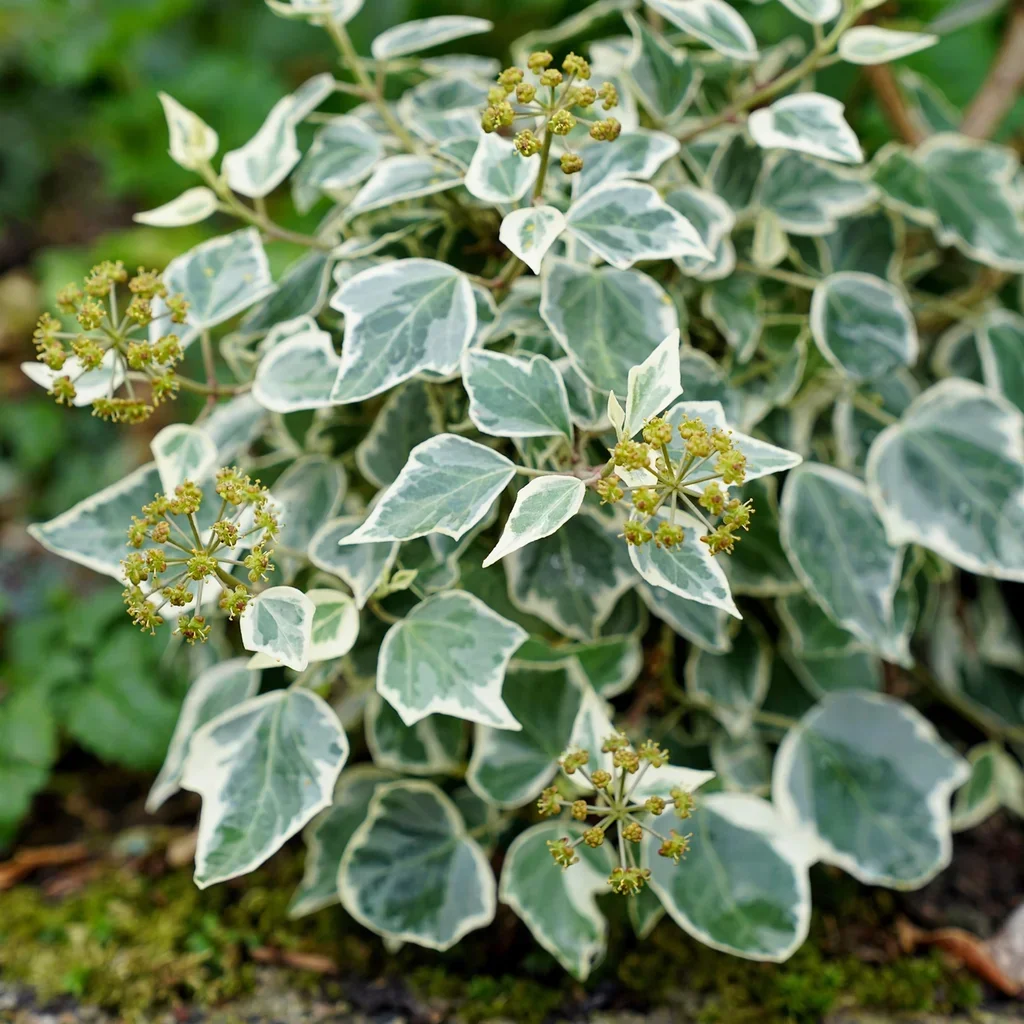
'Little Diamond' English Ivy
Hedera helix 'Little Diamond'
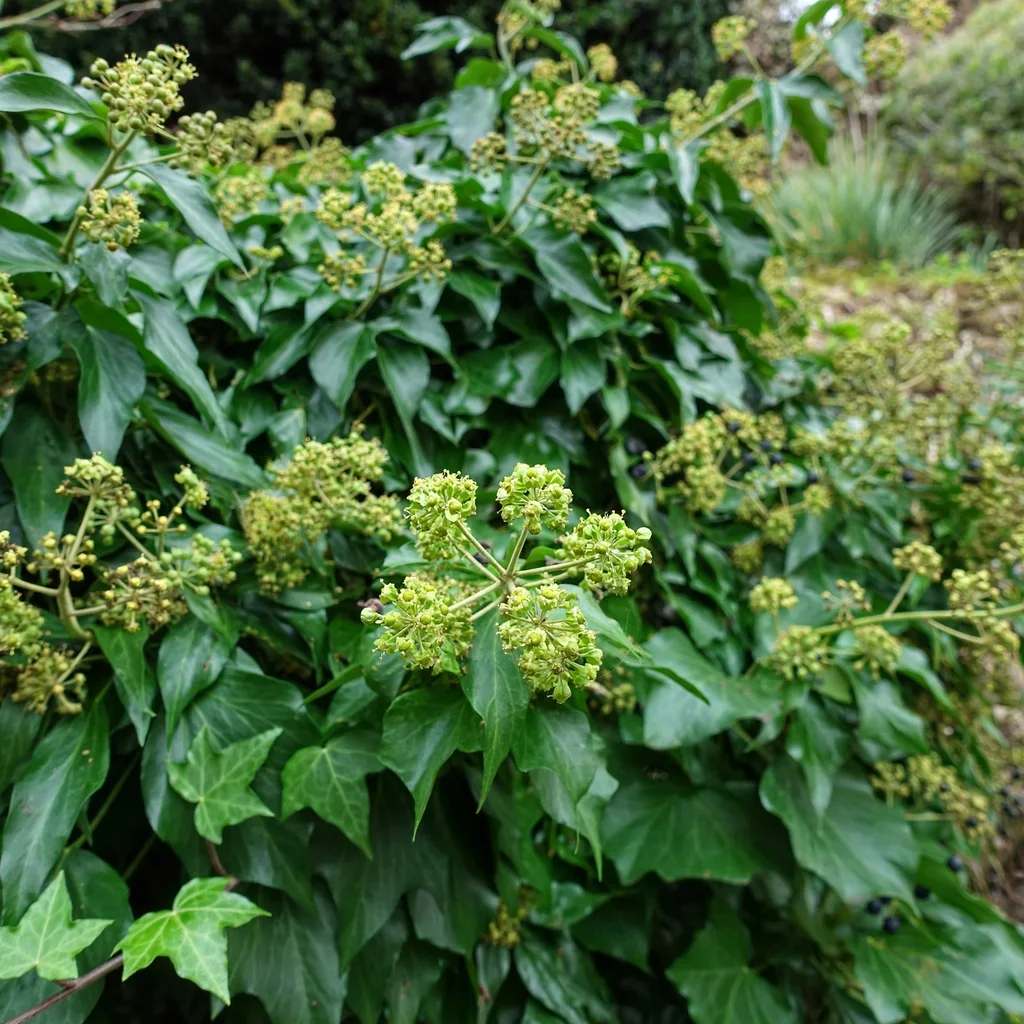
Spetchley English Ivy
Hedera helix 'Spetchley'
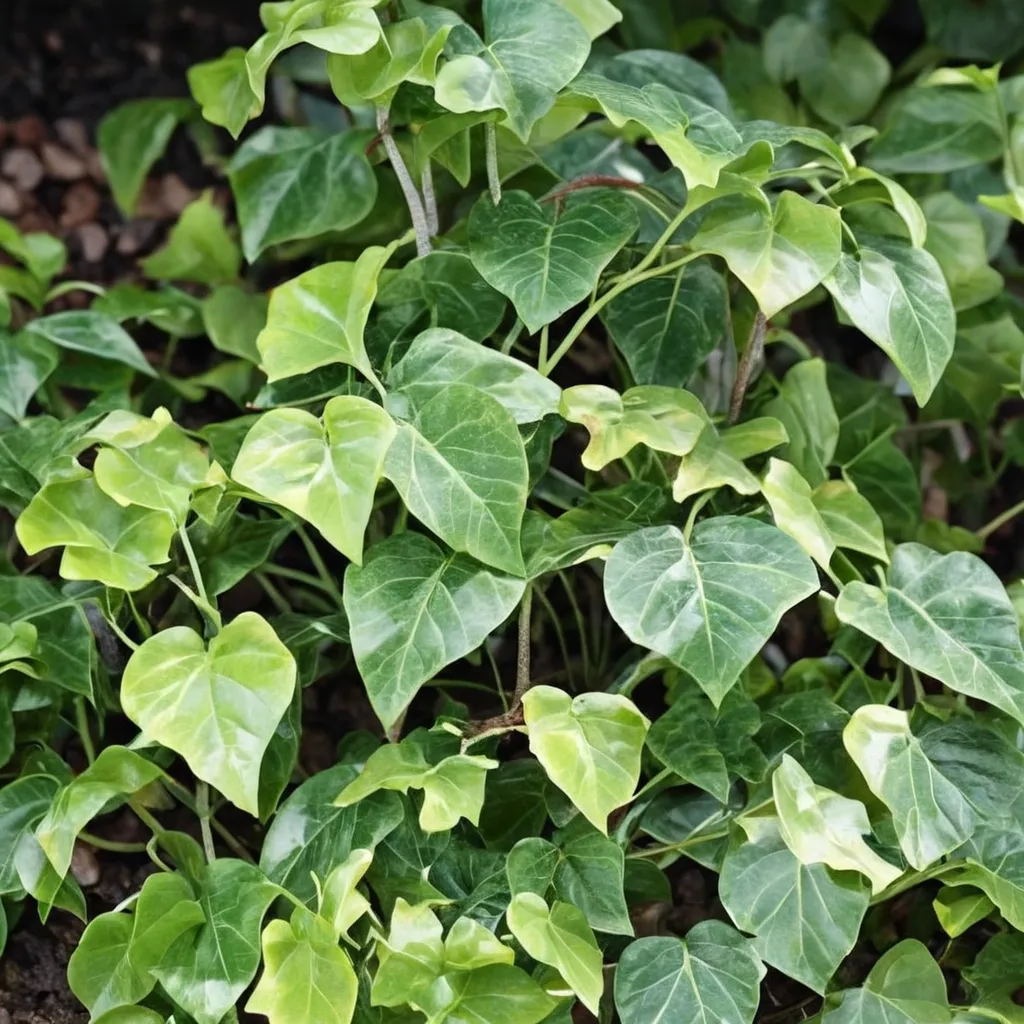
Trident English Ivy
Hedera helix 'Trident'
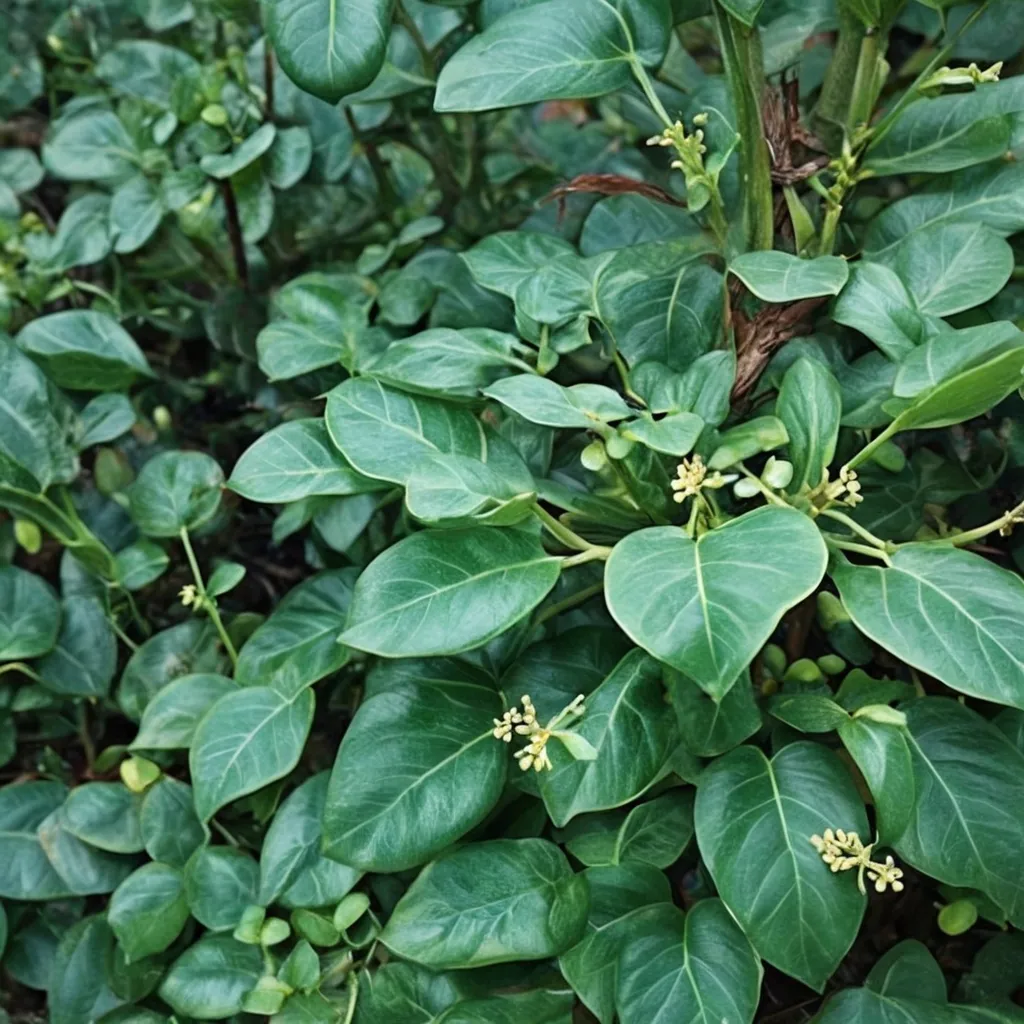
Green Spice English Ivy
Hedera colchica 'Green Spice'
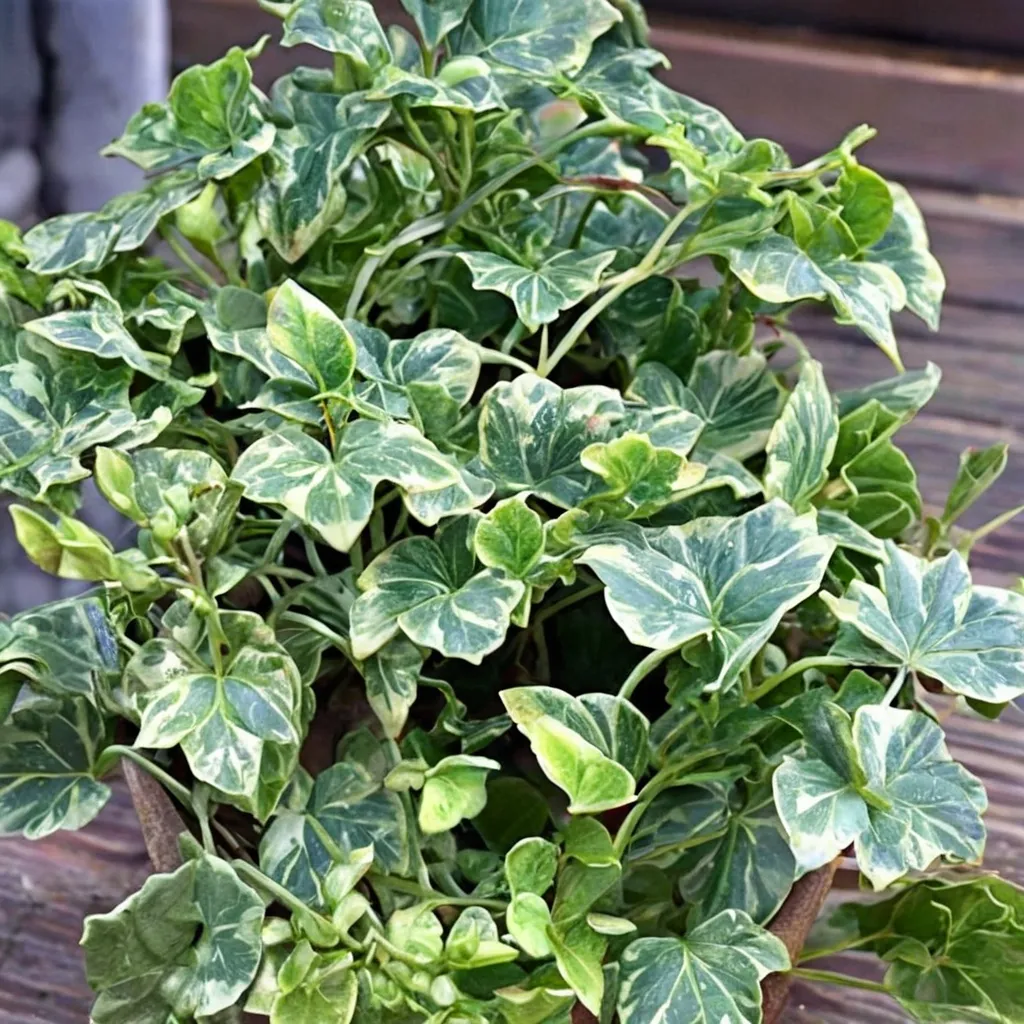
English Ivy Mint Kolibri
Hedera helix 'Mint Kolibri'
Keep exploring
Explore the genus
Grow English Ivy Duckfoot with confidence
See it in a design of your actual yard, get zone-matched care reminders, and track it season by season in your garden journal.