
Species
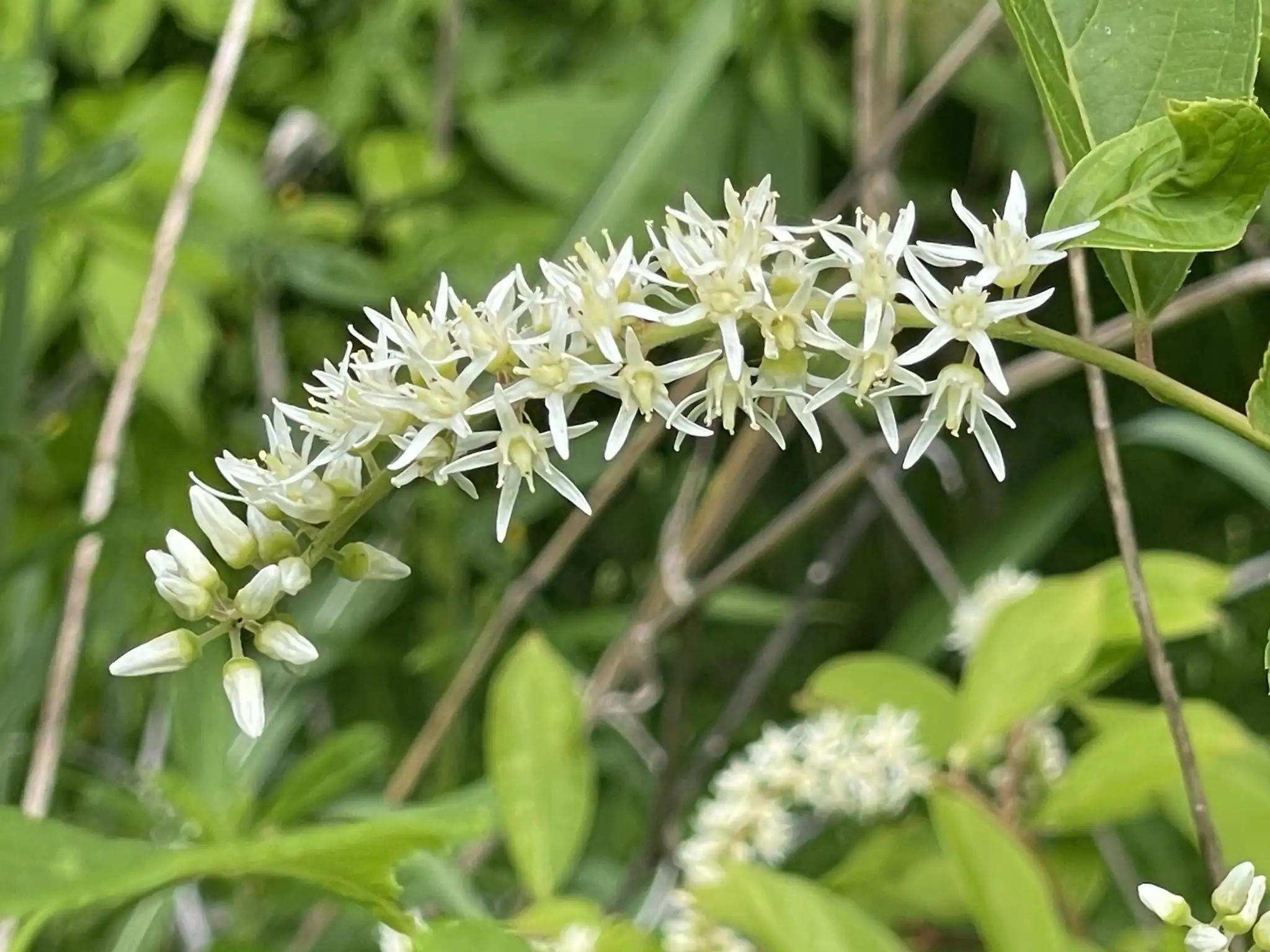 Itea virginicaVirginia Sweetspire
7 other cultivars


The Story
Plant Bio
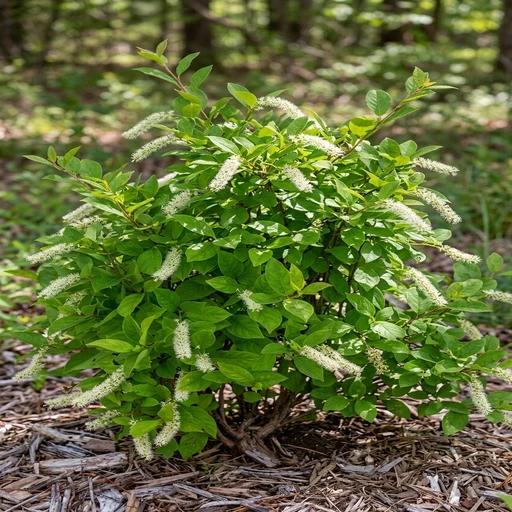
Itea virginica is a deciduous shrub native to the eastern United States, known for its arching branches, fragrant summer flowers, and brilliant fall color. It thrives in moist to wet soils and will colonize by suckering.
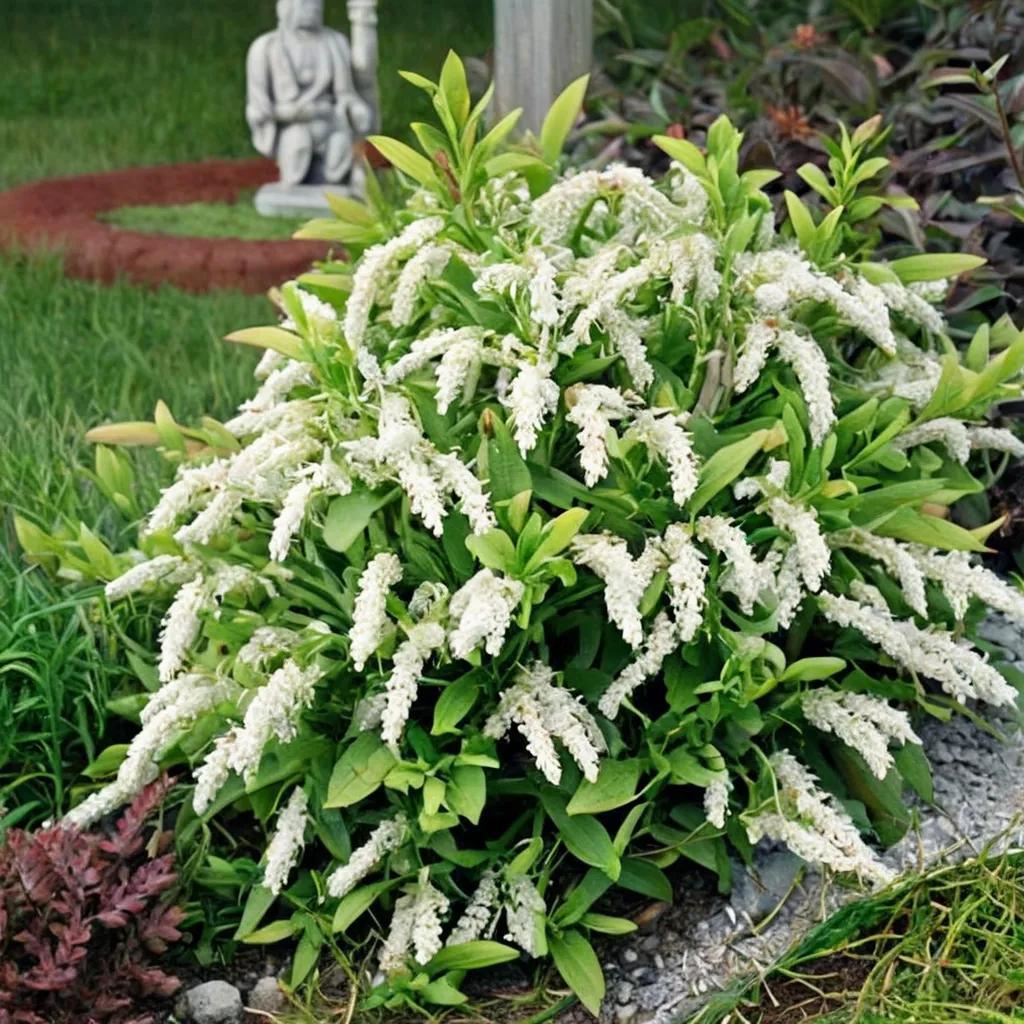
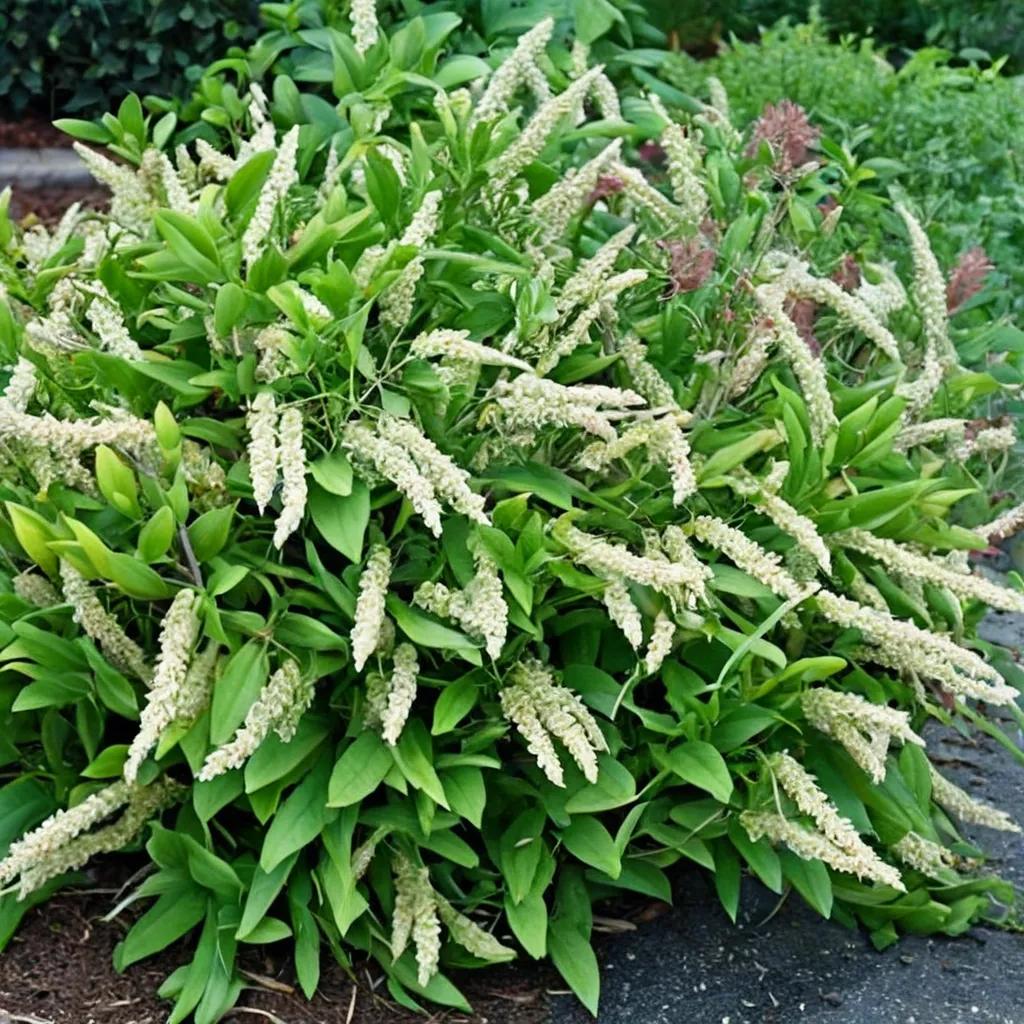
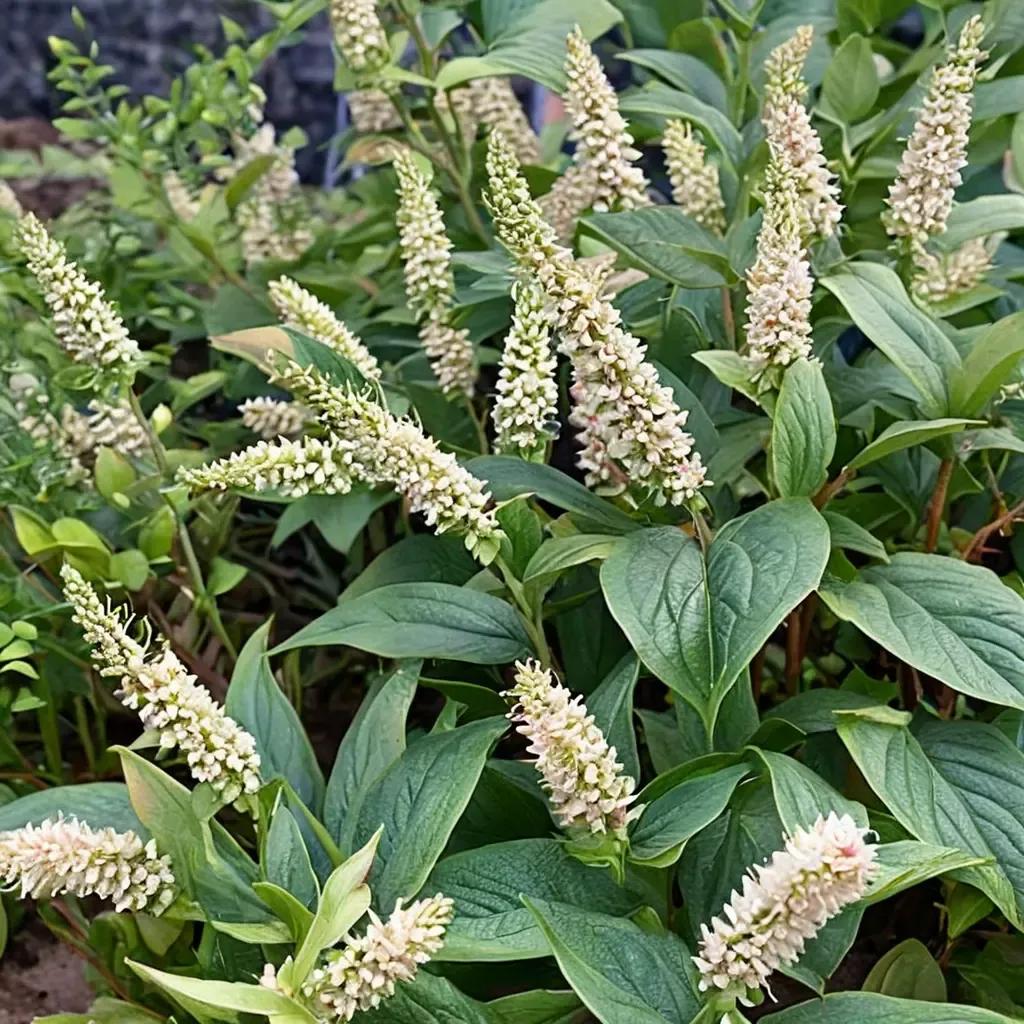
Little Henry ('Sprich') is a game-changing dwarf cultivar, offering all the fragrance and stunning fall color of the species in a compact, tidy form. Its small size makes it exceptionally versatile for small gardens and container plantings.
Uses & Benefits:
Essentials
At a Glance
Plant Type
Shrub
Height
30"
Width
30"
Light
Full Sun, Partial Sun, Shade
Zones
5, 6, 7, 8, 9
Water
High
Humidity
Adaptable
Lifespan
Long-lived deciduous shrub
Native To
Eastern United States
Toxicity
Non-toxic
Bloom period
Early summer – Mid-summer
In flower about 2 months of the year
Planting
How to Grow
- Find a spot with moist, preferably acidic, soil.
- Full sun yields the best fall color, but it tolerates shade.
- Dig a hole twice the width of the pot.
- Place the plant so the top of the root ball is level with the soil.
- Backfill, water well, and apply a 2-inch layer of mulch.
- Keep consistently moist, especially during the first season.
Pro Tip
Its compact size makes it a perfect 'spiller' for large mixed containers, providing fragrance in summer and fiery color in fall.
Keep It Thriving
Care Guide
Do
- Provide ample water, as it thrives in moist conditions.
- Plant in groups for a stunning mass display of flowers and fall color.
- Use as a foreground plant in a mixed border.
- Amend soil with compost to improve moisture retention.
Don't
- Do not allow the plant to dry out, particularly in sunny locations.
- Avoid planting in alkaline soils, which can lead to yellowing leaves.
- Don't prune in late fall, winter, or spring, or you'll remove flower buds.
- Don't worry about it getting too large; it's naturally compact.
Seasonal Care Calendar
| Task | Jan | Feb | Mar | Apr | May | Jun | Jul | Aug | Sep | Oct | Nov | Dec |
|---|---|---|---|---|---|---|---|---|---|---|---|---|
| Fertilize | ||||||||||||
| Mulch | ||||||||||||
| Prune |
Watch Out For
Pests & Diseases
Common Pests
Common Diseases
In the Garden
Landscape Uses & Companions
Landscape Uses
Multiply
Propagation Methods
Good to Know
Common Questions
Little Henry Sweetspire questions
What zones can Little Henry Sweetspire grow in?
Little Henry Sweetspire is hardy in USDA Zones 5–9. Inside that range it survives winter in the ground; outside it, grow it as an annual or a container plant you protect.
Is Little Henry Sweetspire deer resistant?
Yes — Little Henry Sweetspire is rated deer-resistant. Deer typically pass it over, though extreme hunger can override any plant's defenses.
When does Little Henry Sweetspire bloom?
Little Henry Sweetspire typically blooms in early summer through mid-summer. Exact timing shifts a week or two with your zone — Sow's bloom calendar maps it to your garden.
Does Little Henry Sweetspire need full sun?
Little Henry Sweetspire does best in full sun to part shade. In hot climates, afternoon shade keeps blooms fresher longer.
More Itea to compare
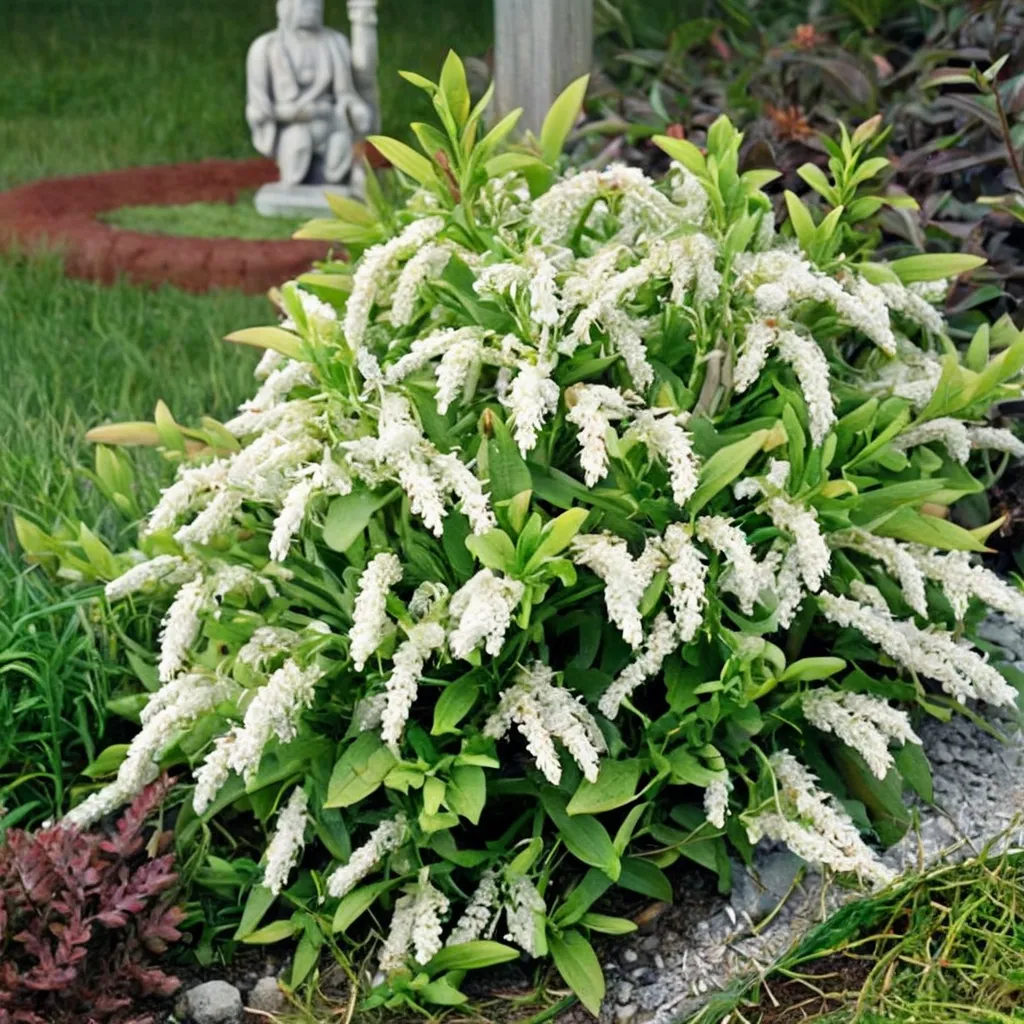
Little Henry Virginia Sweetspire
Itea virginica 'Little Henry'
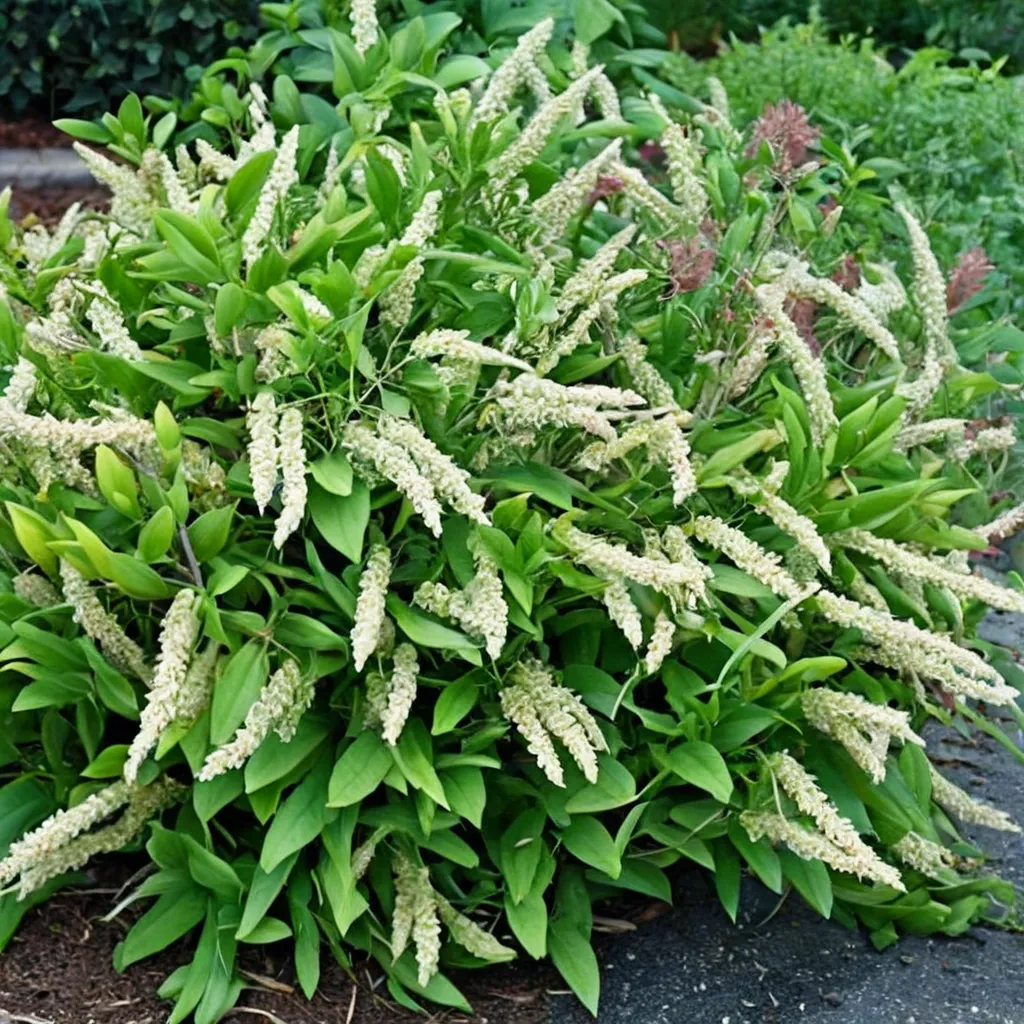
Virginia Sweetspire
Itea virginica 'Sweetspire'
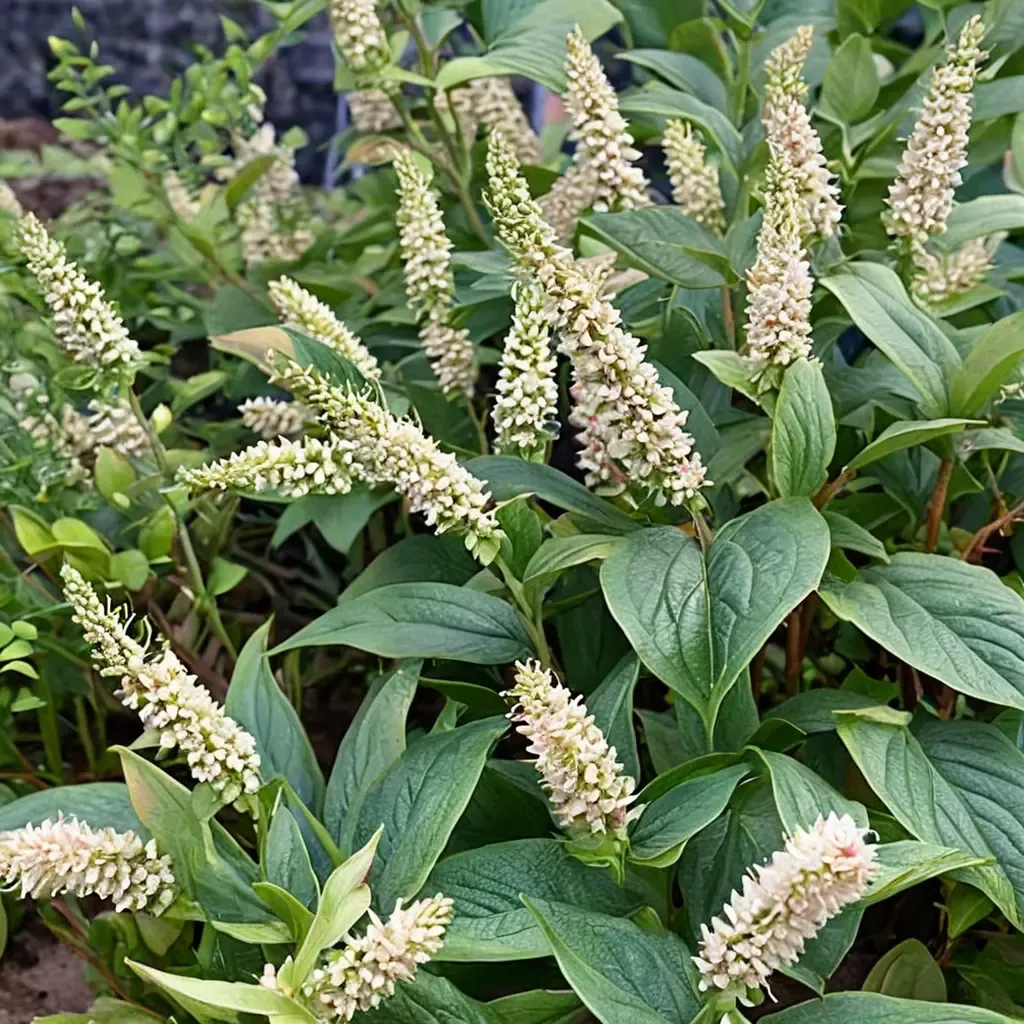
Fizzy Mizzy sweetspire
Itea virginica 'Fizzy Mizzy'
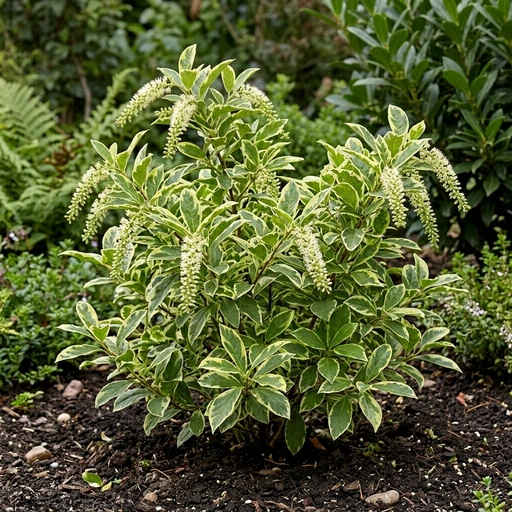
Henry's Garnet Virginia Sweetspire
Itea virginica 'Henry'
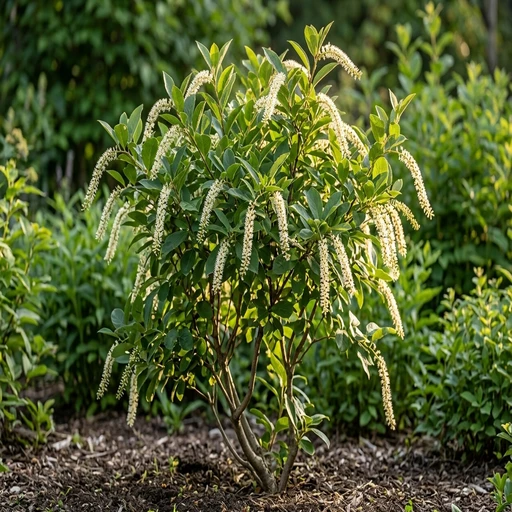
Scentlandia Sweetspire
Itea virginica 'Scentlandia'
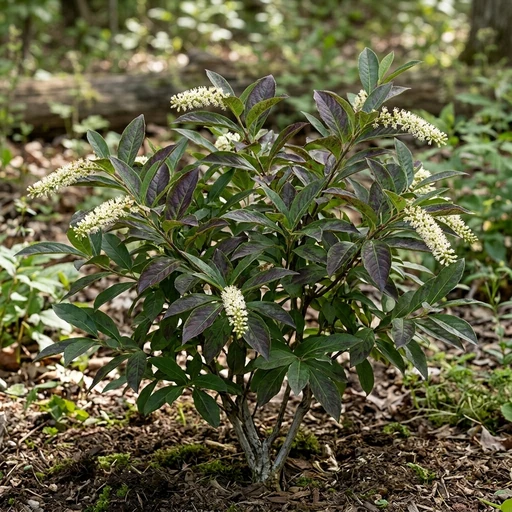
Merlot Virginia Sweetspire
Itea virginica 'Merlot'
Keep exploring
Explore the genus
Hardy in your zone?
Grow Little Henry Sweetspire with confidence
See it in a design of your actual yard, get zone-matched care reminders, and track it season by season in your garden journal.