The Story
Plant Bio
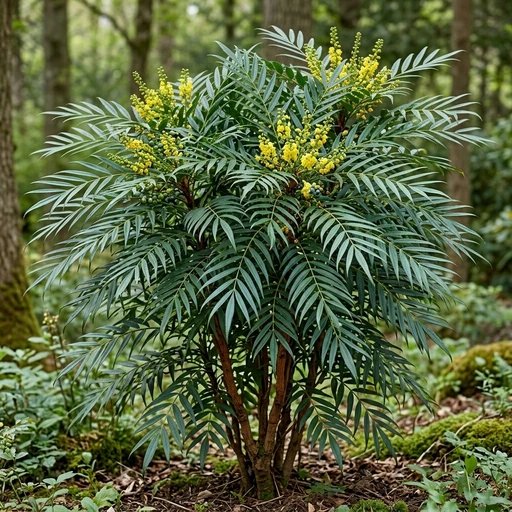
Mahonia confusa is an evergreen shrub prized for its fine-textured, pinnately compound leaves that lack the sharp spines of many other Mahonia species. It has a graceful, spreading habit perfect for shade gardens.
'Narihira' is a specific selection noted for its elegant, bamboo-like foliage and compact, mounding form. It produces fragrant yellow flower spikes in fall, followed by waxy blue berries.
Uses & Benefits:
Essentials
At a Glance
Plant Type
Shrub
Height
48"
Width
48"
Light
Partial Sun, Shade
Zones
6, 7, 8, 9
Water
Medium
Humidity
Moderate
Lifespan
Long-lived shrub
Native To
China
Toxicity
Berries are mildly toxic if ingested in large quantities
Bloom period
Early fall – Late winter
In flower about 6 months of the year
Planting
How to Grow
- Select a site with partial to full shade and moist, well-drained soil.
- Amend the soil with compost to improve its structure and fertility.
- Dig a hole twice the width of the root ball.
- Set the plant in the hole with the root flare at soil level.
- Backfill with soil, firm gently, and water deeply.
- Apply a 2-inch layer of mulch around the base of the plant.
Pro Tip
Provide protection from harsh afternoon sun and winter winds to prevent foliage from scorching and keep the plant looking its best.
Keep It Thriving
Care Guide
Do
- Plant in a location protected from winter winds.
- Provide consistent moisture, especially in dry periods.
- Use as a textural contrast to large-leaved plants like Hosta or Rodgersia.
- Allow it to develop its natural, graceful form with minimal pruning.
Don't
- Do not plant in full, direct sun, which will scorch the leaves.
- Avoid letting the soil become waterlogged.
- Don't plant in highly alkaline soils.
- Avoid heavy pruning, which can ruin its natural shape.
Seasonal Care Calendar
| Task | Jan | Feb | Mar | Apr | May | Jun | Jul | Aug | Sep | Oct | Nov | Dec |
|---|---|---|---|---|---|---|---|---|---|---|---|---|
| Fertilize | ||||||||||||
| Mulch | ||||||||||||
| Plant | ||||||||||||
| Prune |
Watch Out For
Pests & Diseases
Common Pests
Common Diseases
In the Garden
Landscape Uses & Companions
Landscape Uses
Companion Plants
Multiply
Propagation Methods
Good to Know
Common Questions
Narihira Mahonia questions
What zones can Narihira Mahonia grow in?
Narihira Mahonia is hardy in USDA Zones 6–9. Inside that range it survives winter in the ground; outside it, grow it as an annual or a container plant you protect.
Is Narihira Mahonia deer resistant?
Yes — Narihira Mahonia is rated deer-resistant. Deer typically pass it over, though extreme hunger can override any plant's defenses.
When does Narihira Mahonia bloom?
Narihira Mahonia typically blooms in early fall through late winter. Exact timing shifts a week or two with your zone — Sow's bloom calendar maps it to your garden.
Does Narihira Mahonia need full sun?
Narihira Mahonia does best in part shade.
More Mahonia to compare
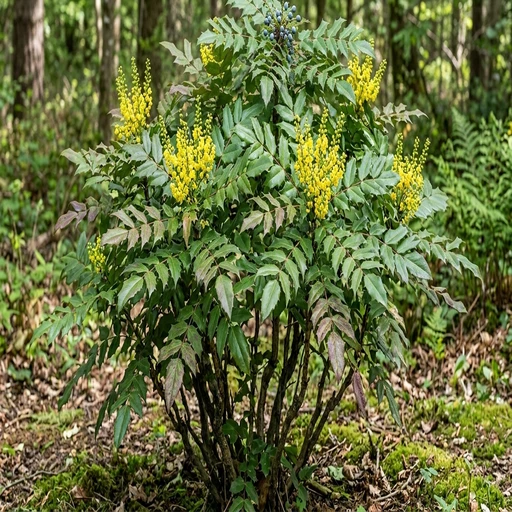
Oregon Grapeholly
Mahonia aquifolium
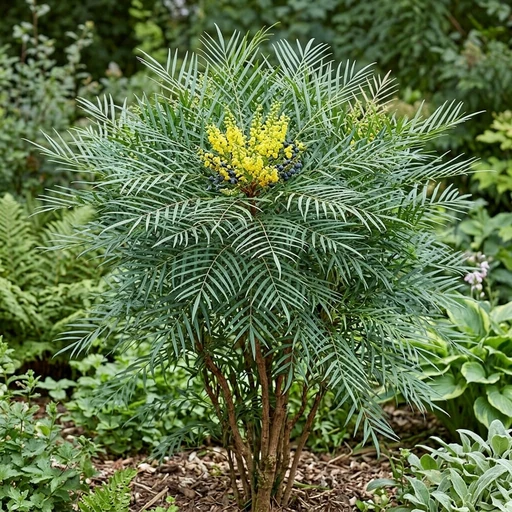
Soft Caress Mahonia
Mahonia eurybracteata 'Soft Caress'
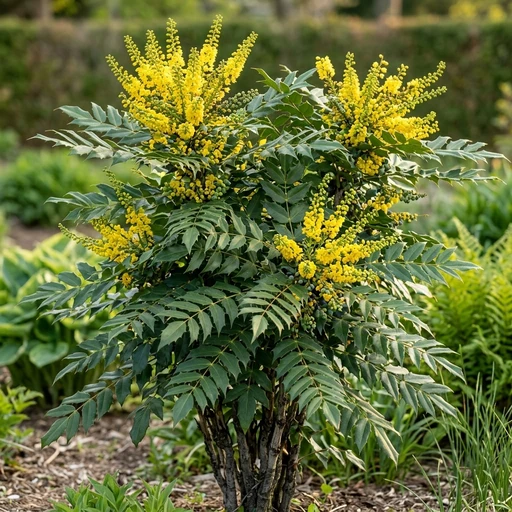
Leatherleaf Mahonia
Mahonia bealei
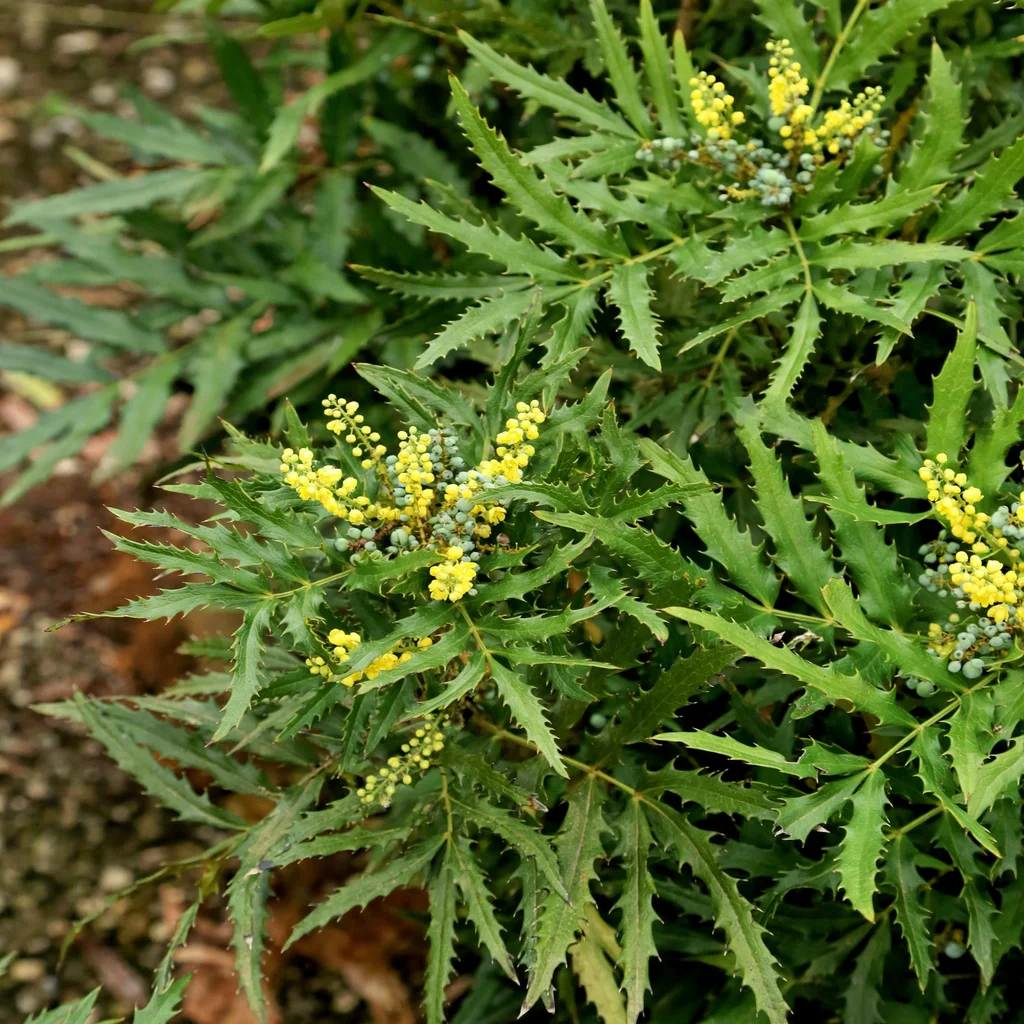
Beijing Beauty Grapeholly
Mahonia x hybrida 'Beijing Beauty'
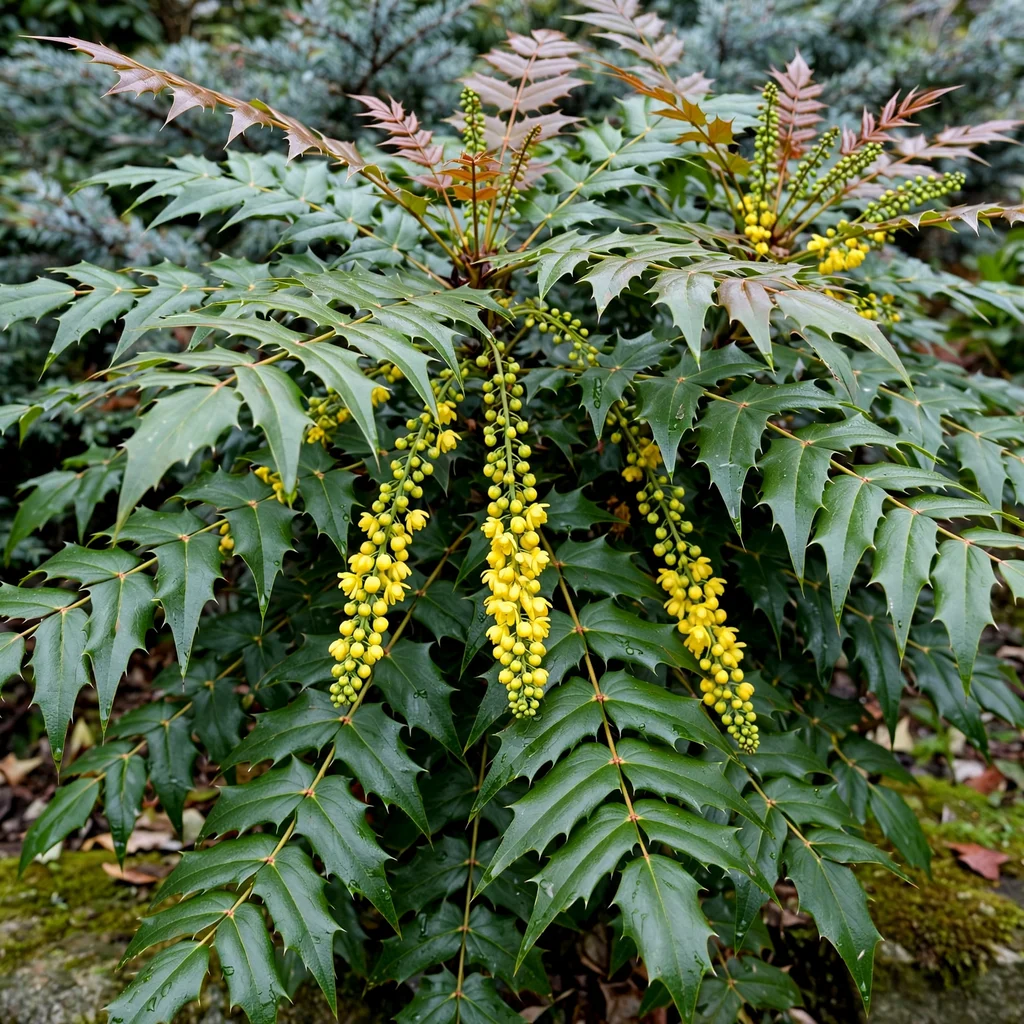
Media Mahonia
Mahonia media
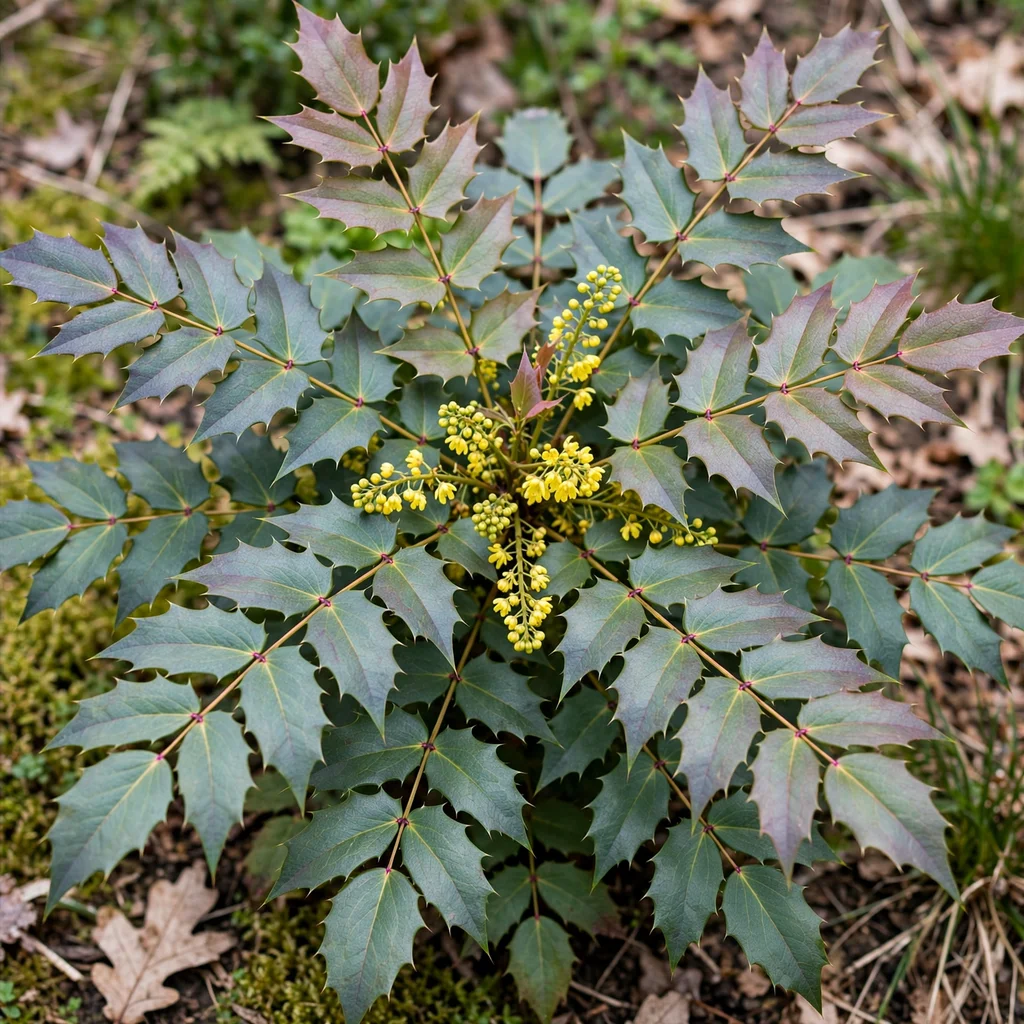
Creeping Oregon-Grape
Mahonia repens
Keep exploring
Explore the genus
Hardy in your zone?
Grow Narihira Mahonia with confidence
See it in a design of your actual yard, get zone-matched care reminders, and track it season by season in your garden journal.