70 saves
Mahonia
We track 7 varieties; the ones most used by real gardeners.
The 7 most-saved Mahonia varieties
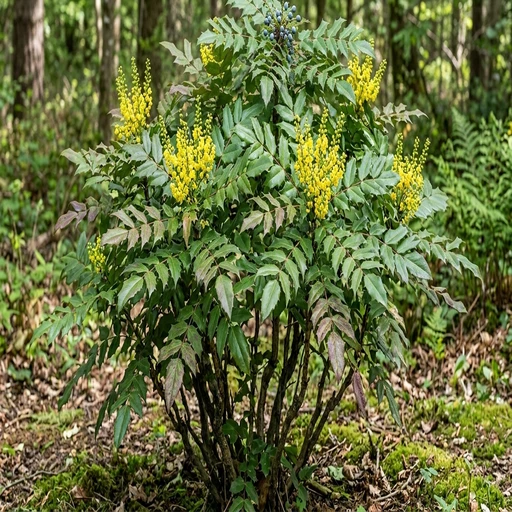
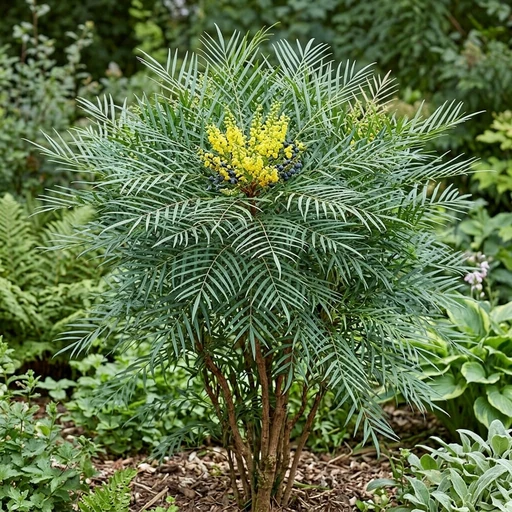
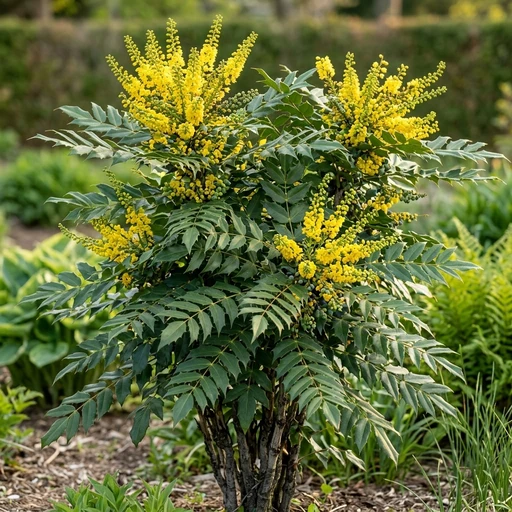
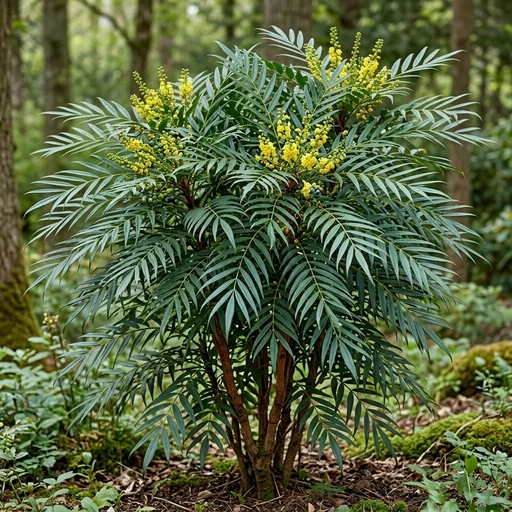
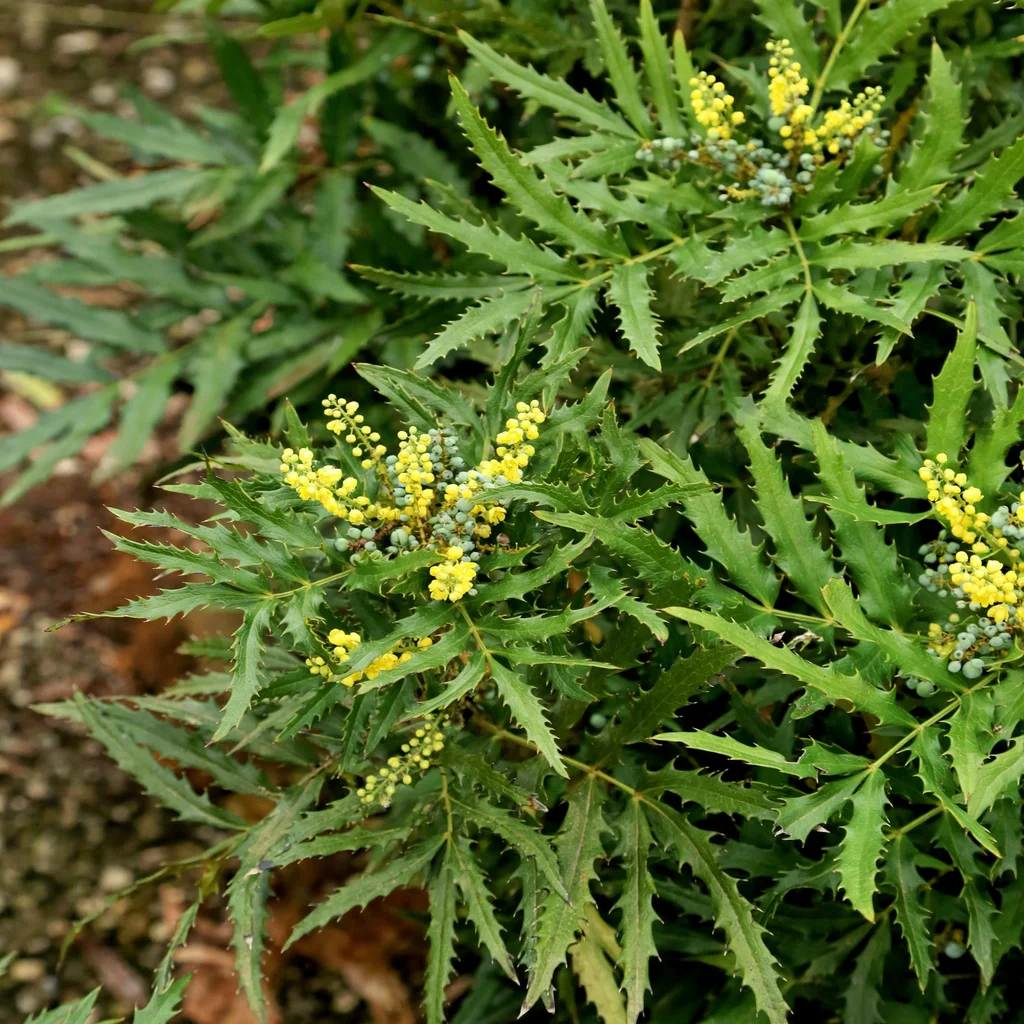
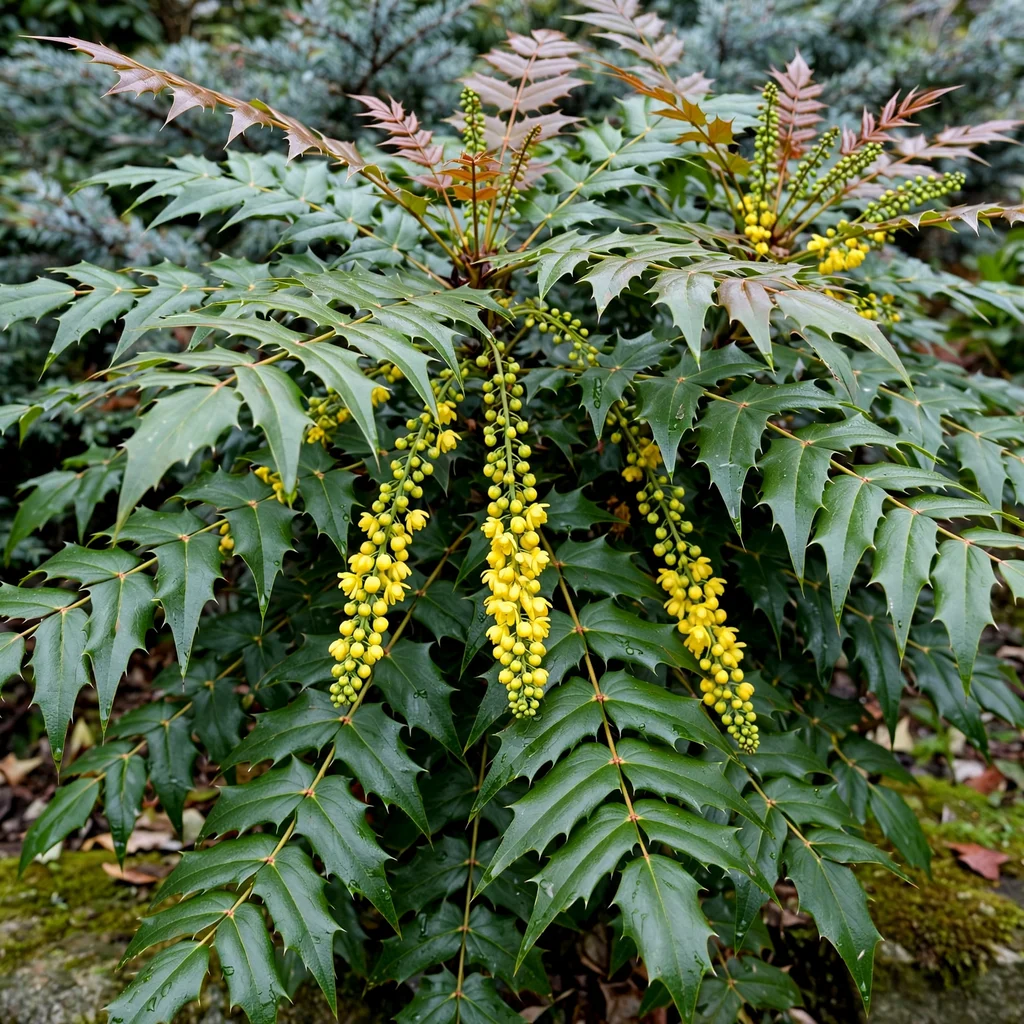
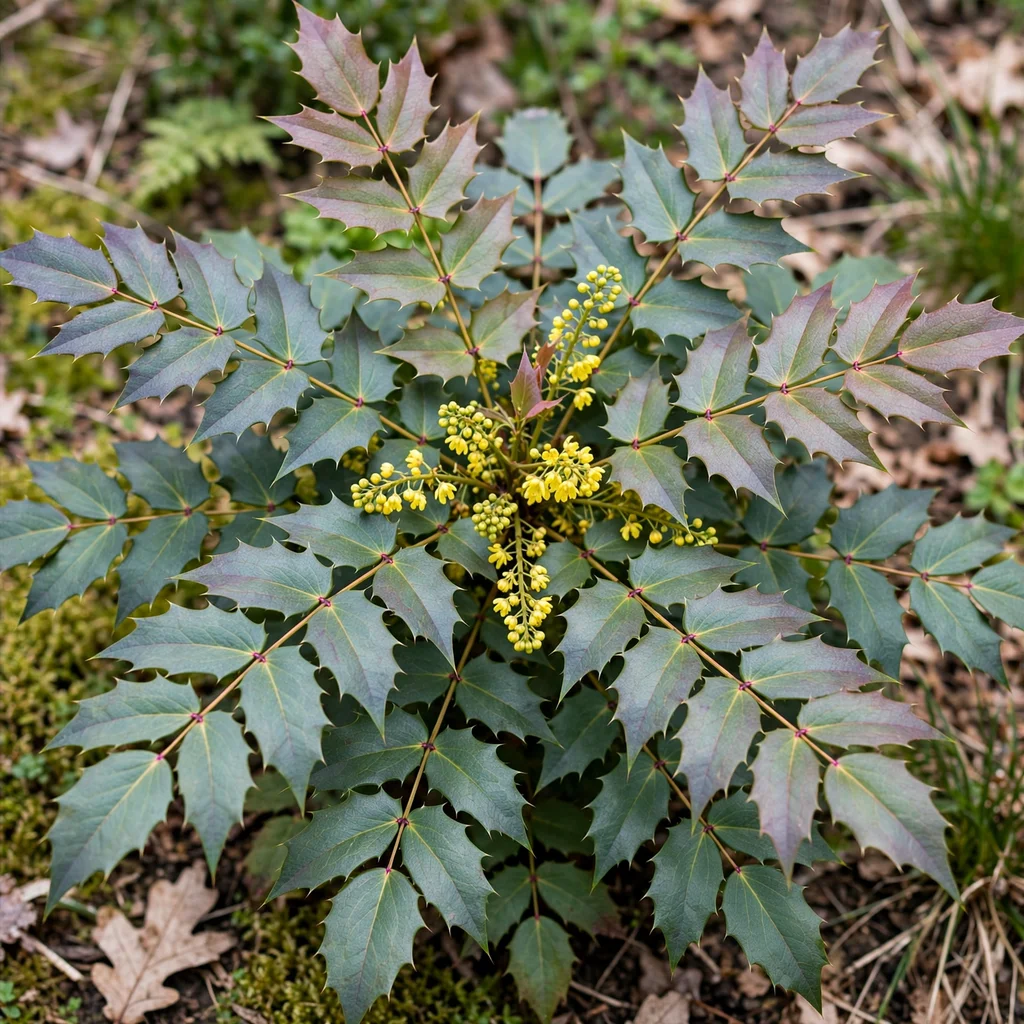
2 species of Mahonia
Each one is a parent of the varieties above.
Track your Mahonia in Sow
Save the Mahonia you grow and get care reminders timed to your zone.
How to grow Mahonia
Whats common across all Mahonia varieties in our catalog — drawn from the care records of the 7 most-grown of them.
The Mahonia year
- PruneMarch–May100% of varieties
Prune in late winter to remove any damaged foliage before new growth begins.
- MulchOctober and November86% of varieties
Apply a layer of organic mulch to retain moisture and enrich the soil.
- FertilizeMarch and April71% of varieties
Apply a balanced, slow-release fertilizer in early spring.
- Check for PestsMay–July57% of varieties
Inspect leaf undersides for scale insects, aphids, and spider mites.
- PlantApril, May, October and November43% of varieties
Plant in spring or fall in a location protected from harsh winter winds.


Do
- Protect from harsh winter winds in colder zones.
- Provide a location with morning sun or dappled shade.
- Plant in rich, acidic, well-drained soil.
- Water regularly during dry periods.
- Plant in a location protected from winter winds.
Avoid
- Don't plant in hot, direct afternoon sun.
- Avoid planting in heavy, waterlogged clay soil.
- Do not let the soil dry out completely.
- Refrain from heavy pruning; it rarely needs it.
What goes wrong with Mahonia
| Problem | What you'll see | What to do |
|---|---|---|
| Aphids | Small, soft-bodied insects cluster on tender new growth, causing leaf curling and sticky honeydew. | Rinse foliage with a strong stream of water or apply insecticidal soap. |
| Scale | Small bumps on stems and undersides of leaves, sometimes with sticky honeydew. | Scrape off small infestations. Apply horticultural oil during the dormant season. |
| Spider mites | Fine webbing and stippled, dusty-looking foliage appear under hot, dry conditions. | Increase local humidity and spray the foliage with insecticidal soap or horticultural oil. |
| Scale insects | Waxy, immobile bumps appear on stems and leaf undersides, reducing plant vigor. | Prune out heavily infested canes or apply horticultural oil during the crawler stage. |
| Rust | Orange or brown pustules on the undersides of leaves. | Improve air circulation. Remove and destroy infected leaves. Apply a copper-based fungicide if needed. |
| Root Rot | Wilting, yellowing foliage, and plant decline despite moist soil. | Ensure excellent drainage at planting time. There is no cure. |
| Leaf Spot | Brown or black spots on foliage, sometimes with a yellow halo. | Remove affected leaves. Avoid overhead watering. Ensure good air circulation. A copper-based fungicide can be used as a preventative. |
Making more Mahonia
Semi-hardwood Cuttings
- Take 4-6 inch cuttings in late summer or early fall.
- Remove lower leaves and dip in rooting hormone.
- Stick in a well-drained medium.
- Provide bottom heat and humidity; rooting takes 10-12 weeks.
Seed
- Collect and clean seeds as soon as berries are ripe.
- Sow immediately in an outdoor seedbed.
- Germination will occur the following spring.
- Protect seedlings from strong sun.
Mahonia questions
How many types of Mahonia are there?
The Sow catalog tracks 7 distinct Mahonia varieties. The most popular — ranked by 70 real gardeners — are shown first above.
What zones does Mahonia grow in?
Across its varieties, Mahonia covers USDA Zones 5–9. Individual varieties differ — each plant page lists its exact range, and Sow filters the catalog to your zone automatically.
When does Mahonia bloom?
Most Mahonia varieties bloom in early spring, early fall, late winter. Staggering early, mid, and late varieties extends the genus's season in one bed.
Which Mahonia should I choose?
Start from the most-saved varieties above — popularity across thousands of gardens is a strong signal of reliability — then filter by your zone and sun. In the Sow app you can preview any of them in a photo of your actual yard before you buy.