1 named cultivar
The Story
Plant Bio
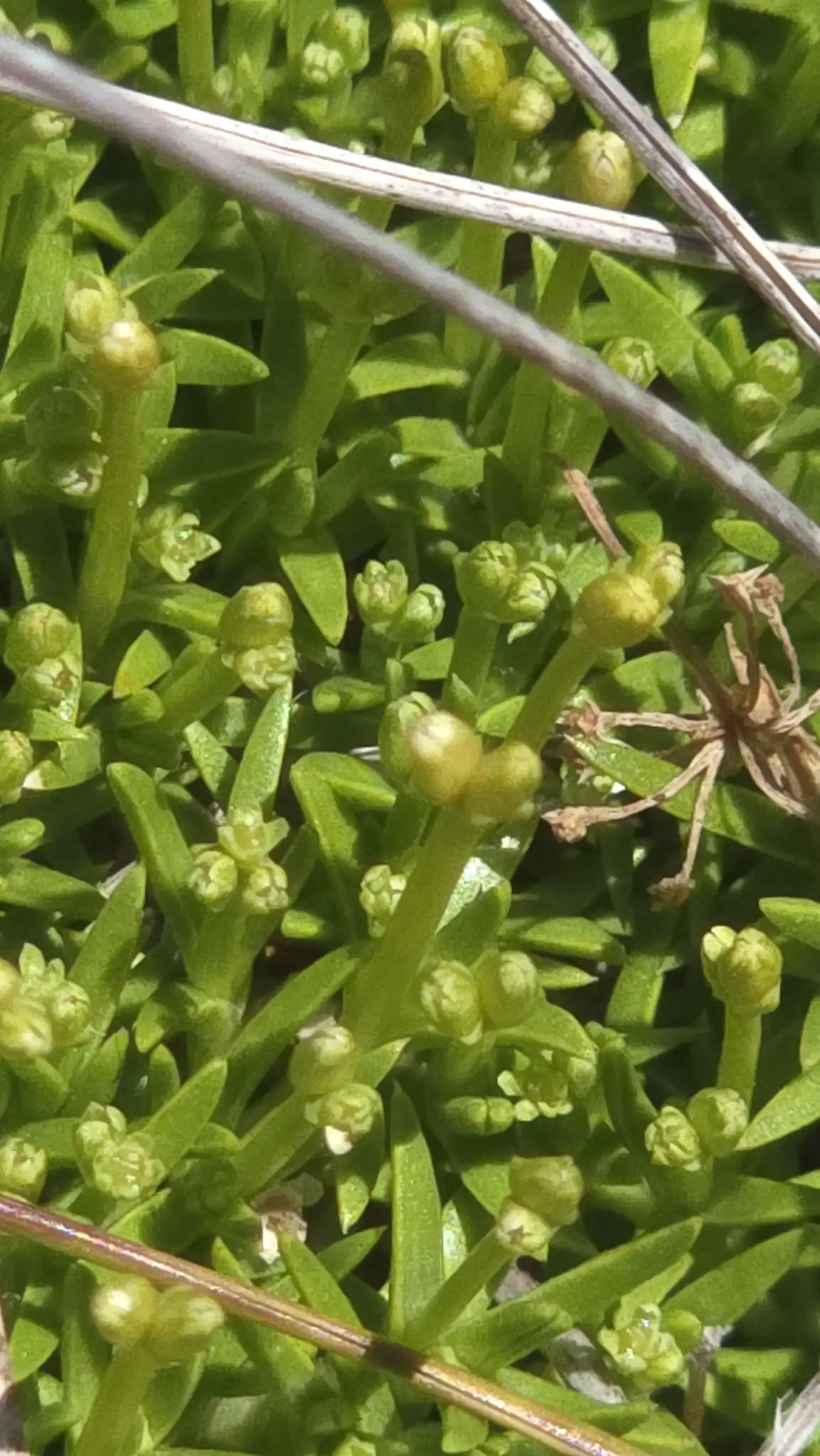
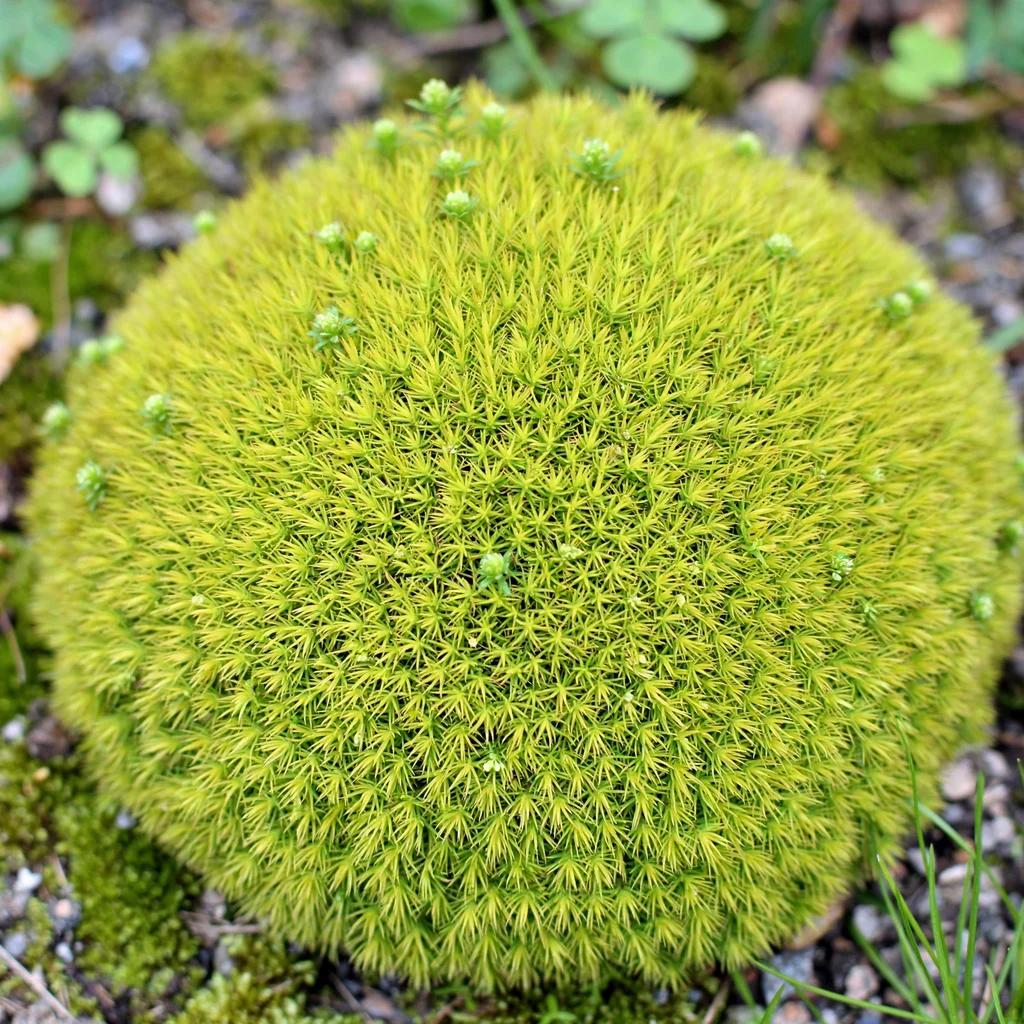
Scleranthus biflorus is a dense, mat-forming perennial herb native to alpine and sub-alpine regions of Australia and New Zealand, where it forms tight, moss-like cushions that hug the contours of rocks and soil. The bright green to chartreuse foliage consists of minute, needle-like leaves crowded along highly branched stems, creating a solid, undulating mound.
This species is distinguished by its petal-less, yellow-green flowers that occur in pairs on short stalks rising just above the foliage during spring and summer. Unlike true mosses, it is a vascular plant that requires excellent drainage and full sun to maintain its tight, cushion-like form.
Uses & Benefits:
Essentials
At a Glance
Plant Type
Groundcover
Height
6"
Width
30"
Light
Full Sun, Partial Sun
Zones
9, 10
Water
Low to moderate
Humidity
Moderate
Lifespan
Perennial
Native To
Australia, New Zealand
Toxicity
Non-toxic
Planting
How to Grow
- Select a planting site in full sun with gritty, sandy, or gravelly soil that drains rapidly.
- Dig a shallow hole and set the crown slightly elevated above the surrounding soil level to prevent water from pooling at the base.
- Water sparingly during the establishment phase, allowing the top inch of soil to dry out completely between waterings.
- Apply a thin layer of fine gravel mulch around the cushion to keep the lower foliage off damp soil.
Pro Tip
Avoid all foot traffic on this plant; while it resembles a soft moss lawn, the stems are brittle and will collapse, leaving permanent dead brown patches.
Keep It Thriving
Care Guide
Do
- Grow in sharply drained, gritty soil mixes.
- Provide full sun to maintain a tight, compact cushion habit.
- Clear away fallen leaves and debris that collect on top of the foliage.
Don't
- Do not allow the plant to sit in standing water or heavy, waterlogged soil.
- Do not walk on the cushion, as the stems are brittle and do not tolerate foot traffic.
- Do not prune hard into the old, bare woody interior of the plant.
Seasonal Care Calendar
| Task | Jan | Feb | Mar | Apr | May | Jun | Jul | Aug | Sep | Oct | Nov | Dec |
|---|---|---|---|---|---|---|---|---|---|---|---|---|
| Divide | ||||||||||||
| Fertilize | ||||||||||||
| Pest Check | ||||||||||||
| Spring Cleanup | ||||||||||||
| Winter Prep |
Watch Out For
Pests & Diseases
Common Pests
Common Diseases
In the Garden
Landscape Uses & Companions
Landscape Uses
Companion Plants
Multiply
Propagation Methods
Good to Know
Common Questions
Twin-flower Knawel questions
What zones can Twin-flower Knawel grow in?
Twin-flower Knawel is hardy in USDA Zones 9–10. Inside that range it survives winter in the ground; outside it, grow it as an annual or a container plant you protect.
Is Twin-flower Knawel deer resistant?
Yes — Twin-flower Knawel is rated deer-resistant. Deer typically pass it over, though extreme hunger can override any plant's defenses.
When does Twin-flower Knawel bloom?
Twin-flower Knawel typically blooms in spring through summer. Exact timing shifts a week or two with your zone — Sow's bloom calendar maps it to your garden.
Does Twin-flower Knawel need full sun?
Twin-flower Knawel does best in full sun to part shade. In hot climates, afternoon shade keeps blooms fresher longer.
Is Twin-flower Knawel drought tolerant?
Yes — once established (usually after the first full season), Twin-flower Knawel handles dry spells with minimal watering. Water deeply its first year to build the root system that makes that possible.
More Scleranthus to compare
Keep exploring
Explore the genus
Hardy in your zone?
Grow Twin-flower Knawel with confidence
See it in a design of your actual yard, get zone-matched care reminders, and track it season by season in your garden journal.