
The Story
Plant Bio
Oxalis fabifolia is a low-growing, clump-forming bulbous perennial native to the Western Cape of South Africa. The species follows a summer-dormant growth cycle, producing foliage and flowers from fall through spring from tiny underground tubers.
This species is distinguished by its unique foliage, which features pairs of elongated, obovate leaflets resembling rabbit ears or pea leaves attached to winged petioles. Upfacing, funnel-shaped lemon-yellow flowers open just above the leaves in late fall and early winter.
Uses & Benefits:
Essentials
At a Glance
Plant Type
Bulb Corm Tuber
Height
3"
Width
18"
Light
Full Sun, Partial Sun
Zones
7, 8, 9, 10
Water
Low (dormant) to Moderate (active)
Humidity
Low to moderate
Lifespan
Perennial
Native To
South Africa (Western Cape)
Toxicity
Toxic to cats, dogs, and livestock
Bloom period
Fall – Winter
In flower about 6 months of the year
Planting
How to Grow
- Plant tubers in late summer or early fall in a light, sandy, or sharply draining loamy soil mix.
- Position the container or planting site in full sun to partial shade, ensuring bright light to prevent leggy growth.
- Water moderately once active growth begins in fall, keeping the soil moist but never waterlogged.
- Allow the foliage to die back naturally in spring, and withhold all water throughout the summer dormancy phase.
Pro Tip
Keep the soil completely dry during the summer dormancy period; excess moisture when the plant is leafless triggers immediate tuber rot.
Keep It Thriving
Care Guide
Do
- Allow foliage to die back completely and naturally in spring to nourish the tubers.
- Provide exceptional drainage by using a sandy or gritty soil mix.
- Protect plants from intense, scorching afternoon sun in hot climates.
Don't
- Do not water the plant during its summer dormancy period.
- Do not prune or cut into old, leafless structures.
- Do not allow stagnant moisture to accumulate around the tubers.
Seasonal Care Calendar
| Task | Jan | Feb | Mar | Apr | May | Jun | Jul | Aug | Sep | Oct | Nov | Dec |
|---|---|---|---|---|---|---|---|---|---|---|---|---|
| Fertilize | ||||||||||||
| Lift Store | ||||||||||||
| Pest Check | ||||||||||||
| Spring Cleanup |
Watch Out For
Pests & Diseases
Common Pests
Common Diseases
In the Garden
Landscape Uses & Companions
Landscape Uses
Multiply
Propagation Methods
Good to Know
Common Questions
Pea-Leaf Shamrock questions
What zones can Pea-Leaf Shamrock grow in?
Pea-Leaf Shamrock is hardy in USDA Zones 7–10. Inside that range it survives winter in the ground; outside it, grow it as an annual or a container plant you protect.
Is Pea-Leaf Shamrock deer resistant?
Yes — Pea-Leaf Shamrock is rated deer-resistant. Deer typically pass it over, though extreme hunger can override any plant's defenses.
When does Pea-Leaf Shamrock bloom?
Pea-Leaf Shamrock typically blooms in fall through winter. Exact timing shifts a week or two with your zone — Sow's bloom calendar maps it to your garden.
Does Pea-Leaf Shamrock need full sun?
Pea-Leaf Shamrock does best in full sun to part shade. In hot climates, afternoon shade keeps blooms fresher longer.
Is Pea-Leaf Shamrock drought tolerant?
Yes — once established (usually after the first full season), Pea-Leaf Shamrock handles dry spells with minimal watering. Water deeply its first year to build the root system that makes that possible.
More Oxalis to compare
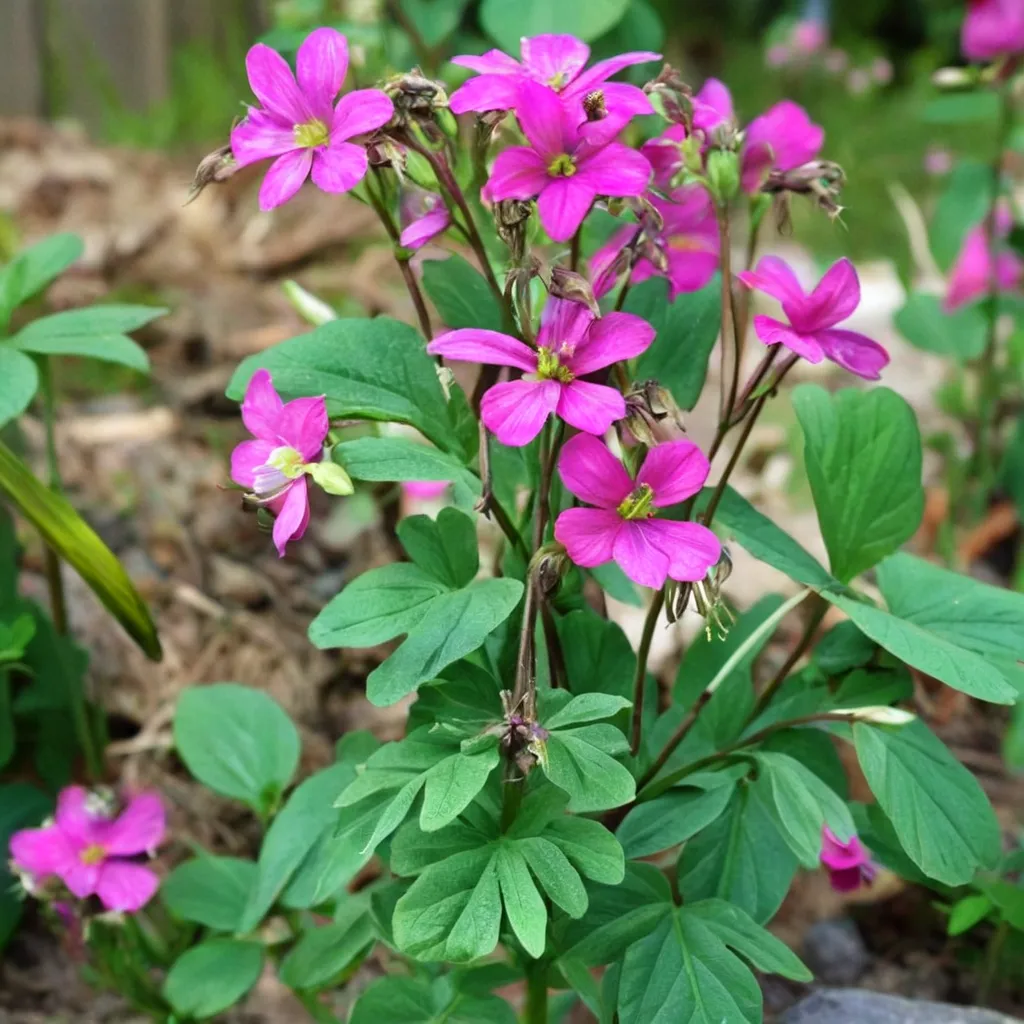
Oxalis Lasiandra
Oxalis lasiandra
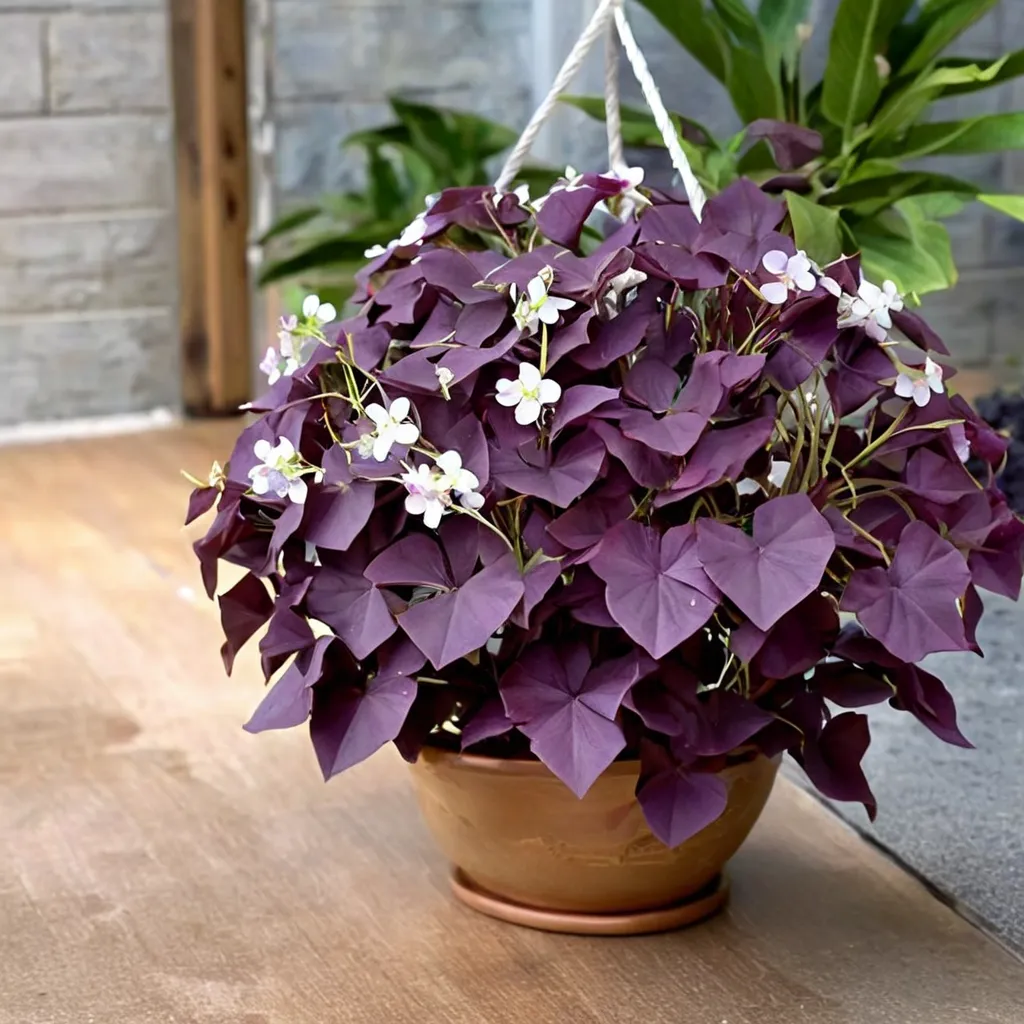
Triangular Oxalis Purple Shamrock
Oxalis triangularis
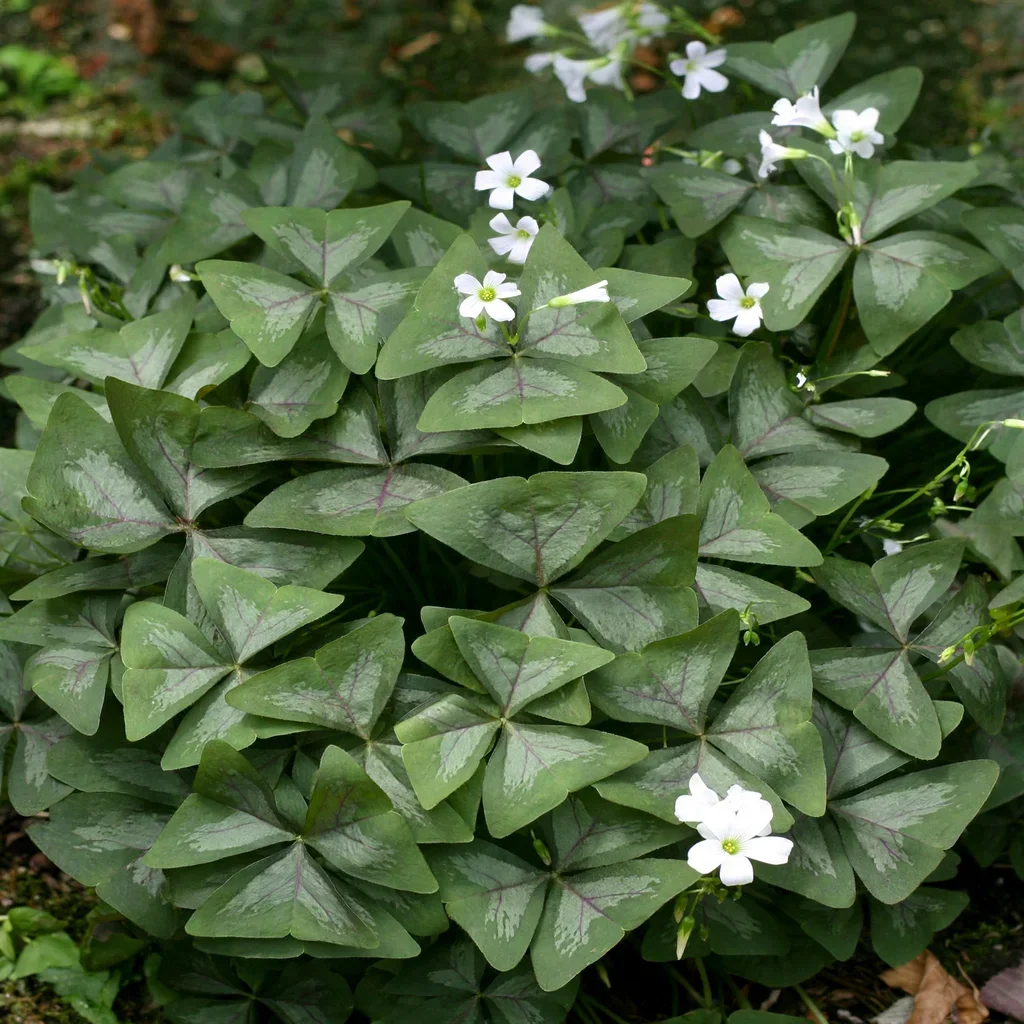
False Shamrock
Oxalis triangularis 'Fanny'
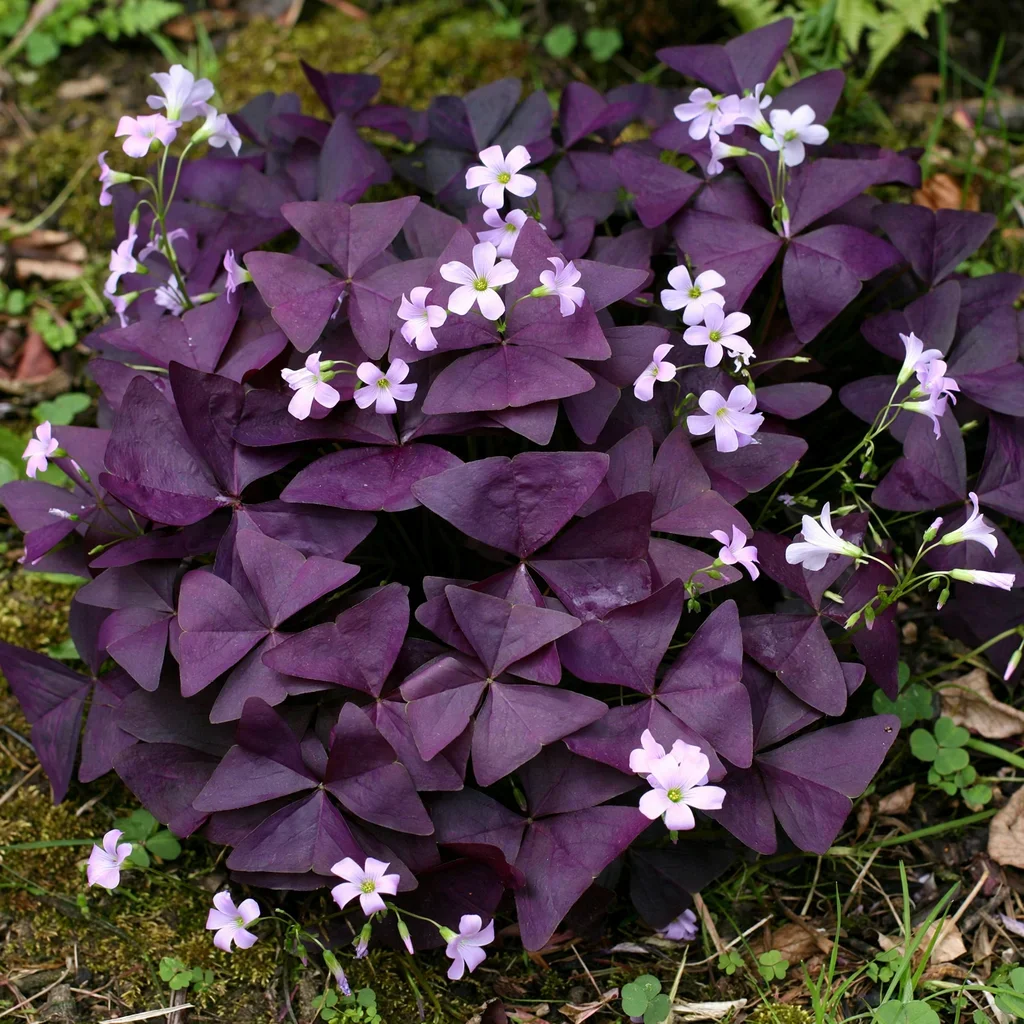
Atropurpurea Purple Shamrock
Oxalis triangularis 'Atropurpurea'
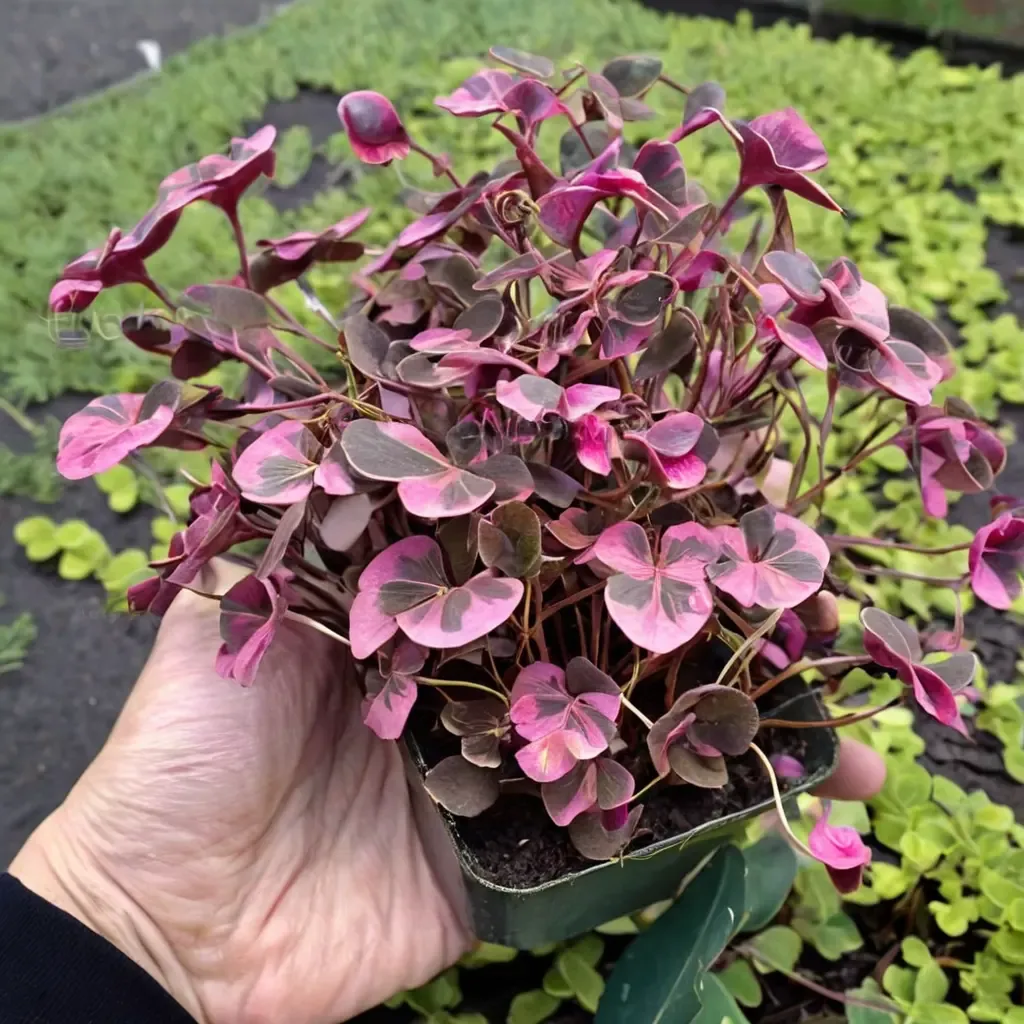
Plum Crazy Yellow Woodsorrel
Oxalis stricta 'Plum Crazy'
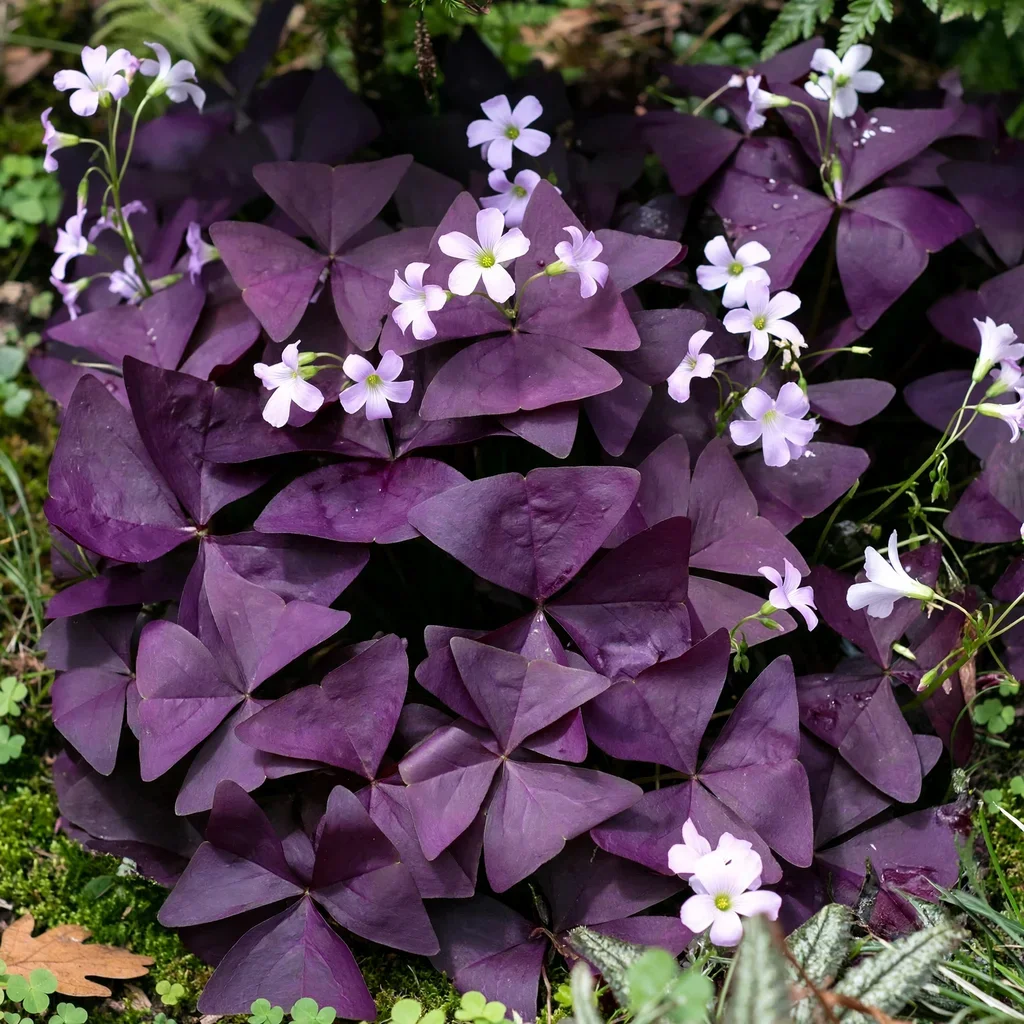
Purple Shamrock
Oxalis triangularis ssp papilionacea
Keep exploring
Explore the genus
Hardy in your zone?
Grow Pea-Leaf Shamrock with confidence
See it in a design of your actual yard, get zone-matched care reminders, and track it season by season in your garden journal.