The Story
Plant Bio
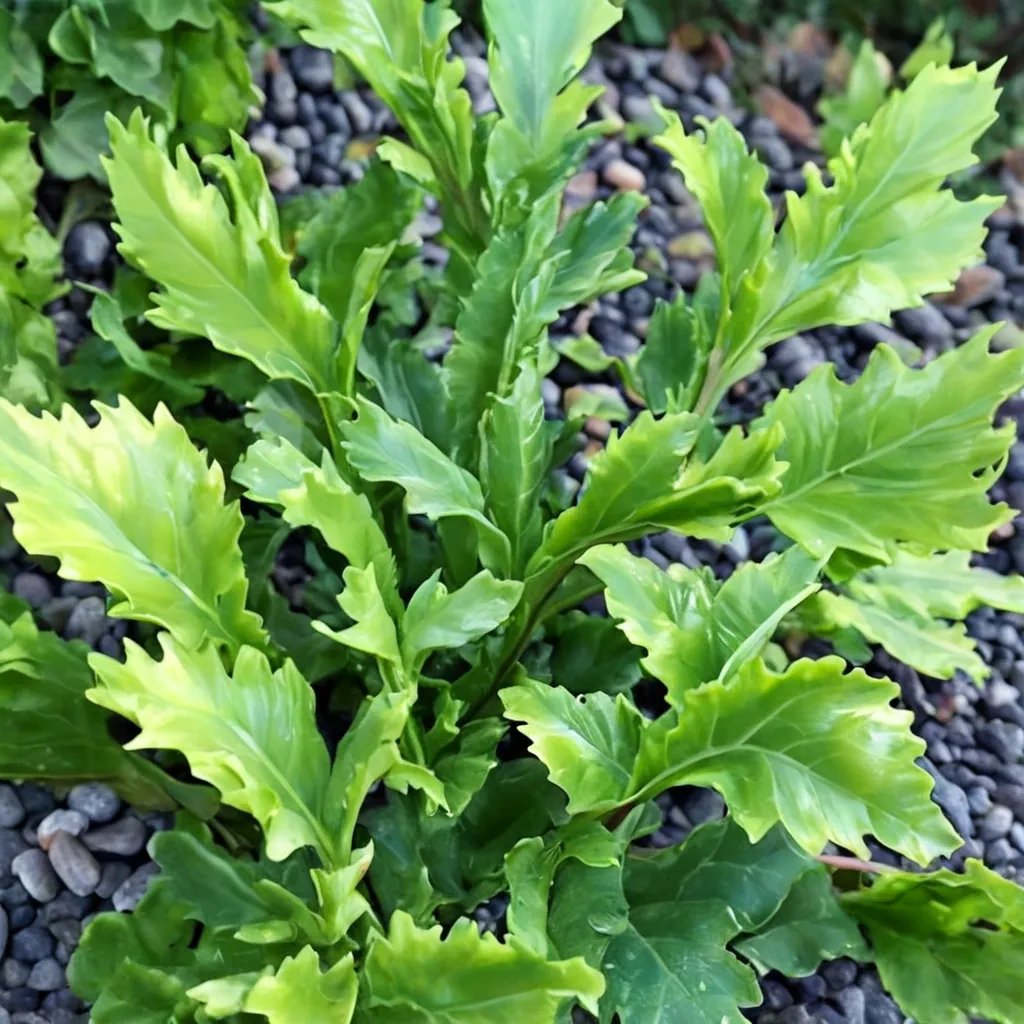
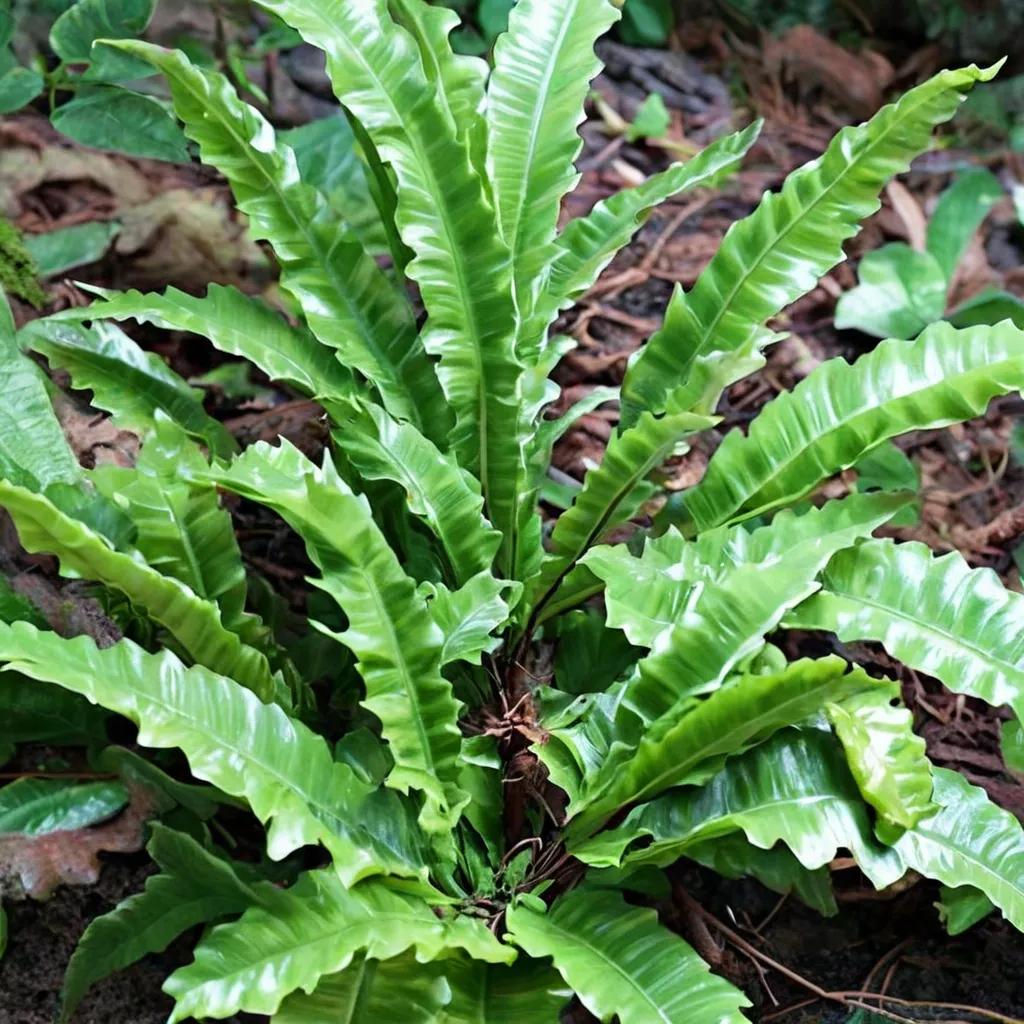
Phyllitis scolopendrium 'Crispata' is a perennial fern distinguished by its glossy, wavy fronds that form a dense, evergreen clump, providing a lush, textured foliage display in shaded garden areas.
The 'Crispata' group is distinguished by its long, tongue-like fronds having attractively waved or ruffled margins, creating a crisp, undulating texture.
Uses & Benefits:
Essentials
At a Glance
Plant Type
Fern
Height
18"
Width
18"
Light
Partial Sun, Shade
Zones
5, 6, 7, 8, 9
Water
Moist
Humidity
High
Lifespan
Perennial
Native To
Europe and Asia
Toxicity
Non-toxic
Planting
How to Grow
- Select a shaded spot with moist, well-drained soil.
- Tuck fern spores or divisions into the soil, keeping roots moist.
- Mist cuttings regularly to encourage root growth.
- Water consistently to keep soil moist but not waterlogged.
- Apply mulch to retain soil moisture and suppress weeds.
- Transplant in early spring or fall for best results.
Pro Tip
Maintain consistently moist soil for optimal growth.
Keep It Thriving
Care Guide
Do
- Keep soil moist 🌱
- Provide indirect shade
- Mulch to retain moisture
Don't
- Avoid direct sunlight ❌
- Don't let soil dry out
- Avoid heavy, waterlogged soil
Seasonal Care Calendar
| Task | Jan | Feb | Mar | Apr | May | Jun | Jul | Aug | Sep | Oct | Nov | Dec |
|---|---|---|---|---|---|---|---|---|---|---|---|---|
| Divide | ||||||||||||
| Fertilize | ||||||||||||
| Mulch | ||||||||||||
| Pest Check | ||||||||||||
| Plant | ||||||||||||
| Spring Cleanup |
Watch Out For
Pests & Diseases
Common Pests
Common Diseases
In the Garden
Landscape Uses & Companions
Landscape Uses
Companion Plants
Multiply
Propagation Methods
Good to Know
Common Questions
Crispata Hart's Tongue Fern questions
What zones can Crispata Hart's Tongue Fern grow in?
Crispata Hart's Tongue Fern is hardy in USDA Zones 5–9. Inside that range it survives winter in the ground; outside it, grow it as an annual or a container plant you protect.
Is Crispata Hart's Tongue Fern deer resistant?
Not reliably. Deer may browse Crispata Hart's Tongue Fern, especially tender spring growth — plan on repellents or fencing where pressure is high.
Does Crispata Hart's Tongue Fern need full sun?
Crispata Hart's Tongue Fern does best in part shade.
More Phyllitis to compare
Keep exploring
Explore the genus
Hardy in your zone?
Grow Crispata Hart's Tongue Fern with confidence
See it in a design of your actual yard, get zone-matched care reminders, and track it season by season in your garden journal.