The Story
Plant Bio
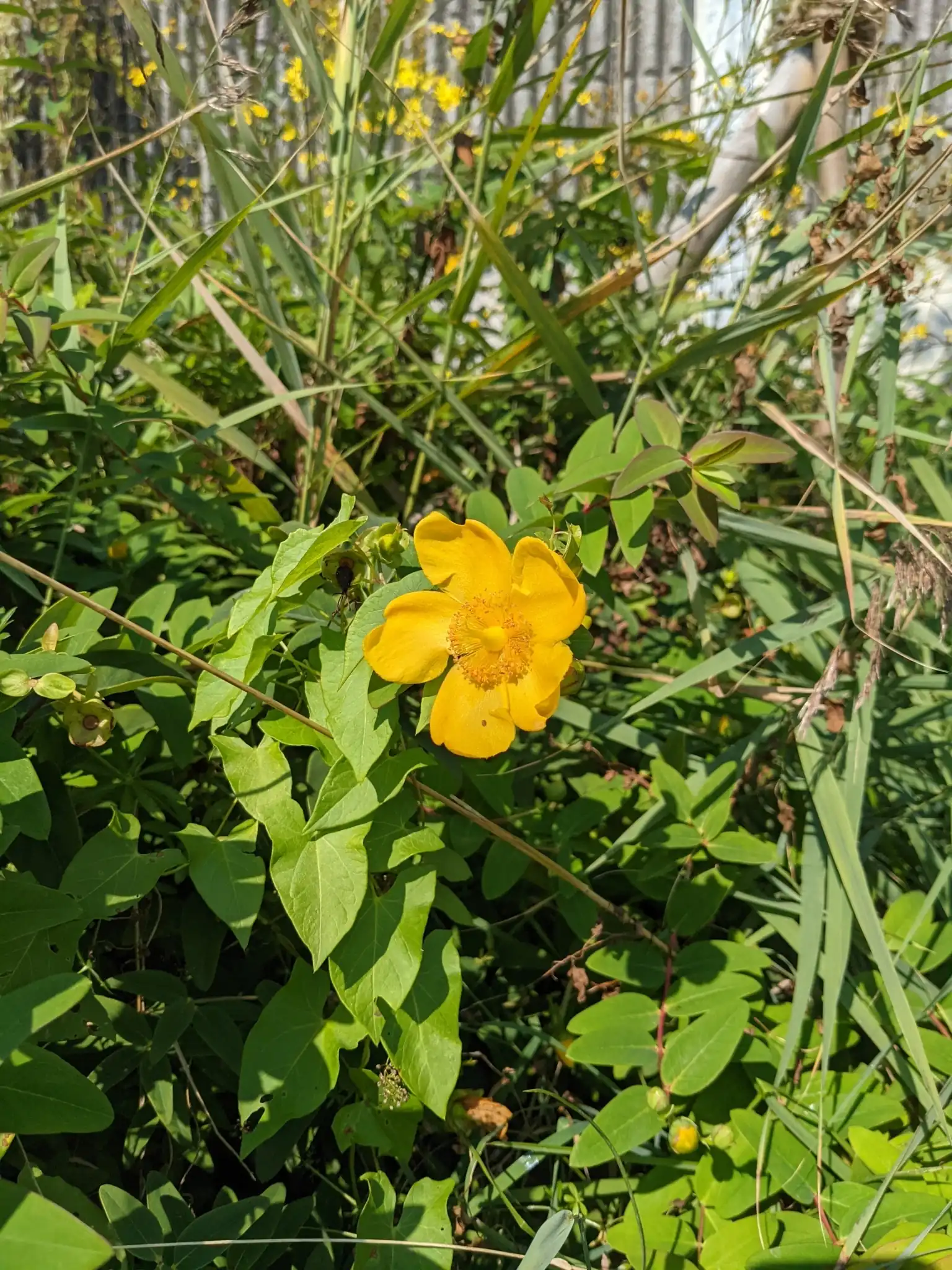
Hypericum × moserianum is a compact, semi-evergreen to deciduous hybrid shrub featuring slender, arching reddish stems and a low-growing habit. The golden-yellow flowers open in summer and fall, displaying prominent, dense tufts of yellow stamens with reddish anthers at the center of each cup-shaped bloom.
The cultivar 'Tricolor' is distinguished by its variegated foliage, which features green leaves broadly edged in creamy-white and suffused with pink. These pink margins intensify in color when exposed to cooler autumn temperatures.
Uses & Benefits:
Essentials
At a Glance
Plant Type
Shrub
Height
36"
Width
36"
Light
Full Sun, Partial Sun
Zones
6, 7, 8, 9
Water
Moderate
Humidity
Moderate
Lifespan
Moderate
Native To
Garden origin
Toxicity
Mildly toxic if ingested
Bloom period
Summer – Fall
In flower about 6 months of the year
Planting
How to Grow
- Select a planting site with full sun to partial shade and excellent drainage.
- Incorporate organic matter into sandy or loamy soils to improve moisture retention without creating waterlogged conditions.
- Space plants 18 to 36 inches apart to accommodate their arching, mounding growth habit.
- Water regularly after planting to establish a deep root system, then reduce frequency once the shrub is established.
Pro Tip
Avoid shearing this shrub down to bare wood in winter; instead, perform a light structural cleanup in early spring to preserve the live framework of stems and prevent dieback.
Keep It Thriving
Care Guide
Do
- Prune lightly in early spring to shape the plant and remove winter-killed stem tips.
- Ensure the soil drains rapidly to prevent root rot and honey fungus.
- Apply a balanced, slow-release fertilizer in early spring if growth appears lackluster.
Don't
- Do not plant in heavy, poorly draining clay soils where water pools.
- Do not shear the plant back to bare wood, as buds may fail to break from old stems.
- Do not over-fertilize, which can lead to weak, floppy growth.
Seasonal Care Calendar
| Task | Jan | Feb | Mar | Apr | May | Jun | Jul | Aug | Sep | Oct | Nov | Dec |
|---|---|---|---|---|---|---|---|---|---|---|---|---|
| Fertilize | ||||||||||||
| Pest Check | ||||||||||||
| Prune | ||||||||||||
| Winter Prep |
Watch Out For
Pests & Diseases
Common Pests
Common Diseases
In the Garden
Landscape Uses & Companions
Landscape Uses
Multiply
Propagation Methods
Good to Know
Common Questions
Moser's St. John's Wort questions
What zones can Moser's St. John's Wort grow in?
Moser's St. John's Wort is hardy in USDA Zones 6–9. Inside that range it survives winter in the ground; outside it, grow it as an annual or a container plant you protect.
Is Moser's St. John's Wort deer resistant?
Yes — Moser's St. John's Wort is rated deer-resistant. Deer typically pass it over, though extreme hunger can override any plant's defenses.
When does Moser's St. John's Wort bloom?
Moser's St. John's Wort typically blooms in summer through fall. Exact timing shifts a week or two with your zone — Sow's bloom calendar maps it to your garden.
Does Moser's St. John's Wort need full sun?
Moser's St. John's Wort does best in full sun to part shade. In hot climates, afternoon shade keeps blooms fresher longer.
Is Moser's St. John's Wort drought tolerant?
Yes — once established (usually after the first full season), Moser's St. John's Wort handles dry spells with minimal watering. Water deeply its first year to build the root system that makes that possible.
More Hypericum to compare
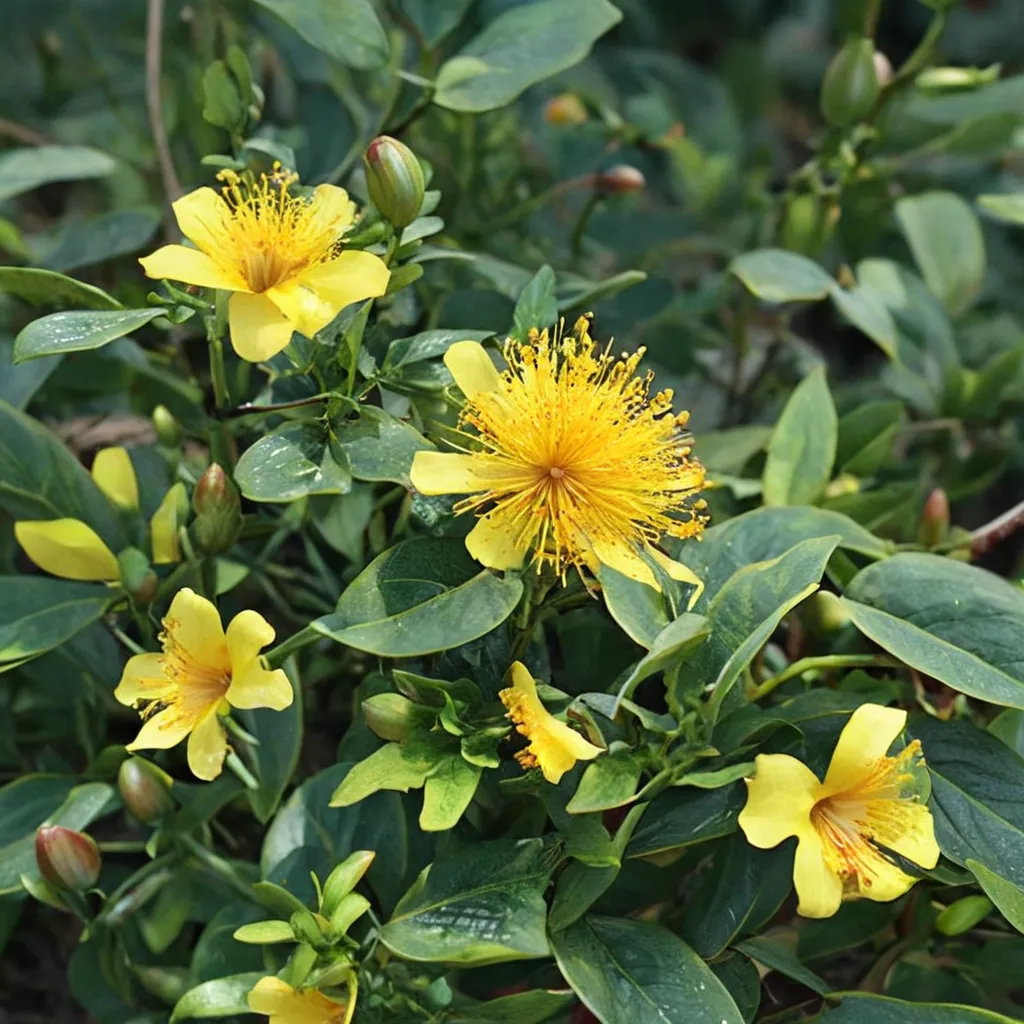
Hypericum frondosum Goldmound
Hypericum frondosum
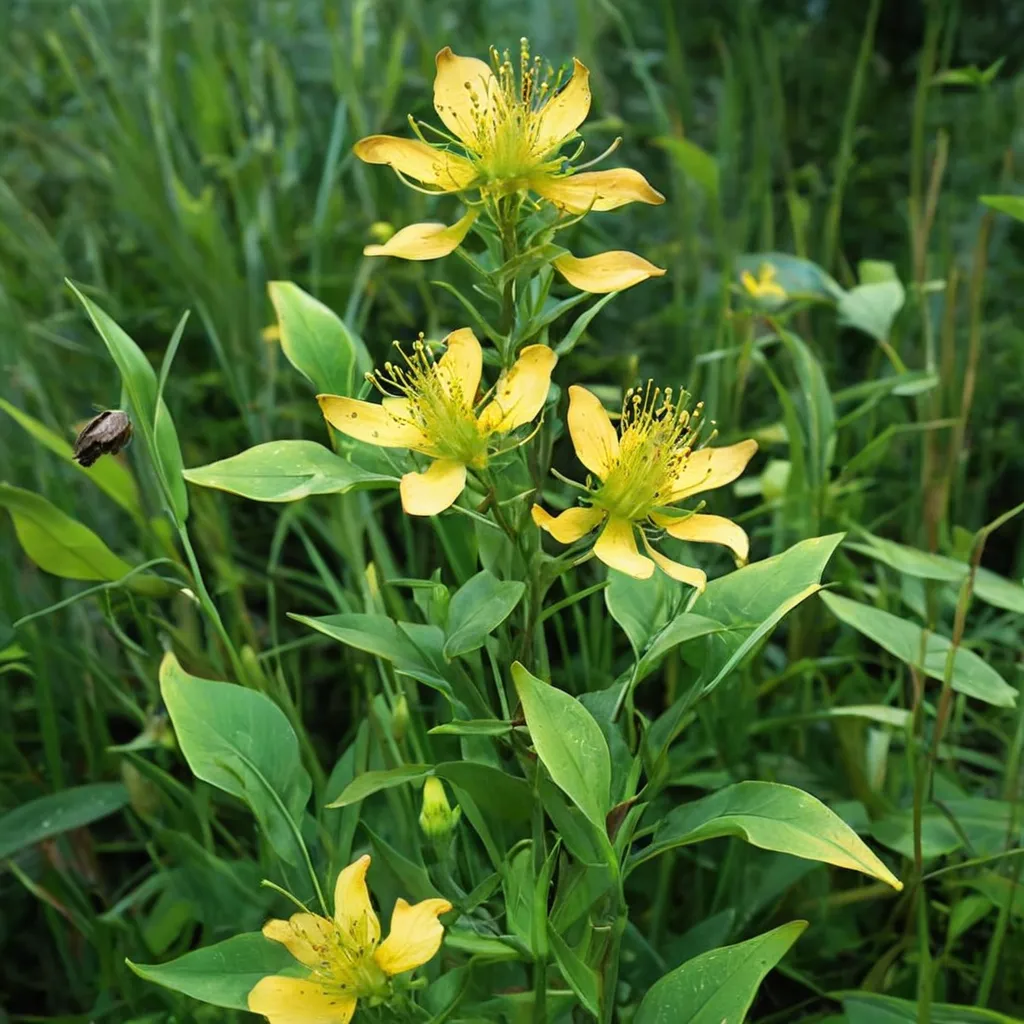
Great St. John's Wort
Hypericum ascyron
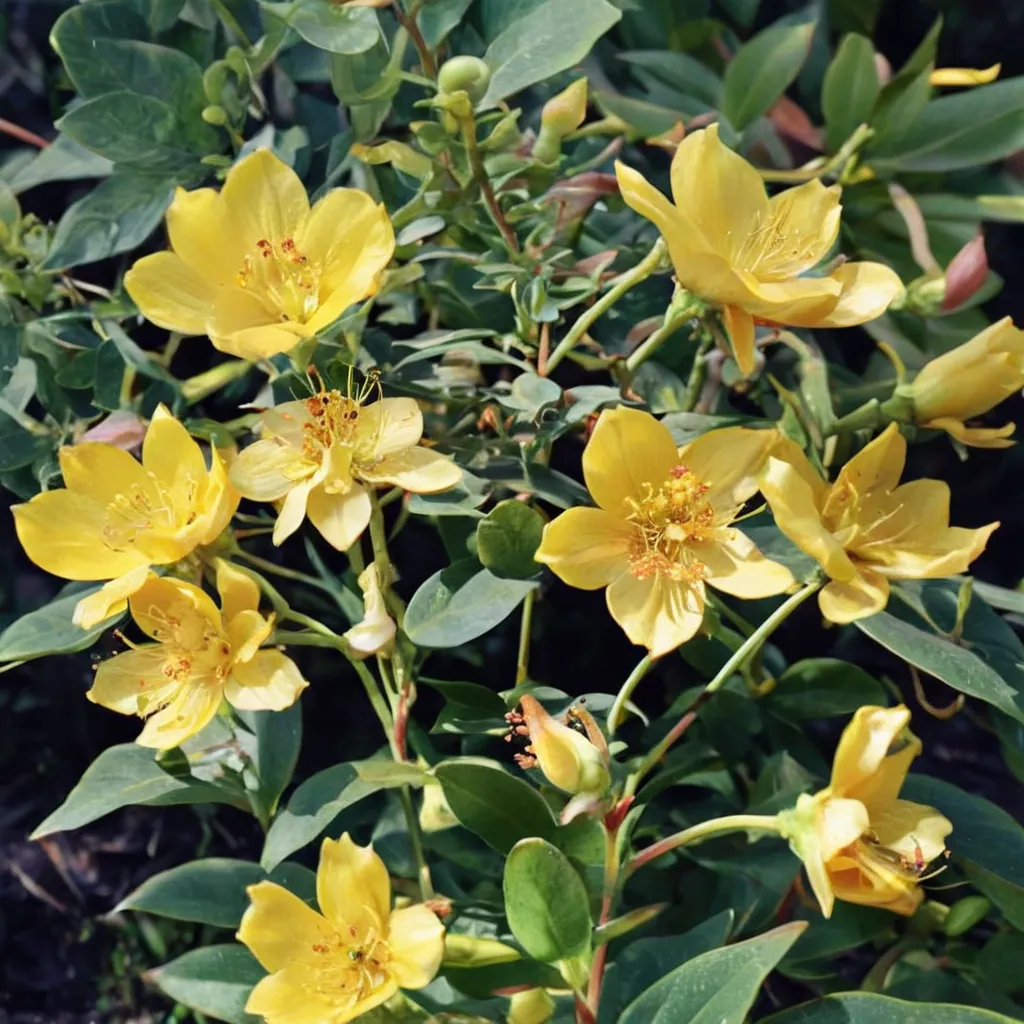
Variegated Hypericum
Hypericum patulum 'Hidcote Variegated'
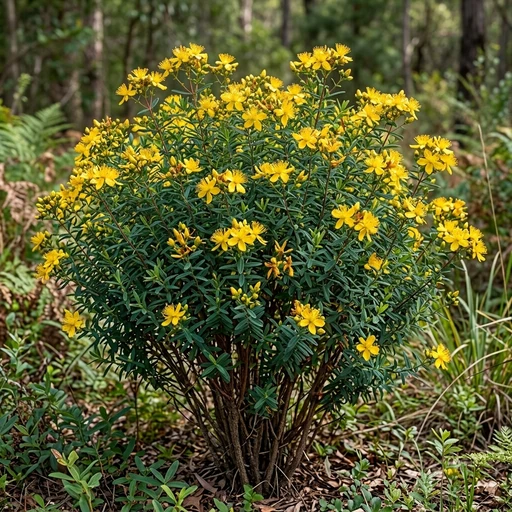
Shrubby St. Johnswort
Hypericum prolificum
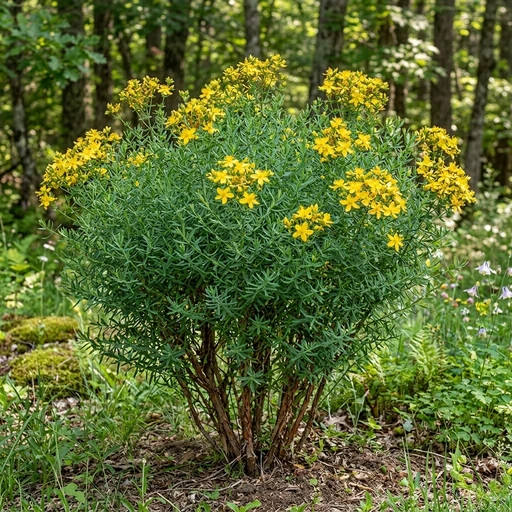
Gemo St. Johnswort
Hypericum kalmianum 'Gemo'
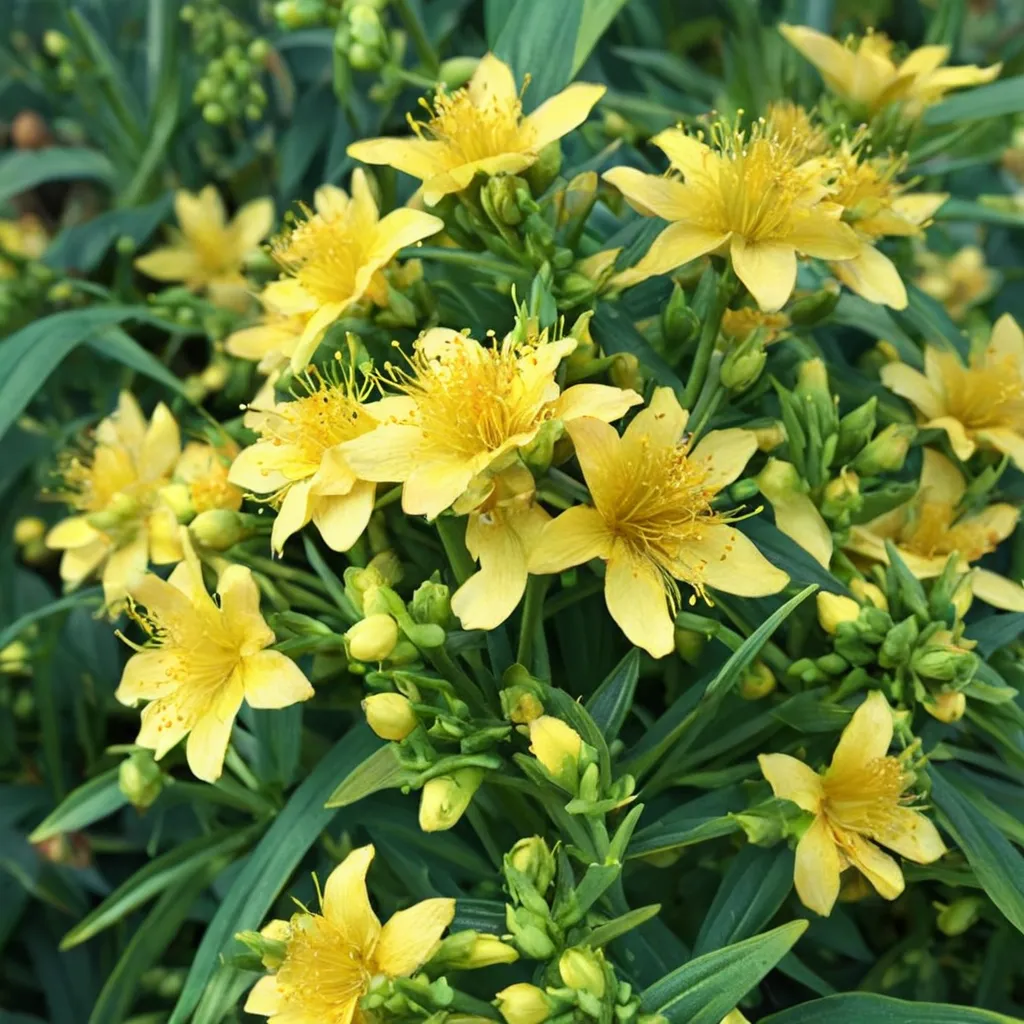
Sunny Boulevard Kalm's St. John's Wort
Hypericum perforatum 'Sunny Boulevard'
Keep exploring
Explore the genus
Hardy in your zone?
Grow Moser's St. John's Wort with confidence
See it in a design of your actual yard, get zone-matched care reminders, and track it season by season in your garden journal.