The Story
Plant Bio
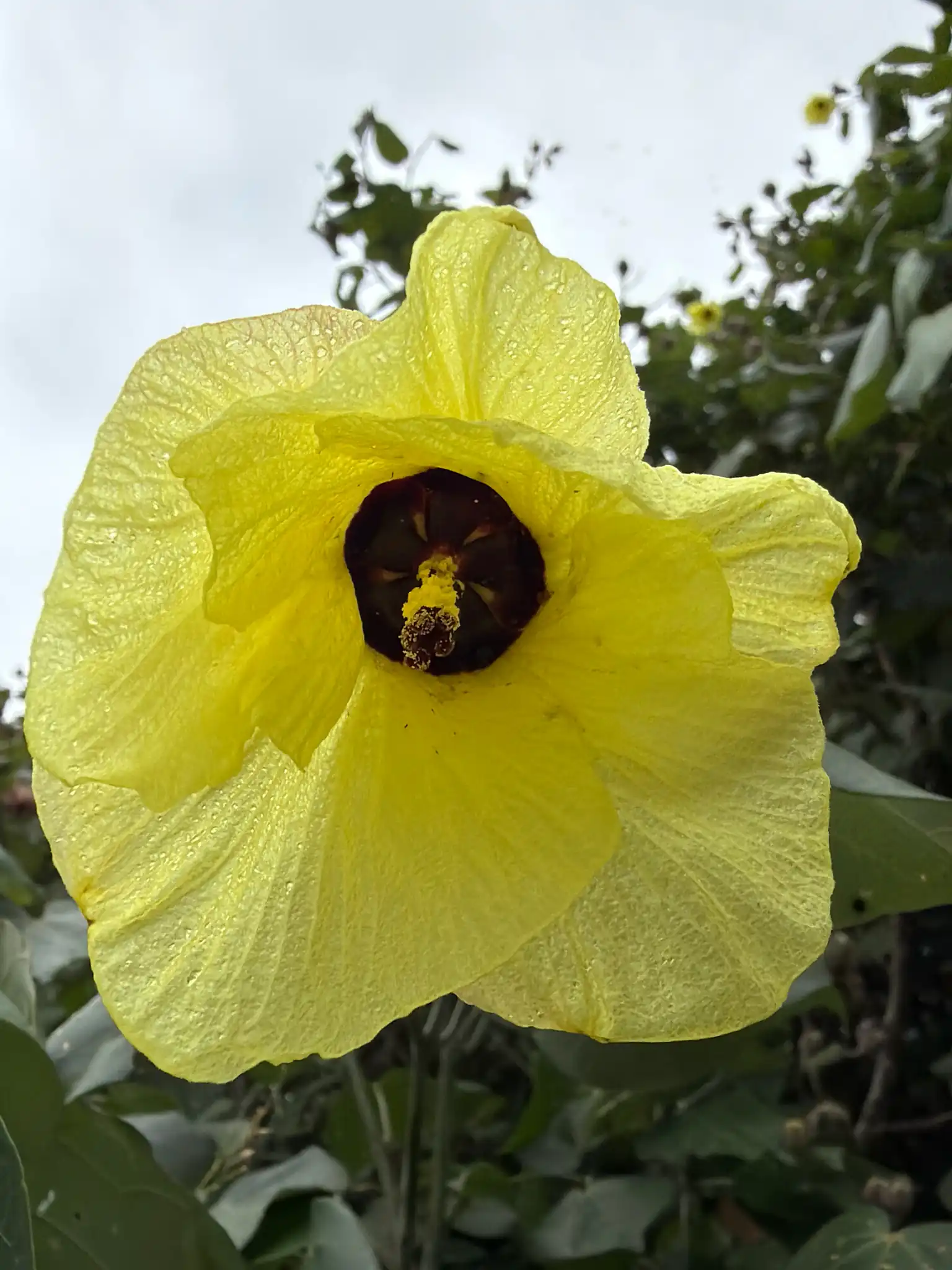
Hibiscus tiliaceus is a large, evergreen coastal tree or spreading shrub native to Old World tropics, characterized by a dense, rounded canopy and broad, heart-shaped leaves with whitish-velvety undersides. The solitary, bell-shaped flowers emerge bright yellow with deep crimson centers, shifting to orange and red before they drop.
This species exhibits a distinctive walking habit where low-hanging branches root upon contacting the ground to stabilize shifting coastal sands. New foliage emerges with light green to bronze tones, providing subtle color contrast against the mature dark green leaves.
Uses & Benefits:
Essentials
At a Glance
Plant Type
Tree
Height
394"
Width
394"
Light
Full Sun, Partial Sun
Zones
10
Water
Low to moderate once established
Humidity
High
Lifespan
Long-lived
Native To
Old World tropics
Toxicity
Skin irritant (seed capsule hairs)
Bloom period
Spring – Summer
In flower about 6 months of the year
Planting
How to Grow
- Select a planting site in full sun to light dappled shade with sandy, loamy, or clay soil.
- Dig a hole twice as wide as the root ball and set the plant at the same depth it was in the container.
- Water deeply and regularly until the root system is fully established to ensure drought tolerance.
- Allow lower branches to spread naturally if soil stabilization or a walking tree habit is desired.
Pro Tip
Avoid pruning heavily into old, leafless wood, as this ruins the natural multi-stemmed architectural canopy and results in slow, patchy regrowth.
Keep It Thriving
Care Guide
Do
- Water regularly during the first growing season to establish a deep root system.
- Provide full sun to maximize flower production and maintain dense canopy growth.
- Wear gloves when handling mature seed capsules to avoid skin irritation from fine fibers.
Don't
- Do not prune aggressively into old, bare wood unless managing size strictly.
- Do not plant in poorly drained, heavy clay soils where standing water is permanent.
- Do not apply heavy fertilizers, as this species thrives in low-nutrient coastal soils.
Seasonal Care Calendar
| Task | Jan | Feb | Mar | Apr | May | Jun | Jul | Aug | Sep | Oct | Nov | Dec |
|---|---|---|---|---|---|---|---|---|---|---|---|---|
| Fertilize | ||||||||||||
| Pest Check | ||||||||||||
| Propagate | ||||||||||||
| Prune |
Watch Out For
Pests & Diseases
Common Pests
Common Diseases
In the Garden
Landscape Uses & Companions
Landscape Uses
Companion Plants
Multiply
Propagation Methods
Good to Know
Common Questions
Sea Hibiscus questions
What zones can Sea Hibiscus grow in?
Sea Hibiscus is hardy in USDA Zone 10. Inside that range it survives winter in the ground; outside it, grow it as an annual or a container plant you protect.
When does Sea Hibiscus bloom?
Sea Hibiscus typically blooms in spring through summer. Exact timing shifts a week or two with your zone — Sow's bloom calendar maps it to your garden.
Does Sea Hibiscus need full sun?
Sea Hibiscus does best in full sun to part shade. In hot climates, afternoon shade keeps blooms fresher longer.
Is Sea Hibiscus drought tolerant?
Yes — once established (usually after the first full season), Sea Hibiscus handles dry spells with minimal watering. Water deeply its first year to build the root system that makes that possible.
More Hibiscus to compare
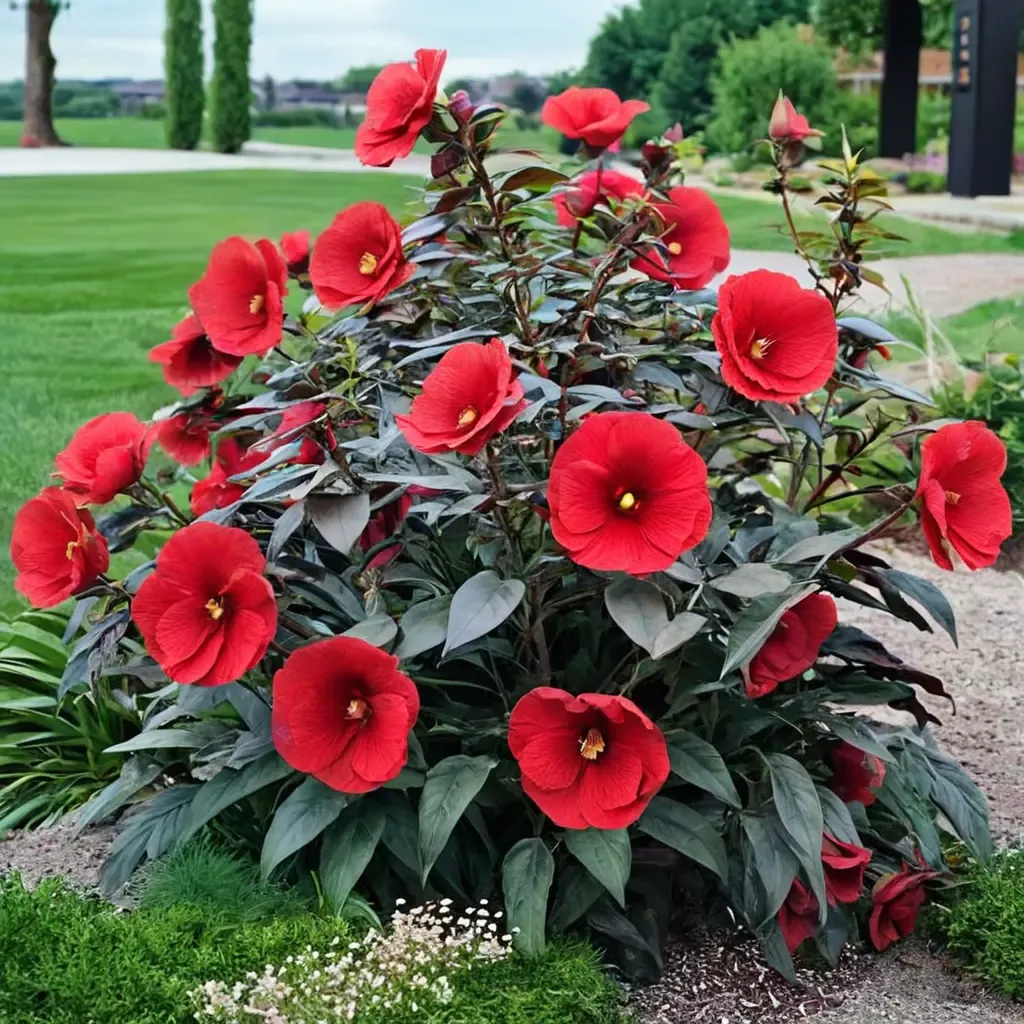
Midnight Marvel Swamp Hibiscus
Hibiscus moscheutos 'Midnight Marvel'
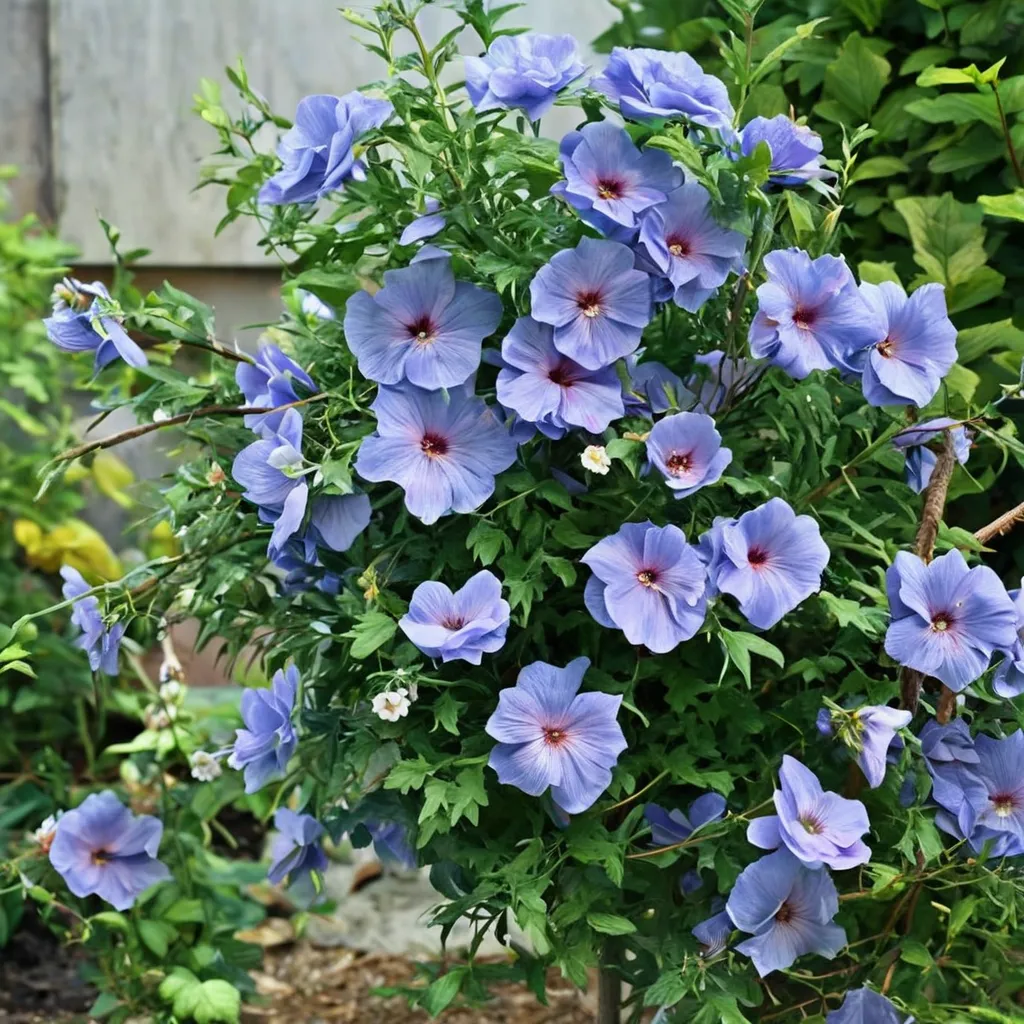
Rose of Sharon Hibiscus
Hibiscus syriacus 'Azurri Blue Satin'
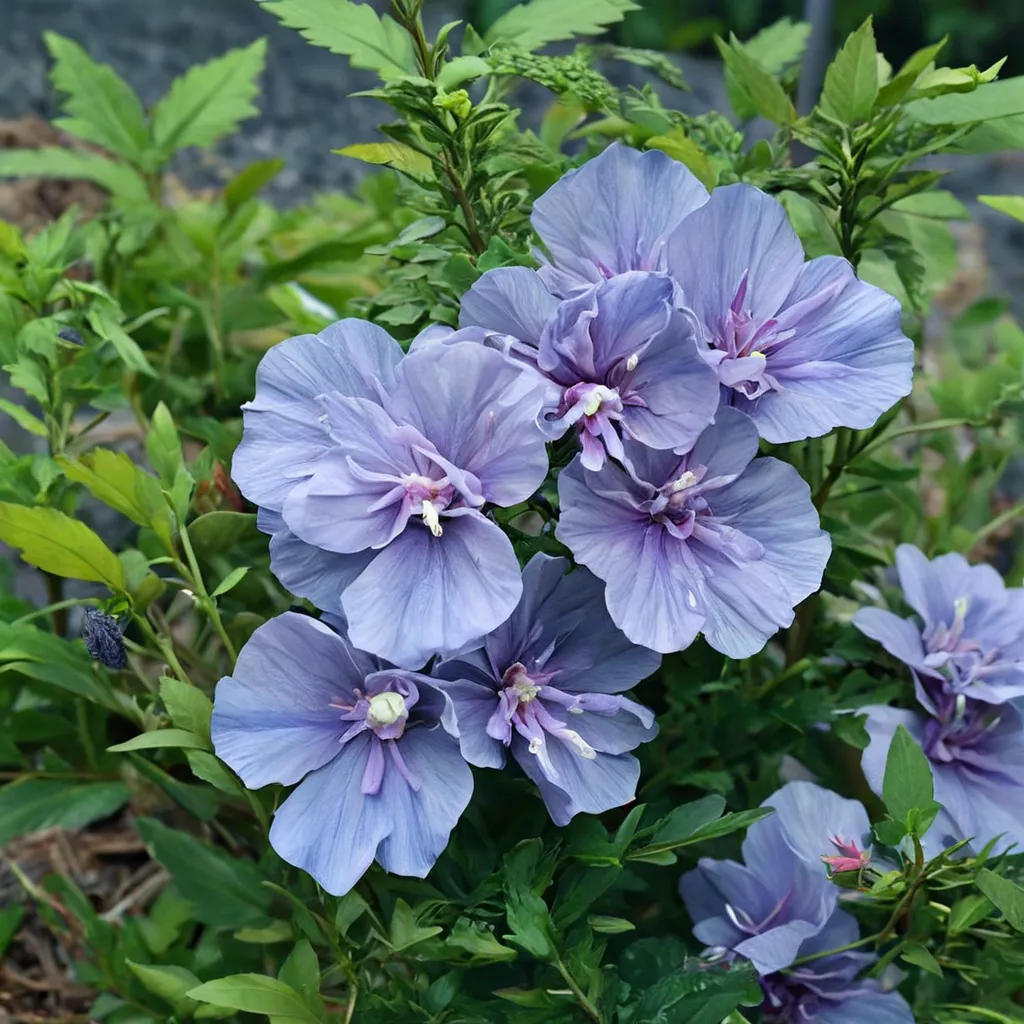
Blue Chiffon Rose of Sharon
Hibiscus syriacus 'Blue Chiffon'
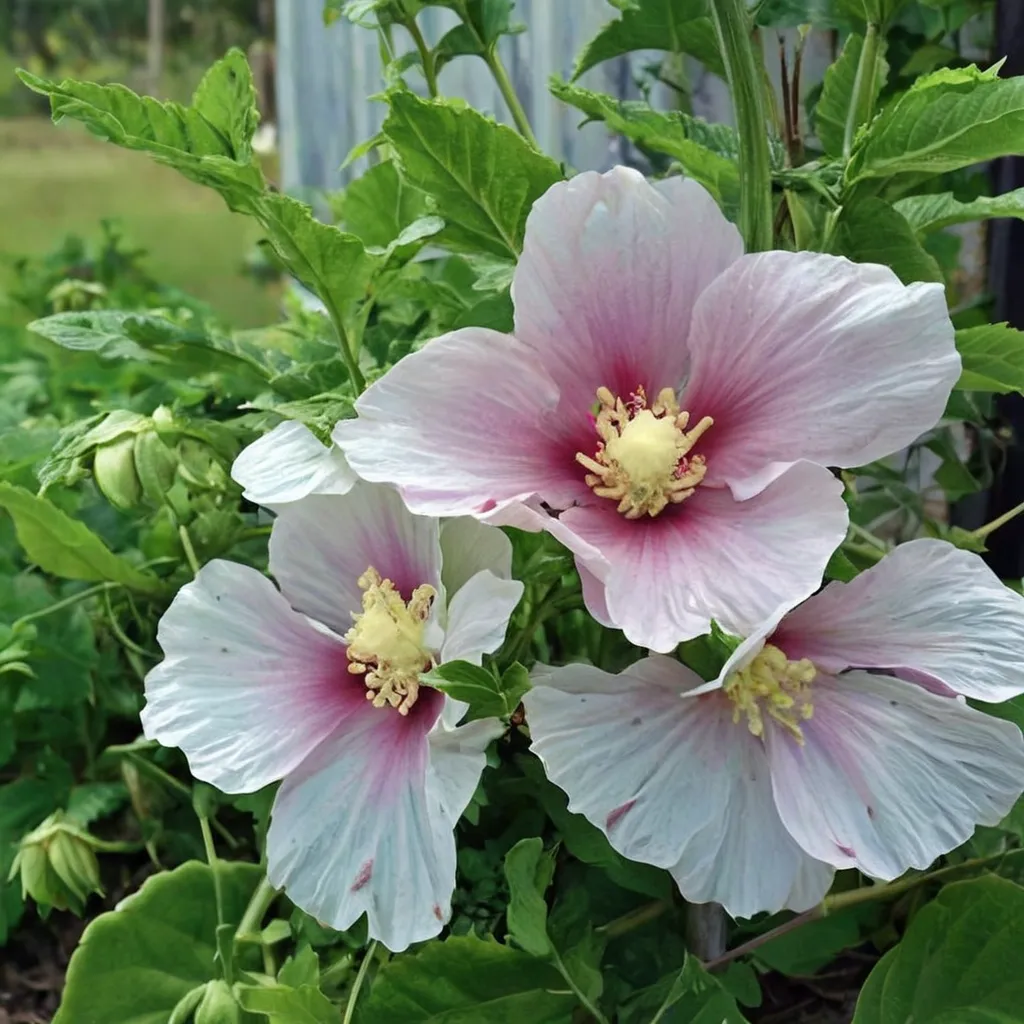
Confederate Rose
Hibiscus paramutabilis
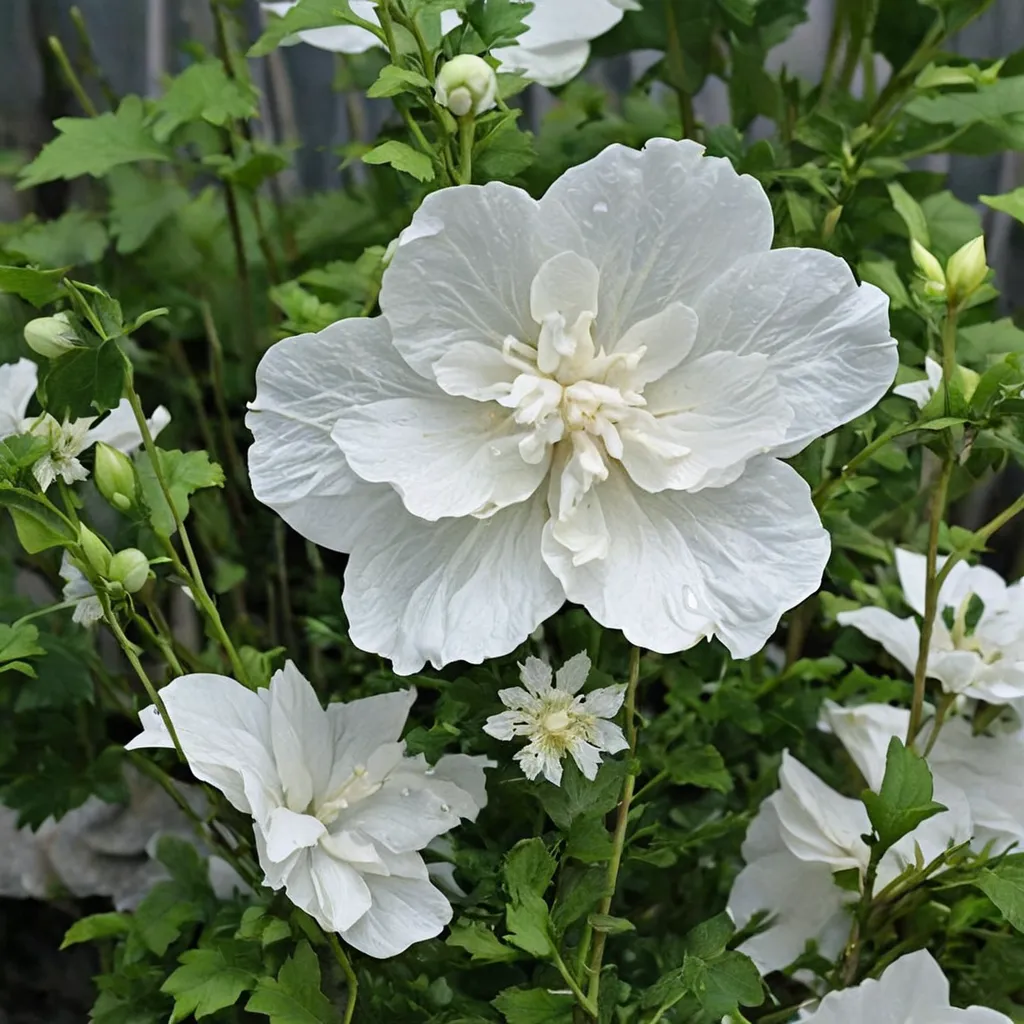
White Chiffon Hibiscus
Hibiscus syriacus 'White Chiffon'
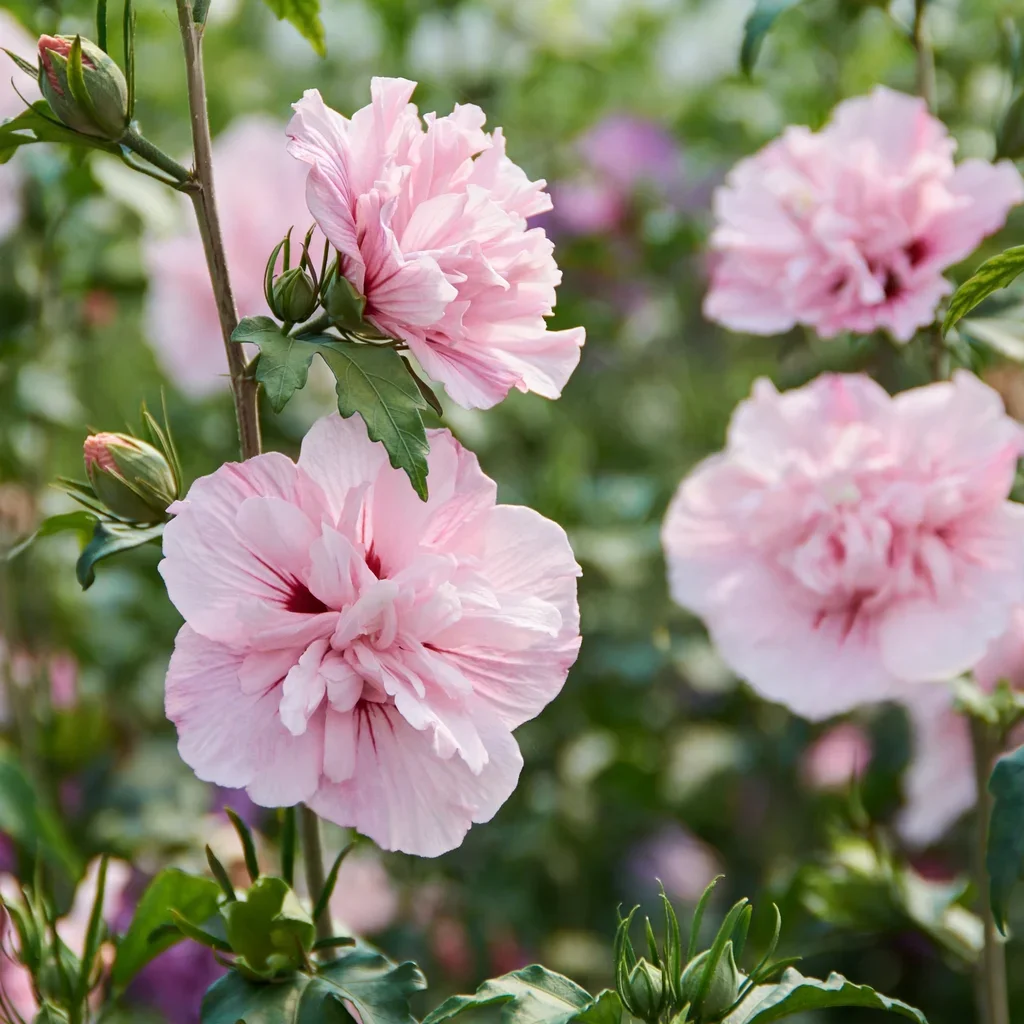
Pink Chiffon Rose of Sharon
Hibiscus syriacus 'Pink Chiffon'
Keep exploring
Explore the genus
Hardy in your zone?
Grow Sea Hibiscus with confidence
See it in a design of your actual yard, get zone-matched care reminders, and track it season by season in your garden journal.